








![{Transition Chords} & Contemporary Japanese Music - [Kashiwa, Kondo, et. al.]](https://i.ytimg.com/vi_webp/OsCHcAe3GNQ/maxresdefault.webp)
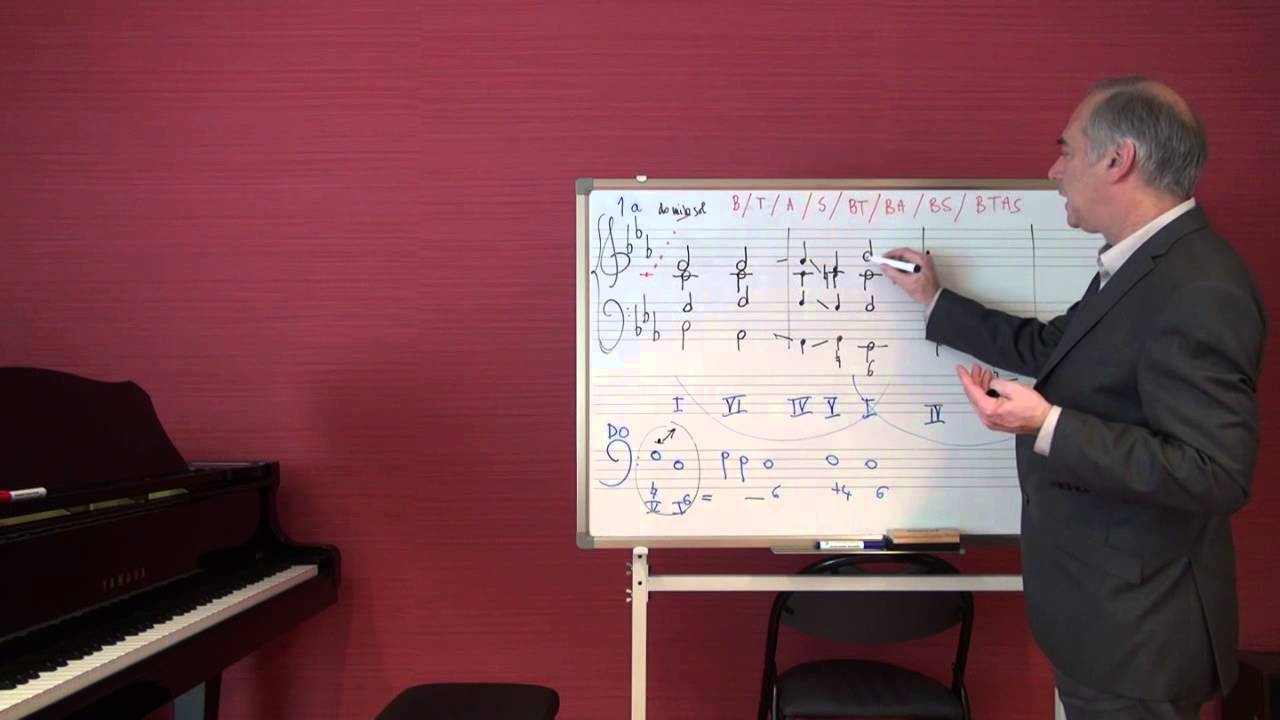



Figured bass is a Baroque-era harmonic notation system where a written bass line includes numerical markings below each note to indicate which intervals above that bass note should be played, allowing performers to realize the harmony by assigning voices and creating smooth melodic lines; the numbers represent intervals (e.g., 5/3 for root position triads, 6/3 for first inversion, 6/4 for second inversion, and 7/6 for seventh chords), with some numbers assumed by convention (like the 5 and 3 in root position), and accidentals can be added to non-diatonic notes to modify specific chord tones.
Understanding Figured Bass: A Complete Guide
Added:Fluency in reading bass clef and treble clef staff notation.
A strong understanding of musical intervals (major, minor, perfect, diminished, and augmented), as figured bass is entirely based on calculating distances above the bass note.
Basic triad and seventh chord construction, including the concepts of root, third, fifth, and seventh.
Knowledge of major and minor key signatures and diatonic harmony.
Classical voice-leading and part-writing rules in four-part (SATB) texture, such as avoiding parallel fifths and octaves.
Basso continuo realization at a keyboard instrument, converting figured bass symbols into real-time improvised accompaniment.
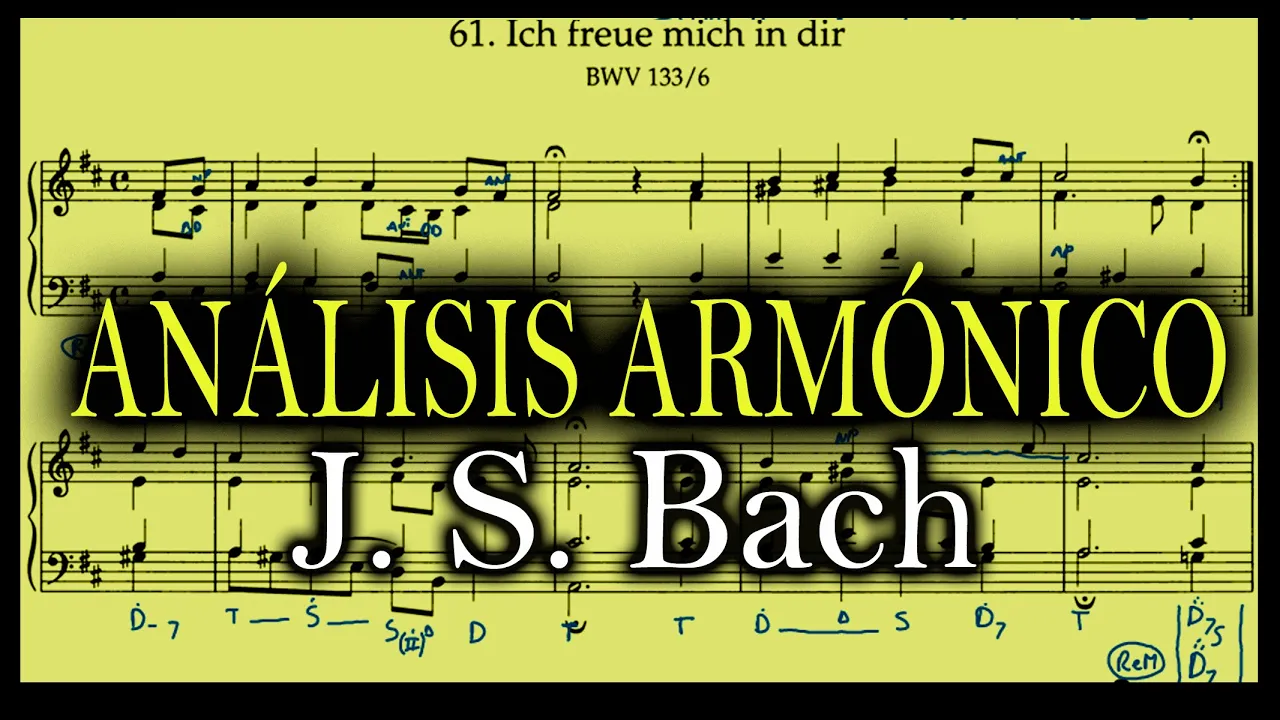
Harmonic analysis of Baroque repertoire, specifically the study and realization of J.S. Bach's chorales.
Advanced chromatic harmony notation, including how to read and write figures for secondary dominants, Neapolitan chords, and augmented sixth chords.
94.3K views2.1Klikes5:00Original Release: 2015-11-27
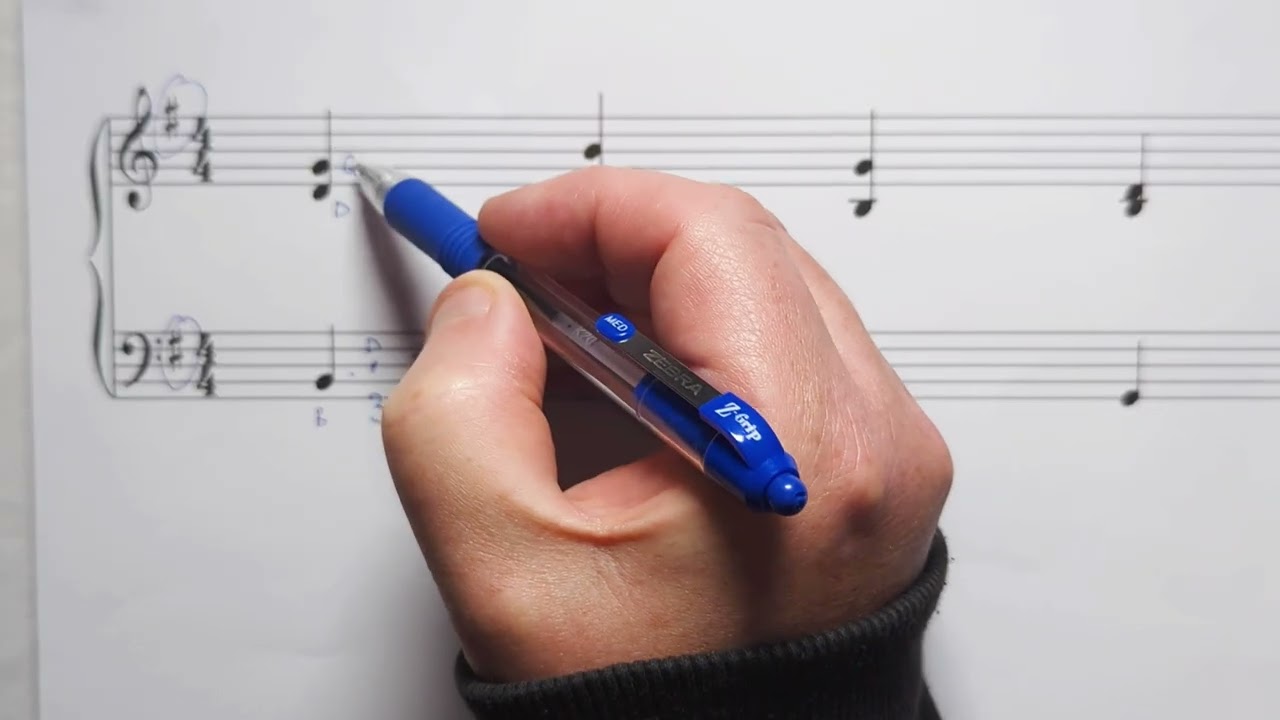
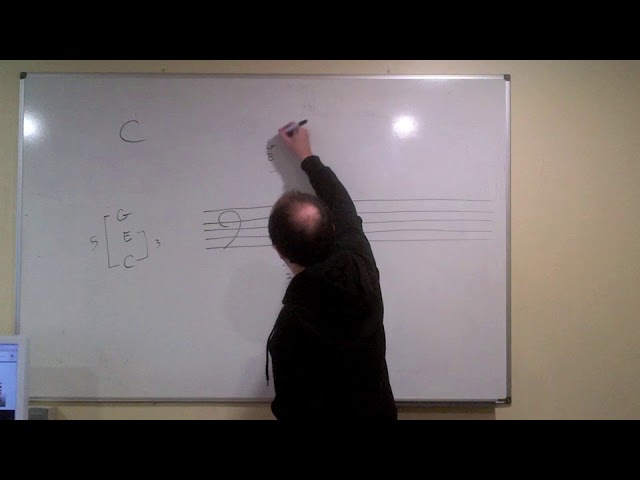
hey guys welcome to 12 tone today we're going to talk about figured bass this is sort of a continuation of our four-part writing video so if you haven't seen that maybe go watch it first figured Bas also known as through base or baso continuo is an alternate technique for harmonic notation originating in the Baroque Era instead of writing chord symbols like we do today you would provide a written Baseline with markings below to indicate which intervals Above That Bass note are acceptable within the harmony why they thought that was simpler I have no idea but I'm glad they did because it gives you a completely different way to think about Harmony unless you're trying to get an actual music degree you probably won't encounter figured bass very often but that's kind of a shame cuz it's really useful and really fun in figured Bas compositions the actual structure of the Baseline is important with more smooth steps in voice leading almost serving as another Melody at times and inversions which we haven't talked about much up to this point pop up way more often in fact the primary job of figured based notation is to tell you which chord tone the bass note is it's a little tricky at first but once you get used to it identifying inversions with it is a pretty simple process let's take a look at an E major Triad in root position we have e in the base above that we have G Shar the thir and B the fifth note that the intervals are always dionic unless stated otherwise so we don't have to tell them that the G is sharp the key signature does that for us now let's move on to First inversion here our BAS note is G Shar but the chord is still E major so what are for our intervals going up we have the B which is a third above G Shar it's a minor third not major like the last time but remember that the intervals are dionic so that doesn't matter and the g Shar to e that's a minor 6th that gives us 63 as our first inversion notation in second inversion we have the b in the base it's a perfect fourth from there up to E and A major 6 to the G sharp giving us 64 those are our Triads but we can also do this with seventh chords in root position we have e in the base again then three five and seven first inversion brings the E up top putting the G sharp in the base and giving us 3 five and then six second inversion moves the G sharp up and over B we have 3 4 and six well third inversion puts the D sharp in the base and the intervals are 2 4 and six but well that all looks really cluttered doesn't it there are so many numbers under every note and we don't actually need to write all of them every time Root position is still the most common inversion so we tend to assume the five and the three unless hold otherwise this means the root position Triads don't actually need any numbers the bass note tells you all you need to know for first inversion we just need the six that tells us not to play the five and the three is just assumed second inversion still needs 64 because they're both unassumed notes for seventh chords in root position we just have to tell them the seven they'll know the rest in first inversion we have to tell them the six and also the five since six normally means there is no five for second and third inversion to save space we also assume the six so so we just have to write 43 for second inversion and 42 for third which now that I say it out loud sounds kind of backwards but well classical music if you do want to use a non-diatonic note you can accomplish that by adding an accidental to the appropriate number for instance if you're an F minor and you want to play a C7 and third inversion you'd start with the bass note B flat give yourself the figuration for third inversion and then figure out which of those notes represents the E flat and add a sharp to it note that Sharps and flats here only mean raised or lower to half step they don't have to do with the actual note name so even though the end result here is an e natural we still notate it in the figuration with a sharp this just makes it easier to consistently interpret their notation but once you have all this what do you do with it the term for taking a figured base and turning it into actual music is realizing realizing is a lot more than just analysis you're assigning octaves to each note notes to each voice you're choosing doublings voice leadings and creating a series of interconnected melodic lines historically this was often done improvisationally with a section called the continuo making up their own voice leadings as they went but in modern usage we tend to see these associated with four-part writing exercises and realizing a piece in four parts requires analyzing all the chords and assigning each voice a line that smoothly takes it from one chord to the next without violating any of the rules we discussed for instance if we had this figured base starting with the first chord we know it's a G major so let's put the tenor on D the alto on G and the soprano on B moving on to this chord we see it's a D major and second inversion so let's move here here and here realizing the whole thing this way might sound something like this and that's figured base try the exercises join our mailing list for scans of the papers from this and every episode and keep on rocking
Up Next
24:45
Understanding Figured Bass: A Guide to Baroque Harmony
@SethMonahan
56.2K views•2019-06-28

10:20
Mozart's Musical Dice Game Explained: History, Rules, & Fun
@webpianoacademy
5K views•2023-03-13
4:30
Music Theory: Functional Harmony Explained (Chord Functions)
@12tone
146.8K views•2017-03-27
10:49
Understanding John Coltrane's Giant Steps: A Music Theory Analysis
@Vox
10.4M views•2018-11-12
Related Study Plans & Knowledge Roadmaps
Structured learning paths in Music Theory
music-theory
Composing Galant Music: Partimento & Schemata
01Foundations of Figured Bass and Keyboard Harmony
02The Rule of the Octave (Regola dell'Ottava)
03Galant Schemata: The Building Blocks of Form
+ 2 more learning modules
30h5 modules
Explore Roadmap
music-theory
Decoding Overtone Series: Tuning & Drone Music
01Acoustic Foundations: The Physics of the Overtone Series
02Tuning Systems: Equal Temperament vs. Just Intonation
03Microtonality and Spectralism: Beyond Standard Pitches
+ 2 more learning modules
24h5 modules
Explore Roadmap
music-theory
Impressionist Harmony: Scales, Planing & RPGs
01Foundational Music Theory: Keys, Intervals, and Seventh Chords
02Impressionist Color: Chord Planing and Parallel Harmony
03Whimsical Textures: Pentatonic Cascades and Whole-Tone Scales
+ 1 more learning modules
14h4 modules
Explore Roadmap
music-theory
Negative Harmony: Axis Reflection in Indie Pop
01Music Theory Foundations: Scales, Intervals, and Triads
02Functional Harmony and the Circle of Fifths
03Demystifying the Negative Harmony Axis Reflection
+ 2 more learning modules
16h5 modules
Explore Roadmap