
![[sky光遇]音樂演奏教學(一)基本功!音程/原位三和弦/原位七和弦完整收錄](https://i.ytimg.com/vi/deRj22wGIj8/maxresdefault.jpg)

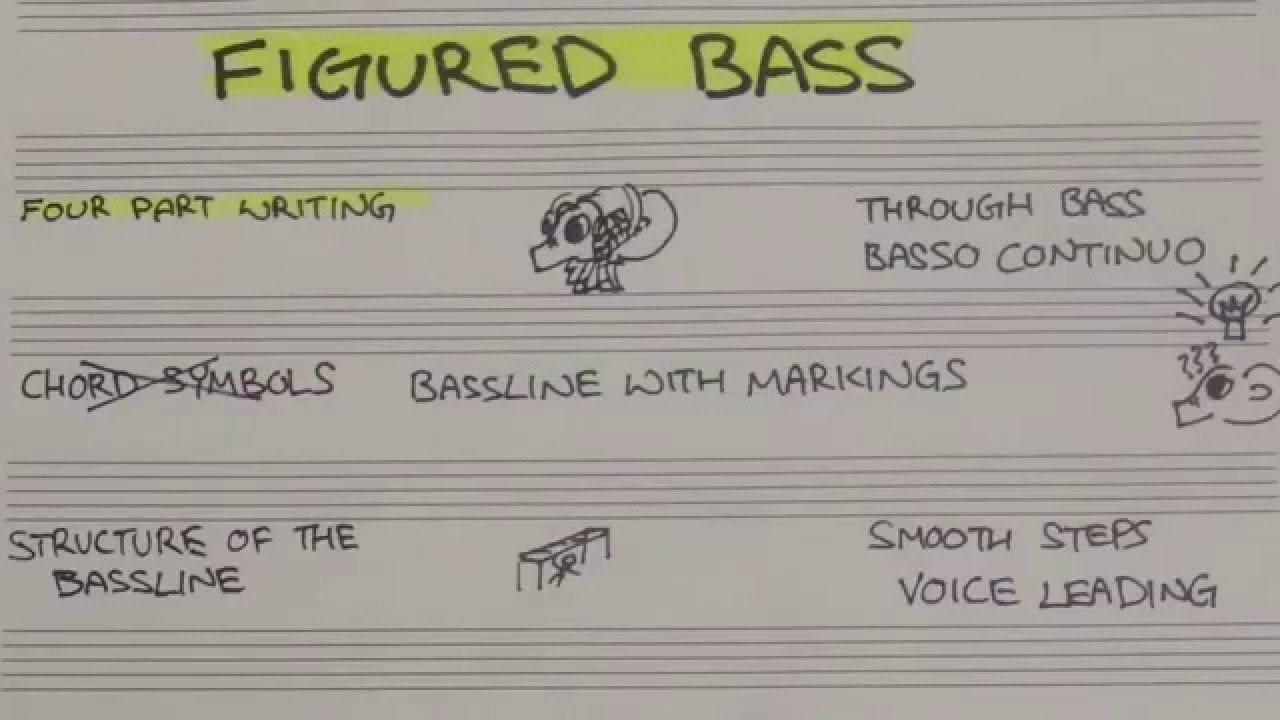













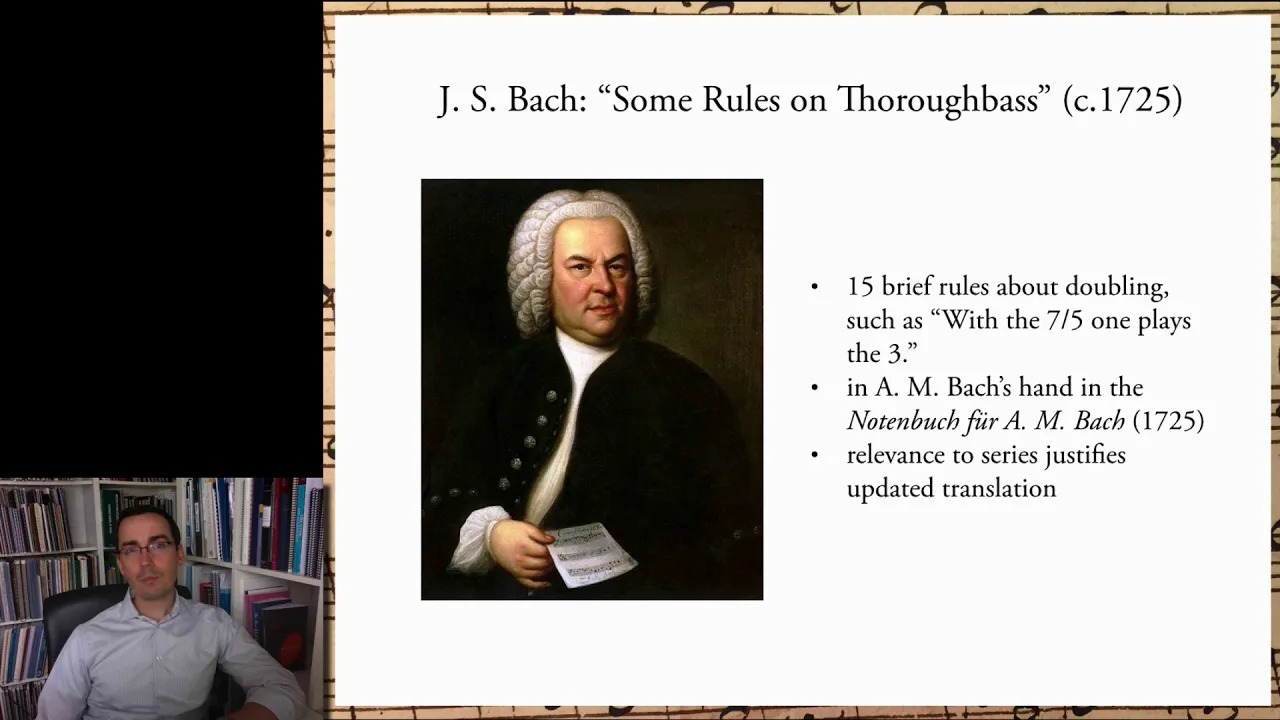



Partimento realization is a systematic approach to harmonizing a bass line through five progressive levels of complexity: Level 1 uses only consonant chords (triads, 1-3-6 chords, and dominant-related chords) with contrary motion; Level 2 adds suspensions (4-2 chords, major seventh suspensions) that create tension and resolve; Level 3 introduces passing tones that connect chord positions while placing dissonance on weak beats; Level 4 employs imitation where voices answer each other with motives that invert when the mood changes; Level 5 represents mastery, as demonstrated by Bach's chorale harmonization where the alto carries continuous 16th notes indicating harmonies. This process of successive refinement follows historical pedagogical methods where apprentices learned by following a master's schema and progressively adding complexity.
Partimento Realization: 5 Levels of Baroque Bass Harmonization
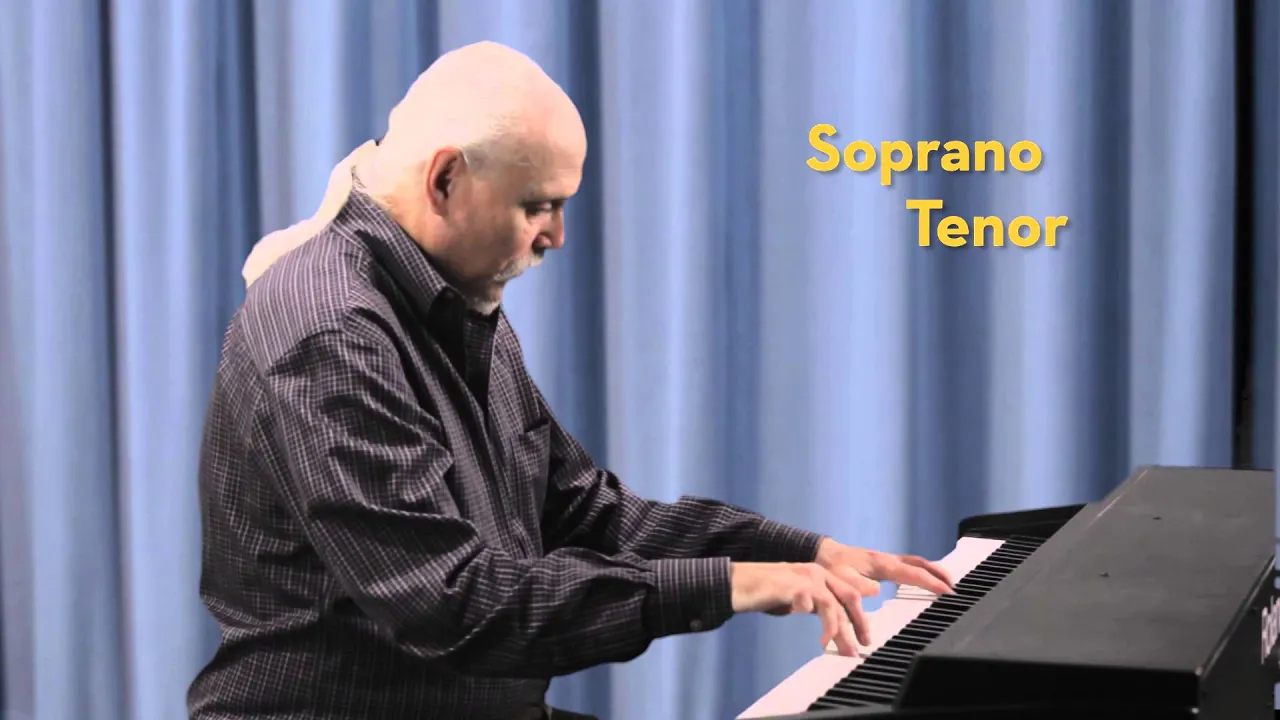
Added:this lesson surveys five levels of Parental realization difficulty is moderate it for easier lessons or for beginners search Google sites parenti let's begin with the Bas this base is in F minor even though the key signature shows C minor but that's common in the 18th century this is a so-called Dorian key signature Dorian mode the f is the tonic or the first scale degree it continues for 38 notes has a neighboring leading tone then returns then the base moves down the melodic minor scale to the dominant and returns to the tonic that's the first big pattern in the second half we could begin with a C major chord on the Fifth Scale degree or we could think of it as something else for variety we could look toward B minor the C is the second scale degree B flat is the tonic the leading tone is a natural it returns to B flat and then moves down a scale but the G natural here is not in the B flat minor scale it's in the F minor scale and the e natural confirms that so we begin and end in F minor the leading tone when this phrase is repeated will lead to the F and return to the tonic so let's listen to the the base and think about how we might make a first realization for level one will'll use only consonant chords consonant in parento practice means chords that would be part of the rule of the octave which is to say 135 chords simple Triads 1 three6 chords with a sixth instead of a fifth and chords related to the dominant 7th in other words the chords that would be on the second and seventh scale degrees ascending or the fourth scale degree and the fifth descending you remember that we had the downward move from F to C it's always good practice to use contrary motion it's not necessary but it's the safest kind of CounterPoint and so we'll initiate a chromatic line that goes up while the base goes down we can do do that again and a final time to close each of these diverging progressions in the outer voices we have an expanding major sixth or here an augmented sixth the B Rises to the C in the soprano and the d flat descends to C in the base here we have a major sixth expanding to be flat a natural Rises to be flat C descends to be flat in this third instance the expansion from a sixth to an octave is in the upper two parts soprano and Alto let's call them the soprano Rises a whole step the elto descends a half step this is called a frian c from the mode that would have a half step as a second scale degree so let's listen to this at the second level We'll add suspensions the first will be a 42 chord at the star which creates the effect of a held or repeated F in the base which is dissonant G in the elto to F is a two and that must expand with the lower voice going down to make a three G to e natural that's the first suspension the second suspension is in the outer voices a repeated C is sounded on a strong beat over d flat that's a major seventh and it resolves to the Six B flat on the next quarter note beat the third suspension involves a d flat over C in the base that's a second and on the next quarter note value the C will descend to B flat in this measure the movement of the soprano G up to a flat down to f up to G creates a kind of sequence in the key of A flat major and so it compared to the F minor opening it brightens the sound and the uh mood a little bit before the mood sinks back into B flat minor and F minor try and hear all the voices separately focusing on one at a time remember Counterpoint happens in the mind for level three we add passing tones here there's a passing B flat and G between two positions of an F minor Triad this is the same passing tones but passing upward instead of downward here we have just the alto passing but in doing so it makes the base seem like a passing tone what you do in the upper voices can affect how listeners interpret the bass other passing tones uh occur in the remaining part of this but one to notice is the B flat here which is on a strong eighth note the other passing tones are on weak eighth notes and in general you put uh dissonance in the least noticeable places which are weak beats the exceptions are suspensions and occasional accented passing tones if you use too many accented passing tones you can confuse uh The Listener as to what the chord is at a fourth level we began to add imitation the voices imitate each other here a motive and 16th notes in the soprano is answered in the elto and they go back and forth generally each of these motives descends when we get to the halfway point and begin to switch toward a flat major in a more cheerful section we invert the motive so that it it goes up but toward the end when the minor Returns the motives again turn downward the fifth level is the level of real Mastery here is our base as harmonized by Yan Sebastian Bach he places the German Coral tune a religious melody in the soprano it's called which means I cry out to thee oh Lord Jesus speaking of human suffering and the request for salvation the elto is in continuous 16th notes and carries the load of indicating the harmonies and the base you already know I what you've seen is a process of successive refinement this is how apprentices learned in the past they followed a simple pattern or schema given by a master and then practiced successive levels of refinement and decoration the illustration to the right is from an artist's pattern book from the middle of the 19th century in Paris the schema is at the top and each stage below is more detailed and refined parento realization works the same way begin with a clear plan for every section try a simple realization first gradually add complexity as you become skilled you may skip some levels aim to give each imaginary voice some Independence oh
Up Next

Partimento for Beginners: Fenaroli No. 1 Bass Harmonization
@RichardusCochlearius
8.9K views•2022-08-05

Mozart's Musical Dice Game Explained: History, Rules, & Fun
@webpianoacademy
5K views•2023-03-13

Understanding Diatonic 7th Chords in Major Keys | Music Theory Tutorial
@GracieTerzian
54.7K views•2022-03-02
Understanding John Coltrane's Giant Steps: A Music Theory Analysis
@Vox
10.4M views•2018-11-12
Related Study Plans & Knowledge Roadmaps
Structured learning paths in Music Theory