

















![Nicola Sala, Partimento n. 77 [Fugue] | Roberto Cornacchioni Alegre (Organ)](https://i.ytimg.com/vi/Vxj-o_p69E8/sddefault.jpg)



To harmonize a partimento, first determine the key, meter, and harmonic rhythm, then apply the Rule of the Octave in three positions (third, third, and fifth in the top voice) while avoiding parallel fifths and octaves, using chord numbers (3-5, 3-6, 5-6) to guide harmonic choices and create proper voice leading.
Partimento for Beginners: Fenaroli No. 1 Bass Harmonization
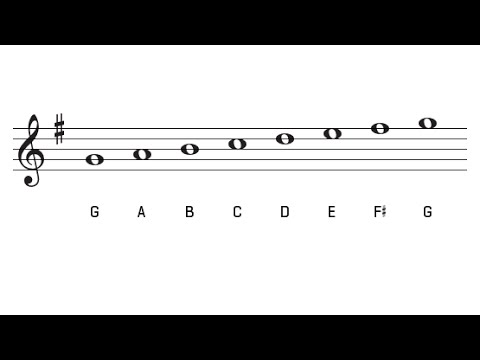
Added:Familiarity with the G major scale, key signature, and basic keyboard geography (scales, intervals, and triads).
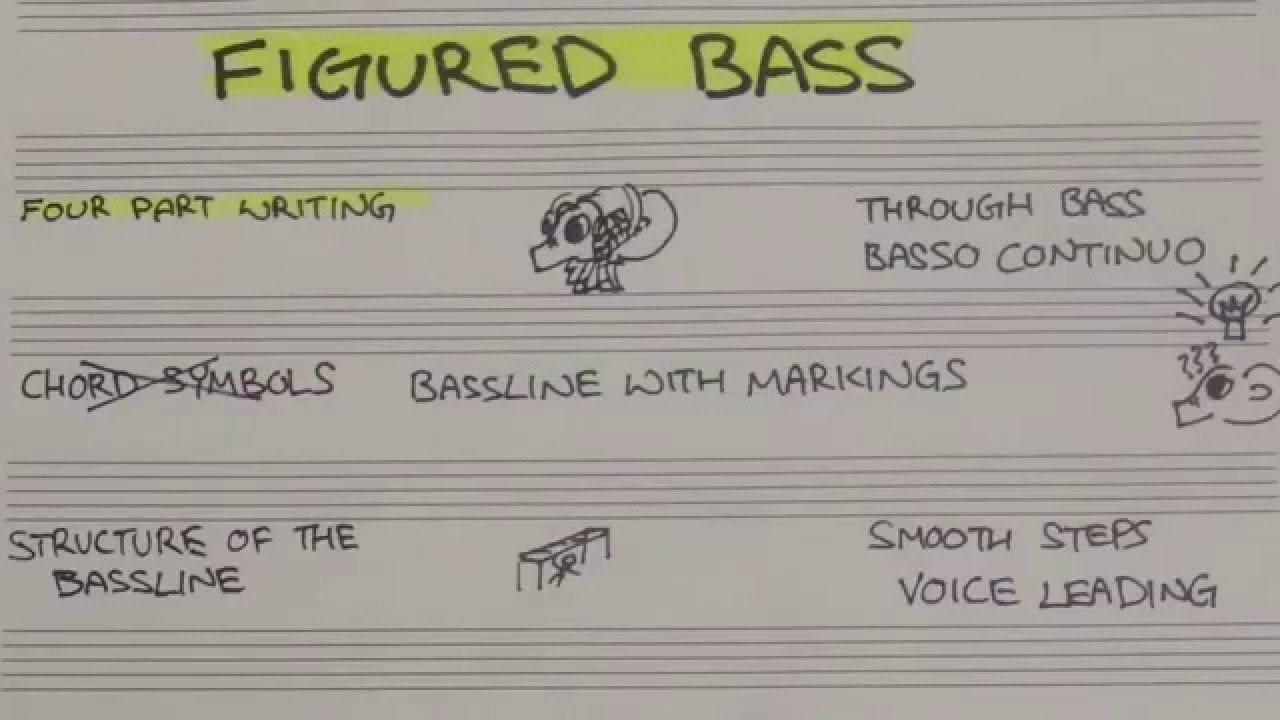
Understanding of figured bass notation and how numbers indicate intervals above a given bass note.
Basic knowledge of classical cadences, particularly the Perfect Authentic Cadence (PAC) and Half Cadence (HC).
An introductory conceptual understanding of the 'Rule of the Octave' (Regola dell'ottava) and how it assigns specific chords to scale degrees in the bass.
Basic keyboard proficiency, specifically the ability to read bass clef and play simple three-voice or four-voice chords.
Realization of more complex Fenaroli partimenti involving minor keys, chromatic alterations, and modulations.
Applying 'diminutions' (adding melodic figurations, passing tones, and suspensions) to transform simple chordal realizations into expressive keyboard solos.
Studying advanced Neapolitan partimento masters, such as Giovanni Paisiello, Nicola Sala, or Francesco Durante.
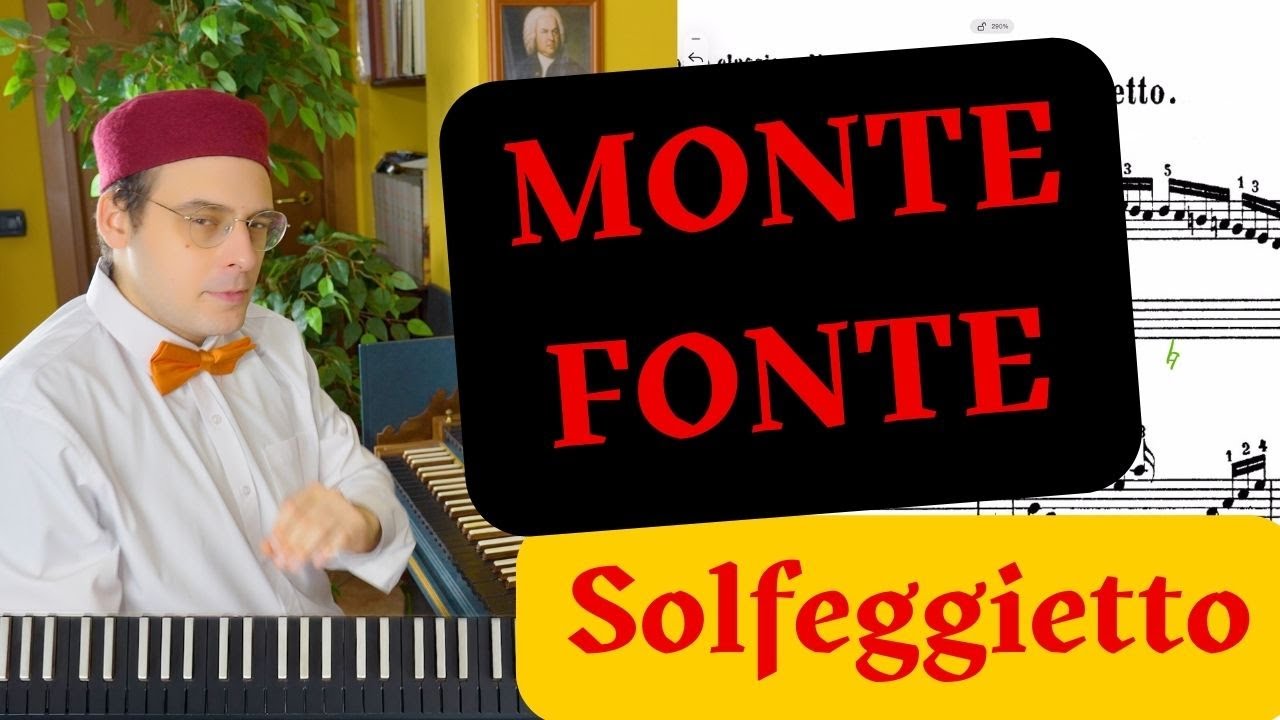
Connecting partimento practices to Galant schemata (e.g., Romanesca, Prinner, Monte, and Fonte) for formal musical analysis and composition.
Improvising full preludes and basic fugues at the keyboard using partimento and counterpoint methodologies.
8.9K views292likes29:13Original Release: 2022-08-05
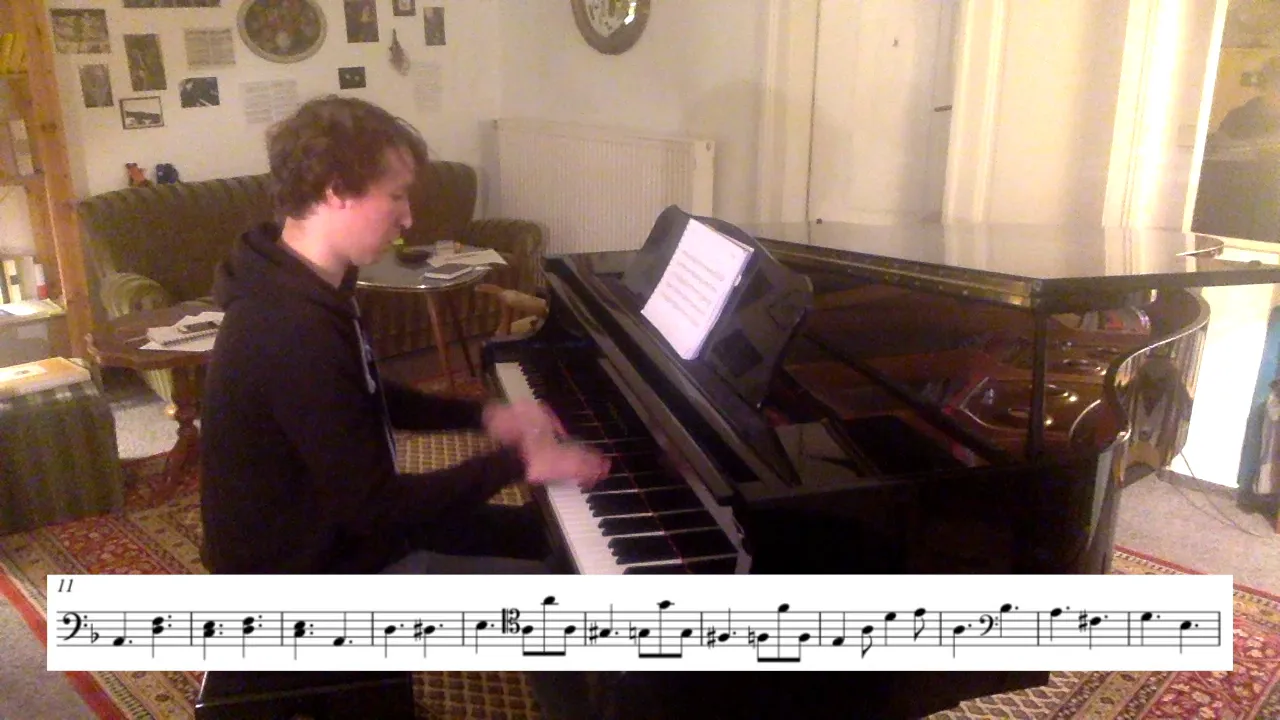
in this video you and i gonna harmonize together step by step apartment to buy [Music] finale welcome to this new video i am ricardo's music's practicus and my job is to help you learning early music theory and all the things about tv music in this video i want to help you in harmonizing a base apartment especially the first protimento of the first federalist partimentos book and give you all the tricks to do a simple but correct harmonization of apartment if you want to support an activity i have a patreon where you can get exclusive benefits download all the pdfs of my video and have the access to exclusive videos like the siri improvisation elements that is a new series reserved only for patrons where i explain you all the tricks and all the exercises to become practice at the keyboard with the harmony and improvisation so now let's go to the keyboard and let's start with our exercise okay perfect now we are here with our apartment so as you can see this is a partimento very simple this is a very simple partimento and the first step you have to do to realize or to harmonize apartment is asking you three questions the first question is which is the key of this partimento the second question is which is the meter of this partimento and the third question is which is the harmonic written of this partiment the harmonic rhythm is a specific rhythm of the harmony as you can notice in every piece there is an in harmonic rhythm depending for example on the four of the piece let's do an example estara banda as in in as a in its own harmonic harmonic rhythm that is different than the harmonic richmond of the alemanda for example or the jiga so the first step is asking you this three question the first question was which is the meter the meter is in this time a common time we have four minimas in a bar the second question is which is the key of this partimento the the answer obviously is g major because we have one sharp only one sharp in the key and the piece starts and finishes with the g note and the last question the harmonic rhythm we don't answer now to this question so because we are in g major the first the second step is play at the keyboard the rule of the octave in dimension is in all the three positions i've just published a video about the rule of the octave you can found in the information in the top at the top of this video now and it is very important it is very important because the rule of the octave is the basic knowledge to harmonize a base so uh now the as the first as the second step let's play the rule of the octave in the three positions this is the first position now in the second position or with the third in the top voice [Music] and now in the third position or with the fifth in the top voice [Music] okay perfect now the third step is playing the bass alone so let's play the bass alone as we can read on the on the on the staff [Music] perfect now as you can see the harmonic rhythm of this piece is the sebi minima why it is the seven minimum because as you can notice we have again a change of the of the harmony on uh usually each three minimus not uh in all all bars for example as you can see in the one two three four five six in the sixth bar when when i have two minimas in the base in this case the harmonic risk is different but the harmonic rhythm is the most common harmonic change in this in spartimento in every piece so what we have to do for example let's start let's choice a starting point so i play now the bass with her left hand and i try to harmonize the bass with the right hand now let's try to do the first bar what which chords for example can i put no i have g b c and and d in the left hand and then another g this part [Music] so eight means the perfect chord so three and five chord i can start in the third position in this way six means the the three and six card so it is the score b d and g i can for example play this harmonization [Music] or i can i can double another node not the base [Music] for example now let's try to to harmonize the first bar so perfect card three and fifth three and five card three and six card five means three and five card and the sharp means a normal 3-5 car so the first bar is very simple if you know the rule of the octave you can extract the first part the ascending pentacle of the rule of the octave and apply it in this piece in this in the beginning of this partiment it is a different solution but now let's play descending paint accord of the rule of the octave in geometry if i don't play the second note the result is [Music] so if at the place of the third node no i play another chord so not only a three five chord but a three five six six chord that is that i can use the rule of the octave in this point [Music] so now let's follow the what is written now okay now the second bar let's analyze the situation i have the these three notes [Music] the c and the following three notes have the same harmony of the first three notes so i think that it is very simple because it is a rising up an arriving point see and the same descending arresting down so we are arrived in this body in this position [Music] let's play another time another time slowly in this case the 6 with a sharp means not only the 6 but remember also the third and if you want the fourth because it is like the ascending pentacle of the rule of the octave that is and also in this case we have the rule of the octane now on the c we have we don't have any kind of a number of numbers so it means a three and a five chord so we can do this for example [Music] if i want to arrive to this point on the b before the c in this position what i have to do can be an error an error for example if i play that with the right hand the soprano and the altus i play to parallel fifth that are a mistake so because this is a partimento and not a confinement of another instrument i think that i should [Music] not play this parallel fifth it is a very they are very bad so at the place of this spiral fifth i can do some others for example or maybe for having a more graceful melody i can do also that [Music] and why i can go on the e doubling the third of the chord because in this way for example i can have a more graceful descending so so in the descending point i can do this is a 3 5 chord this is a 3 6 chord be careful now we are in four voices we are we have four voices the fact is the e goes on the g because if i do that i do parallel octaves so in this case there is a unisonic between the tenor and the altos and then we go down on the on the next chord as you can see i play this chord that is that is the three four and five chords but when the the this chord it is note the four is not prepared for from the previous chord i think that it is better to not play it and using only the three and the six so in this way okay now let's play this partimento from the beginning to this point and this is the raving arriving point of the second phrase [Music] in this case i have another unison we are always in four parts so now what we have in the base [Music] this [Music] is the same of the previous phrase [Music] but in d major so now let's do what we have already what we have just played in in dermalization of this passage but in the measure so [Music] now let's play these two phrases together [Music] as you can see in this point we have an 5 6 chord so we are only a three and six chord what can we do we can for example uh keep this harm harmony written this harmonic treatment by going in the second on the second part of the minima on the c sharp minimum on the fifth [Music] obviously because we are now in the measure the a the hay is with the sharp [Music] so now let's play all this piece from the beginning to this point [Music] okay now we have a lip an octave lip in the in the bass so what can we do with the right hand we can only change the position so we have not we are now in the fifth position so in the third position that is with the fifth in the top voice a and e and we jump to the third position with the third c sharp in the top voice [Music] this chord the four with the sharp is a two uh four and six chord that is the same chord of a major but with the seventh that is g at the base [Music] simply this [Music] as you can see in the next bar we have f sharp with a six d and another f sharp it means that the the first three notes have the same harmony that is a in a modern in a modern explanation dimension so i can i can play the third when the base go when the base moves on the first step so [Music] and then the 5 6 chord this is the 5 6 chord that is before a cadence this chord is very important because the fifth of this card in this case the d must be prepared so let's play only the left hand [Music] i already have the d in the thinner [Music] so the other voices don't look at the at the container that stays on the d for all the bar this is the movement and then the four six chord [Music] and the caddies now i am i arrived in this position so i can play the bass here it is very large so let's try to arrive in another position so let's start from the octave [Music] this is the same as you can see on the third note of the last bar of the first staff i have two d's two notes directly so the fifth of the next chord of the following chord can be bo it can be the the the thinner or the diode or the cantus doing that i create parallel fifth [Music] i think that it is not a very a very so bad mistake yes it i think that it is better to not do this parallel fist but what can we do now as and as another solution [Music] this fifth are in the middle voice yes we can for example find a renaissance strip so the d the a goes on the e and the d goes on the b in this way [Music] but i think that it is not a really good good excuse so now what i say is play this parallel fifth but you must know that they are parallel 50.
this is a cadenza this is a cadenza composta as uh if you don't know what is a cadenza composta i've published a video about cadences in the gallon style so you can find the video in the description on my channel or in the info link at the top of this video okay now let's play all this partimiento from the beginning to this part [Music] okay nice nice now let's go on so now we have a bar with the same notes so we have three minimas with the d what can i do for example is a change of position [Music] i have the sixth with the natural scene so the c is not sharp but natural and then the 5 and 6 chord and then the resolution so let's play another time this passage [Music] and now i have the reel of the octave in this in the third position with the fifth in the top voice notice that in this place finally writes only three and six so it is this chord it can be it can be without problems but if we know the rule of the octave we can use the three five and six chord that is [Music] this passage is the rule of the octave and now we have the passage that is the same of the beginning [Music] watch my video about the cadences the gallant currencies because i talk also about the cadence dupia the cadenzadopia is with a discord three and five four and six four and five three and five and then the resolution so let's start from the rule of the octave in this point i can also change position because when the base leaps on the same note by an octave down or an octave up i can play the same chord in the right with the right hand but in a different position okay and now let's play all departments [Music] so [Music] very good so for more video about improvisation and other aspects of keyboard harmony at keyboard i invite you to join my patreon and with at least the semi previous membership you can watch all the new series that i'm creating only for patterns that is improvisation elements implementation elements is a serial where i explain where i show you exercises practical exercises to develop improvisational skills your improvisational skills at the keyboard step by step so in the next video we will play another time this partimento but only with two voices so how to compose how to improvise a melody on a single bass see you in the next video about harmony at the keyboard before greetings download the free pdf of this video you find in the description the patreon link with the free post where you can download the pdf of the first party department that we have just realized at the keyboard i hope that this video has been useful for you and i hope to see you in the next one bye [Music]
Up Next

15:47
Partimento Realization: Mastering Durante's Diminutions at the Keyboard
@RichardusCochlearius
2.5K views•2022-10-05

10:20
Mozart's Musical Dice Game Explained: History, Rules, & Fun
@webpianoacademy
5K views•2023-03-13
18:59
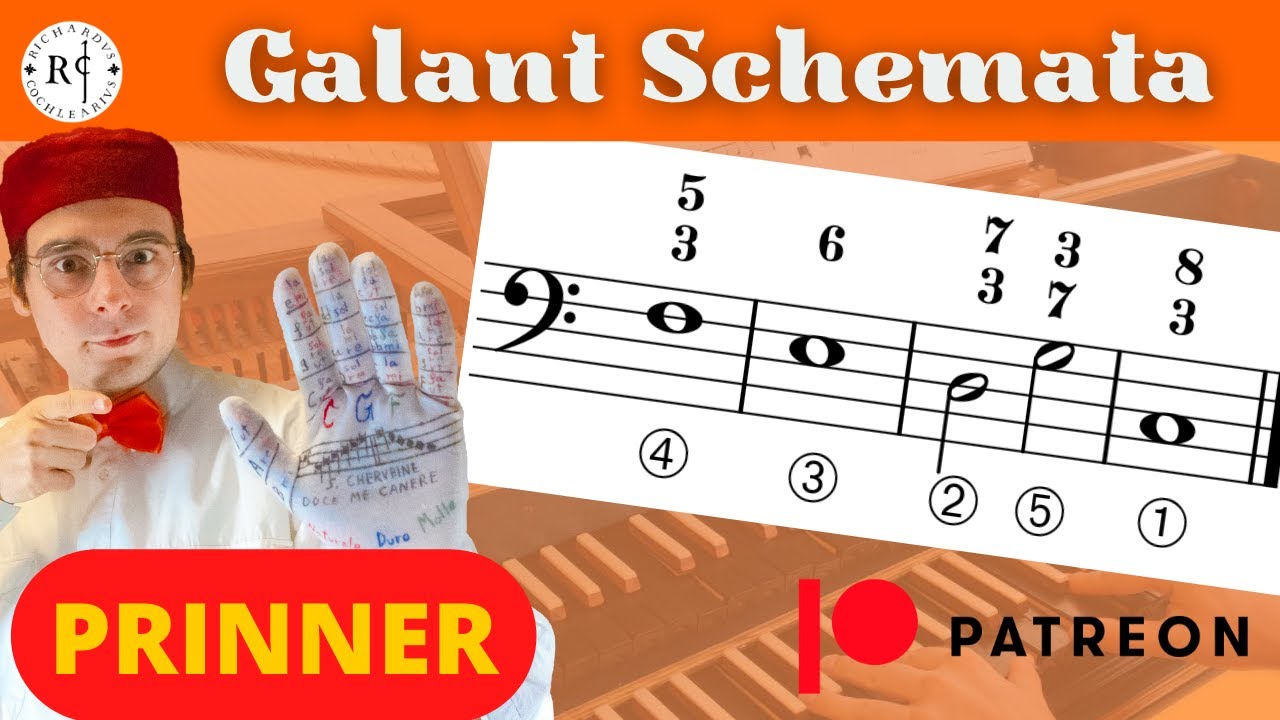
The Prinner Schema: A Galant Music Analysis
@RichardusCochlearius
4.1K views•2022-12-08
10:49
Understanding John Coltrane's Giant Steps: A Music Theory Analysis
@Vox
10.4M views•2018-11-12
Related Study Plans & Knowledge Roadmaps
Structured learning paths in Music Theory
music-theory
Composing Galant Music: Partimento & Schemata
01Foundations of Figured Bass and Keyboard Harmony
02The Rule of the Octave (Regola dell'Ottava)
03Galant Schemata: The Building Blocks of Form
+ 2 more learning modules
30h5 modules
Explore Roadmap
music-theory
Decoding Overtone Series: Tuning & Drone Music
01Acoustic Foundations: The Physics of the Overtone Series
02Tuning Systems: Equal Temperament vs. Just Intonation
03Microtonality and Spectralism: Beyond Standard Pitches
+ 2 more learning modules
24h5 modules
Explore Roadmap
music-theory
Impressionist Harmony: Scales, Planing & RPGs
01Foundational Music Theory: Keys, Intervals, and Seventh Chords
02Impressionist Color: Chord Planing and Parallel Harmony
03Whimsical Textures: Pentatonic Cascades and Whole-Tone Scales
+ 1 more learning modules
14h4 modules
Explore Roadmap
music-theory
Negative Harmony: Axis Reflection in Indie Pop
01Music Theory Foundations: Scales, Intervals, and Triads
02Functional Harmony and the Circle of Fifths
03Demystifying the Negative Harmony Axis Reflection
+ 2 more learning modules
16h5 modules
Explore Roadmap