









![볼레로 'Bolero' (M.Ravel) Violin,Cello&Piano / [the Classic ep.1]](https://i.ytimg.com/vi/u9I2l7AHL7w/maxresdefault.jpg)





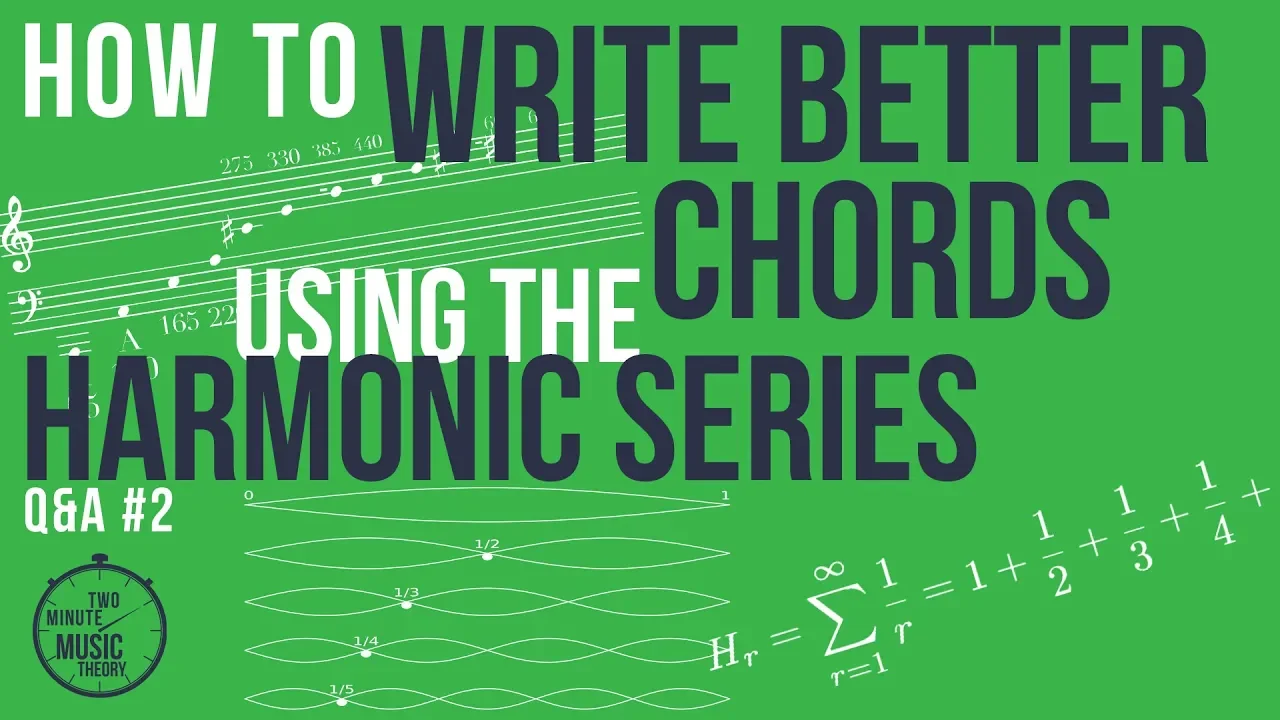

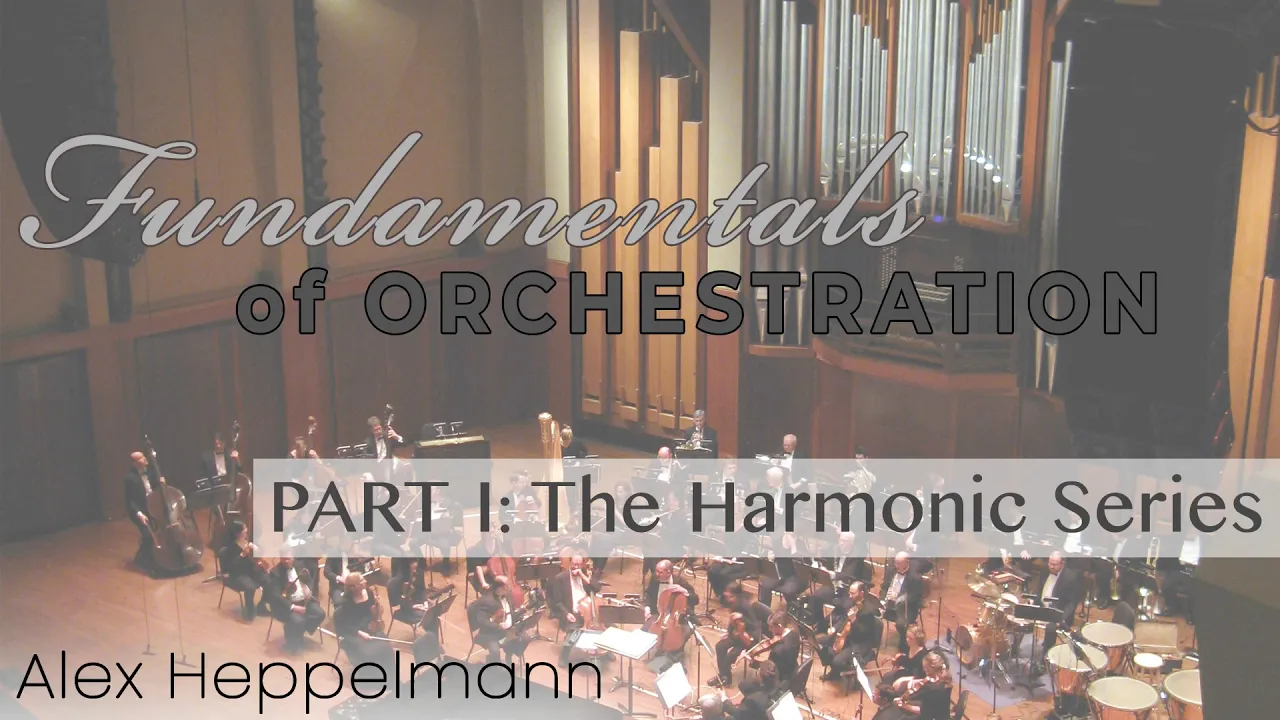





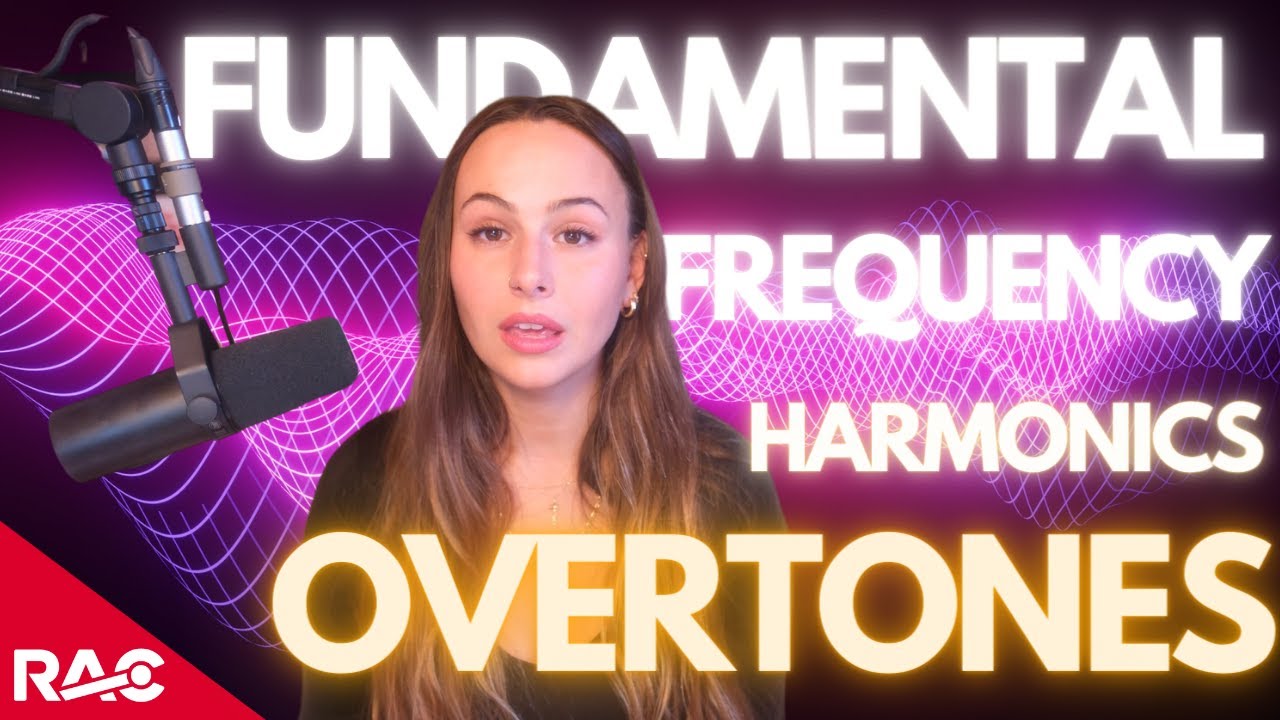
The overtone series is a fundamental concept in music theory where every note contains a range of frequencies (overtones) that are integer multiples of the fundamental frequency; for example, a low A at 55 Hz produces overtones at 110 Hz, 165 Hz, 220 Hz, and so on, creating intervals that start with an octave, fifth, fourth, and progressively smaller intervals including microtones; this mathematical structure underlies all sound production and explains why certain instrument combinations create unique hybrid timbres, as demonstrated by Ravel's Bolero where he combines Piccolo flutes, horn, and Celeste to create a unified new sound color by manipulating the balance within the shared overtone spectrum.
The Overtone Series in Orchestration: A Composer's Guide
Added:Basic acoustics and the physics of sound, specifically how a fundamental frequency relates to its harmonic overtones.
Fundamental music theory, including interval relationships (octaves, perfect fifths, major thirds) and chord construction.
Introductory orchestration, including the basic timbral characteristics, ranges, and registers of standard woodwind, brass, and string instruments.
Familiarity with Ravel's 'Bolero', particularly its repetitive melodic structure and gradual, cumulative orchestration.
The concept of 'acoustic orchestration' or 'spectralism', analyzing how composers like Gérard Grisey use the overtone series as a formal compositional tool.
Practical application of 'mixture' registers and synthetic timbres, using specific interval doublings (such as thirds and fifths) to create entirely new instrumental colors.
Advanced chord voicing techniques in modern orchestration, utilizing the natural spacing of the overtone series (wide at the bottom, narrow at the top) for maximum clarity and resonance.
Applying acoustic overtone principles to digital audio synthesis and virtual orchestration, such as layering MIDI instruments to simulate natural acoustic reinforcement.
90.9K views6.4Klikes6:45Original Release: 2023-07-17
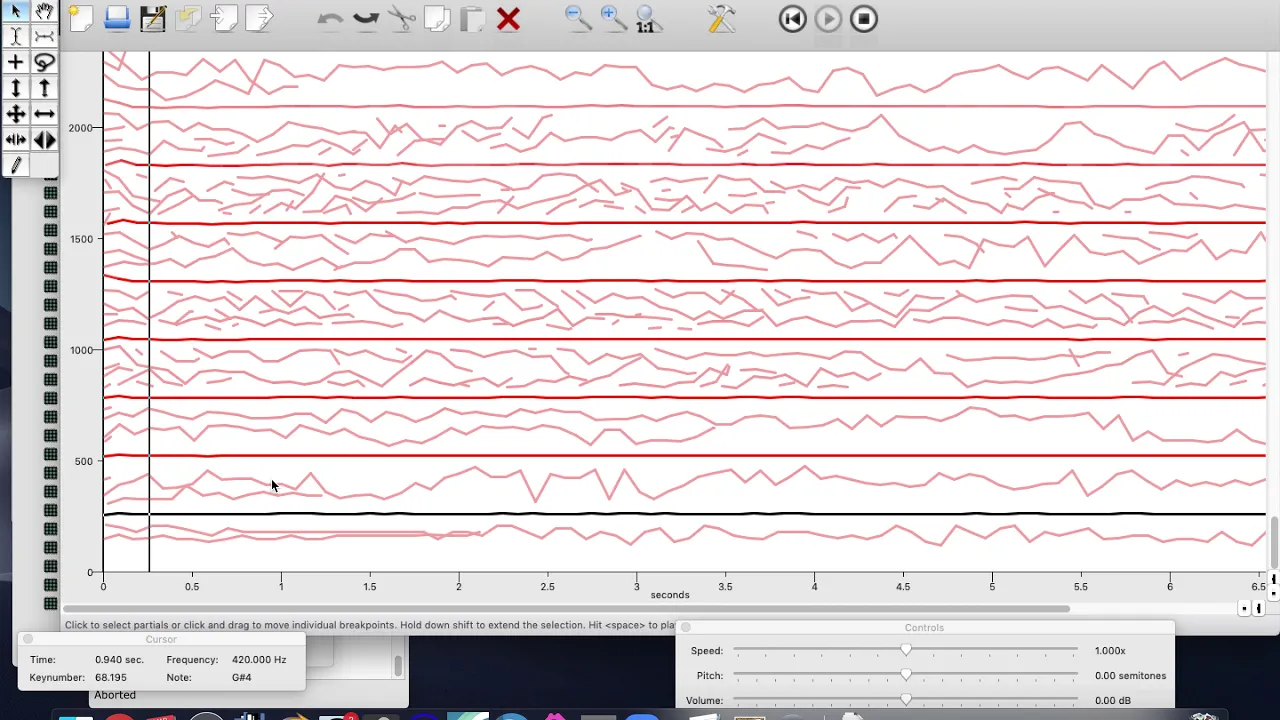
[Music] [Applause] this is the overtone Spectrum and if you want to create mind-bending orchestrations become very familiar with it this is the way that stuff vibrates don't believe me then tell me what instruments are playing this melody this example is from Bolero by Maurice Ravel and the instruments playing the melody here are two Piccolo flutes horn and Celeste and I bet my life that you didn't guess that Ravel has combined these instruments in such a way as to create a hybrid instrument sound and it's mind-blowing it's a completely new orchestral sound using very typical orchestral instruments but but how does he do it when you hear a note you're not hearing just one pitch but rather a whole range of pictures within that note that we refer to as overtones so let's say we take a low a on piano for example it's overtone series would look like this all of these pictures are inside of that low a and the maths Behind These overtones is also very simple but very beautiful the fundamental frequency the low a has a frequency of 55 Hertz now what does that mean house is the number of vibrations oscillations beats pulses clicks clap slaps whatever you want per second if you do something 55 times a second then you will hear this pitch the first overtone vibrates at twice the speed of the fundamentals so 2 times 55 which would be 110 Hertz the second overtone vibrates at triple the speed so 3 times 55 then 4 times 55 5 times 55 6 times 55 and so on and this mathematical principle Works regardless of what your fundamental is so if I have for example 100 house and then add 200 300 400 500 600 and so on then I get this overtone series now when we look at the notes themselves you can see that the intervals start large and then they get smaller so we start with an octave then we have a fifth a fourth a major third a minor third an even smaller minor third a large second a normal second and so on also the higher we go the more microtones you'll see these are notes that are outside of the traditional European music system for example the tenth overtone on our low a would be a d quarter tone sharp it's 51 cents higher than a regular D so it sits almost exactly in between D and D sharp and because of all of these micro tones you might assume that this constellation of notes would be very dissonant but what's crazy is that because of its mathematical Perfection the overtone series is perfectly consonant to our ears our brains are used to hearing these pictures because we hear them all of the time if you want to play around with this yourself you can try out this program I made called frequency to pitch it's a calculator that translates a frequency into a notated and audible pitch link is in the description now what's interesting is that when we hear these overtones played together our ears summarize these overtones as sound color the reason piano for example sounds like piano is because if it's overtone series but not necessarily because of the pitches but because of their amplitude how loud each overtone is this here is a spectrogram of our low piano a from before each of these lines represents the overtones we looked at before and you can see that they're all evenly spaced because they're all 55 hats apart from one another however some of the lines are brighter than others and this brightness represents how loud the frequencies are you can see that in general the higher you go the weaker the overtones will be but in any case it's this exact loudness or balance between the overtones that tells our ears that the note is played by for example a piano here is the overtone spectrum of an oboe of a flute of a violin and of a trombone as you can see they're all slightly different so what does this have to do with orchestration pitch and sound color are very closely related and can influence one another let's go back to Ravel horn and Celesta both play the melody in C but what's weird is that Piccolo 1 and 2 are playing the exact same Melody but in the keys of G and E this is the first chord down an octave do you notice something it's the first five notes of the overtone series in C octave fifth fourth third and this isn't a normal harmonization Ravel just shifts this overtone structure up and down with the melody and what's also crazy is that he's even imitated overtone balance horn is the loudest then Celesta then Piccolo because we hear this constellation of overtime pitches all day every day when this is played tight and really together by an orchestra our ears can't separate the pictures anymore and instead we just hear a hybrid instrument a new sound color now you might be thinking but how does this work each instrument also has its own overtones so if you artificially create an overtone sound with these instruments won't their overtones Clash well no if you look at the overtone series it contains the overtone series of each of its overtones its overtone Inception when Piccolo plays G all of the overtones in that note are already inside of the horns C all you're doing is you're changing the balance within that overtone structure which creates a different sound color now I'm not saying that we should write our Melodies like this this comes with its own caveats and problems and Ravel well he really knew what he was doing this is only one example of what the overtone series can teach us about composition and orchestration and in the future I'm going to be showing you some other really crazy things I just want to encourage you to spend some time truly understanding the overtone series go watch some more videos play around with some programs get to know it deeply because it will unlock some amazing musical potential for you
Up Next

3:55
Just Intonation vs Equal Temperament: A Comparative Analysis
@3ppinOnCookies
377.6K views•2014-02-18

10:20
Mozart's Musical Dice Game Explained: History, Rules, & Fun
@webpianoacademy
5K views•2023-03-13

47:36
Understanding Diatonic 7th Chords in Major Keys | Music Theory Tutorial
@GracieTerzian
54.7K views•2022-03-02
10:49
Understanding John Coltrane's Giant Steps: A Music Theory Analysis
@Vox
10.4M views•2018-11-12
Related Study Plans & Knowledge Roadmaps
Structured learning paths in Music Theory
music-theory
Composing Galant Music: Partimento & Schemata
01Foundations of Figured Bass and Keyboard Harmony
02The Rule of the Octave (Regola dell'Ottava)
03Galant Schemata: The Building Blocks of Form
+ 2 more learning modules
30h5 modules
Explore Roadmap
music-theory
Decoding Overtone Series: Tuning & Drone Music
01Acoustic Foundations: The Physics of the Overtone Series
02Tuning Systems: Equal Temperament vs. Just Intonation
03Microtonality and Spectralism: Beyond Standard Pitches
+ 2 more learning modules
24h5 modules
Explore Roadmap
music-theory
Impressionist Harmony: Scales, Planing & RPGs
01Foundational Music Theory: Keys, Intervals, and Seventh Chords
02Impressionist Color: Chord Planing and Parallel Harmony
03Whimsical Textures: Pentatonic Cascades and Whole-Tone Scales
+ 1 more learning modules
14h4 modules
Explore Roadmap
music-theory
Negative Harmony: Axis Reflection in Indie Pop
01Music Theory Foundations: Scales, Intervals, and Triads
02Functional Harmony and the Circle of Fifths
03Demystifying the Negative Harmony Axis Reflection
+ 2 more learning modules
16h5 modules
Explore Roadmap