


![The SECRET Formula To Writing STUNNING Ultra-Modern Chord Progressions [Harmony]](https://i.ytimg.com/vi/6N1KRVJXh80/hqdefault.jpg)




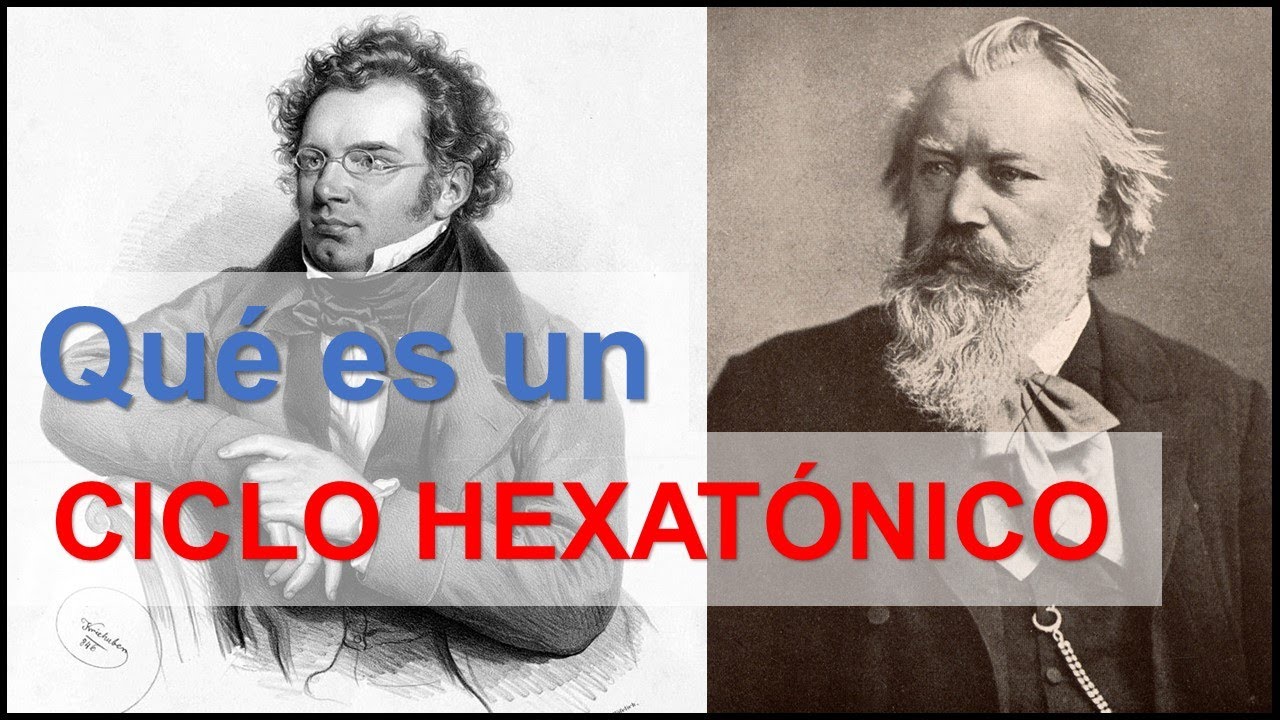




A hexatonic cycle is a harmonic progression consisting of six major and minor triads derived from an augmented triad, where each successive chord shares two common notes while the third note moves by semitone in contrary motion, creating a harmonically open sound that composers like Bartok, Brahms, Beethoven, and Schubert used for modulation, atmosphere creation, and key transitions without establishing a definite tonal center.
Analyzing Hexatonic Cycles in Classical Music Theory
Added:Understanding of basic triad structures, interval identification, and specifically major and minor third relationships.
Familiarity with chromatic mediant relationships in 19th-century functional harmony.
Basic concepts of Pitch-Class Set Theory, including pitch-class representation and transpositional symmetry.
Introduction to Neo-Riemannian Theory, particularly the PLR (Parallel, Leading-tone exchange, Relative) voice-leading transformations.
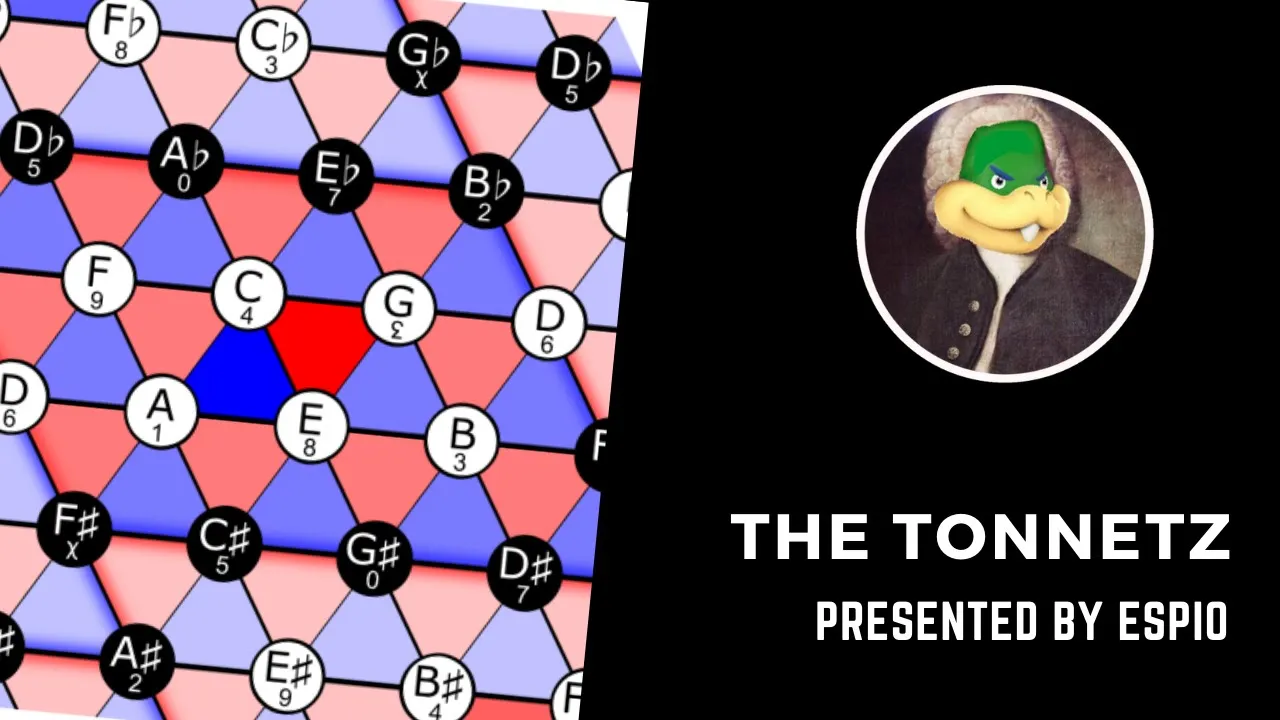
Deep dive into the 'Tonnetz' (tonal grid) to map triadic voice-leading and multi-dimensional harmonic spaces.
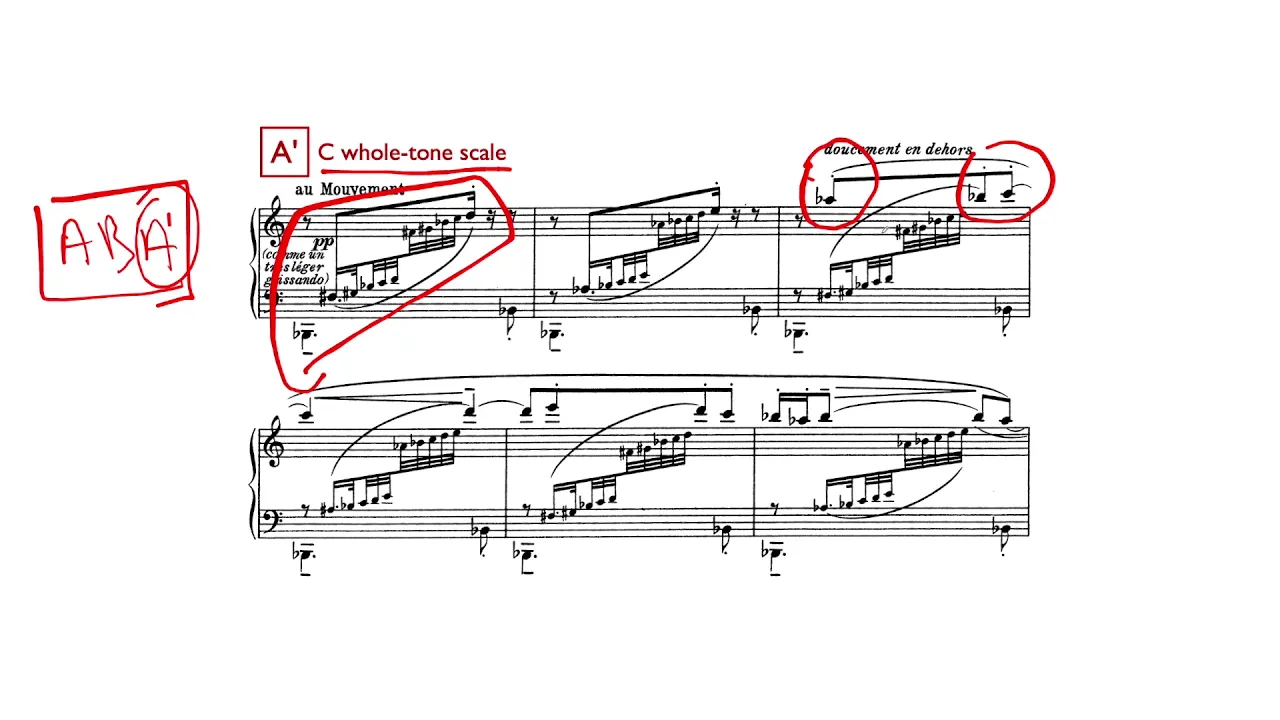
Comparative analysis of other symmetric pitch-class collections, such as octatonic and whole-tone scales, in early 20th-century repertoire.
Application of hexatonic analysis to complex late-Romantic and early-Modernist works by composers like Richard Wagner, Franz Liszt, and Maurice Ravel.
Exploring the practical use of hexatonic and chromatic mediant cycles in modern film scoring and contemporary jazz composition.
1.3K views0likes10:28Original Release: 2022-09-22
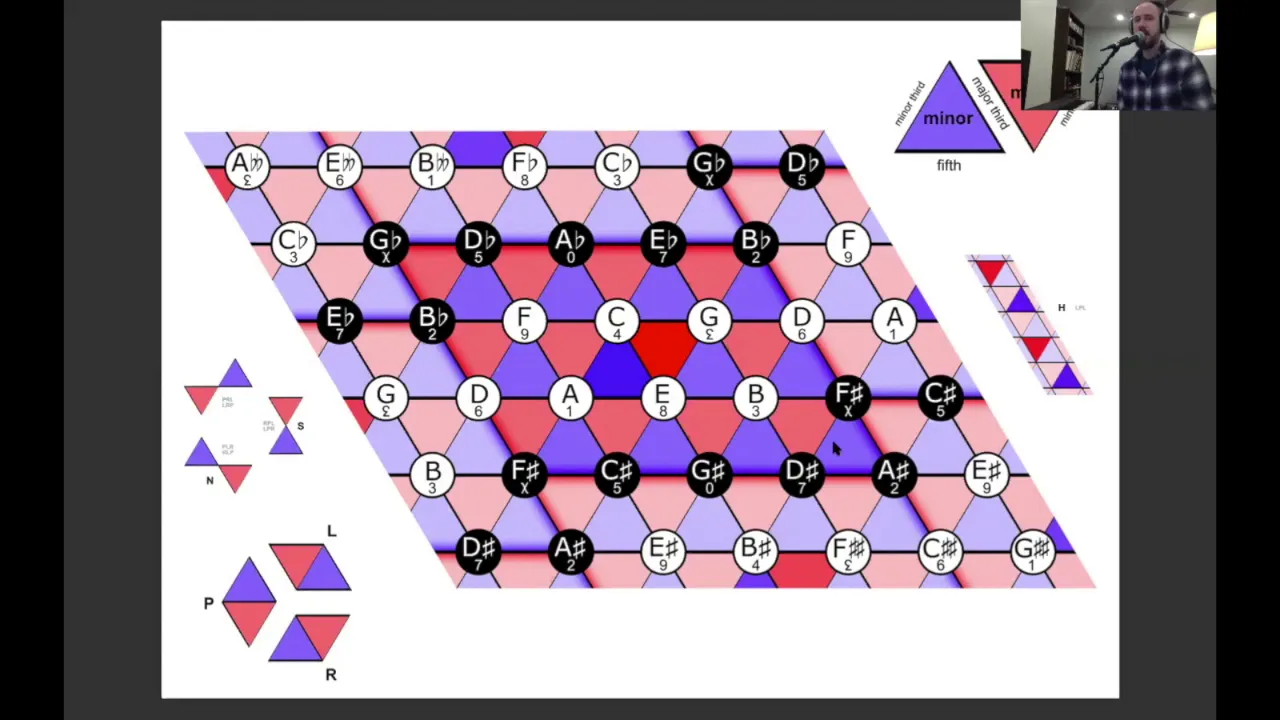
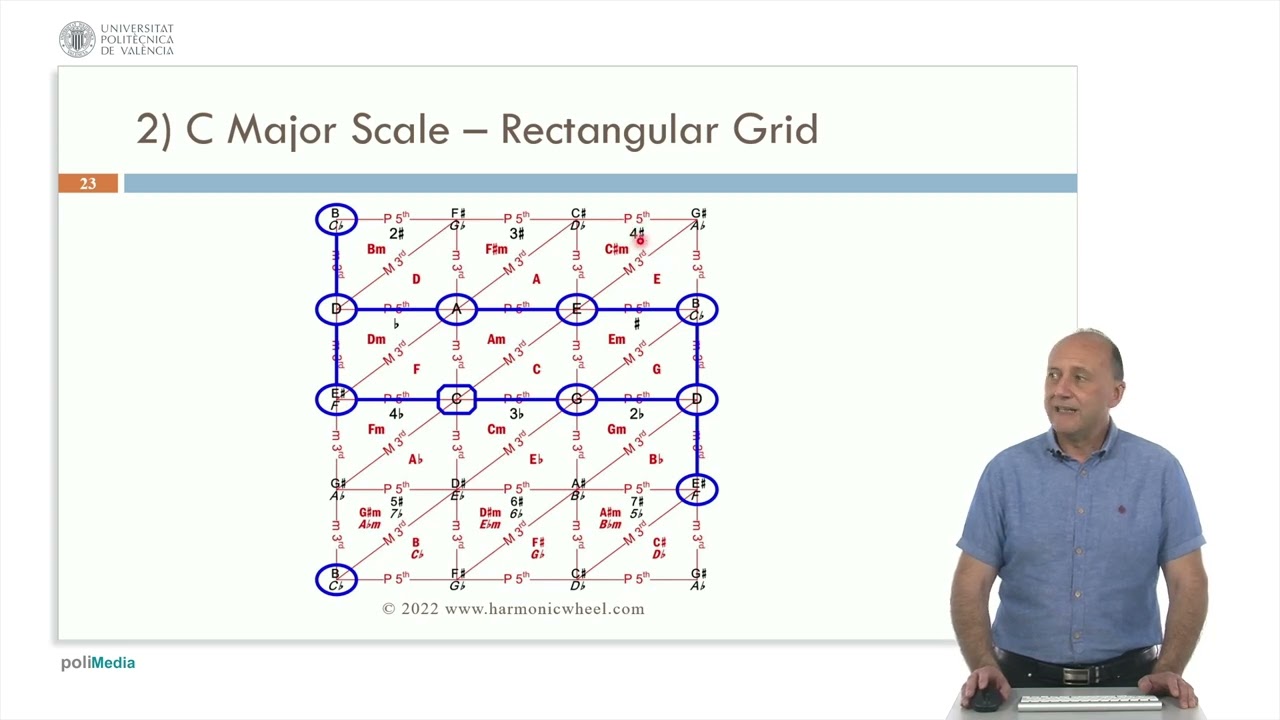
hi everyone along with several other chord types present in the four diatonically harmonized hexatonic scales are the major and parallel minor triads located on each degree of the scale's first augmented triad given their location these major and minor chord pairs are related by chromatic major third and collectively form a series of chords which in various guises have been used since at least the classical era and which are now often known as a hexatonic cycle [Music] it should be noted that while composers may exclusively use the cycle's chords occasionally they omit one or more of them and or include intervening harmony any additional chords however typically don't affect the cycle chords relationship but merely prolong one or more of them i'll return to these points later in the video using idealized voice leading moving successively in either direction beginning from any one of the cycles chords each triad shares with both of its neighbors two common notes against these static notes a changing third note alternates between ascending and descending semitone motion major and minor triads are also alternated [Music] a single common note and two parts moving by semitone and contrary motion connects triads separated by a single chord with this motion depending on whether you begin on a major or minor triad the same triad type is maintained parts moving by semitone and contrary motion two one way and the third the other connect triads separated by two chords with this motion major and minor triads are again alternated as is the individual parts motion moving from a major to minor triad for example two parts descend while the third ascends and the reverse motion occurs moving from minor to major between the chords of a hexatonic cycle then voice leading is achieved solely by semitones and common notes with the result that in different contexts any one of the triads may be considered the tonic this harmonically open sound has led many composers to use hexatonic scales and cycles to create certain moods or atmospheres such as buttocks layering of hexatonic scales to create a feeling of uncertainty in sections of the third movement of his concerto for orchestra [Music] the harmonic openness of the cycles also means they are often used in modulatory or developmental sections or in any location where a definite key center is not desired in this excerpt from the first movement of brahms's concerto for violin and cello which is an often quoted example of a cycle lacking intervening chords the cycle is modulatory taking the work from the key of a flat major towards the tonic key of a minor here the cycle can be heard as being based on an e-augmented triad with the root notes of the a-flat chords inharmonically sounding as the augmented triad's third degree as in this example composers typically choose a hexatonic cycle relating to the context in which it's being used brahms's choice here of the e augmented triad connects the key of a flat major to the dominant chord of a minor with the cycles a flat chords as mentioned harmonizing the augmented triads third degree and the returning e major triad treated as a minor's dominant seventh chord rather than thinking in terms of a hexatonic cycle then these composers were probably relating the root notes of the progressions chords to the degrees of an augmented triad creating an equal division of a major scale into chromatic major thirds [Music] in this excerpt also the a sections of the adagio's ternary form essentially remain in the works tonic key of b flat major beethoven connects these two framing sections with a b section using the cause of a hexatonic cycle based on a b flat augmented triad dividing the works tonic scale into chromatic major thirds unlike the brahms example however beethoven here includes with some of the cycles chords their dominance and or subdominance these additional chords as mentioned earlier however don't detract from the hexatonic cycles progression but simply prolong some of the progressions chords do [Music] i also mentioned earlier that one or more chords may be omitted from a hexatonic cycle in the song for example schubert connects the end of a section in g major which is now moving into its relative key e minor with a return to the works tonic key g minor using a partial hexatonic cycle which may be heard as being based on a g-augmented triad schubert connects the keys of e minor and g minor by moving from e minor's dominant major through its parallel minor to a g minor triad and onto an e flat major triad which along with the additional c sharp note sounds as an e flat german augmented sixth chord on g minor sub-mediant degree the german augmented sixth chord then resolves to a cadential 6-4 progression in the key of g minor here schubert omits the g major and e flat minor triads from the hexatonic cycle as they're not required and could have potentially obscured the modulation [Music] just as composers we're probably not using the label hexatonic cycle to explain these chord combinations but we're instead relating them to the degrees of an augmented triad and the equal division of a major scale so too the analysis of these chords may be based on a similar augmented foundation connected by common notes and semitone motion another perspective however may be achieved using triadic transformation theory which labels the successive motion between the cycle's chords using p to indicate the motion between parallel major and minor triads and l to indicate motion between triads which share a minor third and whose root notes are a major third apart motion between triads separated by a single chord use compound transformations pl to indicate motion between major triads and lp to indicate motion between minor and the transformation h indicates motion between triads separated by two chords these motions may also be represented on autonomous on which the hexatonic cycles occupy the southwest northeast diagonals and are flanked by augmented triads the motion of all the previous examples descends through the relevant cycles and then each the augmented triad on which the composers were perhaps basing their progressions are on the left the brahms and beethoven excerpts moves through the complete cycle using p l transformations while the shubit cycle begins with a p transformation before using a compound lp transformation to bridge the missing g major triad to then end with an l transformation onto e flat major harmony i hope you found this useful thanks for watching see you next time
Up Next
5:42
Magical Fantasy Chord Progressions for Cinematic Music
@composingacademy8270
141.9K views•2021-06-13

10:20
Mozart's Musical Dice Game Explained: History, Rules, & Fun
@webpianoacademy
5K views•2023-03-13
8:32
15-Minute Haydn Sonata in G Major Analysis: Form & Harmony
@decipherguitarandmusictheory
15.4K views•2018-05-26
10:49
Understanding John Coltrane's Giant Steps: A Music Theory Analysis
@Vox
10.4M views•2018-11-12
Related Study Plans & Knowledge Roadmaps
Structured learning paths in Music Theory
music-theory
Composing Galant Music: Partimento & Schemata
01Foundations of Figured Bass and Keyboard Harmony
02The Rule of the Octave (Regola dell'Ottava)
03Galant Schemata: The Building Blocks of Form
+ 2 more learning modules
30h5 modules
Explore Roadmap
music-theory
Decoding Overtone Series: Tuning & Drone Music
01Acoustic Foundations: The Physics of the Overtone Series
02Tuning Systems: Equal Temperament vs. Just Intonation
03Microtonality and Spectralism: Beyond Standard Pitches
+ 2 more learning modules
24h5 modules
Explore Roadmap
music-theory
Impressionist Harmony: Scales, Planing & RPGs
01Foundational Music Theory: Keys, Intervals, and Seventh Chords
02Impressionist Color: Chord Planing and Parallel Harmony
03Whimsical Textures: Pentatonic Cascades and Whole-Tone Scales
+ 1 more learning modules
14h4 modules
Explore Roadmap
music-theory
Negative Harmony: Axis Reflection in Indie Pop
01Music Theory Foundations: Scales, Intervals, and Triads
02Functional Harmony and the Circle of Fifths
03Demystifying the Negative Harmony Axis Reflection
+ 2 more learning modules
16h5 modules
Explore Roadmap