

















Haydn's Keyboard Sonata in G major, Hob. XVI/I (written before 1770) exemplifies the transitional sonata form of the mid-1700s, featuring a three-section structure with exposition (first harmonic area in G major, transition to D major with second harmonic area), development (modulatory section using motifs from exposition, primarily in G major), and recapitulation (return to tonic with transposed second harmonic area), demonstrating how early sonatas maintained thematic and modulatory schemes while still developing the three-section form that would become fully mature in Haydn's later works.
15-Minute Haydn Sonata in G Major Analysis: Form & Harmony
Added:Basic Sonata-Allegro Form: Familiarity with the structural divisions of Exposition, Development, and Recapitulation.
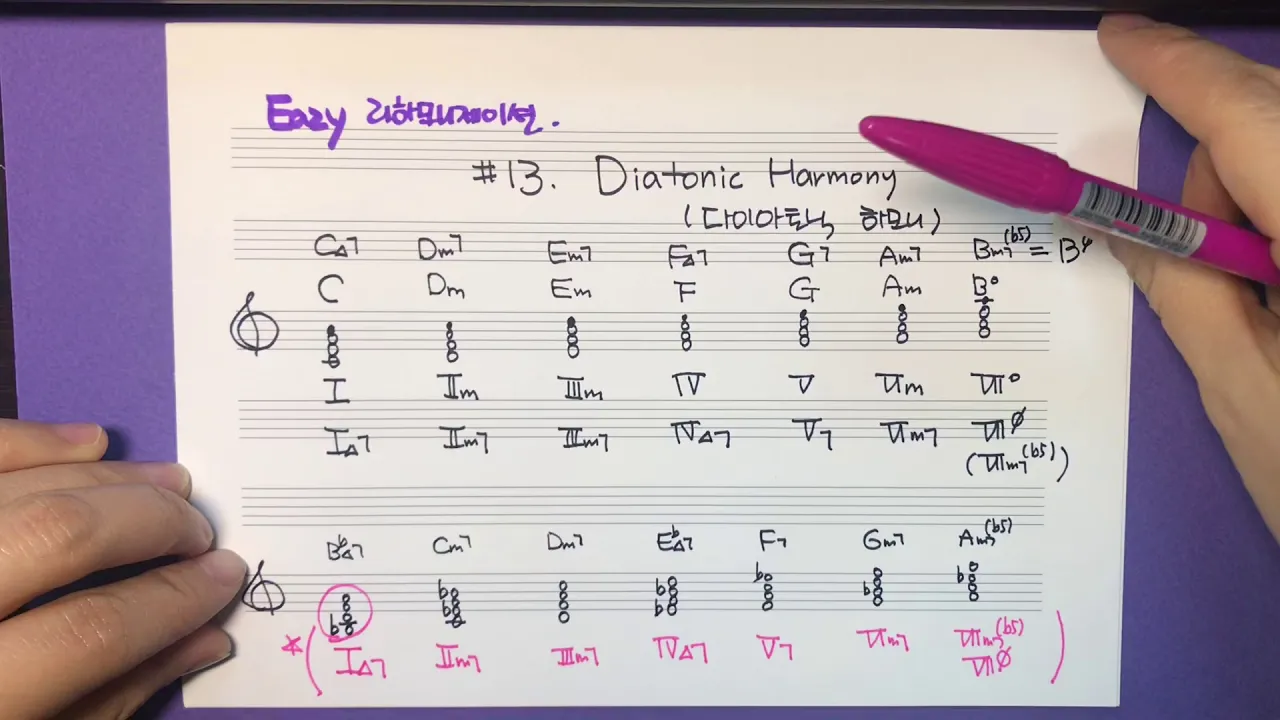
Diatonic Harmony and Roman Numeral Analysis: Ability to identify chords, key signatures (specifically G major and its dominant, D major), and standard harmonic progressions.
Classical Era Musical Aesthetics: Understanding the stylistic context of the Classical period, including balanced phrasing, texture, and clarity.
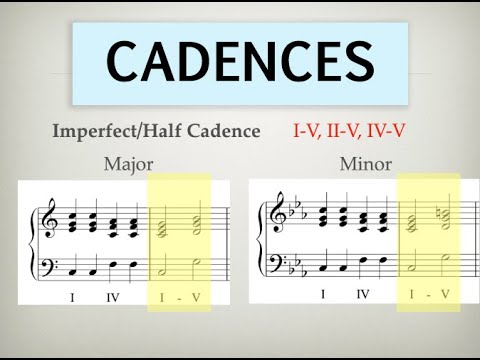
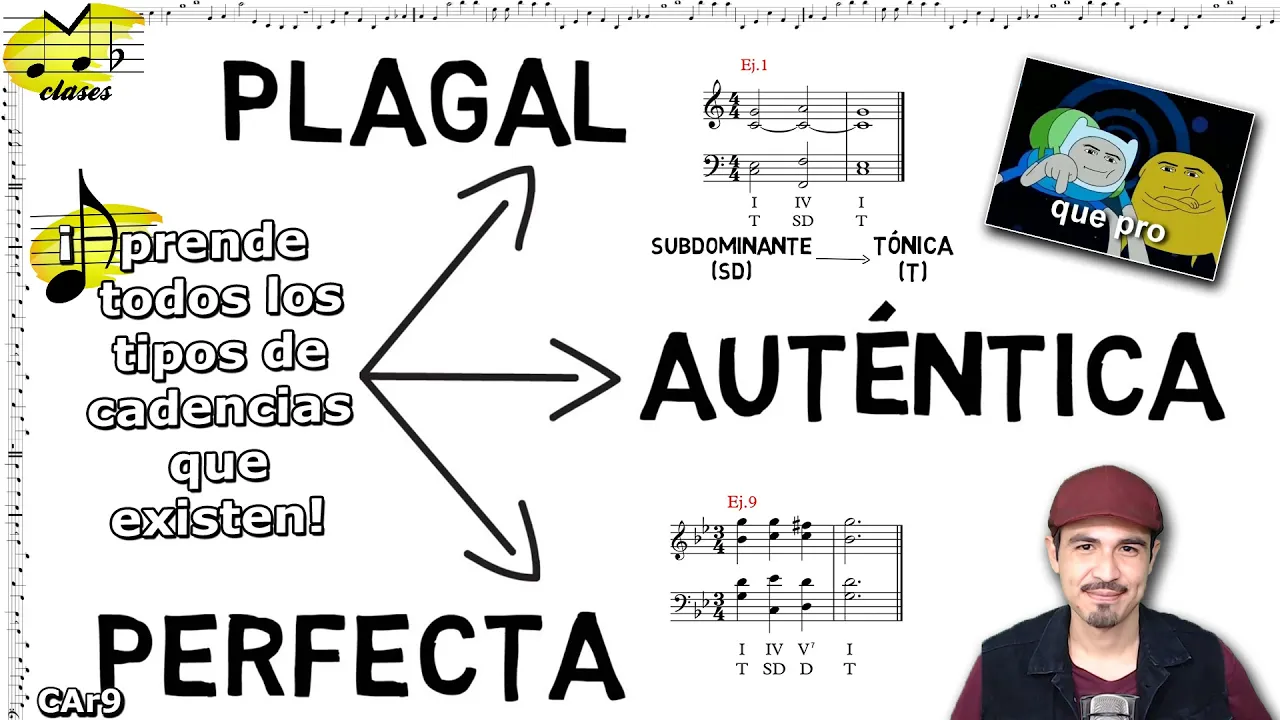
Types of Cadences: Recognition of structural markers such as Perfect Authentic Cadences (PAC), Imperfect Authentic Cadences (IAC), and Half Cadences (HC) which define formal boundaries.
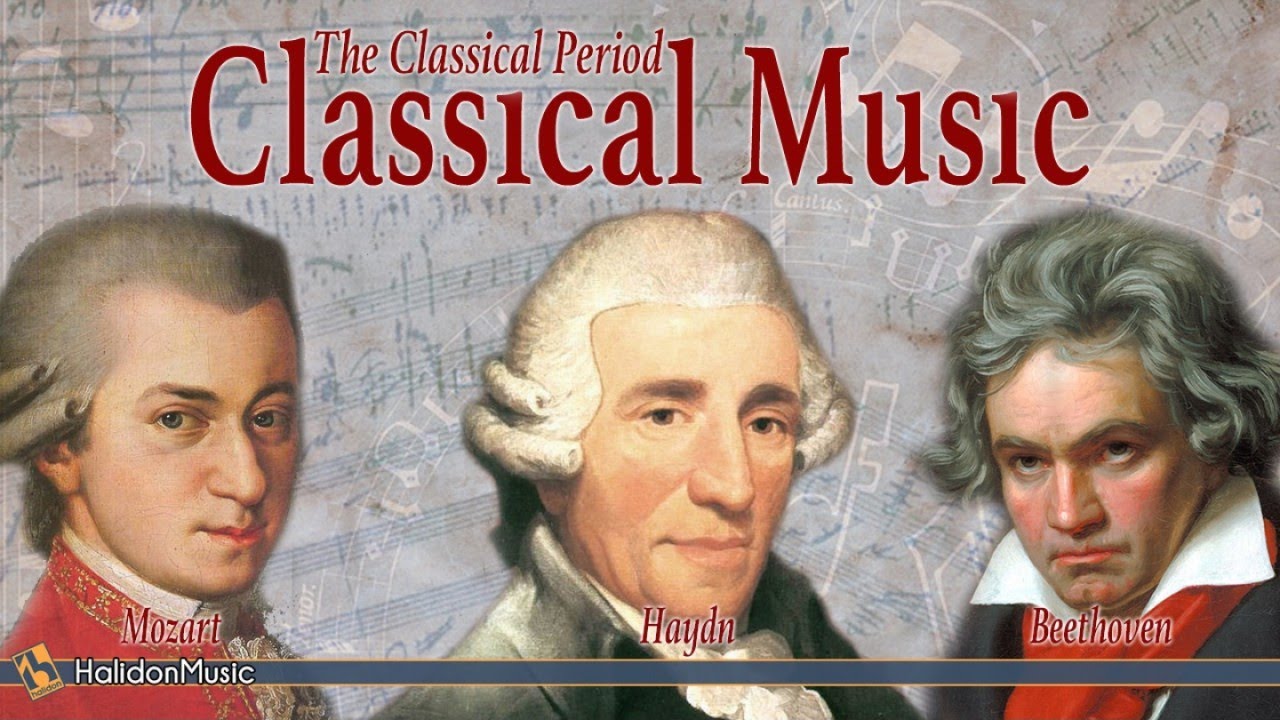
Comparative Sonata Analysis: Examining and comparing Haydn's sonata structures with those of his contemporaries, namely Wolfgang Amadeus Mozart and early Ludwig van Beethoven.
Introduction to Sonata Theory: Exploring advanced music theory frameworks, such as Hepokoski and Darcy's concepts of the 'medial caesura' and 'essential expositional closure'.
Historically Informed Performance Practice: Translating the structural and harmonic analysis of the G Major Sonata into practical interpretive decisions regarding phrasing, dynamics, and articulation on the piano.
Model Composition: Drafting an original musical exposition in the Classical style using Haydn's thematic development and modulation techniques as a structural template.
15.4K views0likes8:32Original Release: 2018-05-26
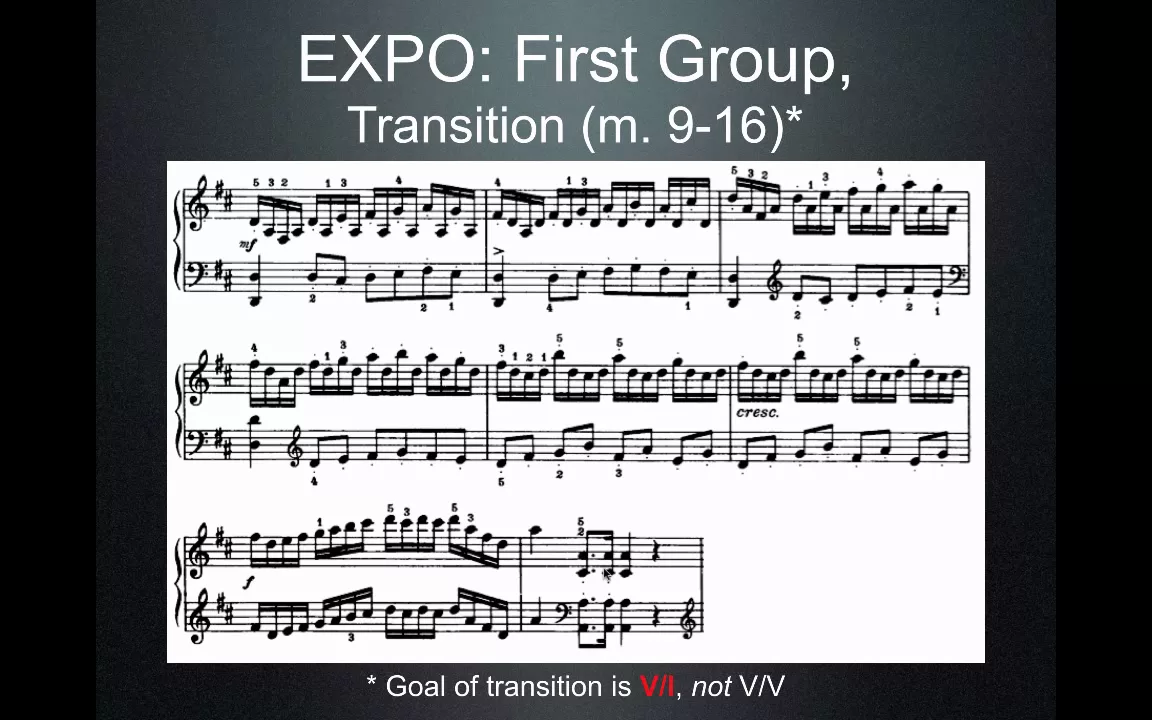
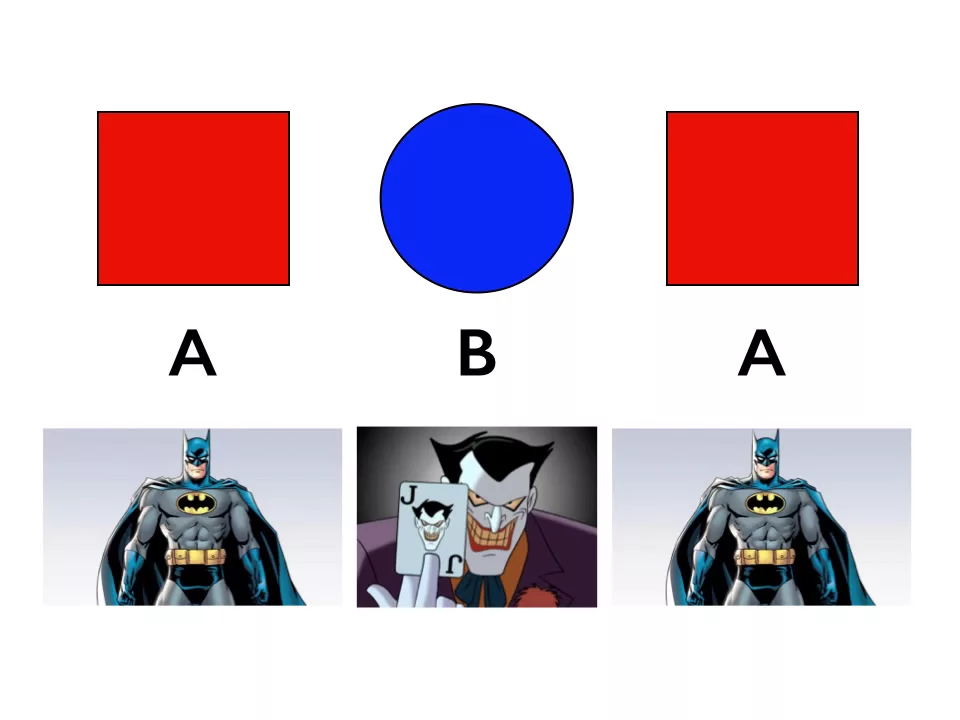
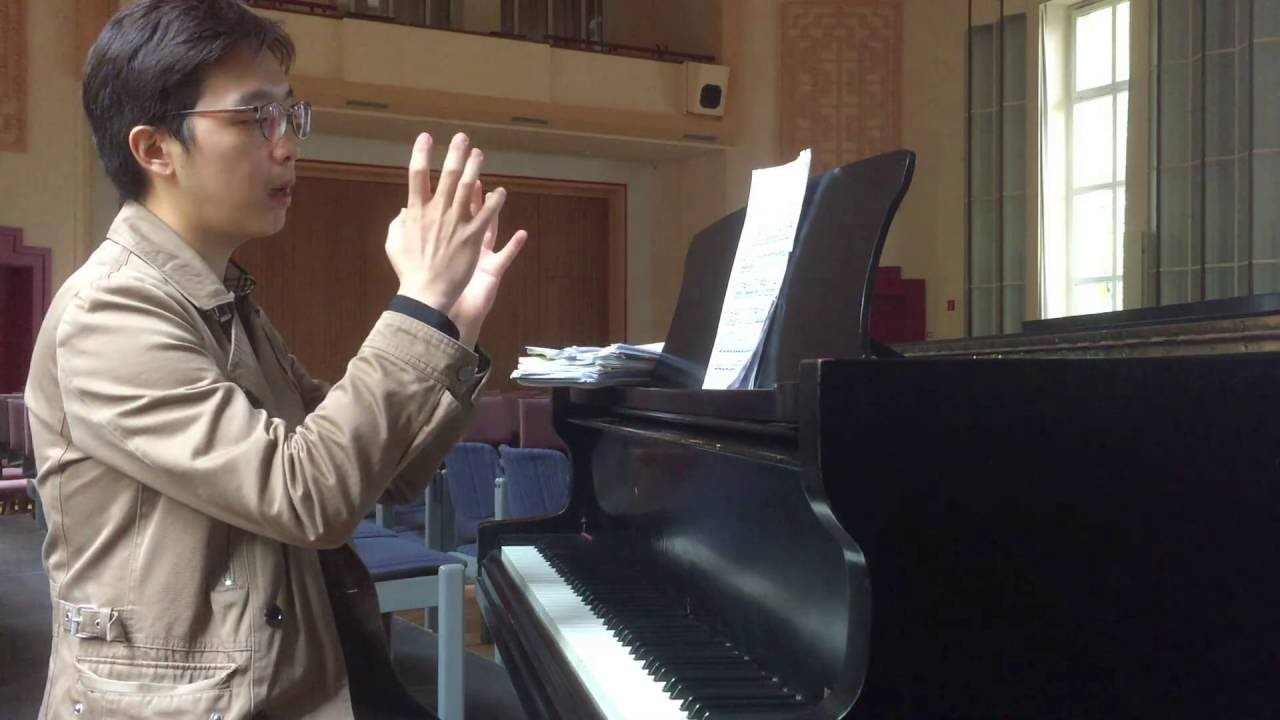
hi everyone written sometime before 1770 this is a good example of the type of sonata written during the mid 1700s and in terms of the sonatas development its style and form as part of a middle period between the earlier binary form sonatas of composers such as Domenico Scarlatti and the fully developed sonatas of Haydn's own later works and those of other later composers with the Sonata although heightened ease the three section form of latest sonatas his thematic usage and the modulatory scheme and overall length of the work are still yet to be fully developed this work then provides an excellent model of an early three section Sonata before looking at haydn's work I'll first briefly discuss the basic three section major key Sonata form the following description outlines an idealized version given in many textbooks of the basic Sonata but it must be remembered that a sonata is actually a procedure rather than a form therefore although sonatas may typically follow the basic three section division which I'll describe there are variants of this form and variations of how elements are used within the form with this in mind the three sections of a basic Sonata are the exposition the development and the recapitulation in a major key Sonata the exposition begins with the first subject and the tonic key it then moves through a transition or bridge to the dominant key where the second subject is presented a cadence and the dominant then closes of the exposition which is then typically repeated the development is essentially a modulatory section which may modulate three related keys and may use motifs or motivic fragments from the exposition the development concludes on the dominant of the original key in preparation for the recapitulation in the recapitulation the first subject is presented again in the tonic key the transitional material however now instead of taking the work to the dominant remains in the tonic the second subject also is presented in the tonic and the work concludes and that key because of variations and how and where the elements of a sonata may be used many analysts rather than using the terms first and second subjects prefer first and second harmonic areas this preference reflects the fact that particularly in earlier sonatas while there is always a move from one key to another there may not be a marked contrast between the first and second subjects or the second subject may not be that melodic for this reason I will use first and second harmonic areas [Music] you [Music] Haydn's initial melody introduces the dotted note and triplet rhythmic motifs which will recur throughout the sonata the sonatas first six bars prolonged tonic harmony with the right-hand melody essentially embellishing each degree of the tonic triad and the fifth degree being prolonged through these bars and then moving to the third over this G major chord the short bridge C's G major super tonic being altered to form an a dominant seventh chord the dominant of the second harmonic area of D major through the essentially two part texture of the second harmonic area the parts often interact harmonically with thirds or six and prolonged tonic and dominant chords and D major moved the work to the final cadence and that key above this D major tonic arpeggio the right-hand melody descends from D majors fifth degree to its first and over the dominant arpeggio are similar descent now beginning from the fourth degree moves to the first degree which is here displaced to trace an opt of descent which returns to the first degree over the expositions final D major chord unlike later sonatas this development section essentially remains in the key of g-major with hide and only briefly hinting at the key of c-major with the inclusion of an F note over the sub-dominant prolongation the development uses from the exposition both the triplets and dotted note motifs and its two-part structure is essentially constructed around harmonics 6th and 3rd intervals which through these bars are used over a series of chords moving from root position to 1st inversion and here they move over a dominant pedal as in the expositions bridge here G major super tonic is again altered to form a dominant 7th chord here however the dominant 7th is treated as a secondary chord to the dominant of G major which leads the work to the recapitulation the first harmonic area of the recapitulation is essentially identical to that of the exposition although here hyde and uses octave G's instead of harmonic thirds to remain in the key of G major once again the a dominant 7th of the bridges treat as a secondary dominant to G majors dominant the melodic material of the exposition second harmonic area is then transposed to the tonic key hide and then repeats these bars and its Optive descent to bring the work to its final cadence perhaps as a reflection of its status as an earlier Sonata the development and recapitulation are then repeated you [Music] you I hope you found this useful thanks for watching see you next time
Up Next
16:05
Double Counterpoint Schemata in Partimento Practice
@en-blanc-et-noir
11.8K views•2020-08-16

10:20
Mozart's Musical Dice Game Explained: History, Rules, & Fun
@webpianoacademy
5K views•2023-03-13
8:54
Partimento Bass Lines: The Rule of the Octave Explained
@decipherguitarandmusictheory
4K views•2020-05-29
10:49
Understanding John Coltrane's Giant Steps: A Music Theory Analysis
@Vox
10.4M views•2018-11-12
Related Study Plans & Knowledge Roadmaps
Structured learning paths in Music Theory
music-theory
Composing Galant Music: Partimento & Schemata
01Foundations of Figured Bass and Keyboard Harmony
02The Rule of the Octave (Regola dell'Ottava)
03Galant Schemata: The Building Blocks of Form
+ 2 more learning modules
30h5 modules
Explore Roadmap
music-theory
Decoding Overtone Series: Tuning & Drone Music
01Acoustic Foundations: The Physics of the Overtone Series
02Tuning Systems: Equal Temperament vs. Just Intonation
03Microtonality and Spectralism: Beyond Standard Pitches
+ 2 more learning modules
24h5 modules
Explore Roadmap
music-theory
Impressionist Harmony: Scales, Planing & RPGs
01Foundational Music Theory: Keys, Intervals, and Seventh Chords
02Impressionist Color: Chord Planing and Parallel Harmony
03Whimsical Textures: Pentatonic Cascades and Whole-Tone Scales
+ 1 more learning modules
14h4 modules
Explore Roadmap
music-theory
Negative Harmony: Axis Reflection in Indie Pop
01Music Theory Foundations: Scales, Intervals, and Triads
02Functional Harmony and the Circle of Fifths
03Demystifying the Negative Harmony Axis Reflection
+ 2 more learning modules
16h5 modules
Explore Roadmap