



















![[코너별 다시보기] 3부 내 뇌를 부탁해 - 클래식](https://i.ytimg.com/vi_webp/-HhdEeZpeH4/maxresdefault.webp)
Sonata-allegro form is a fundamental Western musical structure consisting of three main sections: the exposition (presenting two contrasting themes in related keys), the development (exploring and manipulating thematic material through harmonic tension and modulation), and the recapitulation (returning the opening themes in the tonic key); this form creates dramatic narrative through the tension-release pattern, where the principal theme represents the protagonist and the secondary theme the antagonist, ultimately resolving together in the tonic key.
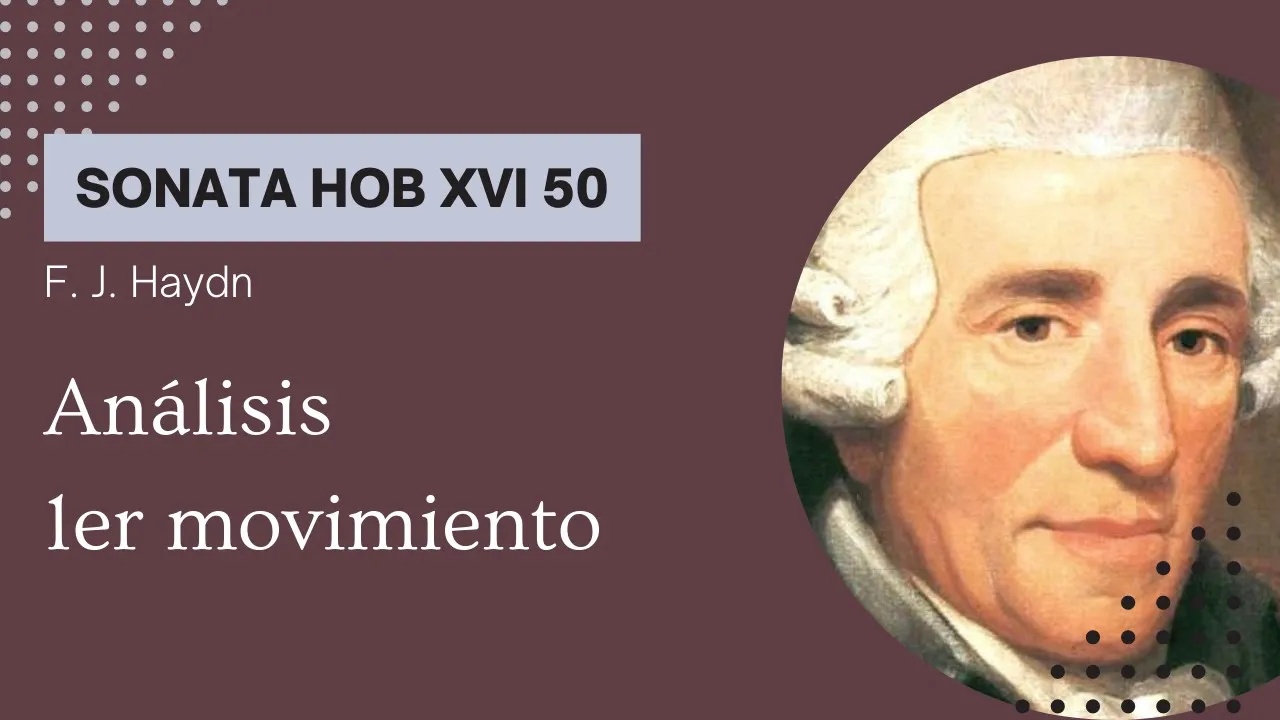
Sonata Form Explained: Haydn Piano Sonata in D Major, Mvt. 1
Added:Basic music literacy, including the ability to read and follow a standard two-staff piano score.
Fundamental tonal harmony concepts, particularly the relationship between the Tonic (I) and Dominant (V) keys.
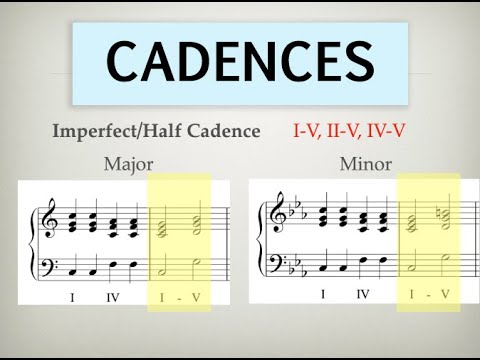
Understanding of standard musical cadences (such as authentic, half, and plagal cadences) which define structural boundaries.
An introductory awareness of the Classical style period (mid-to-late 18th century) and its emphasis on symmetry and balance.
Analysis of Haydn's unique 'monothematic' sonata forms, where the secondary theme is a variation of the primary theme rather than a new melody.
Comparative analysis of how Mozart and Beethoven expanded the dramatic potential of the development and coda sections in sonata form.
Application of sonata-allegro form analysis to larger-scale orchestral works, such as Classical-era symphonies and concertos.
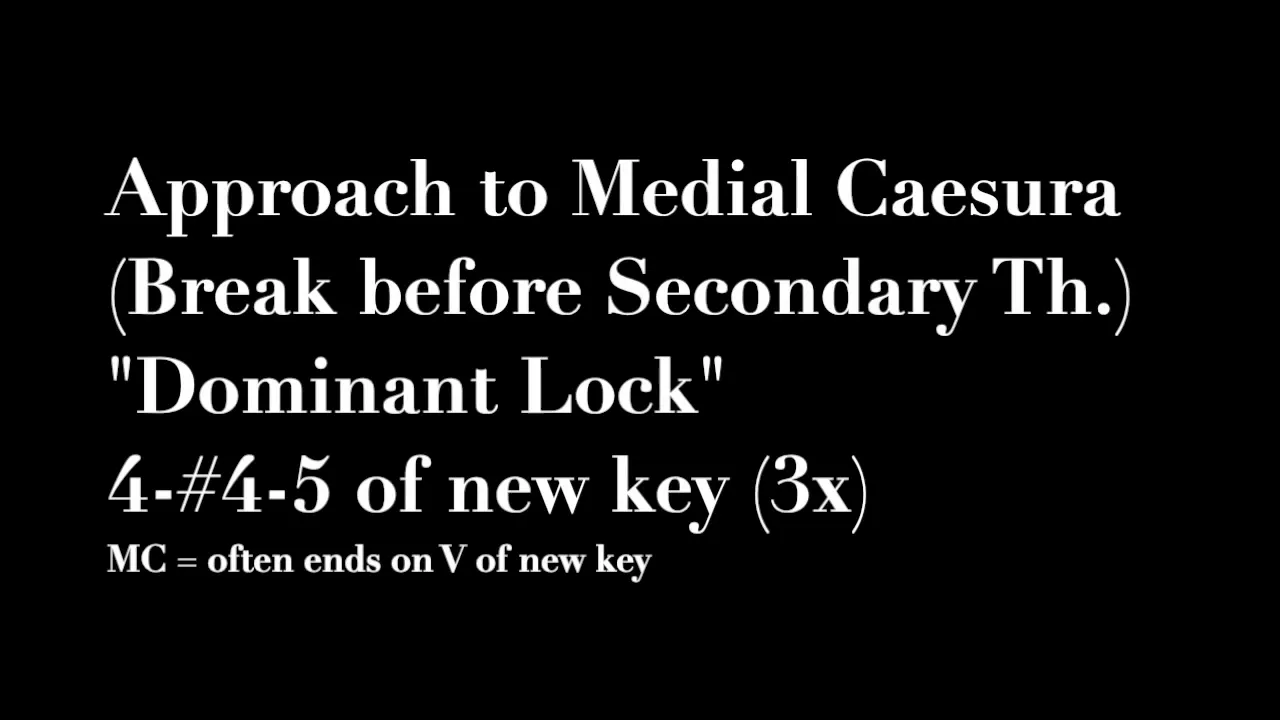
Study of advanced structural frameworks, such as Hepokoski and Darcy's modern 'Sonata Theory' (focusing on concepts like the Medial Caesura and Essential Expositional Closure).
Exploration of related Classical structures, including Sonata-Rondo form and Theme and Variations.
42.7K views415likes30:55Original Release: 2015-05-21
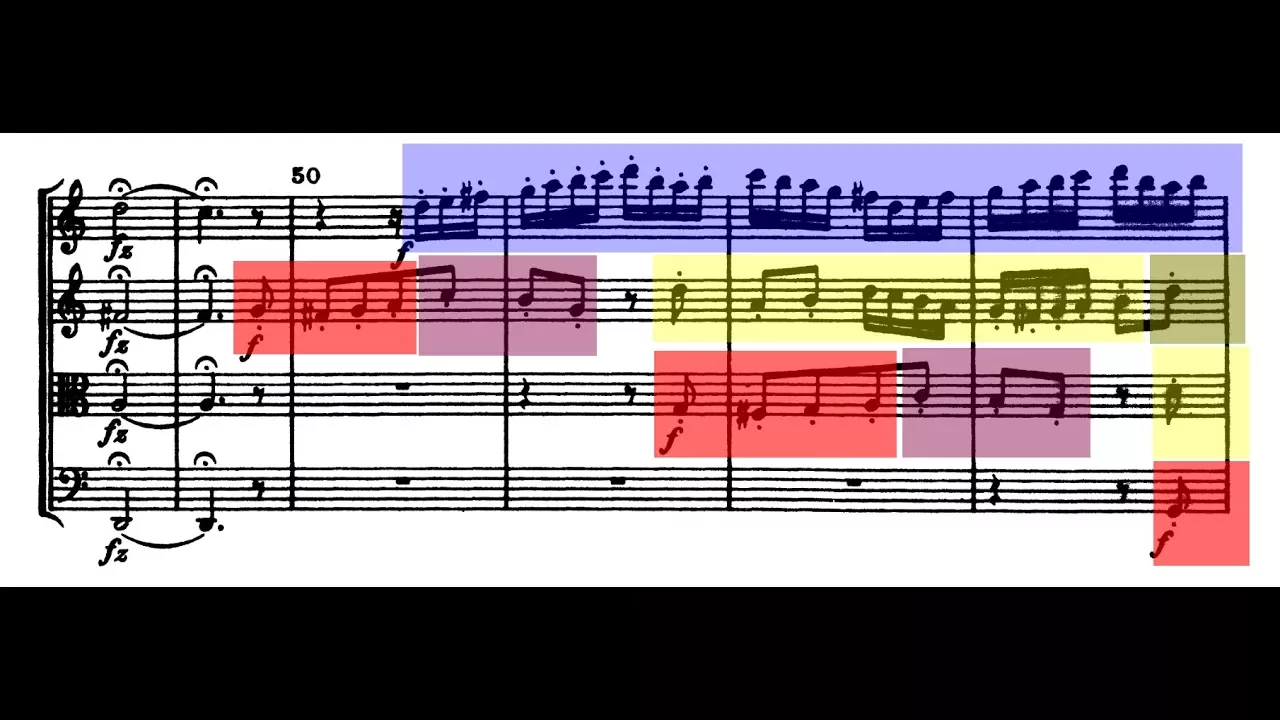
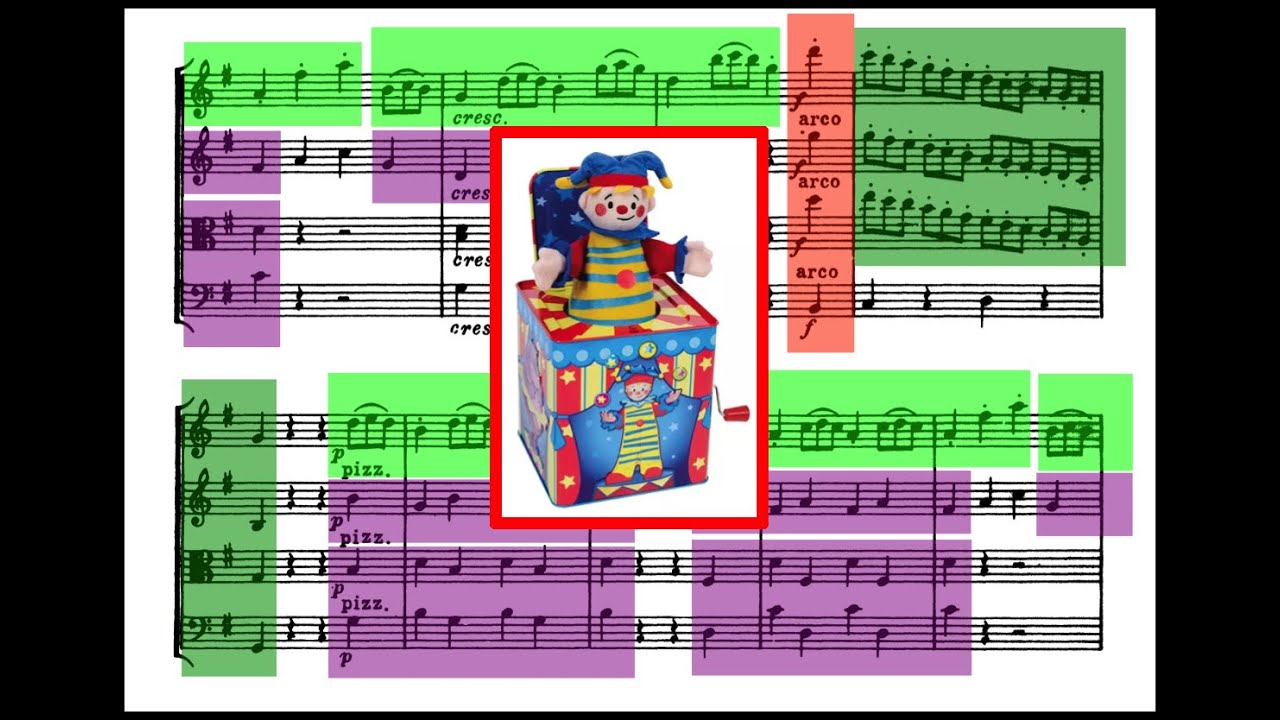
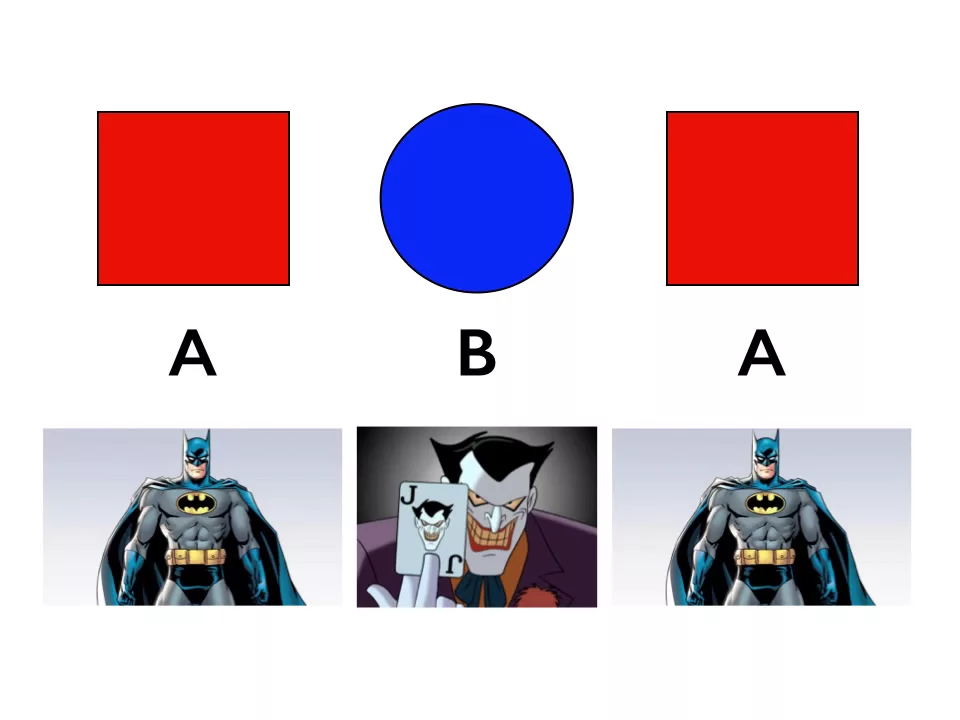
in this recording we'll be taking a look at sonata-allegro form one of the most important forms in all of western music the big pictures that Sonata Allegro form is an elaboration of rounded binary form in that there is an introductory section there is a departure from that and then there's a return and so in that sense it's connected to rounded binary form the sections in the Sonata Allegro form the introductory section is called the exposition often there are two contrasting themes or theme groups presented there might be a very active one and then a very lyric one and if it is a major key Sonata Allegro form the first theme would be in the key of the tonic and the second key would be in the theme of the dominant however if it is a minor key Sonata Allegro form the primary theme or the principal theme the first theme would be in the minor tonic but then the secondary theme would move to the key of the major median so for instance if we were in C minor it would move to E flat major if we were in C major in a major key it would move to G major so we're going to use the term theme groups though although some people in referring to these themes will call them principal and secondary primary or secondary theme in the second section where we move away from that introductory material those two themes or theme groups in Sonata Allegro form it's a development rather than a movement to a second theme like in rounded binary the development section is a chance for the composer to work out the potential that was inherent in those initial themes that were presented back in the exposition it's often a chance to show off you know the composer's ability to manipulate those themes so it's an it's an economic it's an economic approach and that there's not new material presented but rather material based on previous stuff so it's a recycling or repurposing of that material tension though is increased because of all of the manipulations and especially because there's usually further modulation to several different key areas related key areas usually but at the very end of all of this usually the composer has moved to the dominant so that he's prepared to return to the introductory material when the exposition material returns it's called the recapitulation and in Classical period Sonata form the recapitulation was almost verbatim the same as the exposition however there's one important change and that is that rather than the principal theme moving to another key area for the secondary theme in the recapitulation both being groups would stay in the tonic key in order to strengthen the sense of resolution perhaps there'd also be a coda or code etta or some kind of closing material so here's the big graph the exposition where the the initial material is exposed to the audience the the two theme groups and then a development section where those where kernels seeds that were planted in the exposition are then developed and their potential has worked out movement to various keys major minor so there's a lot of sense of tension or motion or excitement building the end of the development what winding up on a dominant so that we could then move to the recapitulation the return of the opening material a familiar sound satisfying for the audience to hear that return and that recapitulation is almost the same as the exposition except that the second theme group instead of modulating to either the dominant or the major medium it's going to stay in the tonic so the composer has to do a little bit of reengineering of the transition material between those two themes so you can see it's a nice balance aba you can sense that classical composers like this kind of symmetry and the Sonata Allegro form does come from the Classical period speaking of Classical period the idea of having a dramatic narrative where the the principal theme could be thought of like the antenna the protagonist and the secondary theme could be thought of like the antagonist and then those two themes maybe there's Batman and then the Joker is the secondary theme and during the development they have their conflict but there's some kind of a resolution and and a return to to our hero at the end so there's there's a classical dramatic narrative that's one reason why this not Alegre form is associated with the Classical period local and global tension and release in between phrases and themes and even if this was part of a bigger piece like say the Sonata Allegro of movement is the first movement of a symphony which by the way it is in many Classical period symphonies the first movement is some not Allegro form but then maybe the second movement would be a much simpler form perhaps minuet and trio so there's there's connections between sections in a movement and there's connections between movements and then all of the parts of the Sonata Allegro form have these transitions so between the principal theme and the secondary theme those two theme groups in the exposition there there'll be some kind of a linking or transition music and then when we hear the exposition return at the end of the Sonata Allegro form as our recapitulation there's that recurrence and it's it's familiar to us so there's a lot of drama going on the particular Sonata Allegro form we're going to look at is actually not a symphony symphonic piece but more a piano piece the sonata and D major number 37 by Franz Joseph Haydn many people regard him as the father of Sonata Allegro form this is going to be the first movement of his piano sonata and it's a fast movement and that's why it's often called Sonata Allegro form this movement is indicated at Allegro con brio with energy it was written around 1780 published in 1780 but written shortly before that and I think the first thing we need to do is actually just listen to it now the exposition I didn't mention this often is a repeated section so we're going to hear the exposition twice then we're going to hear moving on to the development that we're going to hear the recapitulation this whole piece is only 103 measures so even though it's going to be a little bit of dead air without me talking much we're going to just listen to it if you have a score you can follow along I have the measure numbers indicated the exposition begins goes up to 40 measure 40 and then you're going to hear it repeated that's very common in classical Sonata Allegro form so we'll hear those opening 40 measures twice then the development building tension it's not very long you know just 20 measures and then the recapitulation just a little bit longer than the exposition there's just a tiny bit of additional material in there the thing to listen for would be how the second theme the composer Hyden works it out so the second theme does not modulate anyway here's the the movement okay so we're coming up on the close of the exposition and now we go back to the beginning okay and now moving to the development section and this is winding down and back to the opening material the recapitulation and there it is so next I'd like to look a little bit closer at the components and break this down a little bit for the purposes of this particular Sonata I'm going to use the term group rather than theme or theme group you'll see why as we look at the particulars but you can think of the first group as the principal theme or the primary theme in the second group as the secondary theme they're not really contrasting so much in this piano piece and then there's some closing material for for the exposition and I'm going to call that the closing group because then another theme is introduced there but just briefly and entirely as closing material so you're going to notice that this is in the key of D major so by the time we get to the end of the first theme group you're going to see a dominant and the second theme group is going to be in the key of the dominant which means in the key of D major this is sonata in D major what's going to get us to that dominant is the introduction of the note G sharp right in the key of D major we have two sharps F sharp and C sharp but if we want to suggest the key of the dominant which is the key of a major we're going to need to introduce that G sharp so we'll watch for that to happen okay let's take a look at this first theme group the first eight measures of the score we have on the screen here now and you can see that there it starts on a nice big strong D major chord by the end of four measures it's moved to the dominant that's like a half cadence it is a half cadence then the second phrase form or measure starts on tonic and enzyme tonic so it's a parallel period the antecedent phrase ends on a half cadence and the consequent phrase ends on a full cadence on D here it is I also know point out that in measures three and four Hyde and introduces an idea of having the sixth scale degree go down to the fifth scale degree go down to four and then three so if we're in d-pod uh six five four three that becomes something he's going to use in developing this piece later on so I just wanted to point that out it's also in what would this be here we're in trouble clef so the D up to that B would be a major tenth those or you can think of them just as thirds major thirds but these these descending thirds or major tenths will listen and observe that Hyden exploits that so some something he's introduced early on we're going to see again later on okay after the first eight measures there's some transition material we're going to get a sense of motion and the motion is that we're actually heading towards the dominant and in the Classical period especially a composer like Hyden or even Mozart they really make it clear when they're at the end of this transition and we're ready to introduce the second theme you're going to go to this young dum-dum on the dominant that's going to be very very clear let's uh look at it harmonically it starts on D it moves to a there's that six five four three again and again these twice in the middle of this and let's listen to okay and some some transitions to the secondary theme might have ended on an E major chord so that you could begin the next area in the key of a this one ends on an a I don't know if we want to call a major chord but certainly the note a yeah dum da-dum very strong dominant feel but it does set up the dominant okay so we move into the second theme group and I've divided that into two sections we'll call them 2a and 2b the first measure 17 through 21 is 2a and 22 to 34 is to B notice that we're starting with C sharp and E here and then a up here so this is an a major chord in the key of D at the dominant notice that G sharp that occurs like a lower neighboring tone there to be reminds us so much of the first theme group that young Tom dum-dum-dum-dum only it just starts that way and then there's something different but it's all part of this sort of second theme group that emphasizes the key of a or tana sizes a let's uh there's that their outline in blue is 2a and in pink is 2 B let's listen and there's some ascending thirds again connected in a way to the to the thirds we've heard use before all right then at the end of the exposition there's are the end of the second group there's this really cool chord the Neapolitan chord is its name but it's really a flat two chord so if we're in the key of a we've moved to the key of the dominant the key of a this is a B flat major triad here when it occurs in first conversion and the figured bass would say it's six right a flat two six on neapolitan six so that's where we get that six from neapolitan six but anyway it's a flat to colloquial or sometimes called the Neapolitan court and in first inversion so we we label at six also there's some secondary leading tone here diminished chords D sharp chord the D sharp is a pointer to eat right and E is the dominant in a so we're going to go to e here there's a cadential sixth floor the e is in the bass but it's basically an a chord then this is an e triad here a dominant chord and then we land on on a so we've actually modulated now for sure to a so listen for that striking sound of the flat two chord the Neapolitan chord and here comes right here okay and that took us a little bit into the closing group so starting at around measure 35 I'm calling this a third theme in a sense although it's very much connected to the descending thirds that we've heard before and it sort of just winds down the section so I'm calling it a closing group you could just call it a code data if you want it here is that that music starting at measure 35 um pom pom temp thumb thumb dump dump dump dump dump dump and then an embellishment of it take a look it up there go take a dump dump dump dump dump dump dump and then take it again together daga daga daga daga dum dum shut up so really all of it is closing material okay so somebody else analyzing this piece might have just said that there was two themes right a principal in a secondary theme or a first theme group in a second theme group they might have called this just simply the code Etta I've divided it up because it seemed like what's at the beginning of it is really a third theme but honestly that's getting into the point of semantics it's not that important this is all sort of closing material but I just called it a closing group okay so we've looked at that much of the piece and let's go into the development what we're going to hear in the development is some music from theme one for the first part of the development then some exploitation of that descending Third's from the first theme group for the second part of the development then the third part of the development is going to be about sort of spending a little bit of time with that Neapolitan six chord and then a movement to the dominant sometimes that in music is called a retransmission when that dominant is presented because it's basically there that dominant is there to help catapult you or springboard you back into the tonic which will be the recapitulation so here's that part one and again listen to the music from the first thing notice that Haydn's reverse the process he split the young thump dum dum da da da dum in the left hand and the right hand has more of a portal background material starts in the key of a where we left off at the end of the exposition but it's going to move around a little bit to super tonic dominant tonic okay all right and in the second part I really like these chain suspensions it's a variation of the idea of descending thirds only he uses a process called augmentation he lengthens the amount of time it takes for the descending third to happen and he offsets them so it sounds like a chain suspension and the left hand is doing this really wicked sixteenth-note flourish at the same time notice we're back in the key of D during this but we're moving towards the key of B minor near the end of this area and here it is okay and in the third part of the development will see these descending cascades of sixteenth notes that will recall the the Neapolitan sex now notice we had moved to the key of the sub medium the key of B minor and the in the key of B minor the flat two would be a C major chord and here it is there's our Neapolitan six a C major chord and then a secondary dominant but we eventually wind up back on a on a major dominant that gets us back to a we want to hear this egg here it is we want to hear this a that springboards us back into the key of D but it sounds like we're in B minor for a while here even after the Neapolitan six we have a a sharp which points to F sharp which is the dominant of B minor and this is a tonic six although I should have used a lowercase Roman numeral one there my apologies it's a minor tonic six and then this F major chord with a minor seven it's a dominant seven in the key of B but when we get to here the B that we get is actually a dominant of the super tonic in a so the hiding gives us a B chord here but he gives us a B chord with an a natural on top so we're going to start to hear that like a dominant chord and then here we're going to hear that as if we were in in the key of a as if that was the supertonic B so eventually though we get this a major chord with a G natural so a series of dominant seventh actually here is a dominant seventh here is a dominant seven it's the dominant seventh of E and then here is a dominant seventh this a chord which is the dominant seven of D you don't need to know all of that but I just want to point out there's some harmonic stuff happening and it's the development that that stuff usually happens that kind of a quick progressive harm harmonies so anyway let's listen to this and especially for that Neapolitan chord it'll be very striking when it happens right here and back to the tonic okay so there's a lot of fast moving harmonies tonal centers shifting quickly in the development all right so here's weird those are the three parts of the development and you can see there's even a symmetry there the first and the third are longer than the middle just like in the whole movement the first and the third are longer than the development itself all right and then the recapitulation we're going to listen for that first theme group the second theme group and the closing but especially take note that the second theme group will be in the key of D there's going to be a transition music that makes us sound like we're going to the key of a but we end up not doing so we'll pay attention to that here's the opening section there's a little extension of that first theme group but it is basically the same thing here's the extension and a long dominant pedal okay and so the transition music in the first theme group does have that six five four three descending scale feature and it it does end on a dum dum dum just like the opening did but instead of going to a like the in the exposition this is going to end up going to D so it's obvious we're done that first thing group and now the second theme group begins in the key of D and we've divided it again into theme to a and theme to B which reminds us of the opening theme that'd be a bump bump bump modem that happens here okay and at the end of the second theme group we have the Neapolitan six chord again now remember that that Neapolitan six chord in the key of a was a B flat chord here it's actually still a B flat chord it's kind of like the Neapolitan of the dominant it actually isn't a six chord notice it's we're not using the number six because it's actually not in first inversion it's in root position here and we get a similar sounding secondary dominant here but the cadential six for the tonic six for dominant that we end up getting is in the key of D not in the key of a like it was earlier here we go okay and let's move on to the closing group and that closing material member I divided into two sections the third theme young Tom Thumb jump dump dump dump dump dump dump dump its embellishment Jimbo da dum duh buh duh buh duh jump dump dump dump dump dump and then that little to measure Co data and that's the end of the recapitulation so you can see the symmetry here how the exposition or recapitulation bares so much resemblance to one another and the development adds that needed tension in the middle so if you were to think of the theme groups as characters you could say that they're presented or they're exposed or they're shared with the audience then they're the drama happens in the middle and then there's a winding down drama you may call it add a new mob but a resolution of some sort because now instead of the first and theme grouping in two different keys they're now in the same key maybe the first theme groupism is our mail I lead and our second theme group is our female lead and it's a romance and there's a little turbulence here in the middle but they end up in the city in the same key they get married or whatever they live happily every after there's definitely a dramatic element to this so some questions I'd like to leave any of you viewing this presentation some questions to ponder are what are the compositional advantages of using sonata-allegro form why is it still being used today and adapted by composers maybe just not Allegra form as we've looked at it with a movement from tonic to dominant isn't part of today's sonata-allegro form but the idea that there's an expo themes related themes or contrasting themes themes in different key areas or at least something different maybe the principal theme is in the key of our on a tonal center of C and its partner the secondary theme is a tritone axis away in f-sharp or maybe a half step above and D flat there might be some variation of it but then there be a development section where all sorts of manipulations of that theme would happen and then a return so this larger ABA form so what does the advantage of that and what are some analysis strategies for spotting and tracking sonata-allegro form if these traditional form or even if you were to go see a piece performed by an orchestra that you understood possibly with Sonata Allegro form by one of today's composers what would be some strategies as you either look at the score or as you listen to it being performed to track or confirm if Sonata Allegro form was at work
Up Next

9:54
Sonata Form Explained: Classical Music Structure (Mozart K545)
@LivingPianosVideos
130.6K views•2013-08-07

10:20
Mozart's Musical Dice Game Explained: History, Rules, & Fun
@webpianoacademy
5K views•2023-03-13

47:36
Understanding Diatonic 7th Chords in Major Keys | Music Theory Tutorial
@GracieTerzian
54.7K views•2022-03-02
10:49
Understanding John Coltrane's Giant Steps: A Music Theory Analysis
@Vox
10.4M views•2018-11-12
Related Study Plans & Knowledge Roadmaps
Structured learning paths in Music Theory
music-theory
Composing Galant Music: Partimento & Schemata
01Foundations of Figured Bass and Keyboard Harmony
02The Rule of the Octave (Regola dell'Ottava)
03Galant Schemata: The Building Blocks of Form
+ 2 more learning modules
30h5 modules
Explore Roadmap
music-theory
Decoding Overtone Series: Tuning & Drone Music
01Acoustic Foundations: The Physics of the Overtone Series
02Tuning Systems: Equal Temperament vs. Just Intonation
03Microtonality and Spectralism: Beyond Standard Pitches
+ 2 more learning modules
24h5 modules
Explore Roadmap
music-theory
Impressionist Harmony: Scales, Planing & RPGs
01Foundational Music Theory: Keys, Intervals, and Seventh Chords
02Impressionist Color: Chord Planing and Parallel Harmony
03Whimsical Textures: Pentatonic Cascades and Whole-Tone Scales
+ 1 more learning modules
14h4 modules
Explore Roadmap
music-theory
Negative Harmony: Axis Reflection in Indie Pop
01Music Theory Foundations: Scales, Intervals, and Triads
02Functional Harmony and the Circle of Fifths
03Demystifying the Negative Harmony Axis Reflection
+ 2 more learning modules
16h5 modules
Explore Roadmap