













![43 Music Theory Concepts That EVERY Modern Composer Should Master [The Music Theory Map]](https://i.ytimg.com/vi/qeS8txkoUH4/maxresdefault.jpg)







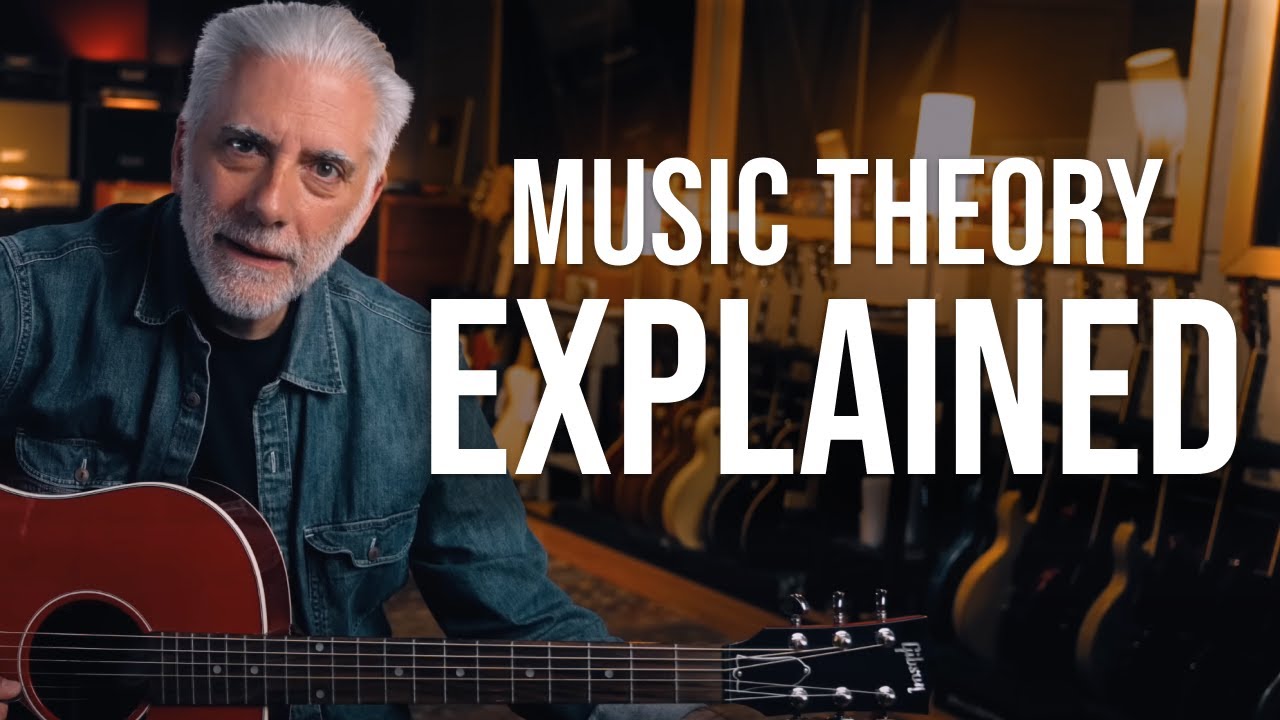
This video introduces essential music theory concepts including intervals (pitch distance between notes measured in semitones), major scale (7-note diatonic scale with whole-step/half-step pattern), diatonic harmony (chords within the scale), key (root note/tonal center), pentatonic scale (5-note scale without semitones), triads (3-note chords), extended chords (triads with additional notes), 7th chords (4-note chords), shell voicing (7th chord without 5th), and chord inversion (rearranging chord notes while maintaining harmony).
Music Theory Fundamentals: 11 Concepts for Beginner Musicians
Added:Familiarity with the musical alphabet (A through G) and the concept of octaves.
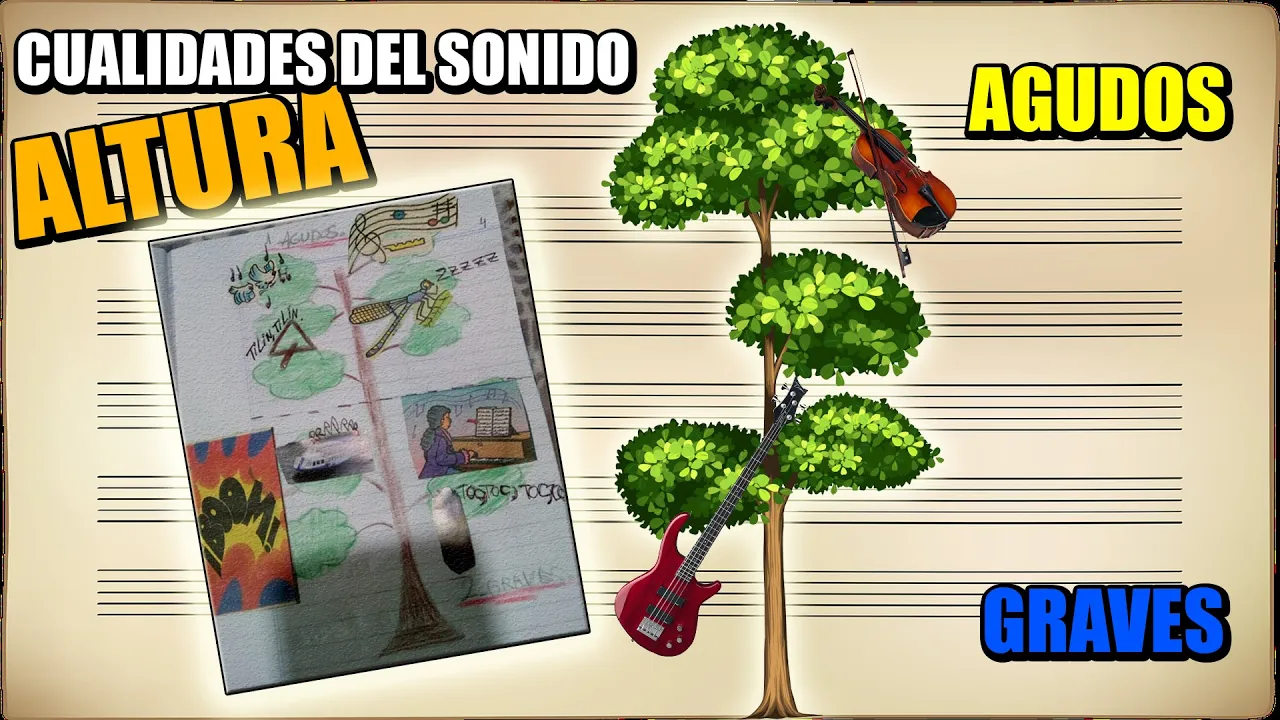
An intuitive understanding of musical pitch, specifically distinguishing between high and low sounds.
Basic awareness of a piano keyboard layout (white and black keys) to easily visualize note intervals.
A foundational grasp of rhythm, pulse, and tempo, which underpins how notes are played in time.
Studying Roman numeral analysis to understand chord functions and standard chord progression patterns.
Learning the principles of voice leading to create smooth, natural transitions between different chord voicings.
Developing active ear training skills to identify intervals, scales, and chord qualities by sound alone.
Applying scales and chord structures to basic songwriting, melody construction, and harmonization.
63.5K views3Klikes9:23Original Release: 2019-12-28
hey everybody welcome back in today's video we're going to look at some basic terms used when talking about music theory and the reason i'm doing this today is i want to provide something that can help to fill in the gaps for those who don't understand some of the things that i talk about in my videos so without further ado let's get started first up we have the interval so an interval can be defined as the measurement of the distance in pitch between two notes when we have a certain distance between two notes we'll get a certain sound like this or like this generally speaking intervals can be best thought of in relation to major scales which have seven notes or scale degrees and from these seven notes we can get a variety of distances most commonly ranging from one through seven though we can also get distances such as nines elevens and thirteens in any case when we're measuring an interval independent of the scale the most important thing is simply the measurement of distance between one note to another for example if i have a tone that is two tones away from my starting note i'll have what's called a major third conversely though if i have a note that is a tone and a half from my starting note that relationship will always be called a minor third and on that note when it comes to intervals we have a few different modifiers which we can attach to label a sound this comes in the form of major minor perfect augmented and diminished intervals though most commonly you're just going to run into major minor and perfect intervals so when it comes to perfect intervals we usually talk about these in relation to octaves fourths and fifths basically these specific sounds that i'm playing right now and when it comes to major and minor intervals these are always related to seconds thirds sixes sevenths and if we go up an octave ninths and thirteenths as said before the relationship between the label and the sound is based solely on the distance between one note to another for example minor seconds are always the distance of a half step from a note or a semitone and a major second is always the distance of a whole step or tone from one note to another like this so to conclude the most important takeaway here is just the idea that an interval is the resultant sound of the distance between two pitches and the name of the inch ball relates purely to the distance measured between two notes sometimes we call them major minor perfect augmented and diminished but it really just matters how far apart they are up next we have the major scale which is a set of seven notes that is perhaps the most common sound in western music it sounds like this so for this major scale we use these seven notes to form things like chords melodies and just music as a whole and this scale is also known as the diatonic scale tonic referring to the root note of the scale or the first note and also the point of resolution or tonal center as for the dia part the diatonic scale that refers to the fact that the scale can actually be interpreted to have multiple tonal centers but that's a more complicated topic for another day anyways the major scale i said before is a seven note scale and it's formed through a pattern of distances or steps based on a starting note or root note that pattern of distances comes in the form of a whole step whole step half step whole step whole step whole step half step so if i start on a pitch like this one here and i apply a pattern of whole step whole step half step whole step whole step whole step half step i'll get the sound of a major scale and this sound will always come about independent of which root note i start on so if i apply the exact same thing to the note f here we'll step whole step half step whole step whole step we'll step half step we'll get the sound again in short as long as we apply the pattern we'll always get this sound so closely related to the diatonic scale slash major scale is the idea of diatonic harmony and this is actually really simple diatonic harmony is just harmony that falls within the confines of the seven note diatonic scale if we have a piece of music that sticks within the seven notes of the diatonic scale in relation to a single root note then we call that music diatonic music conversely chromaticism refers to the usage of notes that come from outside of the diatonic scale so if i'm writing a song in c major and i grab a note that comes from outside of the c scale say f sharp then that's chromaticism as for diatonic function and chord numbers or roman numerals this is the idea that we can take a scale and apply a simple logic to it in order to derive a number of different chords the logic works like this we take each note in the major scale starting from one eventually moving through to seven and we grab every other note until we have a minimum of three pitches then we'll get a grouping of seven different chords for example if we had a c scale spelled c d e f g a b and c and we started on the first note c grabbing every other note until we had a minimum of three notes we would have the pitches c e and g and if you put those together playing them all at once it spells a c major chord if we move on to the second note in the c scale which is d and we apply the exact same process grabbing every other note until we have a minimum of three we'll have the notes d f and a which spells a d minor chord so if we work it all out we'll have these seven chords and i'm playing the key of a as an example major minor minor major major minor diminished and then back to major again which is the root and when it comes to numbers each one of these chords can be a sign of roman numeral which just tells the musician where the chord falls within the confines of the seven chords of the scale for example the key of a the five chord would be assigned roman numeral five so that's the fifth chord of a major anyways there's quite a lot of detail to this diatonic function thing so if you're curious and want to know more then i recommend that you check out my video on diatonic functions okay key is very simple and it's just a term that's used to identify the first note in the scale or the pitch that is the root pitch or tonal center within a scale system for example a c major scale is in the key of c since c is the first note of the scale and it's the root pitch c is the most stable pitch in that system and all the notes eventually want to return to c a pentatonic scale is a five note scale which is a major scale or minor scale devoid of semitones for example if we took a c major scale and we took away the notes f and b which create the semitones we would have a c major pentatonic scale triad a triad is a three note chord which is formed on the basis of starting with a root pitch and grabbing every other note until you have a minimum of three notes it's exactly what i talked about earlier in some of the previous segments for example c e and g is a triad [Music] so an extended chord refers to a triad that has additional notes added to it and to form an extended chord all you have to do is continue the process that was used to form a triad however instead of grabbing a minimum of three notes you can grab say four notes five notes or six notes for example if we took that c chord that i've been playing and we grabbed another pitch we'd have this sound here which is a c major seven or if we grab another note we'd have this sound here which is a c major nine also closely related to that i should say that when we grab notes that come from beyond the octave instead of referring to these pitches again as one through seven we refer to these as nines nine also being a second or elevens elevens representing fourths that go beyond the octave and thirteenths which represents sixes that go beyond the octave so for example in a c major nine chord the nine is actually a second but it's coming from beyond the octave so instead of calling it a second we're gonna call it a ninth as for a seventh chord a seventh chord is formed by grabbing every other note until you have four pitches like in the c major seven example the seventh part refers to the fact that the distance between the root note of the chord and the interval that's the furthest away is some kind of seventh be it major minor or diminished shell voicing closely related to the seventh chord is a shell voicing so a shell voicing is simply a seventh chord that has dropped the fifth so instead of being spelt as one three five and seven the shell voicing is just spelled as one three and seven finally we have the term chord inversion and this refers to the idea that you can change the order that the pitches are played within a chord for example a c chord is normally spelled as c e g and we call this root position when the root is in the bass however it can also be spelled as egc and we call this first inversion when the third is in the base or it can be spelt as g c and e and we call the second inversion when the fifth is in the base so all these different iterations of the c chord will still mostly sound like the c chord that we started with [Music] alright folks so they have it hopefully that cleared up a lot of things if you like this video then please make sure to like share and subscribe as i put out a new video every single week and if you want to support the channel then please consider checking out my patreon page where for as little as a dollar a month you guys will have access to some bonus content like guitar tabs lesson notes chord diagrams and other little goodies like that and honestly the patreon page really helps me out as it allows me to get some extra equipment to make these videos better finally i also teach guitar lessons through skype there's a link to my email address in the description below so yeah thank you all for watching and i'll catch you guys in my next video
Up Next
36:03
Jazz Piano Guide: Mark Levine Book Chapter 3 Explained
@HeartofthePiano
4.2K views•2023-07-10

10:20
Mozart's Musical Dice Game Explained: History, Rules, & Fun
@webpianoacademy
5K views•2023-03-13

47:36
Understanding Diatonic 7th Chords in Major Keys | Music Theory Tutorial
@GracieTerzian
54.7K views•2022-03-02
10:49
Understanding John Coltrane's Giant Steps: A Music Theory Analysis
@Vox
10.4M views•2018-11-12
Related Study Plans & Knowledge Roadmaps
Structured learning paths in Music Theory
music-theory
Composing Galant Music: Partimento & Schemata
01Foundations of Figured Bass and Keyboard Harmony
02The Rule of the Octave (Regola dell'Ottava)
03Galant Schemata: The Building Blocks of Form
+ 2 more learning modules
30h5 modules
Explore Roadmap
music-theory
Decoding Overtone Series: Tuning & Drone Music
01Acoustic Foundations: The Physics of the Overtone Series
02Tuning Systems: Equal Temperament vs. Just Intonation
03Microtonality and Spectralism: Beyond Standard Pitches
+ 2 more learning modules
24h5 modules
Explore Roadmap
music-theory
Impressionist Harmony: Scales, Planing & RPGs
01Foundational Music Theory: Keys, Intervals, and Seventh Chords
02Impressionist Color: Chord Planing and Parallel Harmony
03Whimsical Textures: Pentatonic Cascades and Whole-Tone Scales
+ 1 more learning modules
14h4 modules
Explore Roadmap
music-theory
Negative Harmony: Axis Reflection in Indie Pop
01Music Theory Foundations: Scales, Intervals, and Triads
02Functional Harmony and the Circle of Fifths
03Demystifying the Negative Harmony Axis Reflection
+ 2 more learning modules
16h5 modules
Explore Roadmap