





![Best Left Hand Comping Exercises & Rhythms [Jazz Piano Tutorial]](https://i.ytimg.com/vi_webp/V688USxrOb4/maxresdefault.webp)



In jazz piano, shell voicings consist of the first, third, and seventh scale degrees (omitting the fifth in most cases), allowing for smooth voice leading between chords; beginners should practice these simplified voicings in all keys before attempting more complex chord extensions, as the Mark Levine book's suggested tunes may be too advanced for initial practice.
Jazz Piano Guide: Mark Levine Book Chapter 3 Explained
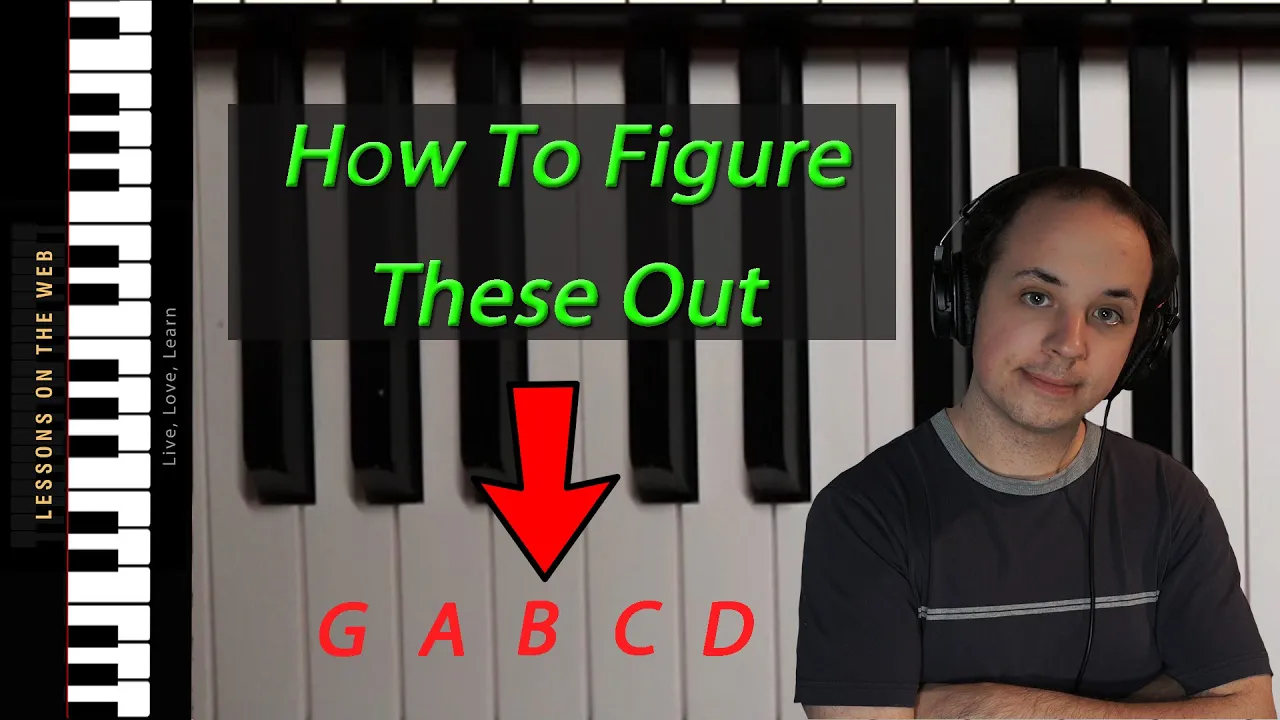
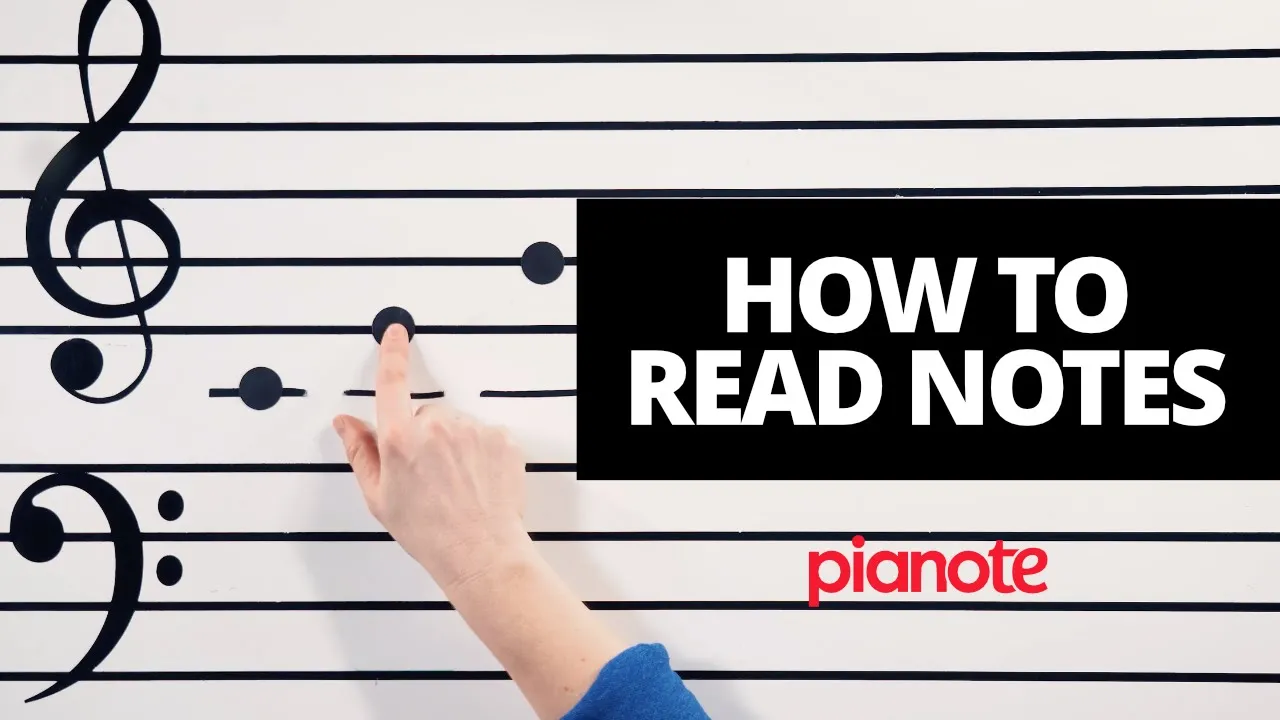
Added:Basic piano keyboard geography and the ability to read notes in both the treble and bass clefs.
Fundamental knowledge of intervals, with a specific emphasis on locating the 3rd and 7th degrees of any scale.
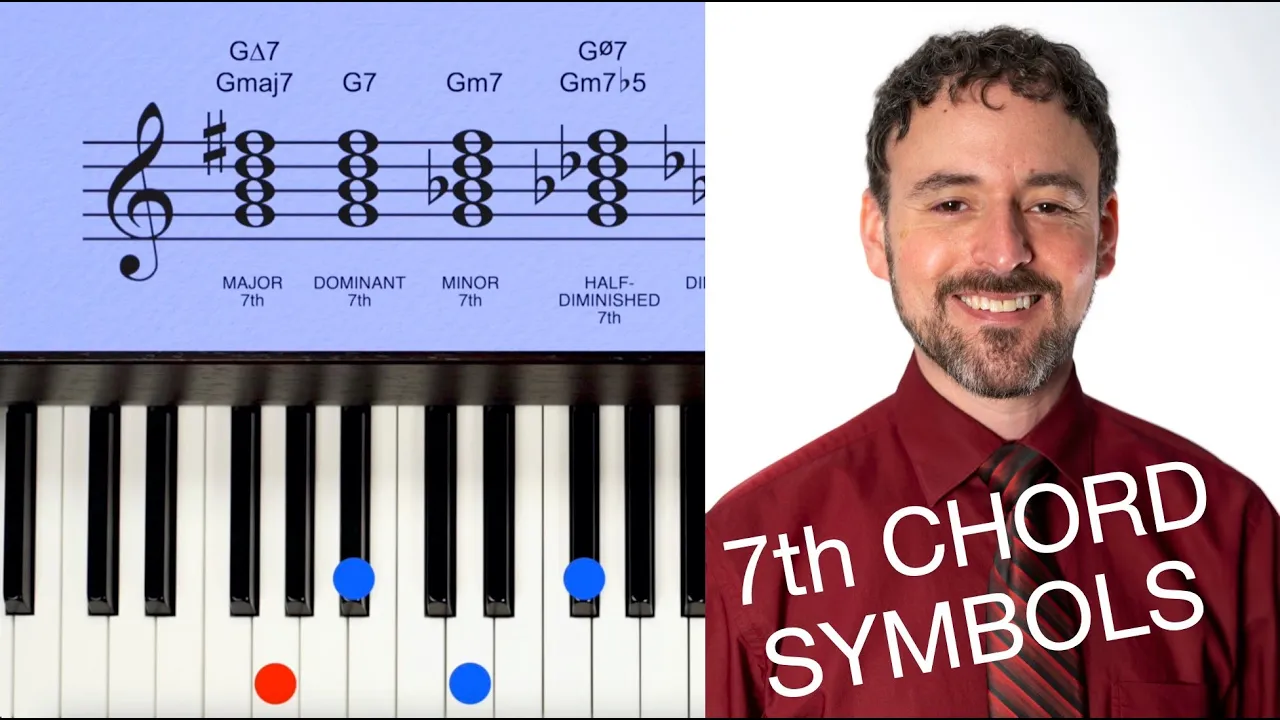
Familiarity with basic seventh chord construction, including Major 7, Minor 7, and Dominant 7 chords.
The ability to decipher basic chord symbols commonly found in standard sheet music and jazz lead sheets.
Transitioning to rootless voicings (specifically Levine's Category A and B voicings) to achieve a more modern jazz sound.
Incorporating chord extensions (9ths, 11ths, and 13ths) and alterations to enrich the harmonic texture of shell voicings.
Developing left-hand comping strategies while simultaneously playing the melody or improvising with the right hand.
Applying advanced voice-leading principles to minor ii-V-I progressions and turnarounds.
Studying the basics of jazz improvisation using chord tones, guide tones, and scale-chord relationships (chord-scale theory).
4.2K views164likes36:03Original Release: 2023-07-10
hello and welcome to my Series where I'm guiding you through the Mark Levine jazz piano book this is chapter three uh let's celebrate here because this is where we get to the really good stuff so well done if you've got this far um this is where we make proper music and um this is how I've been teaching my students for quite a while except I didn't get it from this book this is just kind of a very standard way to teach beginners to start playing jazz and most people basically call this playing shells and in jazz the shell is the one the three and the Seven the the first scale degree the third scale degree the seventh scale degree so it can be a flat three it can be a flat seven um so coming from classical music um and for a long time when I was trying to learn to play jazz it's very tempting just to play whole closed voicing thick chords or big thick sort of stacked loads of notes including the first one thing that I started realizing that the more I played jazz piano is you've got to simplify the texture and I think because you've got sevenths you've got extensions you've got alterations you need to actually thin the texture a little bit otherwise it gets a bit overwhelming with loads and loads of overtones so and I see this with my students all the time particularly the ones from classical backgrounds that there's this real temptation just to keep playing really thick chords everywhere so the first thing is that when you play a show if you're five if you're and every time I say a number just assume I mean scale degree so anytime you play a chord which has an unaltered Fifth Scale degree don't play it so in other words if you're playing a C Major seven and I'm playing it here in a really bad sort of closed voicing way um there's no need to have the five in there because it's just a normal five so straight away we just leave the five out now it's the same thing with a minor seventh here's C minor seven the five it's unaltered it's just a normal five so we just leave it out um same thing with the dominant seventh um here we've got just a normal uh five so we leave it out however uh half diminished say we play C half diminished we've got one flat three flat five flat seven so we keep that flat five in because it's it's not just a normal five um and if you're just watching uh this chapter three without having watched the previous chapters and you're getting confused uh chapter two is where we went over all these different kinds of seventh chords um so basically the shell we have a one a three and a seven that's a dominant shell is a Major Seventh shell here's a minor seventh shell um that that's your shell now in the Mark Levin book um for various reasons he recommends having the one in the left hand so say we were playing a C Major seven he'd say put the one in the left hand and then put the um the three and the seven in the right hand so that would be like the way in the mark the vine book I either like that where you've got the seven on top or you can have the three on top but the right hand is basically doing everything other than the ones that the left hand is playing personally I prefer to teach in the beginning that the left hand plays the one and the Seven and the right hand plays the three but I guess in the beginning it doesn't matter too much there are reasons why I do it that way around but let's do it the Mark Levine way where basically the right hand plays everything except for the one so basically uh he's he's reviewing the rules so Major Seventh chord is a major third and a Major Seventh like I explained in the previous chapters I would recommend just forget about that um a Major Seventh chord is one three five seven and minus seven chord is one flat three five flat seven a dominant seventh is one three five flat seven um again in the there'll be a link in the description below where you can download um a sheet that has all these definitions in them so just below that the fifth is not as important because each chord has a perfect fifth don't worry about that too much but basically let's say let's say um in this example where we put the three on top we've got the c major shell we've got the one the seven the three now if I put the five in there in the right hand below all of that there it is with the five there's a g here it is without the G you don't really hear a lot of difference so it's a good habit to get into in the beginning just to not add it you don't really don't really need it um it does explain that using these particular three note voicings enables you to play with a maximum of smoothness or good voice leading that is the reason to have everything except the one in the right hand so the way that they demonstrate it here at the bottom of page 17 let's say that you're playing the D minor seven so you've got the one in the left hand flat three and the flat seven then yes if you then stick to this system it is then possible to go to the dominant sevens G dominant sevens where and what voice leading is it's like basically voice leading is pretend that each individual note let's go back to our D minor seven Let's Pretend each individual note is one singer in the choir so let's say that we don't have Turners in this choir so we've got Bass Alto and soprano well when you go to the next chord you want the the least amount of movement for each voice so the alto in the next chord is still seeing the same note the bass is going down the alto is burdensing the same note and the soprano is going and then to go from G dominant 7 to C Major seven then the bass goes and the altar goes and the soprano stays on the same note so this is voice leading voice leading means everything is going horizontally uh everything is moving as little as possible as opposed to if I just played something like foreign that is very bad voice leading because everything is jumping around the more voice leadings that you have the better you are going to sound so um that's basically what it's explaining in that page and that's one very important reason why it's good to have the three and the seven in the right hand so at this point it then suggests that you might want to practice this in every single key and if you do play that in all the different keys that is an exercise really really worth doing rather than the practice tips at the end of the previous chapter which basically was saying go through all 12 Keys saying the 251 chords aloud no don't bother with that just do what it's suggesting here and play those in in all the different keys I think that's a little bit ambitious at this stage I wouldn't jump straight into that I would basically just shelve that carry on going through the chapter and come back to that later when it's a little bit less daunting um then it shows you this lead sheet of just friends and this is nice because it actually tells you what to do for this and in the following page actually shows you what you should be doing I think it's a bit weird if you ask me just to do that without playing the melody as well but you know you you can do that um it's not how I start my students I start my students by straight away putting the melody on top but you do get to that later on so basically the lead sheet is on page 19 page 20 is basically this example of where it talks you through just play the chords without the Melody I don't know about that you know even like relatively complete beginners in in my experience are okay jumping to what it shows on page 21.
which is an example of how you play it including the melody but don't go there don't go to page 21. see if you can read the lead sheet that's on page 19 with the melody on top and bear in mind that the melody note is always on top you you don't want anything higher than your Melody no so let me just talk you through a couple of these it starts with G7 so the one in the left hand one's G then um oh by the way just something really quickly when you're looking at fake books and real books something that's quite annoying is that the key signature only appears on the first line here you've got the key signature repeated on every line that's great but in most fake books and real books you only get that key signature on the first line it's really annoying because you need to remember that actually it should be there on every single line so that key signature and this can confuse people that key signature is only for your Melody the chords ignore that key signature because the chords are dictated by the note at the bottom which is basically it says G7 well that's your note at the bottom and so for example here G dominant seven because remember anytime you say seven in the beginning I wanna I want you to get in the habit of saying dominant so G dominant seven has a flat seven um and the way that I get my beginners to think about this because in the beginning you might not know your complete scale you might not know your complete major scale but all my students know their pentascales which are the first five notes of the scale now to know what the seven is I keep begging my students begging and nagging don't count all the way up from one it's really simple to know where seven is just find seven find seven up here and just go down one semitone or a half step if you're American but um but I'm going to keep saying semitone for the moment just go down one semitone from the one that's your seven it's that simple and if you want to go down to a flat seven just go down another semitone so so one seven flat seven it's that simple so stop going one two three four five six seven Flats oh my God this is why this is why all my students keep getting their sevens wrong because they keep sort of going one three five seven and that's another thing just don't think with your left hand all the time it's like everything has to be thought no no no you're once in the left hand um so here let's just go through this chord it's the G dominant sevens your Melody um is at the top the first thing you want to ask yourself is is your Melody note this is it a three or a seven and you go oh yeah it's a three because because you know the pentascale think with your right hand as if the the thumb was on G pentascale oh yeah so this is the way that I would do it first of all ask yourself is the melody note of three Panzer scale oh it's my three that means that I don't need another three in there I've already taken care of the three all I'm missing now is the seven what kind of a seven do I need it's a dominant seven so the seven that I need is a flat seven so at this stage don't suddenly start thinking with your left hand and go one three five seven no no no you know where the one is you know whether one is just below your Melody so you you want the flat seven you just you just count down there's a seven there's a flat seven now you have G dominant seven so now we then go to the next chord you keep the B as your Melody now you play the C with your left hand because that's the one you ask yourself is your Melody note a three uh uh pentascale no no it's not a three is your Melody note the seven so it's a C Major seven the seven is just like a the normal seven scale degree so look here's here's the one um above your Melody no oh it's the semitone below yes it's the seven so the melody note is the seven that means you just need to find the three so so I find with my thumb the one below where my melody note is think of the pentascale there's the three so um if I go back again we've got and then you only play that chord once um maybe you stick your pedal down sometimes you'll need to stick the pedal down to do this you keep on playing the melody well well and and that can all be in the pedal now you've got C minor seventh chord so again we keep the C at the bottom in the left hand um here's the melody ask yourself is that the three of this chord so here's here's the the one one two oh that is the flat three so that is indeed the the three it's a minor seven where do we find the so here's the one we go down flat seven um and so on and so on so that is how we go about doing this um hopefully I'm kind of being clear here again this is something that I spend ages explaining to my beginner Jazz students now you don't need to understand um all the different inversions you don't need to understand pretty much you don't need to understand modes you don't need to understand intervals this is stuff that you can do just with the stuff that I've said in the previous chapters and introduction is what I recommend as like the essential stuff that you need to know so I can get some of my beginner students quite quickly starting on quite Advanced Jazz like as long as you can read the right hand and again that's not massively difficult so if you can't read music then well yeah this book you're not ready for this book yet but you don't have to read massively well in order to be able to get this far there are people who I've got reading from in this kind of way who've only just started to be able to read music it means you're slow but that's fine here's one more thing that I really really want to emphasize when you're doing this in the beginning even if you're an amazing class musician be slow be patient something that a lot of my patients sort of try and do as they go that they just try and go quickly through it so that they feel that they're really competent at it just take your time be really slow and methodical so that you really are like there's my base note it's The Melody of three it's The Melody of seven okay where do I find the seven be absolutely methodical um there's a time and a place for feeling intuitively like your finger's just going to go somewhere and now is not that time now is the time to build up that you are thinking you are knowing there's the seventh there's the three young you're using a normal seven there you're using a flat seven here using a flat three you need to know what you're doing here do not just wing it and just try and intuitively go for where you think it is now is not the time to do that there later will be the time for that this is such a common problem as you might be seeing in in me already going like oh no stop doing that so so you know a lot of the time I want my students to stop thinking so much and be more intuitive now is not one of those times so um anyway that's kind of really what you need to know for this level here I don't think anything is sort of massively complicated um but if there are any questions please do ask me now the problem is this is the massive massive massive problem with this chapter which is it it gives you a really nice neat example of a lead sheet that only uses major sevens minor sevens and dominant sevens and yeah it's great you can understand what to do if you really take your time and sort of go through it methodically this chapter the problem is that as a teacher if I then look for any other Jazz melody in any fake book or any real book or anything anywhere in the real world they all have chords more complicated than this because at the end of this chapter it basically says great now you're ready to go and apply this to stuff in real books and fake books no you're not you're really not um although to be fair it does actually explain six chords and 13th chords and but no this is really confusing it's done in a really really confusing way it doesn't quite explain to you what you do within how you do it in a way I would just ignore the stuff for now that's on page 22 where it explains six minus six thirteenths major ad for sus4 it just kind of ignore that for now now I'm just like when I looked at the suggested Tunes to work on I was like are they mad are they completely insane Giant Steps Giant Steps and you're a complete beginner you've just learned your very first chapter of playing chords and it says yeah now you can play Giant Steps um Quick Clip of giant stats [Music] oh [Music] um no and so many of the tunes here are just ludacross it's like no for one thing they don't have really clear Melodies that beginners are gonna get on with like for example Giant Steps but also loads of other Bebop Tunes are just not tunes that you can hum that you can sing they're not simple tunes for for beginners and and even then almost all of them will have chords other than you know these basic chords that you've just basically learned to deal with so basically this is where it helps to have a good teacher um to suggest tunes that are appropriate um and um so here's here's one suggestion now in an earlier chapter where um I was you know basically guiding you in earlier videos for earlier chapters um I did say that I didn't like their choice of books but I do think that at this stage where you're trying to keep it really simple the real book volume 1 is probably a good one because it does have like really oversimplified um chord choices um which is one reason why I don't like it but at this stage there's um one song that I recommend for beginners all the things you are from real book volume one uh The Girl From Ipanema is probably a good one from the real book one how high the Moon it starts to get a little bit more complicated but um yeah let's let's start with all the things you're on I'm just gonna open that up and have a look at that so here we are we've got all the things you are in the real book volume one so if we go from the beginning we've gone F uh minor seven and again we've got different terminology in this book in this terminology it uses minus instead of the flat sign it spells out mha7 instead of major seven I don't think there's that many changes notice the key signature four flats only on the first line but it does apply to every single line so just going a little bit quicker well no no let me guide you through it here's the melody F in the left hand is the melody note a three yes it is so then we need to find a flat seven there's the flat seven the next chord um here's the melody note here's the bass note and the left hand is the melody note of three yes it is that means we need a flat seven below it there it is so now we've got an E flat dominant seventh here's the melody here's the bass here's the melody of three oh yes it is this is one reason why it's good for beginners so we just need a flat seven below the melody now next chord here's the melody it's an A flat major seven here's the bass here's the melody of three no it isn't it's The Melody of seven yes it is because there's the one so so it's a seven so it means we need the three below it so pentascale a flat one two three there it is um and then and so on and so on and so on um and it's a great tune for beginners it's lovely now if you go through here you're gonna suddenly find at some point um a chord that you you don't know what on Earth that is so this second line from the bottom the last bar you're going to see there's an e dominant seven sharp nine in this particular tune don't worry about it your Melody note is the sharp nine um I'm gonna get to this in future videos but something that you're gonna need to bear in mind I'm not going to tell you why that's going to come later but but something that will help you 9 equals two 11 equals 4 13 equals 6. so in other words 1 3 5 7 9 9 is Just Two Eleven is Four Thirteen is six so a sharp nine is a little bit like a flat three basically don't think about it too much but let's look at this bar let's look at this last bar of the second line from the bottom you've got this melody now we're going to put an e in the in the left hand as the bass note now is the melody note A3 not really it is a flat three it is a flat three one two flat three but if you look at what the chord is it's an e dominant seven and E dominant seven doesn't have a flat three which means that the your Melody note is not the three it is the sharp nine it's the two sharpened don't worry about that too much that's really to be explained another time but what you do need to know is you need a three underneath your Melody note so the three is here one two three so you've got your three and then it's a dominant seven so you need a flat seven below your Melody though so that's what it is so if I go from the beginning of the line This is the second line from the bottom I'm going from the beginning of that line and now I'm going to go for um minus seven and bearing in mind that we still have four flats very annoyingly and then we have a flat major seven so we have and then we have this um you oh there's one more chord um and yeah uh there is a c augmented dominant seventh if you count from the last line so so we've got the last line last line is one one two three four so if we take the fourth line from the bottom the last bar you'll see something that says C plus seven Plus can mean augmented uh it's an augmented dominant seventh which means you have an augmented Triad which if you remember is one three and sharp five and um and it's a dominant seven so you need your flat seven so you've got one three sharp five flat seven so because your five is now altered you need to include that chart five so let's let's take it from the chord before um don't forget yeah oh yeah I mean don't forget you've got your four flats but it gives you a flat here anyway um it's a bit confusing here because it gives you an A flat and then tells you it's an E Major seven um so really really it sort of should be like a G sharp but let's not worry about that too much so here's the melody note here's the E uh bass no in the left hand is your Melody note a three well even though it doesn't really look like it because it says a flat it is because it's the same though as G sharp so you have your three in the right hand which means that you then need your seven so there's your one there's your seven just below it there's your E Major seven and then you won't see uh augmented dominant seventh so here's your Melody note which you're holding on to it's tied it's your a flat C in the left hand is your Melody note of three no is your Melody note a seven no um but it's your Melody note the other alteration the sharp five yes it is so you actually don't need to worry about the sharp five it's it's what your Melody notice um so very similarly to the um the chord that we were looking at just before which is an e dominant seven sharp nine in a way you don't really need to worry about the the sharp nine in that because it's just your Melody note here you don't need to worry about the sharp five of the augmented um Quality because it's just your Melody note so all you need to do is just add the flat seven and the three so going from before it we've got E Major seven um so you've got this going to this so yeah basically almost every single things that you're gonna want to work through in any real book or fake book is going to require that you know more than your three seventh chords um minus seventh Major Seventh dominant sevens so chapter three kind of leaves you really with a bit of a cliffhanger where you're led to believe that you can do loads with it but you can't really so it's really only when you get to chapter five which throws a whole load more stuff at you that then loads of tunes open themselves up to you now chapter four um I really question why chapter four is next I do not think chapter 4 should be next although I will obviously make that the next video that I do but really logically chapter five should be the next chapter and and it's the chapter that you need to properly be able to work through most basic um Tunes in fake books and real books um so what I recommend is you do chapter three with the example in the book and with the all the things you are that I recommended if if you have access to that real book otherwise keep going to chapter five um and then get into the really good stuff now I kind of do something a little bit different when I teach my students which is whatever tune I'm working on I basically look at the chords that are a little bit more complex and explain them as they come up one that comes up a lot is a dominant seven flat nine this then means starting to explain why do we use numbers above eight and this is something that that I'll come to in future chapters uh it's a bit too much to go into now something else as well which is why I think people need a good teacher I don't really just have a set order in which I teach now we do this on now we do this song because I think people learn best when they learn the pieces they love so I always make it a point to find out what my students enjoy what kind of style they like what songs they know and teach that so that's another kind of reason why you know when I look at all of the suggested Tunes to work on at the end of this chapter no beginner is going to feel comfortable with any of these Tunes it's it's nuts um and anyway so um but yeah I made some notes um earlier and there's probably a few things just worth watching out for one is to really and already kind of touched on this one is to watch out when you've got ties in your lychee when you've got ties in the the melody so if I just go back to their example uh just friends here so on the second line you've got a B flat minor seven so let me just do this slowly you've got here's your Melody note here's the note in the bass is your Melody note um A3 why yes it is so that just means you need your flat seven now it's really worth because at this stage take your time it's absolutely fine if you feel like you are moving crazily slowly it's fine um you'd be surprised even if you take a few weeks or a couple of months feeling like everything is painfully slowly there'll come a time where it just suddenly starts to speed up you must be patient just because you're going slowly does not mean you're bad at this patience is everything impatience is the enemy of everyone learning an instrument honestly um please trust me on that it is fine if this is slow so anyway so we're here so the thing is mostly most people are just going to be going really slowly which is good which is fine you want to be slow so that by the time you've worked out what happens on the next one here's my melody note here's an E flat in the bass and you want to kind of do this without playing all of them but I'm just demonstrating so you can see how I'm thinking there's my base now the melody note isn't a three but it is the seven so the three is going to be G but you then by the time you work it out you're still holding that d flat so when you play that bar you do not want to play the d flat again even though you can't hear anymore because it's been ages you want to be in the habit of pretending that you can still hear it don't play it again um so you want to be in the habit of being able to hold it and then eventually you can go where you're holding on to it but get that good habit right from the beginning that's really important so another thing to look out for is that a lot of the time fake books and real books are really really bad at showing you where the chords are so the chords will be like um really sort of like um to the left of where they need to be or to the right of where they need to be so um I would say just assume that it's going to be right at the beginning of the bar on the first beat or bang in the middle and if it looks like it's anywhere other than bang in the middle or bang on the first B just assume that it's supposed to be the bang at the beginning or um or or or in the middle and and yeah and then my other point here like I've already explained make sure you work out every single scale degree of every note that you're playing don't wing it don't use your ear that comes later once you've got in the habit of absolutely knowing the scale degree of every single thing that you're doing so that's the really exciting one and you're now free to have a couple of tunes a couple if you've got all the things you are from from the real book volume one um and have fun with that do have fun with that don't don't be too serious but be really patient as well be super patient and then chapter four is next yeah I don't think it's all that important but you know we'll cover it and then chapter five that's really where all the good stuff is this is the most important lesson and then you're gonna pretty much be able to play most beginners Tunes so see you at the next one happy practicing goodbye
Up Next
4:30
Music Theory: Functional Harmony Explained (Chord Functions)
@12tone
146.8K views•2017-03-27

10:20
Mozart's Musical Dice Game Explained: History, Rules, & Fun
@webpianoacademy
5K views•2023-03-13

47:36
Understanding Diatonic 7th Chords in Major Keys | Music Theory Tutorial
@GracieTerzian
54.7K views•2022-03-02
10:49
Understanding John Coltrane's Giant Steps: A Music Theory Analysis
@Vox
10.4M views•2018-11-12
Related Study Plans & Knowledge Roadmaps
Structured learning paths in Music Theory
music-theory
Composing Galant Music: Partimento & Schemata
01Foundations of Figured Bass and Keyboard Harmony
02The Rule of the Octave (Regola dell'Ottava)
03Galant Schemata: The Building Blocks of Form
+ 2 more learning modules
30h5 modules
Explore Roadmap
music-theory
Decoding Overtone Series: Tuning & Drone Music
01Acoustic Foundations: The Physics of the Overtone Series
02Tuning Systems: Equal Temperament vs. Just Intonation
03Microtonality and Spectralism: Beyond Standard Pitches
+ 2 more learning modules
24h5 modules
Explore Roadmap
music-theory
Impressionist Harmony: Scales, Planing & RPGs
01Foundational Music Theory: Keys, Intervals, and Seventh Chords
02Impressionist Color: Chord Planing and Parallel Harmony
03Whimsical Textures: Pentatonic Cascades and Whole-Tone Scales
+ 1 more learning modules
14h4 modules
Explore Roadmap
music-theory
Negative Harmony: Axis Reflection in Indie Pop
01Music Theory Foundations: Scales, Intervals, and Triads
02Functional Harmony and the Circle of Fifths
03Demystifying the Negative Harmony Axis Reflection
+ 2 more learning modules
16h5 modules
Explore Roadmap