


![43 Music Theory Concepts That EVERY Modern Composer Should Master [The Music Theory Map]](https://i.ytimg.com/vi/qeS8txkoUH4/maxresdefault.jpg)




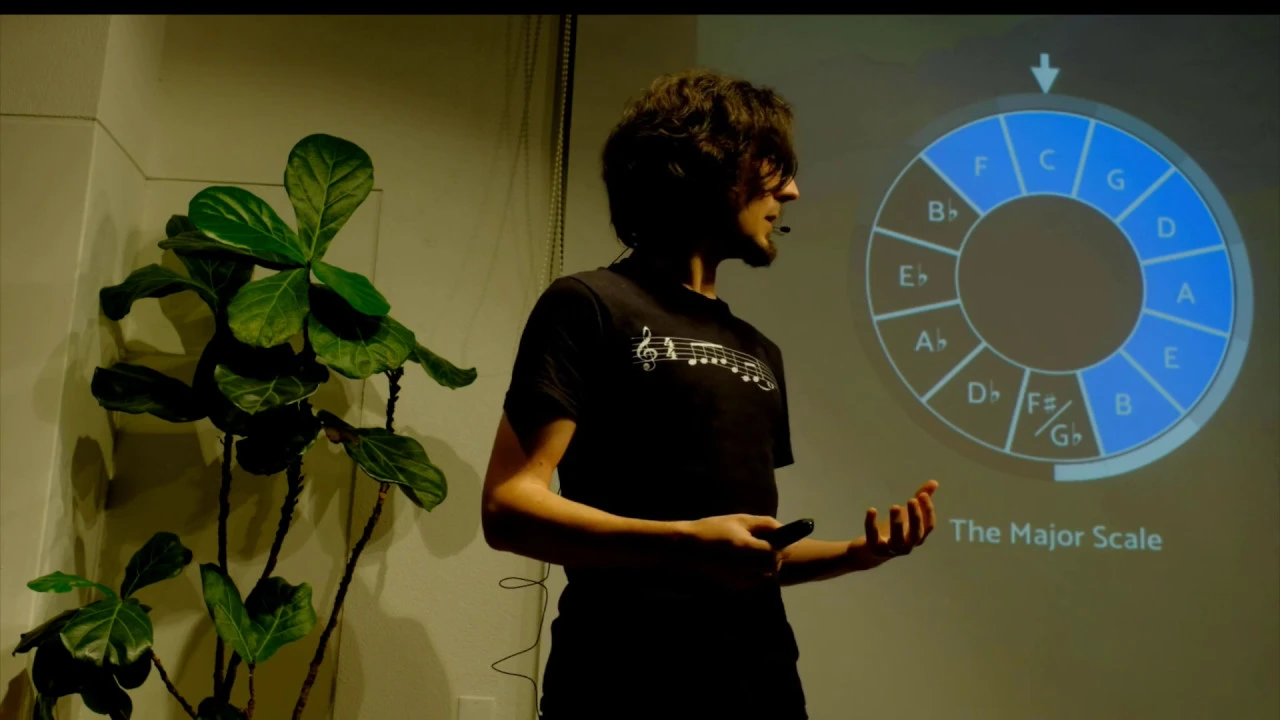

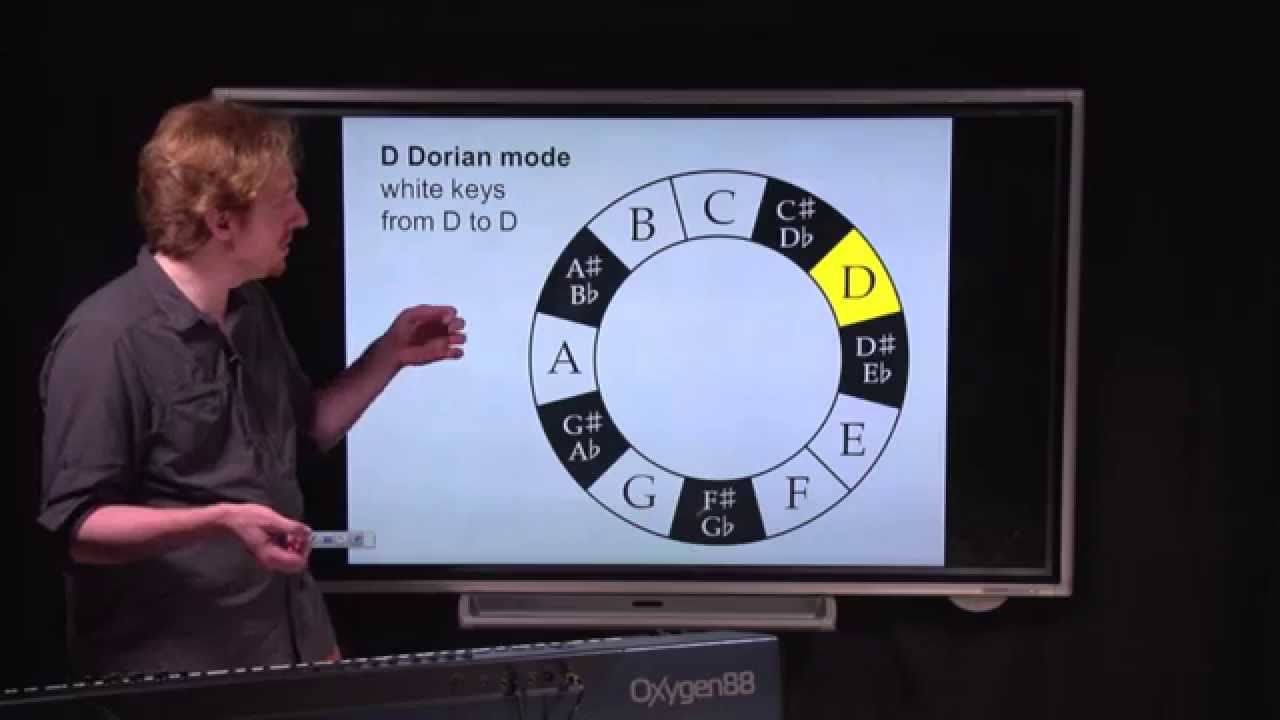




![[TUTORIAL] Composing 101 ft. @phylumchannel](https://i.ytimg.com/vi/jHYuxh3WsvQ/maxresdefault.jpg)




This video presents nine chord progressions commonly used by Hollywood composers like James Newton Howard, John Powell, and Patrick Doyle to create magical and fantasy music. The progressions feature non-diatonic chords (chords containing notes not found in the home key) which create an unpredictable, mysterious sound essential for achieving the magical feel. Examples include Am - B - F - B, C - Ab - C - Ab, and Am - B - Abm - Db. Composers can apply these progressions by thinking grammatically about chord selection rather than strictly adhering to key signatures, and they can easily transfer these progressions into different keys using digital audio workstations or notation software.
Magical Fantasy Chord Progressions for Cinematic Music
Added:Basic Roman Numeral Analysis and Diatonic Harmony (understanding major, minor, and diminished chords within a key).
The concept of Modal Interchange and Borrowed Chords (specifically borrowing chords from parallel keys).
Introduction to Voice Leading (how to connect chords smoothly to avoid awkward interval jumps).
Familiarity with musical modes, particularly the Lydian and Dorian modes, which are staples of the fantasy genre.
Cinematic Orchestration techniques (assigning these chord progressions to specific orchestral sections like woodwinds, harp, celesta, and strings).
Advanced Harmonic Devices such as Chromatic Mediants (moving between chords a third apart to create sudden, wondrous shifts).
Melodic Composition (learning how to write soaring, memorable fantasy melodies over these specific chord formulas).
DAW implementation and MIDI orchestration (translating these chord progressions into high-quality mockups using virtual instruments).
141.9K views6.7Klikes5:42Original Release: 2021-06-13
have you ever wondered how to compose music which has an enchanting and magical feel hi there it's simon from composing academy and today i'm going to show you nine chord progressions which you can use to instantly add some mystery and a feeling of wonder when composing your own music when starting a piece beginning with a chord progression can be a great way for providing some inspiration to get you going you would have had the following progressions in various animations and fancy films by composers such as james newton howard john powell and patrick doyle and you of course can use the progressions when composing your own music if you enjoyed this video be sure to check out my free beginner's guide to writing cinematic music in five easy steps ebook a link of which is in the description below this first progression is in the key of a minor and is a minor b major f major and b major [Music] [Applause] [Music] you'll see that most of the progressions make use of some chords which contain notes not found in the home key the b major here has both d sharp and f sharp in it which are not found in the key of a minor the addition of notes which are not normally in the home key helps give the music a more unpredictable sound helping to achieve mystery and magical feel this progression is different from the first one in that it only contains two chords c major and a flat major which repeat twice live progression one it uses a chord which has notes not found in the home key which in this case is c major the a flat major chord contains the notes of a flat c and e flat meaning that the a flat and e flat are the notes which are not part of the c major scale or key you'll notice that i use different chord voicings or order of notes to achieve variation in sound when we hear the chord sequence again this chord pattern starts off like progression 1 with a minor followed by b major it then takes a slightly unexpected turn though with the a flat minor before winding up to the d flat major [Music] chord progression four is similar to number two in that it only features two chords again but this time in a minor key a minor again i've changed the chord voicing on the repeat to vary the sound again another two chord progression this time back in c major instead of c major to a flat major this time is c major to f sharp major [Music] progression 6 starts on c major before moving to g minor it then returns back to c major before then moving to e flat major [Music] progression seven starts with two minor chords before moving to f major the e major at the end then helps to add a feeling of awe and hopefulness [Music] progression eight is another two chord progression starting on chord one of a minor before changing to the major version of chord two b major again i've changed the voicings on the repetition to help vary the sound [Music] and finally progression nine again starting on a minor moving to b major the d minor then helps to add more emotion before ending on a more positive field with the e major at the end [Music] there we go nine progressions which you can use if you're composing in the magical or fancy genre a play around with the progressions and then try to then add new elements over the top such as a melody when composing it can also be useful to not think too much in terms of key signatures but think grammatically in that any major or minor chord could be used effectively if you say wish also remember that it should be fairly easy to transfer these progressions into another key in software such as a daw or notation programs let me know in the comments as well which is your favorite progression you
Up Next
6:47
How to Compose Fantasy Music: Elfman-Style Techniques
@CinematicComposing
37.2K views•2022-09-26

10:20
Mozart's Musical Dice Game Explained: History, Rules, & Fun
@webpianoacademy
5K views•2023-03-13

47:36
Understanding Diatonic 7th Chords in Major Keys | Music Theory Tutorial
@GracieTerzian
54.7K views•2022-03-02
10:49
Understanding John Coltrane's Giant Steps: A Music Theory Analysis
@Vox
10.4M views•2018-11-12
Related Study Plans & Knowledge Roadmaps
Structured learning paths in Music Theory
music-theory
Composing Galant Music: Partimento & Schemata
01Foundations of Figured Bass and Keyboard Harmony
02The Rule of the Octave (Regola dell'Ottava)
03Galant Schemata: The Building Blocks of Form
+ 2 more learning modules
30h5 modules
Explore Roadmap
music-theory
Decoding Overtone Series: Tuning & Drone Music
01Acoustic Foundations: The Physics of the Overtone Series
02Tuning Systems: Equal Temperament vs. Just Intonation
03Microtonality and Spectralism: Beyond Standard Pitches
+ 2 more learning modules
24h5 modules
Explore Roadmap
music-theory
Impressionist Harmony: Scales, Planing & RPGs
01Foundational Music Theory: Keys, Intervals, and Seventh Chords
02Impressionist Color: Chord Planing and Parallel Harmony
03Whimsical Textures: Pentatonic Cascades and Whole-Tone Scales
+ 1 more learning modules
14h4 modules
Explore Roadmap
music-theory
Negative Harmony: Axis Reflection in Indie Pop
01Music Theory Foundations: Scales, Intervals, and Triads
02Functional Harmony and the Circle of Fifths
03Demystifying the Negative Harmony Axis Reflection
+ 2 more learning modules
16h5 modules
Explore Roadmap