

![Curso de Música Sem Fronteiras - Waldenir Duarte [ LEITURA DE PARTITURA E HARMONIA]](https://i.ytimg.com/vi/sFNx4Hsqzsw/maxresdefault.jpg)







![5 Levels of Gorgeous Soulful Reharmonization [Neo Soul / Jazz Piano Lesson]](https://i.ytimg.com/vi_webp/Qblx3R4ZdeM/maxresdefault.webp)

![Негативная гармония [Jacob Collier - интервью]](https://i.ytimg.com/vi_webp/CGiYgGsdHCM/maxresdefault.webp)



Negative Harmony is a musical technique that involves inverting melodies and chords over a specific axis located exactly halfway between the root (tonic) and dominant (fifth) of a key, which transforms major scale elements into their parallel natural minor counterparts while preserving harmonic tension and resolution properties; this technique can be applied to both melodies and chord progressions by flipping each interval or chord note across this axis, and it offers practical applications such as creating contrasting sections in compositions, facilitating modal interchange between parallel keys, and enabling harmonic movement in fourths (clockwise around the circle of fifths) that still resolves effectively to the tonic.
Negative Harmony Explained: A Simple Guide to Inversion Theory
Added:Understanding of major and minor scales, intervals, and basic triad/seventh chord construction.
Familiarity with functional harmony and Roman numeral analysis (e.g., tonic, dominant, and subdominant chord roles).
An understanding of the Circle of Fifths and how keys and pitch classes relate to one another.
Basic voice leading principles, particularly how individual voices resolve in standard chord progressions.
Applying negative harmony to reharmonize standard jazz chord progressions (such as transforming a ii-V-I progression).
Exploring Ernst Levy's 'Theory of Harmony', the foundational theoretical text for polar/negative harmony.
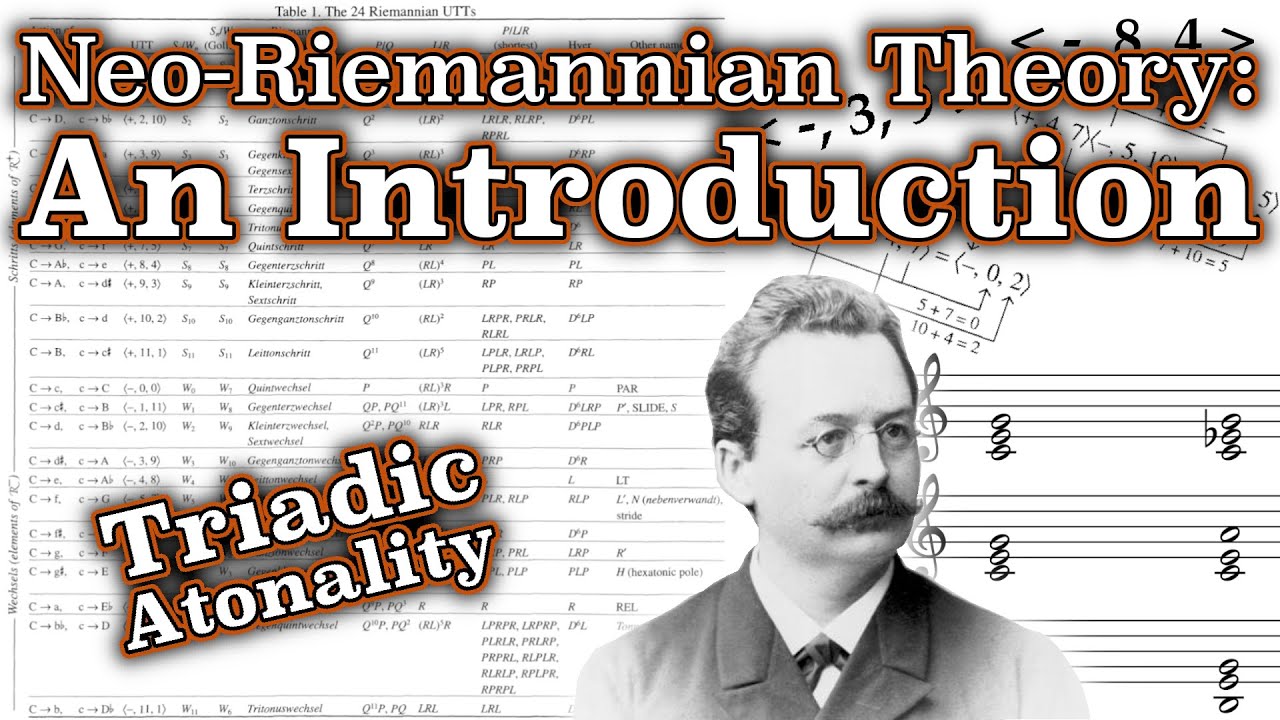
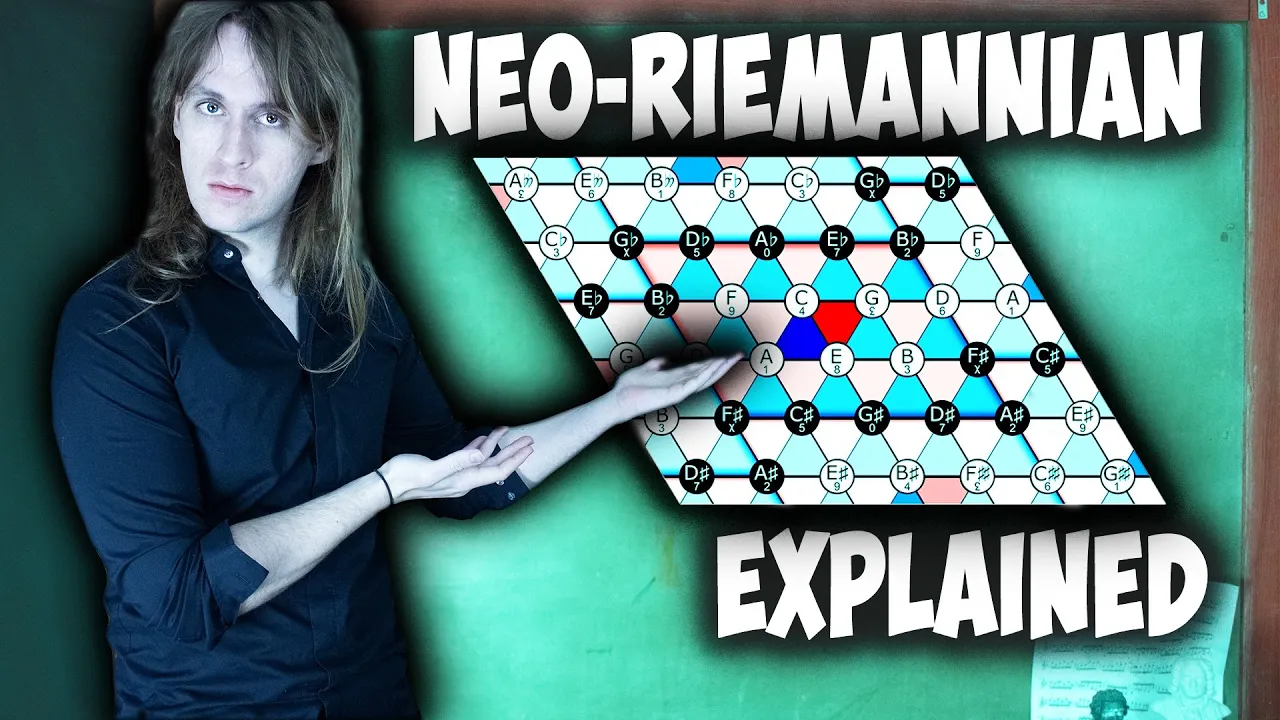
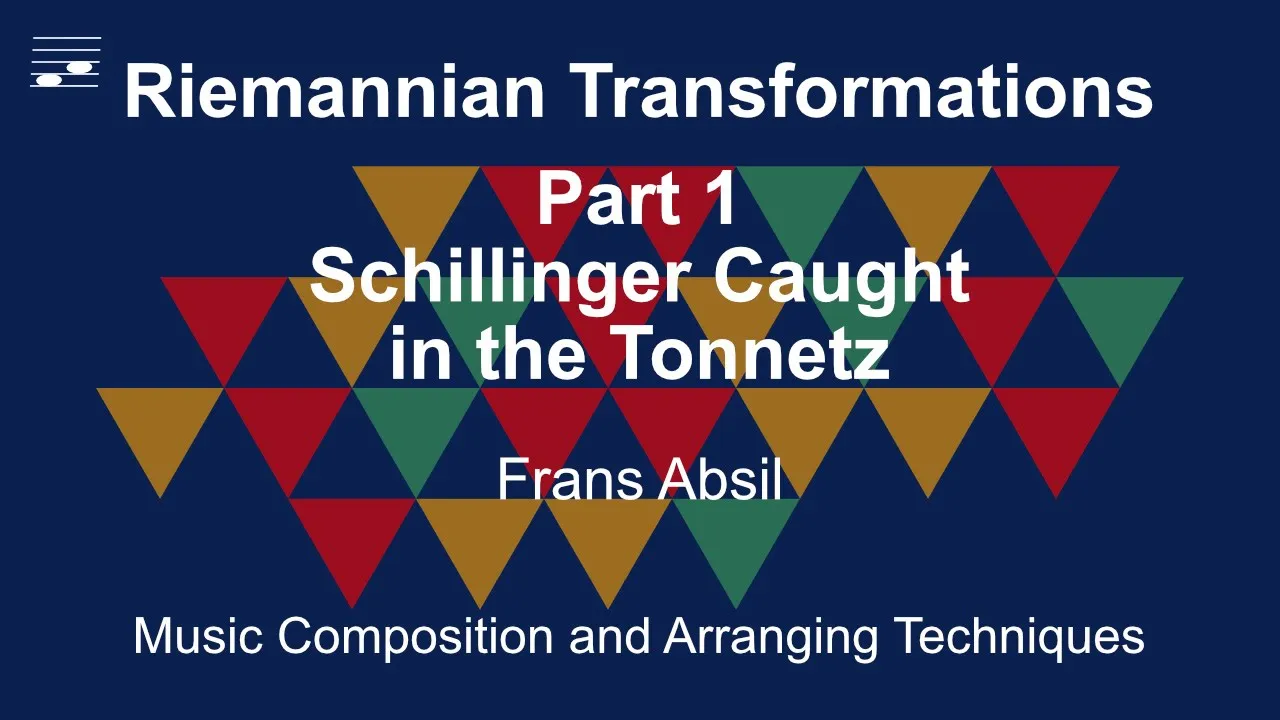
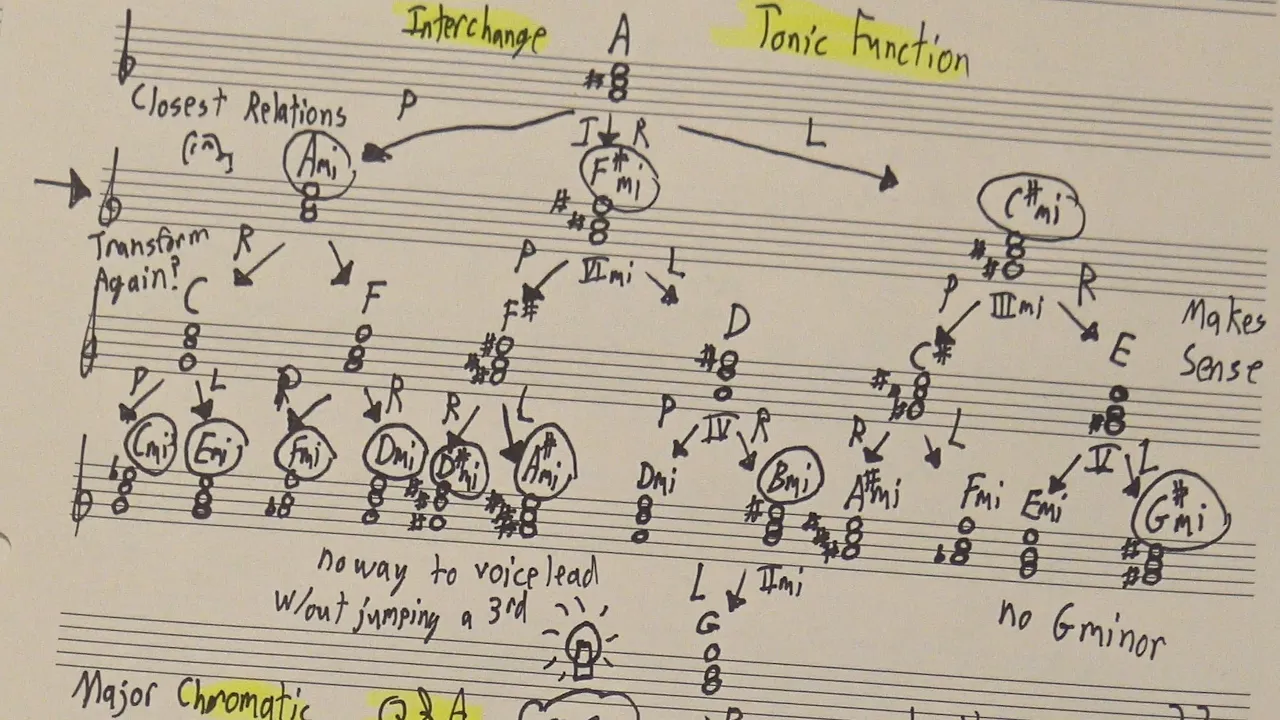
Studying Neo-Riemannian theory and triadic transformations (such as Parallel, Leading-tone, and Relative exchanges).
Analyzing the arrangements of modern musicians and composers (like Jacob Collier) to see negative harmony implemented in real-world contexts.
57.3K views3.3Klikes15:07Original Release: 2024-08-18
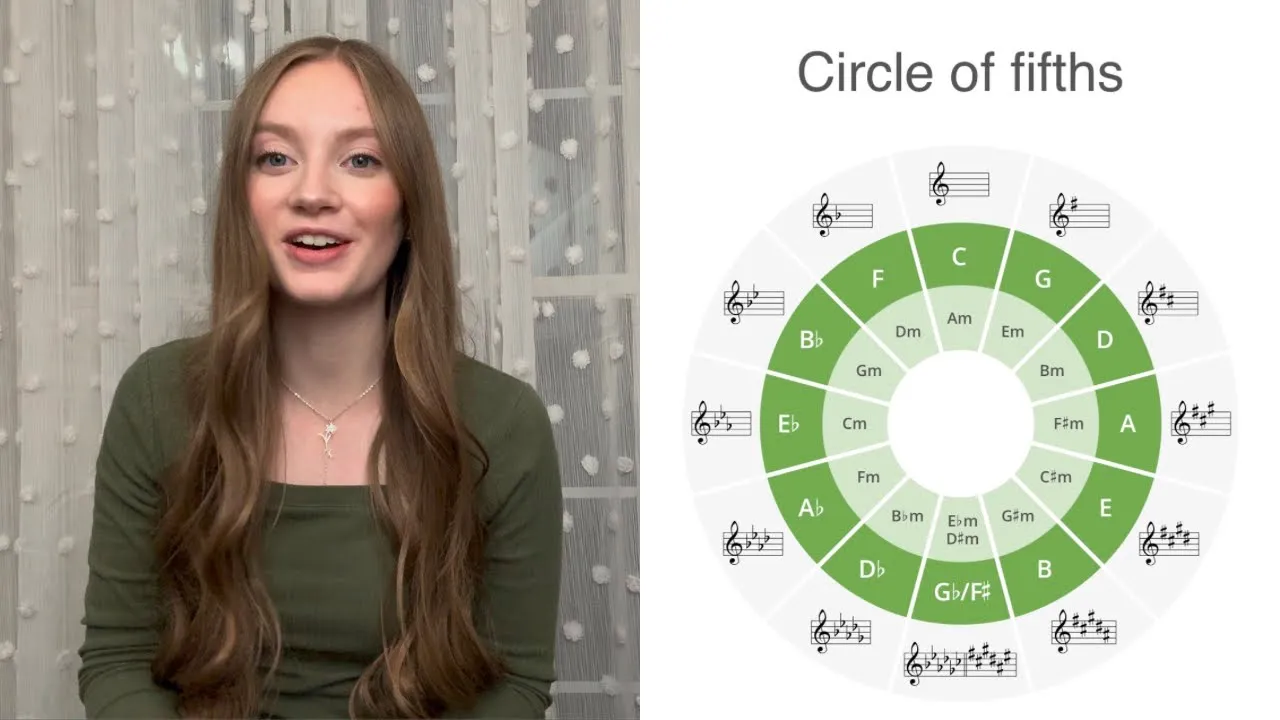
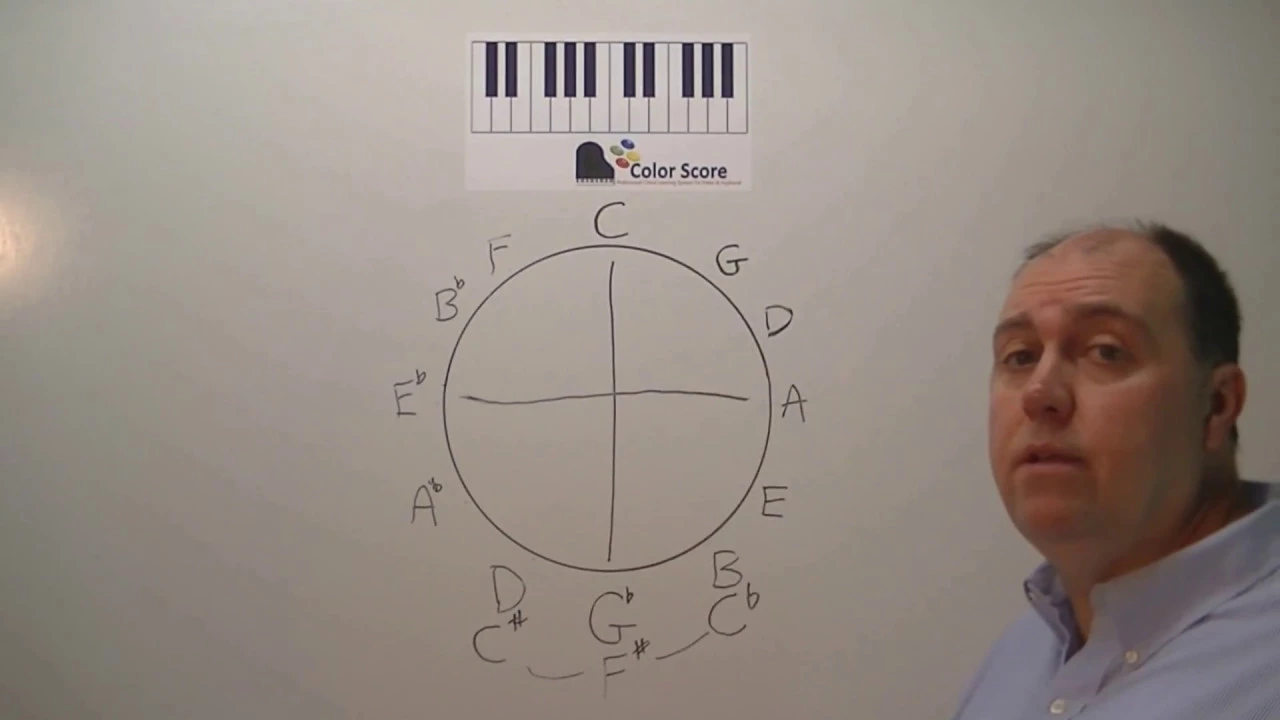
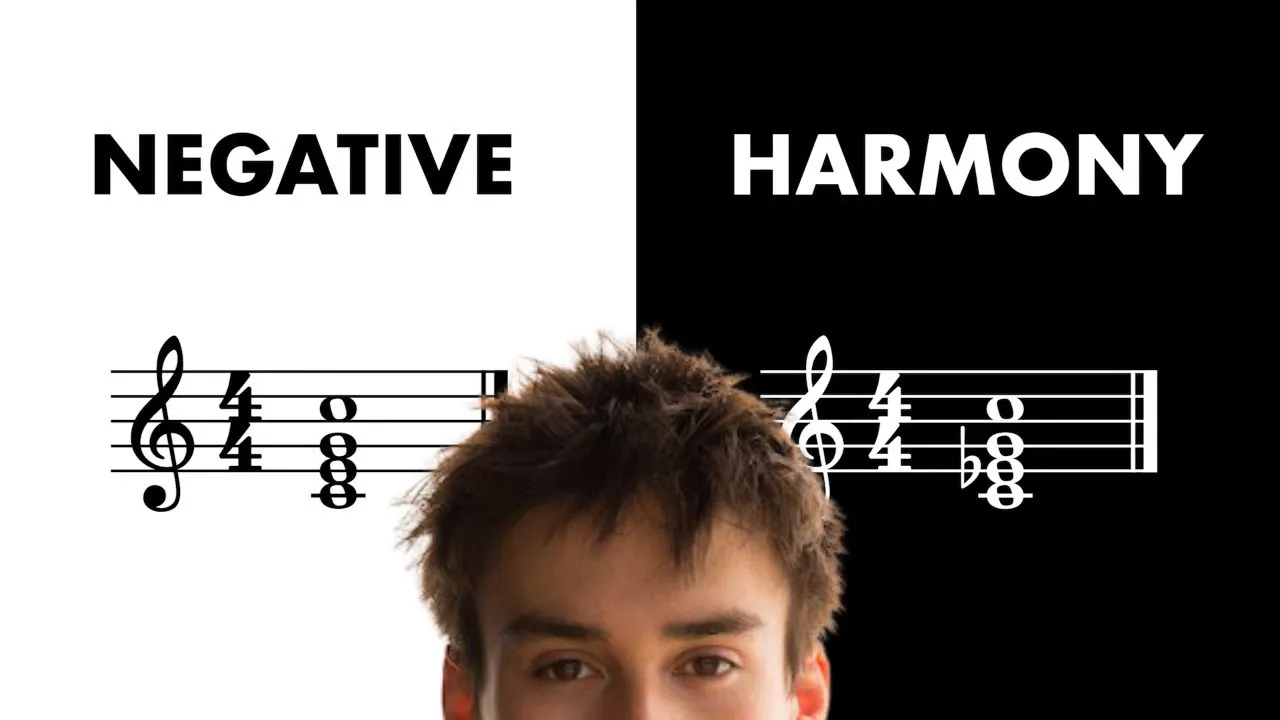
negative Harmony now I think this has the potential to sound quite intimidating the concept is quite interesting but I don't think it's that tricky once you get your head around it so as usual I'm going to try and do my best to explain what negative Harmony is and then some thoughts on some applications and some takeaways also I've created a free pdf summary of the video too yes I know you're welcome Link in the description possibly in the top Corner if I remember to put it there Okay negative Harmony so the general gist of this stems from the idea of polarity or reflection inversion I'm not too keen on the term negative um because I think it sounds too negative pardon the P but I interpret the word negative meaning like a photographic negative whereby there's an inversion of the bright sections and the dark sections probably going to avoid using the word negative so how does this apply to music well the IDE is that a melody or chord progression or a chord or a pitch has an inversion of itself over an axis now this popular term negative Harmony has now become I think synonymous with a specific type of polarity over a specific axis so we'll talk today about that specific technique let's go I think the simplest way to visualize this idea is by taking a melody and reflecting or inverting it so let's do that [Music] so obviously any Melody is just a selection of intervals here we start off on our G first we move up a major third to B and then we move up a semmit tone then we move down a fourth and then we repeat and then move down tone and repeat and then we move down fourth move move up a tone up another tone and then we jump up a fourth and then move down a major third move down minor thir and then upper tone to finish so they're the intervals included in this melody now a simple way to invert this melody would be to take those intervals and flip them so if we start on a different note instead of moving up a major third like we did in our initial Melody we're going to take our starting note we're going to move down a major third and then what happened is we moved up a semitone well we're going to move down a semit tone and then we move down a fourth so we're going to move up a fourth and instead moving down T we're move up tone instead of moving down four we up a fourth instead going up a tone down down instead of going up a four go down fourth instead up down up inste down up and then we go down a tone instead of going up a tone and that would be an inversion of that original Melody that we had now if we would to put that Melody into the piano rooll and our DAW and then add the inverted Melody here you'll really clearly see that perfect reflection of the melody and notice too that our access point here is directly between E and E flat now the location of the axis is a critical point in negative Harmony so the axis the point in which we're reflecting our notes over needs to be halfway between our root and our dominant between our tonic and our fifth so in this example we're in the key of C so C is our tonic G is our dominant or our fifth and exactly halfway between these two notes is the line between E flat and E so C major this e becomes an E flat and vice versa F becomes a d and vice versa F C sharp and vice versa G becomes a c you get the picture now there's a couple of useful ways to visualize this firstly we can write our chromatic scale around a circle and then draw a line or our access point between E and E flat and then we can link up all the corresponding pictures in the same way we can take our everpresent circle of fifths and like I mentioned before put our line halfway between the tonic and the dominant so halfway between C and G and then again in the same way all those same pictures will line up to each other we can connect them this will come in handy when we want to invert some chords now remember here we're just working in C major so why don't we just take the notes from C major scale and reflect them over that axis and see what those pictures become notice anything so the notes of C major when reflected actually become the notes of C natural minor interesting now please note that our access point changes depending on what key we're in it's always between the root and the fifth halfway between so in the key of f our axis would go halfway between F and C which is right between a flat and a so we've just seen that in the key of C our note F becomes a corresponding D note when we invert it but in the key of f our note F becomes a c so be mindful that our results are different depending on what our key Center is okay so what's the big deal about putting this axis in this very specific Place can't just put the axis anywhere and invert over wherever it is well you can do and you can free to explore whatever you like but it wouldn't be considered this idea of negative Harmony that is commonly used now this negative Harmony works really well because of this axis between halfway between the the root and the fifth because what it does it creates the same or comparable pull to the tonic that our major scale Harmony does I'll try and go through this quickly but essentially within our major scale we have three tones which are stable our root our third and our fifth they're stable tones within our key and the other nodes are unstable they feel like they need to move either up or down to find some stability now if we look at our major scale and how it's mapped to become our C minor scale over this axis we'll see that our stable tones are mapped to stable tones and our unstable tones are mapped to unstable tones so when we invert melody or cor progression over this axis it retains that pull that our ears are accustomed to and that's why this version of harmonic polarity has become the [Music] standard right let's talk chords we looked at converting a Melody how do we do the same thing with chords well it's pretty much as you would expect we look at the individual notes of the chords we flip them on the axis and those three new notes we put together to make our new chords let's start by adding chords to our original Melody and now let's convert those chords to negative Harmony chords to accompany our inverted Melody so our c chord contains the notes c e and g c maps to g e maps to E flat the G maps to C our next chord F F A and C F maps to D A maps to B flat c maps to G uh a minor a c and e a maps to B flat c maps to g e maps to E flat and finally our G chord g b and d maps to G maps to C B to a flat D to F so now we've got the chords for our inversion now when we're thinking about inverting our chords over the axis there's a way to think about the root note so if we take our G chord that we just inverted we took that g we um flipped it over the axis that g the root note becomes a c so does that mean therefore that with our version that c should also be the root note so with those other two notes it becomes what some sort of C says4 sharp five no it doesn't we need to think about our original chord and how it relates to the tonic in that key so G that G chord was the chord built a fifth up from the tonic so now our new chord is going to be a fifth down from the tonic so taking those notes again the fifth down from our c is an F so F becomes like f a flat C it's an F minor so our G major becomes a negative F minor does that make sense right here's our negative or inverted Melody along with its chords to [Music] so that's the general gist of negative Harmony taking an existing Melody and or core progression flipping it on an axis a specific axis so what are some applications of this concept and is there any other value we can take from it you could just use this as a means to experiment exploring your compositions but I think it could be a really cool device for something like film scoring where maybe you want to move to a new contrasting section but still have some sort of reference or through line from a previous theme or section I think this device could work really effectively here I'm briefly going to draw a link here to model interchange now modal interchange is this technique where we can borrow cords from an parallel key to use temporarily in our existing key um the most common use of this is where we borrow CS from the um parallel natural minor so for example I could be in the key of C major and borrow chords from C natural minor and then resolve back to C major now the result of reflecting our chords and Melodies through negative Harmony as we've already discovered is that we create chords and Melodies from our parallel natural minor just like that example of modal interchange so like I mentioned we could really effectively move within a piece between our original Melody and then an inverted melody in Harmony and then even return back to our original Melody so we could take the piece that we looked at before and I could it's a four bar piece I could keep the first and last bar in our original C major and then the middle two bars in c minor and so that would be what that means is that these negative Harmony pieces don't need to exist in isolation on their own we can combine compositional pieces and sections with an invert of itself I can see how that could be a really effective compositional [Music] tool another variable thing that I think we can take away from this concept is the idea of moving plaguy the approach to a resolution in fourths which is kind of the wrong way around the circle of fifths we already know in use plore Harmony there's a common 4 to One play Cadence or minor four minor plor cadence but we don't really with our Western major scale Harmony get to explore much more of that that clockwise movement around the circle of fifths if we think about our circle of fifths I think typically within our Western Harmony most of our harmonic movements stay on the right hand side of our key Center and then typically move um anticlockwise towards a resolution but I think negative Harmony can get us thinking the other way around where our harmonic movements can be more on the left hand side of our key center with movement clockwise in fourth to a resolution instead now an example of this is a pretty common chord progression like it's got strong movement in fifths antic wires around the circle of fifths to our resolution now the negative Harmony version of this would be that's not an unfamiliar sound is it so if I go back to our initial progression there that 36251 and add seventh to those chords and just play the third and seventh we get this lovely voice leading that comes through see how nice that was now if we did the same with our negative Harmony those sevenths that we've added they actually become sixth in the negative Harmony so they're acting as the seventh if we did the same thing we get the same lovely voice leading too so I'm resolving that to the C minor which is the the negative Harmony One chord but that just as well resolves to C major so we could just as easily go I just shows us that that movement in fourth it's a still a strong movement resolution that movement clockwise around the circle of fifth still leads us nicely to the one chord so we could incorporate that even within our our major key so while we're thinking about C with C major we can still use that that other movement to get us back to that one chord I think it's worth experimenting with so that isn't necessarily an application of negative Harmony but it is recognizing something that is revealed that pull down in forths to a resolution I think it's definitely worth utilizing in other areas so that's my overview of negative Harmony I hope it's been useful or interesting don't forget to grab the PDF that I've made to accompany the video and thanks for being here
Up Next

26:38
How to Use the Circle of Fifths: 7 Applications in Music Theory
@GracieTerzian
328.5K views•2021-03-31

10:20
Mozart's Musical Dice Game Explained: History, Rules, & Fun
@webpianoacademy
5K views•2023-03-13

47:36
Understanding Diatonic 7th Chords in Major Keys | Music Theory Tutorial
@GracieTerzian
54.7K views•2022-03-02
10:49
Understanding John Coltrane's Giant Steps: A Music Theory Analysis
@Vox
10.4M views•2018-11-12
Related Study Plans & Knowledge Roadmaps
Structured learning paths in Music Theory
music-theory
Composing Galant Music: Partimento & Schemata
01Foundations of Figured Bass and Keyboard Harmony
02The Rule of the Octave (Regola dell'Ottava)
03Galant Schemata: The Building Blocks of Form
+ 2 more learning modules
30h5 modules
Explore Roadmap
music-theory
Decoding Overtone Series: Tuning & Drone Music
01Acoustic Foundations: The Physics of the Overtone Series
02Tuning Systems: Equal Temperament vs. Just Intonation
03Microtonality and Spectralism: Beyond Standard Pitches
+ 2 more learning modules
24h5 modules
Explore Roadmap
music-theory
Impressionist Harmony: Scales, Planing & RPGs
01Foundational Music Theory: Keys, Intervals, and Seventh Chords
02Impressionist Color: Chord Planing and Parallel Harmony
03Whimsical Textures: Pentatonic Cascades and Whole-Tone Scales
+ 1 more learning modules
14h4 modules
Explore Roadmap
music-theory
Negative Harmony: Axis Reflection in Indie Pop
01Music Theory Foundations: Scales, Intervals, and Triads
02Functional Harmony and the Circle of Fifths
03Demystifying the Negative Harmony Axis Reflection
+ 2 more learning modules
16h5 modules
Explore Roadmap