This video demonstrates how modern music production creates world-fusion instrumentals by blending multiple cultural musical traditions, specifically combining Arabic oriental melodies, Turkish reggaeton rhythms, Balkan melodic accents, and dancehall grooves into a unified sound that represents contemporary global musical fusion.
Arabic Dancehall Instrumental: Cross-Cultural Music Production Analysis
Added:Deep Dive
Fundamental concepts of modern music production and Digital Audio Workstation (DAW) workflows, including MIDI sequencing, track arrangement, and basic mixing.
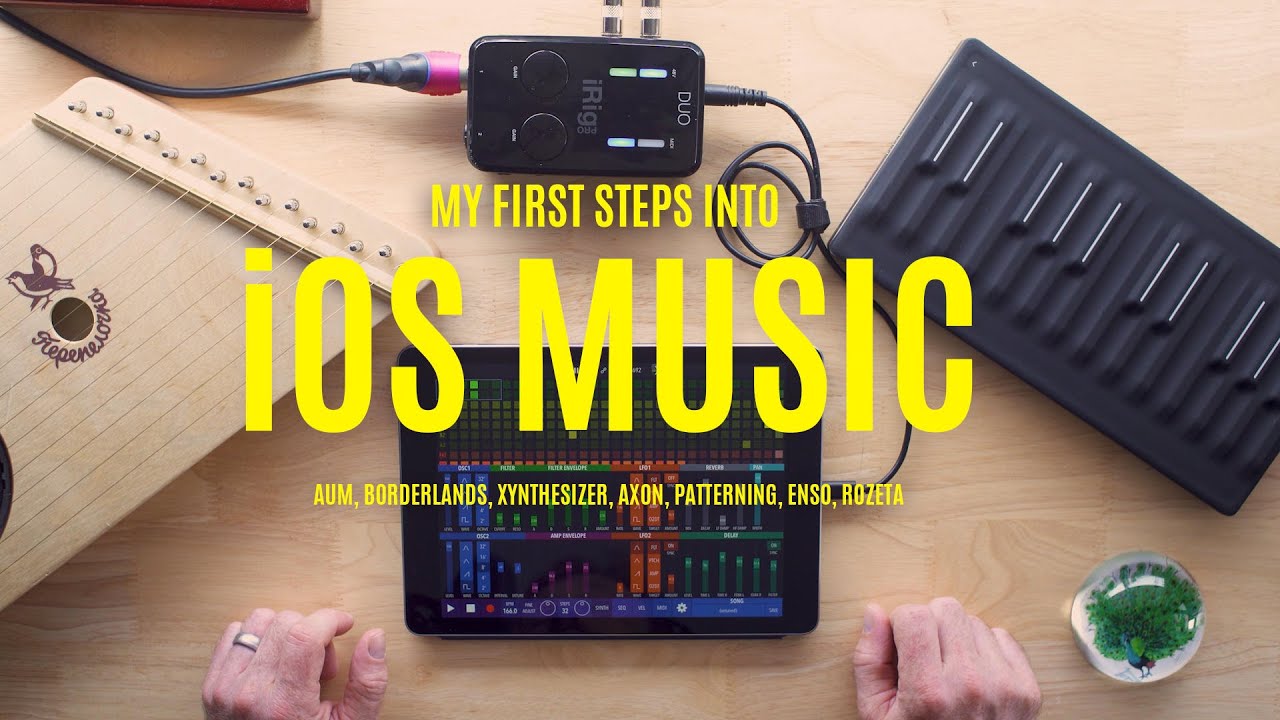
iOS Music Making: First Steps
178.5K
This segment demonstrates MIDI sequencer integration and complete music production workflow. MIDI sequencers like Rosetta trigger hardware instruments by sending MIDI data, enabling automated pattern generation. Users configure keys (F-sharp major) and generate patterns automatically. The workflow involves saving individual presets for each instrument (Borderlands, synthesizer, Axon, etc.) and saving the overall session. Opening sessions later restores all channels. This represents a comprehensive approach to mobile music production combining granular synthesis, neural drum machines, step sequencing, loop recording, and hardware integration into a cohesive production environment.
Click to watch →
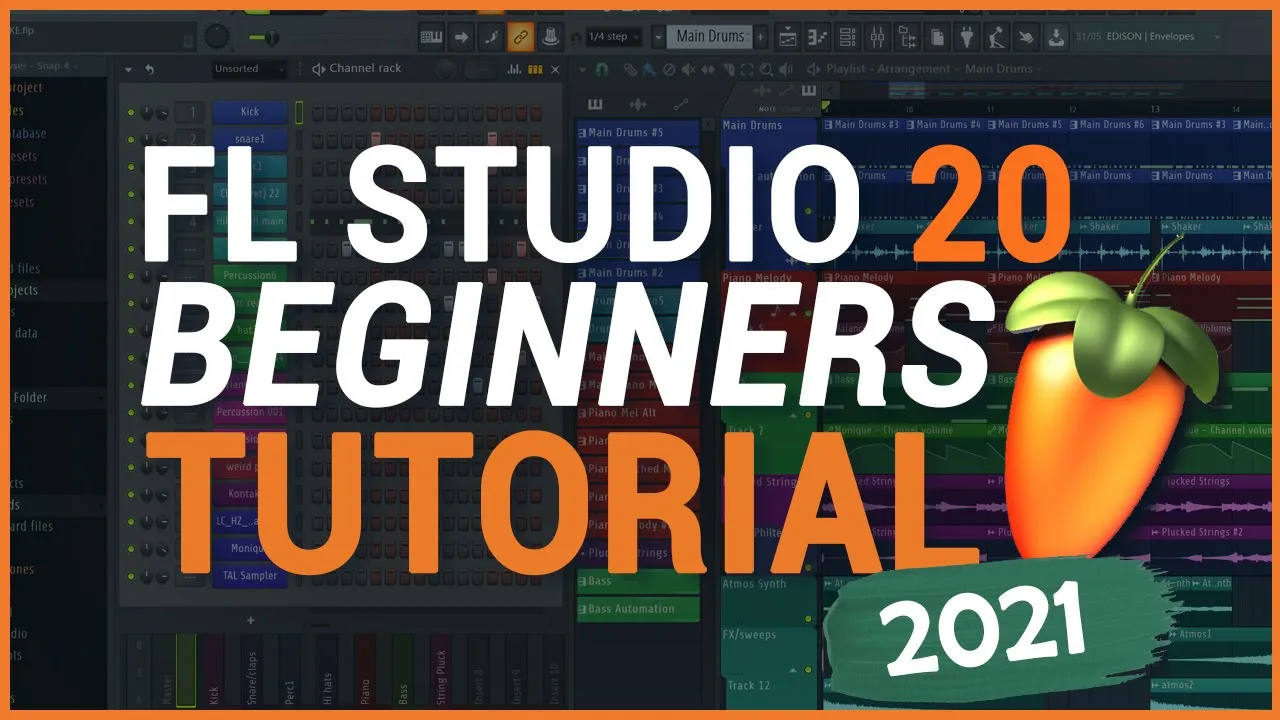
FL STUDIO 20 TUTORIAL | Complete Beginners Tutorial (2021)
377.8K
The Piano Roll enables precise MIDI note editing for melodies and chords. MIDI allows easy post-recording manipulation. Essential tools include Pencil/Paint Brush, Mute, Slice, and Select with Magnet snapping options (Cell, Half Step, None). The Playlist Window arranges patterns into complete tracks through drag-and-drop. Naming patterns (F2) and using Auto-Name maintains organization. This workflow transforms individual patterns into cohesive musical arrangements.
Click to watch →

FL Studio - Piano Roll Basics (Sinhala Tutorial - 01) By KDJ Guru
52.8K
This segment covers fundamental Digital Audio Workstation (DAW) navigation and music production workflow. Key concepts include understanding the software interface layout, managing audio tracks and MIDI tracks, using the channel rack for instrument selection, and navigating the piano roll for note editing. The tutorial demonstrates how to access different sections of the software, manage audio samples, and understand the relationship between different interface elements. Users learn to right-click for context menus, manage plugin channels, and navigate between different views and tools within the production environment.
Click to watch →
【DTM】最強ボカロPきくおが伝授!コード進行や基礎など作曲の全工程を徹底解説!【初心者OK】【きくお先生/Coloso】
233K
This video teaches the fundamental workflow of music production using a Digital Audio Workstation (DAW), covering essential skills including melody creation, chord construction, audio effects processing (such as chorus and reverb), percussion integration, and mastering techniques like limiter usage. The instructor emphasizes that music production quality depends on the volume of examples analyzed and practiced, not just technical skills, and demonstrates practical techniques for creating electronic music with a focus on accessibility for beginners.
Click to watch →

MIKE DEAN SHOWS HOW TO MIX 808 IN PRO TOOLS
56K
This segment covers essential DAW setup and track arrangement principles. The speaker explains proper track organization with 808 bass, kick, snare, and percussion elements arranged in a logical sequence. Key technical settings include sample rate configuration (8082 kHz), buffer size optimization (20-15), and delay compensation for timing synchronization. The speaker demonstrates routing tracks to physical outputs rather than mix buses, emphasizing the importance of headroom management by clipping tracks approximately 6 dB to allow for later volume increases without distortion.
Click to watch →
Deep Dive
An understanding of standard Dancehall rhythm structures, specifically the syncopated Dembow beat and typical tempo ranges (90-110 BPM).

Beat Dancehall Dance Dembow Type Beat 91 PPM
342
This video demonstrates a dancehall dembow type beat at 91 PPM, characterized by its distinctive rhythmic pattern and repetitive 'Heat. Heat. N.' vocal phrase that creates an infectious dance rhythm typical of the dembow genre.
Click to watch →

Dembow Beat 90 BPM
4K
A dembow beat is a rhythmic pattern commonly used in reggae and dancehall music, characterized by a distinctive syncopated rhythm typically played at around 90 beats per minute. The beat features a strong backbeat on the snare drum on beats 2 and 4, with the bass drum providing a steady pulse on beats 1 and 3. Additional rhythmic elements such as hi-hats and toms add complexity to the groove. Practicing along with backing tracks helps musicians develop timing accuracy and internalize the characteristic feel of this popular Caribbean musical style.
Click to watch →
![SpydaT.E.K & White Gangster - Duro Bass (feat. Ma - Less & DJ Blass) [Official Full Stream]](https://i.ytimg.com/vi/VJnugY2WFT8/sddefault.jpg?sqp=-oaymwEmCIAFEOAD8quKqQMa8AEB-AH-CYAC0AWKAgwIABABGGUgVChTMA8=&rs=AOn4CLDkcbZvQUGX-cktH_E1oH0ZHIdMiw)
SpydaT.E.K & White Gangster - Duro Bass (feat. Ma - Less & DJ Blass) [Official Full Stream]
115.6K
Dembow is a dancehall music genre characterized by its distinctive 90-130 bpm tempo range and prominent use of traditional instruments like the cuica, which creates a unique rhythmic pattern that has influenced global dance music trends.
Click to watch →
COMO HACER REGGAETON
1.3M
Reggaeton is a Latin American music genre that originated from reggae and hip hop influences, characterized by a tempo of 90-110 BPM, a distinctive dembow rhythm pattern with kicks, toms, and snare hits, and simple melodic structures; the production process involves creating a dembow loop, adding kicks and toms every two beats, incorporating hi-hats for flow, layering bass with sub-bass for power, and using samples or traditional instruments like strings and piano for melodies, with vocal samples typically featuring minimal lyrics about women.
Click to watch →
![[FREE] Dembow Type Beat - "Bom Bom" | Free Type Beat | Dembow Instrumental](https://i.ytimg.com/vi/hRQjpfRPWw0/maxresdefault.jpg)
[FREE] Dembow Type Beat - "Bom Bom" | Free Type Beat | Dembow Instrumental
24.6K
Dembow is a reggaeton subgenre characterized by a distinctive off-beat drum pattern (the 'dembow rhythm') that creates a syncopated, danceable groove, typically featuring heavy basslines and repetitive melodic elements that create a hypnotic, rhythmic foundation for dance music.
Click to watch →
Deep Dive
An introduction to traditional Middle Eastern and Balkan musical characteristics, such as the use of microtonal scales (Maqam) and odd-meter time signatures.
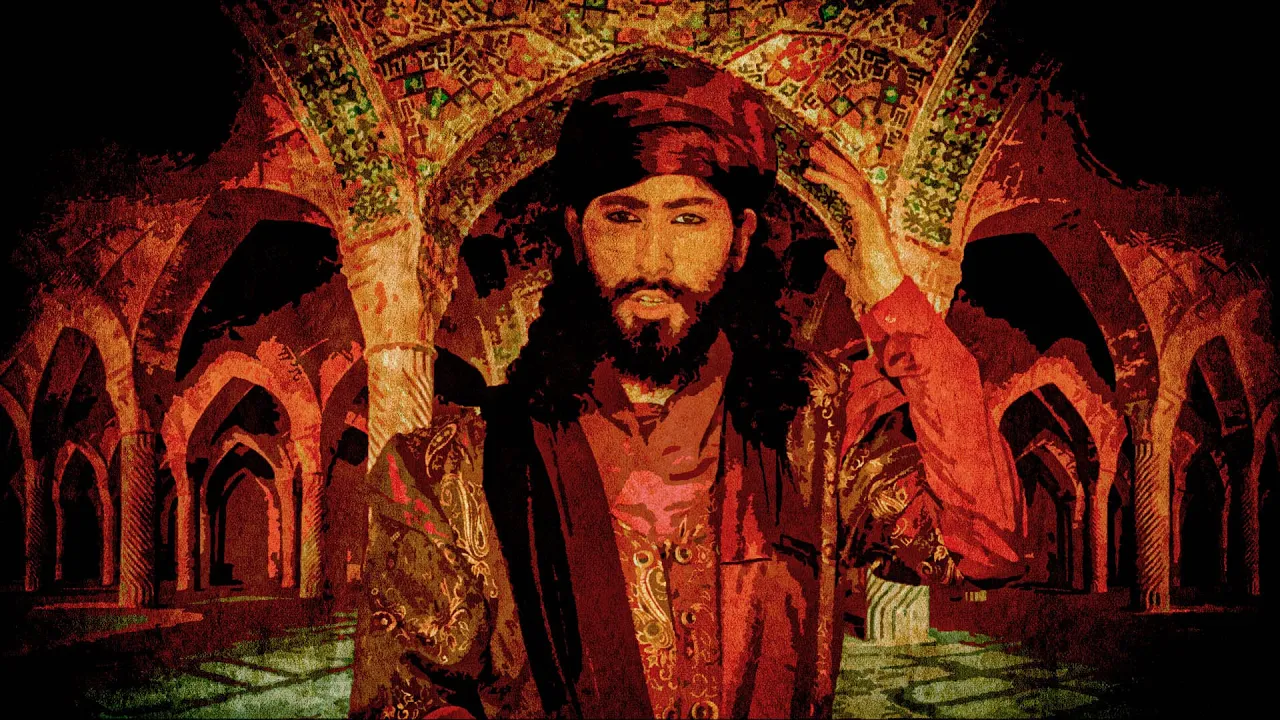
The Music of Medieval Iran : An Introduction to Middle-Eastern Music Theory
143K
A maqam is a specific configuration of seven notes selected from the octave division, forming the foundation of Middle Eastern modal tradition. Unlike Western modes, maqams are constructed by combining two pre-existing tetrachords (four-note units), creating a tetrachordal structure that dates back to ancient Greek times. This approach allows for hundreds of permutations within the same octave division, distinguishing Middle Eastern music from Western traditions that historically limited themselves to fewer configurations.
Click to watch →
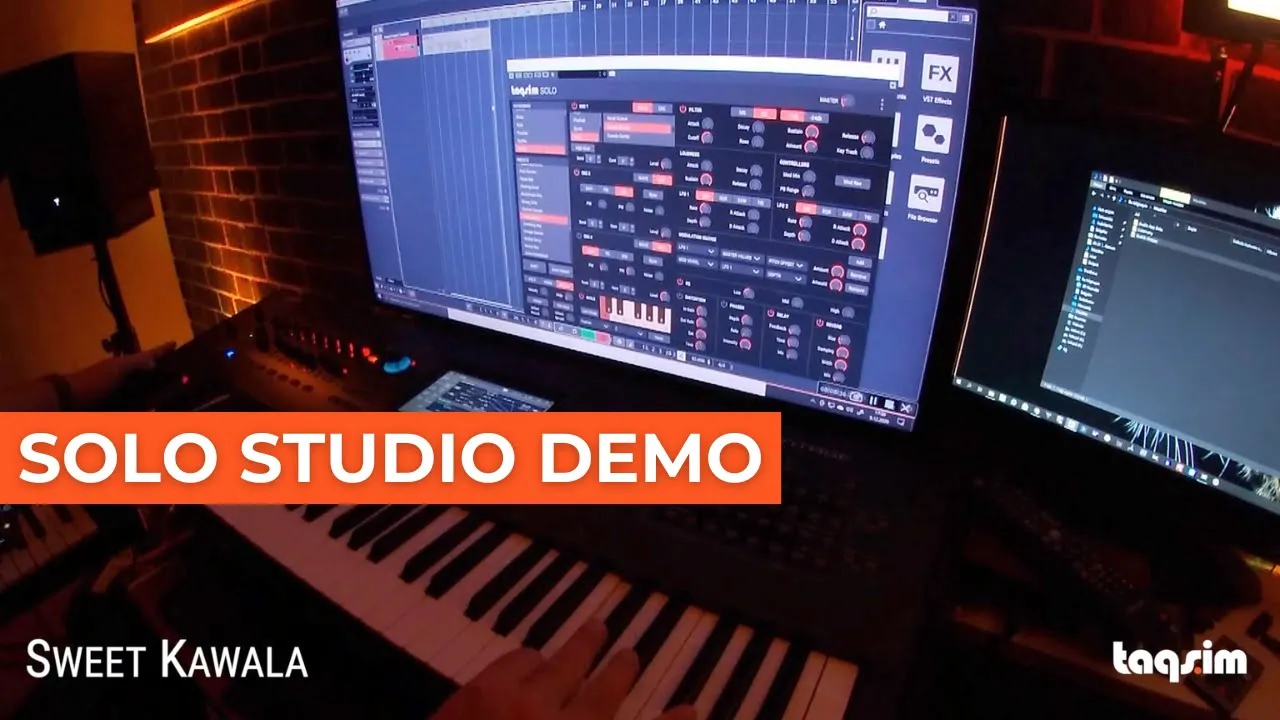
SOLO Studio Demo Microtonal Maqam Maqamat Arabic Asian Balkan Indian Oriental Persian Turkish VST AU
20.6K
Microtonal music scales, such as those used in Arabic, Indian, Persian, Turkish, and Balkan traditions, differ from the standard 12-tone Western equal temperament system by incorporating intervals smaller than semitones, allowing musicians to create authentic world music textures that break free from conventional Western musical structures.
Click to watch →
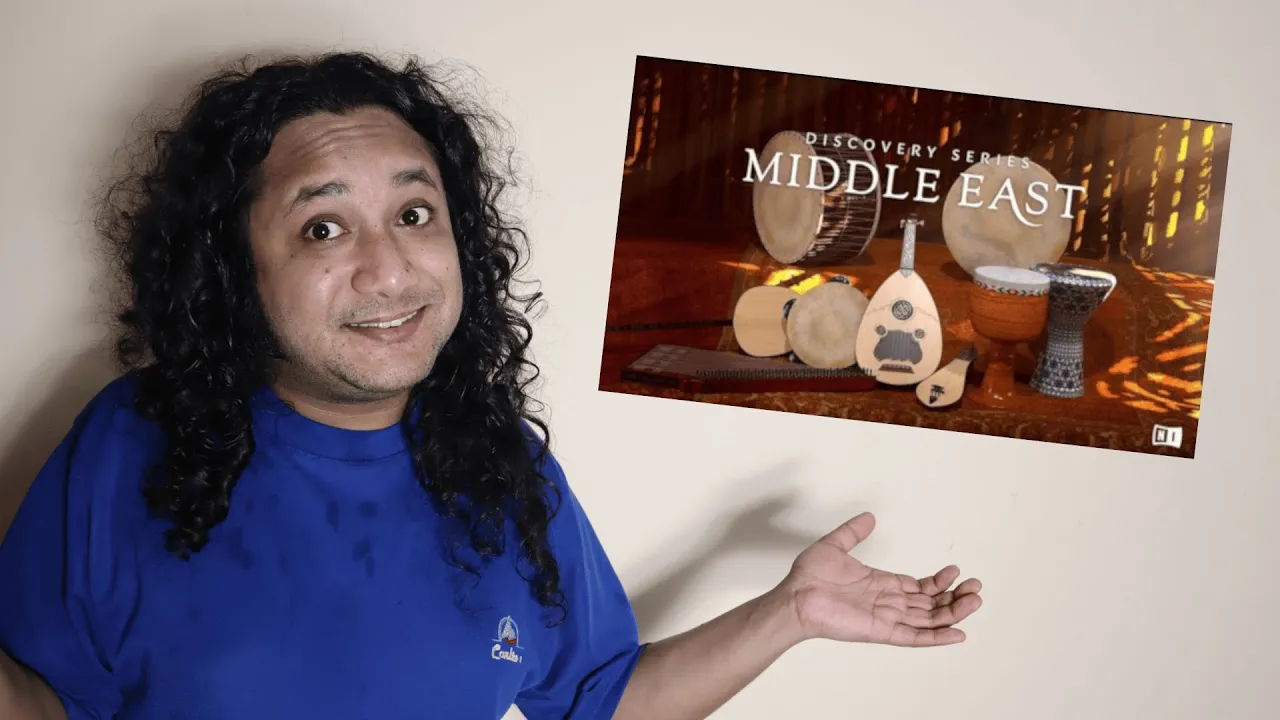
Native Instruments | Middle East | First Impressions
2.2K
The Kanun library includes various Middle Eastern scales called Maqams. The presenter identifies several: Rast (similar to harmonic major), Hijaz (Phrygian Major with flat 7), Nahawand (natural minor), Hussaini (Dorian), Kurdi (Phrygian), Husselek (harmonic minor), and Nava Athar (with #4). The library affects keyboard display, showing quarter flats that are neither E nor E flat. These scales represent the microtonal system unique to Middle Eastern music.
Click to watch →

小泉文夫の民族音楽 第12章 アラブ諸国 1/2
4.9K
West Asian music uses a unique microtonal system dividing the octave into smaller intervals like quarter tones, unlike Western 12-semitone systems. Since the 10th century, Islamic scholars like Al-Farabi conducted scientific research on music theory, studying instruments like the Oud and developing mathematical calculations for pitch. The Maqam system is the fundamental musical mode system, with the Rast mode being most important. Taksim is the improvisational introduction to performances. Regional variations exist in Maqam pitch standards—Baghdad and Iran use lower pitches while Turkey uses higher ones. Traditional Arab music features close audience-performer interaction, with audiences responding to beautiful improvisations by calling 'Allahu Akbar,' differing from Western concert etiquette.
Click to watch →

The Man Who Shaped Middle Eastern Music
27.9K
Middle Eastern music is based on a system of modes called maqam (plural maqamat). Unlike Western scales or modes, maqamat are complex collections of notes that include recurring phrases and associations with particular circumstances or emotions. The earliest references to maqam systems date back to the earliest years of Islamic civilization, with philosophers like Al-Kindi writing about instruments, tuning, construction, and intervals of different scales and modes used at the time.
Click to watch →
Deep Dive
Basic knowledge of traditional instrumentation common to Arabic, Turkish, and Balkan music, such as the Oud, Darbuka, Saz, and Bouzouki.

أجمل موسيقى تخترق القلب و الروح MAYA 3OUD SAMITA
3.8M
The video features traditional Arabic musical instruments including the oud (a pear-shaped stringed instrument similar to a lute), percussion instruments such as darbuka (a goblet drum), and possibly other traditional instruments common in Arabic music. These instruments produce characteristic sounds that define traditional Arabic musical styles, with the oud providing melodic lines and the percussion providing rhythmic foundations.
Click to watch →

Balkan Arabic Deep House 2025 | Desert Sunset DJ Mix | Oud, Darbuka, Ney, Saz, Deep Bass
860
Balkan Arabic Deep House is a music genre that fuses traditional Middle Eastern instruments (oud, darbuka, ney, saz) with modern electronic deep bass elements, creating a hypnotic, loopable sound suitable for dance, meditation, or cinematic desert atmospheres.
Click to watch →
![Daniel Lavoie & Patrick Fiori & Garou - Belle [Paroles Audio HQ]](https://i.ytimg.com/vi/zFVQiscYe1Y/sddefault.jpg?sqp=-oaymwEmCIAFEOAD8quKqQMa8AEB-AHUBoAC4AOKAgwIABABGH8gQigiMA8=&rs=AOn4CLAgZs80mkgKuqHpZVg_73eGH4oljg)
Daniel Lavoie & Patrick Fiori & Garou - Belle [Paroles Audio HQ]
5K
The video features traditional Arabic musical instruments including the oud (a pear-shaped stringed instrument), darbuka (a goblet drum), and possibly other percussion instruments. These instruments create the characteristic sounds of Arabic music, with the oud providing melodic lines and the darbuka providing rhythmic accompaniment.
Click to watch →
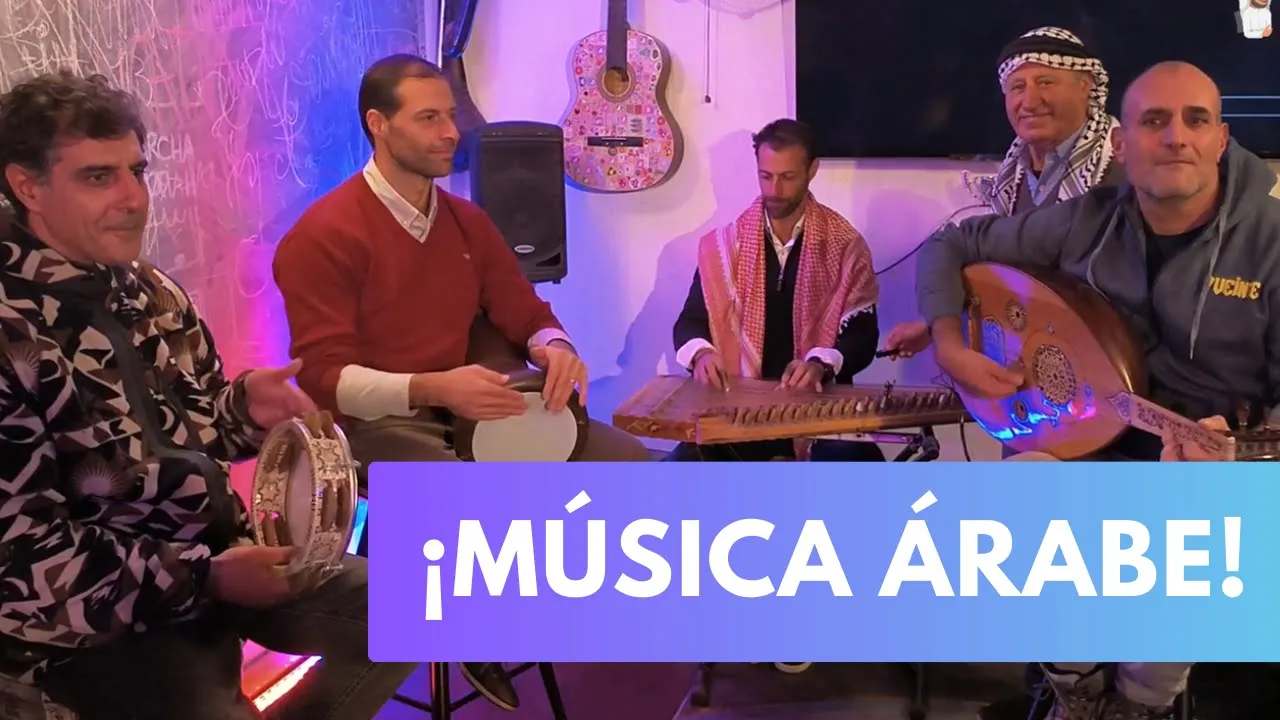
¡Así suena la música árabe! Descubre los fascinantes instrumentos musicales del medio oriente
4.6K
This segment introduces three fundamental instruments of Arab music. The oud is described as the 'soul and life' of Arab music and dance, typically having 5-7 strings (sometimes 10-14 with double strings) and tuned in specific scales. The darbuka is a percussion instrument with two metal plates per opening, where the fabric (paño) is crucial for producing various sounds. The kanun resembles a flat harp with 24-27 strings (72-86 total), spanning complete octaves and using 'mandals' keys to produce quarter tones (medias tonos) for microtonal music.
Click to watch →
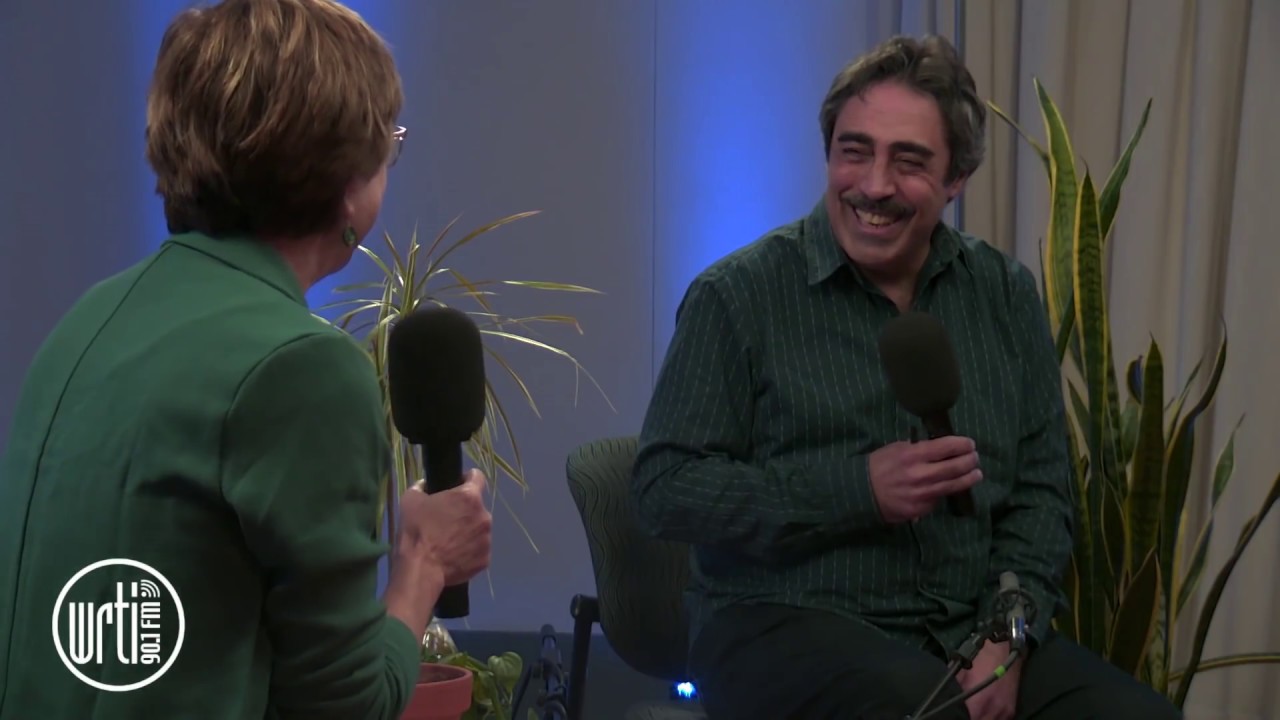
Simon Shaheen Plays Arab Music on the Oud: Live from the WRTI 90.1 Performance Studio
26.5K
The oud serves as the central instrument in Arab, Turkish, Persian, and North African music traditions, functioning as the most authentic voice in traditional ensembles. Its distinctive shape—with a face-like appearance featuring two eyes and one mouth—and fretless fingerboard enable the production of microtones essential to these musical systems. The instrument features five double strings tuned identically for projection, played with plectrums made of animal horn or eagle feather. This ancient instrument has been fundamental to musical culture across the Eastern Mediterranean Basin, from Syria and Lebanon through Egypt, serving both composers and performers throughout history.
Click to watch →
Prerequisite Knowledge
- Concept 01Fundamental concepts of modern music production and Digital Audio Workstation (DAW) workflows, including MIDI sequencing, track arrangement, and basic mixing.
- Concept 02An understanding of standard Dancehall rhythm structures, specifically the syncopated Dembow beat and typical tempo ranges (90-110 BPM).
- Concept 03An introduction to traditional Middle Eastern and Balkan musical characteristics, such as the use of microtonal scales (Maqam) and odd-meter time signatures.
- Concept 04Basic knowledge of traditional instrumentation common to Arabic, Turkish, and Balkan music, such as the Oud, Darbuka, Saz, and Bouzouki.
Subsequent Learning
- Step 01Practical application of microtonal tuning systems and Arabic Maqamat scales within modern software synthesizers and MIDI instruments.
- Step 02Advanced mixing and frequency management techniques for blending traditional acoustic percussion (e.g., doumbek) with heavy electronic Dancehall sub-bass.
- Step 03An exploration of ethnomusicology, focusing on the history of global musical migration, cultural exchange, and the ethics of sampling non-Western music.
- Step 04Arranging and composing a complete, original hybrid-genre track that seamlessly fuses traditional regional folk motifs with contemporary urban production styles.
Mafia chant
Mafia end
Mafia chant
0:08Playing Section
- 1
Opening song repeats mafia and sheep themes.
- 2
Loud music blends with vocal identity claims.
Cultural Extraction and the Flattening of Ethnomusicological Context
While fusing Arabic, Turkish, and Balkan rhythms into dancehall is celebrated for innovation, ethnomusicologists often critique this practice through the lens of cultural extraction and appropriation. Critics argue that decontextualizing traditional rhythms—such as complex Arabic Iqa'at or Balkan asymmetrical meters—to fit a standardized, Western-centric dancehall grid strips these genres of their historical, spiritual, and socio-political significance. This can result in 'musicological flattening,' where distinct regional heritages are reduced to a generic, exoticized aesthetic for global consumption. Furthermore, this trend can perpetuate unequal power dynamics, where mainstream producers benefit financially and socially from marginalized musical traditions without offering equitable credit, compensation, or deep engagement with the originating cultures.
Deep Dive
Practical application of microtonal tuning systems and Arabic Maqamat scales within modern software synthesizers and MIDI instruments.
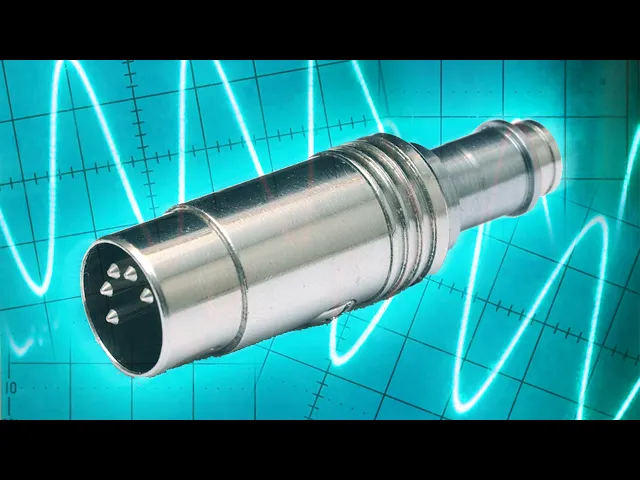
Engineering the World's Smallest Full-Featured MIDI Synthesizer
222.4K
Standard MIDI cannot send microtonal notes because it only supports 12-tone equal temperament. Microtonal keyboards solve this by sending each note on a different MIDI channel with its own pitch bend amount. Alternatively, tuning tables allow any note on any channel to be reassigned to any frequency, enabling experimentation with scales like 13 notes per octave. Tuning can be applied per channel or uniformly across all channels.
Click to watch →
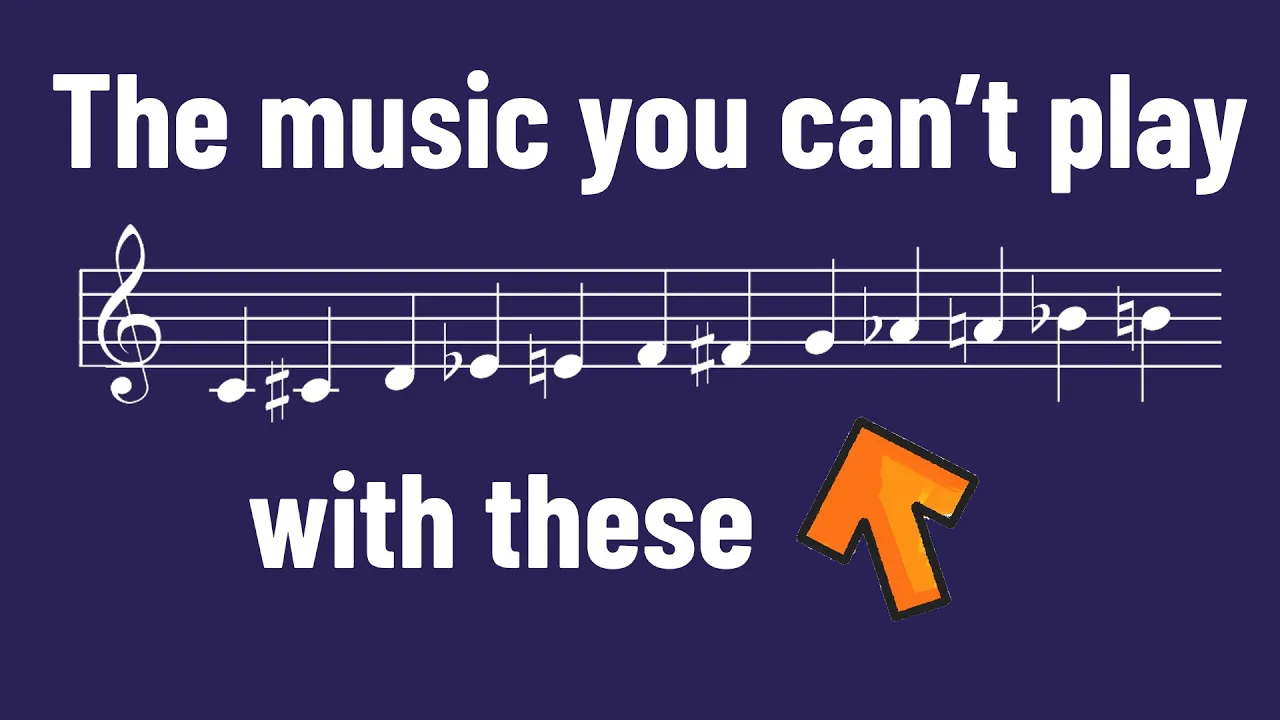
12-Tone Equal Temperament and Global Tuning Systems
109K
Arabic music is based on the maqam system, which functions like a scale but includes specific traditions for playing notes within it. The three most common maqamat are rust, seeker, and by arti. These systems include notes that are half-flats or quarter-tones (half of a semitone), which are not part of the equal-tempered scale. Research shows that Arabic musicians can distinguish up to twelve different pitches all referred to as variations of the same note (like E), demonstrating remarkable tuning precision.
Click to watch →
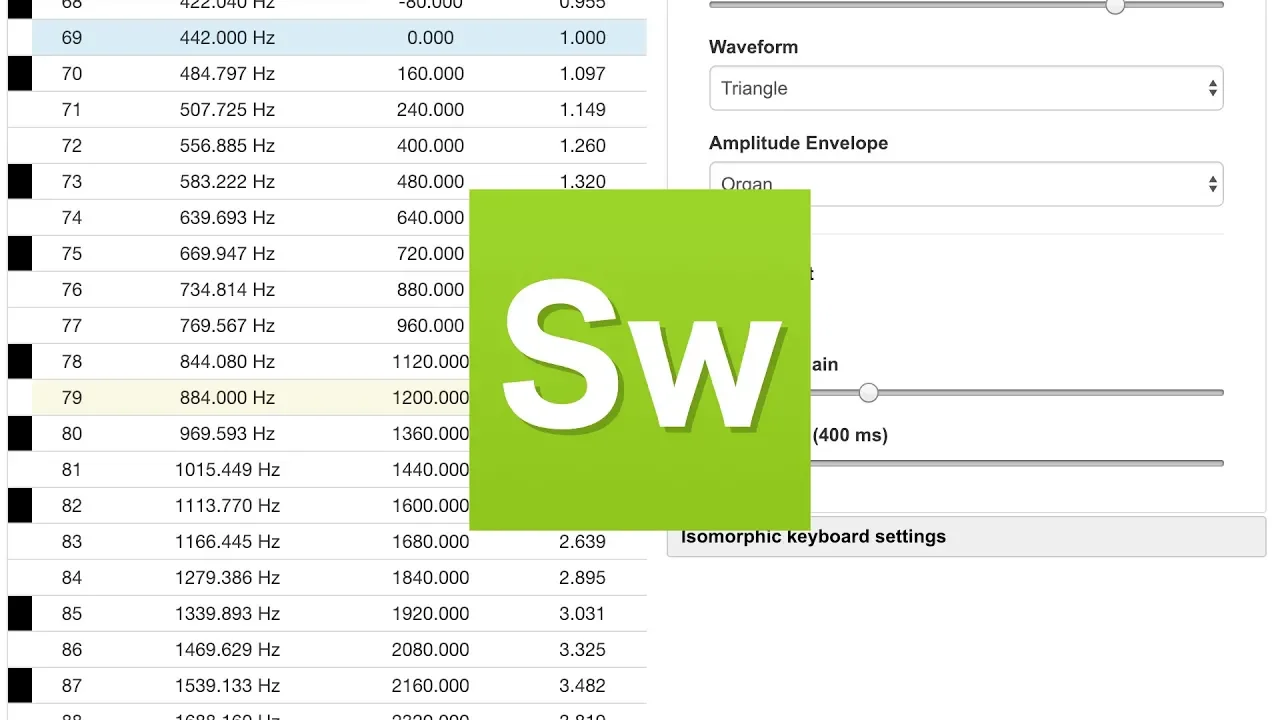
Making microtonal scales with Scale Workshop
12.9K
Scale Workshop is a web-based application for designing and playing microtonal scales. Users can create equal temperament scales by specifying divisions (e.g., 22 divisions for 22-tone equal temperament) and intervals (2/1 for octave). The application supports multiple playback methods including MIDI keyboards, QWERTY keyboards (where horizontal rows function like guitar frets), and touch keyboards on mobile devices. Additionally, users can import existing Scala tuning files and convert them to compatible formats for various synthesizers.
Click to watch →

ARABIAN Ethnic Orchestra - Official Walkthrough
26.1K
The library implements sophisticated regional microtuning by selecting a base note, choosing a region (Syrian, Turkish, Egyptian, Iranian, ancient, African, Far Eastern, Indian, miscellaneous, or Near Eastern), and selecting from available scales. The keyboard automatically tunes to the selected scale with visual feedback—root keys turn green, scale notes turn purple, and non-scale notes remain blue. Improvisation patches offer advanced sound design with separate tune and start offset controls for individual phrases. Key switches map to different Arabic maqams (scales), with the info panel displaying maqam information and root keys. The system captures authentic performances of different musicians, featuring improvisation instruments alongside conventional articulations.
Click to watch →

Çifteli: This microtonal instrument changed the way I think about music
1.3M
The Çifteli (shiftili) is a traditional folk instrument from Albania and Kosovo that uses a microtonal tuning system based on the Turkish makam husseini scale, which divides the octave into 53 intervals rather than the 12 equal parts used in Western music; this demonstrates how different cultures develop unique musical scales outside the Western 12-tone equal temperament system, and how modern digital audio software can be adapted to support these alternative tunings for authentic musical reproduction.
Click to watch →
Deep Dive
Advanced mixing and frequency management techniques for blending traditional acoustic percussion (e.g., doumbek) with heavy electronic Dancehall sub-bass.
Mixing Sub Bass (FFL!)
200K
Sub-bass notes can be significantly louder than others, requiring careful EQ balancing using narrow Q filters to reduce specific frequencies. Shelf filters can boost or cut low frequencies, but boosting risks muddiness. Compression controls sub-bass by attenuating low frequencies, making it more consistent and controlled - it doesn't make sounds 'fatter' as commonly believed. Excessive sub-bass has psychoacoustic effects: it makes mixes sound slower and less exciting, while balanced sub-bass creates grounding and excitement. Kick drums and sub-bass occupy overlapping 20-40 Hz ranges, creating potential phasing issues. A tight kick around 50-55 Hz leaves more room for sub-bass. Remove any unnecessary low-frequency content to prevent sub-bass problems. Reference tracks are essential for home mixing, providing consistent benchmarks that work in club environments.
Click to watch →

COMO HAGO MIS REMIX | DE REGGAETON A ELECTRONICA PASO A PASO | KEVIN BRAND
6.8K
Add sub-bass to fill the spectrum and make the sound more punchy. Cut all high frequencies to prevent muddying the main sound. Create a question-answer pattern with sounds starting on the first beat of each bar. Add reverse sounds for dynamic variation. During the build-up, automate to cut low frequencies, creating more energy when the drop arrives. Also automate volume down during the build-up and back up during the drop for a dramatic transition effect.
Click to watch →

How to make Dub Techno chords, drums, and bass | Algonaut
91.5K
Build layered percussion using samples like shakers and hats. Apply side chain compression to create rhythmic gating where percussion ducks when other elements play. Create dry/wet reverb mixes by routing audio through two chains with different reverb amounts. Apply phaser effects after reverb for subtle movement. Adjust phaser rate and depth for either subtle motion or dramatic sweeps. Layer sub bass with square waves to create powerful low-end foundations. These techniques create the textured, atmospheric percussion essential for dub techno's characteristic depth and movement.
Click to watch →
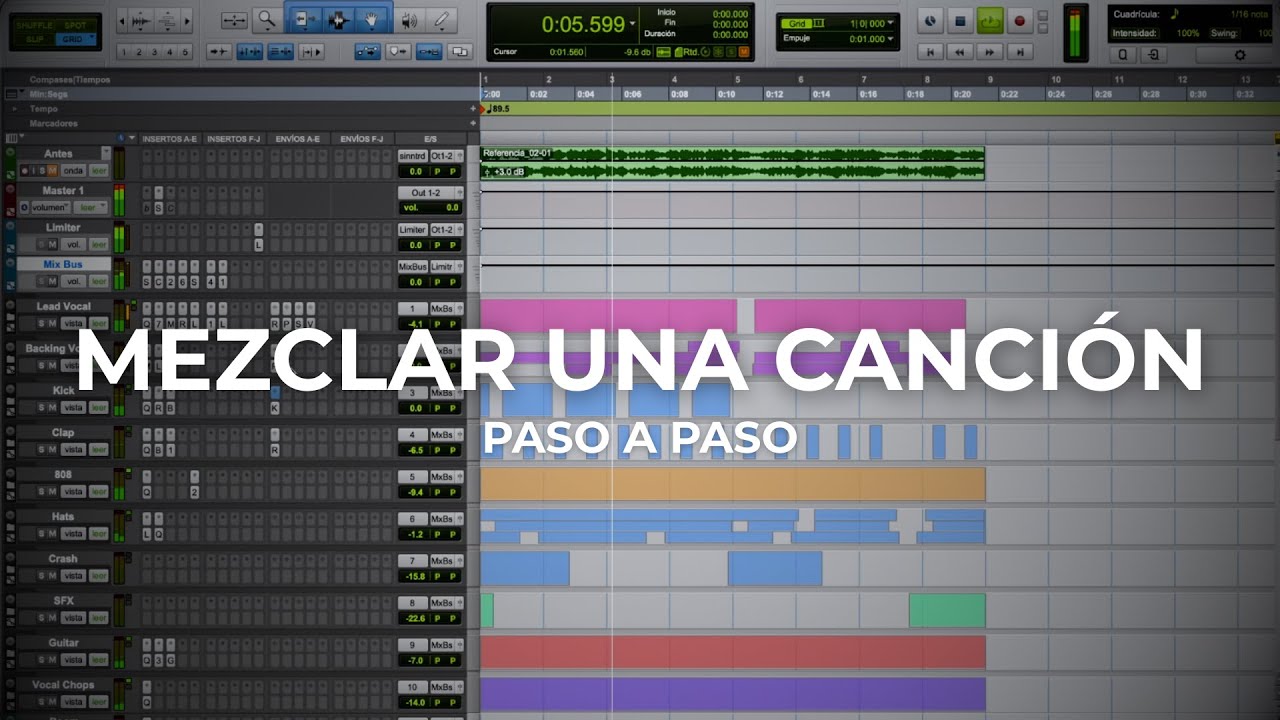
Cómo mezclar una canción (PASO A PASO)
244
Balance percussive elements systematically using frequency-specific targets. For kick drums, target 50 Hz at -12 to -9 dB and reduce 400 Hz to -15 dB to prevent mud. Clap drums should reach -15 to -9 dB in the 1,000-2,000 Hz range. 808 bass should occupy 30-100 Hz at -9 to -6 dB. High hats target 5,000-10,000 Hz at -15 to -9 dB, with open hats set 6 dB lower at -21 dB with slight delay. Crash cymbals occupy the same range at -21 to -30 dB. This systematic approach creates a solid, layered percussion foundation.
Click to watch →
![[Co dělat, když…] Basa soupeří s kopákem (o místo v mixu)](https://i.ytimg.com/vi_webp/ByJi8wdHVb4/maxresdefault.webp)
[Co dělat, když…] Basa soupeří s kopákem (o místo v mixu)
729
Frequency carving uses EQ to create distinct spaces for competing instruments. By analyzing the spectrum, you identify where each instrument sits (kick around 73 Hz, synthetic bass around 43 Hz, live bass around 100 Hz). The technique involves boosting frequencies where each instrument naturally sits while cutting those same frequencies from competing instruments. When mixing multiple bass instruments, select only one to carry sub-bass frequencies rather than allowing multiple instruments to occupy the same low-end space. This prevents muddy, unclear low-end frequencies and creates a cleaner, more professional mix.
Click to watch →
Deep Dive
An exploration of ethnomusicology, focusing on the history of global musical migration, cultural exchange, and the ethics of sampling non-Western music.
![Silly Rama - Un Chat Un Chat [Full Album Official Audio]](https://i.ytimg.com/vi_webp/Bzg2UgSCHY0/maxresdefault.webp)
Silly Rama - Un Chat Un Chat [Full Album Official Audio]
30.5K
This album demonstrates how ethnomusicological sampling can create experimental music by incorporating traditional sounds from diverse global cultures, including Polish, Moldovan, Georgian, Italian, Russian, Japanese, Ukrainian, Iranian, Brazilian, Romanian, Irish, Korean, Chinese, French, Filipino, Hungarian, Indian, Egyptian, Algerian, German, Peruvian, Greenlandic, and Antarctic sources, representing nearly every continent in a single musical work.
Click to watch →

Etnomüzikoloji ve Müziğin Göçü Üzerine Söyleşi | Etnomüzikolog Evrim Hikmet Öğüt
520
Music migration represents a cultural gain for host societies rather than a loss. When migrants bring their musical traditions to new locations, host communities encounter new musical cultures with both similarities and differences. Music serves multiple functions during migration: connecting migrants to their past and maintaining identity, creating a sense of belonging and community, facilitating relationships with host communities through economic and cultural interactions, and providing economic survival opportunities for professional musicians. The researcher advocates viewing migration-related cultural movements as advantageous for receiving communities.
Click to watch →
Ethnomusicology 2.0 | John Vallier | TEDxUofW
15.9K
Ethnomusicology 2.0 is an ethical framework for preserving and sharing global musical traditions that replaces colonial extraction practices with four core values: collaborate (working with communities to document what they want preserved), support (helping establish archives in source countries), amplify (making collections accessible through technology and community partnerships), and repatriate (returning recordings to communities of origin). This approach addresses the problematic colonial origins of ethnomusicology archives, which historically extracted cultural materials from marginalized communities and locked them away in Western institutions, by transforming preservation into a tool for cultural empowerment and heritage revitalization.
Click to watch →
Interview with Beverley Diamond (Memorial University of Newfoundland, Canada)
243
Ethnomusicology has undergone significant ethical transformation from extractive research to collaborative partnership. Early scholars approached indigenous music with colonial attitudes, believing they should record traditions without understanding their cultural vitality. The speaker admits having such attitudes at age 23. Over time, the field shifted toward decolonizing methodologies by working directly with contemporary indigenous musicians rather than extracting knowledge. This evolution reflects broader recognition that indigenous music cultures are healthy and dynamic, requiring respectful, reciprocal relationships rather than academic appropriation.
Click to watch →

Musikethnologie in Halle – ein Gespräch mit Prof. Dr. Klaus Näumann | Kito Podcast #14
290
Music ethnology has evolved significantly over time. Originally, it focused on music in distant exotic countries and folk music research dealing with musics outside high culture. These were two separate areas: one dealing with distant locations and the other with music within Europe. By the 1970s and 1980s, these orientations increasingly merged. Today, music ethnology can study music both far from and near the researcher's location, without distinguishing between traditional, folk, rock, serious, or classical music. The origins of music ethnology are closely tied to colonialism, which remains highly controversial. Like other disciplines such as history, archaeology, and medicine, music ethnology has inherited problematic legacies. The recommended approach is to honestly acknowledge these issues, learn from past mistakes, and work to improve the field while openly addressing its failures.
Click to watch →
Deep Dive
Arranging and composing a complete, original hybrid-genre track that seamlessly fuses traditional regional folk motifs with contemporary urban production styles.

THIS COUNTRY IS INSANE! (Wonderland Indonesia by Alffy Rev ft. Novia Bachmid | Reaction)
250.7K
The video describes how the song 'flowed it just flowed like butter' and how 'the way you mix the traditional instruments and the traditional sound together with the modern production was just seamless.' This demonstrates that successful integration of traditional and modern musical elements requires careful attention to how different sounds and production techniques can be combined to create a cohesive and harmonious musical experience.
Click to watch →
მზია გეწაძე - კომპოზიცია ხალხურ მოტივებზე Mzia getsadze - Compozition on folk motifs
1.8K
This video features a Georgian folk music composition by Mzia Getsadze, arranged by Vova Machitadze, recorded at the Orfey studio by Zaza Lomtadze, showcasing traditional folk motifs through contemporary musical arrangement.
Click to watch →
FIRST TIME Hearing VANNDA – TIME TO RISE ft MASTER KONG NAY 😳🇰🇭🔥 | This Was NEXT LEVEL
192
The presenter explains that the artist successfully blends traditional and modern elements together seamlessly, creating a unique sound that has never been heard before. This demonstrates the concept of musical fusion, where different musical traditions and contemporary production techniques are combined to create something entirely new and distinctive.
Click to watch →
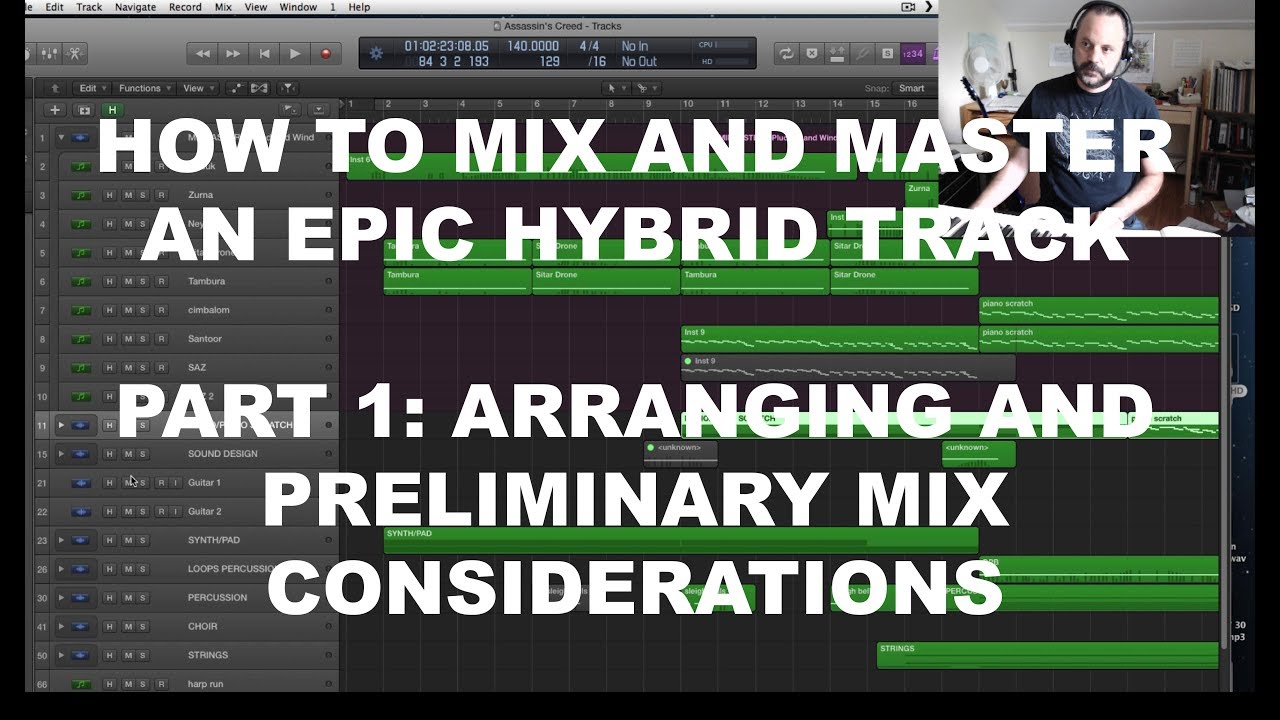
How To Mix and Master An Epic Hybrid Track Part 1
1.5K
Effective mixing of epic hybrid tracks requires organizing stems into logical groups (plucked/wind instruments, percussion, strings, choir, brass, woodwinds) and understanding the three core elements: Mid Eastern plucks/percussion, strings, and coloristic elements like winds and choir; the arrangement should create a clear melodic arc with sections that build tension and release, using techniques like melody reinforcement through doubling, strategic panning for spatial depth, and layered percussion with different frequencies and reverb settings to create a cohesive, immersive soundscape.
Click to watch →

🇦🇷 FITO PAEZ EN VIVO | NUEVA YORK | TOUR EL AMOR 30 AÑOS DESPUES DEL AMOR ❤️
70K
Musical hybridization occurs when specific musical traditions from different regions of the American continent come together to form new hybrids and inventions. The speaker describes how a song originally created as a 'chacarera' (Argentine folk style) was transformed by adding 'riff' elements that gave it a 'marinera peruana' (Peruvian folk style) body. This process creates new musical experiments that liberate listeners from constraints and represent the richness of the entire American continent.
Click to watch →
Mafia chant
Mafia end
Mafia chant
0:08- 1
Opening song repeats mafia and sheep themes.
- 2
Loud music blends with vocal identity claims.
Cultural Extraction and the Flattening of Ethnomusicological Context
While fusing Arabic, Turkish, and Balkan rhythms into dancehall is celebrated for innovation, ethnomusicologists often critique this practice through the lens of cultural extraction and appropriation. Critics argue that decontextualizing traditional rhythms—such as complex Arabic Iqa'at or Balkan asymmetrical meters—to fit a standardized, Western-centric dancehall grid strips these genres of their historical, spiritual, and socio-political significance. This can result in 'musicological flattening,' where distinct regional heritages are reduced to a generic, exoticized aesthetic for global consumption. Furthermore, this trend can perpetuate unequal power dynamics, where mainstream producers benefit financially and socially from marginalized musical traditions without offering equitable credit, compensation, or deep engagement with the originating cultures.
Fundamental concepts of modern music production and Digital Audio Workstation (DAW) workflows, including MIDI sequencing, track arrangement, and basic mixing.
An understanding of standard Dancehall rhythm structures, specifically the syncopated Dembow beat and typical tempo ranges (90-110 BPM).
An introduction to traditional Middle Eastern and Balkan musical characteristics, such as the use of microtonal scales (Maqam) and odd-meter time signatures.
Basic knowledge of traditional instrumentation common to Arabic, Turkish, and Balkan music, such as the Oud, Darbuka, Saz, and Bouzouki.
Practical application of microtonal tuning systems and Arabic Maqamat scales within modern software synthesizers and MIDI instruments.
Advanced mixing and frequency management techniques for blending traditional acoustic percussion (e.g., doumbek) with heavy electronic Dancehall sub-bass.
An exploration of ethnomusicology, focusing on the history of global musical migration, cultural exchange, and the ethics of sampling non-Western music.
Arranging and composing a complete, original hybrid-genre track that seamlessly fuses traditional regional folk motifs with contemporary urban production styles.
980 views11likes3:36@RasooliBeatsOriginal Release: 2026-02-15
[singing] mafia and sh.
I am the mafia. I am the sheep. I am the she. I am the original mafia.
I am the mafia. I am the she. I am the she to all people.
[music] I am the [music] [music] shame.
I'm going to say [music] [music] [music] I'm [music] here in my I'm a shar [music] [music] mafia and shake all [screaming] [groaning] >> [music] [music] >> Mafia [music] mafia and unsafe us. [music] I know how [music] you [music] I'm not shield.
[music] [music] >> [music] [music] [music] >> Heat. Heat.
Up Next
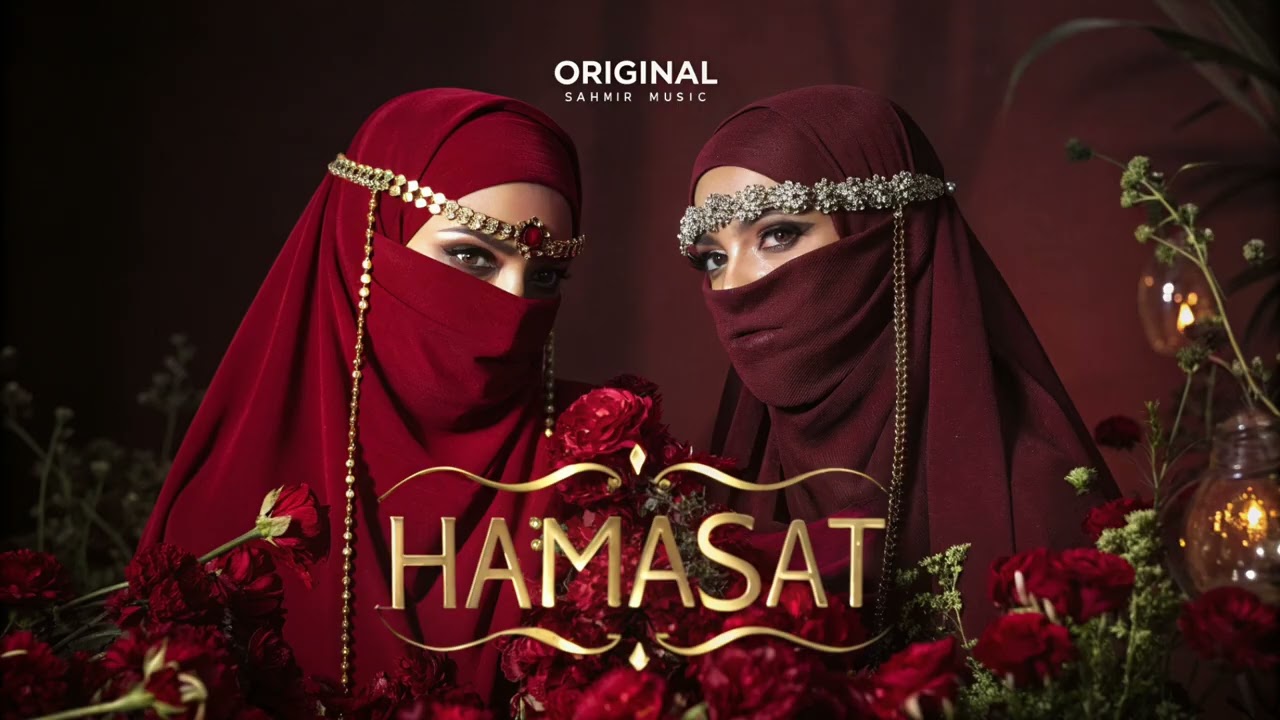
7:55
Arabic Deep House Mix: Oriental Electronic and Chill Vibes
@sahmirmusic
19.6K views•2025-10-26

12:54
Triumph of Orthodoxy Icon: Byzantine Art & History Explained
@BenCallan
2.1K views•2024-08-06

9:49
FastAPI vs Flask vs Django: Choosing the Right Python Web Framework
@TechWithTim
302.5K views•2024-05-26

1:42
Game of Thrones Opening Credits: A Cinematic Analysis
@gameofthrones
46.3M views•2011-04-18
Related Study Plans & Knowledge Roadmaps
Structured learning paths in General & Interdisciplinary Studies
general-studies
Elevator Engineering: History, Physics & Cities
01From Hoists to Safety Brakes: The Dawn of Vertical Lift
02Hydraulic vs. Traction: The Engineering Physics of Elevators
03Modern Speed, Safety, and Algorithms
+ 2 more learning modules
12h5 modules
Explore Roadmap
general-studies
Rubber: Material Science, History & Geopolitics
01Origins of Natural Rubber & Mesoamerican History
02The Chemistry of Natural Rubber & Vulcanization
03The Geopolitics of the Rubber Boom & Colonization
+ 2 more learning modules
12h5 modules
Explore Roadmap
general-studies
Containerization: Evolution, Logistics & Trade
01Ancient Trade & Bulk Cargo: Amphorae to Barrels
02The Industrial Revolution & Cardboard Packaging
03The Containerization Revolution: Malcom McLean
+ 2 more learning modules
12h5 modules
Explore Roadmap
general-studies
Textile Tech: Evolution, Labor & Global Impact
01Pre-Industrial Textiles: Handloom & Cottage Industry
02Mechanization: The Spinning Jenny to the Power Loom
03The Factory System & Global Labor Transformation
+ 2 more learning modules
10h5 modules
Explore Roadmap