This video demonstrates how traditional Arabic musical elements such as oriental harmonies and desert-inspired themes can be fused with modern electronic production techniques like Deep House beats to create innovative Arabic electronic music that bridges cultural heritage with contemporary soundscapes.
Arabic Deep House Mix: Oriental Electronic and Chill Vibes
Added:Deep Dive
The concept of Arabic Maqamat (melodic modes) and the use of microtones or quarter tones in Middle Eastern music.

...AND HERE WE GO AGAIN...Building Resilience In Mental Health
145
Middle Eastern music uses microtones (notes between standard Western notes) to create unique emotional effects. The speaker describes learning about makam (Arabic modal system) which includes quarter tones and other microtones that don't exist in Western music. These dissonant tones evoke emotions that are hard to describe, creating a different emotional landscape than Western harmonies. The speaker notes that the mathematical principles underlying music may be universal, but the specific notes and modes used differ across cultures.
Click to watch →
Layth Sidiq on Violin & Arabic Music: Maqamat, Taarab & Microtonality | Vocal Styles of the World
26.9K
Arabic classical music is unified by three core elements despite regional diversity: Maqamat (melodic frameworks that vary by region with specific ornaments and moods), Taarab (musical ecstasy representing the live communal experience between performers and audience), and Microtonality (notes between standard pitches that are structurally integrated into maqamat rather than merely decorative).
Click to watch →

Traditional ARABIC Music - موسيقى تقليدية - Relaxing Music
1.2M
Traditional Arabic music is predominantly melodic with highly ornamented, melismatic singing, typically accompanied by instrumental ensembles playing in unison; it is based on the maqam system, which consists of eight commonly used melodic modes (maqams) that each produce specific emotional states through characteristic four-tone phrases, utilizing microtones that differ from European equal-tempered tuning and require traditional Arab instruments for proper reproduction.
Click to watch →
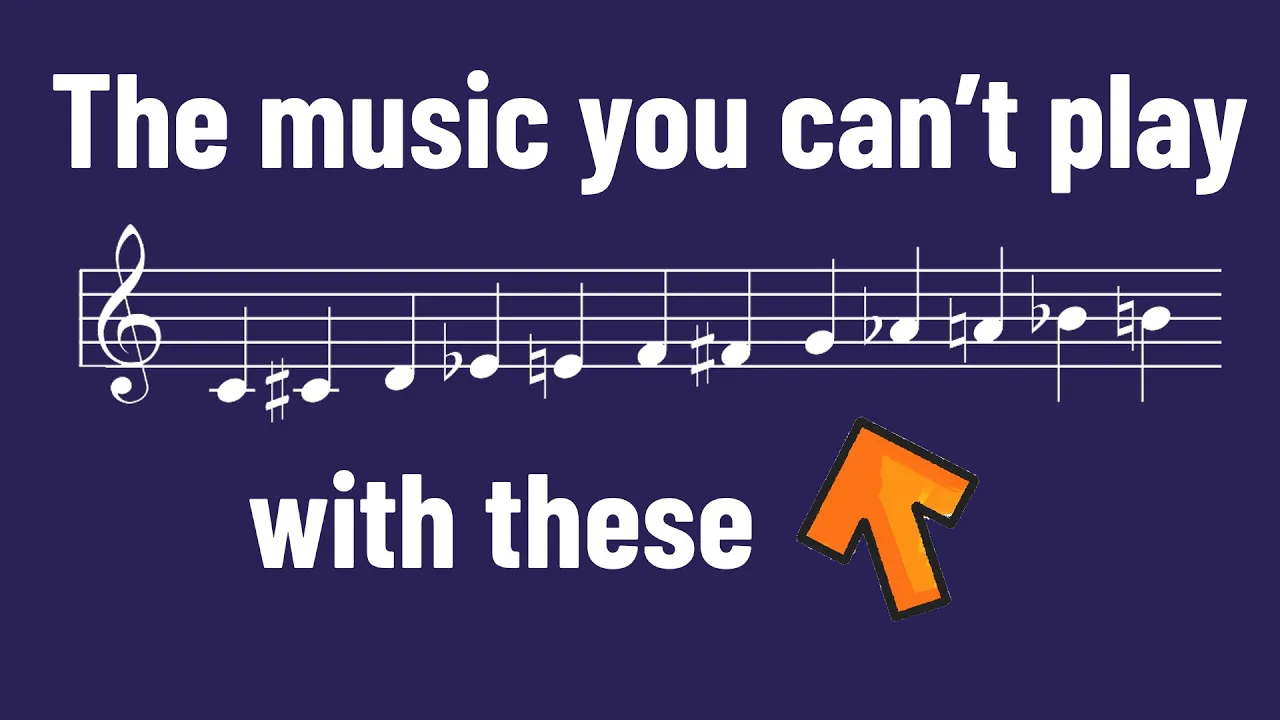
12-Tone Equal Temperament and Global Tuning Systems
109K
Arabic music is based on the maqam system, which functions like a scale but includes specific traditions for playing notes within it. The three most common maqamat are rust, seeker, and by arti. These systems include notes that are half-flats or quarter-tones (half of a semitone), which are not part of the equal-tempered scale. Research shows that Arabic musicians can distinguish up to twelve different pitches all referred to as variations of the same note (like E), demonstrating remarkable tuning precision.
Click to watch →

الاجناس والعقود والنسبة في الموسيقى العربية
3.4K
Arabic music theory recognizes 13 basic maqamat, not 8 as commonly believed. The quarter-tone system divides one tone into four equal parts, enabling precise identification of microtonal intervals. Musical accidentals modify note pitch: sharp raises by 3/4 tone, flat lowers by 3/4 tone, double sharp raises by full tone, and double flat lowers by full tone. A genre (Jins) consists of 4 consecutive notes with 3 fixed intervals between them. The 4th note determines the genre's character. Different genres have specific interval patterns: Ajam (4-4-2), Kurd (4-4-2), Hijaz (4-4-2), Nawa'at (4-4-2), Bayati (3-4), Saba (3-3-4). Changing intervals creates new genres.
Click to watch →
Deep Dive
The defining characteristics of Deep House music, including its typical tempo (110-125 BPM), 4/4 time signature, and atmospheric soundscapes.
![Underground Vibes - Deep House Mix [Gentleman 'Dark' Selection] 2021](https://i.ytimg.com/vi/XyOFvizHIlk/maxresdefault.jpg)
Underground Vibes - Deep House Mix [Gentleman 'Dark' Selection] 2021
246.2K
Deep house music is characterized by its slow tempo (typically 110-120 BPM), atmospheric synthesizer pads, soulful vocal samples, and a steady four-on-the-floor beat that creates a hypnotic, immersive groove suitable for extended listening and dancefloor experiences.
Click to watch →

Deep House Non Stop # 9
18.6K
Deep house is a subgenre of house music characterized by its slower tempo (typically 110-120 BPM), atmospheric and soulful elements, and a focus on creating immersive, emotional soundscapes that blend electronic production with organic musical textures.
Click to watch →

20 Min Deep House | House Music 124 BPM
1.7K
Deep house is a subgenre of house music characterized by its slower tempo (typically 110-125 BPM), atmospheric and soulful elements, and a focus on creating a deep, immersive musical experience that blends electronic beats with organic instrumentation.
Click to watch →
Deep House 2025 | Deep Disco Records Mix #1
618
Deep house music is characterized by its steady 4/4 beat, deep basslines, atmospheric synthesizers, and repetitive vocal samples that create a hypnotic, immersive listening experience. The genre typically features a tempo between 115-125 BPM, with layered soundscapes that build tension and release throughout the track.
Click to watch →

Deep House 2026 I Evony Chill Out Mix #151
5.2K
Deep House music is characterized by a steady 4/4 beat, typically ranging from 115-125 BPM, with prominent basslines, atmospheric synthesizer pads, and a warm, groovy sound that creates a relaxing yet danceable atmosphere. The genre often incorporates elements of disco, soul, and jazz, featuring repetitive vocal hooks and layered production that encourages extended listening and dancing.
Click to watch →
Deep Dive
Familiarity with traditional Middle Eastern acoustic instruments, such as the Oud, Qanun, Nay, and Darbuka.

Arabic Oud Nay Darbuka Instrumental Music | Traditional Middle Eastern Desert Melody
154
This video presents an authentic Arabic instrumental music performance featuring traditional Middle Eastern instruments including the oud (a pear-shaped lute), nay (a reed flute), and darbuka (a goblet drum), creating a powerful desert-inspired musical experience that captures the essence of ancient Middle Eastern culture and traditional desert melodies.
Click to watch →
Whispers of the Oud and Nay | همسات العود والناي
261.3K
This video showcases a Middle Eastern instrumental music performance featuring traditional instruments including Oud (a pear-shaped lute), Nay (a reed flute), Qanun (a trapezoidal zither), and Tabla (a hand drum), demonstrating the characteristic interplay between these instruments that creates the distinctive Tarab musical style of Arabic classical music.
Click to watch →
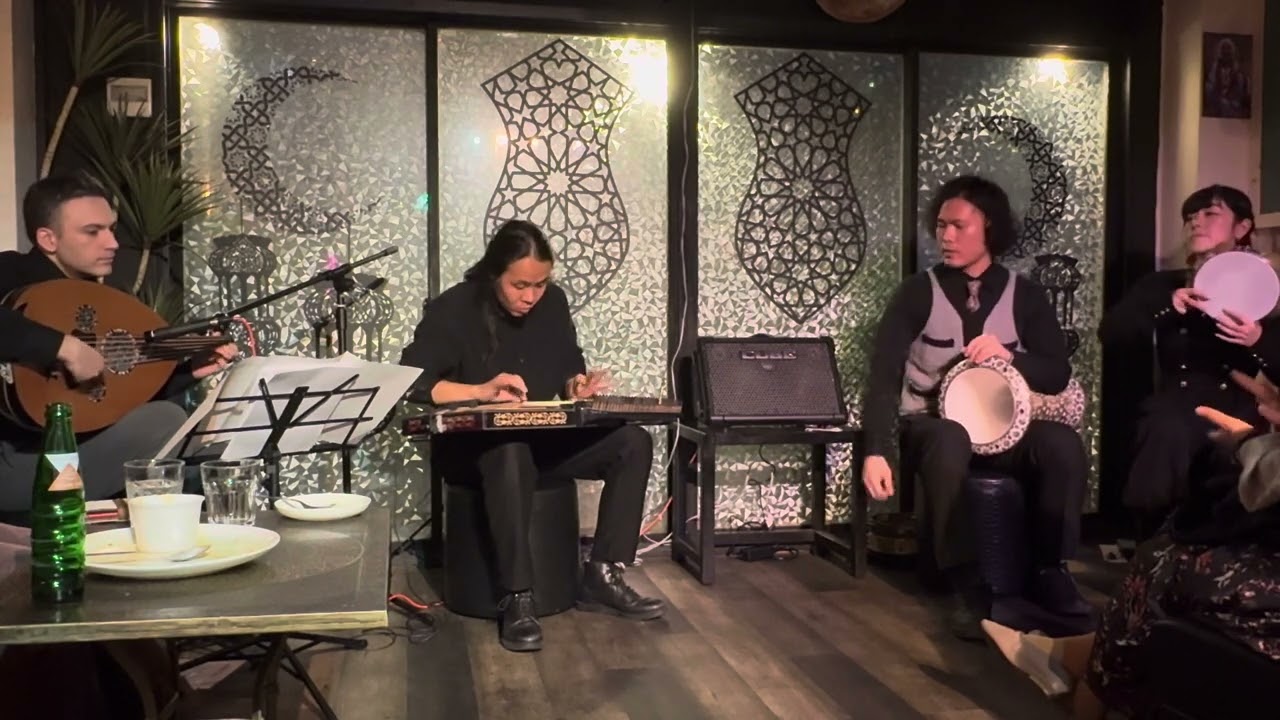
Ana Fe Intizarak أنا في التظارك
3.6K
This video showcases a collaborative musical performance featuring traditional Middle Eastern instruments including the Oud, Qanun, and Darbuka, performed by Navid Goldrick-Oud, Shingo Masuda, and Ryo Serikawa, with Ayako as the vocalist.
Click to watch →
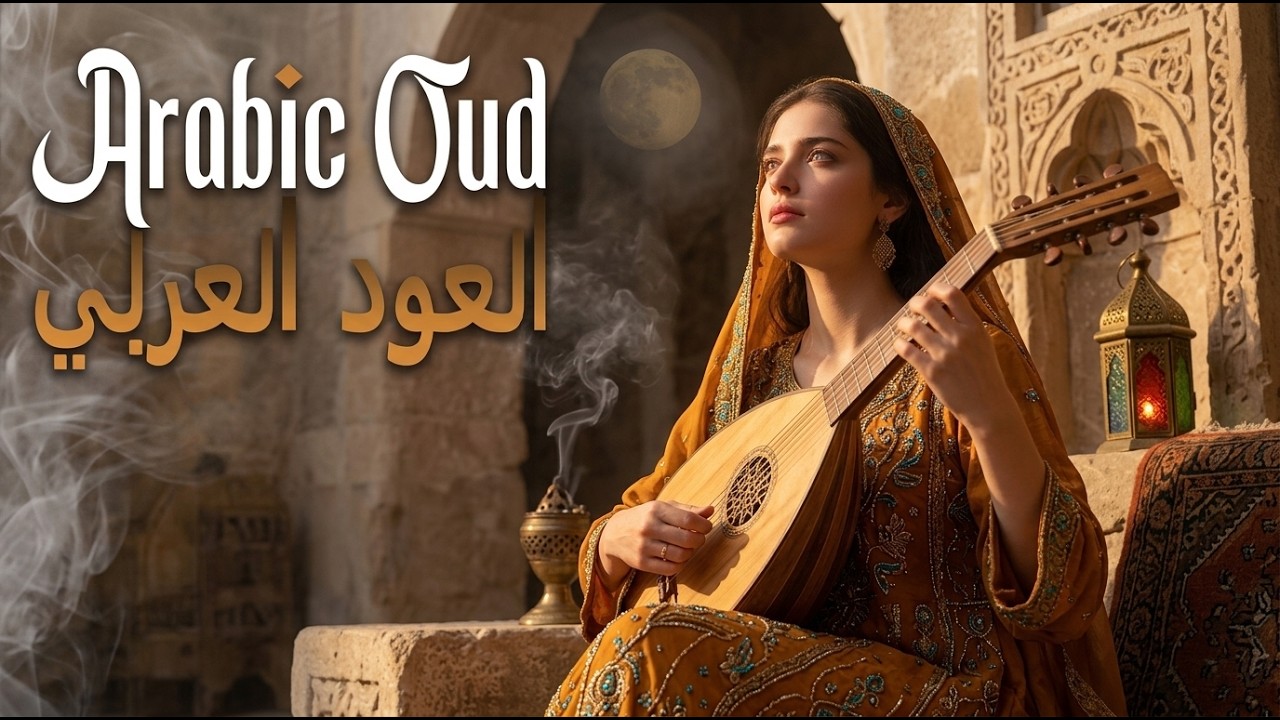
Arabian Night Breeze | Relaxing Middle Eastern Music 🌬️
104
This video presents a relaxing Middle Eastern musical experience featuring traditional instruments including oud, qanun, nay, darbuka, riqq, and santur, creating a peaceful desert ambience inspired by golden dunes and moonlit nights, suitable for relaxation, meditation, studying, and restful sleep.
Click to watch →

Positive Arabic Deep Ethno House | Traditional Muslim Instruments (Oud, Qanun Zither & Darbuka Drums
391
This video presents a one-hour musical journey blending traditional Middle Eastern instruments (Oud, Qanun Zither, and Darbuka Drums) with modern Deep House rhythms to create an uplifting, relaxing atmosphere suitable for studying, working, or meditation.
Click to watch →
Deep Dive
The basics of music sampling and how traditional folk melodies are integrated into modern digital audio workstations (DAWs).

DO NOT sample anything before you see this
21.3K
Traditional sampling involves three core steps: (1) Cutting out desired sections from the sample, (2) Adjusting duration using warp engines to match your project's tempo without changing pitch, and (3) Adding effects (EQ, overdrive, delay, reverb, compression) to blend the sample with your track. Key considerations include matching the sample's tempo to your project, choosing appropriate warp algorithms (beat for drums, complex for textured samples), transposing to match keys, quantizing markers to the grid, and applying effects to reduce artifacts and integrate the sample naturally into your production.
Click to watch →

Maschine Mikro Workflow - Jazzy Sample
99.8K
This tutorial demonstrates an efficient workflow for sampling in digital audio workstations, showing how to quickly loop a sample and layer additional instruments on top to create layered musical compositions.
Click to watch →
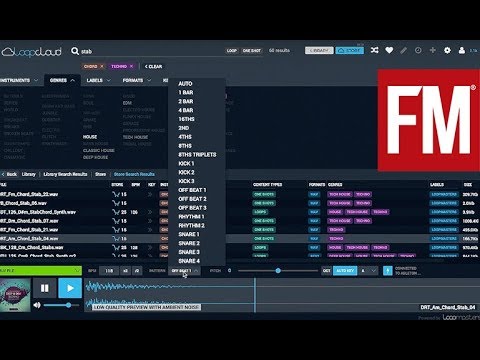
Getting the most out of Loopcloud 2.0 from Loopmasters – hands-on
7K
The workflow for integrating samples into DAWs involves several interconnected steps: connecting the VST plugin to establish communication, searching the library using tags and genres, auditioning sounds synchronized with project tempo, applying effects during preview, and downloading either original or processed versions. Processed versions include pitch shifts and rhythm changes applied during auditioning. This streamlined approach allows producers to audition, modify, and implement sounds within minutes rather than hours of traditional sampling workflows.
Click to watch →
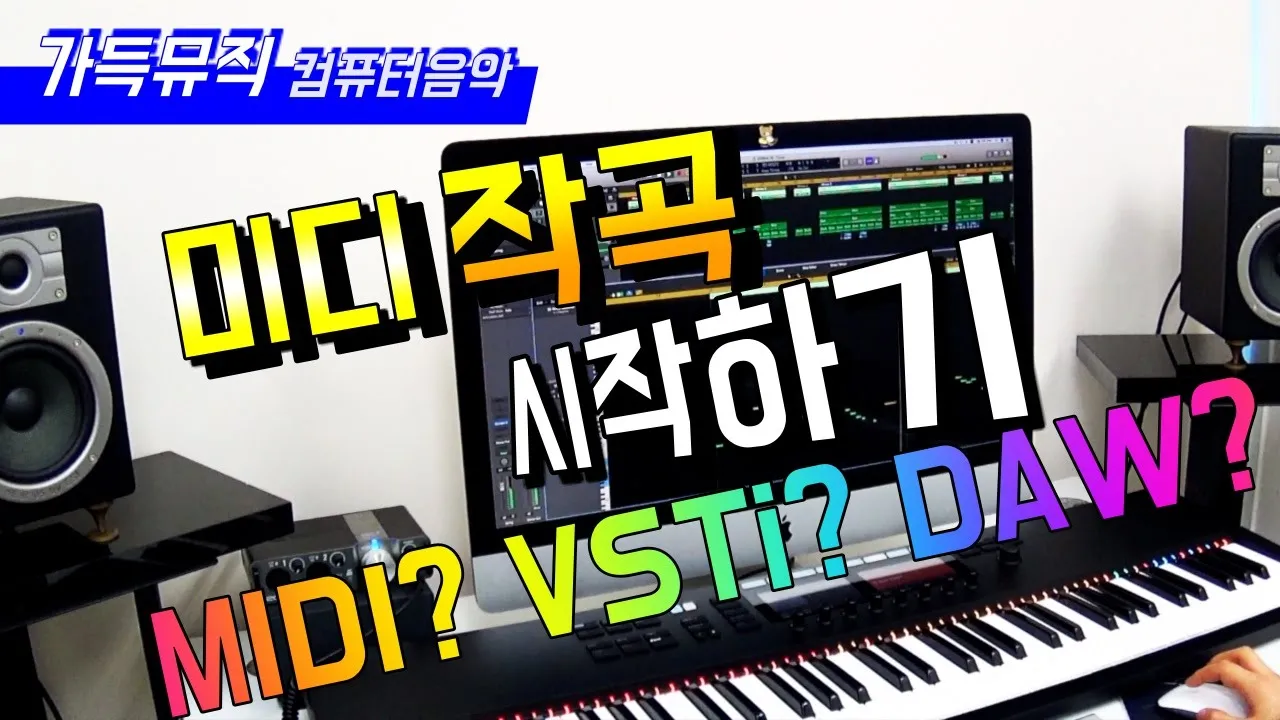
미디 작곡 컴퓨터 음악 시작하기 1강
20.9K
Sample libraries and sample CDs provided pre-recorded audio samples for music production. As computers evolved with increased hard drive capacity and RAM, music modules and samplers moved into digital environments. VSTi (Virtual Studio Technology Instrument) software instruments replaced physical hardware, enabling both sequencing and audio work within computers. Digital Audio Workstations (DAWs) like Logic and Cubase integrated recording, editing, and mixing capabilities. Modern setups use audio interfaces for high-quality recording and USB connections for external instrument integration.
Click to watch →

COMO SAMPLEAR MUSICAS ANTIGAS! | DREZITU
243
Music sampling involves extracting audio segments from existing recordings and transforming them into new musical compositions. The process includes cutting audio using selection tools, gluing segments together, adjusting tempo to match desired BPM (such as 80 BPM), and shifting pitch to change musical keys. These techniques require understanding how audio can be manipulated to create new artistic works from existing material.
Click to watch →
Prerequisite Knowledge
- Concept 01The concept of Arabic Maqamat (melodic modes) and the use of microtones or quarter tones in Middle Eastern music.
- Concept 02The defining characteristics of Deep House music, including its typical tempo (110-125 BPM), 4/4 time signature, and atmospheric soundscapes.
- Concept 03Familiarity with traditional Middle Eastern acoustic instruments, such as the Oud, Qanun, Nay, and Darbuka.
- Concept 04The basics of music sampling and how traditional folk melodies are integrated into modern digital audio workstations (DAWs).
Subsequent Learning
- Step 01Advanced digital audio production techniques for tuning software synthesizers to non-Western scales and microtonal systems.
- Step 02An exploration of the 'Organic House' or 'Multicultural Downtempo' electronic subgenres and key record labels driving the global fusion scene.
- Step 03The study of ethnomusicology, specifically focusing on the cultural exchange and ethical considerations of sampling regional music in global electronic tracks.
- Step 04Sound design methodologies for processing acoustic world instruments with electronic effects like sidechain compression, spatial reverb, and analog delays.
Desert Chant
Drum Beat
Echo Flames
Final Dance
Desert Chant
0:05Playing Section
- 1
Opening with rhythmic desert-themed vocals.
- 2
Lyrics emphasize flames, stars, and nocturnal dancing.
Cultural Essentialism and the Flattening of Traditional Maqam
While Arabic Deep House is celebrated for blending traditional sounds with modern beats, musicologists and cultural critics raise concerns regarding "neo-Orientalism" and the reduction of musical complexity. Critics argue that adapting traditional Arabic music—which relies on intricate microtonal systems (Maqam) and complex rhythmic cycles—to fit the rigid 4/4 time signature of Western electronic house music often strips the genre of its emotional depth (Tarab) and structural nuances. Furthermore, there is a critique that such fusion music risks commodifying and exoticizing Middle Eastern culture, reducing diverse, sacred, or classical traditions into superficial "chill vibes" or background lounge music designed primarily for Western-centric consumer markets. This perspective urges a deeper respect for the integrity and socio-historical context of the original musical forms over mere aesthetic hybridization.
Deep Dive
Advanced digital audio production techniques for tuning software synthesizers to non-Western scales and microtonal systems.
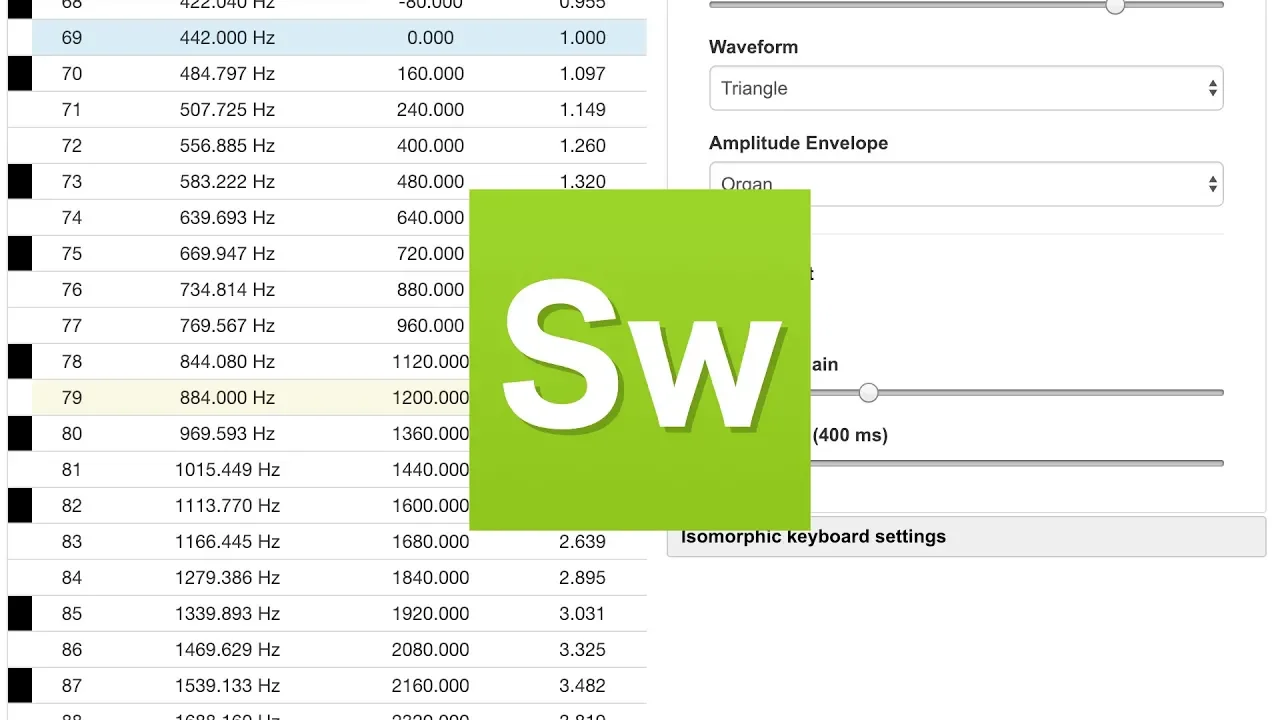
Making microtonal scales with Scale Workshop
12.9K
Scale Workshop enables users to implement custom microtonal tunings across major digital audio workstations and synthesizers. The application supports exporting to multiple formats including Anna Mark Tune files for Omnisphere, Native Instruments, and Serum; Scala files for Arturia synths and GPO 4; Carla files for open-source synths like ZynAddSubFX and Absynth; Max/MSP text files for Max/MSP and Pure Data environments; and Kontakt scripts for Native Instruments Kontakt instruments. This comprehensive compatibility allows musicians to experiment with microtonal tunings across their entire software synthesizer collection.
Click to watch →

Çifteli: This microtonal instrument changed the way I think about music
1.3M
The Çifteli (shiftili) is a traditional folk instrument from Albania and Kosovo that uses a microtonal tuning system based on the Turkish makam husseini scale, which divides the octave into 53 intervals rather than the 12 equal parts used in Western music; this demonstrates how different cultures develop unique musical scales outside the Western 12-tone equal temperament system, and how modern digital audio software can be adapted to support these alternative tunings for authentic musical reproduction.
Click to watch →
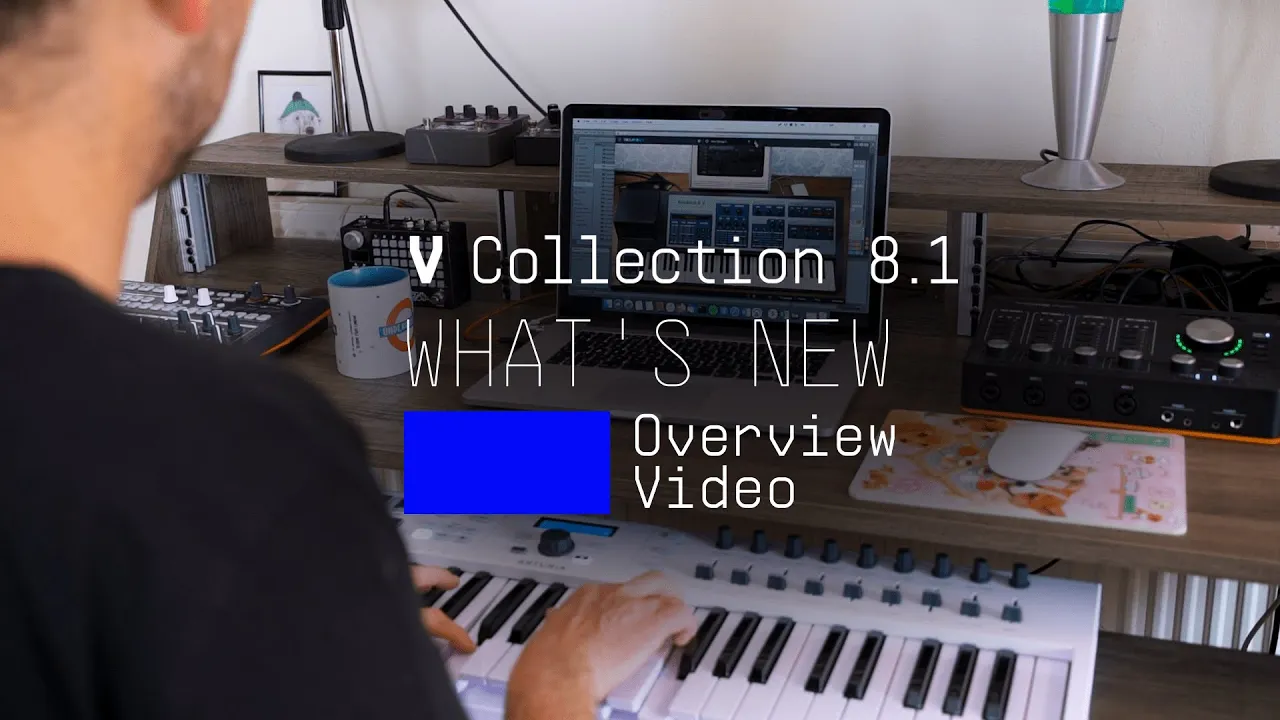
Tutorials | V Collection 8.1 - What's New?
30K
Modern software synthesizers offer sophisticated control options including oscillator synchronization (where one oscillator controls another's frequency), envelope retrigger functions that replicate vintage hardware behavior, and chord modes matching across instrument collections. The integration of micro-tuning technology via MTS EST MINI enables non-Western scales across multiple instruments, allowing producers to create globally unified sessions with alternative harmonic systems. This represents the convergence of precise digital control with expanded musical expression possibilities.
Click to watch →
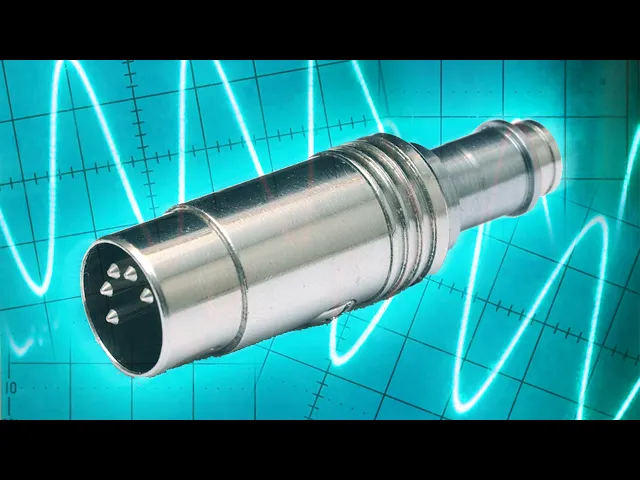
Engineering the World's Smallest Full-Featured MIDI Synthesizer
222.4K
Standard MIDI cannot send microtonal notes because it only supports 12-tone equal temperament. Microtonal keyboards solve this by sending each note on a different MIDI channel with its own pitch bend amount. Alternatively, tuning tables allow any note on any channel to be reassigned to any frequency, enabling experimentation with scales like 13 notes per octave. Tuning can be applied per channel or uniformly across all channels.
Click to watch →

Türk Rapsodisi / Turkish Rhapsody Concert - 2022 CRR, İstanbul
229.4K
When checking the tunings of 100-year-old recordings of master Turkish musicians such as Tamburi Cemil Bey, minute differences in pitch between all the notes he plays and the Western system are noticed. None of them precisely match. Additionally, Turkish perdes such as 'Segah, Hisar, Eviç' have no notes even close to them in the Western system. These are called 'sounds with commas' by musicians.
Click to watch →
Deep Dive
An exploration of the 'Organic House' or 'Multicultural Downtempo' electronic subgenres and key record labels driving the global fusion scene.
Solarstone pres. Pure Trance Radio Episode 444
9.8K
Organic house is a subgenre of electronic music that has developed alongside progressive house and trance, characterized by its organic, natural sound design and melodic elements. The genre represents the interrelation of different electronic music styles. The show features tracks from Saloona Music and When Stars Align labels, demonstrating the diversity of electronic music releases. The host discusses how genres interrelate and how different labels support various subgenres within the electronic music scene.
Click to watch →

ORGANIC HOUSE & DOWNTEMPO - Ethnic Vibes from Anatolia (DJ MIX)
413
Organic house and downtempo music genres are characterized by atmospheric, soulful soundscapes that blend electronic elements with organic textures, creating a relaxed and introspective listening experience that often incorporates ethnic and world music influences from various cultural traditions.
Click to watch →
![Kolomin - MIracle [UYSR138] #downtempo #organichouse #electronicmusic #slowhouse #underyourskin](https://i.ytimg.com/vi/STLyaBq1a6A/maxresdefault.jpg)
Kolomin - MIracle [UYSR138] #downtempo #organichouse #electronicmusic #slowhouse #underyourskin
1.4K
Organic house music is a genre characterized by warm, atmospheric soundscapes that blend electronic production with organic, natural textures, creating immersive and emotional musical experiences suitable for various settings from lounges to dance floors.
Click to watch →
Aman Dava - Buscando
1.3K
Organic House is a subgenre of Electronica characterized by its blend of electronic production with organic, natural elements, typically featuring downtempo rhythms around 100 BPM and atmospheric textures that create a relaxed, immersive listening experience.
Click to watch →

SANTA MEDICINA (Organic Downtempo)
40.2K
Organic downtempo music is a genre that blends electronic production techniques with ethnic musical elements, creating a deep, atmospheric soundscape that incorporates vocals and spiritual chants from multiple continents to facilitate an inner, spiritual journey for listeners.
Click to watch →
Deep Dive
The study of ethnomusicology, specifically focusing on the cultural exchange and ethical considerations of sampling regional music in global electronic tracks.
![Silly Rama - Un Chat Un Chat [Full Album Official Audio]](https://i.ytimg.com/vi_webp/Bzg2UgSCHY0/maxresdefault.webp)
Silly Rama - Un Chat Un Chat [Full Album Official Audio]
30.5K
This album demonstrates how ethnomusicological sampling can create experimental music by incorporating traditional sounds from diverse global cultures, including Polish, Moldovan, Georgian, Italian, Russian, Japanese, Ukrainian, Iranian, Brazilian, Romanian, Irish, Korean, Chinese, French, Filipino, Hungarian, Indian, Egyptian, Algerian, German, Peruvian, Greenlandic, and Antarctic sources, representing nearly every continent in a single musical work.
Click to watch →

EL SENTIDO DEL HUMOR | Lonkomedia | 3 de Julio de 2025
80.9K
Ethnomusicology is the study of music from cultures outside the Western classical canon, including genres like reggaetón and cumbia. It examines how music reflects and influences cultural history and popular culture, focusing on the double meanings and cultural significance embedded in musical traditions.
Click to watch →

Leila Adu-Gilmore — Intersectional approaches to music tech, improvisation, theory & composition
186
Global electronic music shares innovations throughout the African diaspora, spreading like ripples on a lake. Recorded music and electronic music are rich resources for research on underrepresented cultures whose music stems from oral traditions. European colonizers used music culture as tools of colonization. Intersectionality calls for deeper discussion including class, gender, sexuality, and disability. Critical sonic practice is a framework for socially engaged research through indigenous epistemologies, embodied listening, and culturally relevant pedagogy. Indigenous epistemologies provide critical questions: whose research is it, who owns it, whose interest does it serve, who will benefit, and are the questions useful to us?
Click to watch →
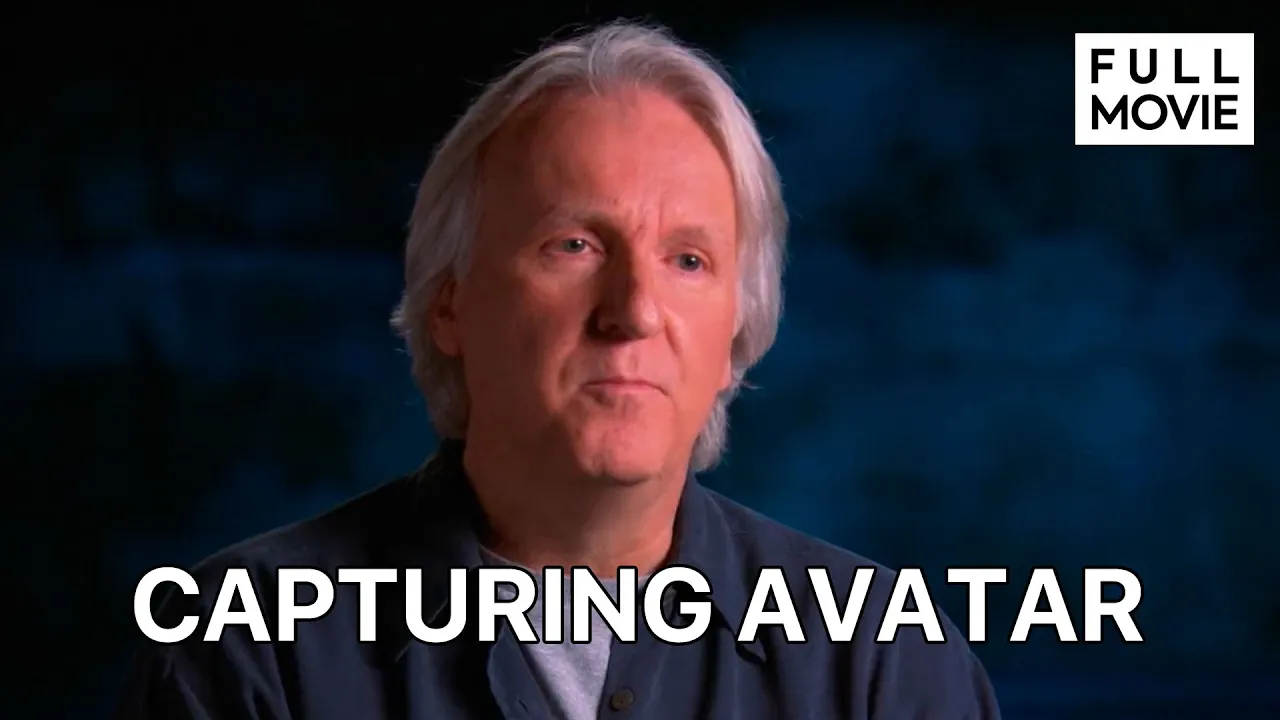
Capturing Avatar | English Full Movie | Documentary
1.9K
James Cameron challenged composer James Horner to create music for a world that doesn't exist. Horner brought in an ethnomusicologist to collect sounds, vocal sounds, and instruments from around the world. The art department drew 12-15 ethnic percussion instruments that actors would play. Horner then sampled these instruments and worked with them electronically to create sounds that were neither purely human nor purely alien, achieving a unique spectral quality. Paul Fromer, who created the Na'vi language, was asked to write syllables and consonants that could be used in singing, ensuring the music was true to the Na'vi language.
Click to watch →

Interview w/ Prof. Noriko Manabe
2.1K
Ethnomusicology research involves fieldwork among musicians to understand their techniques and cultural contexts. The researcher conducted fieldwork in Japan (2005, 2008-2009) meeting with rappers and reggae artists to study how Japanese language adapts to Western musical genres. This research evolved from studying Latin/Cuban music to focusing on Japanese rap, reggae, and dance music, culminating in a dissertation about how Japanese musics have been adapted toward Western genres since the 1880s children's songs (shoka).
Click to watch →
Deep Dive
Sound design methodologies for processing acoustic world instruments with electronic effects like sidechain compression, spatial reverb, and analog delays.
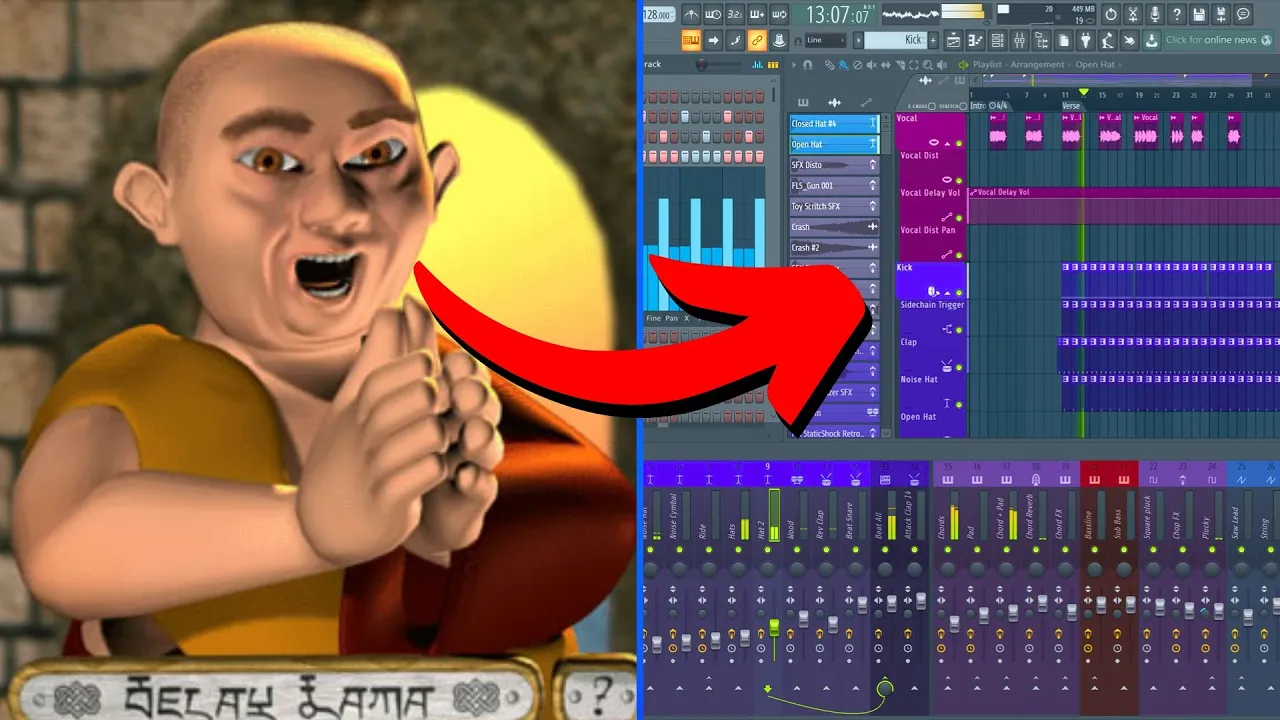
😰Usé el PEOR SYNTH del mundo para hacer musica (Pasó esto) | Delay Lama Tutorial
43.5K
Effective sound design requires multiple processing stages: Equalization reinforces specific frequencies (e.g., boosting bass for thin sounds), Distortion adds character and power, Envelope Controllers create filter movement for rhythmic sweeps, and Side Chain effects (using low-pass filters or compression) prevent frequency clashes. These techniques transform basic synthesizer sounds into professional musical elements.
Click to watch →

HARDSTYLE REVERB EFFECT IN FL STUDIO | Hardstyle Tutorial
22.9K
Sidechain compression creates dynamic reverb that opens when the source stops playing. Load reverb on a send, add 3D Limiter in compression mode with sidechain to your source. Adjust threshold and release for the sweet spot—faster response for quick melodies, longer release for slow melodies. For delay, use Echo Boy with space echo style, 100% wet, feedback, and filtering. Remove base frequencies from reverb and delay to prevent muddiness.
Click to watch →

Mix Your Vocals To Sound Like The Biggest Songs In The World!
80.6K
Sidechain compression is used to duck down reverb and delay signals when the vocal is playing, preventing them from competing with the vocal. Set up a bus with no output, place it on pre-fader, and set the level to zero decibels. This bus is used to sidechain the reverb and delay to the vocal signal. Reference the atmospheric quality of the reference track to determine how much reverb and delay to use - some tracks are 'wet' with lots of reverb while others are drier.
Click to watch →
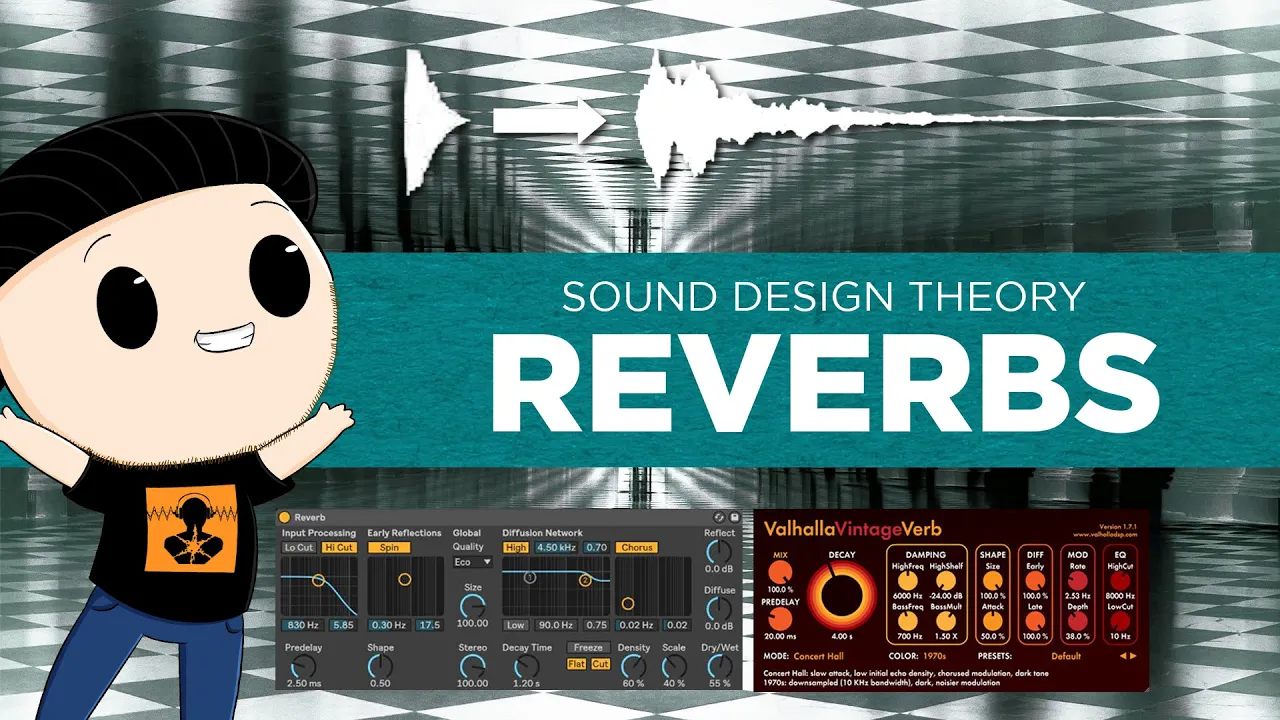
Everything about REVERB explained very FAST - Sound Design Theory
49.1K
Sidechain compression can be used with parallel reverb to create dynamic reverb behavior. By routing the dry signal to trigger the compressor on the wet reverb channel, the reverb will only appear after the dry signal has stopped playing. The release time of this compressor can then be adjusted to control how quickly the reverb returns after the dry sound has finished. This technique creates a pumping or breathing effect where the reverb responds dynamically to the rhythm of the dry signal, adding movement and interest to the mix.
Click to watch →
Svdden Death Production Live Stream
66.7K
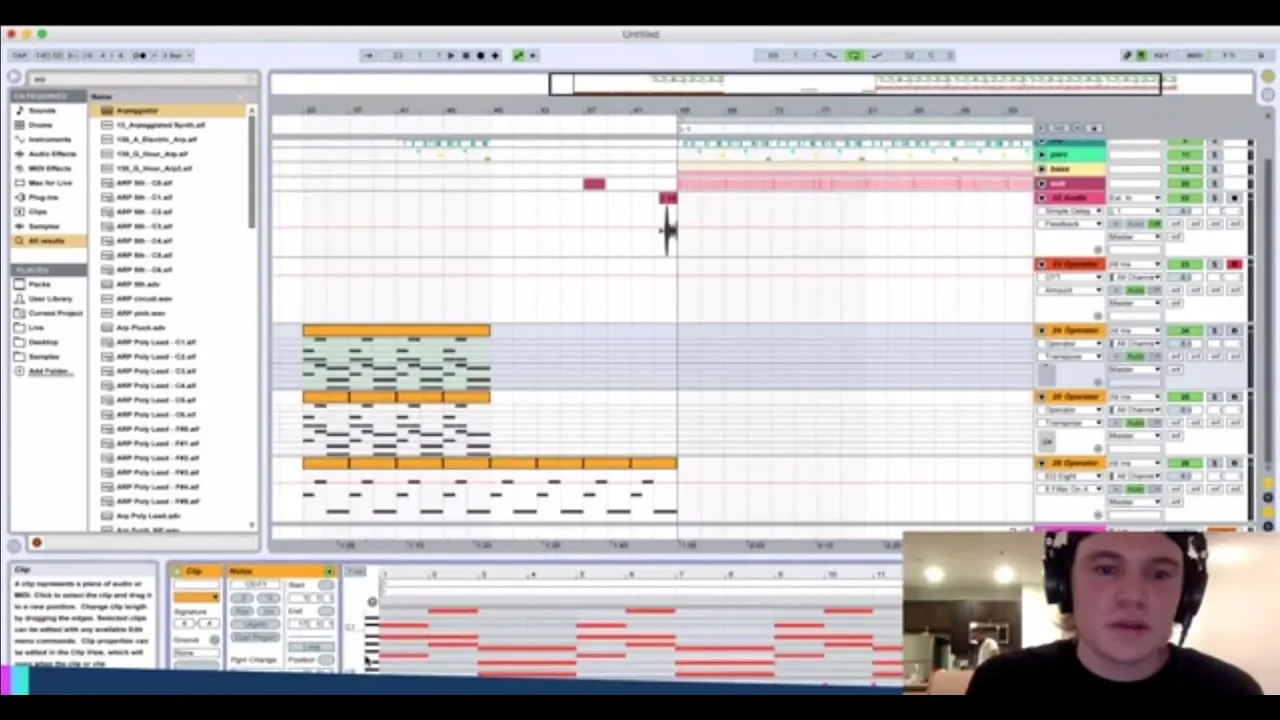
This extended segment covers sidechain compression and sound design techniques. The producer demonstrates creating a sidechain effect using a ghost sidechain to the snare, generating white noise with an operator to create rhythmic ducking patterns. Specific settings are provided: threshold very low, attack around 35 milliseconds, and ratio set high. The session covers using auto pan with triplet patterns to add movement to percussion. The producer then transitions to sound design using Serum, explaining that sound design involves extensive tweaking and post-processing. The session covers using LFO and auto pan automation to add movement to sounds, and demonstrates using Ableton's beat mode for creating unique sounds by manipulating audio clips.
Click to watch →
Desert Chant
Drum Beat
Echo Flames
Final Dance
Desert Chant
0:05- 1
Opening with rhythmic desert-themed vocals.
- 2
Lyrics emphasize flames, stars, and nocturnal dancing.
Cultural Essentialism and the Flattening of Traditional Maqam
While Arabic Deep House is celebrated for blending traditional sounds with modern beats, musicologists and cultural critics raise concerns regarding "neo-Orientalism" and the reduction of musical complexity. Critics argue that adapting traditional Arabic music—which relies on intricate microtonal systems (Maqam) and complex rhythmic cycles—to fit the rigid 4/4 time signature of Western electronic house music often strips the genre of its emotional depth (Tarab) and structural nuances. Furthermore, there is a critique that such fusion music risks commodifying and exoticizing Middle Eastern culture, reducing diverse, sacred, or classical traditions into superficial "chill vibes" or background lounge music designed primarily for Western-centric consumer markets. This perspective urges a deeper respect for the integrity and socio-historical context of the original musical forms over mere aesthetic hybridization.
The concept of Arabic Maqamat (melodic modes) and the use of microtones or quarter tones in Middle Eastern music.
The defining characteristics of Deep House music, including its typical tempo (110-125 BPM), 4/4 time signature, and atmospheric soundscapes.
Familiarity with traditional Middle Eastern acoustic instruments, such as the Oud, Qanun, Nay, and Darbuka.
The basics of music sampling and how traditional folk melodies are integrated into modern digital audio workstations (DAWs).
Advanced digital audio production techniques for tuning software synthesizers to non-Western scales and microtonal systems.
An exploration of the 'Organic House' or 'Multicultural Downtempo' electronic subgenres and key record labels driving the global fusion scene.
The study of ethnomusicology, specifically focusing on the cultural exchange and ethical considerations of sampling regional music in global electronic tracks.
Sound design methodologies for processing acoustic world instruments with electronic effects like sidechain compression, spatial reverb, and analog delays.
19.6K views276likes7:55@sahmirmusicOriginal Release: 2025-10-26
Up Next
4:01
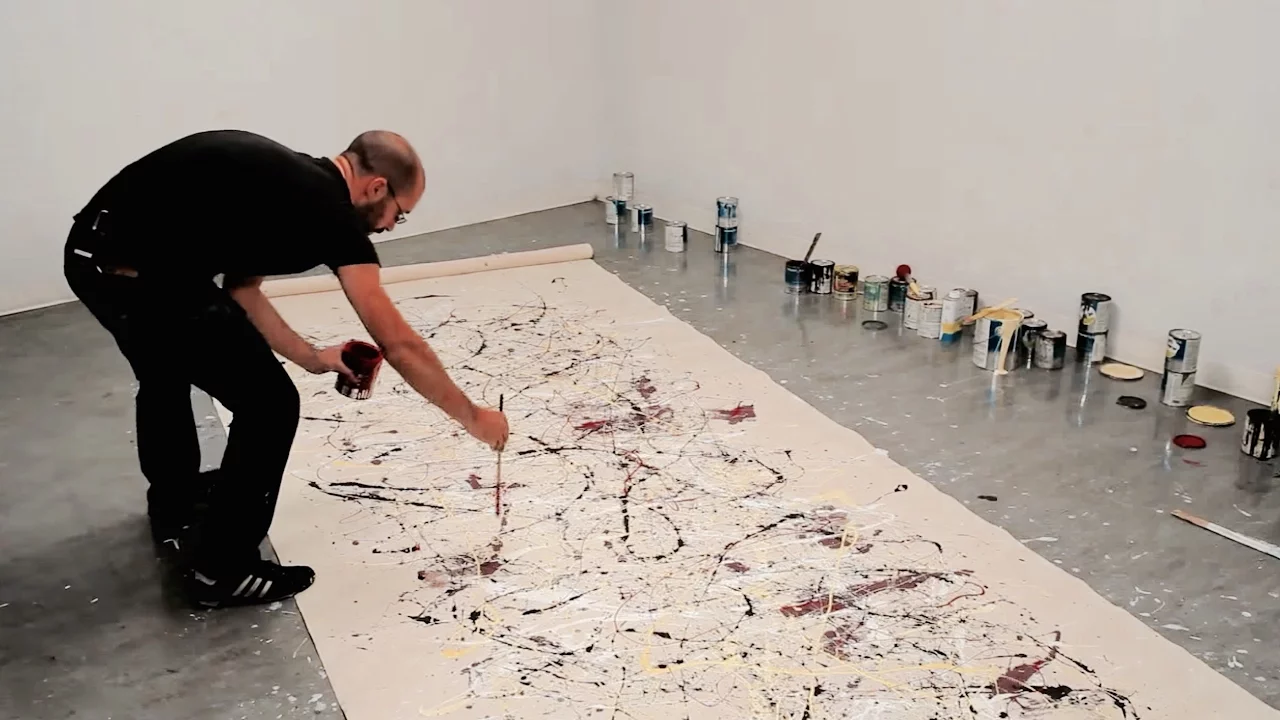
Jackson Pollock's Action Painting Technique | MoMA In the Studio
@themuseumofmodernart
1.6M views•2010-10-24

12:54
Triumph of Orthodoxy Icon: Byzantine Art & History Explained
@BenCallan
2.1K views•2024-08-06

9:49
FastAPI vs Flask vs Django: Choosing the Right Python Web Framework
@TechWithTim
302.5K views•2024-05-26

1:42
Game of Thrones Opening Credits: A Cinematic Analysis
@gameofthrones
46.3M views•2011-04-18
Related Study Plans & Knowledge Roadmaps
Structured learning paths in General & Interdisciplinary Studies
general-studies
Elevator Engineering: History, Physics & Cities
01From Hoists to Safety Brakes: The Dawn of Vertical Lift
02Hydraulic vs. Traction: The Engineering Physics of Elevators
03Modern Speed, Safety, and Algorithms
+ 2 more learning modules
12h5 modules
Explore Roadmap
general-studies
Rubber: Material Science, History & Geopolitics
01Origins of Natural Rubber & Mesoamerican History
02The Chemistry of Natural Rubber & Vulcanization
03The Geopolitics of the Rubber Boom & Colonization
+ 2 more learning modules
12h5 modules
Explore Roadmap
general-studies
Containerization: Evolution, Logistics & Trade
01Ancient Trade & Bulk Cargo: Amphorae to Barrels
02The Industrial Revolution & Cardboard Packaging
03The Containerization Revolution: Malcom McLean
+ 2 more learning modules
12h5 modules
Explore Roadmap
general-studies
Textile Tech: Evolution, Labor & Global Impact
01Pre-Industrial Textiles: Handloom & Cottage Industry
02Mechanization: The Spinning Jenny to the Power Loom
03The Factory System & Global Labor Transformation
+ 2 more learning modules
10h5 modules
Explore Roadmap