




















Arabic music uses a unique system called Maqam, which consists of groups of notes called Jins (or Ajnas) that create specific musical colors; when these Jins are combined, they form complete Maqam structures, and unlike Western scales, this system requires understanding the relationships between these note groups rather than finding parallels with Western music theory.
Arabic Maqamat Explained: Guitar Tutorial for World Music
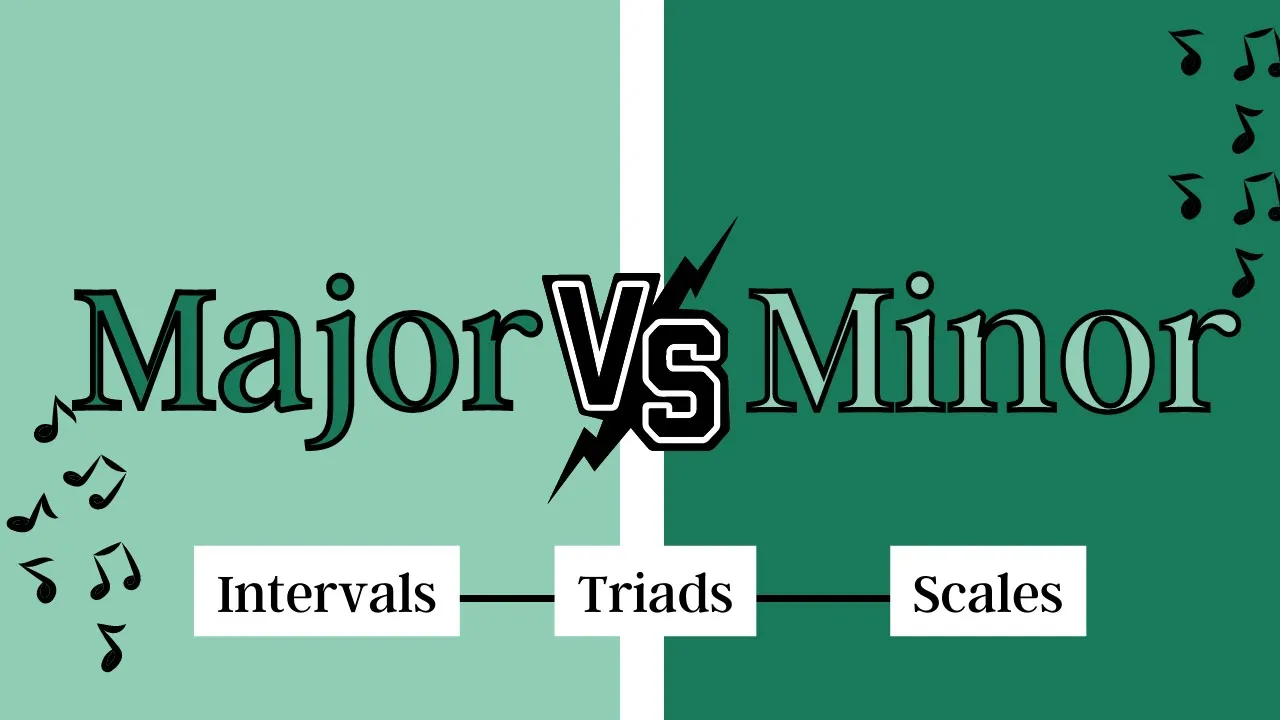
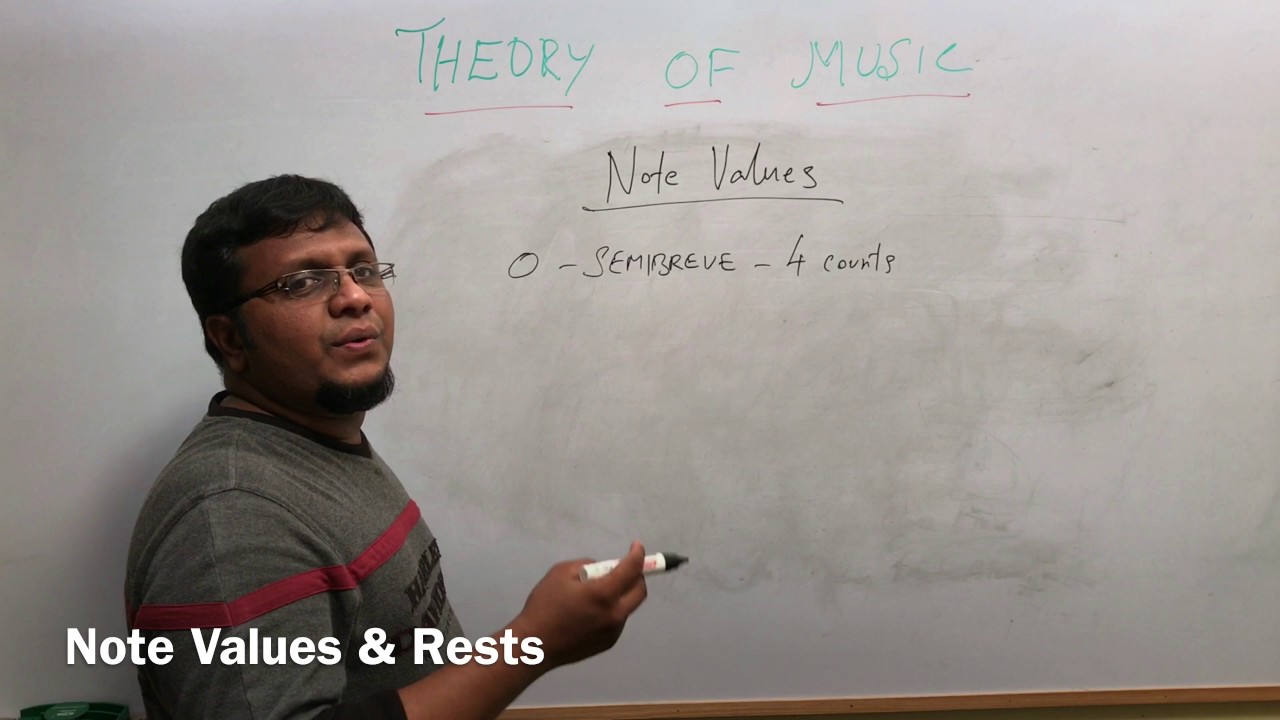
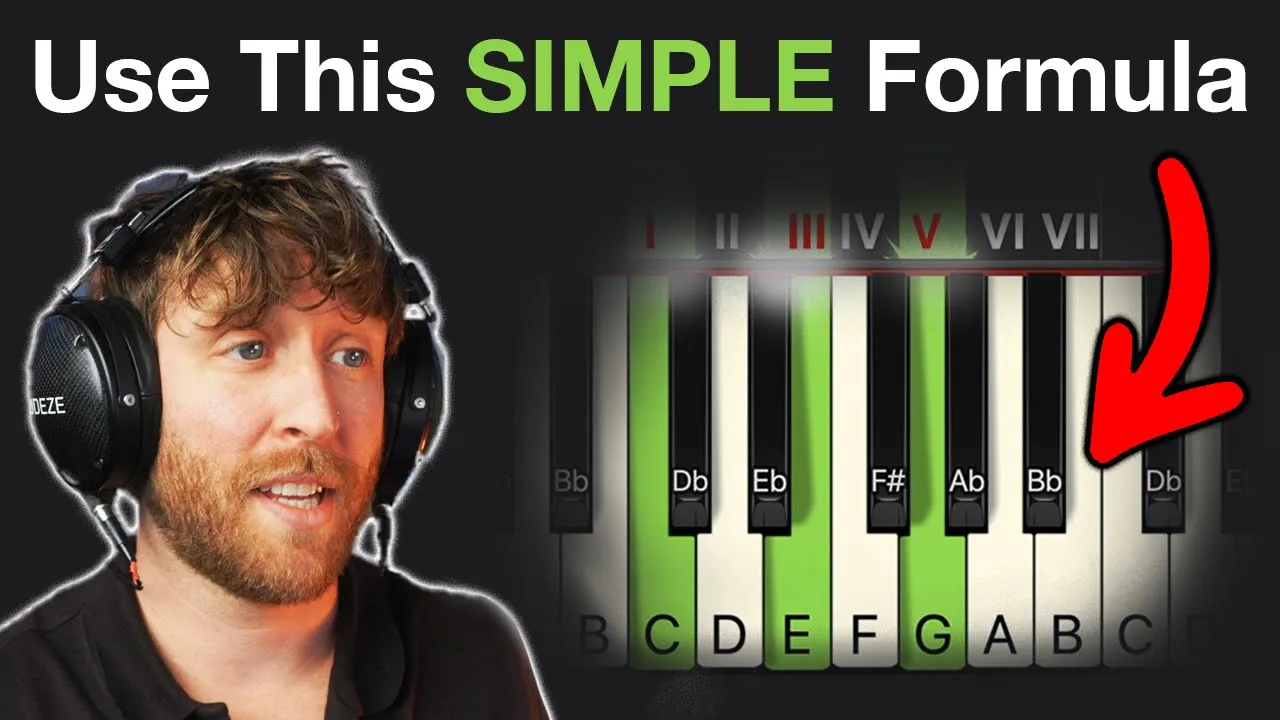
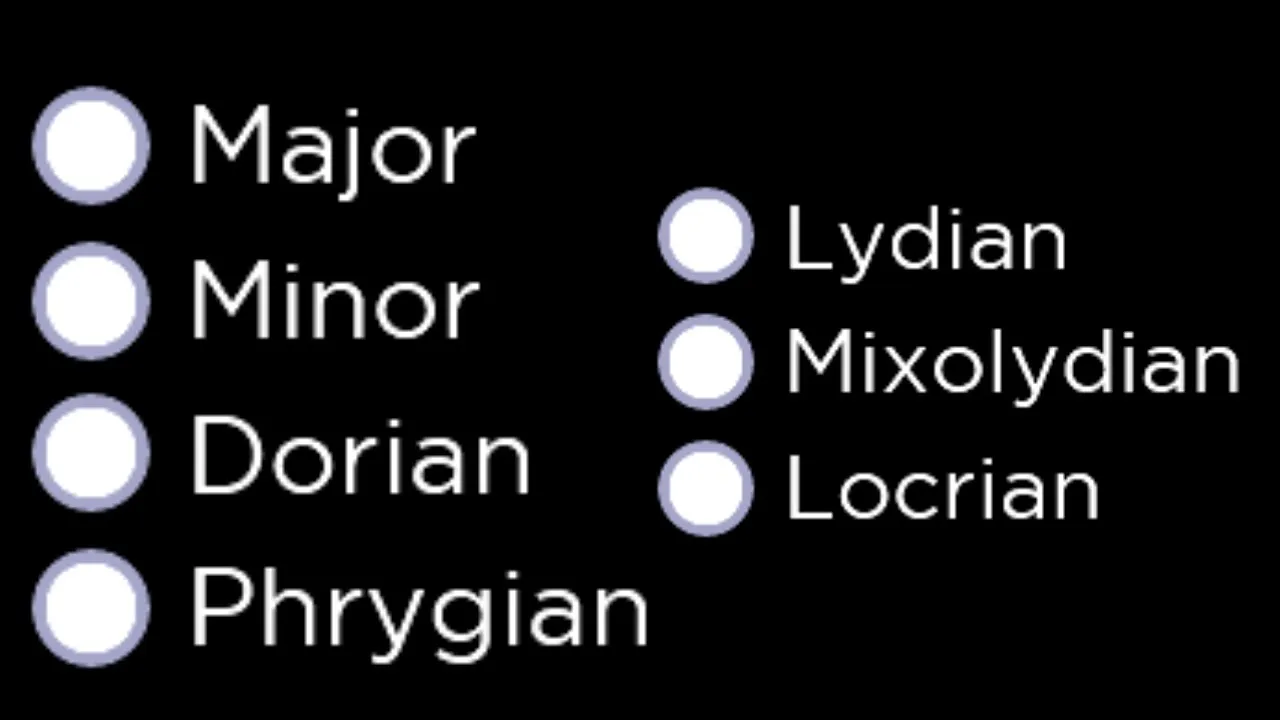
Added:Basic Western music theory, specifically the construction of major and minor scales, intervals, and modes.
Familiarity with the guitar fretboard in standard tuning, including standard fingerings and scale patterns.
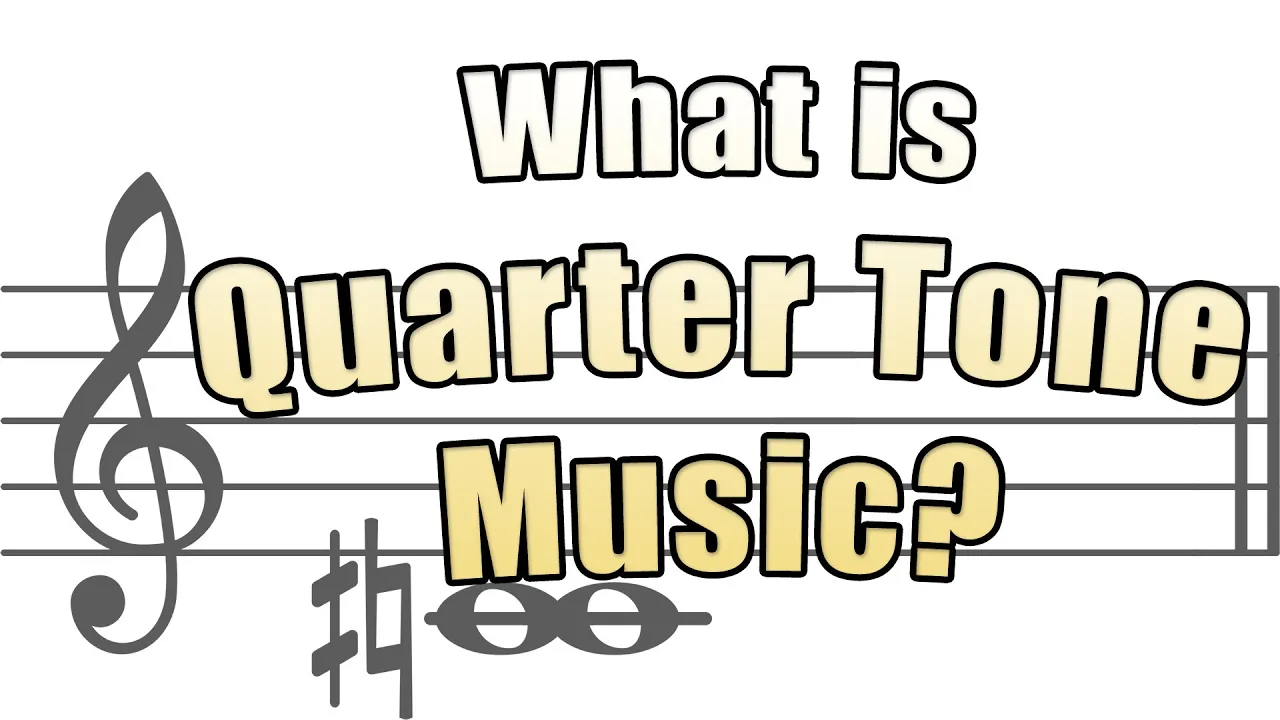
An introductory understanding of microtonality and how quarter tones differ from the Western 12-tone equal temperament system.
Basic guitar techniques such as string bending and hammer-ons/pull-offs, which are essential for articulating microtonal nuances.
Developing improvisation skills within Arabic music, specifically mastering the art of Taqsim (solo melodic improvisation).
Exploring advanced ornamentation techniques on the guitar, such as Oud-style tremolo, specific slides, and microtonal vibrato.
Studying modulation (transitioning) rules between different maqamat and ajnas during a performance.
Integrating traditional Middle Eastern rhythmic cycles (Iqa'at) with maqam-based melodies on the guitar.
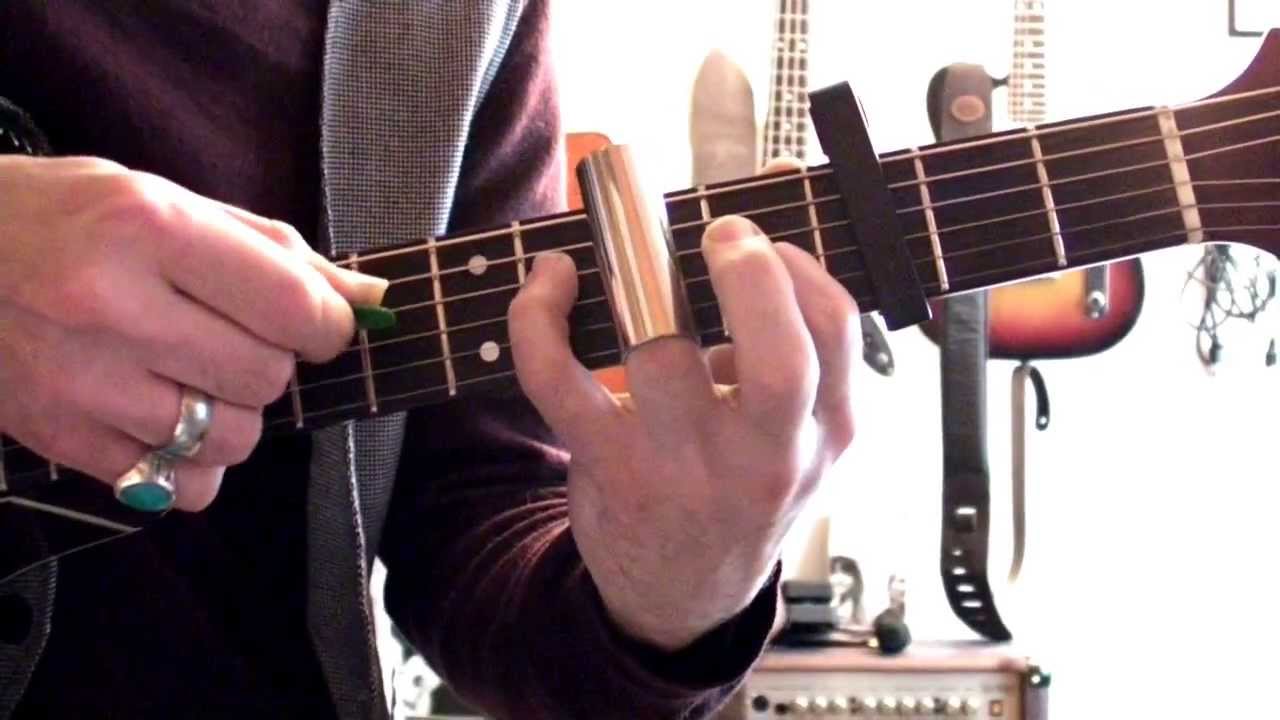
Investigating physical adaptations for microtonal guitar playing, such as using fretless guitars or adjusting to microtonal fret layouts.
1.6K views47likes7:14Original Release: 2023-01-13
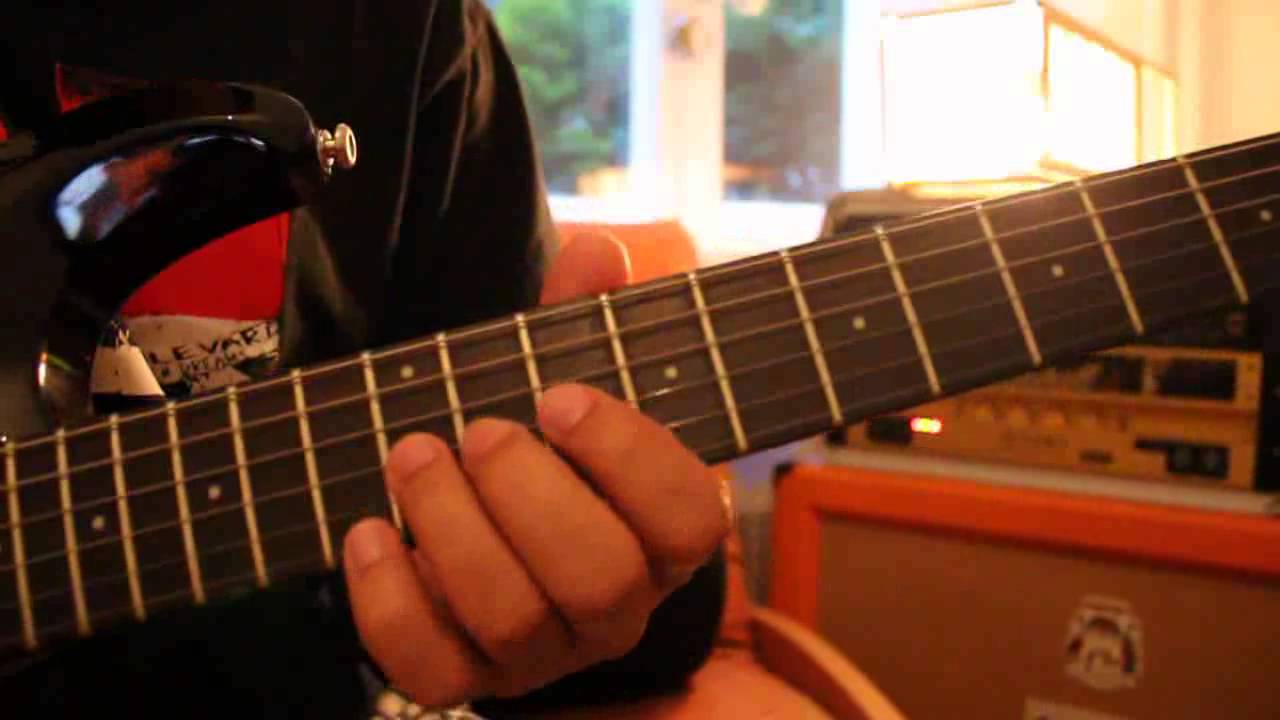
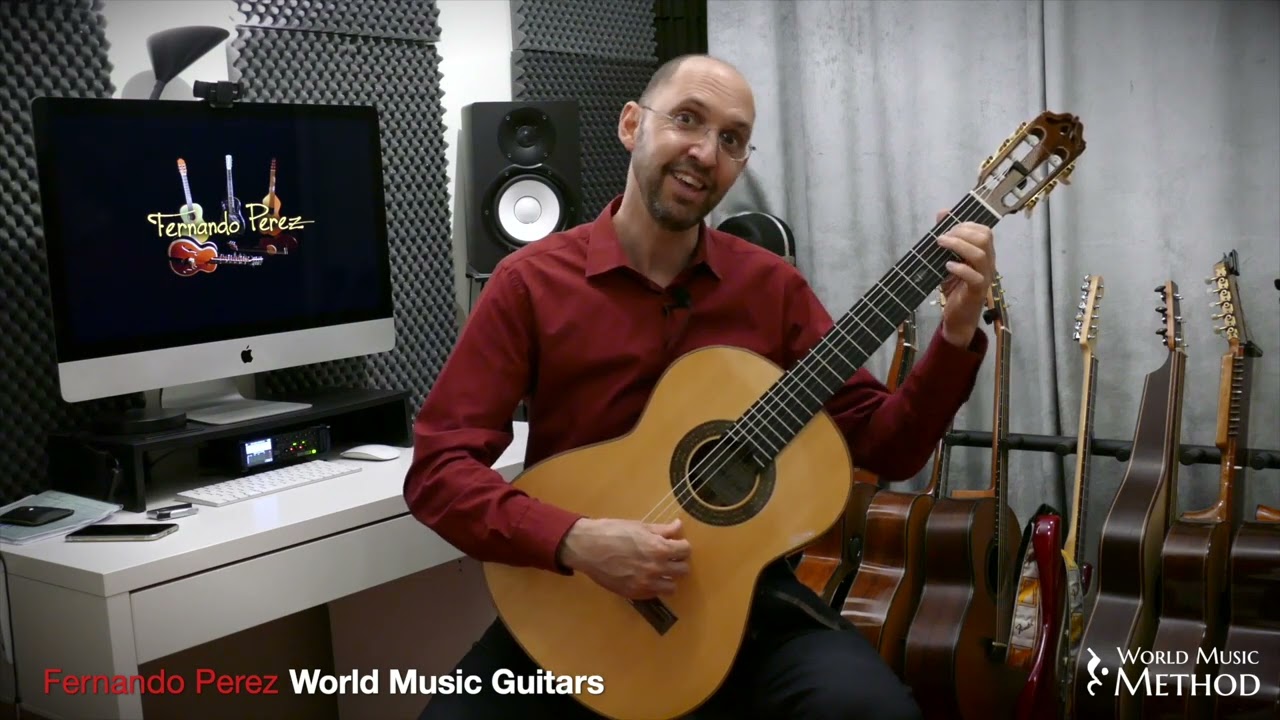
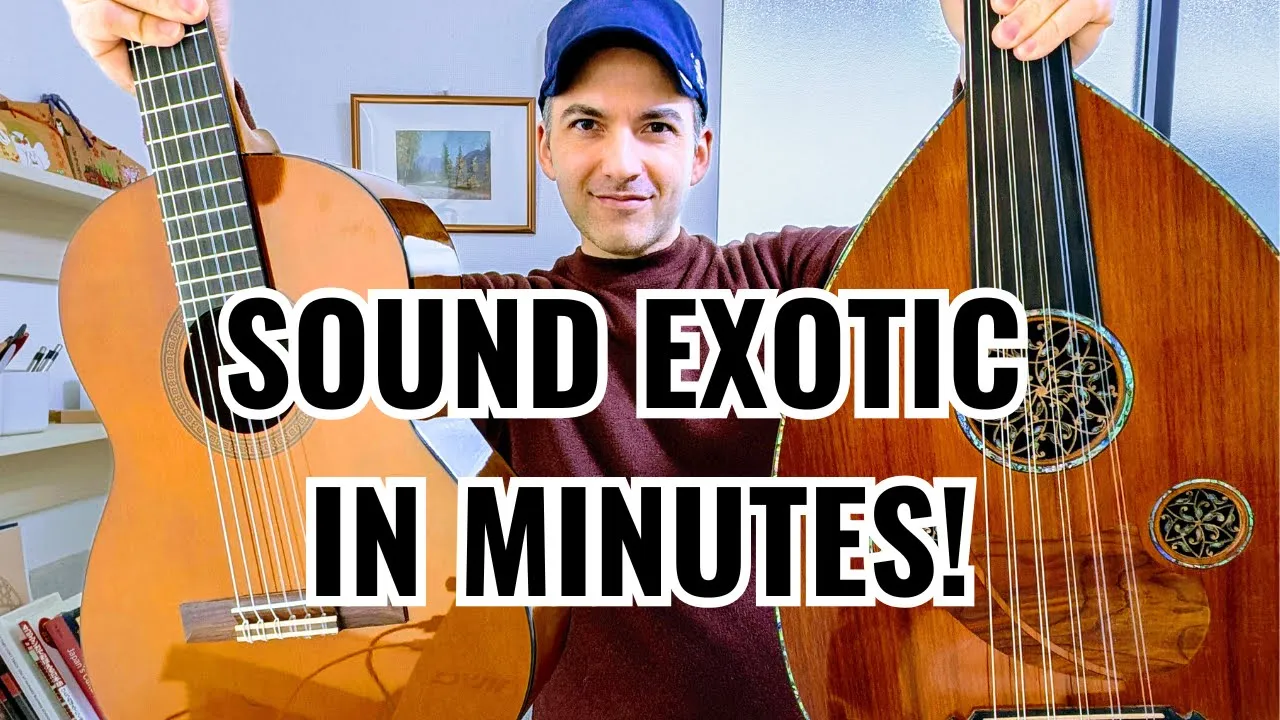
hey everybody I'm just making a short video here just to explain you a some things about Arabic music and how the system used on this kind of music works it's always very important um when you're playing the music on the original instruments and even more when you're playing on on something like the guitar you know like I'm doing it and trying to to preach about yeah so it's very important to to to understand this system in order to apply it to the instrument that you want to apply okay so first thing and I would suggest you highly suggest you especially if you are a western musician or you know a western music Concepts and theory and things like that try to forget about it put it aside for a while and don't go looking for um parallel things or similar things you know from the system even avoid calling things like you know take them a comment don't avoid calling it a scale or things like that okay because this music is doesn't work like that and the more you try to to find the similarities the more confused you're gonna get okay so the musical system for Arabic music is what we call makam okay and this is like I said it's not on a scale it's a group of notes and how they work well actually in reality is several groups of notes okay we have something on a smaller cell called genes or atchanas in plural um these are just a group of notes that give a color and then you take this group of notes then you put it next to another and when you join both of them you get them account and then even there you can have some other group of notes that are related and you can move on you can move to this group and get different flavors okay I'll give you I'll give you an idea I can have what I call a jeans crust which is [Music] okay has a certain a certain color okay and then I can have another uh jeans that is called hijaz very common [Music] if I join both [Music] okay and here I have my cam and snack which basically is the combination of those two and still I can make other uh other moves to different colors I would not call it modulations or things like that I don't want you I mean you could call it like that but you have to be very careful okay to start thinking like in western music otherwise say the direction will start getting you know off track and and like I said eventually will be very frustrating to learn this music okay so um what else what else so this is what macam is and we have what we call a car which is the Rhythm the Rhythm there are different Arabic rhythms with the resin which is like the weight okay because these rhythms are Cycles okay and they have certain bits that are important although that are not so important so the weight you know goes in different places and it makes the whole thing work okay and there are different ones so we have a to give you a quick one a famous semi Rhythm you know it's 10 bits and goes dun ES is the low note of the percussion instrument and the attack is the high note and the S is like a rest of Silence okay and that's like the basic pattern to give you the the weight that wasn't and on the on the Rhythm yeah so what else um it's very cool to know that well if you study the Arabic Markham you're going to find many applications in terms of you can play Arabic music but it will be easier also it will be easy if one day you want to move to the for instance to Turkish music because they also use a system called comma cam it's similar to the Arabica it has some differences too you know but it's relatively close so but also there are other types of music you know we hear a lot these days you know it's many people like for instance desert Blues you know from the Sahara desert in North Africa and a lot of those guys are also influenced you know by all the different sounds of the makam you know that have you know arrived to their culture in their own mix and blend with different styles so it's a way of understanding also many other styles of music okay um well that's basically how things work on on the macam system in a very simple way okay um I as always I recommend you or some of my books about different war music Styles I have Wanda for instance there is about Arabic music originally it was a addressed for friendless guitar but it actually can be applied for another normal guitar and even with this added Frets you know that they're very easy to put on the guitar and they don't damage the guitar or anything but this is something I explained in a different video and it's called how to make something like how to make fret let's not fret less but fredlets okay you can watch that and I will explain more about it in future videos you know specifically for Arabic music so so this book I was saying you know about Arabic music for fretless guitar you can use it on a fretless guitar and on a guitar using a few Frets like smaller Frets like this one you see right here you don't need so many as you see on this this video you know just with less than that you can play a good Arabic music and so all the material in this book the techniques different compositions and and music and tops that I'm I put there you can you can use in both guitars or even you can even take an electric guitar and put these things too and and learn the music remember I'm talking about these things but don't think it's something that is fixed and you know it's glued to the guitar or anything like that no no it's this is something temporary you take on and off without damaging the instrument so if you want to give it a try just know that it's that easy um I'm Gonna Leave Here for now yeah because I said it was a brief explanation of the general idea of Arabic music and music stay tuned for for other other videos or even check out some other Publications I have on my website for different war music Styles all right bye
Up Next

36:34
Maqam Lesson 08: Jins Bayati | Arabic Music Theory
@abushumays
7.9K views•2020-12-11

26:22
Walking in the City: Urban Rituals and the Flâneur in Contemporary India
@PSBTIndia
1.9K views•2016-08-02

9:49
FastAPI vs Flask vs Django: Choosing the Right Python Web Framework
@TechWithTim
302.5K views•2024-05-26

1:42
Game of Thrones Opening Credits: A Cinematic Analysis
@gameofthrones
46.3M views•2011-04-18
Related Study Plans & Knowledge Roadmaps
Structured learning paths in General & Interdisciplinary Studies
general-studies
Artificial Light: History, Tech & Human Impact
01The Pre-Electric Era: Fire, Oil, and Gas Lighting
02The Incandescent Revolution and Grid Electrification
03Gas Discharge and Fluorescent Illumination
+ 3 more learning modules
14h6 modules
Explore Roadmap
general-studies
Elevator Engineering: History, Physics & Cities
01From Hoists to Safety Brakes: The Dawn of Vertical Lift
02Hydraulic vs. Traction: The Engineering Physics of Elevators
03Modern Speed, Safety, and Algorithms
+ 2 more learning modules
12h5 modules
Explore Roadmap
general-studies
Rubber: Material Science, History & Geopolitics
01Origins of Natural Rubber & Mesoamerican History
02The Chemistry of Natural Rubber & Vulcanization
03The Geopolitics of the Rubber Boom & Colonization
+ 2 more learning modules
12h5 modules
Explore Roadmap
general-studies
Containerization: Evolution, Logistics & Trade
01Ancient Trade & Bulk Cargo: Amphorae to Barrels
02The Industrial Revolution & Cardboard Packaging
03The Containerization Revolution: Malcom McLean
+ 2 more learning modules
12h5 modules
Explore Roadmap