







![[홈레코딩.1] 작곡의 시작 - 코드의 이해 (feat.Major and Minor)](https://i.ytimg.com/vi/YlQP9F8d1KM/hqdefault.jpg)





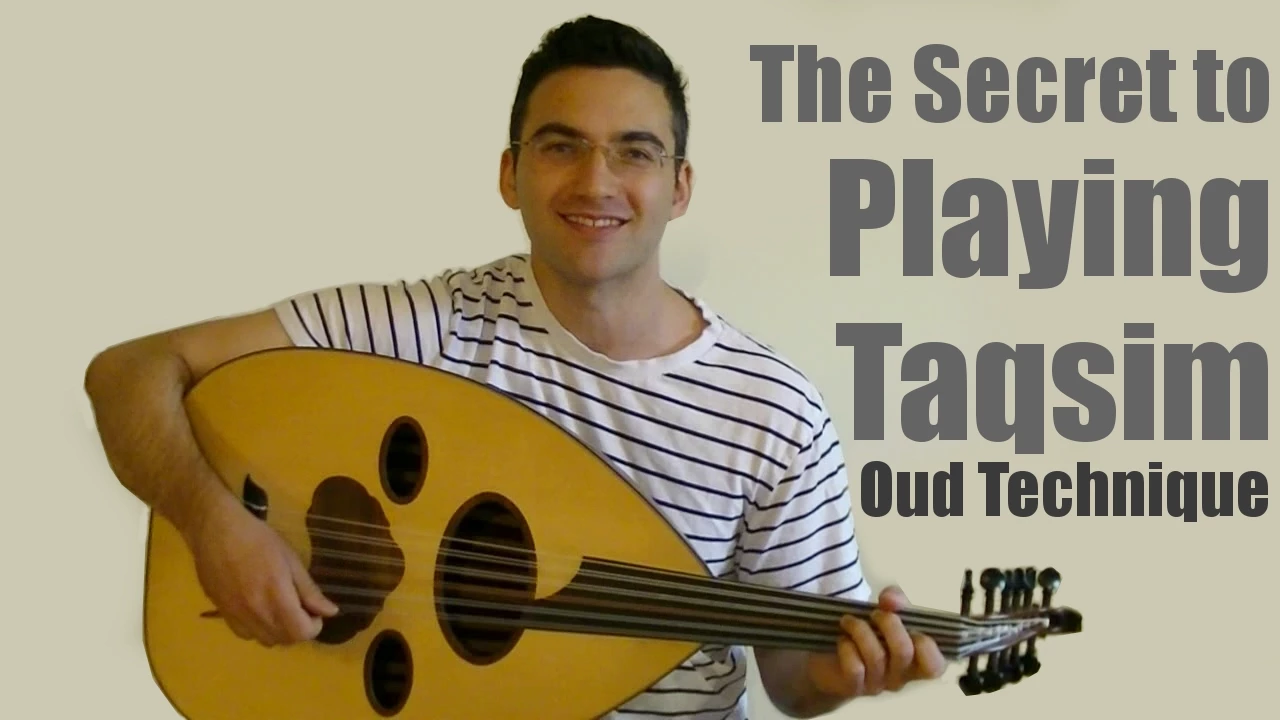


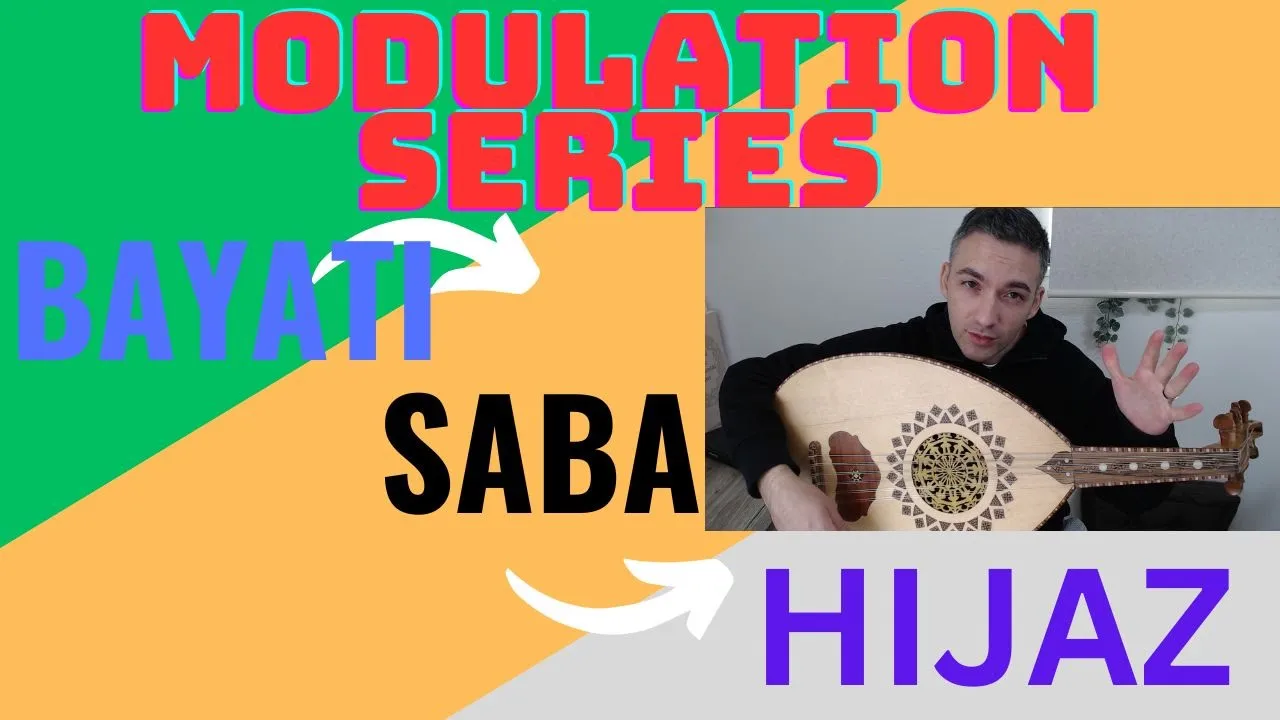




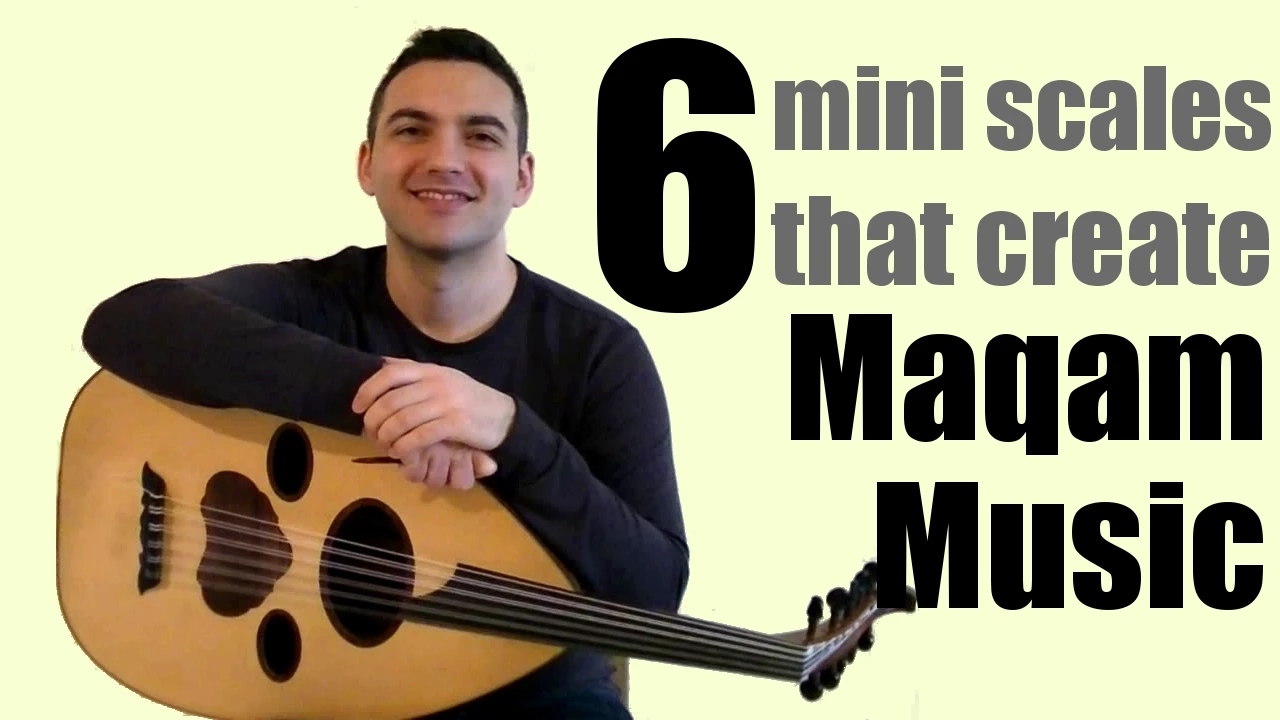
Jins Bayati is one of the most important musical modes (ajnas) in Arabic music, used across Egypt, Syria, Turkey, Iran, and Central Asia in both folk and classical traditions. It functions as a melodic vocabulary where melodies focus on a specific scale area rather than using a full scale. The tonic (scale degree 1) provides resolution, while scale degrees 2, 3, 4, and 5 each have distinct emotional qualities. The fourth scale degree (mas) is particularly important as a note of melodic emphasis. Learning Bayati requires memorizing basic melodic phrases as vocabulary, similar to learning words in a new language, rather than following note-to-note rules. The intervals in Bayati include a unique interval between 1 and 2 that is larger than a semitone but smaller than a whole step.
Maqam Lesson 08: Jins Bayati | Arabic Music Theory
Added:[Music] um [Music] me [Music] [Music] oh [Music] okay repeat after me [Music] [Laughter] [Music] yes and if you can't get that long phrase all in one go uh don't worry about the details really try to capture the whole energy of the phrase um and and repeat it multiple times over and over again go back in the video repeat it whole rather than stopping yourself in the middle because if you do that you're going to start to build a muscle memory of stopping in the middle of phrases and you want to get the rhythmic feel of a phrase as it goes all the way through so before i go on i really need to thank the subscribers and patreon supporters especially so please hit like and subscribe below um i've been posting these videos and i'm going to continue posting hopefully between 50 and 100 videos in this series uh so if you subscribe you'll get to see all of them when they come out and for those of you who can afford to support me on patreon uh you're helping me to make these videos um free and available for everybody around the world on youtube so i really appreciate everyone who's been supporting me so far you guys are totally awesome uh and if you can afford to do so uh for a cheap monthly rate of six or ten dollars follow the link below um and i'll be forever grateful to you so today we're doing jinspayati and jinspayati is one of the most important ajnas in arabic music it is part of regional traditions not only from egypt up into syria but through turkey iran central asia uh it's really really popular as a folk melody as well as as a classical uh jins as a as a macabre within the makhan system and it's also very common in religious chant uh from the recitation of the quran to um other forms of religious music in the region so paethi is really absolutely everywhere and i opened with a short medley of very popular palestinian songs uh in bayati una um and elaine mulley a turkish version of that last one actually i'm going to play you a couple more medleys a little bit later on but we started singing the basic phrases in the gents and the gents just to remind you if you haven't watched the other videos to tell you for the first time is the section of the scale that melodies focus on melodies in macomb don't use a full scale all at once they stay in one little area and the area of ginspayati is this area [Music] can you hear the note we call a tonic the tonic is the note that melody is resolved to and let me just illustrate again you hear how that's unstable and unresolved it wants [Music] so that's the tonic of this gin spiety this note for those of you using instruments that happens to be a d right now but baeti can be on any key hear how that note wants to resolve up so we're going to call that note 1 just as if we were saying do re me in in the solfege system we can say one two three one two three one two three four [Music] and when we were doing these melodies and i want you to notice because we're going to go back to singing melodies this four is a very important note in melodies in the medley i played alla de la una goes [Music] so this note is super important uh and within melodies in this jensen we call it the mass it's a note of melodic emphasis it's also a place where you can modulate we're not going to get into that in this video that will be for when we deal with the macams but the gum maze is very important you can hear it in melodies so if i play like this so i want you to hear these four notes one two three four when we get to five five is unstable and wants to resolve down five four three two one seven that's the note underneath the tonic we call it seven because the tonic one is the same as eight in music [Music] so one of the important things that we want to do when we want to get to know a gents and you want to get to know this ginspiety because you're going to see it in all of these different contexts you want to get to know it and you want to be familiar with the feeling associated with each scale degree and we talked about the feeling with the tonic that's the resolution now it may feel different than the resolution of a different scale but it has a feeling of being settled you end the piece there whereas the second scale degree is extremely tense [Music] hear that resolution and three has a different feeling [Music] and four has a different feeling that's four and five has a different feeling [Music] and a lot of melodies start on five so we saw elaine mulley [Music] it has a little mini resolution from five one five five resolving to four before resolving three two one so i'm going to do some more melodies with you and and we do this call and response with melodies because learning the basic melodies of the gents is the most important basic way to get to know the gents this vocabulary this is actually vocabulary these little melodic phrases are things that i have in my ear in my memory and things that experienced musicians have in their ears they're like the words of the language and we build longer melodies by combining these words uh not by following rules from note to note so if you want to know arabic music you actually have to learn all of these little melodies just like if you were learning a new spoken language you would have to learn each word you'd have to learn what the word means here we don't worry about what it means but you have to have a knowledge of these melodies so the purpose of all these lessons here is to give you that basic knowledge um so let's go and i'll occasionally name the uh number the scale degree is that what we call this is one and this is four this is always going to be four as long as it's relative to one one can change of course but for the purposes of this lesson we're not going to call this note other than four it's just like do re mi fa the fourth note so repeat after me [Music] yelling [Music] yes [Music] [Music] and you notice i kind of kept us in this area focusing on three now we're gonna go up yeah [Music] one two three four one two three four [Music] yes [Music] [Laughter] [Music] [Laughter] [Music] going up to five [Music] in [Music] five five five four five four [Music] m [Music] [Music] [Laughter] now you some of you might have noticed that i went up past the basic area of the jins i went past this one two three four which is how traditional theory defines jinspayati we use the five which resolves down to four but i also tasted six one two three four five six now there is some ambiguity here is this six actually part of jinspayati or is it in another gyms that's something we'll explore more when we look at makambayati but i just want to draw your attention to it for now you can hear this as part of the gents [Music] right we're in one melodic area we have one melodic feeling that's the definition of a gems that feeling the association of those melodies so we can include six within this jinsbayati even if the traditional theory only says one two three four we have [Music] let's do some scale exercises this is another way to get to know the gems and this is a way to build muscle memory for intervals intervals are the distance between two notes and if you're a western musician you might notice that the distance between one and two doesn't exist in western music this interval is larger than a semitone the distance between two keys on the piano and smaller than a whole step sometimes people call it a three-quarter step or a quarter tone but it's not exactly a quarter of anything and if you watch the jinx rust video it has a note that has the same name but the intonation is sometimes different so don't worry about all that confusion about oh it's bigger than this is smaller than that don't think about that at all that's why this is the first time i'm talking about this in this video 17 minutes in feel what it feels like hear what it sounds like learn the melodies associated with it and don't worry about exactly how it's tuned at least not yet and if you're a theorist and you're annoyed at me for saying that well then see what you can learn by ignoring your mind and paying attention to your ears so let's do these exercises one two one one [Music] and if you're a vocalist you want to use different vowel sounds so that you train your muscle memory to feel the size of the interval regardless of the interval regardless of the vowel so you might say [Music] let's do the next one [Music] let's do the next one three four [Music] three if you're an instrumentalist i have a couple pieces of advice for you one is you know practice different muscle activations so do it in different positions [Music] sorry screwing that up so i'm just practicing in different keys and you can practice along to my better version um in different keys and the other thing you really need to do if you're an instrumentalist is you need to put down your instrument put it down and do this video without your instrument several times before doing it with the instrument maybe you've already been playing along and that's fine but you're going to find that you'll learn so much more if you force yourself to use your voice even if you don't consider yourself a singer if you're a singer you might want to pick up an instrument and start learning but don't use the piano please oh my god uh anyway so those are those intervals and and just to go a little bit past the four because i was talking about it before five four five four four five four uh five six five and that is um sometimes a very small interval [Music] so those are a couple different ways to approach um getting to know this gents so i i mentioned earlier that there's so much regional uh usage of uh bayati that i wanted to play for you a couple more regional variants so i have a medley of egyptian tunes i'm going to play for you now in bayati and then we'll do a little bit more singing back and forth and then i'll end with some syrian lebanese tunes um i just there's so many fantastic bayati tunes and i just chose some of my favorite tunes not whole songs and i'll name them as i go uh this time with the uh egyptian ones and it's sometimes it's fragments of songs that aren't in makambayati but are using the gens these are some of my favorite melodies from egypt engines by atti starting with ganata [Music] what's the commands for [Music] [Applause] [Music] a [Music] uh yeah [Music] now [Music] uh oh what is it um [Music] [Music] hey [Music] it's layla tube [Music] uh leia leblanc [Music] yoshi [Music] [Applause] [Music] uh [Music] buy it anneke [Music] me repeat after me the words are necessary [Music] no [Music] oh [Music] [Music] no and of course you want to listen to um and copy all of her phrases she has a couple uh different recordings with different versions of that little improvisation in bayeti that happens at the beginning of baydenek um a couple more notes uh before we go uh i'll be recording bayati in different keys uh and putting it the vote those videos up for the patreons supporters so if you want to support me on patreon you're also going to get some bonus videos instead of by acting on d [Music] we'll do bayati on g [Music] one two three four three two one that's going to be very important we'll do by ation a2 [Music] so check out the link below to patreon if you want to practice in different keys even if you don't do that you could take this and the key is you're going to hear by at different keys if you listen to a lot of songs and i've had some people ask on the videos to share the links for all the songs um and i'll i'll try but i just gave you a whole bunch of songs and you may not know how to spell them but i encourage you to just go and listen go and listen to umkulthum go and listen to abdulhab go and listen to wadi asafi go and listen to muhammad khairi sabah nural hoda i mean i'm just naming all these people go start searching and follow links in youtube the more you listen the more these melodies are going to become familiar you don't have to hear the same exact tunes that i'm giving you but the more you listen the more all this is going to make sense it's really about repeated listening hearing it absorbing it into your ears it's not about some set of rules that i can give you or about defining the size of intervals this is about melodic vocabulary that people know and it's encoded in the songs of the region so um i'm going to do one more little medley for you from lebanon and syria uh le money uh ibadly kawab uh one of my favorites from the asafe uh allah and a little bit of the me jenna at the end that's how we'll end the lesson uh i hope you check out those videos if you want to learn more about the gins you can check out the jinspayetti page on the comm world i'm going to put the link for that below if this video you want a little bit more explanation and if this is your first time watching uh one of the videos i encourage you to go back to lesson one on mccomb uh pardon me jints rust we spelled out a lot of the explanations in that video um go through all of them we're going to go through about 15 or 16 videos of the edge nas and eventually combine them into about 30 different mukhamat so the ejenas are the building blocks that you want to know so mccomb world which i mentioned has a page on jin spati also has other songs that you can listen to fragments and jin spatzy so definitely check those out and surf youtube as much as you can for that so here's a little medley of syrian and lebanese songs there's something about this particular gents that just brings forth a lot of melody from this region it's just um and all the melodies are the same you know it was we heard that in three of the songs from egypt and then [Music] in the other three songs we heard that right so those basic melodies that you're hearing in the songs etc are all over the place so from syria and lebanon [Music] hello [Music] oh [Music] oh [Music] me [Music] me [Music] oh [Music] [Music] um [Music] me [Music] me thank you so much for watching
Up Next
Maqam Modes on Guitar: Harmony & Improvisation Techniques | Arabic Jazz Workshop
@JazzDay
297.3K views•2025-04-30

Triumph of Orthodoxy Icon: Byzantine Art & History Explained
@BenCallan
2.1K views•2024-08-06

FastAPI vs Flask vs Django: Choosing the Right Python Web Framework
@TechWithTim
302.5K views•2024-05-26

Game of Thrones Opening Credits: A Cinematic Analysis
@gameofthrones
46.3M views•2011-04-18
Related Study Plans & Knowledge Roadmaps
Structured learning paths in General & Interdisciplinary Studies