




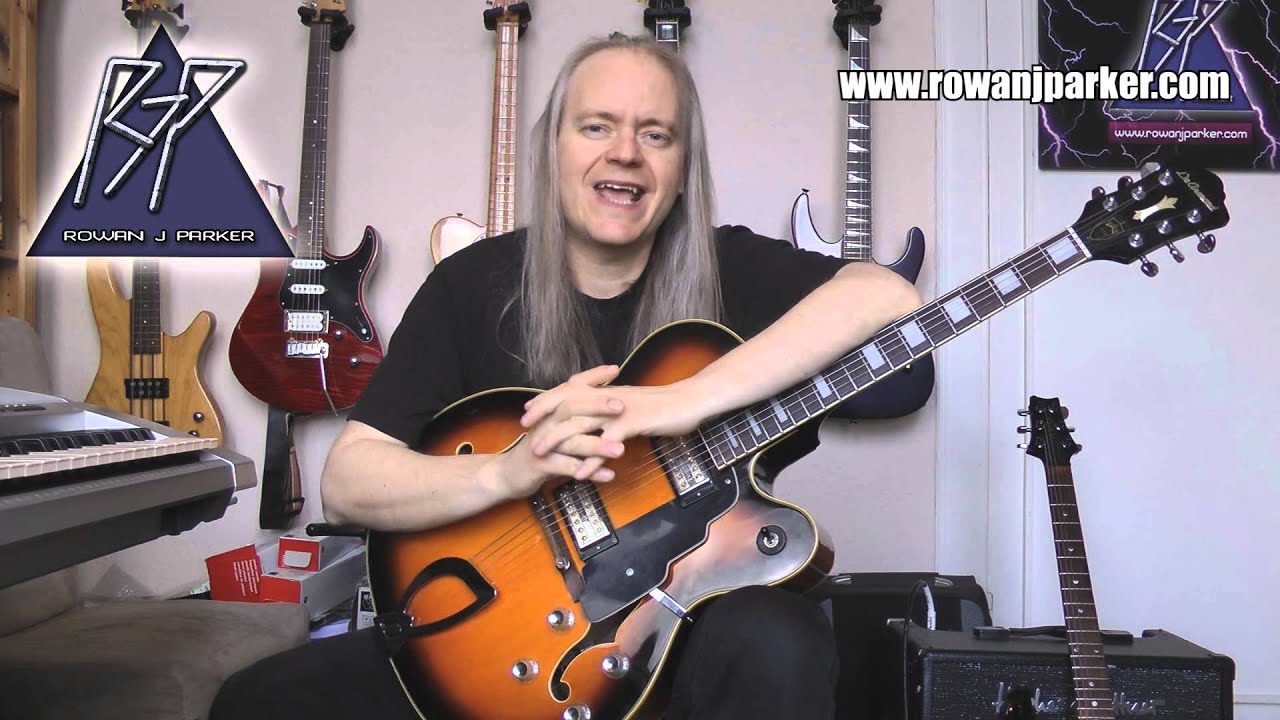













Arabic maqam modes can be applied to jazz harmony by manipulating chord tones to create tension and resolution, using techniques like bending guitar strings to achieve quarter tones and microtonal sounds that blend Eastern and Western musical traditions.
Maqam Modes on Guitar: Harmony & Improvisation Techniques | Arabic Jazz Workshop
Added:Fundamental guitar fretboard navigation, including interval shapes, basic scale patterns, and intermediate bending techniques.
Basic jazz harmony concepts, specifically seventh chords, chord-scale theory, and standard progressions like the ii-V-I.
A foundational understanding of Western modal theory (e.g., Dorian, Phrygian, and Mixolydian) to serve as a comparative framework.
An introductory awareness of microtonality and the concept of dividing an octave into intervals smaller than a Western semitone (such as quarter tones).
Advanced microtonal guitar execution, including the use of fretless guitars, adjustable fret systems, or highly precise quarter-tone bending mechanics.
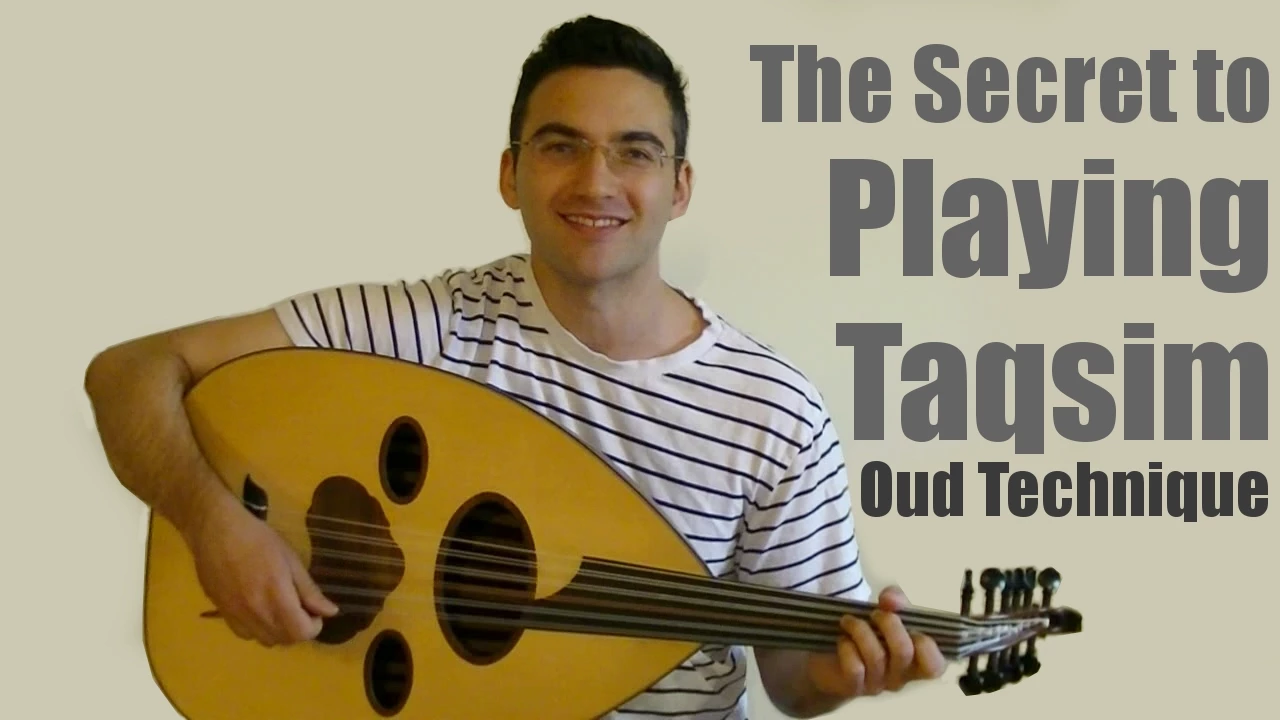
The study of 'Taqsim' (traditional Arabic instrumental improvisation) and the structural rules governing modal modulation (transitioning between different maqams).
Compositional application of hybrid Arabic-Jazz systems, focusing on how to harmonize microtonal melodies using modern jazz chord extensions.
In-depth analysis of 'Ajnas' (the constituent trichords, tetrachords, and pentachords) that form the building blocks of the Arabic maqam system.
297.3K views5.3Klikes53:53Original Release: 2025-04-30
[Music] Good evening everyone. Welcome in Bud Abu Dhabi and uh I don't want to spend much time just to say welcome and uh we will start with the guest and with the mazin and other mazin there is two mazin today with the workshop. welcome and I hope uh to enjoy all. Thank you.
[Applause] Uh good evening everybody.
Uh English. What's English? Yeah. Okay.
How's everyone doing? All right. Yeah.
Okay. Um so I have a question. Do you guys know your 251s?
Whoever whoever knew the answer to that, please come come backstage with me later. No, but um so 251s are basically the the the bread and butter of modern harmony.
Should I say more specifically? Modern harmony in the west, but it also came to the east as well. So the whole idea of this sound That doesn't sound very nice, right? It could sound nice to some people, but I mean, I like it, but it sounds a little annoying, right? It's actually the same. This is what I when an ambulance passes by, this is the sound that you listen [Music] to, right? So, this is once I resolve this or untie the knot, it becomes pleasant. Now, it's nice, right?
That's called That's called a a resolution. So when I resolve a knot in sound, you know how when you have like strings and they're knotted together and they're just so annoying and then when you resolve them, when you uh release the knots, you get like the string back to be being uh just um uh without without any knots. That's the whole idea. That's the whole idea of harmony actually the whole at least the in a popular sense because there it's a little bit more complicated than that but the bread and butter I would say would be this and what I'm here to talk about is that it is the same exact thing also in Arabic music they are they are one and the same almost they have they share the same idea of being tense and then releasing because I can play the same thing [Music] [Applause] And then it's the [Music] same. See that? See that's it's the same idea of being tense when I phrase a a musical idea in Arabic or in just uh reg the whole repertoire of Eastern music.
[Applause] And then I resolve. And this is the whole spiel. That's the whole idea. Just making problems and then solving them.
Making problems and then solving. And this is the whole It's like kind of a reflection of of life really if you think about it. Making problems and then solving them.
So, how many of you guys listen to jazz music?
Okay, that's cool. What do you guys listen to? What do you listen to?
American. Yeah. Okay. Do you have any artists in mind? Any anyone you like to?
Okay. Does anyone else listen to jazz music? Yeah, that's cool. Do you like old school? Oh, yeah. You like Bbop? No, I like Billy Holiday. Billy Holiday.
Yeah. Okay, that's cool. Oh, yeah. This the best. The great singers, of course.
Yeah. Oh, she's great. That's more modern. She's great, though. Diana Crawl. Yeah. Yeah. Do you play any instruments?
Mah. You do you play uh you play jazz?
Oh, okay. I don't Okay. Sorry.
Okay. Wow. I'm teaching jazz.
Oh, that's great. Okay. Okay. Cool.
Yeah. So, I'm just going to be talking about um the um the intersection between jazz music and and uh and Middle Eastern music. Ah, no. You see, uh jazz and and cl jazz is a continuation of classical music. It is nothing more than a continuation, but it's got some things from Africa. It's got some it's it has a it has a like you could say an African father, but a European mother. and together they've created uh what's called what's it's one of the most beautiful things in the world.
Oh, okay. Hello. Hello. Hi.
Okay.
Yeah, that song. Yeah, that's that's a great song. Yeah. What key do you play in A? Okay.
Where did it go again?
Yeah.
[Music] Okay. And the [Music] le is high.
Oh, your dad is rich and your mom is good looking. So h little baby, don't you cry.
All right, that's great. Thank you very much. That's cool. So this is a that's a great choice of a song because I can use it as an example to how I can apply uh M or so M is I'll explain that in a bit but um yeah yeah I'll actually I want to mentioned that I'm from the Mibati Mahibati it's the Mohibi yeah okay and that's what what is that program it's a program from the yes under 18 yes so I'm a teaching DCT. Yeah. DCT program. And And you're based in Abu Dhabi? Yes. In Abu Dhabi. Yes. The Culture Foundation.
And you offer music lessons and all that. Yes. Yes. That's cool. That's awesome. Yeah. Big round of applause.
Yeah. Nice to meet you, too. Yeah.
Absolutely.
Yeah. So to give an example for examp so I'm going to play the the chord progression of [Music] summertime. And then [Music] [Applause] Right. So that's how I would play it traditional way. Right. Yeah. But like if I was [Music] [Applause] [Music] [Applause] [Music] [Applause] [Music] Yeah. So that would that would be an example of how you can play that. Uh so the idea is basically um how the MAM system which is basically just the Arabic way of saying modes. Do you guys know what modes are?
Like there's difficult mode, there's easy mode, there's Okay. Uh so the the modes that everyone knows are uh Ionian, aolon, right?
Frigen, Lydian. You guys you guys know know those, right? Okay. So this is more like in in a modal context. So for example, so in modal music like if I'm gonna for example if I have like a drone note for example the note E which is me in in uh like a classical way of saying it would be me or E. So if I have E in the bottom in the as a drone [Music] note. Okay.
So if I'm playing major for [Music] example, right? But then Right. And then [Music] That would be Lydian. And for example, if you're [Music] doing so that would be a combination of two different biatis and so which also works with this kind of note. So this would be in a modal context where I would leave one note going and I would apply so many different modes. So the mam system has its own kind of modes that are similar to the modes that we know in western which are like aonian fen and all that but there the the degrees of where it's tuned is just a little different. So to give you an example uh if I'm playing uh for example you guys know frigen right? Sorry I don't even know my modes.
[Music] Right. Right. So frigen itself is a is a beautiful mode that's very famous in Greece, Turkey and the Arab world and Iran as well. A lot of people play it.
And so the moment the moment I apply this idea do the same scale. Do you guys hear that difference between and this? Do you hear the difference? Do you guys hear there's a slight difference?
So the second the second uh degree I I bent it a little bit on the guitar.
Bending is when I take a string and I bend it to get to another tone. Right? And very famous in blues music. So it's the same idea. I'm manipulating the tone itself. So I can do the same thing uh with a mode. I can take a mode like for example frigen and I can do I get that any Arabic uh do you guys know this [Music] uh it's like a famous thing in Saudi I don't know if you guys know it but go ahead and quarter tone. What's the difference?
The semmit tone. So, so the guitar string. Yeah. So, so guitar is based on semmit tones. So, if I have the E string, right? My next semmit tone is going to be an F, right? E F sharp, G, G sharp, A, or should I say C or T. The quarter tone would be You hear [Music] that? That would be getting to F sharp wouldn't be just one half step. It would be it would be just like that. And now how am I doing that? I'm doing that by simply just bending. And it's not something that I invented. It's something that's it's an old thing where people would take a freted instrument and apply pressure to the string.
[Music] Right. just apply a little pressure. Or I can do this is would be this would be a regular semmit tone interval between the first note the first degree and the second degree [Music] or so that would if I don't if I didn't bend it would sound like this.
Right. So, a completely different personality. You feel like, wait, what's going on? You know what I mean? Just just by altering just the pitch just a little of the second of the second degree, you're going to get this sound. You know what I mean? This is microal harmony, which I'm trying to get into. By the way, something that not a lot of people uh, you know, a lot of people think it's unholy or whatever. I think it's cool.
Yeah. Yeah. It's cool. But if I bent that, if I if I keep it like equal temperament, it would be like that or Yeah.
So yeah. Um and yeah. So uh that's the whole thing about um you know micro and it's not the whole thing. It's so much more. But like uh this is basically for like guitar to get micro tones. That's how I'm doing it. Basically, I'm playing a regular scale like frigen or even like like do measure. If I play the first tetra chord or the first micro scale of of do majour if I want to make it minor, what do I do?
Exactly. Right. If I want to make it frigen, what do I do? I would make I would flatten the second as well. Now, if I want to do it rust, for example, rust is basically a it's a it's a it's a scale in mam music. It's a scale in Mac music. So, I'm going to take the first degree, take six, second degree, the third degree, I'm going to sharpen it just a bit. I get that. And even the the seventh degree I sharpen a little. So I get do re and then re half sharp or me half demon. Okay. Sorry half the bone not half sharp. Excuse me. So re half the mode because if it's half sharp then then I take the I take this and I have to and then I have to apply pressure to that. But it's not that's not the case.
cases it's half them all.
So, and then la and then I go to T and I also go up.
[Music] So now the whole thing has changed is that now this is [Music] [Applause] [Music] major right [Music] but so this would be called um in Arabic it's called like when you go from one tetra chord to another. That's the idea in Arabic. But but just manipulating that you get a completely different [Music] sound. You just get a completely different sound. And it's possible to play on the guitar. It's not like it's impossible. I mean, I'm I'm still trying to get better at it. Uh, but it's uh it's something that's definitely possible and it gets you gets you you get a very nice feel and you get you're you feel like you're freer because you can play harmony, you know what I mean? And you can [Music] also, you know what I mean? It's it's nice to blend because especially with C major because F isn't a void note.
Right? Either either I'm going to make it as like a sus kind of thing, right? So I can take advantage of that because F is not part of C major and I can just increase it a bit and I use it as a tension [Music] [Applause] [Music] resolution. Yeah. And so this would very this would come handy in in jazz music especially when I want to resolve. So especially if I'm doing like a 251 um for example. Sorry about that. Okay. So if I'm doing like a 251 for [Music] example okay so right here I can stay on E for example and not go anywhere just stay here right if I'm going to play it in a conventional way E F D E, right? Or I can do that's a way of making tension, right? This is just a way of manipulating the fifth degree and just making it more colorful, right? So I can also do this It goes do that which is like a it's like a an Arabic lick. I can get away with it because of the whole relationship between G and C which is so and do that whole that whole tension and release. I can get away with it.
And what is that? What is that?
M. Okay. That M. What is that?
M. Does anyone know what that is?
Exactly. So, I just applied Saba in [Music] a jazzy context. Why it worked is because of the whole soul do relationship that whole thing. And basically in Arabic music when I play Sabah when I play Sabah I'm basically just playing the root note. Right? That root note is E. But E is also related to C major. It's the third. It's the major third. And I don't need to play the sub of C to to get that. Uh like I don't have to [Music] play that's not going to work. I mean it's not not that it's not going to work. It's just some of the actually it might work now that I think about it. Actually it might work.
But uh the idea here is you take a chord tone and what is a chord tone? What is what are the chord tones of C major?
Huh?
A flat major.
Oh, yeah. You can you can play.
[Music] Yeah. Yeah, you can definitely do that.
Exactly. A flat. But in the key of C major, there's no A flat. But I mean, you can apply it like in in in 251. You can do that. I think that's one of the ways you can you can apply get away from with it. Yeah, absolutely.
[Music] Yeah. Yeah. Good work. Thanks. Thanks for that. That could be a way. But that's why did But why would it work? Because C is a chord tone of C major. It's also a chord tone of A flat. It's also a chord tone of A flat. And E is also a chord tone of A flat. And G is also a C, sorry, C is also a cone of A flat. E is a chord tone of C. and G is a chord tone of C. They're all cordons of C. So, I can use any of those tones to play uh to to um to say a a a phrase uh like a mam kind of phrase. Even G like I can play G. Uh does anyone know what this M is? You guys know what that first gin of what mam that is? It's an easy [Music] one. That's hij Yeah, I like I like that one. So, uh, a regular hij would be. All right. And then this would be that would be it. Hijazar. Yeah. Yeah.
So I can apply mam even to from the G on the 25 one and C because G is part of the C family.
[Music] So I don't have to resolve on E. I can just resolve on G and that's it. It's done. And actually there's there's a common thing uh in uh in jazz music they would use this note which is the A flat to resolve to [Music] G. That's also used. You know what I mean? Like it's not it's not such [Music] a it's not so it's not so foreign. It's not so foreign.
You know, I mean, if I just continue [Music] it, it's still kind of in key. It still sounds, it still has that same powerful resolution. But even if I want to [Music] play that also works which is bayat bay [Music] is just mixing things together. But uh but uh that's that's the whole idea. The idea is I can take chord tones and just do whatever I want. And that's that's pretty much the same thing that that the jazz musicians usually do. They take chord tones and they just do crazy things, you know, like they just they completely go off just as a way to tense things up and then resolve and then come back down. So there's a very famous jazz lick. Let me just remember it.
[Music] Right. This is very famous, very like a lot of people have played [Music] it. I can do the same thing in a different key. The same exact thing, but in a different key. So, I can do it like this, and it still resolves nicely. And that's I'm basing it off of that. I'm basing it off the idea that I can completely leave the key but then come back. And so why can't I do that with M modes? And Modes are not that foreign.
They're not that foreign to to um to like tension and resolution. It's almost the same thing. It's really not that uh it's really not that different. So I hope you guys like, you know, are with me? Are you guys with me?
Am I or am I am I going too fast or Okay, cool. Okay.
Uh so I want to show you something that uh I can I want to apply this to a blues. You guys know how a blues is is formed. Yeah. Yeah. Okay. A 12 bar blues. Yeah. That Yeah. So, I want to show you how we can apply this idea to blues. Because the thing is, if I'm on if I'm on this [Music] key, right? So, I'm on F, right? And then like right and then so that whole that 12 bar blues I can apply this mam to it.
[Music] So, I took a little bit from M and then I took a little bit from jazz, but I can still I can still go all the way uh like it's not it's not a problem if you want to go all the way m with it. That that's not an issue, you know.
So, here's my [Music] F. That still works because I'm here.
I'm resolving on C by or do. So, I'm starting [Music] on now. I'm doing uh do do and so that works because of this whole relationship that whole F to B flat like that whole um that also works for this relationship.
[Music] because C is a part of of of F. And so I can just manipulate it to to do BAT.
So, I can I can I can have that that whole idea and implement it onto a blues. So, let me show you. Uh I'm going to have a backing track play with me.
Can I have Can I May is there Wi-Fi?
Because I don't have I need Wi-Fi. Must must Wi-Fi.
That's now you guys are probably asking yourselves why am I doing on an F7 chord? Because F7 has F, A, C, and E flat, right?
What's up?
follow.
Yeah, it's half.
So, what you're going to do is is you're going to take, for example, um if you're going to do um huh Dord [Music] A so [Music] yes you [Music] you do C# Uhhuh. Huh? C# should dance. Very good.
[Music] Uh, yeah. So, he was just asking how am I getting the micro tone. What you do is, uh, it's a it's a bending technique that I'm still working on. Uh, you either bend downwards like that or you bend upwards.
It depends how you're going. So, if I'm going [Music] back, if I'm going back, I would bend down. If I'm playing it in a way where I want it to clash, I would bend up. I would bend up the string above it.
The string above it. Because it really depends on how I'm going to play it. And this is something that I'm working on, but I'm not done with it yet. But how to basically get [Music] um how to get a chord with a microone in it. And this is really hard because you have to bend one of the [Music] strings. It's It's a little tough. It's hard.
With practice. With practice. Yeah.
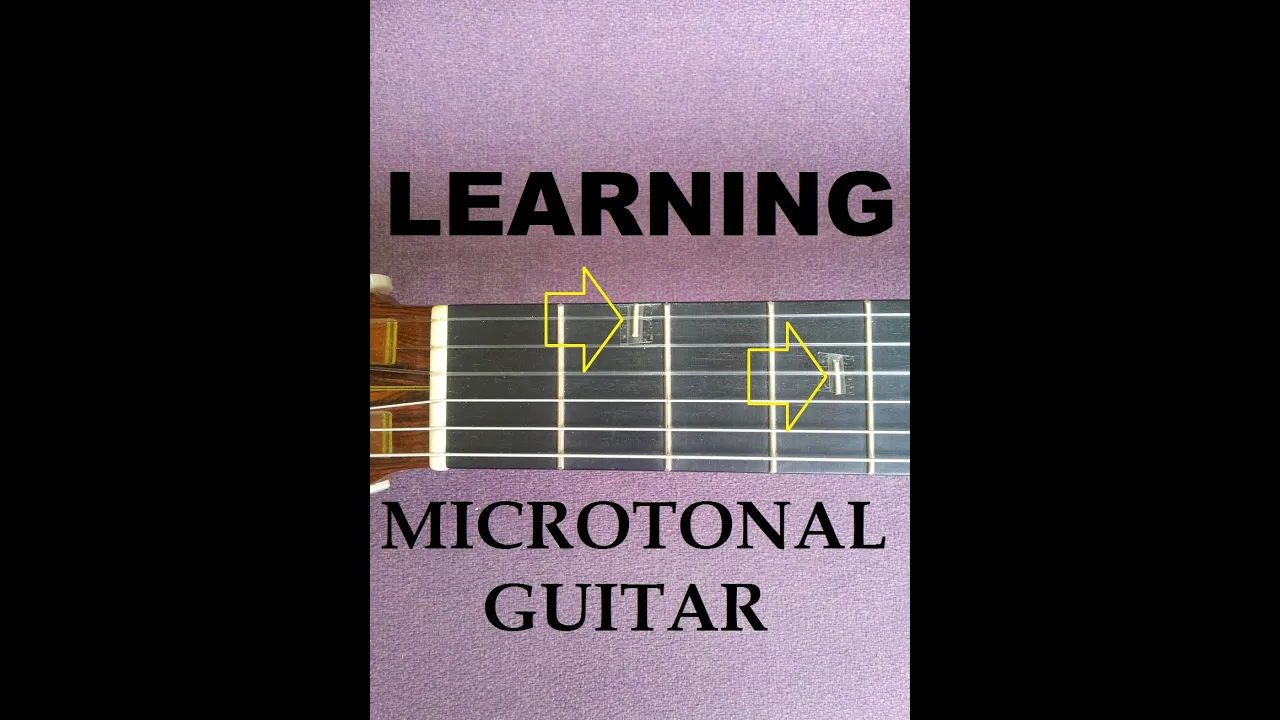
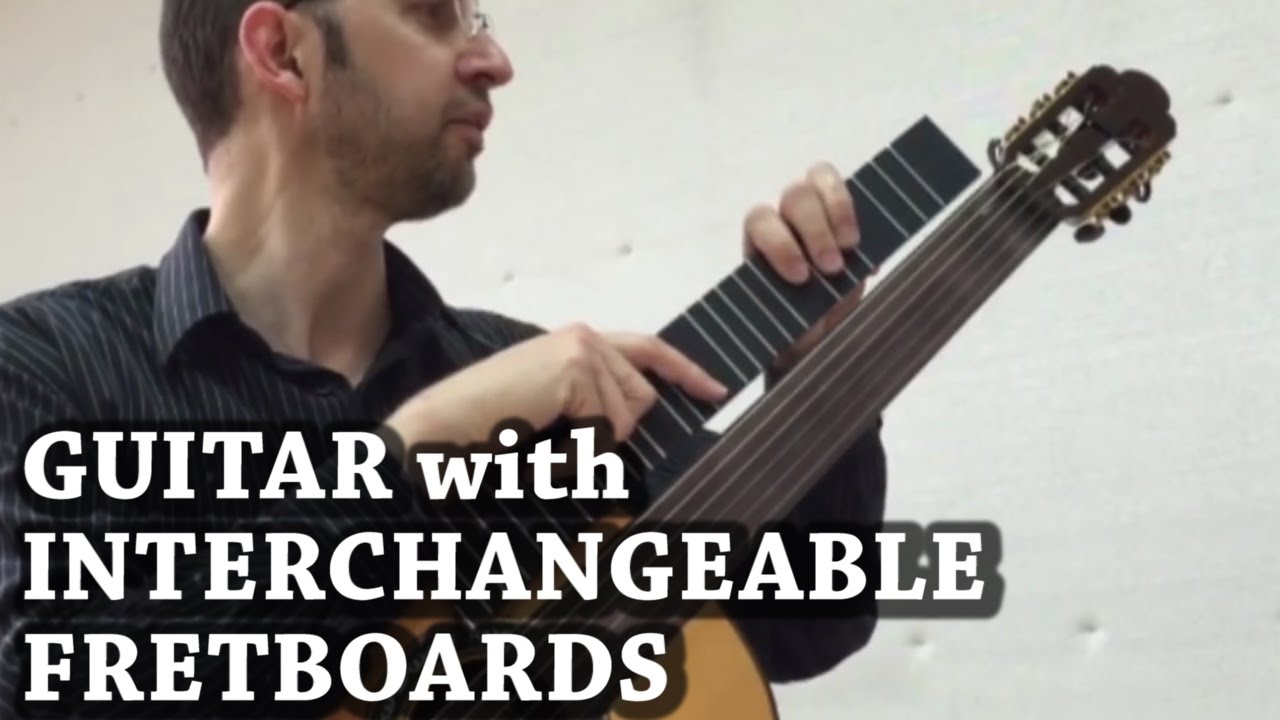
Yeah. Um yeah. Yeah. Sorry. Um um excuse me. Oh, okay. Yes. Um have you ever thought about getting like a microonal neck? I I have one. You have one? I made one myself. Oh, mah that's great. How'd you do that? Um just with a hacksaw. I had a spare neck. Yeah. Bre out. Put them in between. That's cool, man.
Yeah. But so I made it and then I really don't know how to use it like how to sort of learn these macs like I don't know how to sort of access it at all because I'm not Arabic speaking myself. That's okay. But do you have any sort of tips on how to sort of access and learn these things so I can use it? Yeah, I would say listen listen to a lot of Middle Eastern music.
listen to a lot of Arabic music, listen to Turkish music, like uh they have they have tons of tons of ideas of how you can implement them and whatever resonates with you, just cover it. Try as much as you can to cover it. As for the technique itself, I do plan on making like um like a tutorial kind of self-help book where you would like oh I want to play like this like the way in where you can get that tone. I want to make a book because even if there are a lot of, you know, people who listen to to Arabic music and they're like, "Oh, you know, how am I how am I gonna get those tones?" There is there is a specific thing that I'm doing. It worked for me.
Uh it's not like a rule, but at least for me, it worked. It might work for others. Um, but if they can get that down and then it'll be easy to learn like uh some So there's uh [Music] like that's a that's song one night for you. Was it mostly just by ear rather than a sort of classical approach of reading notation.
I'm really bad at reading. Same.
Like I'm just terrible. I mean, no, I had to read like to get through school.
Um but uh no, for me it was uh really just uh watching a lot of a lot of uh you know videos on Arabic music. I there's a great channel, but it's in Arabic. Um but they Yeah, I know. I know. But um but listen, forget the language because I listen I watch I don't speak Turkish. I watch a lot of Turkish videos and just listen to what they're doing. Just kind of copy what they're doing. I kind of I kind of do that. Um, but there's a great Arabic uh channel called Musana our music on on YouTube and they just talk about mams in a very nice way and then they demonstrate them how you play them and one way to to play the first micro scale then how to get to the other micro scale and then it gives you ideas and then you relate that to some of the songs uh that you would listen to. But I would definitely say listen to the music.
Okay, that's the first step. Listen to the music. Yeah, no problem. No problem.
Okay. Uh, any other questions or should I just connect to the internet? Okay, I'll do that.
Sorry, but when you said like bending earlier, um, do you mean like by bending the like the string itself? Yeah. And would it be the same on? Like could you do that on or? No, you can't do it on Well, I can't say you can't. There's no such thing as you can't can do whatever you want. But with the hood, I think it's a little more difficult because there are no frets. So bending, taking the hood and bending up, that would be difficult to do. But with the guitar, it's simple because of the frets that are already placed on the neck. It's simple for me to just get that because I need I need power. I need uh I need the frets to uh hold down uh this there this there's there's physics to it. I'm not sure how it works, but if there are no frets, bending is going to be a little more tough. But you don't need to bend on hood because you have a you have an open uh you have a you have an open neck. So you just shift your finger a little bit and then you get whatever tone you want. Thank you. With the fretless guitar, even the fretless guitar, you wouldn't bend. You just Yeah. But here, you know, when I'm [Music] sliding, I'm getting uh you know, I'm getting all the tones. So I need to I have to do that.
Ah, do they bend in buck?
Ah, okay. Yeah. Yeah. Yeah. Yeah. But no, this is specifically I think a guitar technique.
Yeah. Uh, any other questions?
Yeah. What's up?
One second. If we could just wait for the mic. Thanks.
Thank you. So, you were singing a bit earlier and I'm curious how this relates to the voice and But with the inflections and so some of the semi- tones, it kind of reminds me a lot of Indian classical music. Indian classical. Yeah.
Um, so I would say the voice is just as much as an instrument as the guitar is. and they're they're I I I don't know too much about uh Indian classical music, but if if they're going to sing the modes that they have, they're definitely definitely the modes are not going to be the same temperament as as uh modern uh uh you know, Bach music quote unquote uh which is like you know classical and pop music and even pop music around the world. Uh so if you're going to go for Indian classical music definitely the the the temperament of what the singer will be uh will uh will be applying on to the to the intervalic relationship between the notes it's definitely going to be uh you know the the the repertoire that they have like based on the repertoire that they have. So it's the same thing with Arabic music.
So if I'm gonna if I'm gonna play like uh a melody like for example like I say that melody right now where I'm from I would not play it like that. We play it like this. That's how we know it.
So I just applied uh based on the repertoire that we have in the Arab world, I just applied that onto it. Uh even though maybe if you go to Greece, they would play it like this. And I'm sure they I'm just giving you an example because they have we have a lot of songs in common between the Arab world and Greece and Turkey. And it's just because of common folklore, but they would probably use major scale.
And that would be Lydian actually not major. Major would be right. But the way we play it would be that's how that's how we would play it. And I'm sure it's the same thing it's the same thing with with Indian classical music. I hope I answered your question. Well, I I guess more specifically like when when translating the sound of playing in the context of Arab music to the voice. Yeah. Even if like you're, you know, playing over the drone or something like that, are you just kind of tuning up or is it going to be more sharp or Yeah, not going to be sharp into it like does it does it correlate to a specific canon vocally or is it the same thing just on the instrument. It's the same thing.
It's the same. Yeah. Because because the vocal is just as much as an instrument like like like the is actually in in uh in our folk core. the the when it plays, it plays whatever the vocalist is playing and then gives a little uh a little a little melody from itself when the when the vocalist uh says it's says their phrase and then the the hudist would play the same phrase with the vocalist and then the hood would would play another phrase just as like a um as a as a gesture to the to the vocalist. But uh definitely it is the same thing definitely. I mean well the technique of course you got to sing and you got to know how to how to get those tones correctly. Um but it would it would be the same because there are a lot of there are some vocalists that I've personally covered on the guitar like they would do like a like a thing with their vocals. I can't do it because I'm not really um but they would do like a thing and then I would try and capture that and try and apply it to the guitar and and and that's the same thing that uh you know musicians today do like they'd hear like a trumpet playing a lick and then the guy on guitar is like oh I'm going to play that same lick of the trumpeteer or whatever. You know what I mean? So uh it's it's it's the same I would say for the vocalist but I might be wrong. I don't want to speak for vocalists, but um ideally or or I think uh as a as a rule, I think it should be the same. Yeah. I hope I answered your question. Yeah. Okay, great. Awesome. Uh yeah. Yeah. Yeah. Uh yes. Okay. So, I'm gonna play um Okay, just press just press play. Yeah.
So, I'm just going to show you the the possibilities of what you can do or at least like if uh with with for example a 12 bar [Music] blues. Okay. So, you guys know the song Come [Music] on.
[Music] This is uh Billy's Bounce by Charlie Parker.
[Music] That's a good That's an example.
[Music] [Music] [Music] [Applause] [Music] [Music] [Applause] [Music] [Music] Thank That's that's one way to apply it.
That's one way. There's there's way more. There's way more that I'm still discovering. There's a lot more. Uh you can apply. And you're probably asking, how am I playing this note with this? This note is going to cross with this note.
So you can get away with it the same way you can get away [Music] with and applying. It's the same idea. The idea is applying something that doesn't quite belong. But at this point you forget the harmony and you just concentrate on the melody itself. And the harmony is nothing more now as just uh just there in the background. And the melody is kink. The melody is what you're focusing on and the melody has a story. And and that's why I think it works. Even though this is going to crash with this that those two [Music] notes together, they're going to [Music] crash, but it's still going to work because you're just so focused on on the melody. And yeah, that's that's the whole idea. Yeah. Uh I guess that's it.
Uh, does anyone have any questions or any thing they want to ask?
No, I'm not pioneer of anything. I'm just uh I'm just trying to sound like other people. I'm just No, I because there there are there are lots of musicians who this is even the even the people at this kind of Yeah. Well, I mean you you will hear it sometimes some more and more. Yeah.
especially when it comes to especially when it comes to like um cultural exchange, you're going to see like and it's I believe that it's this kind of um mixing, you know, it's unite the people because um um I'm living 32 years in Middle East and um I happy that jazz came to Middle East. I mean the because you are Lebanese for sure you know Zadraani. Yeah. He was the one of the I would say he's a pioneer. Yes, he's a pioneer and it's very interesting that you start to um invent the the Arabic skills. Yeah, those scales are older than I mean you start you start to mix it with the with the modern jazz and the classical jazz. It's it's make me happy.
Oh, that's I'm glad. That's that's cool.
Uh I'm going more academic about it. I'm being more academic because um there are there are players from the Arab world especially like people like have you heard of Yuf or Ibrahim Mu? Yes. So these guys, they're like top top level musicians from the Arab world and they play with jazz harmony all the time, but there's no one talking about it academically. So I'm just unfortunately Yeah. No, it's okay. I mean, I think eventually one day it will come here one day. Yeah. I mean, people will start to listen the jazz music. Yeah. Yeah. And minist and and they're very similar.
Like the whole idea of improvising like in in our tradition improvising is very important. There's always there's always a part for the for the improviser to just go ahead and play play whatever they want. So I like I like both worlds.
So I'm just kind of Yes. And thank you that you are doing this. Well, thank you. Thank you for being here. Thank you for listening.
Thank you guys so much.
[Music]
Up Next

12:22
Renoise 3.5 Feature Showcase: Music Production Updates Overview
@renoise
27.2K views•2025-07-08

12:54
Triumph of Orthodoxy Icon: Byzantine Art & History Explained
@BenCallan
2.1K views•2024-08-06
35:56
Improvisation in the Tonal Landscape: A Masterclass with Dan Tepfer
@JazzDay
255.2K views•2025-04-30

1:42
Game of Thrones Opening Credits: A Cinematic Analysis
@gameofthrones
46.3M views•2011-04-18
Related Study Plans & Knowledge Roadmaps
Structured learning paths in General & Interdisciplinary Studies
general-studies
Elevator Engineering: History, Physics & Cities
01From Hoists to Safety Brakes: The Dawn of Vertical Lift
02Hydraulic vs. Traction: The Engineering Physics of Elevators
03Modern Speed, Safety, and Algorithms
+ 2 more learning modules
12h5 modules
Explore Roadmap
general-studies
Rubber: Material Science, History & Geopolitics
01Origins of Natural Rubber & Mesoamerican History
02The Chemistry of Natural Rubber & Vulcanization
03The Geopolitics of the Rubber Boom & Colonization
+ 2 more learning modules
12h5 modules
Explore Roadmap
general-studies
Containerization: Evolution, Logistics & Trade
01Ancient Trade & Bulk Cargo: Amphorae to Barrels
02The Industrial Revolution & Cardboard Packaging
03The Containerization Revolution: Malcom McLean
+ 2 more learning modules
12h5 modules
Explore Roadmap
general-studies
Textile Tech: Evolution, Labor & Global Impact
01Pre-Industrial Textiles: Handloom & Cottage Industry
02Mechanization: The Spinning Jenny to the Power Loom
03The Factory System & Global Labor Transformation
+ 2 more learning modules
10h5 modules
Explore Roadmap