



















Maqam is the central pillar of Arab music traditions, serving as a melodic framework composed of building blocks called jins that creates specific moods through learned phrases and microtonal neutral tones; combined with the concept of tahrir (musical ecstasy) and the 1932 Cairo Congress's formalization of notation, these three pillars—maqam, tahrir, and neutral tones—unify the diverse musical traditions across the Arab world.
Arabic Music Maqam System: An Introduction with Layth Sidiq
Added:Basic music theory, including the concepts of scales, intervals, octaves, and the Western 12-tone equal temperament system.
The definition of microtonality (pitches that lie between the semitones of the Western scale) and cents as a unit of pitch measurement.
An understanding of musical modes (such as Church modes) and how they differ from standard major and minor keys.
An introductory awareness of Middle Eastern history and geography, as the maqam system is deeply rooted in regional cultural practices.
Analysis of specific Maqamat families (such as Rast, Bayati, and Hijaz) and their construction using 3, 4, or 5-note segments known as 'ajnas'.
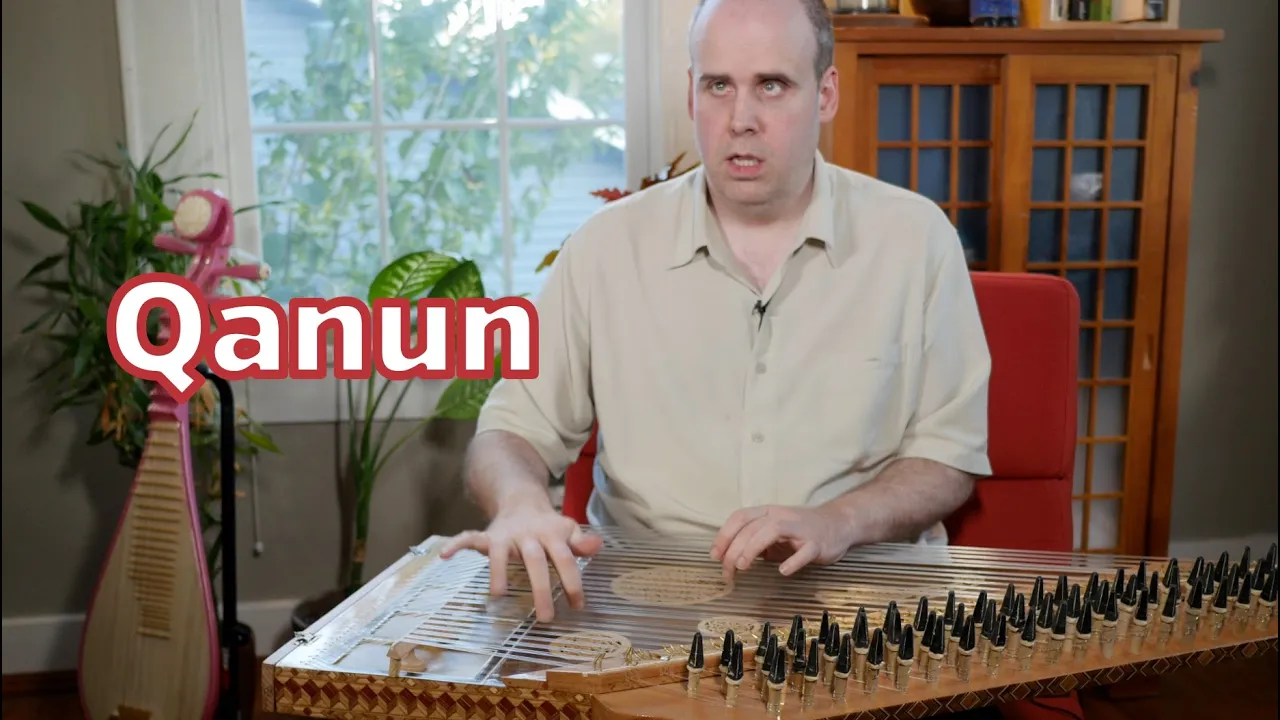
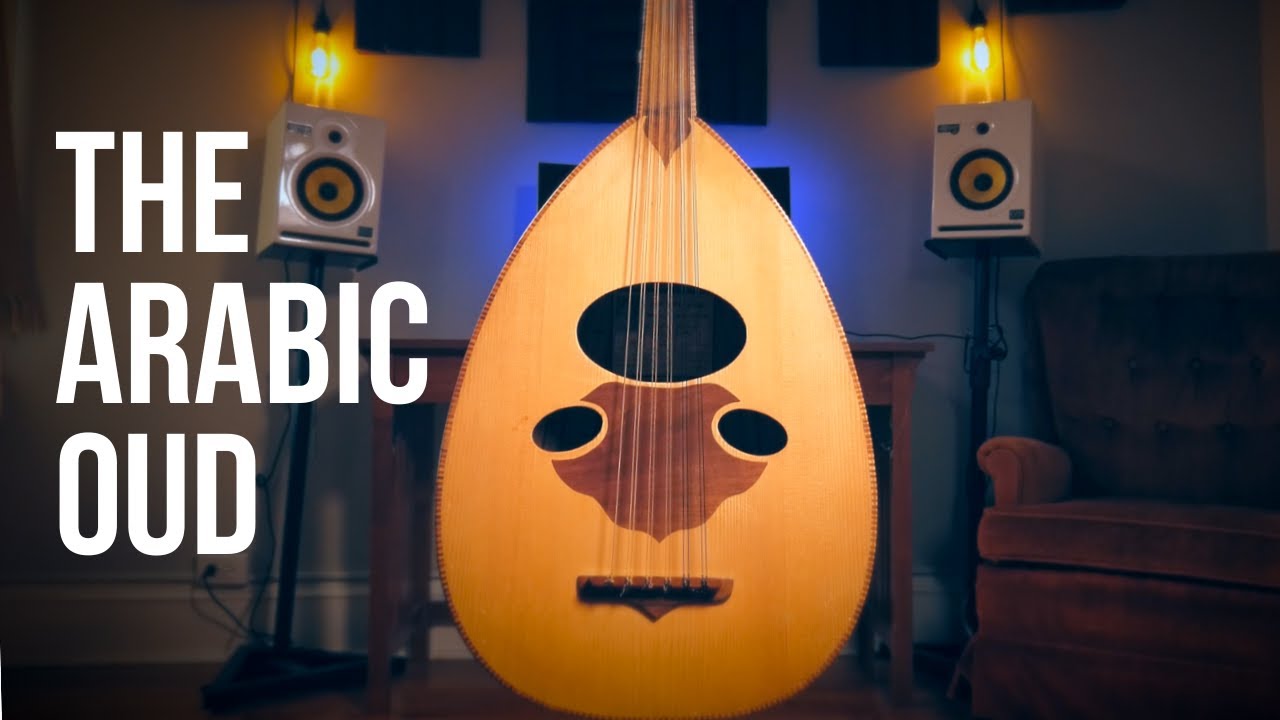
The study of traditional Arabic instruments (such as the Oud, Qanun, Nay, and violin) and how they are tuned and played to produce microtones.
Deep exploration of 'Taqsim' (the art of melodic improvisation in Arabic music) and its structural rules regarding modulation between different maqamat.
An academic investigation into 'Tarab', the culturally specific concept of emotional and spiritual ecstasy induced by music, its history, and performance practice.
Comparative musicological study of Arabic Maqam alongside neighboring modal traditions, such as Turkish Makam, Persian Dastgah, or Indian Ragas.
9.5K views267likes1:06:24Original Release: 2024-10-24
thank you all for coming it's great to see everyone here uh thank you to Sharon and Ralph and all of the other hardworking leaders and and staff here at 19 Washington Square North uh my name is Andrew Eisenberg I'm associate professor of Music at nying and Global Network associate professor of Music here at muu New York affiliated with the Department of music and faculty of Arts and Sciences uh I'm going to first extend a special welcome to those of you who have not come to this building before and um and this is your first time at 19 Wasington Square North and read to you uh the the the mission statement um since it's Inception in 2009 The nyuad Institute in Abu Dhabi in New York has provided a platform for exchange about the newest developments and research and scholarship across the disciplines The Institute in New York offers the Washington Square our community opportunities to hear experts talk about their research and its societal relevance technological and cultural impact and importance For The World At Large raging from raging from artistic and creative Innovations to issues of equity and inclusion public health and environmental sustainability among many others as a hub for vibrant scarly public engagement The Institute is unparalleled in the Gulf region and we are pleased to offer programming and extend the institute's reach here at at night in Washington spare New York ny's Home in New York so now I have the the pleasure of introducing our speaker today Le sadik is a Grammy award a Grammy nominated violinist composer uh an educator currently serving as the artistic director of the New York Arabic Orchestra and artists and Residence at NYU Abu Dhabi he has toured the world sharing the stage with renowned artists such as Simon shahen Dilo perezz and Jack djanet and performing at prestigious venues like the London jazz festival Boston Symphony Hall WX Expo and Montreal Jazz Festival late's first record son of Tigress premiered at the Montreal Jazz Festival in 2016 and he is featured on multiple award-winning albums a Jordanian with Iraqi roots and a son of musical parents La started his musical training at The National Music Conservatory in Aman at 11 years old he had his first major solo performance of the European chamber String orchestra in front of Jordanian royalty after completing his high school degree at the prestigious Chatham School of Music in Manchester he attended Berkeley College of Music in Boston on a full scholarship he then went on to attain a master's degree from Berkeley's Global Jazz Institute in 2016 in 2018 La made history as the first Arab to participate in the Seaford International jazz violin competition where he won second place he was also honored with best International artist award at the 2020 Boston Music Awards in addition to his performance career Le directs the center for Arabic cultures Youth Orchestra program in Boston and has been a faculty member at Carnegie Hall's music educators Workshop among his many recorded outputs La is lead violinist and vocalist for the Assassin's Creed game Mirage which has accumulated around 5 million players since it's released in 2023 that's like a multiplatinum album um since last fall Le has also served as Artisan residence in our music program at NY Abu Dhabi over a series of two we stints he he he has worked and continues to work closely with students in seminar courses music ensembles and one-on-one lessons he has also been featured in public performances and will be featured soon in more public performances in collaboration with the NW Art Center bringing Leif on board I have to say uh remains one of the best decisions I've made as program head uh at at NYU abudhabi uh in addition to all the the very visible Instagram worthy things he does for us he's also been working with the faculty behind the scenes to help us conceptualize and develop our program to help us reach our aim of being the most Innovative and and globally oriented liberal arts program in music anywhere in the world one specific initiative that La has been assisting us with and I mention this in particular for any NYU students and faculty who may be in the room is a new initiative that we are launching this year to enable NYU students from New York and Shanghai to complete the all the requirements for a minor in Arab Music studies in one semester and that's spring only um anyone who wants to know more about that please feel free to reach out to me at any time this afternoon's presentation is about mam which you'll learn far more about in in just a moment it's a central pillar of Arab Music Traditions more than anything perhaps maam is an art of close and careful listening Le and I wanted to begin by recognizing the privilege that all of us in this room share at this moment to engage in this sort of listening and relative peace without also having to keep an ear out for impending catastrophe and this is not the case today for so many who claim mam as their cultural heritage including friends and loved ones of some in this room today we dedicate this presentation to them and to the belief that the freedom to listen in peace should be a right for all with that please join me in welcoming late [Applause] sadik thank you very much um Andy um Ralph everybody who has been responsible for having me here today it's really a pleasure to be able to speak to you all um we will make sure to have enough time at the end of the talk uh we'll have a conversation Andy and I have a couple of things and then have chance for a Q&A in case you have any questions about the presentation if something you really have an urge to ask something you can feel free to ask me while I'm presenting but if it can also wait till the Q&A I think that would be appreciated um just before we kind of begin and dive right into the talk I would wanted to ask uh you in the room maybe by a show of hands who here is attending a talk about mam for the first time okay awesome um who here is has some experience of makam or makam music okay great um I think before we speak about anything I would like to perform something to you and I would like you to imagine um so I won't get too much into details of my upbringing right now in the presentation but I did grow up in a musical family musical home uh that was mostly practicing Western European classical music and that's what I mostly was focused on on the violin but I would like you to imagine um I was about 9 years old a 9-year-old um in his bedroom practicing his Johan Sebastian Bak partitas um and then listening to the call of to prayer the aan that is is sung five times a day in in Muslim countries um and then having heard it all my life never Associated the sound of it with musical uh Melodies but something clicked in that moment uh when I was playing this this B practicing and I tried to accompany it and I think that was the moment where it clicked for me that okay there's something that this instrument can do that is close to what I'm hearing which is another topic I think for another day how come an an Arab kid living in Jordan um was practicing Western European classical music instead of the music of their origin um but again that's for another day I think but let me start by playing something to you all based on and that is kind of imagining that moment uh me as a 9-year-old in Aman [Music] for [Music] I [Music] back [Music] I [Music] [Applause] so what you heard right now was improvisation that is based on Mak hij but for us to really start about describing what is I think it's important to start from the beginning so when we when we say an introduction to uh mam to Arabic music I think we also have to be careful in terms of what the word Arabic means in the first place um there's about 23 countries uh in the Arab League each country with its own dialect it's own Cuisine um own culture subcultures within the same country from the north of Iraq to the South it's almost a different um country different place so I think it's important just to start as our framework is that we don't want to paint everything with a single brush when we speak about this music but rather there are three pillars I think that stand out that unify those regions and why we call it Arabic music and one of those pillars and the most important one is the concept of mam um who here can for those of you who maybe have some experience can maybe share or tell me what uh you think the word maam means there's a literal meaning to the word in Arabic and there is also the musical meaning if anybody would like to share yeah uh that TR I think more place or location and then mode that's one of the uh used terms to describe a makam mode um some people would call it scale still I wouldn't say that that's the most accurate any other guesses yes is it giv it analogous to like ra and is it for that ter of scale but there described yes behavioral practice of 100% and uh we're referring to the Indian classical music raaga system that exists both in hindustani Northern and ktic in the South um so makam the word that we would describe it as is melodic framework and those are two important words Melody and framework what you heard today was an improvisation but within that improvisation were a set of musical phrases that have been passed down that are learned as vocabulary as a language that often times must be performed for it for the makam to actually have its DNA be showed the right way um so here if you see on the screen let see if this works there we go so A melodic framework and I say that can sometimes be microtonal and we'll speak about microtonal in a second that's one of the other pillars um the maam follows a set of ascending and descending phrases uh and sequences and patterns that together create a certain mood for The Listener and I'll be curious later on I'll perform something at the end and maybe we can see if different people hear different things in the same Mam and I think that's the beauty of it um the makam is also on the way we view a scale if you look at this slide in the Western European classical system is a set of notes stacked above each other in ascending and descending fashion and you learn them in such a way the theoretical aspect of that but on the second line is the way a makam would be divided into smaller building blocks we would call them ASAS which is the plural or jins the singular um some people like to speak about it like Lego pieces and that you have different shapes and sizes and colors and then you can mix and match and put them together it it's very much a very playful tradition in that sense and um each of the Mak that we have are divided into these two or three AAS now when I played hij or for example when I introduce myself I typically would say my name is Le and I was born in Bagdad raised in Aman Jordan play the violin and I now live between New York and Madrid and abudhabi so I have this introduction about who life is hij also has the same introduction and that is typically begun by this interval that goes from the first root note which is this D if you're interested or the ray up to the G the fourth that [Music] opening this is essential for Mak hij and each M would have these essential phrases or opening um um phrases and kind of a pathway which we would call A s a yr for it to be executed and it's actually the then the skill of the performer how you begin with that s to actually introduce the makam correctly and then venture out into your own creativity out of this framework that's already been created so um for example if [Music] I'm That's essential an essential for phase in mam hij just like you would learn um how to say good morning or thank you in Spanish or in French you would learn the same thing in Mak hij and each of the other Mak have similar phrases that you would learn in such a way that it becomes your vocabulary and then you can then expand on them when we look at makat uh there's about eight makam families and some always people some sometimes actually this morning I was giving a talk at 2: in the morning with some students from Ab Abu Dhabi an online class and one of the students asked how many makat are there and so eight makam families you can view each family as sort of a tree and each tree with its branches and then so they have the family of makat and I actually have them listed here um we won't go too much into details of each Mak just because it is an introduction for today but I don't know if this continues to another session at some other point we could talk more in detail but we have bti R and Nik um and just to go back to one final thing before we close the section about um this first pillar is that one of the definitions of makam was a place or a location and you can look at the makat here and for example hij the word hij refers to the region of hij which is modern day Saudi Arabia nahawand region in Iran in Persia um so all of these not maybe all of them but some of them do contain within them um uh referring to places or locations and this actually one final thing and I think it's quite interesting is the um the kind of again about the use of makam in the correct way if you look at this which we call makam ncre because we have here the first gin or the first building block as NRE if you would show this any musician tell them play it for me they will probably start from the very button go up the scale and descend in such a [Music] fashion and while this contains the notes that would make AAS it but it's almost like you have the ingredients to the recipe but not really the the actual food in front of you and and how ncre then could be the right way to perform ncre using the actual phrases within it actually would um in this case would be mostly centered around this degree the fifth one highlighting this part of the mam in the second gy before descending back down this be an example so this then would sound more like what M identity the DNA of increas is and then some people would ask them what makes something a what makes that DNA of the Mak and ultimately it's a repertoire repertoire informs our makat it's the existence of these Melodies and songs that probably were created without even knowledge of theory and that how then that becomes our Theory and this morning uh not actually one of the schs the Desi was one of the STA member asked can I create my one um it seemed like if the fun thing like have pieces of Lego you can put and mix things together and I and my personal answer would be like yes you can but then if you talk to anybody who's a more of a purist they will tell you if you if you create a Mak you need to make sure that 50 people write 50 pieces using that Ma and it becomes integrated in the lto are and only then it could be it can be called a m repertoire informs uh what m is and this actually this sound of n is the same scale let's call it that was used in the The Aladdin uh Disney cartoon Arabian Nights song Arabian Night like Arabian days we all all and when I do this in AB they much younger stents they don't all um but actually this is an incorrect way it's if you call Arabian Night at least follow the rightly creas framework when writing the melody but the songs are so it's small things I think what shows you how important it is to be just a little bit informed and that goes a very long way in being being you know represent a culture the the correct and the right way um so our firster M so please if you have any questions if there's any urgent questions now that kind of you need to ask it now before it goes away then you can go ahead but if not we'll leave time I just want to make sure that there's nothing at all right now I won't judge you it's okay if there is something okay all right so maam as our first pillar and even the other two pillars are actually part of makam so we're not going to move too far away from it but yeah before actually go there um second pillar is what we call t t a r a b t um tab has multiple meanings um it could refer to a genre a musical genre referring to the middle of the last century um uh that that was made famous by many vocalists um and artists such as Kum in Egypt Muhammad Abdul wahab um even in the time of f um Mahan those are all names of phenomenal artists from the region but the another term that was used to refer to what means which is musical ecstasy and I would like to give you an example of something that happened personally to me thanks Amur I have a terrible cough that's been lingering for weeks yeah um there a couple of years ago I was asked to perform with an Iraqi um vocalist a master vocalist somebody I admired a lot so you can imagine I came to those rehearsals to the concert even really prepared and so present in that moment I was willing to give everything this for to be in that space in that room and lucky for me that my other colleagues on stage also had that same intention that same feeling that presence that intent it the artist himself was also in that same head space mind space thankful for being in that room ready to present and finally but more importantly the audience who were coming to attend the concert were also in that space in the same mindset ready to receive uh kind of very openly and that kind of communal way of of behaving in that room allowed the whole musical performance to rise in that ecstasy moment moment and we actually were trying to find words this morning with the students about maybe there's another word that could be um better kind of describe because ecstasy maybe it's only me but I feel it has a a positive connotation to it while it doesn't always you know T doesn't always have to be happy and butterflies and beautiful but it also can be painful and and it can be a heartbreak um and I'm going to show you a video right now of one of the icons uh of the tab genre if you want to call it or the who has really risen to um push this music to its its its many limits um it's the artist called um kulum anybody familiar with the name here just couple okay great um phenomenal Egyptian artist and I would actually venture to say not not only an artist but a more of a social activist she's somebody that really believed in the role of culture and music in society and she was even a person that um was a mediator between governments in her time that she would be invited to sing in front of kings and queens those who would have conflict with her country of Egypt and bring brought some things together so she really played a big role and in this performance which is part of a documentary called a voice like Egypt that's narrated by Omar Sharif um it's a concert that she's performing um and you'll hear the audience members are just it it you would think it's a classical concert but it's really a rock concert there's so much excitement um and we always say that if you would sing an um kulum song from beginning to end without repetition without improvisation without anything it would be a 3 four minute song a pop song that today you hear on the radio but if you go on YouTube and watch what a video of Kum minimum an hour long for each song and that is because of these moments these moment moments when she would go off script and Off Script meaning that she's encouraged by the audience members and by her colleagues on stage to improvise to take chances to get to that heightened sense of T that we speak about and I think it is in these moments where music evolves it's that life begins at the end of the comfort zone at saying I think this for me is where T also sits in many ways um so let's watch a little bit and see just the her reaction and how she's um um reacting to the to the audience hopefully the sound here [Music] works first she would sing a line straight through then she would open up the melody and improvise on it playing with the words she was able to bring sound and meaning together so that they seemed Inseparable as a singer she took chances and she needed the excitement of the audience [Music] [Applause] [Music] m [Music] so that's just one example of what that is and I would also encourage you all that in your daily life to somehow find T and in it whether it be through cooking or doing daily tasks I have a three-year-old daughter and it's in this challenging toddler phase of her being the boss in the house and so if a day goes by where everything aligns from morning tonight for me that's St up um so I would just also um different cultures have words for tab and the one that I know closely because I'm also living much in Spain and have a connection to thean Roots flamco they would use the word dende h which would be close to to tab so if we have also folks here from different uh corners of the world I would encourage you also to go and maybe look back into where you're from and see if there's a word for some people in sports call it state of flow as well um so second pillar and plays a big role in t the use of the Mak what mood is creating the ornamentation the modulation how you switch from one Mak to the other what that what that does to an to an audience I'm going to demonstrate that to you also in a second but that is our second pillar any questions so far about those two yes I I speak what sorry when day yeah so the r says that that for like to that you Transit it that way no just because like they're the ones who are helping s I'm just relating the culture I grew up in like they help s like pack all the gifts that he gives the kids during Christmas okay on that very cool any other questions about about oh all right third pillar micro tonality or as we'd like to call it neutral tones there's an important date I think that is worth noting here that anybody who wants to have an intro to this music must know the 1932 Arabic music Congress which took place in Cairo Egypt um It's actually an annual Festival that takes place till this day and I had the chance to perform at it in it um two years ago very special Festival has a long history history and um the festival the First music Congress that took place was basically the the it was a large invitation to many artists from around the Arab world from Iraq um the gulf uh the Levant North Africa even some European artists to come together celebrate this variety of music from the region there were actually there are some concerts that exist on YouTube audio recordings of those very special recordings that we learned from and they actually sat down and structured this music into more of a written format a format that could be um easily preserved rather than it being passed down orally which was basically the nature of the tradition up until then and from that you have the use of these symbols uh that came out the neutral tones or as many call them microtones and to the best way to describe them is the the notes that would sit between the black and white keys on the piano right and I'm going to show give you an example of on the violin for you to hear um what that note sounds like so I'm going to play a a a free three times and the third time will have the the quarter cone in it or the neutral con the freight Bas in Des sense in such a way so this is the first one yeah so it was also the third notes here's again the first one now the second Freight still no [Music] no minor been the major and then minor now with the [Music] eone you hear it you yeah one more time major minor and you had piano in the room I would have played one of the notes of the black or the white keys and play this with it and you will hear such dissonance there but the the note itself doesn't exist in a in a vacuum like this it exists again within a melodic framework so it could never sound fat as this but more [Music] yeah so within a Melody this and this will also of um as thetic framework of SE so everything I'm playing is learned phrases it's nothing I'm creating from from scratch it's the language and so why we call them we like to call them neutal thoughts because I think we SE the word micro diminishes the the enforcements of the not it makes it seem like ODS is it's whatever the note between the Nots but rather it's a very important note that exists not only within the indm or culture Arab Music but also within other cult I've transcribed help um work of an Clos in working on swti mus that has SP on Norwegian fic has quarter tones and blues has quarter tones and and and so it kind of the with the use of temperate system we've lost the existence of the node or the intentionality of it let's say but we really preser that in a way with Arabic music so we' like to call it a neutral tone rather than a micro tone and finally from this Arabic music Congress something that is important to note um is whether it was actually a good idea to preserve and structure the music in such a way that it could be written in books could be shared on screens and so on or leave it as an oral tradition there's a game that some people play I Feel in partings where they stand in a line like five 10 we six people stand in a line and with one person Whispers a word and then this person Whispers the word to go in front of them and then by the end sometimes the word changes or it doesn't get do fully that get to the last person I think there's a beauty in that and I often imag that the songs that were sung in that Festival 1932 if there was no Congress would the song still sound the same way we play them today or would they have changed I think that's something always remember a DEC way s f songs for us today whether they would change so it's a debate no there's no right or wrong uh there we made use of notation of the structure of the music understanding it uh some people you could say as a colonial aspect to it in terms of using Western notation for Arabic music um and that could be referred to the sociopolitical um Can Regal or Egypt the British leing the Ottomans be there and so on but that's again for another for another day um but neutral tones are an important aspect of the Arab Music but they don't Define Mak some can have beautiful tongues and other don't need it for example can which basically is a harmonic minor it doesn't contain yourr tone what to play in the [Music] framework that's to you all so three pillars p and neutral tones all together basically are the the umbrella that envelops the region and that are is the the pillars that are shared when we speak about this music any questions so far before we kind of di into this the last part about the um the modulations yes your first this notation is what would we use on um notation system so this is a flat sign in this is a shart so this line typically would need to be here if this was Western location this V refers to the note needing to be higher and this first to the note meaning to be lowered and and now with the Line crossing them is means somewh in the middle I mean I think that's a simplest way to describe it but this would be what you would write on on a piece of notation to refer to what somebody's reading it so they know that this actually means that this is a neutral to any is there um a prescri uh tation guideline for you know for saying like like one of these do full TS is is precisely what is you use like ratios or you use fence or was system for you prescribing the the actual the prop yeah that's a holy C the studio it's on and there are lot of friends of mine we call them ner we'll go do that and I respect it a lot I I believe ins AR music have a session it's a fantastic both called ins side Arabic music by joh that also goes into those details of this for somebody like me as a performer I learned these Mak by listening to songs to repertoire and also growing up around it so there are Sensi ination things that for um shift and change so for example actually that's maybe a good way to also seg way to the if we look at let me see I think hij will be a good example so if we look at here the if I would just play this as looking without me having the background of understanding what m is I prob to play it with this in so large distance between a second and the third note with the to one piano but the correct way of play is just within certain countries I wouldn't I wouldn't say within all of the of the region would be to actually higher that the the this the second and lower the third one giving you this kind of the kind of the against each other here in the middle [Music] and this one and setad [Music] up [Music] Lord there difference in how you feel the PowerUp of the M then I would do the same thing but with the temp of [Music] intonation [Music] that so that's one example but for example is the first be so it's the the and then have this ination if we go to another let me see if I have it here yeah word hij is actually a secondary m not the main one then the ination of the would be different to him if you were in Egypt the ination of would be in this context the more tempered one so is the one that we didn't like so much what I when I play but because it's a secondary sound it cannot overpower the main ma or the main gin so here would be [Music] Ching F and in Turkey they would play differently and I think that's something that is so wonderful within this sty of music that there's a non-verbal communication aspect to this if you put me in a room with four other musicians and I don't know where they're from back nationality upbringing and we each one would play a song in the same the same song I will be able to identify where they're from uh by the way they would use the intonation and the way they would ornament and so on ornamentation is another topic I think it's yeah we won't get to it I think today um but those are really important things that again contribute so much to the CL of of th and and the field of by but the some regions can be more or less similar to each other in their understanding yes you can say that within the state similar areas there would be some similarity but still I I would be I would be cautious to there's so much like so much variety and in these things and that it the ination to be but or could be more so it's an yeah always have to be careful with and it's so what's the third Bel the mogy the neutral TS so it's it's basically this these notes the intentional use of the um of these tones within the makam system that contribute to with ination and then that also SE into M so kind of they via th that are separate but also part of one part of one any other questions before we do the part about modulation who here can then tell me what do you think modulation in this context means yeah Ming from one yes from one Mak to the other and there definitely a challenge a skill and quite scary sometimes I should say if you get lost on stage between two Mak and you can't find your way back and but there's a mass analogy I think that I'll share with you as we said the Mak is divided into a and to build big block and you have the main vs and you have the secondary gin what joins the two is this note in the little and some people would refer to it as a dominant note the pivot note but what we call in Arabic is theas and funny that in Jordan actually think in Jordan the word is the blinker in the car to turn right or left so the last important because basically is the Gateway the doorway to exiting and entering so if we take those two and I'm going to play h both up and down so we can hear the sound of them here is thei the first one okayy [Music] J now even though and are two separate families of M two separate trees you say they have some things in common in that they both have Nan as the second building W asum that basically is a common we could take the cousin between the two or be the thetive between the two and they both have the fourth Note 1 2 3 4 1 2 3 the four not as the as the pivot note some will be the third note the others will be the fourth and some def so it doesn't mean it's always it's never the rule it's depending on the M itself so with all that information you say okay so they have an one together they both have the force not as mass so there must be something there that we can use two transition between the two use it this as the doorway so I'm going to try to be seeing this but my way cover that W up because I want to point with my um my B ear so you can see the movement of how we're transitioning back and forth and it fory this concept of modulation is when you watch the recording in or you attend any AR music concert if you have experienced listeners we call them Sam in Arabic Sam comes from the word to listen and Sam are the people who know how to listen and so it's in the art of listening say then the when the moment of motivation occurs typically those people would go oh tell on yes or they might even anticipate it they might even actually know your Tendencies as an artist and they'll say they'll basically tell you like go there now go like and it's quite fun to have that relationship with the audience and my state so um here have the example stop so we sound us that's the opener right we said that framework [Music] we up [Music] pleas instead of [Music] la [Music] Landing Diego so it's [Applause] just the so I think see here is this Con shifing of moons so you really have some sort of I feel some sort of power while I'm on State and as if I can play around a bit with the mood of the audience and this is quite subtle between the two you can hear it but it's quite subtle but there's other kind of instances where um then I will change the top part for me an example I'm going to it's very minor in sound here so the mood is quite we can say melancholic Dar want to use these words and so I'm going to stay within a stas for a bit I'm going to use this note to swing to something else and I'm going you want to I want you to feel how that moment I to prepare for that moment modation here again [Music] with Mass [Music] sh [Music] yeah so that was the modation from hij is that [Music] major love this and you can really choose that moment well as an artist on stage when there's been a lot of mil heart bre which actually 8% of the music inserting that the B to can that it's it's a really special moment um and this is why modulation is again I wouldn't say so a pillar um because not some Styles in North Africa don't necessarily modulate as much as the ones in Egypt um and and others in Iraq for example the conf of ma in Iraq is very different than the of ma in the leant OR in Egypt is a composition it's not a framework that then you use to provide but it's a written competition from beginning to end it's a story that you have to play On A to Z with some additions that you can do with some ornamentation but there's generally not so much Freedom between um so keep the defining the first so that why the PO really are Mak um the neutral tongs and the concept of T before we engage in a bit of a conversation maybe and you and I um maybe I thought I would um to perform one last thing for you that basically has all those elements within them those modulations I'll try to go a little bit and I'll be a bit more creative with the modulation so you can really yeah actually maybe that would be a nice exercise it's a TR to identify how many modulations it were in this uh the names of about making how many modulations there were [Music] up [Music] found [Music] the [Music] [Music] h e [Music] [Music] morning [Music] me [Music] the [Music] [Music] no [Music] [Music] from [Music] [Music] little [Music] it's m [Music] [Applause] see that's it hadn't been [Applause] so I think I just want to sort of get things started because I'm sure there are more questions in the room um and if we could actually start with going back to that uh question of why I was a kid from Jordan playing classical music and maybe you could tell us a little bit how that introduction to maam came for you yeah I do want to say that I really appreciate having that upbringing I mean I think it helped me a lot with my proficiency on the instrument and I just you know I I know that that was an essential part of my of my training but my household in Jordan there was always guests around singers vocalists from all parts of the Arab world they would come to our house sing eat it was kind of an open Concert Hall really um and growing up in this household it I knew that this was kind of part of of me but I just didn't know how to execute it on the instrument I just didn't know that because I was so focused on my path that was kind of written for me in many ways and but when I went to England when I did my my um High School in a boarding school in in Manchester um one of my friends there asked me he's like what does your music sound like and I could not answer the question question and I felt some kind of Shame a little bit how can I not know how how can I answer that question so that's when I became a bit more curious about what that music is um but it was only when I got furthest away from my home to Boston um is when I began studying deeply with my with my teacher at the time Simon shahin who was a phenomenal uh rudist violinist educator and I went in-depth with him into this style of music I mean learning it from almost from scratch but I wasn't learning the the music as I was teaching as I was explaining it today I felt like I was learning about myself with him uh about who life is and my identity as as a musician and kind of that started my really my journey and kind of going really in deep deep into it and that changed my whole trajectory I mean my first semester in Berkeley I was doing film scoring sessions I was in Orchestra trying to be the concert Master of the orchestra and my second semester I basically was just trying to be in jazz ensembles and improvise more and figuring out that creative aspect of it so it really shifted my whole thinking of what music me meant to me and it took me back to to my roots in many ways and it's become my my daily life now I mean it basically defines me in many way yeah I was thinking that um because you've collaborated with Indian musicians a Greek musician and you know and Jazz musicians so do you feel that you come at these kinds of crossover or these these kinds of you know transcultural exchanges from mang yes there's always that when when I when I would sit with those musicians were friends of mine I feel like from both sides we're always trying to find that Common Thread between the two of us whether it be a musical phrase a makam a Raa and I think it's something that unifies I think the region in many ways melodic Traditions I would say um so definitely is always kind of um a starting point but I also try to always be careful because if I approach something from my comfort level of try to bring it to me then maybe I won't go enough to it in many ways I I I won't kind of try to understand the other side more but try to always find the Middle Point as as middle points there's not for me that's so much learning uh kind of good yeah to the other side of it more it's interesting when you think about improvisation specifically right because as you said you you you studied Jazz uh and that is a whole other kind of language and and a whole other way of approaching improvisation there's still the idea of uh you know there is a language there there's a framework yeah um or multiple Frameworks uh that you're asked to sort of push um maybe in different ways than you know in mam improvisation where there's a framework and you're asked to create within that so how how do you do you think you bring any of the Jazz uh maybe subconsciously even to mam or vice versa yeah I would say I struggled a lot that year in the master's program it I wasn't ultimately it was a good outcome for me but the year itself was very difficult because I found myself in a new environment new language with other peers of mine that had been doing it for mon much longer than I have and I was a bit lost um but then I tried to focus more on what can I get in one year of a degree rather than is one year is is is not nothing for for anything really um and then I tried to then get closer towards how those because we were visited by such great artists to come teach us during that the Masters program some like jump attitud Jo loano um Dave lebman U Brian blade I I keep can keep going I mean Terry link the legends of who play jazz today um try to get the mentality of what it means what it means for them to be on stage to create and how can that element of the music of jazz how how can I take that from it and bring it to my music so I think what that has helped me and other peers of mine who've taken the program as well is how to try to um innovate in some way uh by by putting ourselves in those those environments and try to push the boundaries for example what I did um today uh more the faster part of the of the Improv of the of the piece it was it was an improvisation I started with the typical phrases but then I kind of ventured off that I wouldn't have done that I think in such a way if I hadn't done that program that one-ear program that allowed me to just um what's um to embrace the mistakes I would say I think that's what I learned the most from from that year to embrace the mistakes
Up Next
52:46
Maqam Unit 2 Review: Comparing Bayati, Hijaz, Kurd, Saba
@abushumays
1.3K views•2021-06-27

10:20
Mozart's Musical Dice Game Explained: History, Rules, & Fun
@webpianoacademy
5K views•2023-03-13

47:36
Understanding Diatonic 7th Chords in Major Keys | Music Theory Tutorial
@GracieTerzian
54.7K views•2022-03-02
10:49
Understanding John Coltrane's Giant Steps: A Music Theory Analysis
@Vox
10.4M views•2018-11-12
Related Study Plans & Knowledge Roadmaps
Structured learning paths in Music Theory
music-theory
Composing Galant Music: Partimento & Schemata
01Foundations of Figured Bass and Keyboard Harmony
02The Rule of the Octave (Regola dell'Ottava)
03Galant Schemata: The Building Blocks of Form
+ 2 more learning modules
30h5 modules
Explore Roadmap
music-theory
Decoding Overtone Series: Tuning & Drone Music
01Acoustic Foundations: The Physics of the Overtone Series
02Tuning Systems: Equal Temperament vs. Just Intonation
03Microtonality and Spectralism: Beyond Standard Pitches
+ 2 more learning modules
24h5 modules
Explore Roadmap
music-theory
Impressionist Harmony: Scales, Planing & RPGs
01Foundational Music Theory: Keys, Intervals, and Seventh Chords
02Impressionist Color: Chord Planing and Parallel Harmony
03Whimsical Textures: Pentatonic Cascades and Whole-Tone Scales
+ 1 more learning modules
14h4 modules
Explore Roadmap
music-theory
Negative Harmony: Axis Reflection in Indie Pop
01Music Theory Foundations: Scales, Intervals, and Triads
02Functional Harmony and the Circle of Fifths
03Demystifying the Negative Harmony Axis Reflection
+ 2 more learning modules
16h5 modules
Explore Roadmap