


![43 Music Theory Concepts That EVERY Modern Composer Should Master [The Music Theory Map]](https://i.ytimg.com/vi/qeS8txkoUH4/maxresdefault.jpg)











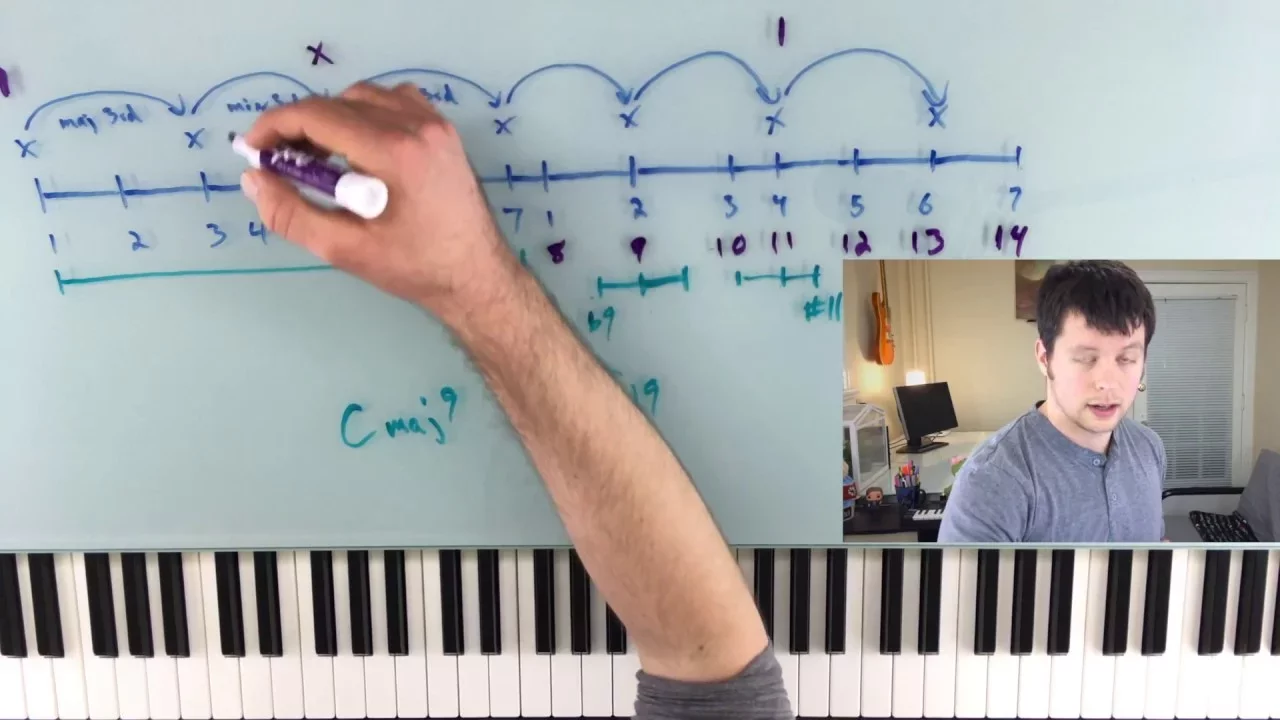


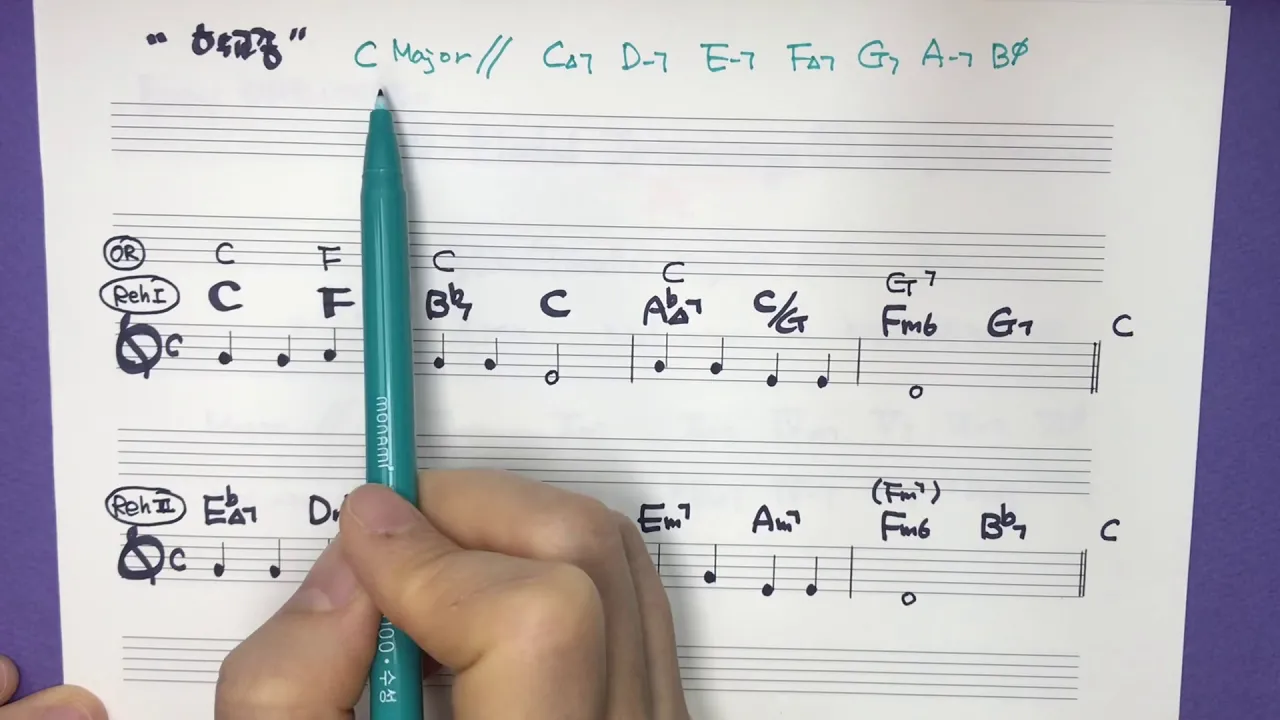


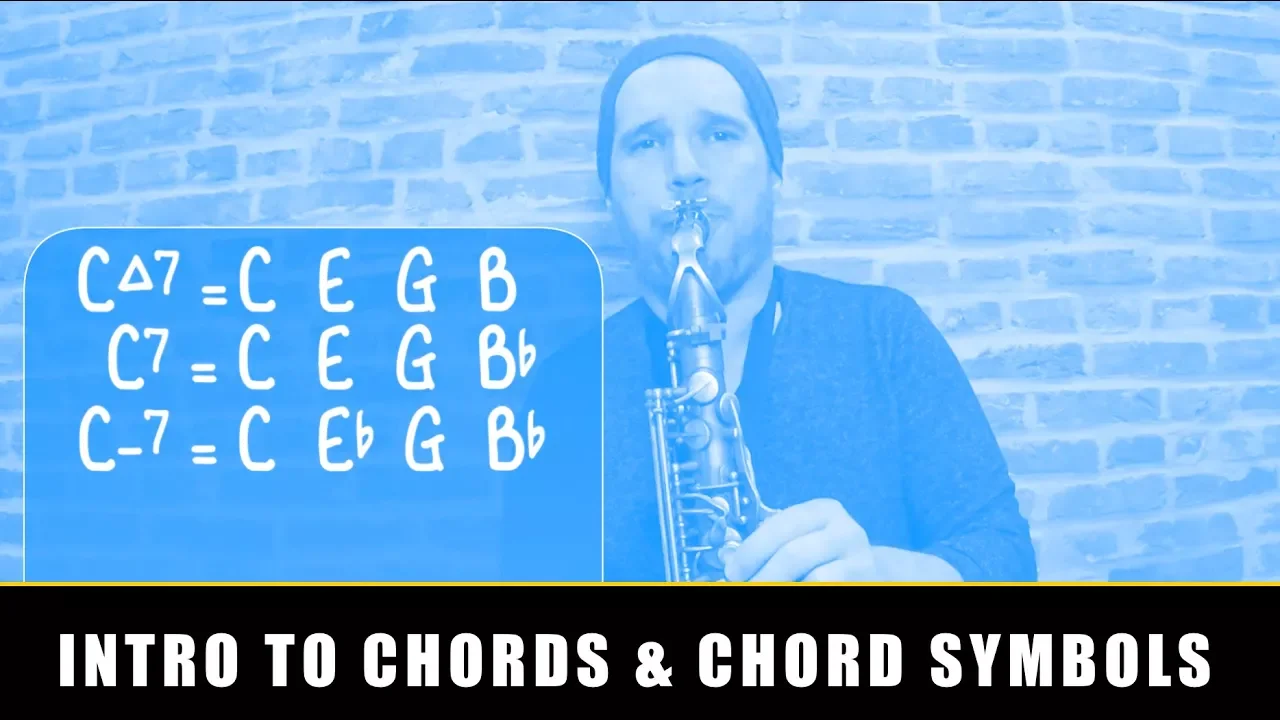
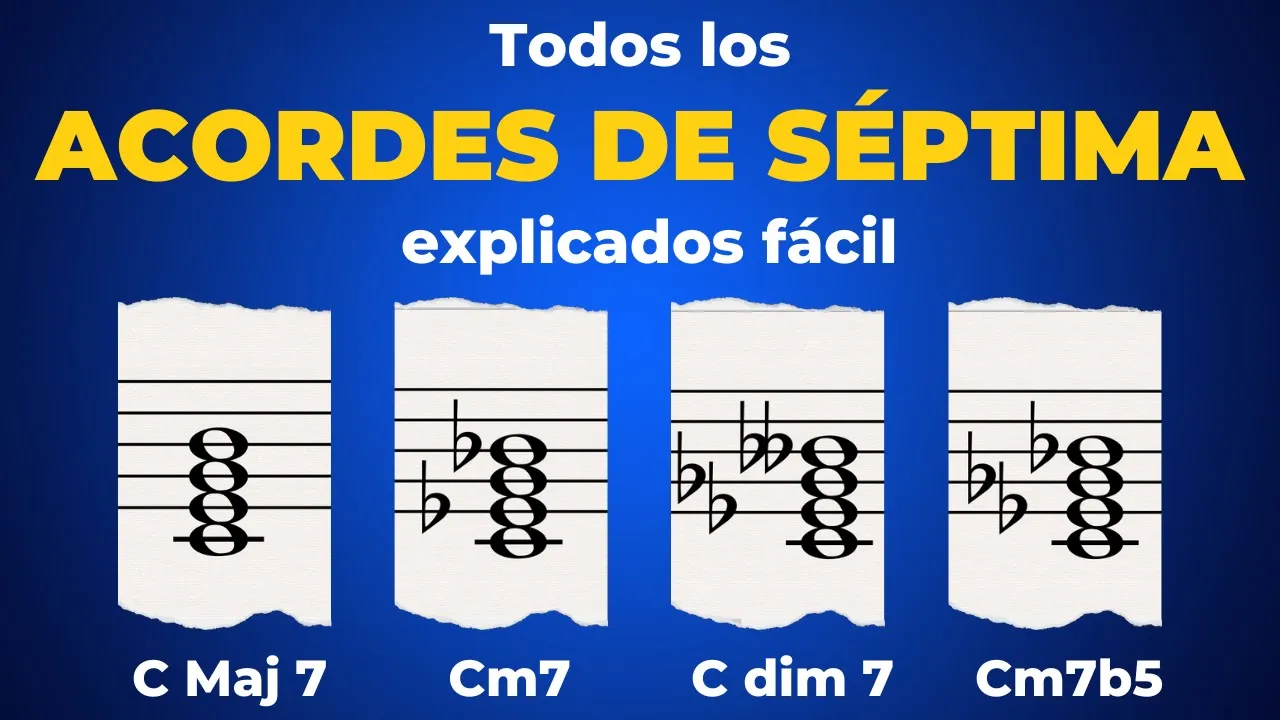
Seventh chords are built by adding a seventh interval to a basic triad, with three possible seventh intervals: major 7th, minor 7th, and diminished 7th. The seven types of seventh chords are: major 7th (major triad + major 7th), dominant 7th (major triad + minor 7th), minor 7th (minor triad + minor 7th), minor major 7th (minor triad + major 7th), half-diminished 7th (diminished triad + minor 7th), fully diminished 7th (diminished triad + diminished 7th), and augmented major 7th (augmented triad + major 7th). A fundamental rule of chord construction states that any two notes in a chord must be a third apart (major or minor third), which determines which combinations are valid.
How Seventh Chords Work Part 2: Music Theory Explained
Added:Understanding of basic triads (major, minor, diminished, and augmented) and their interval structures.
Familiarity with foundational seventh chords, specifically major 7th, minor 7th, and dominant 7th chords.
A solid grasp of interval theory, including major, minor, perfect, diminished, and augmented intervals.
Basic knowledge of diatonic scales (major and natural/harmonic minor) and key signatures.
Inversions of seventh chords (root position, first, second, and third inversions) and their proper voice leading.
Functional harmonic analysis (Roman numerals) using diminished, half-diminished, and minor-major seventh chords in classical and jazz contexts.
Voice leading resolution rules for dissonant intervals, such as resolving the tritone within fully diminished seventh chords.
Introduction to extended chords, including 9th, 11th, and 13th chords, which build directly upon seventh chord structures.
Practical application in jazz harmony, modal interchange, and advanced songwriting techniques.
271K views8.9Klikes13:52Original Release: 2011-09-28
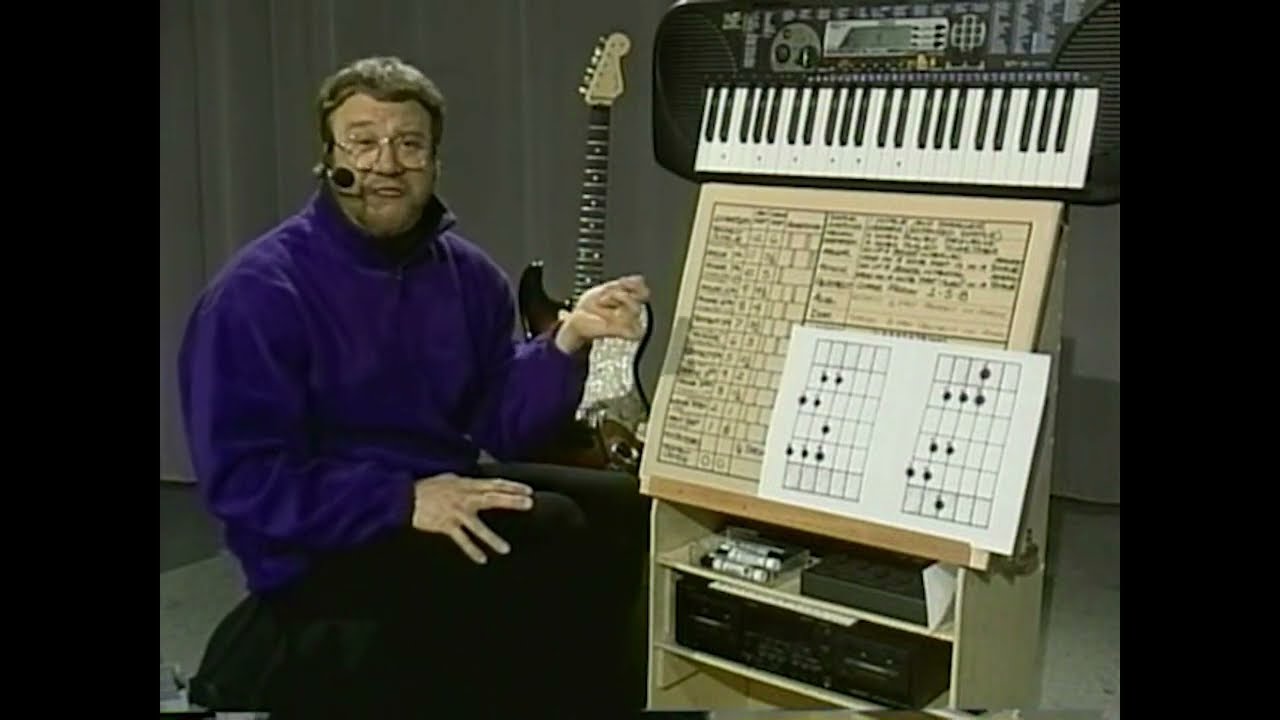
All right. So, here here's part three in this little series. And what we're going to do here is basically just finish up what we were talking about with the last video. Um, last video we were getting into seventh chords and uh talked about sort of the whole mechanics of those and how they go together and how that whole system works, but we only actually covered three of them and there's there's seven total. So, what we're going to do here is just kind of go over those last four and there's really nothing new to learn. It's just kind of applying everything we've already talked about. So, this should, I think, be pretty easy. So, to do this, um, since we've got a lot of different chords here, I want to get a little bit more organized. So, we're going to go ahead and look at what we've already got. And we're going to start with those basic chords, those those triads. Um, I am going to just write everything with the root note of G just to keep it a little bit simpler. Of course, this could be any root note, but we'll just make everything a G chord for now just to keep it um, a little bit easier to look at. So, we've got our major chord, minor, we've got the uh diminished, and the augmented, and those are our basic four.
Now, if you remember the the way to build these seventh chords was just to take one of these basic triads and sort of apply some kind of seventh interval to it, and that gives us our seventh chord. So, we had a we actually had three choices for that that seventh interval. We had a major 7th, a minor 7th, and then I briefly mentioned this.
We have a diminished 7th. This is only going to happen once, but we are going to use it here. So, I'm going to leave this up. Okay. So, the process we had started with one of these. Let's say that G major chord right there. We actually did this one last time. Let's say we start with this G major chord. We want to do one of these. So, we'll start with this top one here. We're going to apply a major 7th interval to this basic triad. Now, remember that to find your your major 7th interval, you always measure from your root note. So we're looking at G right here. And then to find that major 7th, you go an octave and then you slide it back a half step.
That puts you right there. So now you have this basic triad with this interval on top. There's your major 7th. Okay, we actually covered that one last time. So that should be pretty easy. Um, major 7. So that's that's our first seventh chord, the first of seven.
Now, if you're looking at this, you think, okay, there's four of these.
There's three of these. So 3 * 4 or 4 * 3. There ought to be 12 possible seventh chords. Um, but there actually isn't because there's a lot of combinations here that aren't really going to work out. They'll kind of violate the rules of chords that we're about to talk about. So for this one, you can start with a major triad. You can use this major 7th. You're going to get this. Um, you can also use this minor 7th. We did that last time, too. That was just taking the, you know, the basic major triad going up a minor 7th this time. So an octave back a whole step and you wind up with this. And that gives you that that seven chord dominant seven chord where it looks like that. That's just that basic major triad minor 7.
Remember, don't get that confused with with this one. So those two work great.
We can start with this. We can do both of these. We'll wind up with these two chords. But this diminished seventh, this is not going to work when we when we start on a major triad. So you can go ahead and look at that. We'll try that.
Let's say we start with that G major triad again and we try to do a diminished seventh. Now remember a diminished seventh is actually just a minor 7th that's lowered an extra half step. So it's like one step smaller than than these other ones. So our minor 7th we found was right here. We want to make it a diminished 7th. We put it right here. You wind up with this. Now this doesn't actually work. If you remember back to that first video we were talking about those those basic triads. said there's this rule with chords where any two notes in a chord have to be a third apart. It can be a major third, it can be a minor third, but it can't be anything else. So, if you look at this chord, these first two notes are a major third apart. That's fine. These second two are a minor third apart. That's fine, too. But these last two are only a whole step. And a whole step is definitely not a third. It's not a major third. It's not a minor third. It's too small. So, that means that this doesn't work. This this is not a valid chord. So trying to take this and use that doesn't really give us anything. So we sort of ignore that. So that's the these two chords are all we can get when we start with a major triad. So we covered that last time. Should be okay. But hopefully you can kind of see how this is all going to play out. So we'll go to the next one here. This G minor. That means we're starting like that. Here's your basic minor triad. And we'll go ahead and do this one first just because it's simpler. We already did it. Um, if you take that basic minor triad, you put a minor 7th on top, you get what's called a minor 7th chord. Pretty obvious. That was very easy to remember, too. Just minor triad, minor 7th. You wind up with this. We covered those three last time, but so now let's get into the new ones.
Um, there's only one other combination we can do when we start with this minor triad here. The the diminished 7th is still not going to work. If you try that, we already have our minor 7th right here. If we lowered that an extra half step, we run into the same problem.
This fifth and the seventh are too close. So that doesn't give us anything we can use. So the only other one is this major 7th. So we can actually start with a a minor triad and on top of this we can do a major 7th and we wind up with this chord. Now this chord has kind of an awkward name. It's what you call a minor major 7th chord. And it a lot of times it's written um sort of like that.
Lowerase M, uppercase M. Um just since I've been doing things this way, I'm going to keep it keep it looking the same. So I'll write it like this.
Um minor major 7. This chord is pretty unusual. You're not going to see this very often at all.
has a bit of an odd sound and it doesn't doesn't have a real strong function when you start talking about like how chords, you know, move from one to the next and everything. So, it exists. You may see it from time to time. You may want to use it from time to time, but it's pretty uncommon. This is a far far less common than these three. So, know that it's there. It's pretty simple how it works. The name pretty much tells you everything in it, but it's not a common chord. But anyway, that that is a possible chord. So that's that's one of our sevenths and there's only three left from here. So that was everything we could do starting on one of these on the major triad and the minor triad. It just leaves us diminished and augmented. So let's go ahead and start with this diminished chord. Um if we remember how that diminished works, it's got that minor third. It's got that flat fifth or diminished fifth, right? And if we tried to do this and tried to put a major 7th on top, we get a a similar problem to what we had. These last two notes here are too far apart to be a valid chord.
They're they're bigger than a major third. So that means that this plus that doesn't really equal anything. So that takes care of that. Just gives us these two options. We put a minor 7th on top.
We're starting from G. There's your octave, your minor 7. You get this. Um, this is a very nice chord. is a very common one. Um, this is called a G half diminished 7th. Now, the reason why it's called a half diminished, not just a G diminished 7th, is that starting from here, we're going to have two options. There's going to be two different kinds of diminish chords we can wind up with. Um, one of them is what we just did, starting in the diminished triad and using a minor 7th, which is this right here. But we're also going to be able to do this, put that diminished 7th on top. That's this is the one case where this is going to work. So we need a way to differentiate between those two different chords. We can't call them both a diminished seventh chord. So since this one here starting on the diminished triad and using a minor 7th that one has this half of the chord diminished but not this part of it, we're going to call it half diminished. So think of it in terms of like this half is diminished but this is not. So we'll call it that's right this one right here G half diminished 7th.
Now if we wanted to start with this and use this this time the fully diminished seventh. Remember that was a half step lower than your minor 7th which you're right here. We're going to call this one a fully diminished seventh. That's because this part is diminished and so is the seventh. Basically everything that can be diminished has been diminished. So the way you write that one it's just got a circle and a seven.
The circle with a little slash through it means half diminished 7th. This the full circle means diminished seventh. So hopefully you can keep those straight.
But if you think about it, it kind of makes sense. Fully diminished, both things are diminished. Half diminished means that just the triad part is diminished, not this. Just so you know, there is actually another way of writing this chord. Um you'll see this a lot in jazz.
It's uh sometimes written as G minor 7 flat 5. Now, if you think about that for a second, this should make sense. If you think about a G minor 7, there's that chord right here. That was the one we did right there. If you compare this G minor 7 to this G half diminish 7, here's a G minor 7. Here's the G half diminish 7. There's your diminish chord and your minor 7th. The only difference between that between those two is that fifth. When you do the minor 7th, you've got your fifth, you know, normal perfect fifth. When you do the the half diminished, it's been lowered by a half step. And one way of kind of talking about that is saying it's it's been flatted. You you took your fifth and you flatted it. Um, so that'll give you this. You can kind of these are the they mean the same thing. They're going to give you the same chord. They're just a little bit of a different way of thinking about it. Hopefully that makes sense. If you're looking at jazz music, you're going to see this, I think, pretty much all the time, at least most of the time. Oh, same thing though. Same chord. All right. Hopefully that makes sense so far. That takes care of all these three. We start looking at our augmented chord. Um, we're only going to get one option here. So, we'll do the G augmented. Remember that was your major third and then your augmented fifth.
That's your perfect fifth, you know, raised up here. Now, if we tried to do a diminished 7th, that will definitely not work. These are way too close. They're only a half step. We try to do a minor 7th. Same deal. It's better, but it's still too close to where this is only right there. Just a whole step. So, the only one we're left with is the major 7th. That'll put us right there. And that one actually fits. These are a minor third apart. And that that obeys the rules. So, that gives us what's called a G augmented major 7th, which should make sense. Okay. Now, that's going to be pretty much it. Those are our seven seventh chords. Remember, these are the same chord. Um, so that's that's really all we're left with. Now, the there are you might see some kind of different names for these every now and then. I I can't think of any at the moment, but you might see them written kind of differently. Like I said, for this, you might see G, you know, lowerase M, uppercase M. You sometimes, well, I actually wrote it right there without thinking about it. Sometimes instead of writing minor, you'll see that little minus sign. You might see uh something like that. G minor major 7 right here. I probably should have written um G minor 7th flat 5 just to be consistent with what I've been doing.
But that's another way of writing minor that little minus sign. Occasionally you'll actually see major uh where to fit this. Sometimes you'll see major written like this. It's a little triangle. That would be G major 7th. So don't let the different names confuse you. Um, it's really all the same stuff.
So, that that pretty much wraps this up for now. Um, just a quick little side note. Um, I keep talking about this rule of thirds or where or notes have to be a third apart, major third, minor third. I keep saying how anything else, you know, doesn't fit. It doesn't work as a chord.
And that's kind of mostly true. Um, there are some cases where you can kind of get away with breaking that rule a little bit. There's little alterations and things you can do like that. The next video I'm going to do, I'm going to start talking about inversions, which is just kind of how you rearrange notes in a chord and move them around and flip them upside down and stuff. And when we start talking about that, I'm going to talk a lot more about that rule of thirds and why it's there. And and it actually should make a lot of sense the the whole point of that. Um, and once we get into that, it should become a lot more obvious, you know, why that's there to begin with and why there are certain cases where you can kind of get around it and still kind of have a valid court.
So, if you're looking through say a jazz piece or chord chart and you find something that isn't one of these, um there I'll explain why that can happen in certain cases later on, but for the most part, this is it. This is really the core of harmony. Um if you've made it this far, then you've covered a whole lot. I would spend a little while just trying to absorb some of this stuff.
There's a lot of different chords here and lots of information. you want to get pretty comfortable with how all these work. Uh from here on out, it will actually, I think, be a little bit easier understanding a lot of this theory stuff that once you've got your head around all these different relationships and things, then when you start talking about scales and keys and all those things, all the relationships are going to be really familiar. You be like, "Oh, I know exactly how that fits because that's just like this chord or that chord." So, uh I hope this helped.
Um the next video, I think, will be easier. There'll be a lot less information, just more conceptually based. So, stick around for that. Um, please give me some feedback. Let me know what you think of this. I I really hope this is working for everybody. Um, and thanks for watching. I'll see you next time.
Up Next

38:29
Master Jazz Piano Chords: 9th, 11th, and 13th Voicings Explained
@nathanielmusicschool
8.8K views•2024-07-03

10:20
Mozart's Musical Dice Game Explained: History, Rules, & Fun
@webpianoacademy
5K views•2023-03-13
15:17
Circle of Fifths: How to Apply It in Music Theory
@MichaelNew
6.3M views•2015-03-13
10:49
Understanding John Coltrane's Giant Steps: A Music Theory Analysis
@Vox
10.4M views•2018-11-12
Related Study Plans & Knowledge Roadmaps
Structured learning paths in Music Theory
music-theory
Composing Galant Music: Partimento & Schemata
01Foundations of Figured Bass and Keyboard Harmony
02The Rule of the Octave (Regola dell'Ottava)
03Galant Schemata: The Building Blocks of Form
+ 2 more learning modules
30h5 modules
Explore Roadmap
music-theory
Decoding Overtone Series: Tuning & Drone Music
01Acoustic Foundations: The Physics of the Overtone Series
02Tuning Systems: Equal Temperament vs. Just Intonation
03Microtonality and Spectralism: Beyond Standard Pitches
+ 2 more learning modules
24h5 modules
Explore Roadmap
music-theory
Impressionist Harmony: Scales, Planing & RPGs
01Foundational Music Theory: Keys, Intervals, and Seventh Chords
02Impressionist Color: Chord Planing and Parallel Harmony
03Whimsical Textures: Pentatonic Cascades and Whole-Tone Scales
+ 1 more learning modules
14h4 modules
Explore Roadmap
music-theory
Negative Harmony: Axis Reflection in Indie Pop
01Music Theory Foundations: Scales, Intervals, and Triads
02Functional Harmony and the Circle of Fifths
03Demystifying the Negative Harmony Axis Reflection
+ 2 more learning modules
16h5 modules
Explore Roadmap