





![Pollaco - Aplicação de Escalas - Video Aula [ RARO]](https://i.ytimg.com/vi/UNO9sTape-s/hqdefault.jpg?sqp=-oaymwEmCOADEOgC8quKqQMa8AEB-AHeA4AC4AOKAgwIABABGH8gGSgWMA8=&rs=AOn4CLDpcjYY3XfdAaxVrTJb5Q3yYhP7-w)





![Intro To ALTERED DOMINANT Chords [SONGWRITING / JAZZ / MUSIC THEORY]](https://i.ytimg.com/vi_webp/63-PX9XvrKg/maxresdefault.webp)



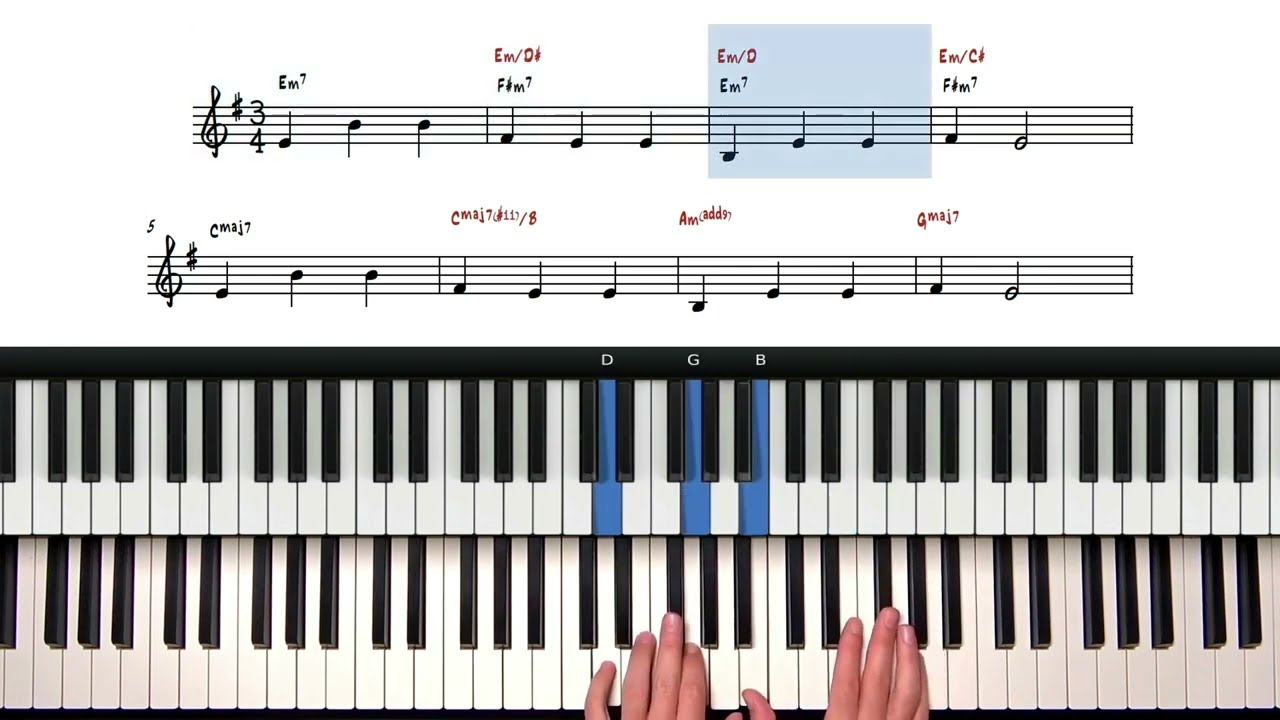

Upper structure triads are complex altered dominant chord voicings in jazz piano that consist of two parts: a lower structure (vanilla dominant chord voicing with root, 3rd, and b7) and an upper structure (a major triad played in the right hand). The four most common upper structures are: US2 (major triad built from the 2/9, creating a 13#11 sound), US#4 (major triad from #11, creating a b9/#11 sound), US#5 (major triad from #5, creating an alt/#5#9 sound), and US6 (major triad from 6/13, creating a 13b9 sound). These voicings allow pianists to create many different textures using the same chord color by manipulating the upper and lower structures separately.
Upper Structure Triads for Jazz Piano: Altered Dominant Voicings
Added:Fundamental construction of major, minor, diminished, and augmented triads.
Understanding dominant 7th chords and basic rootless left-hand shell voicings using the 3rd and 7th.
Familiarity with jazz chord extensions (9, 11, 13) and chord alterations (b9, #9, #11, b13).
An introductory understanding of the altered scale (7th mode of melodic minor) and its application to dominant chords.
Applying upper structure triad voicings systematically within major and minor ii-V-I chord progressions.
Mastering smooth voice leading and resolution from altered dominant chords to tonic target chords.
Using upper structure triads as a melodic framework for jazz improvisation and soloing.
Exploring other advanced voicing systems, such as quartal harmony, drop-2 voicings, and upper structures over major and minor chords.
191K views6.4Klikes18:43Original Release: 2020-06-05
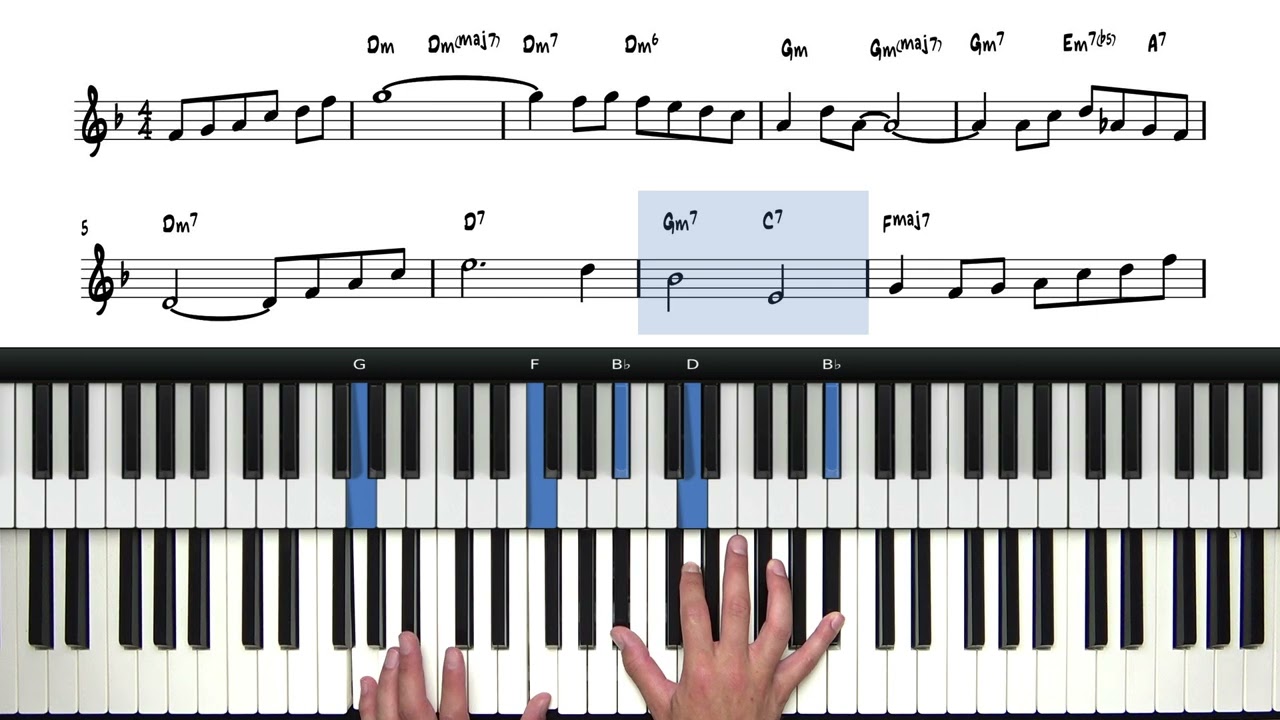
[Music] welcome to this tutorial on upper structure triads upper structure triads are complex altered dominant chord voicings that are widely used in solo jazz piano performance here are some example of a structure voicings over the c7 chord in a 251 in F major [Music] let's listen to each one of those c7 cords resolving into the one F major and then we will discuss the theory first we had a c-13 sharp 11 to F major then we had a c7 sharp 5 sharp 9 F major we then had a c-13 flat 9 to the F major chord and finally we had a c7 flat 9 sharp 11 [Music] so now that we can hear what these voicings sound like let's dive into the theory you may be wondering why this type of voicing is called an upper structure triad well that's because there are two parts to the chord we have the upper structure and we have the lower structure the lower structure is most often the vanilla dominant chord voicing so for a c7 we could play roots 3rd and flat 7 and if you have a wide stretch you could play roots flat 7 and 3rd so we're basically taking the 3rd here and moving it up we could also play the shell so that's just roots in flat 7 we could play the 3rd and flat 7th so that's a rootless voicing and we could also play that in this inversion so each of these creates a different texture in the left hand the options we have are and so now what about the upper structure well the upper structure is played in our right hand and the cool thing about these voicings is that we only need to use major triads to construct the four most useful and versatile of a structure triads we must be comfortable with the major triads in all twelve keys and also the inversions of these triads and we will explore more of this shortly at this point you might ask why do we split the chord into two parts and that's a very good question the answer is that it gives us simple formulas to memorize complex altered dominant chord voicings so for example if I want to play a C 13 sharp 11 chord I just think the D major triad over c7 in my left hand and so that was a very quick process for me and with practice this process becomes even quicker to visualize until it is almost a subconscious process the other key benefits which is also very important is that by visualizing the upper and the lower structure as two separate entities we can easily maneuver and manipulate the shapes in each hand to create many different textures using the same chord color so if we take that C 13 sharp 11 there's many ways that we could play this exact code color such as [Music] you'll hear that each of those had a very different texture so being able to move these parts around individually gives you a lot more freedom in terms of the voicings that we can choose so now let's move onto the formulas that we need to memorize here's a cheat sheet which contains the four most useful of a structure triads on the Left we have the name of the upper structure in the middle we have the scale degree that the Triad is built from and on the right we have the scale degrees that the Triad contains I'm going to play all of these examples over a c7 chord but remember that we can play these in all 12 keys the first importance of a structure is called upper structure - and this is a major triad built off the 2 or the 9 so we think of c7 we would have the mixolydian mode and so we build a major triad of the second degree and remember the second degree if we go above one octave that's also the nine so that major triad gives us this 13 sharp 11 sound because our right hand is outlining 9 sharp 11 and 13 here it is in context of a two-five one in F major [Music] but notice there that I played it I played the Triad in its root position in fact these triads they sound strongest in their second inversion so either take the top notes and mortise on the bottom or just invert it twice so now let's play it again with the Triad in its second inversion [Music] so you'll notice that I played this spread voicing if you can't reach that you can just play the shell or you could play and notice the different sound or we have the sharp eleven on top compared to the 13 and to the one chord next we have upper structure sharp 4 or upper structure sharp 11 and this is a major triad built from the sharp 11 so if we again we take the mixolydian scale of c7 if we go to the 4 or 11 we sharpen it and then build a major triad and this gives us the scale degrees sharp 11 flat 7 and flat 9 and remember that this is going to sound strongest in second inversion so the top notes on the bottom because we're playing the flats over here we could admit it from our left hand and that can be down to taste in context of a two five one progression there's a so what chord for the G minor that's an important point you'll notice what I did there I took the other structure and I inverted it and we can do this up or down [Music] we've gone we have the upper structure sharp five and this is a major triad built off the sharp five so again we take our mixolydian scale one two three four five sharpen its major triad and then we get sharp five roots and the sharp knife then again we want to put that notes on the bottom and that's that's rootless and that's with the fruit of the water so let's see how this sounds [Music] the Nexus that I played achieve minor then I came up and played a trilogy - Oh G minor 9 g minor 11 2 RC 7 sharp 5 sharp 9 and enter F major we could also play so notice there that I arpeggiated the notes of the Triad upwards so we can also use these for melodic developments finally we have upper structure 6 or option up to 13 and this is a major triad built off the 6 or the 13 so again we take the mixolydian mode we go to the 6 and build our major triads and that gives us 6 or 13 flat 9 and 3 and it sounds nice here with that flat 9 on top so notice we have the 3 doubled so we can omit that from our left hand and it will sound nice [Music] you [Music] notice that I played this voicing so I swaps the third up into my right hand because the Triad contains the third and we played a G minor 7 and then I ran up the keyboard with the shade and then played the F major we could also add a passing cord which can be nice [Music] so there I played an F sharp 7 or a G flat 7 down to the F major so a dominant chord and I've step above so that's the four most common upper structures in our altered harmony course you can find practice drills and exercises to learn and memorize these voicings in all twelve keys so you can find a link to that course below this video let's now finish by applying these voicings to three well-known jazz standards and we will use the upper structure cheat sheet as an aid to help us find suitable of a structure voicings for the dominant chords in our favorite tunes now the first term we're going to look at is misty I'll play through and then when we come to a dominant chord we will talk about the options that we have to apply up a structure tryouts [Music] so here we have an E flat seven chord the 13 and the melody and we know that upper structure 2 contains the 13 so we could play a major triad of the 9 [Music] we also know that upper structure 6 or upper structure 13 contains that 40 and so for that it would be a major triad of the 13 and we want so they arranged the note so that that note is on top [Music] the both of those sound good so here we have another dominant chord go D flat seven with the 13 again so we could play that major triad off the nine the nine of D flats the E flat C flat major or we could play a B flat major triad so both of those sound good [Music] you [Music] so those two upper structures are largely interchangeable and I recommend that you experiment with them when you find the 13 in the melody over a dominant chord now let's look at the infamous jazz standard autumn leaves so here we have an f7 with the flat seven in the melody so we could play the upper structure sharp 11 and that would be sharp 11 flat 7 and flat 9 we'd want to play it in this inversion so remember we always want to keep the melody notes intact and so the process is matching up the melody notes with one of the scale degrees in this column on the cheat sheet and then you find the appropriate inversion and this might sound like a lot of work to start with but believe me the more that you practice this it will become easier and easier until it's a subconscious process there's an F 7 flat 9 sharp 11 so here again we have a d7 under the dominant chord with the flat seven and the melody so let's play the save we want to play a major triad off the sharp 11 so that would be an a flat triad we want it to be in this inversion so it would sound like this [Music] we could also add an extra one in now and we're going to look at this more in our last example but we could play there I played the sharp five sharp nine major triad off sharp five of d7 going down to the major triad off the sharp eleven but of course I did them both in their second inversion [Music] altogether [Music] you for our final example we will use the tune you don't know what love is this tune contains a lot of minor harmony which is very well suited to upper structures sharp 11 and upper structure sharp 5 so if we take a c7 chord and if we think of the upper truck to sharp a lever and we have a sharp 11 a flat 7 in the flat 9 and if we think about the structure sharp 5 if we have the sharp 5 the roots and a sharp 9 and so if we add both of those together we get we get these notes which is everything except the major 3 the altered mode and so playing these together can sound very nice so let's see how this could sound in context of a tune so notice there the c7 I played this c7 sharp five sharp nine because we have the roots in the melody so whenever we have the roots and the melody for a dominant chord this is a really great choice of voicing moving gone notice there we have the flat nine going up to the sharp nine so the upper structure sharp 11 contains the flat nine and the upper structure sharp five contains the sharp nine so we can play both of those to harmonize this line here's how it sounds [Music] another thing you might be wondering is that the 13th flat 9 upper structure that contains the flat 9 and so indeed we could harmonize that that note with this one instead of this so I see how that sounds [Music] so notice there that I played c13 flat 9 to a major triad off the six and then I came to this ruthless variation so here to here still the same chord still c7 [Music] and now we'll go to a d-flat 13 so we can use after the teen sharp 11 voicing [Music] now that's just a little taster into some of this material check out the full course on piano groove where we cover the theory in much more detail we apply this to many standards including the three Tunes that we have included here and we also outline these specific drills and exercises that you should practice to get comfortable with this material in all 12 keys I hope you've enjoyed the lesson and if you do have any questions just drop it in the comment box below you
Up Next
18:33
Master Chord Names: A Systematic Music Theory Guide
@SignalsMusicStudio
256.2K views•2024-01-25

10:20
Mozart's Musical Dice Game Explained: History, Rules, & Fun
@webpianoacademy
5K views•2023-03-13
15:41
Tritone Substitution Explained: Jazz Piano Reharmonization Techniques
@PianoGroove
240K views•2015-05-23
10:49
Understanding John Coltrane's Giant Steps: A Music Theory Analysis
@Vox
10.4M views•2018-11-12
Related Study Plans & Knowledge Roadmaps
Structured learning paths in Music Theory
music-theory
Composing Galant Music: Partimento & Schemata
01Foundations of Figured Bass and Keyboard Harmony
02The Rule of the Octave (Regola dell'Ottava)
03Galant Schemata: The Building Blocks of Form
+ 2 more learning modules
30h5 modules
Explore Roadmap
music-theory
Decoding Overtone Series: Tuning & Drone Music
01Acoustic Foundations: The Physics of the Overtone Series
02Tuning Systems: Equal Temperament vs. Just Intonation
03Microtonality and Spectralism: Beyond Standard Pitches
+ 2 more learning modules
24h5 modules
Explore Roadmap
music-theory
Impressionist Harmony: Scales, Planing & RPGs
01Foundational Music Theory: Keys, Intervals, and Seventh Chords
02Impressionist Color: Chord Planing and Parallel Harmony
03Whimsical Textures: Pentatonic Cascades and Whole-Tone Scales
+ 1 more learning modules
14h4 modules
Explore Roadmap
music-theory
Negative Harmony: Axis Reflection in Indie Pop
01Music Theory Foundations: Scales, Intervals, and Triads
02Functional Harmony and the Circle of Fifths
03Demystifying the Negative Harmony Axis Reflection
+ 2 more learning modules
16h5 modules
Explore Roadmap