















All modern chord labels can be systematically understood by memorizing five fundamental stock chords (built from the dominant note of a major scale: G, G7, G9, G11, G13) and applying modifier symbols: major (Δ or +) raises the seventh, minor (m or -) lowers the third, augmented (+ or aug) raises the fifth, diminished (°) lowers the third, fifth, and seventh, and alterations (♭9, ♯9, ♯11, ♭13) modify existing chord tones; suspended chords remove the third and replace it with a second or fourth, while slash chords specify a non-root bass note, and jazz sixth chords add a major sixth to a triad (distinct from classical sixth chords which refer to inverted triads).
Master Chord Names: A Systematic Music Theory Guide
Added:Familiarity with the musical alphabet, including sharps, flats, and enharmonic equivalents.
An understanding of basic intervals, particularly major and minor thirds, which serve as the building blocks of chords.
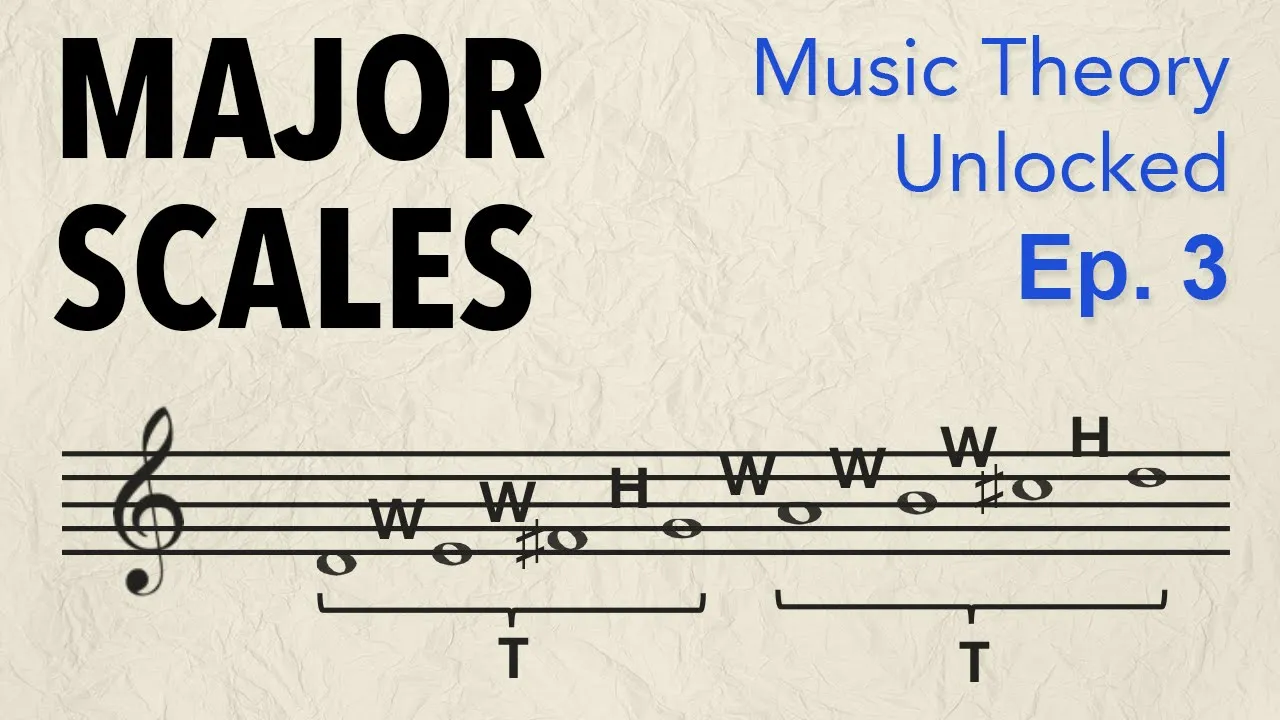
Knowledge of how to construct a Major Scale and identify its scale degrees (1 through 7).
Basic familiarity with fundamental major and minor triads consisting of a root, third, and fifth.
Exploration of extended chords (such as 9ths, 11ths, and 13ths) and altered dominant structures.
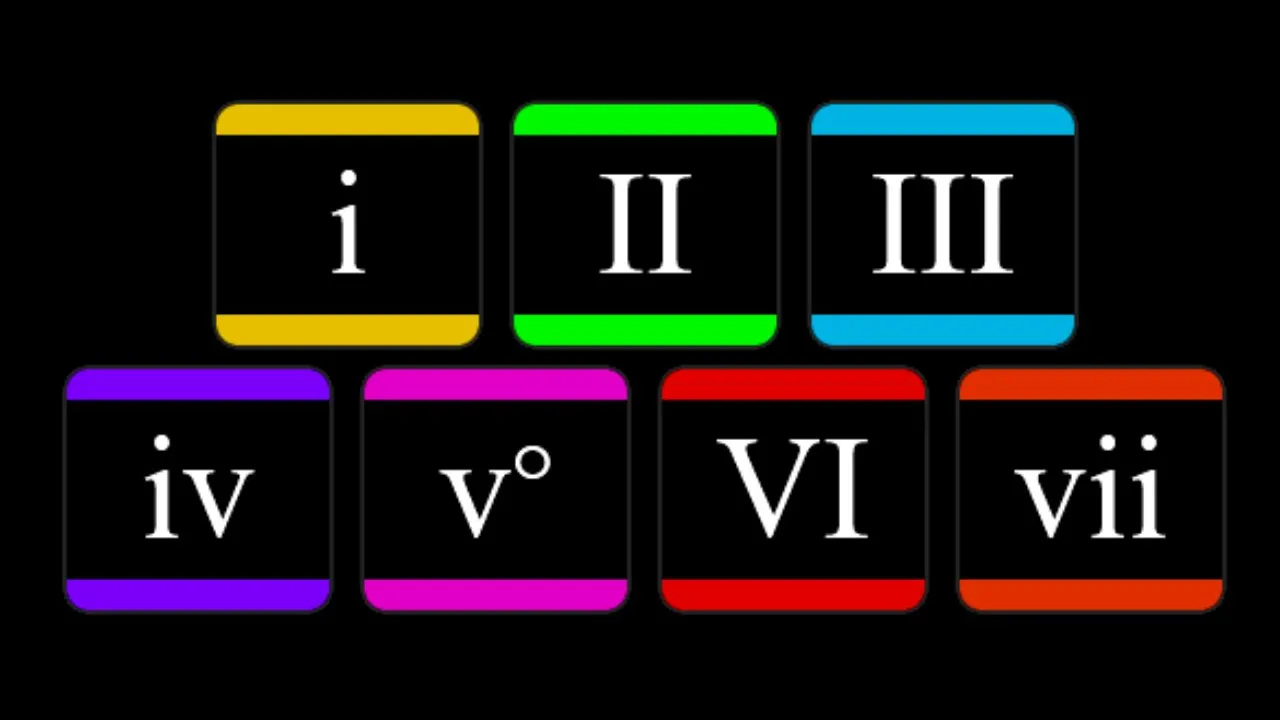
Applying chord-naming systems to Roman Numeral Analysis to understand harmonic functions within a musical key.
Study of chord inversions and voice leading principles to create smooth transitions between chords in a progression.
Practical application of these chord structures to instrument-specific voicings, such as guitar fretboard shapes or piano shell voicings.
256.2K views15.1Klikes18:33Original Release: 2024-01-25
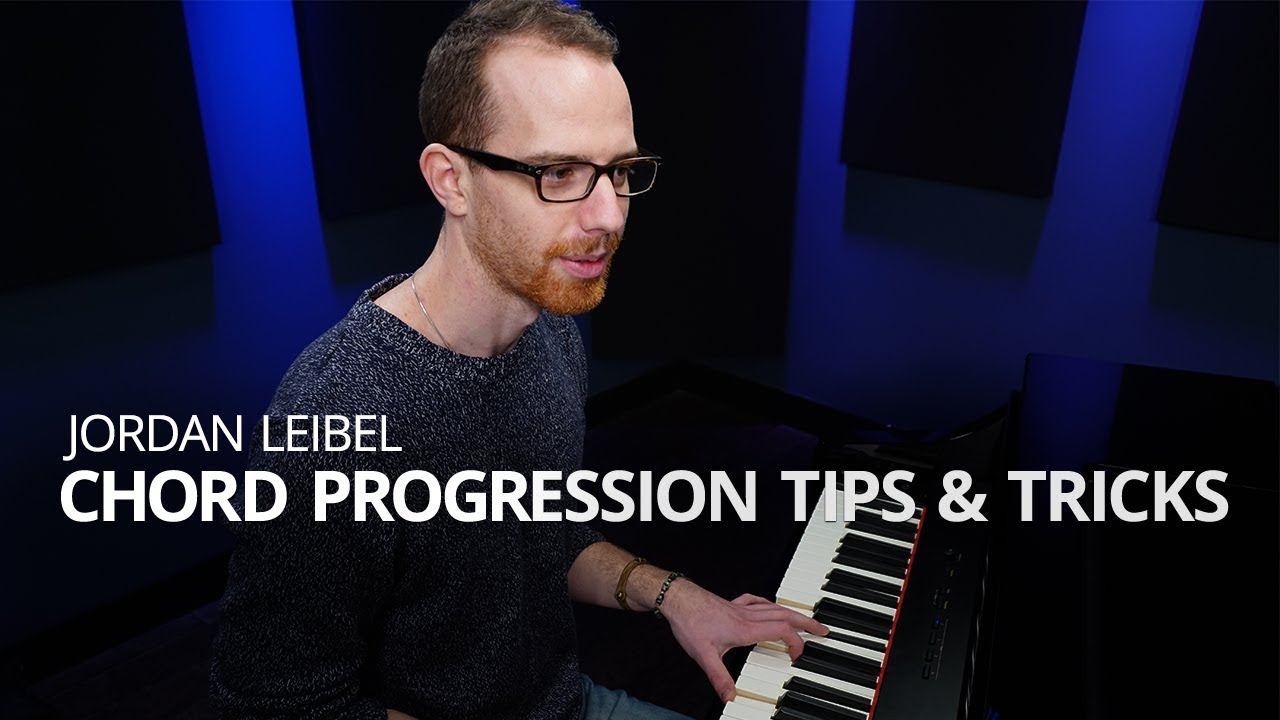
if you'd like to learn all of the chords the worst way you could do that is to try to individually memorize the formulas for each chord I know that because that's how I Tred to do things and it took me nearly 10 years to figure them all out but recently I discovered there's an actually simple and fairly consistent way to work with all of the different chord labels and I'm really excited to share that with you here because it's the kind of thing I wish somebody had taught me earlier when I had first started learning music theory it would have saved years of struggles now this is not a beginner's lesson but it's also not super Advanced either you should know a little bit about the major scale how that converts into intervals and scale degrees you should know a little bit about chords but there's going to be a ton of information in this short little video and it it's going to be easy to forget some of it so I'm also including a free pdf that you can download just click the link below in the video description you can download this you don't even have to give me your email address lastly you should know that everything I'm about to teach you here comes directly out of chapter 25 of my new book the signals music chord progression codex I spent nearly 2 years working on this I'm very proud of how it turned out and it's now available on on my site signals music studio.com but enough talking let's get down to business we have to learn every single chord in modern music and to do that fortunately we'll actually only need to memorize the formula for five little chords I'm serious we'll only need to study and master five chords and from there we'll be able to turn those five chords into anything else we want so since we only need to memorize five we're going to really slow down for this section of the video this is going to be the most confusing most difficult part of the entire lesson and the longest but as after that we're just going to start cruising through and we're going to start making new chords easily so just bear with this first little section what we're going to do is build our five stock chords or our five default chords and to do that I'm going to take a pretty weird path I'm going to take a major scale C major for example and I'm going to start on that major scale's fifth note we always call the fifth note of a scale the dominant now that I've started on that fifth note which is G I'm going to start skipping notes all right I get G and B well that's not a chord g and B is just a it's an interval or it's a diet but if I skip another note I get g b d well now I have what is called a G major chord and to write that because this is a stock chord this is a default chord we just write G we don't have to write G major we don't have to tell you major we just write G it's assumed that when you just write a letter that we're talking about this interval structure of a one a three and a five and we call that major and we just write it as G easy now let's skip another note we get to the note f the distance between where we started G and this last note F that distance is a distance of a minor 7th which in scale degrees is flat 7 however the chord is called G7 it's not called g flat 7 so this is the most confusing thing in the entire video and it's one of those things you just have to accept that in chord labels the seven by default is flat seven all right this is the only place in music where seven means flat 7even everywhere else seven means s seven but in a chord label by default the seven is a flat seven if you can remember that everything else regarding chords is going to become much easier so we have two chords we need to memorize G G7 the next chord we need to memorize is G9 and this is an easy one we just skip another note in our major scale and we find this note a if we look at the interval between G and a well this is a ninth and it's the exact same thing as a second all right there's nothing goofy about this seconds and ninths are just interchangeable when we want to add in this a we don't have to play it up high as a ninth we can also add it in as a second so just kinding to keep that in mind throughout the rest of this video that ninths seconds pretty much the same thing we'll need to memorize G9 we'll also need to memorize G11 which you might be able to guess happens when I skip another note now 11ths and fourths are the exact same thing and that's a real fourth it's a perfect fourth above my root it's not flatted like our seven so when you see 11 just think four and you'll know to build a perfect forth to add that note to it lastly the biggest chord we can build using this technique is G13 this adds in the 13th which is equivalent to the sixth identical and interchangeable but you see if we try skipping another note we just end up on G again so we'll just end up repeating ourselves and this is the biggest chord that we can create using this technique and these are the only chords you'll need to memorize I swear you need to know G7 G9 G11 G13 these are our stock chords and every single one of them contains a flat seven if you understand that and if you're comfortable with that we can move on and we can start creating a whole swap of new chords first let's introduce this symbol this means that seventh you know that by default our seventh is flat well this is saying hey that seventh gets raised so we can just throw this into the chord label right after the root of the chord and it says Hey raise the seventh of our default chord so G7 used to look like this 1 35 flat 7 G major 7 well 1 35 Major 7 and that works all the way down G major 9 G major 11 G major 13 the same as our stock chords we've just modify them with this one symbol keep in mind this symbol also appears as a little Delta or triangle too so you might see the same thing written that way cool so we just learned four more chords that was easy let's learn four more with this symbol this is written as a little M or the minor sign or a little minus sign and this tells us we're lowering the third in our default chord that's it it doesn't talk about the minor scale it's not talking about the seventh it's only talking about the third so if we take our default chords and if we throw this symbol in there well it lowers the third of each one and we get G minor 7 G minor 9 G minor 11 G minor 13 really easy way to calculate those chords just take our default chord lower the thirds now what's pretty cool is that minor and major are working on different parts of the chord right minor lowers the third major raises the seventh you can combine those two together right so minor major chords exist take your default chords lower the third by using minor raise the seventh by using major and now you've got this class of chords minor major chords now the first two are fairly popular I did a whole video on minor major 7th chord that's awesome if you add the ninth it basically becomes the James Bond chord but I'll admit that after that I mean I don't I've never seen a G minor major 11 or G minor major 13 but if you want to build them now you know the formula start with your default chord lower the third rais the 7th it has nothing to do with the minor scale or the major scale let's keep moving forward this symbol shows up two different ways just as a plus sign or as the letters Au UG and this means augmented this symbol means that we're taking the fifth of the chord and we're raising it up a half step so if we take our default chords raise the fifth we get G augmented 7th G augmented 9th Etc however there's another way to write these exact same chords what we just talked about are classical symbols in more modern times we have the Jazz symbol which is sharp five we put this at the end of the chord label instead so we could do G7 sharp 5 that's the exact same thing as G augmented 7th or you could do G13 Shar 5 is the same as G augmented 13th so keep in mind we we've got different ways to talk about the exact same chords now and that's in my opinion the most confusing thing about modern day chord labels is there's a lot of ways to talk about the same thing so we're raising the fifth with a sharp five sign but we can also raise the seventh at the same time with the major sign and we get major sharp five chords or the classical equivalent would be augmented major chords so for example here's my default chord G7 right if I want to raise the fifth I have a g augmented 7th if I want to raise the seventh I have a g augmented major 7th which we could also just write as G major 7 Shar 5 so you know this class of chords could be written three possible different ways depending on what notation you're using let's learn four more and we're going to learn them with this symbol you can guess that this lowers the fifth of a chord and this gets combined with all sorts of different chords most commonly we'll just see it on our default chord so we have G7 flat 5 G9 flat 5 these would all be considered kinds of altered chords because the fifth has been moved up or down just like our last class of chords but we can also combine flat five with minor and we get chords like G minor 7 flat 5 G minor 9 flat 5 and so on and so on now that first one's really popular this first chord actually has its own special name called half diminished but it's the only half diminished chord out there it's kind of unique and it also gets its own special symbol this weird little symbol so this is uh worth pointing out that out of this entire class of chords this one's kind of famous it's dionic and our major and minor scales it's actually a very popular chord and we can also combine the flat five sign with the major sign so now we're lowering the fifth but also raising the seventh and we get chords like major 7 flat 5 and major 9 flat 5 four brand new kinds of altered chords once again we're going to use that word altered if the fifth has been displaced up or down now one of the trickiest symbols to get used to is this one it's pronounced diminished and it has this special little sign and this is telling us we're lowering the third and the fifth and the seventh if it's present now if we really do the math the seventh has already been lowered right by default our seventh is a flat 7even so if we lower that again we get a double flatted seven which ends up being the chord formula for this weird batch of chords take a G7 lower it's third and its Fifth and its seventh and we get this chord formula G diminished 7 which would also be written with this little sign we can also do G diminish 9th and G diminished 11th though I've never seen or heard that chord in the real world but you can't do G diminished 13th because a 13th we already discussed is the same thing as a sixth well when you flat a flat 7th it also becomes a sixth so double flatted seventh and sixth end up being the exact same thing now we're going to learn four different symbols at the same time here and this really opens the doors up to thousands of new chords these are called alterations and we're going to discuss the most popular alterations that you're encounter they look like this flat nine sharp n sharp 11 and flat 13 if you paid attention at the beginning of this video you already know what a nine is so you should be able to guess what a flat n is it's the same thing as a flat two and the same thing as a sharp nine we call that a sharp two yes these it's equivalent to a minor or third but we're not going to call it that we're just going to call them n9s and 11ths and 13 from now on what these symbols do it says hey if you have a ninth let's look at flat N9 for example if you see a flat n symbol it says if your chord has a ninth in it lower it if your chord does not have a ninth in it add in flat n so it's literally just inserting that tone in or it's altering a present tone so look at a chord like this G7 flat n well G7 does not have a ninth in it so we're adding in flat n how about this chord G13 flat 9 well we know that G13 by default has a ninth in it you should have memorized that in the very first section of this video but this symbol means that ninth is going to get lower all right and that's how all these different symbols work and in conjunction with what we just learned I'd like to introduce the add symbol this symbol really just tells us that we're skipping an extension that should have been there so you know C9 is supposed to include the seventh right but if I want to ditch that seventh completely I could just say c add n and that tells we took a c Triad and we've added the ninth I could also do stuff like C add flat n i could add in an altered extension in well so this ad is literally just allowing us to tack on any note we want without including all the other lower stuff that's supposed to come along for the ride most popularly this is used if you're skipping the seventh alone but you can combine multiple extensions together you could do something like C major 7 add sharp 11 flat 133 and now you've got all those alterations in part of that AD Sign so it's just a convenient way to really specify the exact notes you want in a chord if you don't want the performer to improvise on that at all however the ad sign is optional a lot of times so a chord like G7 ad sharp 11 that's sometimes how I'd write it because it really kind of indicates we've taken a G7 we've added a sharp 11 but a lot of composers will just write G7 sharp 11 and it just implies hey we're adding this in there and finally before we get to the leftovers we've got suspended chords with suspended means is that we are removing the third completely and we're replacing it with either a two or a four so C is 135 C sus two we get rid of that three replace it with two C sus4 get rid of the three and replace it with four we can also suspend bigger chords like major 7eventh chords we can have major 7 sus two major 7 sus4 or seven sus two or seven sus4 but the suspended thing gets kind of weird when you get into 9ths and 11th chords because remember the ninth and the 11th is all already there so chords can be written many different ways when you start including the suspended tag you just have to be careful and do your math on what you're actually telling the reader what's helpful to know though is you can also use this symbol no third and it just literally tells us we're removing the third all together we're not even replacing it with anything else okay so that's pretty much everything there's only a few stragglers a few leftover bits of of core data that doesn't fit into that schema that we just talked about the first one is sixth chords these are really easy but like I said they don't quite fit into that whole system to make a sixth chord and this is what we would call a jazz version of a sixth chord we literally just add a major sixth to a Triad so here's a G chord and we add a sixth we get G6 here's a G minor chord we add a six we get G minor 6 now that last chord A lot of people spell it wrong a lot of people build that one wrong because they think that little M6 they think it's talking about a minor sixth interval remember when you see M it's only lowering the third very helpful to remember that's all that little M sign does there is no minor 6th in the minor 6th chord pretty strange in some cases you might just want to add a flat six interval to a Triad in which case you could use this symbol Flat 6 make sure you put it in parentheses though because it might get confused as part of the actual chord so here we have G major Flat 6 and we have G minor Flat 6 now with these Jazz six chords you might see them combined with other extensions using a slash sign so you might see a chord like uh g69 and that literally means we're playing a G with a sixth and a ninth this notation does not work if there's a seventh around if there's any seventh in your chord go back to what we just learned all right so if there's seven hanging around then we should have called these all 13th chords but if there's no seventh hanging around this Jazz notation of 69 611 that's more popular listen I didn't write these rules I'm just repeating them to you but sixth is reserved for when there's no seventh present if there is a seventh present call it a 13th I also want to talk about what sixth chord means from a classical perspective we've got chords like g64 and G63 well these are just inverted chords and when you invert a Triad you end up creating some type of six between the notes in there so I've done a video on inverted chords and the next type of chord we're talk going to talk about Slash chords I've linked that below because it's described in much more detail but when you hear the word sixth chord from a classical perspective it doesn't mean a that we're adding a sixth to the chord that's not what it means you'll also hear words like augmented sixth chord that's not an a augmented chord nor is it a sixth chord like we just learned or the neopolitan sixth chord that's something completely different so I'll do videos on both of those chords but keep in mind that classical six chords are nothing like what we just discussed they refer to intervals of six that exist within that chord now lastly my favorite symbol in music theory is this one if we're not dealing with that whole Jazz six score thing this symbol just means hey we're bringing in a new bass note and that allows us to just create all sorts of crazy new chords it you don't have to think about inversions and you can name things very very simply just by saying hey I've taken this chord and I've added in this new bass note so with the slash sign that's all we're doing we're inserting a bass note at the end and that allows us a lot of freedom for chord names the very last chord we're going to talk about is this one seven alt this is a totally unique chord and it's basically referring to any type of altered dominant now an altered dominant chord is a dominant chord well that was our first class of chords the very first thing we learn but we've altered it somehow we've either included in a sharp five or a flat five or we've included in a sharp nine or a flat nine and however those got there maybe we moved the ninth up or we moved the ninth down or we've just tacked in that note doesn't matter if we've got an altered tone as part of a dominant chord we call that an altered dominant in the Jazz world seven alt covers hundreds of different chords so this is not a specific chord label I can't give you the formula for this I could just say any alter dominant so if you're working with a band and this chord shows up you should probably coordinate with them to figure out what kind of alter dominant you're actually going to play that's it you did it you learned all of the chords I think there's a few things that are worth mentioning that are still outside of the scope of this video but poly chords that's when you play two chords at the exact same time and you literally just write them on top of each other so like C over C Shar we're literally playing a C Triad and a c Triad at the exact same time not a very pleasant sound but there's you know plenty of Music where it works very effectively I also need to mention there's plenty of chords that we just can't name lots of cluster chords where there's chromatic notes right next to each other I mean our chord naming system as we learned it just can't handle handle that stuff and that's where you go back to reading sheet music it's going to give you all the information that you actually need regarding a chord and lastly you might find Alterations outside of the one in this video I know that in deep Realms of jazz you'll find things like flat fours which still really or sharp 13s and you know you're getting into some enharmonic trickery that's beyond my ability to parse so just be warned if you're deep into the weeds of jazz this is not an exhaustive history of chords but it should leave you very well equipped to interpret and parse and read every single ch cord label that comes your way now before I end things here just keep in mind we didn't talk at all about how to use these chords which is kind of depressing to me but honestly that's what the other you know 30 chapters in my book are all about on how to write chord progressions and how they work together so if you enjoyed this lesson I am telling you you're really going to love the chord progression codec I know the shipping and you know the cost of the book's going to be a little high for some of you so I will be offering a digital version of that as well for much cheaper and of course if you know how I do business if you're ever having problems with some of the finances affording my stuff you can just contact me directly and I'm happy to make uh you know an exception for you so I hope you enjoyed this video I hope you learned something and a huge thank you to my patreon supporters for making this video possible for making my book possible they've been incredibly patient and generous over the last 2 years as I abandon YouTube to go on this quest for the cord codex so all of the praise uh unto them thanks and I'll see you next [Music] time
Up Next

1:19
Upper Extension Triads for Dominant 7th Chords: Jazz Piano Theory
@OpenStudioJazz
229.1K views•2025-05-26

10:20
Mozart's Musical Dice Game Explained: History, Rules, & Fun
@webpianoacademy
5K views•2023-03-13
9:57
Phrygian Mode Explained: Third Mode of Major Scale Theory
@SignalsMusicStudio
625.9K views•2018-10-03
10:49
Understanding John Coltrane's Giant Steps: A Music Theory Analysis
@Vox
10.4M views•2018-11-12
Related Study Plans & Knowledge Roadmaps
Structured learning paths in Music Theory
music-theory
Composing Galant Music: Partimento & Schemata
01Foundations of Figured Bass and Keyboard Harmony
02The Rule of the Octave (Regola dell'Ottava)
03Galant Schemata: The Building Blocks of Form
+ 2 more learning modules
30h5 modules
Explore Roadmap
music-theory
Decoding Overtone Series: Tuning & Drone Music
01Acoustic Foundations: The Physics of the Overtone Series
02Tuning Systems: Equal Temperament vs. Just Intonation
03Microtonality and Spectralism: Beyond Standard Pitches
+ 2 more learning modules
24h5 modules
Explore Roadmap
music-theory
Impressionist Harmony: Scales, Planing & RPGs
01Foundational Music Theory: Keys, Intervals, and Seventh Chords
02Impressionist Color: Chord Planing and Parallel Harmony
03Whimsical Textures: Pentatonic Cascades and Whole-Tone Scales
+ 1 more learning modules
14h4 modules
Explore Roadmap
music-theory
Negative Harmony: Axis Reflection in Indie Pop
01Music Theory Foundations: Scales, Intervals, and Triads
02Functional Harmony and the Circle of Fifths
03Demystifying the Negative Harmony Axis Reflection
+ 2 more learning modules
16h5 modules
Explore Roadmap