Upper extension triads are three-note chords added to dominant seventh chords to create specific jazz sounds: a D major triad (D-F#-A) creates a Lydian dominant sound with sharp 11, an F# minor triad (F#-A-C) creates a flat 9 sound with sharp 11, and an Ab triad in second inversion (C-Eb-Ab) creates an alter dominant 7 sound with flat 13 and sharp 9.
Upper Extension Triads for Dominant 7th Chords: Jazz Piano Theory
Added:Deep Dive
Understanding dominant 7th chord construction (root, major 3rd, perfect 5th, and minor 7th) and basic keyboard geography.

Seventh chord construction part 1
659
A Dominant 7th chord (Major Minor 7th) is constructed by stacking thirds: a Major 3rd (root to 3rd), a Perfect 5th (root to 5th), and a Minor 7th (root to 7th). The notes are 1-3-5-b7. For example, G Dominant 7th consists of G-B-D-F. The chord can be understood as a Major triad (1-3-5) plus a Minor 7th interval. Dominant 7th chords can be constructed by starting with a Major triad and adding a Minor 3rd above the 5th to create the 7th. The intervals are Major 3rd, Perfect 5th, and Minor 7th.
Click to watch →

Passing Chords Tutorial || PART 1 - DOMINANT SEVENTH CHORD
1.5K
A dominant seventh chord consists of four notes: root (1), major third (3), perfect fifth (5), and minor seventh (7). The minor seventh is created by flattening the seventh scale degree of a major chord. An alternative construction method is to take the root note and go back a whole step (two half steps) to find the seventh note. For example, in C major, going back a whole step from C gives Bb, which is the seventh note of C7. The chord can be played in different inversions while maintaining the same notes.
Click to watch →

How to Play Dominant 7th Chords | Keyboard Lessons
7.6K
A dominant 7th chord is constructed by taking a major triad (root, major 3rd, perfect 5th) and adding a flattened 7th note, which is found by going up to the next octave of the root and then moving down a whole step; this creates the characteristic dominant sound used in blues and funk music, and the chord can be played in various inversions by rearranging the notes (1, 3, 5, 7) to suit different musical contexts and hand positions.
Click to watch →
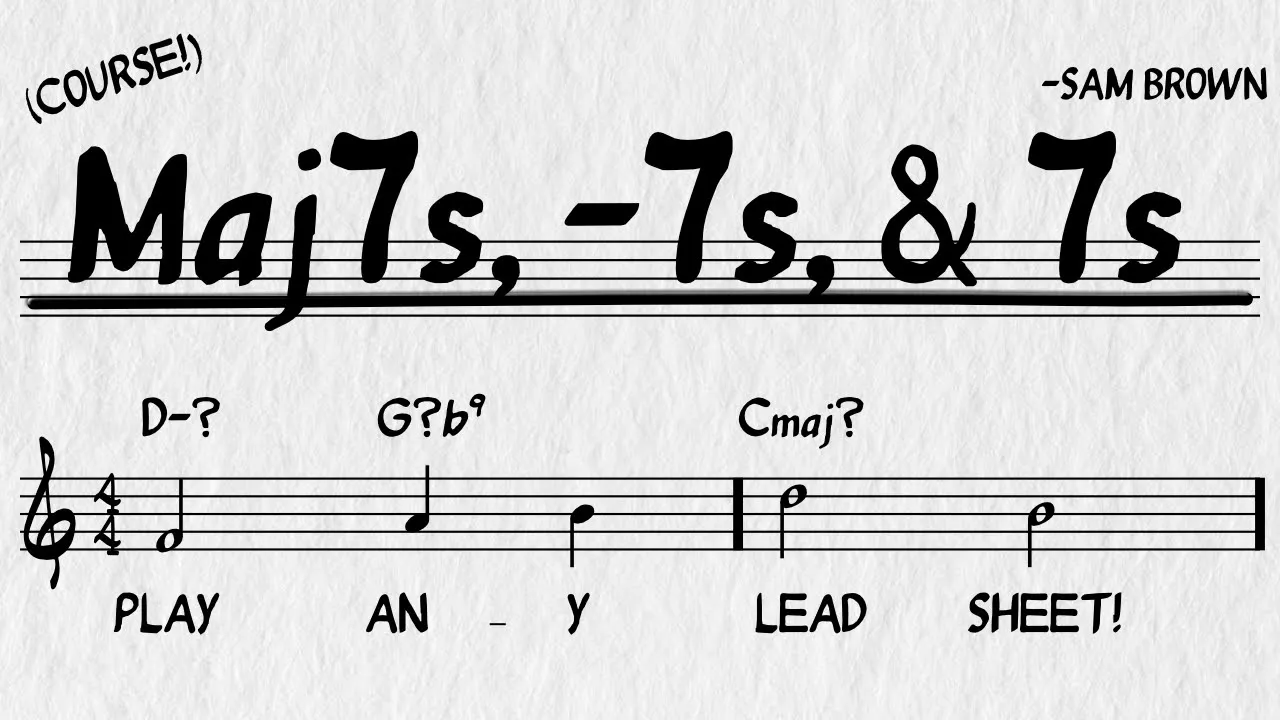
How To Build Chords On Piano | Play Any Lead Sheet - Part One
10.7K
Dominant seven chords have a major third, perfect fifth, and minor seventh. For C dominant seven: root C, major third (four semitones above) is E, perfect fifth is G, minor seventh (two semitones below root) is Bb. Apply this pattern to E dominant seven (root E, major third G#, perfect fifth B, minor seventh D), G dominant seven (root G, major third B, perfect fifth D, minor seventh F), and B flat dominant seven (root Bb, major third D, perfect fifth F, minor seventh Ab).
Click to watch →

Guitar Teacher REACTS: "Dancing In The Street" Grateful Dead CORNELL 77' LIVE
43.6K
The fundamental structure of a dominant seventh chord includes the root (1), major third (3), and minor seventh (b7). For example, in the key of A, the A7 chord contains A (root), C# (major third), and G (minor seventh). This triad forms the basis for many jazz and rock guitar voicings and provides the characteristic sound of blues and rock music.
Click to watch →
Deep Dive
Familiarity with chord extensions (9ths, 11ths, 13ths) and chromatic alterations (such as b9, #9, #11, and b13).

Jazz Piano Chord Extensions – How to Find 9ths, 11ths, 13ths & Altered Tensions (b9, #9, #11, b13)
260
In jazz piano, chord extensions (9th, 11th, 13th) are notes added above the 7th of a chord, built by stacking thirds from the root (1-3-5-7-9-11-13), and are always derived from the major scale of the chord's root; chord tones (root, 3rd, 5th, 7th) define the chord's quality, while extensions add harmonic color, and altered extensions (b9, #9, #11, b13) are created by sharpening or flattening the natural extensions, with these four alterations commonly found over dominant 7th chords.
Click to watch →

CHORD EXTENSIONS: 9ths, 11ths, 13ths, oh my!
15.3K
Chord extensions (9ths, 11ths, 13ths) are built by continuing to ascend the scale from a basic triad (root, third, fifth), with the 9th being the same note as the 2nd, the 11th being the same as the 4th, and the 13th being the same as the 6th; the essential notes that define any chord are the root, third, and seventh, while extensions add color and tension, with sharp 11ths commonly used in major 7th chords to avoid clashing with the third, and dominant chords allowing for more varied alterations like flat 9ths and flat 13ths.
Click to watch →
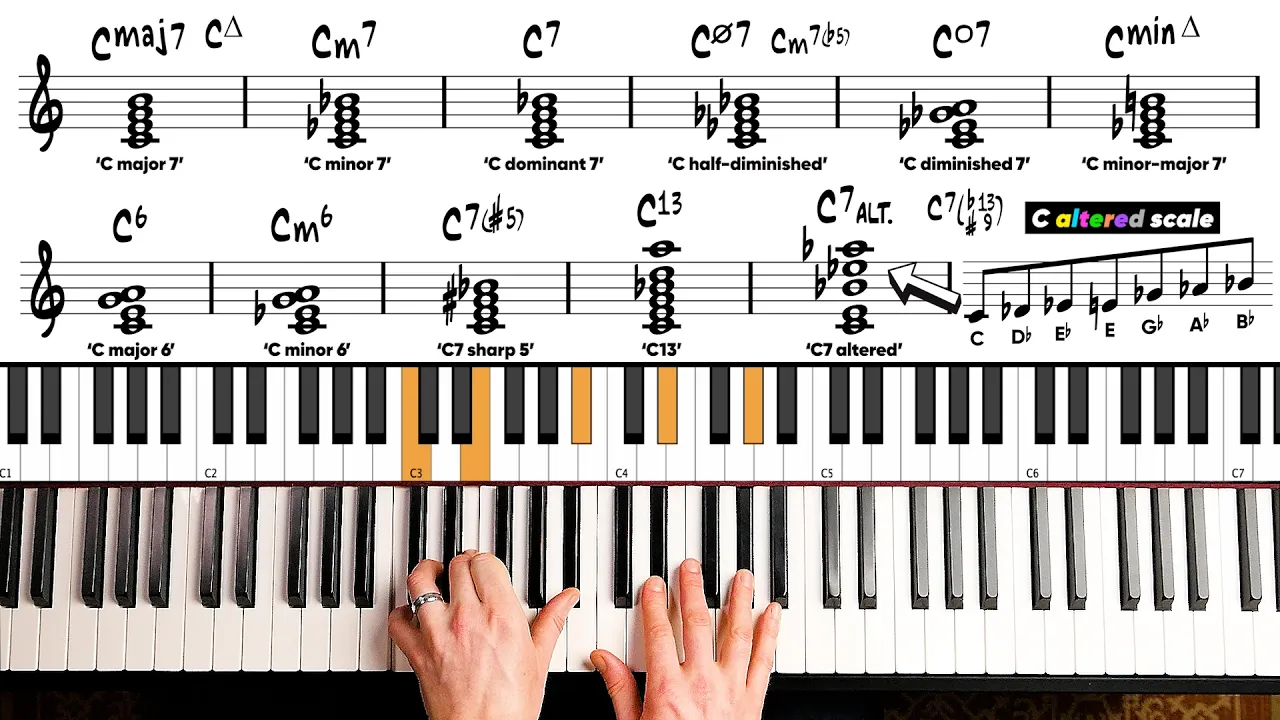
Jazz Theory Explained in 20 Minutes
3.7M
Jazz theory centers on three interconnected pillars: (1) Chords built by stacking thirds up to the 7th, 9th, 11th, or 13th, with three primary types—major 7, minor 7, and dominant 7—where extensions like b9, #9, #11, and b13 alter natural chord tones; (2) The ubiquitous ii-V-I chord progression, which in major keys creates a minor 7 chord on the 2nd scale degree, a dominant 7 chord on the 5th, and a major 7 chord on the 1st, with variations including ii-V, V-I, or ii-V-ii-V progressions; (3) Scale selection based on chordal tones plus whole-step alterations, where major 7 chords use the Lydian scale, minor 7 chords use Dorian, and dominant 7 chords use the Lydian-Dominant scale.
Click to watch →
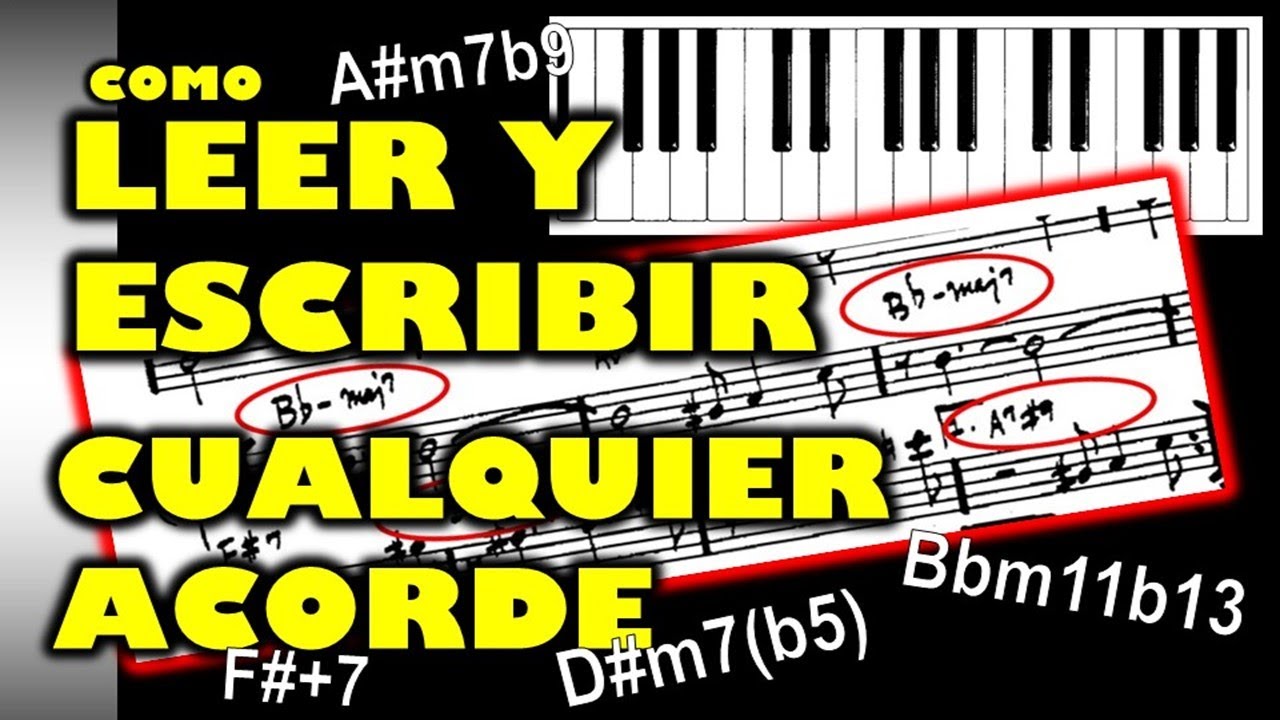
Cifrado De Acordes - La Guía Completa - Bien Explicada
40.4K
Chord extensions add notes beyond the seventh: 9th (second degree), 11th (fourth degree), and 13th (sixth degree). A 9th chord implies dominant seventh. Major ninth (maj9 or +9) has major seventh. Minor ninth (m9) combines minor third with dominant seventh. Altered extensions like b9 require specifying the seventh type first. The 11th implies dominant seventh, while major eleventh (maj11 or +11) has major seventh. Minor eleventh (m11) combines minor third with dominant seventh. Thirteenth chords (13) are the largest common chords, containing all scale notes, with dominant seventh implied. Minor thirteenth (m13) combines minor third with dominant seventh. The fifth degree is often optional as it appears naturally in root harmonics.
Click to watch →

Understanding Chord Extensions (9th, 11th, 13th)
42.9K
Chord extensions (9th, 11th, 13th) are simply the 2nd, 4th, and 6th degrees of the scale played one octave higher than the root, continuing the pattern of thirds used to build triads (1-3-5) and 7th chords (1-3-5-7). When extending chords, the 11th (4th degree) creates dissonance with the major 3rd, so it must be used by omitting the 3rd (creating a sus4 chord). Dominant 7th chords work well with 9th and 13th extensions, major 7th chords can extend to 9th and 13th but not 11th, and minor 7th chords can use 9th and 11th but generally avoid 13th extensions.
Click to watch →
Deep Dive
Ability to quickly construct and play major and minor triads in all inversions.
Triads Made Easy!
81.1K
Triad inversions are the three positions of a triad based on which note is lowest: root position (root-third-fifth), first inversion (third-fifth-root), and second inversion (fifth-root-third). To practice, pick a simple song and limit yourself to the 4-3-2 string set, switching between major and minor triads. The key insight is that major and minor chords differ only in the third note (C# vs C natural in A major/minor). This approach helps break free from traditional chord shapes and develop a new fretboard perspective.
Click to watch →

Learn My Triad System And Build A Strong Fretboard Understanding (Part5/5) - Triads (Ep. 12)
44.4K
All triads consist of three stacked intervals: root, third, and fifth. A major triad uses root + major third + perfect fifth (two major thirds stacked). A minor triad uses root + minor third + perfect fifth (minor third on major third). An augmented triad uses root + major third + augmented fifth (two major thirds). A diminished triad uses root + minor third + diminished fifth (two minor thirds). Inversions are determined solely by the lowest note: root position has the root at bottom, first inversion has the third at bottom, and second inversion has the fifth at bottom. This principle applies regardless of how many total notes are played.
Click to watch →
Les triades : l’outil le plus simple pour jouer comme un guitariste avancé!
60.1K
To visualize major triads, start with a barre chord and keep only the three highest strings: root on G string, major third on B string, fifth on high E string. Always identify the root note as a reference point. Triad inversions allow staying in comfortable positions while changing chord quality: first inversion has the third as lowest note, second inversion has the fifth as lowest note. From any position, convert between major, minor, diminished, and augmented forms by modifying just one interval: lower the third for minor, raise the fifth for augmented, lower the fifth for diminished. This enables accompaniment without constantly moving across the fretboard.
Click to watch →
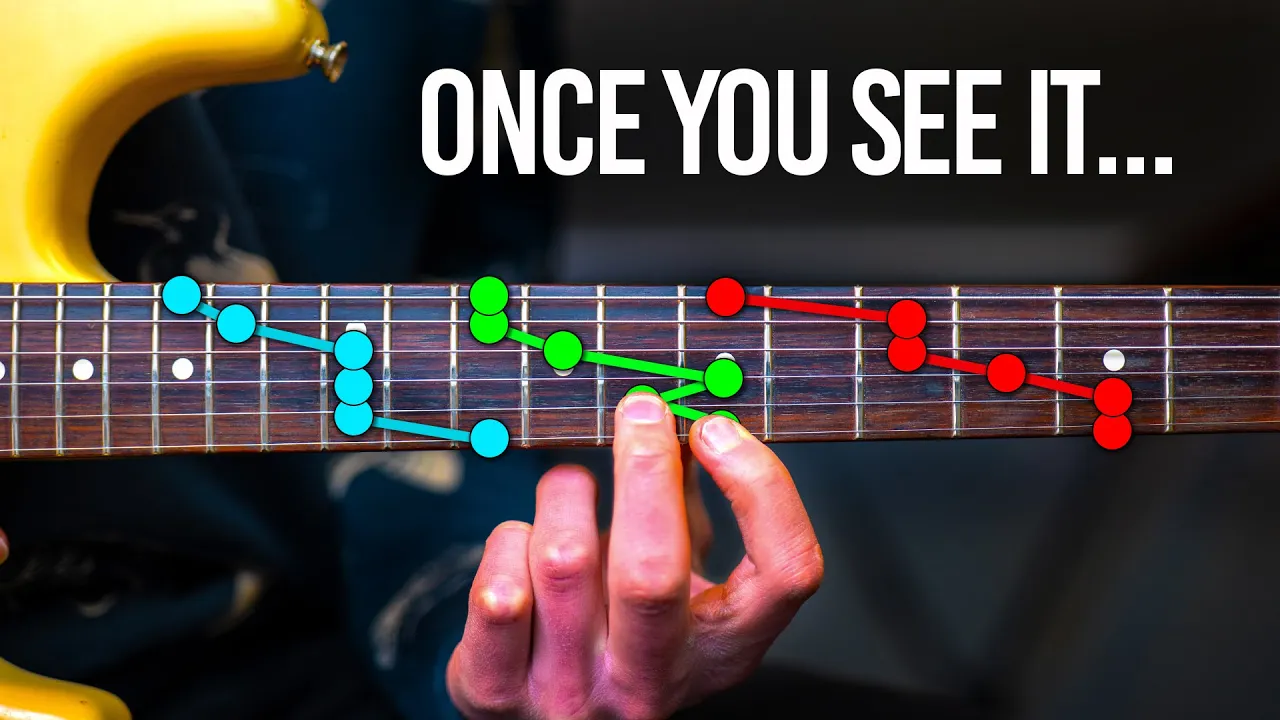
How to Actually Play Triads on Guitar
124.5K
Three major triad shapes can be used across the entire fretboard. The first shape starts on the root note of the low E string (e.g., 8th fret for C major) with notes 8-7-5-3. The second shape starts four frets above the root (e.g., 12th fret for C major) with notes 12-10-9-8. The third shape starts on a string below the root (e.g., 15th fret on low E string for C major) with notes 15-15-14-12-13-12. Inversions refer to note order: root position (1-3-5), first inversion (3-5-1), and second inversion (5-1-3). These shapes can be combined and played horizontally across the fretboard.
Click to watch →
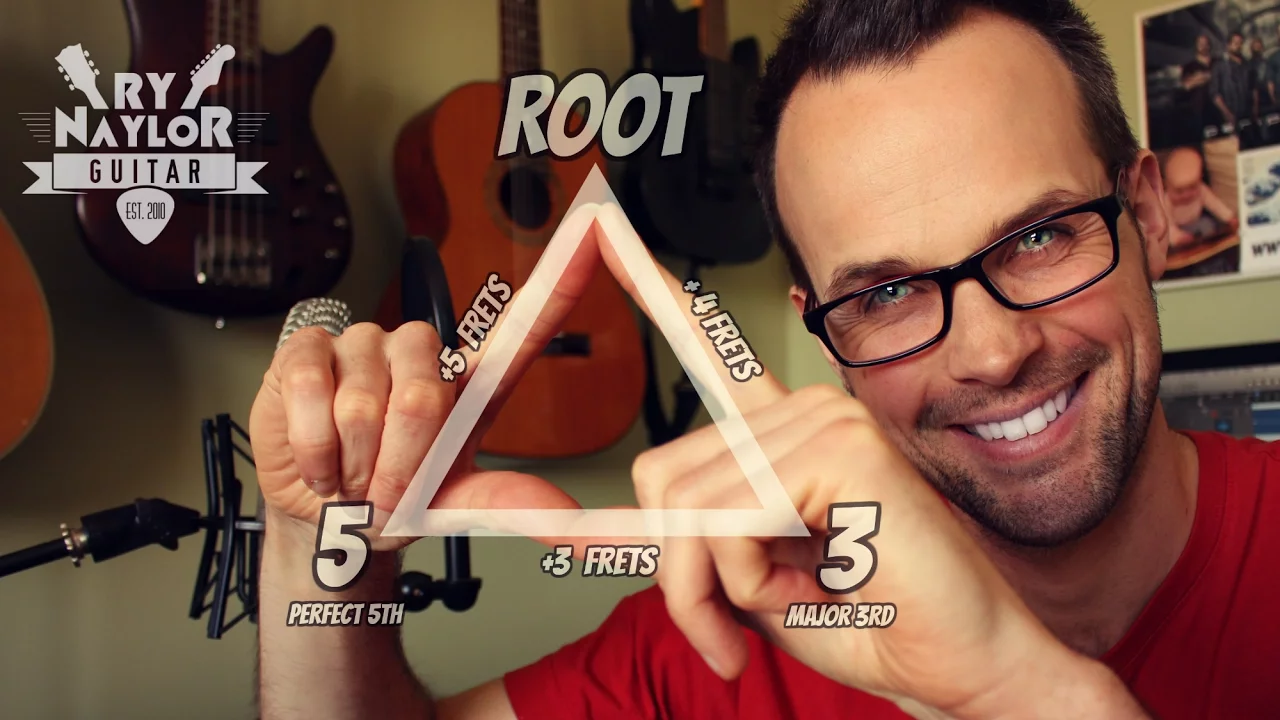
Guitar Triad Shapes and Defining the Chords in a Major Key
58.4K
A triad is a three-note chord consisting of a root (names the chord), a third (major or minor), and a fifth (perfect, diminished, or augmented). The major third spans two whole steps (e.g., C to E), while the perfect fifth spans three whole steps (e.g., C to G). Triads exist in three inversions: root position (lowest note is root), first inversion (lowest note is third), and second inversion (lowest note is fifth). These inversions allow guitarists to play the same chord in different positions across the fretboard.
Click to watch →
Deep Dive
Basic conceptual understanding of chord-scale theory, particularly the Lydian Dominant and Altered scales.

Le phrasé de Sylvain Luc - "Isn't She Lovely" (Arpèges, chromatismes, mixolydien, bebop, legato)
13K
This segment covers two advanced jazz guitar scales. The Lydian dominant scale is created by playing a melodic minor scale starting from the 5th degree of a dominant 7th chord. For a D7 chord, you would play E melodic minor (E-F#-G-A-B-C#-D), creating the characteristic Lydian dominant sound with its raised 4th. The altered scale technique involves playing a melodic minor scale a half step above the root of a dominant 7th chord to create an altered dominant sound. For a D7 chord, you would play E melodic minor, creating the characteristic altered dominant sound with its raised 9th, 11th, and 13th. The presenter notes these techniques are commonly used in jazz guitar improvisation.
Click to watch →
The Book That Changed Jazz Forever
218.1K
Russell treats chords and scales as interchangeable concepts—chords are incomplete voicings of scales, and scales are melodic realizations of chords. To find a chord's parent scale, walk up the ladder of perfect fifths from the chord's root. Major chords use Lydian from their own root; dominant 7ths use Lydian from the note a whole step below (since dominants are born on the 2nd); minor 7ths use Lydian from their 3rd; half-diminished 7ths use Lydian from their #4. Extended chords requiring the Consonant Nucleus include augmented dominant 7ths (on b6 of Lydian Augmented), diminished 7ths (on Lydian Diminished), and augmented major 7ths (on Lydian Augmented). The parent scale is the most natural choice maximizing ingoing tendency, but any scale on the same root works, offering flexibility beyond rigid chord-scale pairings.
Click to watch →
6 Most Important Dominant Scales And Hidden Tricks With Them
52.5K
This section explores two advanced dominant sounds derived from melodic minor: the altered scale and Lydian dominant. The altered scale (from A♭ melodic minor) provides maximum chromaticism with flat five, flat nine, sharp nine, and flat thirteen, using the E♭7♯5 arpeggio. The Lydian dominant (from D melodic minor) offers a different approach with sharp eleven and thirteenth, using E7♯11. Both scales represent sophisticated applications of melodic minor to dominant chords, expanding beyond traditional functional harmony while maintaining strong resolution capabilities.
Click to watch →

Las 8 ESCALAS posibles para un ACORDE DOMINANTE: De 0 a 100
17.7K
The Lydian dominant scale (Mixolydian #11) can be used over normal dominant chords, though this is less common than using it over tritone substitutes. The Lydian dominant scale and the altered scale share the same notes when used over tritone substitutes, meaning they can be used interchangeably in certain contexts. Both scales provide unique colors for dominant chords that resolve to minor chords. The Lydian dominant scale contains a raised fourth that creates a distinctive harmonic tension, while the altered scale provides all the most exotic tensions including flat fifth, flat ninth, and augmented ninth.
Click to watch →

The LYDIAN DOMINANT SCALE in depth, when and how to use it.
58.9K
The lydian dominant scale is a seven-note scale that combines the raised fourth (or flat five) from the lydian mode with the flat seventh from a dominant chord, making it ideal for improvising over dominant seventh chords with a flat five extension; it differs from the altered scale by lacking flat nine and sharp nine alterations, giving it a less aggressive sound, and is most effectively used on dominant two chords (secondary dominants) and tritone substitutions rather than primary V chords, though it can also work well on flat seven chords and the IV chord in blues progressions.
Click to watch →
Prerequisite Knowledge
- Concept 01Understanding dominant 7th chord construction (root, major 3rd, perfect 5th, and minor 7th) and basic keyboard geography.
- Concept 02Familiarity with chord extensions (9ths, 11ths, 13ths) and chromatic alterations (such as b9, #9, #11, and b13).
- Concept 03Ability to quickly construct and play major and minor triads in all inversions.
- Concept 04Basic conceptual understanding of chord-scale theory, particularly the Lydian Dominant and Altered scales.
Subsequent Learning
- Step 01Integrating these upper structure triads into standard II-V-I jazz progressions, resolving smoothly to the tonic chord.
- Step 02Mastering left-hand 'shell' or 'rootless' voicings (using 3rds and 7ths) to support the right-hand upper extension triads.
- Step 03Developing improvisational vocabulary by arpeggiating and voice-leading these triads to create fluid jazz solo lines.
- Step 04Exploring additional upper structure formulas (e.g., major triads on the b5 or minor triads on the b5) to unlock different harmonic colors.
- Step 05Applying altered dominant triad structures specifically to minor key resolutions (resolving a V7alt to a Im7 or Im6).
Chord Extensions
Chord Extensions
0:00Playing Section
- 1
Explains using upper extension triads over a dominant seventh chord.
- 2
Demonstrates building a Lydian dominant sound with a major triad.
- 3
Covers flat-nine and altered dominant voicings using minor and inverted triads.
Linear Voice Leading and the Barry Harris Method
While upper extension triads offer a convenient, vertical formula for generating altered dominant sounds, critics argue this chord-scale approach can lead to mechanical, static improvisations that lack linear flow. A prominent alternative perspective, championed by jazz educator Barry Harris, emphasizes horizontal voice leading, guide tones (the 3rd and 7th), and the "Sixth Diminished" scale system. Instead of stacking disconnected vertical triads, this school of thought focuses on how melodic tensions resolve step-wise to chord tones. By prioritizing the linear movement of individual voices rather than static upper-structure blocks, pianists achieve a more organic, swing-era-aligned connection between chords, focusing on melodic resolution and functional movement rather than algebraic chord-scale formulas.
Deep Dive
Integrating these upper structure triads into standard II-V-I jazz progressions, resolving smoothly to the tonic chord.
Master ii-V-I's Without Memorizing a Single Lick
143.5K
To master ii-V-I progressions without memorizing licks, start by focusing on the resolution point (the tonic chord), then work backward through the progression using triads that voice lead naturally into resolution notes; this approach emphasizes tension-resolution relationships and creates more musical, confident improvisation by understanding how notes connect between chords rather than relying on memorized vocabulary.
Click to watch →

My #1 piano chord hack.
20.7K
Professional jazz pianists use 'upper structure triads' to transform ordinary dominant seventh chords into colorful harmonies by removing the fifth from the chord and placing a major triad on top; the five essential upper structures are built on the 2nd (D major over C7), flat 3rd (Eb major over C7), flat 5th (Gb major over C7), flat 6th (Ab major over C7), and 6th (A major over C7) notes of the root, creating chord extensions like 9, 11, and 13 that add depth and interest to jazz progressions.
Click to watch →

Learn 7 Sweet Jazz Piano Chords
1M
A simple major triad can be applied to create seven different jazz chords by adding various extensions: D minor 11 (1, b3, 5, b7, 9, 11), Eb7 with 13 and b9 (1, 3, b7, b9, 13), E7 with #9 and b13 (1, 3, b7, #9, b13), F major 7 with 9 (1, 3, 5, 7, 9), Ab major 7 with #5 (1, 3, #5, 7), Am7 (1, b3, 5, b7), and Bb7 with 11 and #11 (1, b7, 9, 3, 11, #11, 13).
Click to watch →

Bill Evans Hidden Triad System for Jazz Guitar
59.2K
Western music contains 1,320 possible triads, but practical application simplifies to major and minor triads. To discover which triads work over any chord family, use the conglomerate scale listening exercise: test each chromatic note against a shell voicing, keeping notes that create 'singularity' (unified sound) and excluding those that 'clash.' This reveals that every triad working against a chord family is hidden within the conglomerate scale. For E major 7, notes like G#, B, and D# form a G# minor triad, while B, D#, and F# form a B major triad. An unconventional cluster like C, D#, and G (C# diminished sus 2) superimposed over E major 7 creates E major 13 sharp 9 (C#=13, D#=7, G=sharp 9).
Click to watch →
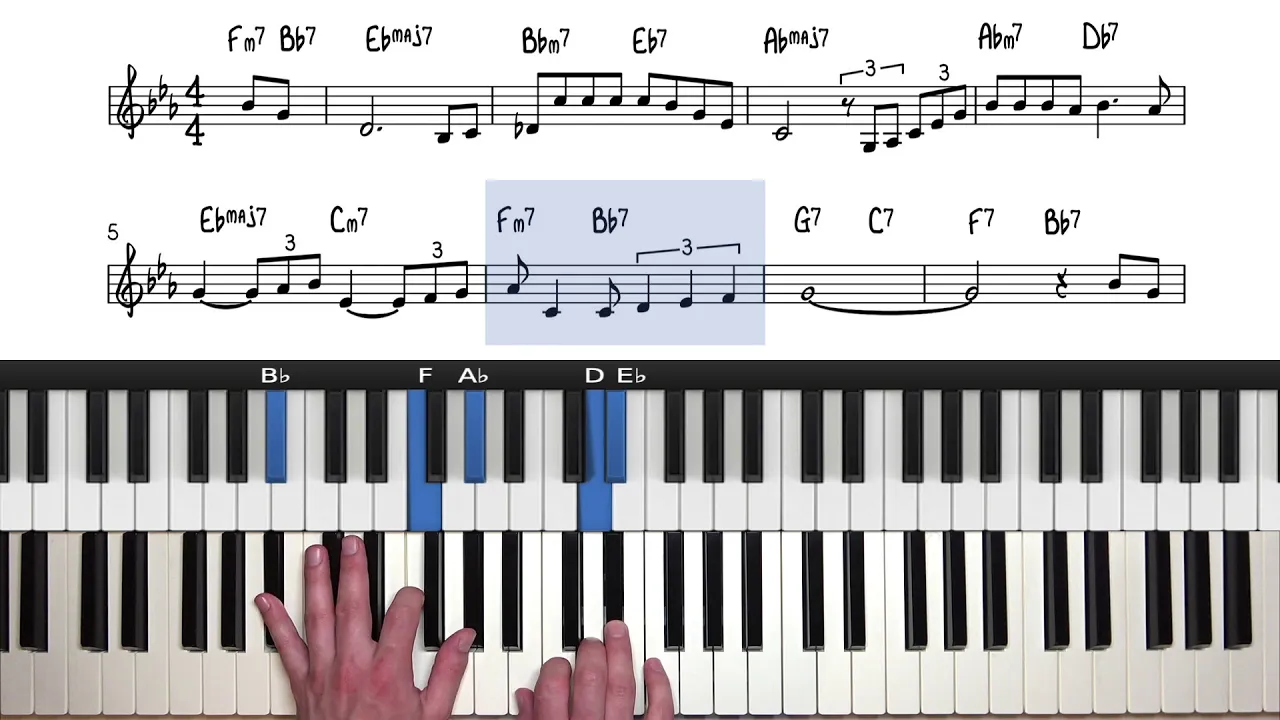
Upper Structure Triads for Jazz Piano: Altered Dominant Voicings
191K
Upper structure triads are complex altered dominant chord voicings in jazz piano that consist of two parts: a lower structure (vanilla dominant chord voicing with root, 3rd, and b7) and an upper structure (a major triad played in the right hand). The four most common upper structures are: US2 (major triad built from the 2/9, creating a 13#11 sound), US#4 (major triad from #11, creating a b9/#11 sound), US#5 (major triad from #5, creating an alt/#5#9 sound), and US6 (major triad from 6/13, creating a 13b9 sound). These voicings allow pianists to create many different textures using the same chord color by manipulating the upper and lower structures separately.
Click to watch →
Deep Dive
Mastering left-hand 'shell' or 'rootless' voicings (using 3rds and 7ths) to support the right-hand upper extension triads.

Jazz Piano Voicings 2023 Part 3
2.3K
Shell voicings consist of the third and seventh of a chord, omitting the root. For minor seventh chords, shells are the third and seventh (e.g., for Cm7, shells are Eb and Bb). Shell voicings are extremely important for left hand playing and lead to more advanced voicings. Rootless voicings are the stepping stone to jazz extensions. There are two structures: (1) 3-5-7-9 and (2) 7-9-3-13. Practice through 2-5-1 progressions in the circle of fourths, then through major scales (C major, Db major), and chromatically. Rootless voicings are essential because in actual tunes, you won't always see 2-5-1 progressions.
Click to watch →

The Fastest Way to Learn The 3rds & 7ths
32.9K
Four key practice tips for mastering root third and seventh shells: First, do not write down the notes for the chords—the skill being developed is memorizing the formulas and applying them independently. Second, play chords as complete units rather than note by note, as this is how they will be used in context with melody. Third, break the exercise down line by line and try to complete each line three times correctly in a row before moving on. Fourth, do not worry about speed or timing—focus on accuracy first, as slow and deliberate practice is essential for building correct muscle memory.
Click to watch →

Jazz Chords That Always Sound Professional
1.5K
Professional jazz pianists use four essential chord voicing systems: (1) rootless voicings in the right hand with a single bass note in the left hand for rich harmony below melodies, (2) two-hand drop two voicings combining rootless voicings with 1-7 in the left hand, (3) upper structure triads with shell voicings in the left hand for professional comping, and (4) left-hand rootless voicings with octaves in the right hand for the upper register. These voicings are designed to avoid interfering with melodies and create lush, professional sound across all performance contexts.
Click to watch →

Master Giant Steps With This Clear Step-by-Step Method
52.7K
Shell voicings consist of the root and seventh of each chord in the left hand. To improve voice leading, you can move the flat seven down to the three of the next chord. For example, from Bb7 to Eb major, bring the Bb down to G (the three of Eb). This creates smoother hand movements and better musical flow.
Click to watch →
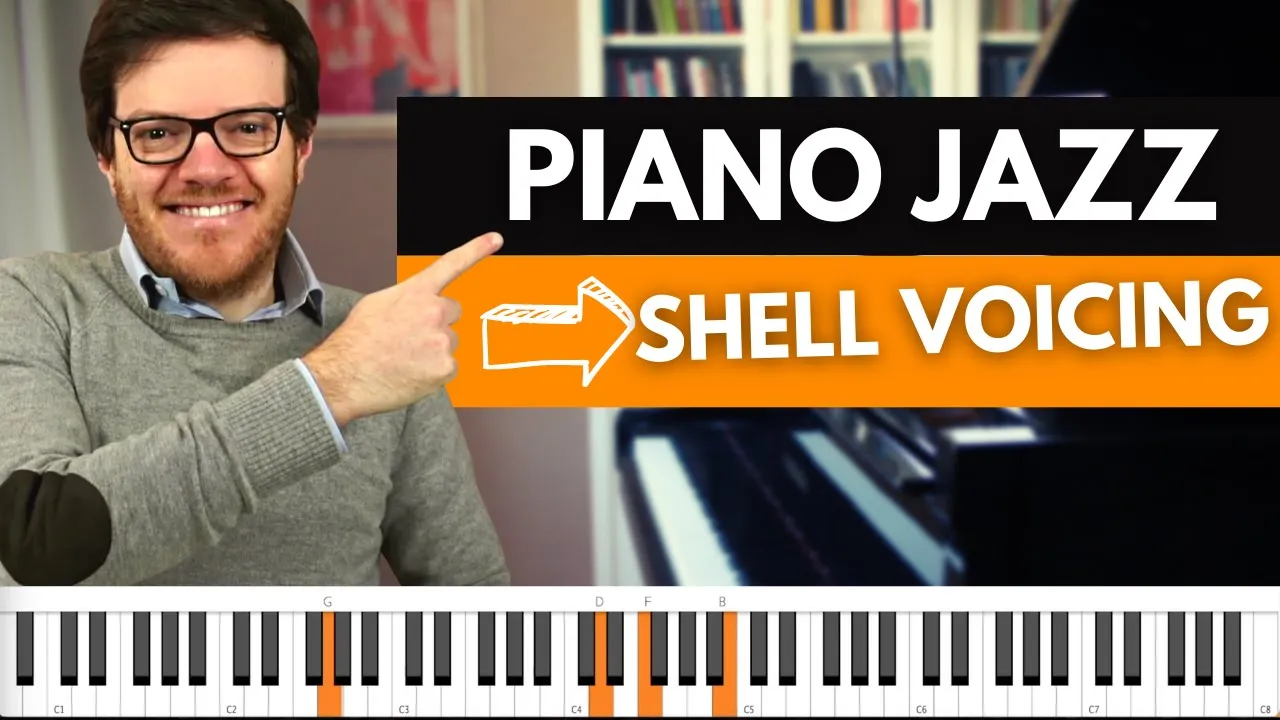
Il Primo Voicing da Imparare per Pianoforte Jazz: Shell Voicing
14.2K
Shell voicing is a two-note left-hand voicing technique for jazz piano that selects either the root and 7th or root and 3rd of a chord, serving as the foundational voicing for beginners due to its simplicity and its role as the basis for more complex voicings; the technique applies to major 7th, dominant 7th, and minor 7th chords with specific interval combinations (major 7th and major 3rd for major 7th, minor 7th and major 3rd for dominant 7th, and minor 7th and minor 3rd for minor 7th), and can be mastered through a four-step practice method: playing voicings in all keys following a cycle of 4ths, alternating between root-7th and root-3rd positions, applying to ii-V-I progressions, and finally applying to jazz standards like 'All The Things You Are' with melody in the right hand.
Click to watch →
Deep Dive
Developing improvisational vocabulary by arpeggiating and voice-leading these triads to create fluid jazz solo lines.
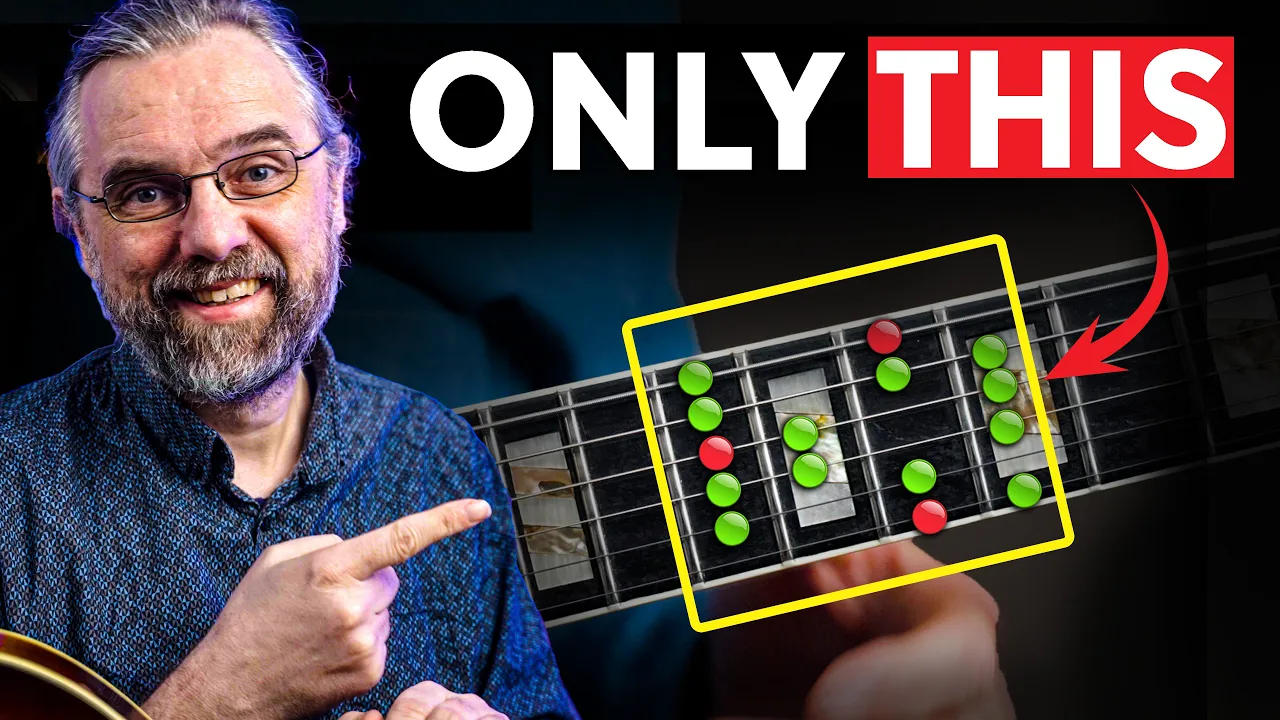
Use Triads Like THIS To Transform Your Jazz Solos
19.5K
Triads, particularly major triads, serve as essential melodic foundations in jazz improvisation rather than being too simple; they can be transformed into sophisticated jazz lines by adding diatonic or chromatic notes, using inversions for smooth voice leading, and applying them as upper structures to dominant chords (where rootless minor 7th chords contain major triads), altered dominants (using triads from the flat five), and symmetrical scales like the diminished scale (containing four major triads) and augmented scale (three major triads in major third distance), enabling musicians to create melodic, bebop-style solos that sound natural and coherent.
Click to watch →

Técnicas de Improviso com Teco Cardoso
12.1K
A fundamental exercise for improvisation involves learning and memorizing triads: two minor, two major, five dominant, and one diminished triad. Musicians should study chord charts and prepare these triads. The exercise begins by playing triads slowly and tentatively, then gradually increasing speed and complexity. The musician creates phrases using only triad notes (tonics, thirds, fifths), then gradually adds freedom by including other notes, chromatic approaches, and embellishments. This builds a vocabulary that can be applied to any chord progression. The progression from structured triad playing to freer improvisation develops both technical skill and musical intuition.
Click to watch →
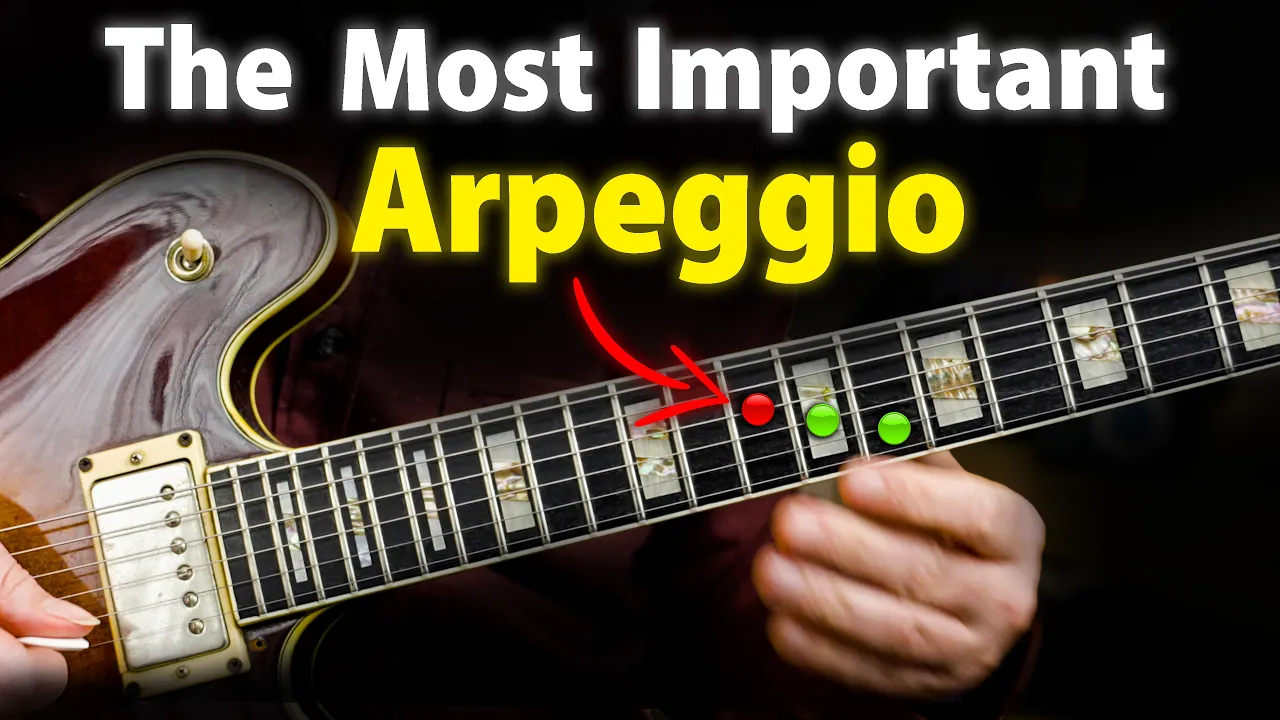
The Most Important Scale For Jazz (Keep It Simple!)
101K
Effective jazz improvisation requires understanding how to transform harmonic structures into melodic lines. Arpeggios—playing chord tones sequentially—are the simplest way to outline chord changes. Practicing diatonic seventh chord arpeggios through the major scale develops authentic-sounding vocabulary. Focusing on the 2-5-1 progression (Dm7-G7-Cmaj7) provides targeted practice for common jazz situations. Additionally, triads serve as powerful soloing material—the top three notes of each seventh chord form triads (Fmaj in Dm7, Bdim in G7, Em in Cmaj7). Knowing these triads enables musicians to connect different arpeggios and expand melodic options. This combination of arpeggios and triads creates a comprehensive approach to jazz soloing that stays rooted in the major scale.
Click to watch →

3 Skills You Want To Master: Triads
27K
Triads are fundamental building blocks for jazz solos and melodies, and mastering them requires practicing both in fixed positions and diatonically within scales, while also incorporating inversions (first and second inversion triads) and using them as upper structures to create more sophisticated melodic lines; effective triad practice involves hearing melodies rather than thinking about specific notes, adding scale notes between triad notes for passing tones, and using triad pairs to create interesting voice-leading patterns that add color and range to improvisation.
Click to watch →
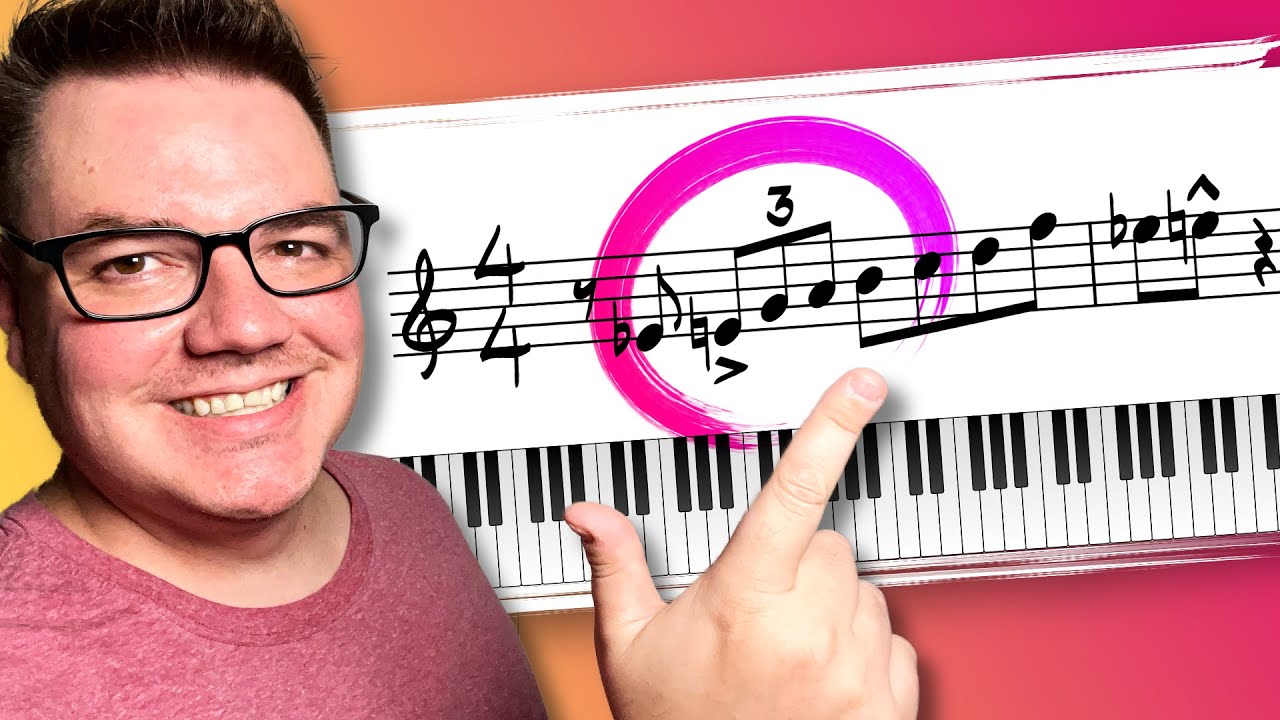
How Jazz Works: Creating Solo Phrases
33.5K
Practicing scales in thirds (up and down) and triads (up and down) develops melodic vocabulary. Seventh chord arpeggios should be practiced up and down. Leading into arpeggios with chromatic leading tones (half step below the arpeggio start) creates smooth transitions. The same technique applies to triads and seventh chords, where musicians start with the leading tone below the top note and descend.
Click to watch →
Deep Dive
Exploring additional upper structure formulas (e.g., major triads on the b5 or minor triads on the b5) to unlock different harmonic colors.

COMBINING PENTATONICS & TRIADS
191.7K
For dominant chords, use triads from the diminished scale that move in minor thirds: (1) the triad built on the root (G major over G7), (2) the triad built on the flat third (Bb major over G7), (3) the triad built on the tritone (Eb major over G7), and (4) the triad built on the sixth (E major over G7). These upper structure triads create sophisticated harmonic colors. Additionally, minor triads based on these same notes (G minor, Bb minor, Db minor, Eb minor) provide alternative voicings.
Click to watch →
Upper Structures en jazz: cómo dar color a tus dominantes
321
In jazz, upper structures are triads superimposed over dominant chords to add color and tension; by placing major triads on the b9, 9, and #9 of a dominant chord (e.g., G7), you can generate different harmonic colors including harmonic minor (b9), melodic minor (9), and altered scale (#9) sounds, which can resolve elegantly to either major or minor chords while enhancing the chord's sonic palette.
Click to watch →
Upper Structure Triads for Jazz Piano: Altered Dominant Voicings
191K
Upper structure triads are complex altered dominant chord voicings used in jazz piano that divide chords into two parts: the lower structure (vanilla dominant voicings like root, 3rd, and b7) and the upper structure (major triads). This division simplifies memorizing complex voicings by using only major triads from specific scale degrees. The four core formulas are: Upper Structure 2 (major triad on 2/9, creating 13#11), Upper Structure #4 (#11, creating b9/#11), Upper Structure #5 (#5, creating alt/#5#9), and Upper Structure 6 (13, creating 13b9). All sound strongest in second inversion. This systematic approach allows pianists to construct complex altered dominant voicings using familiar major triad shapes.
Click to watch →
6-Strings Diary EP162 : เจาะลึก Triad ... องค์ประกอบย่อยที่สำคัญสุดๆในดนตรี .. Feat Ta Worraseth
20.7K
Upper structure triads are triads played over a bass note that is not the root of the chord. Playing an A Minor triad over a C bass note creates a C Major 7 chord. Different upper structure triads create different chord qualities: Major triad creates Major 7, Minor triad creates Minor 7, and triad with flat 5 creates Dominant 7. Triads can be paired and alternated to create interesting harmonic textures, such as alternating between C Major and D Minor triads.
Click to watch →
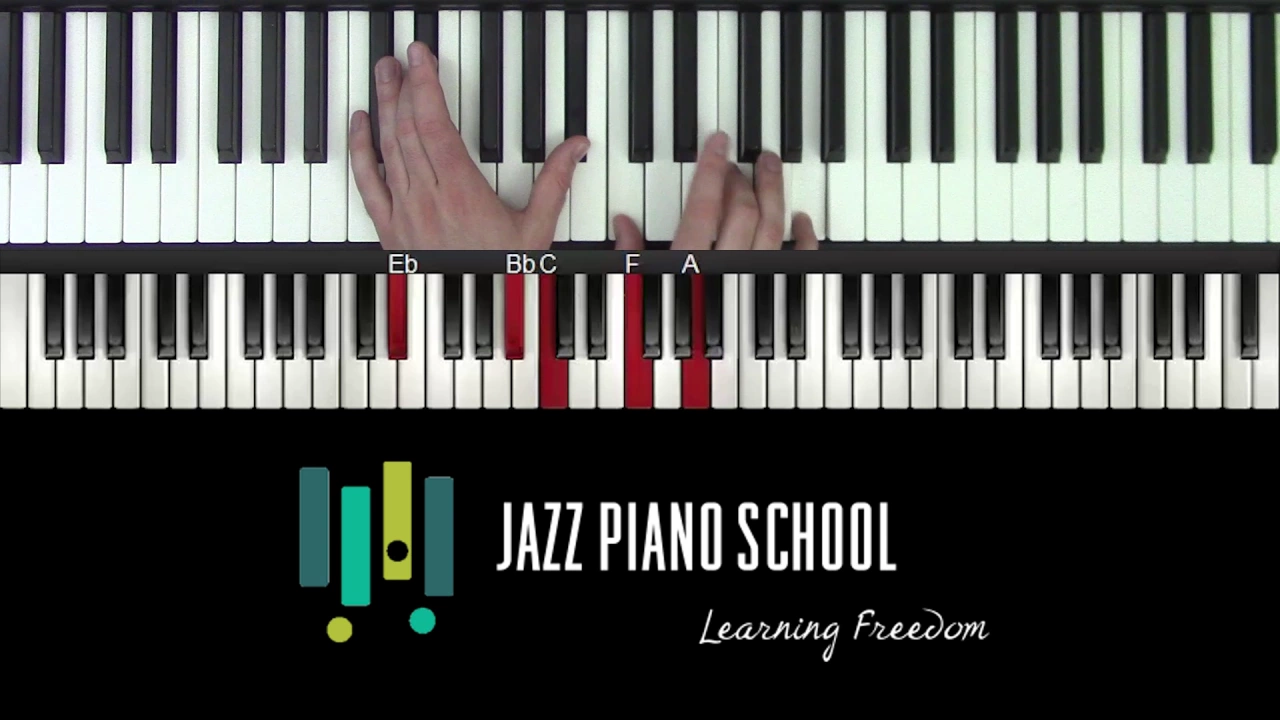
How To Play Upper Structure Triads In Jazz Piano
31.9K
Upper structure triads are triads played in the right hand above left-hand chord voicings, adding harmonic extensions to jazz piano voicings; for minor 7 chords, the 2 minor triad provides 9, 11, and 13 extensions while the 4 major triad adds 11, 13, and the root, and for dominant 7 chords, the 2 major triad gives 9, #11, and 13, the b3 major triad provides #9, 5, and b7, the b5 major triad offers #11, 7, and b9 (creating the altered sound), and the 6 major triad delivers 13, b9, and 3, with voicing placement and register affecting the overall sound.
Click to watch →
Deep Dive
Applying altered dominant triad structures specifically to minor key resolutions (resolving a V7alt to a Im7 or Im6).
😎ACORDES DE PASO - Truco SECRETO rompe ESCALAS para sonar PRO🚀
3.6K
To connect to a minor chord (such as La menor), use an altered dominant chord (Mi7 altered with raised 9th and 5th) as a tension chord that resolves to the minor chord, creating a professional-sounding cadence; this technique can be applied in a circle of fourths progression (Si7 altered → Fa sostenido7 altered → Do sostenido7 altered → Mi7 altered) to create sophisticated harmonic movement.
Click to watch →
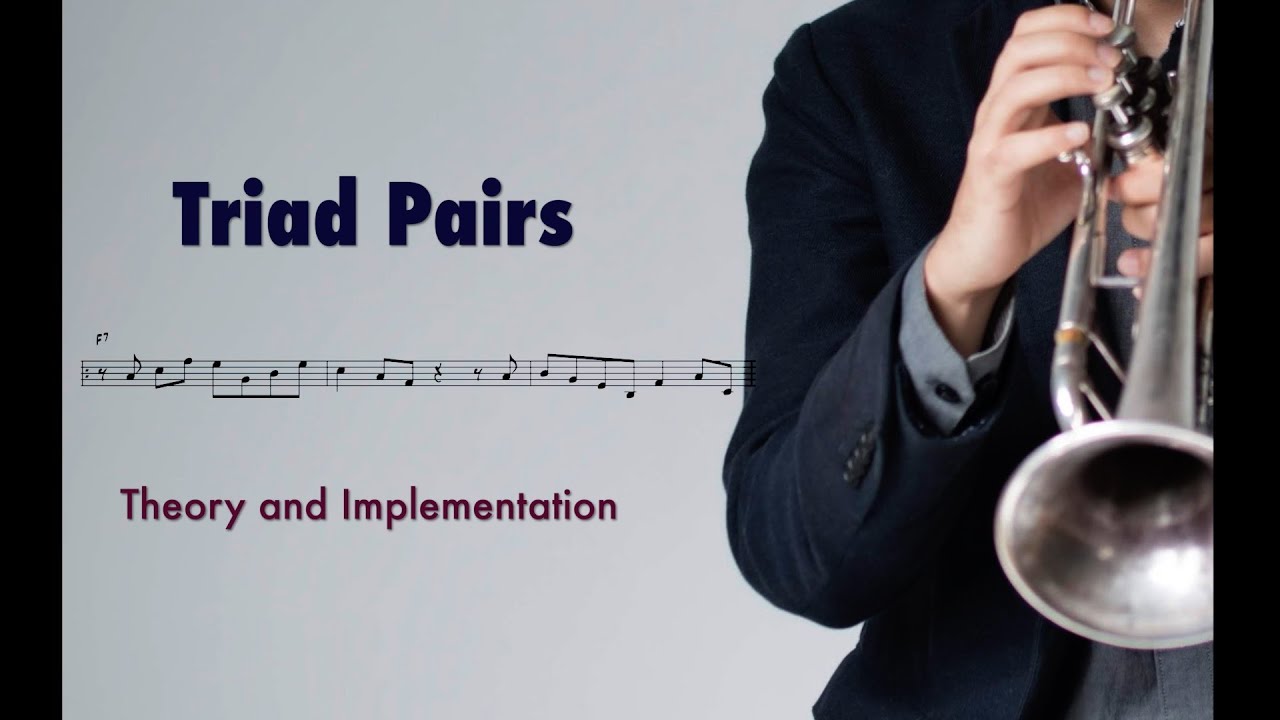
Triad Pairs- Theory and Implementation
1.1K
Whole step major triads over altered dominants use flat 5 and flat 6 scale degrees (Gb and Ab major over C7alt). These are paired with mismatched major-minor triads to demonstrate resolution to one chords. Major-diminished whole step pairs (G major and Adim) work over minor-major 7th chords. The key principle is experimentation to discover which triad pairs personally appeal to each musician.
Click to watch →
3 Jazz Chords Every Beginner Should Know!
875.6K
The altered dominant chord can be applied in minor keys as part of a minor 2-5-1 progression. For an A altered chord: play the sevenths and third in the left hand, then build an F major triad in the right hand (or play it lower). This demonstrates how the altered dominant chord functions within a minor jazz progression.
Click to watch →
![Intro To ALTERED DOMINANT Chords [SONGWRITING / JAZZ / MUSIC THEORY]](https://i.ytimg.com/vi_webp/63-PX9XvrKg/maxresdefault.webp)
Intro To ALTERED DOMINANT Chords [SONGWRITING / JAZZ / MUSIC THEORY]
43.1K
Altered dominant chords are created by taking a regular dominant chord (root, third, fifth, flat seventh) and displacing its fifth either up or down a half step, resulting in two main types: 7(b5) and 7(#5) (augmented 7th), which can be used as colorful replacements for V7 chords in cadences, particularly in ii-V-I progressions, and can be written with the symbol 7alt; they add chromatic interest and resolving power to the tonic while often requiring careful voice leading to ensure smooth melodic motion.
Click to watch →

AULA DE TECLADO - JAZZ PIANO- Aplicando idéias no II - V - Im
4.3K
This segment covers the melodic minor scale (escala do meio diminuto) and its application in jazz improvisation. The instructor demonstrates how to construct the melodic minor scale based on the natural minor with raised 6th and 7th degrees. The lesson then explores the altered dominant chord (V7alt) containing raised 4th and 5th degrees, showing how to resolve this chord to a minor key. The instructor demonstrates playing F#-D-F major chord progression as part of the altered dominant resolution, creating tension that resolves to the minor key. This progression is fundamental to jazz harmony and improvisation.
Click to watch →
Chord Extensions
Chord Extensions
0:00- 1
Explains using upper extension triads over a dominant seventh chord.
- 2
Demonstrates building a Lydian dominant sound with a major triad.
- 3
Covers flat-nine and altered dominant voicings using minor and inverted triads.
Linear Voice Leading and the Barry Harris Method
While upper extension triads offer a convenient, vertical formula for generating altered dominant sounds, critics argue this chord-scale approach can lead to mechanical, static improvisations that lack linear flow. A prominent alternative perspective, championed by jazz educator Barry Harris, emphasizes horizontal voice leading, guide tones (the 3rd and 7th), and the "Sixth Diminished" scale system. Instead of stacking disconnected vertical triads, this school of thought focuses on how melodic tensions resolve step-wise to chord tones. By prioritizing the linear movement of individual voices rather than static upper-structure blocks, pianists achieve a more organic, swing-era-aligned connection between chords, focusing on melodic resolution and functional movement rather than algebraic chord-scale formulas.
Understanding dominant 7th chord construction (root, major 3rd, perfect 5th, and minor 7th) and basic keyboard geography.
Familiarity with chord extensions (9ths, 11ths, 13ths) and chromatic alterations (such as b9, #9, #11, and b13).
Ability to quickly construct and play major and minor triads in all inversions.
Basic conceptual understanding of chord-scale theory, particularly the Lydian Dominant and Altered scales.
Integrating these upper structure triads into standard II-V-I jazz progressions, resolving smoothly to the tonic chord.
Mastering left-hand 'shell' or 'rootless' voicings (using 3rds and 7ths) to support the right-hand upper extension triads.
Developing improvisational vocabulary by arpeggiating and voice-leading these triads to create fluid jazz solo lines.
Exploring additional upper structure formulas (e.g., major triads on the b5 or minor triads on the b5) to unlock different harmonic colors.
Applying altered dominant triad structures specifically to minor key resolutions (resolving a V7alt to a Im7 or Im6).
229.1K views8.2Klikes1:19@OpenStudioJazzOriginal Release: 2025-05-26
It's easy if you use upper extension triads. So before we add the upper extension triad, we need a solid foundation and we need a dominant seventh chord. Let's use a C dominant 7.
So we're going to use the root C. And all we need is the third E and the seventh B flat. Bam. That in and of itself is a dominant 7. If we want those upper extensions, we can add various triads. I'm going to show you three really important ones. The first one is if you want a Lydian dominant sound with that sharp 11. We are gonna add the nine D, the sharp 11, F sharp, and the 13 A.
That's a D major triad. Check that out.
Over that C7. Sounds like this. Bam. That's number one. The next one is with a flat N. So, we're going to do our C, our E, and our B flat. That's our C7. We're going to add that flat N, D flat, the sharp 11, F#arp, and that 13 A. That's an Fsharp minor triad over the C7. Sounds like this. Bam. And finally, one of the most common dominant seven sounds is that alter dominant 7 sound with the flat 13 and the sharp nine. So, we're going to add our C7. And then on top of that, we're going to put an E flat, the sharp N, an A flat, flat 13. Put that root on top. A flat triad in the second inversion. And that's really all you
Up Next
11:08
Applying Coltrane Changes to Jazz Standards: A Practical Guide
@nickmainella
34.4K views•2021-03-29

10:20
Mozart's Musical Dice Game Explained: History, Rules, & Fun
@webpianoacademy
5K views•2023-03-13

47:36
Understanding Diatonic 7th Chords in Major Keys | Music Theory Tutorial
@GracieTerzian
54.7K views•2022-03-02
10:49
Understanding John Coltrane's Giant Steps: A Music Theory Analysis
@Vox
10.4M views•2018-11-12
Related Study Plans & Knowledge Roadmaps
Structured learning paths in Music Theory
music-theory
Composing Galant Music: Partimento & Schemata
01Foundations of Figured Bass and Keyboard Harmony
02The Rule of the Octave (Regola dell'Ottava)
03Galant Schemata: The Building Blocks of Form
+ 2 more learning modules
30h5 modules
Explore Roadmap
music-theory
Decoding Overtone Series: Tuning & Drone Music
01Acoustic Foundations: The Physics of the Overtone Series
02Tuning Systems: Equal Temperament vs. Just Intonation
03Microtonality and Spectralism: Beyond Standard Pitches
+ 2 more learning modules
24h5 modules
Explore Roadmap
music-theory
Impressionist Harmony: Scales, Planing & RPGs
01Foundational Music Theory: Keys, Intervals, and Seventh Chords
02Impressionist Color: Chord Planing and Parallel Harmony
03Whimsical Textures: Pentatonic Cascades and Whole-Tone Scales
+ 1 more learning modules
14h4 modules
Explore Roadmap
music-theory
Negative Harmony: Axis Reflection in Indie Pop
01Music Theory Foundations: Scales, Intervals, and Triads
02Functional Harmony and the Circle of Fifths
03Demystifying the Negative Harmony Axis Reflection
+ 2 more learning modules
16h5 modules
Explore Roadmap