









![Domina el Turnaround I – VI – II – V [Jazz Manouche y Armonía]](https://i.ytimg.com/vi/UsBskVOino0/maxresdefault.jpg)




![HOW TO WRITE SWEET CHORD PROGRESSIONS [3 of 3] | (Side-Slipping)](https://i.ytimg.com/vi/MHF0Ext0NmY/maxresdefault.jpg)

Tritone substitution is a reharmonization technique where a dominant 7th chord is replaced with another dominant 7th chord a tritone (three whole steps or six half steps) away, as both chords share the same third and seventh intervals, allowing them to be used interchangeably; this technique creates smooth chromatic voice leading in 251 progressions and enables access to more interesting extensions and alterations.
Tritone Substitution Explained: Jazz Piano Reharmonization Techniques
Added:Understanding of seventh chords, particularly dominant seventh (7), minor seventh (m7), and major seventh (maj7) structures.
Familiarity with the standard ii-V-I chord progression in major and minor keys.
The concept of guide tones (the 3rd and 7th scale degrees of a chord) and their role in resolving harmony.
An understanding of basic interval theory, specifically identifying the interval of a tritone (three whole steps) and its inherent tension.
Exploring the Lydian Dominant and Altered scales to improvise melodically over tritone-substituted chords.
Applying tritone substitutions to extended jazz turnarounds such as the III-VI-II-V progression.
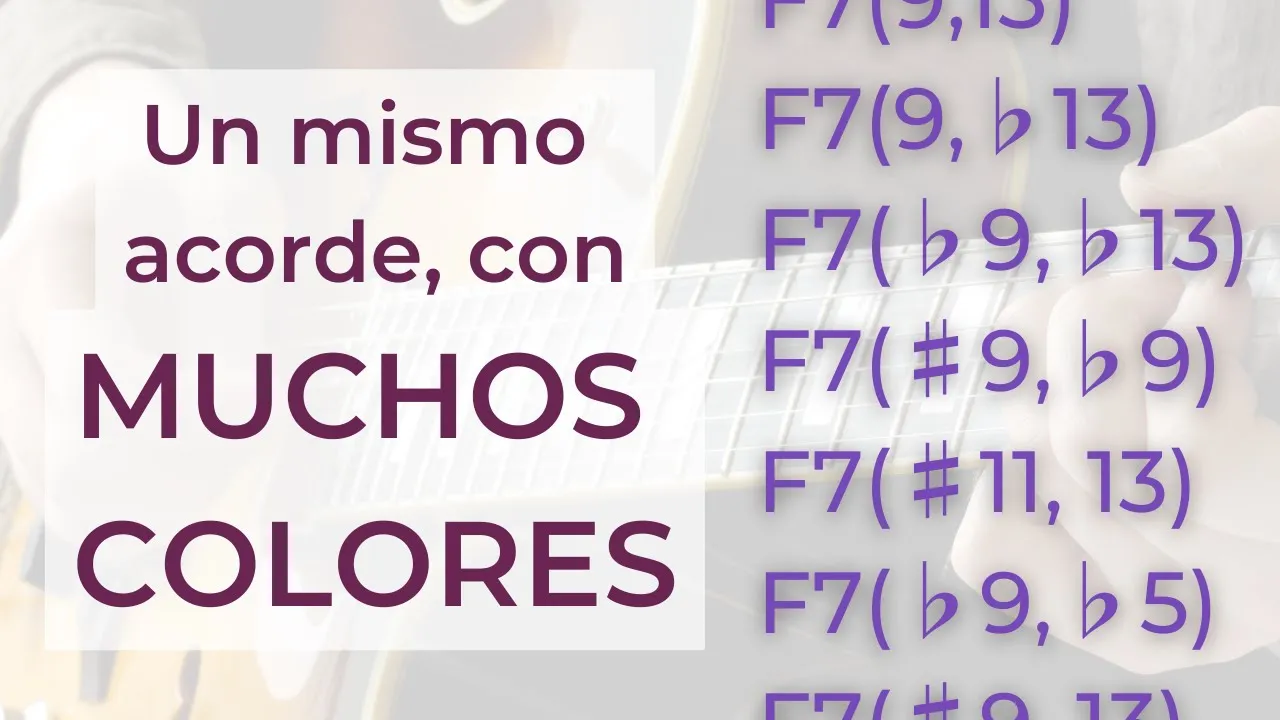
Integrating altered chord extensions (such as b9, #9, #11, and b13) into tritone-substituted voicings for richer color.
Studying advanced reharmonization techniques, including Coltrane changes (three-tonic systems) and side-slipping.
240K views4.9Klikes15:41Original Release: 2015-05-23
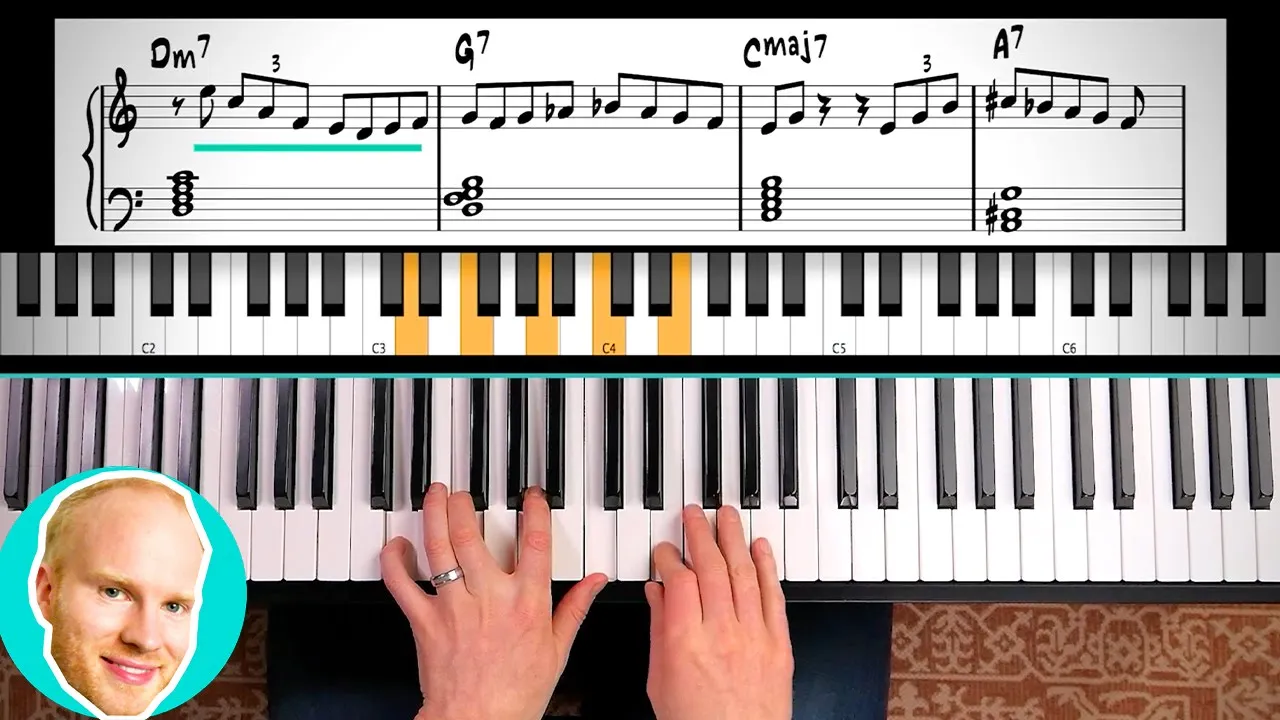
[Music] hi guys welcome back in this lesson we're going to look at trone substitution so tritone substitution is a reharmonization technique that can be used to add harmonic interest and variety to a chord progression trone substitutions are also known as substitute dominance or subire so be aware that these three terms are interchangeable and they all refer to the same thing this lesson will explain what trone substitution is why it works and then we're going to apply it to a major 251 progression I'm then going to give you guys a practice exercise for learning trone substitution in all 12 keys and then we're going to apply it to three Jazz standards so first of all what is what is a trone well a trone is an interval of three whole steps or six half steps and the trone marks exactly half of the octave so here's a few examples C to F is a trone d to a flat is a trone and F to B is a trone so you'll be glad to hear that there there are only six trones that you need to learn and this is because trones are symmetrical when inverted so for example Le if we look at C to F if we put the bottom notes on the top which is inverting it we still get F to C and then you can see it's a symmetrical interval when inverted so if we run through the triones you need to learn we have C to F Shar d flat to g d to a flat E flat to a e to B flat and F to B so if we go to the next trone you can see we have F Shar to C which is the same as the first one okay so what is trone substitution well trone substitution is when a dominant 7eventh chord is substituted for a dominant seventh chord a Tron away so you might ask how is this possible the answer is because dominant chords are trone Away share the same third and s the third and seventh of the chord is what gives it its unique harmonic quality and so therefore chords that share the same thirds and 7ths are harmonically very similar and can therefore be used interchangeably so let's look at an example here we have the notes of G7 and d flat 7 so G and D flat are a trone away and so if we look at the notes here's G7 you can see we have G which is the root B is the third D is the fifth and F is the seventh so the third and seventh of the chord are B and F so that's the trone of G7 that's what makes it dominant so now if we look at the notes of d flat 7 we have D Flats F A flats and C Flats so something to be aware of here is that b which is the third of G7 and C flat which is the seventh of d flat 7 they are the same notes they just spelled differently so this makes them enharmonic equivalents basically enharmonic means that they are the exact same notes so they sound the same but they're spelled and notated differently due to the key signatures that they're written in so if we look at G7 we can see that the third and seventh is B and F and if we look at d flat 7 we can see that the third and seventh IS F and C flat AKA B so because d flat and G7 both share the same third and seventh it means that they can be used interchangeably so now let's look at this in the context of a 251 progression so a TR turn substitute is a great way to add variety to a 251 in the key of C A 251 progression contains the chords D Minor 7 so we've got the roots the third and the seventh then we have G7 so we got the roots the seven and the three and then we have C major 7 so we got the roots the third and the [Music] seventh so because G7 and d flat 7 share the same trone interval it means we can use d d flat 7 in place of G7 so here's D minor7 instead of going to G7 here we can go down to d flat 7 and we play the exact same notes in our right hand and then to get to C major 7 we just drop down the third of d flat [Music] 7 so you should be able to hear the difference that's the normal one and with the trit turn substitute it's so let's look at a couple more examples um in the key of G major the 2 five1 chords we'd have a minor 7 D7 and G major 7 so D7 is the five chord A trone away from D is a flat so that means that we could play A Minor 7 a flat 7 and G major 7 so I'll run through them both again A Minor 7 D7 G major 7 or the trone substitute would be a minor 7 a flat 7 and then G major 7 another example would would be a 251 in the key of B flat major so we'd have C Minor 7 F7 and B flat major 7 so if you want to substitute the uh F7 which is the five chord so a trone away from f is B so so we could play B7 instead so let's see how that sounds C Minor 7 [Music] B7 B flat major 7 C Minor 7 B7 B flat major 7 so you might be wondering why do we use trone substitution and there's three reasons the first reason is that trone substitution creates a chromatic Baseline movement which achieves very smooth voice leading in a 251 progression so looking at the example in C we have we have D Minor 7 d flat 7 and C major 7 so you can see the root movement is moving by half steps whereas if if we compare this to the normal five chord the root is moving in fifth intervals in the trone substitute it's going so this creates very smooth voice leading in a 251 as the roots are moving by half steps as opposed to fifth intervals the next reason is that TR turn substitution adds variety and interest to your performance so for example when you repeat the a section of a tune which happens in most Jazz standards you can use trone substitution to make the same progression sound different and the final reason is that trone substitution allows you to access more interesting sounding extensions and alterations so so if we if we play a D Minor 9 chord if we go to the five chord we just need to drop the seventh down by half a step and that gets us to G13 so we got the root the seventh the 9th the third and the 13th and then we can drop down to play the root 3579 of C major but if we um if we use the trone substitutes and keep the notes in our right hand exactly the same we have D Minor 9 then we have d flat 7 with a sharp five and a sharp nine and then down to C major so we kept the notes exactly the same in the right hand you can hear how much more tension that d flat 7 Shar 5 Shar 9 chord has so basically try turn substitute it allows you to access those interesting and nice sounding extensions without thinking about it too much all you have to think about is change the route to d flat instead of [Music] G so now let's apply tritone substitution to a few Jazz standards here's the first four bars of body and soul and we can see that in the second and third bars we have a 251 progression in the key of D flat major so let's play through this and see how it [Music] sounds so we had an E flat minor 9 to an A flat 13 to a d flat major n so we know that a flat and D are trone trone apart from each other so that means that we can substitute a flat for D basically so let's play this with the trone [Music] substitutes so instead of having E flat minor 9 to a flat 13 to d flat major 9 we have E flat minor 9 to D7 Shar 5 sharp 9 and then down to d flat major 9 so you can really hear the difference [Music] there so the next example we have the first three bars of MTI so if we look in bars two and three we have a 251 progression in the key of A flat major so let's play through this and see how it [Music] sounds so we know that e flats and a are TR are trone apart so that means that we can substitute those chords so now instead of playing B minor 9 E flat 13 and a flat major we're going to play B flat minor 9 A7 and then a flat major so let's see how it [Music] sounds so you could see that instead of having B flat minor E flat 13 we had B flat minor a s with a sharp five and a sharp [Music] nine so the last example is my Foolish Heart Again here's the first three bars and you can see that in bars 2 and three we have a 251 in c minor so you can also apply Tron substitution to minor Keys as well as major keys and it also works fine so let's run through this as it's [Music] written so you can see then we had a a D Minor 11 to a G7 and then to C minor seven so we know that G and D flat are a trone apart so that means that we can substitute those chords so now let's run through substituting G7 for d flat [Music] 7 so that was an interesting one so instead of playing G7 with a Flats 13 we played D Minor 7 to to a d flat 7 with a sharp 11 so we've got the root the Fifth Third 7th and the sharp 11 which is the [Music] melody so finally we're going to talk about the best way to practice trone substitutes a good way to practice trones is using the circle of fifths so this is a really easy way to find the trone substitution of a chord basically all you do is look directly across the circle so for example if we look at G and then we look across the the side of the circle we have d flat so they trone substitutes if we look at d and look across the circle we have a flat so they trone substitutes however the best way to practice TR turn substitution is in the context of the tunes that you're playing so practicing them around the circle of fifths will always remain an exercise and by contextually applying them to the tunes that will give you a much deeper understanding so what I'd advise you do is flick through your fake book and look out for any 25s or 251s in the tunes that you're playing and then practice substituting the dominant chords with the dominant chord a Tron away so I hope you found that lesson useful and if you do have any questions just drop the question in the comment box below
Up Next
19:56
How to Build Major, Minor, Dominant, and Diminished 7th Chords
@patdavidmusic
462.2K views•2011-08-16

10:20
Mozart's Musical Dice Game Explained: History, Rules, & Fun
@webpianoacademy
5K views•2023-03-13
18:43
Upper Structure Triads for Jazz Piano: Altered Dominant Voicings
@PianoGroove
191K views•2020-06-05
10:49
Understanding John Coltrane's Giant Steps: A Music Theory Analysis
@Vox
10.4M views•2018-11-12
Related Study Plans & Knowledge Roadmaps
Structured learning paths in Music Theory
music-theory
Composing Galant Music: Partimento & Schemata
01Foundations of Figured Bass and Keyboard Harmony
02The Rule of the Octave (Regola dell'Ottava)
03Galant Schemata: The Building Blocks of Form
+ 2 more learning modules
30h5 modules
Explore Roadmap
music-theory
Decoding Overtone Series: Tuning & Drone Music
01Acoustic Foundations: The Physics of the Overtone Series
02Tuning Systems: Equal Temperament vs. Just Intonation
03Microtonality and Spectralism: Beyond Standard Pitches
+ 2 more learning modules
24h5 modules
Explore Roadmap
music-theory
Impressionist Harmony: Scales, Planing & RPGs
01Foundational Music Theory: Keys, Intervals, and Seventh Chords
02Impressionist Color: Chord Planing and Parallel Harmony
03Whimsical Textures: Pentatonic Cascades and Whole-Tone Scales
+ 1 more learning modules
14h4 modules
Explore Roadmap
music-theory
Negative Harmony: Axis Reflection in Indie Pop
01Music Theory Foundations: Scales, Intervals, and Triads
02Functional Harmony and the Circle of Fifths
03Demystifying the Negative Harmony Axis Reflection
+ 2 more learning modules
16h5 modules
Explore Roadmap