




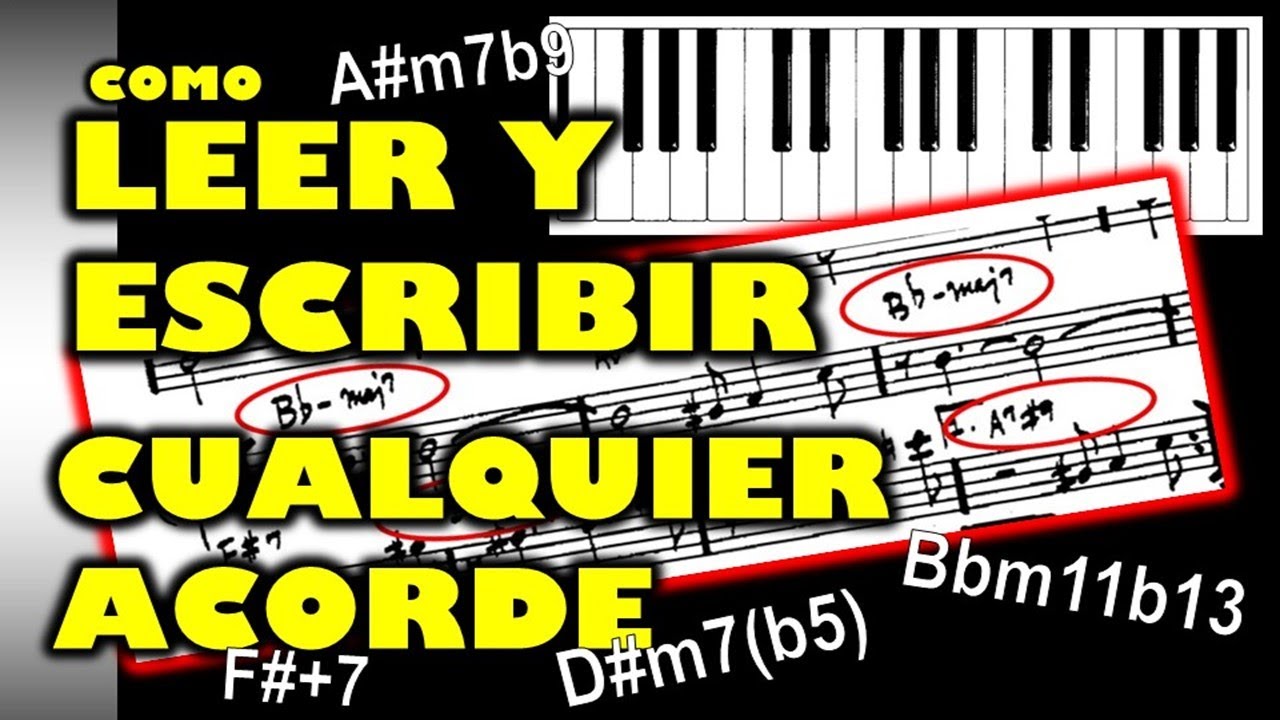

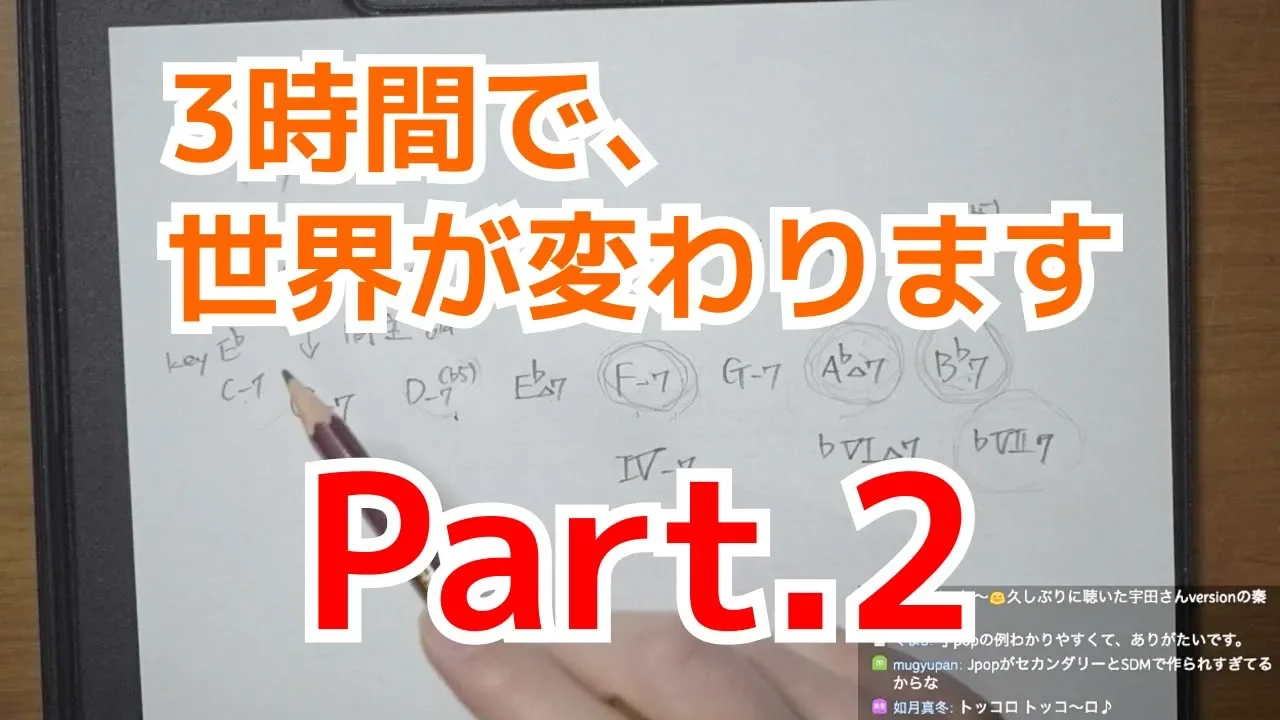


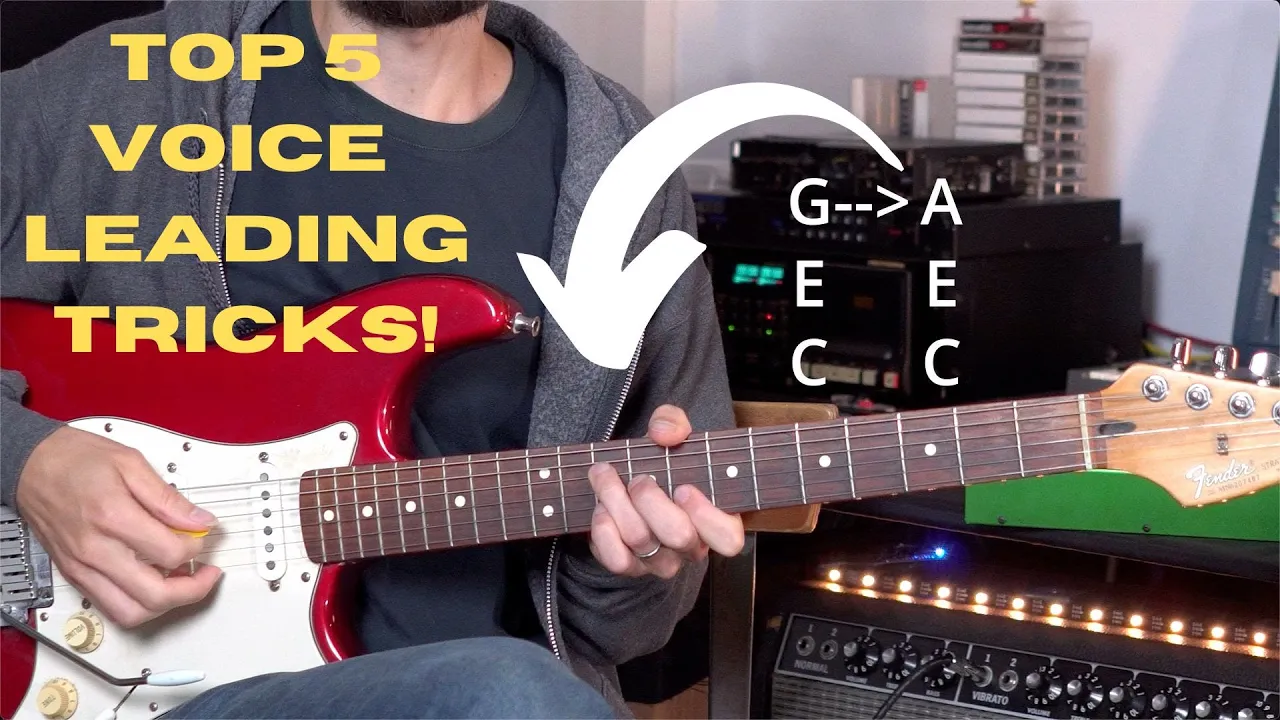



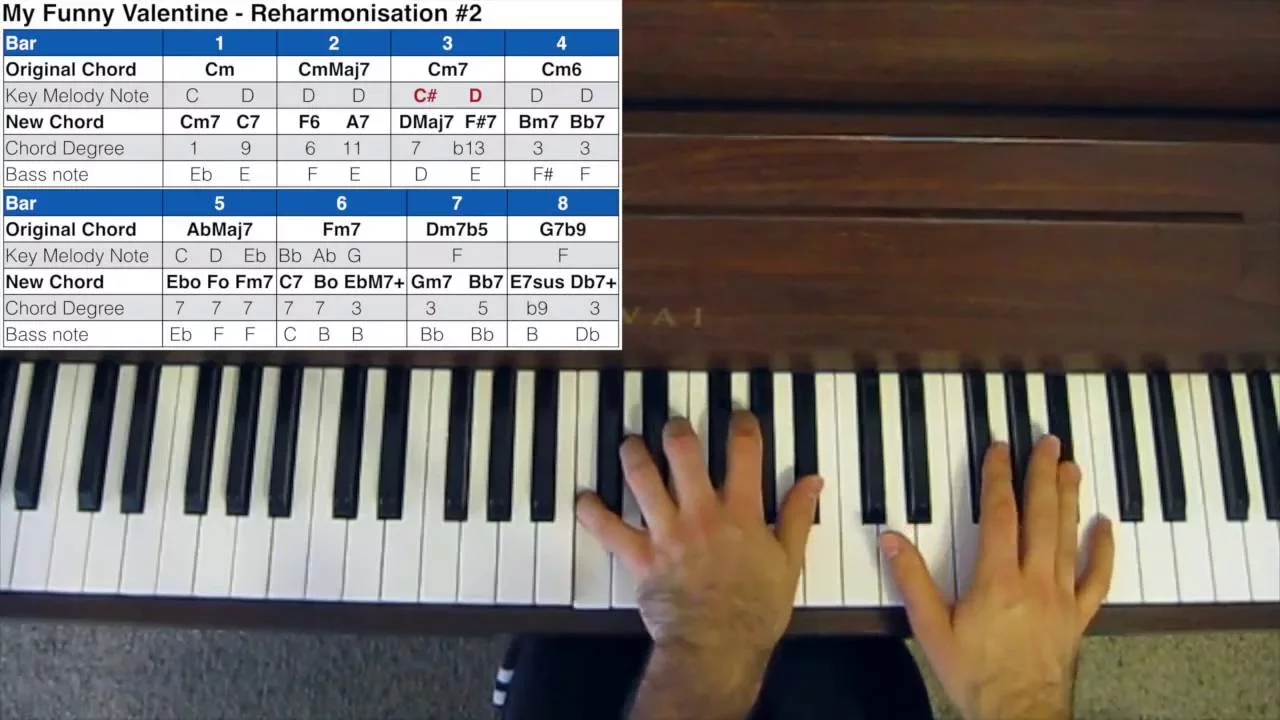




Reharmonization is the process of adding extensions (9th, 11th, 13th), secondary dominants, diminished seventh chords, cycle of fifths progressions, tritone substitutes, Coltrane changes, and modal interchange to basic chord progressions to create more interesting and complex harmonic movement in any musical genre.
Advanced Reharmonization Techniques: 7 Beato Basics Explained
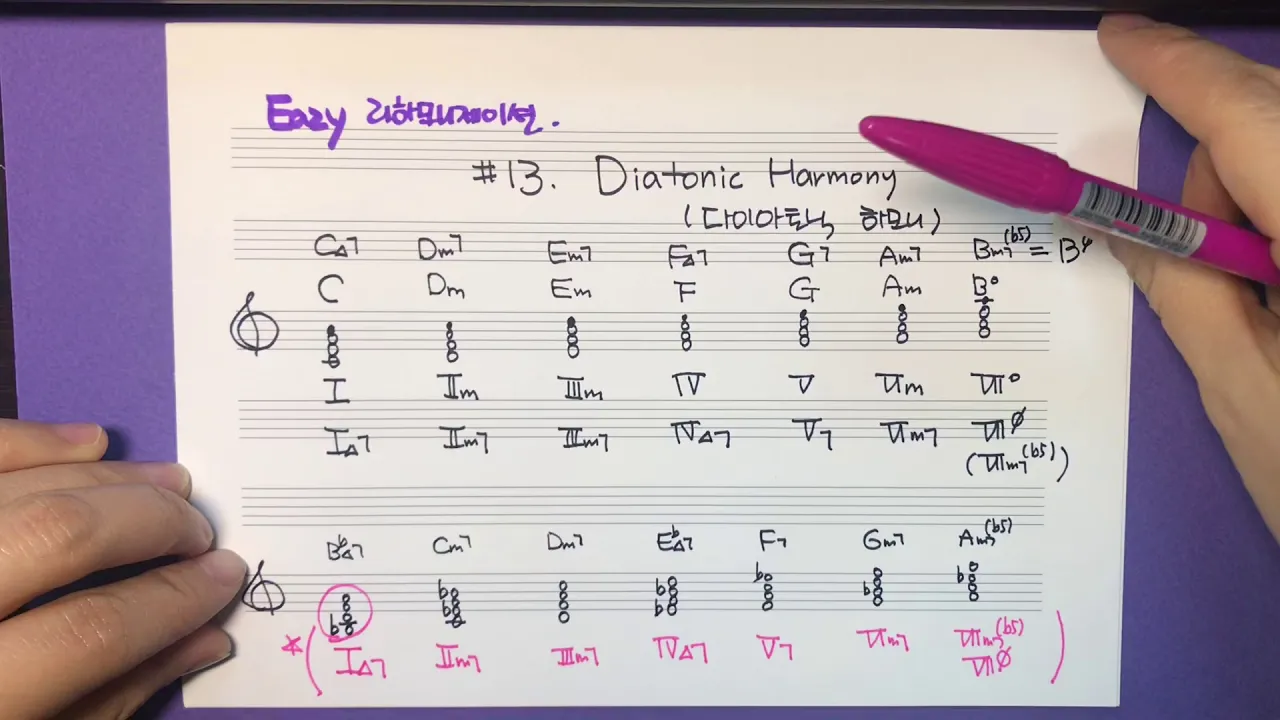
Added:Basic diatonic harmony and Roman numeral analysis, especially the standard ii-V-I progression.
Chord construction theory, including seventh chords and basic chord extensions (9ths, 11ths, 13ths).
The concept of dominant function and the interval of a tritone within dominant chords.
Fundamentals of voice leading and how individual voices move between chord progressions.
Applying reharmonization techniques to standard repertoire (e.g., Jazz Standards) to create custom solo arrangements.
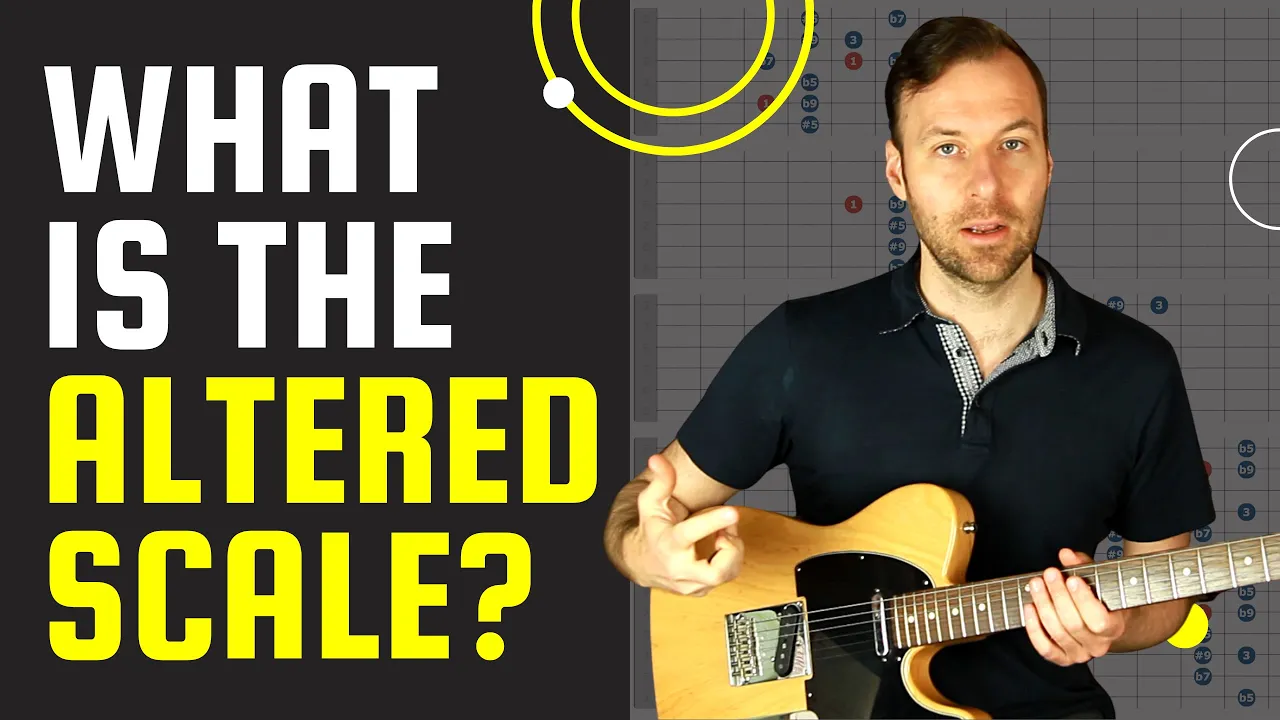
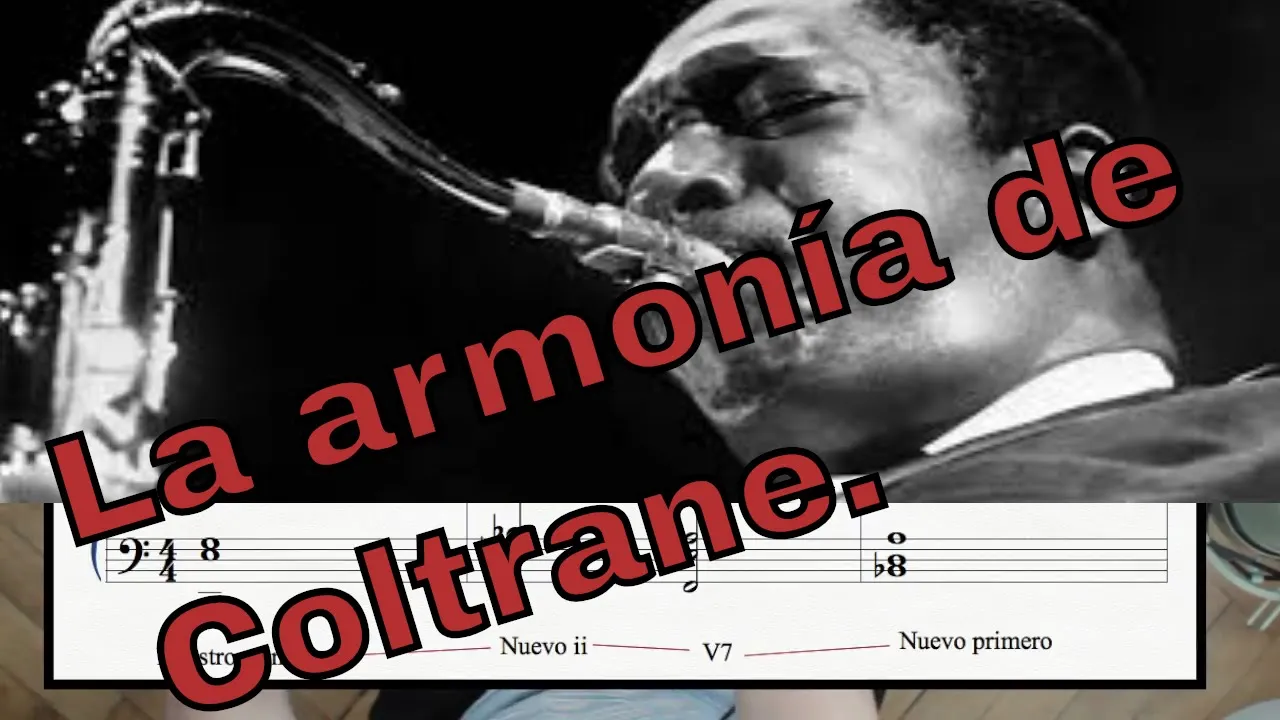
Improvisation strategies over complex progressions, specifically navigating Coltrane changes and altered dominant scales.
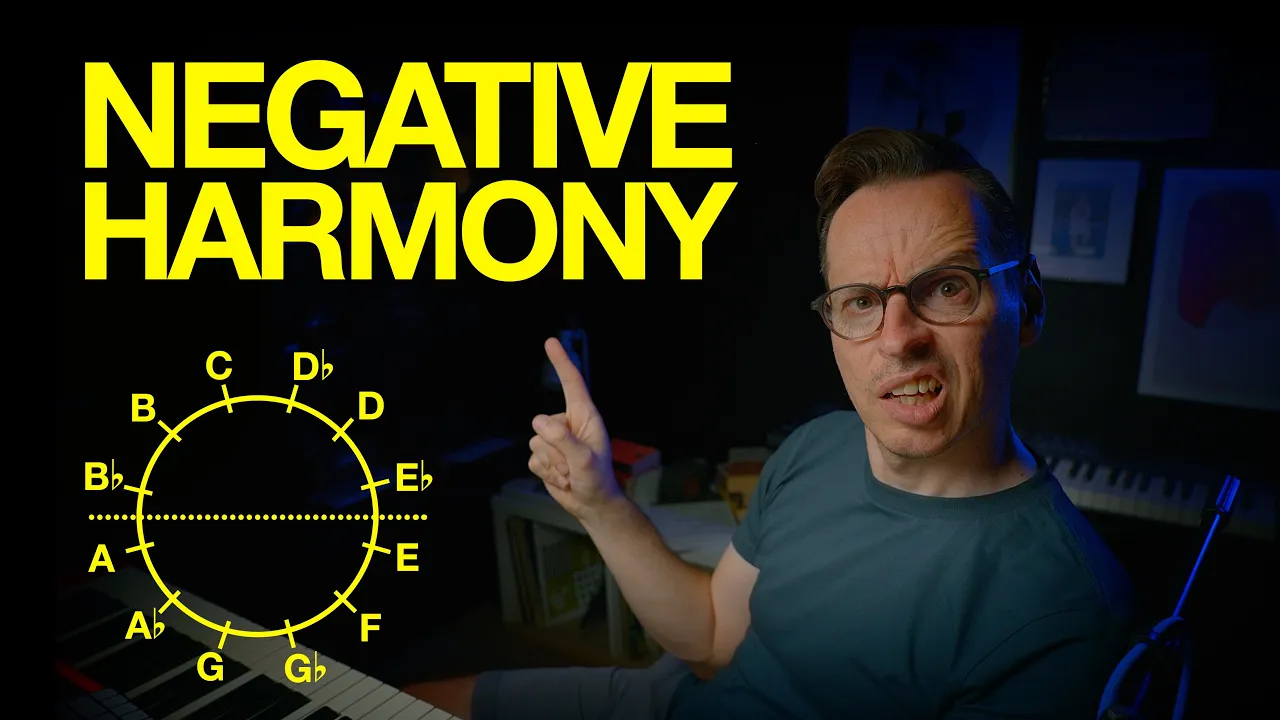
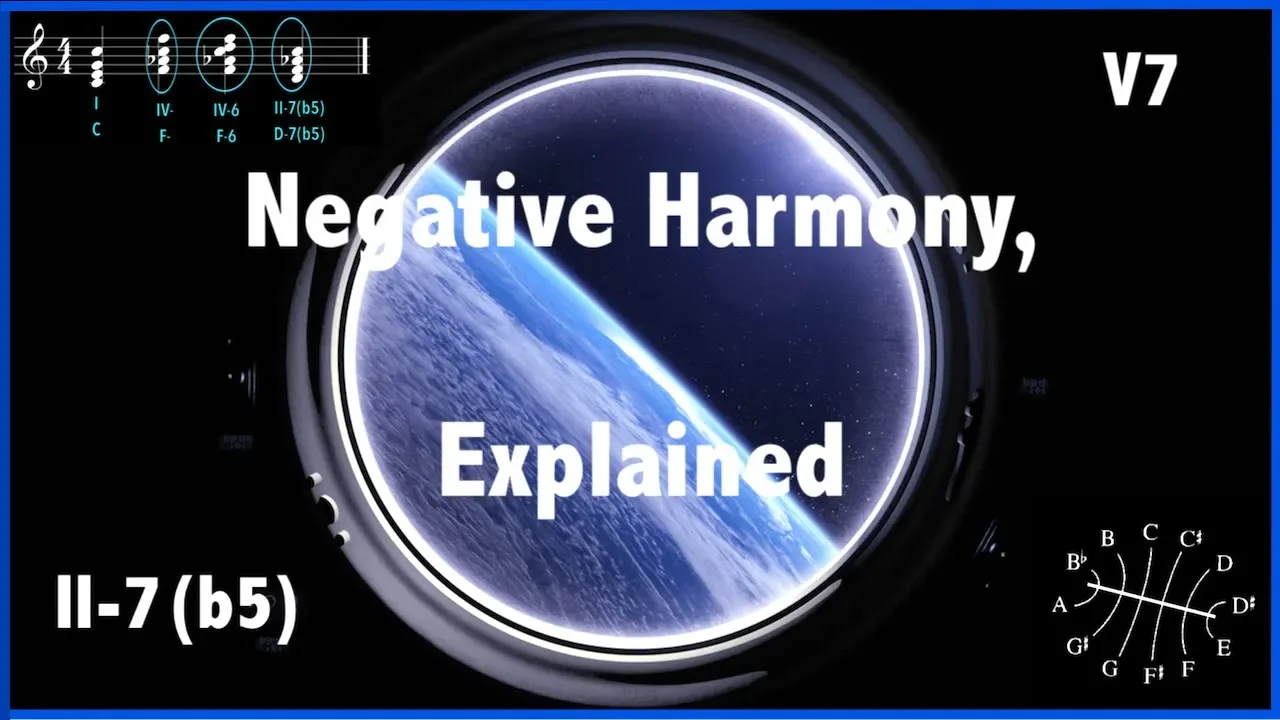
Exploring advanced modern harmonic concepts such as negative harmony, modal interchange, and non-functional chord successions.
Advanced keyboard voicings, including upper structures, drop-2 voicings, and quartal harmony to realize these progressions.
74.7K views2.3Klikes52:59Original Release: 2018-04-16
[Music] okay we're cooking right everybody okay I got Carol Manning the man in the chat here and today we're going to talk about Beato basics reharmonization just like last week the auto basics are not always that basic but that's why I call them Beato basics okay this is kind of a review of reorganizations this can be used for any type of music you can use it rock music jazz classical music your film scoring whatever basically how to take a chord progression or a any type of harmonic progression and give it some more spice some more interest okay we're gonna talk about it I've got seven things written down here or I could probably hit at another seven or so but we'll start out with just a basic progression to kind of show up how to do this when I say basic progression I'll do something in the key of C major we're gonna go we'll start with a simple two five one progression okay g7 so we get D minor 7 g7 C major seven you could have C major seven for two bars but first thing we'll talk about our extensions okay when I say extensions extensions can be 9th 11th and 13th okay now these can be on any of the chords I could have extensions and each of these chords without changing the general quality of the chord so we're not even talking about quality change quality would be making minor dominant making dominant diminished whatever major could become down there okay we're just talking about extensions here so one of the ways we can do this is let's say we I'm going to take this I'm going to make this a demon our nine so that would be an extension right this is gonna sound simple for those of you some of you but it's going to get really complex really fast this g7 beat could become G 13 and C major seven could be seen major nine right now the when you're talking about upper extension seventh and ninth you're usually implying that they're actually that many notes away from the root if you use the scale D minor nine in this case and the cube seed you'd have you'd be using a D Dorian scale okay so if you count nine notes of a D Dorian scale one two three four five six seven eight nine the ninth note is e which is the ninth of AD Dorian scale so that note is the ninth of the court so there's your D minor 9 so instead of having D minor 7 we have a minor 9 okay g13 okay g7 I've put you 13 of I take a G mixolydian scale which is the scale that goes along with that let me just put this down this is D Dorian this is G mixolydian and this is C Ionian now very simply these are the modes these three modes are in the key of C okay you get C Ionian D Dorian he Phrygian Lydian G mixolydian aeolian B Locrian those are the seven modes of C major okay so this is nothing really a spectacular yet G mixolydian if I count 13 notes in the scale 1 2 3 4 5 6 7 8 9 10 11 12 13 [Music] is the 13 of a g7 okay so here's a g7 this is g13 so if I go D minor 9 2 g 13 and then I've got C major 7 once again I'm gonna count 9 notes from a cio you just got 1 2 3 4 5 6 7 8 9 7 of D and there's a C major 9 5 that would be a reharmonization of a simple to just use it more color do 5 1 now it doesn't always give you the best voice leading we have a common tone there the note e on the D minor chord is the same note as the 13 of the g7 chord so what I would do then is I would take this g7 and make it 8 maybe a g7 sharp 5 or you call a g7 flat 13 if you'd like that's going to give you a voice leading you're gonna get a chromatic line this is gonna do the note e to the note this flat 6 is gonna be flat or flat 13 going to D this is our line you always want to be thinking about voice leading poisoning is the most important thing in music okay in writing contrapuntal music everything so that would give us this too once I got the 9th of this Denis 913 of the score to the 9th of this Court okay now that would be an example of extensions I can also use some other chords that are not so obvious with our extensions I can take extensions from different scales okay different scales that would go over these chords I could do a D minor 7 flat 6 ok flat 6 or flat 13 I could do a g7 flat 9 let's say and I'll do certainly I'm trying to think about a a line here the same flat 9 and then do C major 7 sharp 11 okay now once again I have to find where those notes are so this flat 6 and this D minor 7 chord it could be a couple different places you can have in a low register would you be there the plan say soon would be there or I could do a flat 13 like that or this right or that's a nice one I put the knife in there too but there's your routine and this G seven flat nine I could do this there's a plan I I put a 13 in there so I did D minor 7 flat 6 to 13 flat 9 to 2 C major 7 sharp 11 that is a sharp 11 right so I put the 9th I'm sorry the 13 in there as well - flat 6 on the top flatten I'm on the top and then sharp 11 on the top okay so this will be harmonization using upper extensions you can do other things you know I can do D minor 9 2 g 1339 2 2 C major 7 sharp sharp five yeah that's kind of cool too [Music] [Music] you do that - I had the width on the top of D minor 9 then I did a sharp 5 with a natural 9 but try to UM on D flat natural 9 sharp I'm sorry natural not sure 5 but right on some wood you'll get to add notes to a C major 13 that's actually combining a couple things I used to try to unsub when I'm gonna actually do it down here okay next thing to do is the secondary dominant substitution okay so secondary dominant substitution could be a bunch of things here let's say you got D minor seven year this this could be this could be cool and I can do a secondary dominant like this - a seven - D minor 7 - g7 to C major seven okay this is going back cycle here using this a seven so you go to two five seven of two back to two to five to one okay this is your secondary dominant chord it's the five seven of the two coordinate that would sound like this [Music] five to five so if I'm playing something let's say that we're gonna pick gallon right there Carol thank you thank you so let's say I'm playing over them I'm improvising [Music] sit down here tell me if I'm in the picture or not Caroline the picture or not yeah we kind of sing well we're I mean that's fine so I go I played almost delay that would be using this secondary dominant so if it would be [Music] I'm gonna lower the camera a little yeah okay so that's how to use back cycling there right so I'm doing d minor 7 and I'm going to the third of the a7 chord then flat 7 back to the 3rd of the D minor 7 [Music] okay so that would be a way of using a secondary dominant chord on as a back slightly I could also use it if I went like this let's say I did something like this I can use it in this bar D minor 7 then I could go let's see here I could go a seven D seven no last this would be more like a cycling seven here with a seven here this would be an example of using secondary dominance but using this the cycle of fifths okay so I've got the five one this is a five of five this is a five of five and this is a five oh five remember when I said the other day anytime you have a dominant seventh chord it's always the five chord in a key okay sees a series of five seven courts by seven two five five seven two five five seven and five five seven of one okay these are all secondary dominance okay I could have easily gone be seven to a minor seven D minor 7 to gene but this works better okay so that would sound like this so if you went like this [Music] that's another Joe past-due do a lot [Music] that's it's actually changing the court quality that would be another way of doing it you can also do very simply if you're gonna do that a simpler way of doing it would be take your regular two five one and see here and instead of using D minor seven here I'm going to just do d7 to g7 to C major seven this would be a five seven two five two five seven two one major seven okay that's a more obvious way of using a secondary dominant chord okay so you've replaced the D minor 7 and you've replaced it using a change of chord quality going from minor to dominant okay but that's the way that you can use the that you can use secondary dominance now you can use secondary diminished 7th chords that just actually gave you an example here's a good spot to use them this very common is to get to five and then your one chord very typically you'll see stuff like this right over one chord for two bars happens a lot of tunes okay I can go C sharp diminished seven D minor 7 D sharp diminished seven okay sorry that I went over that bar line there that's the perfectionist in Rick here you know I'm not a perfectionist so that would be this kind of thing you've heard this a million times but [Music] that would be a seat diminish see sheriff do root of 7 is a diminished 7 Sophia 7 diminished 7 of to right resolving the two this would be a 7 diminished 7 oops the minute 703 really if you were to go to E minor 7 for example that would be a way of filling an end a lot of times when you have a three six two five progression at the end of a tune you'll get you'll be faced with these kind of things where you'll say you might go D minor 7 whoops a seven D minor 7 g7 and instead of going to see you are then they go to C major 7 then you get a C sharp diminished 7 D minor 7 D sharp diminished 7 winding back around to E minor 7 okay cuz that D my sharp diminished 7th is the diminished 7 secondary diminished 7 of 3 okay so you get 3 6 and I used a a secondary down in here so doesn't need analysis 3 5 7 of 2 2 to 7 up to 5 7 to 1 meter 7 to secondary diminished 7 of to to to the administer 7 of 3 back to three the three six two five one diminished seven two two two two seven three back to three okay so that wouldn't sound like this now these kind of things you would use in something like rhythm changes these are common substitutions Carol yeah so if you're playing rhythm changes you might wanna move them if you play rhythm changes in b-flat you know typically so many times you play [Music] so one secondary diminish seven of two to three so that would be of the kind of line that you play so I'm going down is a really great substitute for one six two five is using those secondary diminished seventh chords they just they're almost the same as using a secondary dominant chord if you think of it a diminished seventh secondary diminished 7th chord is really just a substitute for a secondary dominant chord I'll show you how pretty simple so you got um let's say you've got if you have this chord progression right I'm sorry C major seven to C sharp diminished seven D minor 7 D sharp / - we've been using to Minnesota okay this chord if you take the notes of it if I put an A in the base of this you have an a7 flat nine okay because the notes in this chord are are the notes are the upper extensions of a seven flat nine here's a seven flat nine chord so you got one then then you take three five seven nine right 3 5 flat 7 flat 9 there jussi-shirt diminish I put an A in the base it becomes just an a some flat line same thing with this this is a B seven flat nine it's a subject just it's just a rootless one that's why secondary diminished 7th chords Carol is that yeah can they see it yep that's why these progressions work they are related so a secondary diminished 7th chord and a secondary dominant chord are almost the same thing it's just a replacement of the root so 87 within this case would be a 5-7 of 2 because it's going to D minor 7 and a C sharp diminished 7 is a secondary diminished 7 of 2 which is resolving the 2 minor 7 right both of those are but they're virtually the same chord progression okay this is just this this is this chord without the a in the root okay that's kind of why those two work together that's how they evolved actually okay it's just a further it gives you a little stronger root movement because this is a half step away from going to the D minor right this the C sharp diminished 7 is pushing towards the root a little bit more so it's really it's the difference between hearing this or here it is not that big a difference okay when you're when you're doing a reharmonization it's an it's that you can see how those are related okay next next we're going to talk about it that's kind of further clarifies when I was talking about those second or dominance on the last episode okay now we're gonna talk about predominance you guys have that have followed my channel know about about this and if you have the Beato book you know about this and by the way by the viado book support the channel 461 pages new version 2.3 or 2.2 what is it 2.2 predominant chords as a sub so this is when you get into things where you just have a dominant chord let's say you got a polluters or something you got you know let's see of a progression like this d7 for two bars a lot of musicians will freak out g7 for two bars c7 for two bars and f7 for two bars people are like oh man I don't know what to do with this how do I make this sound more interesting well I mean you can do things like this that you're playing and you you know you can think of Dominical a g7 chord and go [Music] I'm doing a budget I'm actually adding some chromatic passing chords and things like that but really simply I can to the five tubing the five means I can put the two chord before each five chord okay so in this case the v7 chord which goes in both bars I'll put the v7 here and I'm gonna to the five mean I'm gonna put the two chord of the d7 which is a minor 7 2 into five I'm gonna do the same thing here I'm gonna to this g7 chord g7 chord is a 5 chord in the key of C the 2 chord is going to be D minor 7 okay these are all modulations c7 that's the five chord in the key of F I'm going to put it here I'm not up to it I'm gonna put in G minor seven there f7 is a five chord in the key of B flat I'm gonna put the f7 here I'm gonna put C minor 7 there that's the 2 in the key of E flat let me show you the keys here this here is G major this here is C major this year is F major and this is the flat major ok this is what I call a cyclical progression it's the cycle of fifths G C F B flat you're moving one key in a-flat direction around the circle of fifths now because of that this makes it more interesting the solo on ok because you're not just sticking on one dominant chord ok so Carol so if I'm playing instead of playing which is really boring and a lot of people are thinking well what do I play on that what I plant D seven four four two bars well if you're thinking a minor seven right so I played and I resolved to the fifth of g7 so I played D minor 7 [Music] now I resolved it did the B flat of the G minor 7 and I resolved to the glass of the C minor 7 okay so okay so there I'm improvising over this but I'm thinking came under seven D seven D minor seven a minor seven D seven E minor seven seven five G minor 7 C seven sharp five C minor 7 F seven sharp okay so that in that way I'm soloing over that and I'm not just thinking oh man play you're get really bored I'm just playing mixolydian on this I don't know what to play the more chords you put in here you start improvising over those we harmonize them and you can play some more interesting things you can also back cycle you can do some of the other things that we've talked about already but in some secondary dominance in here I could go a minor 7 e7 d7 okay I'm you know D minor 7 a7 - gee I'm sorry a minor 7 e7 a minor seven D seven that would be a way of using a secondary dominant there okay so you can I can keep hmm I'm keep making this more complex just just take that first bar there right I go a minor seven hold on like this instead of going d7 right for two bars I can go the sub eight minor 7 e7 flat 9 a minor 7 d7 g7 okay that's in lieu of that right there so this is your substitute chord changes to minor seven five seven of two two seven five seven obviously we can make this a flat nine if you'd like doesn't matter then you're down to your fought to your one and a 7 chord essential that is okay that's a key but it's really five of five there okay so the substitute chord progression here makes it more interesting because you get more harmonic movement going on okay so that's using predominance the cycle of fifths a cycle of fifths we talked about a little bit because this chord progression here is a cycle of fifths okay so we'll use that okay so that if I add v7 for two bars and g7 for two bars let's say that's not uncommon and then let's say resolve the C major seven or something like that okay so using the cycle what I do is if I'm gonna use this I'm gonna go here to the last two beats before the C major seven I'm gonna put a g7 chord there okay that's gonna be my intersecting chord that's the five of this C major seven then I'm gonna back cycle from there I'm gonna use a cycle of fifths I'm gonna go D seven I'm gonna go take this out here I'm gonna go eighty seven seven you can always stop this and rewind it and go over it again I can go B seven F sharp 7 okay then I go back to C sharp seven or what do you want to call it D flat seven to a flat seven so here's my other chords that I had in here D seven right g7 C major seven okay this is this is back cycling so this would sound like this so I've got okay so I start alright now what do you notice here a flat seven is the flat five of this it's actually it's right on subs so the cycle would start you can start to cycle anywhere you want you can start it in this bar and do the substitutes here and just do two bars of it so you can do these seven for two bars okay you do it anywhere it's nice though if you do it on a like in a four bar section and everything so you can really get the sound of that cycle out of there and if you go on might be out of book I have a bunch of cycle exercises where you can start on a 7 or a flat 7 and you can play these kind of things here I go [Music] so that would be playing over this course be played 7 D flat 7 okay so okay so I am playing lines through the cycle of fifths over those chord changes there okay so right there I started a flat 7 7 7 g7 resolving to the 3rd of C major 7 ok so I'm following along through that cycle your Pat Metheny do that all the time he does a lot of things like that you have to play straight those you go [Music] okay so that would be an example that where I just broke it up and I but I'm doing a lot of third to seven resolutions okay so that's using the cycle now if the next thing to do is try it on substitutes okay how's everybody doing so far Carol yeah okay tritone substitutes are exactly what they sound like you're gonna substitute a I'm gonna use a simple two five one and the key of C typically they are a flat five substitute for the dominant chord so the tritone sub is going to be the flat seven going to C major seven okay so it's going to be D minor seven to D flat seven to C major seven so it's a flat five seven of five okay that's that is your tritone substitute and that sounds like this to try to unsub as natural bass movement that's chromatic now why does it work though that's the question well I'll tell you why it works one of the reasons it works is because this this chord if I put a G in the bass because a g7 this D flat 9 chord with a G in the bass this is the flat 5 flat 7 3rd and the sharp 5 ok so simply it works exactly the same way as the secondary diminished 7th chord it's out of the same scale if I play G altered dominant that comes from a flat melodic minor if I play D flat mixolydian sharp 11 that comes from a flat altered or a flat melodic minor they're both those two chords this is one of the reasons why it works those two chords are both in the key of a flat melodic minor so g7 sharp 5 equals D 7 or D flat sorry 9 ok if you look at the notes in the chord they all come from a flat melodic minor this is the seventh chord in a flat melodic minor g7 is the is the 7th chord of this scale so if you get you have the Scalia a flat B flat theoretically you'd go to C flat next D flat E flat F F flat G flat wait yeah so a flat G it is a tricky because it's really confusing because if I'm doing a g7 chord this is where you get into all this weird and harmonic spelling okay because the a flat is the flat nine the B flat is the sharp nine the C flat is the third of the g7 right g7 times whatever sharp nine flat five whatever it might be it's altered so you start getting all these altered notes in here D flat is the flat file or the sharp or E flat is the flat six or the flat 13 and then F is the is the flat seven of g7 okay if I do a D flat nine chord here a flat is the fifth B flat is the sixth of thirteen right six C flat is a flat seven D flat is the root B flat is the nine F is the third okay these are all the same what did I forget oh C flat right we're gonna miss your B flat I'll do it like this you got D flat is the is the rope I'm sorry I'm doing that of the this is the route April Oh No it blends a fifth right that's right b-flat is a 6 C flat okay isn't wet seven that's what I missed then you get the root the ninth or the second and the third right ninth in the second of the same thing but there's your D flat nine chord it's all the same notes because they all come both these scales both these chords come from a flat melodic minor that's why the tritone substitute works okay but it works for voice leading purposes right [Music] or I just used the to progression see yourself to five the five chord even sharp five to the one or two flat two or try to sell to one it sound almost identical just the root is different okay so that try cannot substitute can also be used with a flat with a yet the with the two chord okay you could really go instead of D minor 7 g7 C major seven you could go eight flat minor 7 to G soon okay that would be a flat to substitute [Music] so instead of two five one lat two minor seven five seven one major seven that's when the jazz players don't use that much it's actually very cool and why does that work because this is really the two chord of the tritone substitute right so that would be a different Reed arm you're Wes Montgomery use that all the time that's a very common old-school bebop thing to do to do this but you can really think of it as just doing this just using that quarter to g7 works great gives you the same kind of things but it really comes from this try to unsub here this is the two of the five that's tooing the five right this it's a tritone away from this court here this isn't tritone away from that chord makes sense so you can always start on the minor seventh chord a tritone away from your two chord and use that as a substitution okay so that you tried some subs that's a very basic explanation of it in the Beato but there's tons of examples and gets into it in much much greater detail okay the Coltrane changes once again I've got tons of stuff on this but essentially it's this you get D minor 7 Coltrane changes actually originated from John Coltrane writing the substitutes over the to the song tune up by Miles Davis okay and tune up is just a series of two five ones starting E minor seven a seven D major seventh and D minor 7 g7 C majors over the C minor 7 F seven B flat major 7 so he's like well how can I make that more interesting so you came up with this these Coltrane changes that use these third modulated there are third degree modulations thirds related modulations once again I get to five one okay so Coltrane would take D minor 7 then he moved up a half a flat seven and that would be a 5-1 canes to a flat major seven okay so it's up a half step to a flat major seven and then you go to b b7 e major seven g seven to c major seven okay okay that's it that's where that works and it works because I didn't have my second bar C major seven there included that would be like that there's my C major seven because it tuned up it's really a four bar progression two five one four two bars okay and an interest it's one of these things again where you're intersecting that chord progression I could probably write that a little bit clearer if i i don't cram this thing here let me do it like this I'll make it a little bit smaller so you got D minor 7 g7 C major seven C major seven let's just do it like that so it's more obvious okay then you go D minor 7 e flat seven a flat major 7 e7 let me extend my bars hate that T major 7 g7 C major 7 so here you move up a half step to the five of a flat 5 one then you move up 1/3 from 8 flat you go up a minor third to b7 right and you do five one and E then you move up a minor third E to G 5 1 and C ok there are 5-1 here's where your where your modulation says up a half step half step up here 5-1 minor third minor third up five one minor third up five one okay that's a Coltrane changes there it's actually pretty simple you just have to know those intervals of how to how to move between them that's how that chord progression works and improvising over that if you have this basic two five one progression like that put these changes in there it'll sound great you can do it comping you can do it in your soloing makes your lines way more interesting and makes your arrangement if you're doing a you know big band arrangement or whatever and you want to put that in there doing a sax solely or something sound killer okay set your Coltrane jeans the last thing we're going to talk about our modal changes okay what the changes are kind of related to the same thing but you have to you're using the modes that are doesn't be more modal interchange g7 C major seven so if I take the basic save on my hand right there kills my hand too right if I take the modes that go along with these chords this would be deemed or in right here in C major to G mixolydian to C Ionian now if I mix the modes I could take this Dorian and I can make it Phrygian D Phrygian as G mixolydian I could make it altered dominate and I've take the C Ionian and make it seeing Lydian augmented this would be more of a modal interchange here so a deep Phrygian court so instead of a straight deep named Orion here's the Phrygian altered okay to see it okay that would be modal interchange it could be this two to five like this - one okay it's kind of cool sound I did my 2 chord here - I'm doing it flat over D [Music] near that D Phrygian and then I go to this score G alder hard to hold the guitar away this is play but that would be modal interchange I'm just exchanging the regular modes for more exotic sounding modes over the chords okay questions Carol any questions now everybody's got this down right yeah I mean I saw some questions but people in the chat have been answering them like yes love it and no reason what's up Larry what's happening do you have any questions they're all in the Beato book get it now also I have new merch everything music t-shirts and I have these my cheat sheet mugs which are amazing so these are I have mugs that are all the different triads and with their formulas augmented major augmented Lydian sus 4 major minor diminished such - Phrygian and Locrian triads and what their formulas are I have the melodic minor mug which gives you all the modes of the melodic minor melodic minor Dorian flight - they need augmented mixolydian sharp 11 mixing and flat 6 low green now for 2 altered dominant then I have all the modes of the harmonic minor scale and all their formulas of all the modes are the double harmonic a major scale and all the modes of the harmonic major scale and what their formulas are so when you're drinking your morning coffee when you buy the mug you're like man I'm gonna memorize these modes at the harmonic minor scale I'm gonna wanted to learn these for the last ten years so you're gonna take a sip of your coffee and you're gonna look at it and you're gonna know what is this Dorian sharp for okay oh I get this yeah 1 2 flat 3 sharp 4 5 6 flat 7 and you start learning the formulas the hard ones are the are the double harmonic major scale when you start getting into ultra Phrygian and things like that if you want to get see examples of that look at my video that I did with nari called the modes of the double harmonic major scale we did a video we wrote a piece together that goes through all seven modes of that scale but to learn the formulas it's very very tricky so that's why by the mugs and you're gonna learn these things all right you should buy the whole set I didn't put the major ones in there I don't have a major mug because everybody should know that but everybody should really know the melodic minor ones if you don't though get it and each time you learn those you drink coffee for a couple months out of that cup wash it every day and then and then move on to your next one all right then you'll have these down because if you're musician you need to drink a lot of coffee okay matter of fact I'm gonna now anyways any questions Carol are we good you guys are awesome remember to subscribe here and subscribe to my live channel where I go on every night not every night but most nights at 10:00 p.m. Eastern Standard Time and we have a lot of fun there that's where I kind of decide I play stuff songs I'm thinking about what makes this Sun great if I'm thinking about doing it I go test the songs on there and I see people's opinion I see if the videos get blocked that's it's actually it's my my testing ground although Queens of the Stone Age I've played there and it still got blocked anyways it doesn't get blocked if you have a low subscriber count surely they don't care about that anyways this is great you guys are awesome I'll see you next time thanks Carol
Up Next

10:46
How to Construct Major Scales on Piano: A Complete Guide
@janepianotutorials
116.8K views•2011-02-22

10:20
Mozart's Musical Dice Game Explained: History, Rules, & Fun
@webpianoacademy
5K views•2023-03-13
7:07
Unlocking Phrygian Dominant: Scales, Chords & Film Scoring
@RickBeato
360.6K views•2022-09-01
10:49
Understanding John Coltrane's Giant Steps: A Music Theory Analysis
@Vox
10.4M views•2018-11-12
Related Study Plans & Knowledge Roadmaps
Structured learning paths in Music Theory
music-theory
Composing Galant Music: Partimento & Schemata
01Foundations of Figured Bass and Keyboard Harmony
02The Rule of the Octave (Regola dell'Ottava)
03Galant Schemata: The Building Blocks of Form
+ 2 more learning modules
30h5 modules
Explore Roadmap
music-theory
Decoding Overtone Series: Tuning & Drone Music
01Acoustic Foundations: The Physics of the Overtone Series
02Tuning Systems: Equal Temperament vs. Just Intonation
03Microtonality and Spectralism: Beyond Standard Pitches
+ 2 more learning modules
24h5 modules
Explore Roadmap
music-theory
Impressionist Harmony: Scales, Planing & RPGs
01Foundational Music Theory: Keys, Intervals, and Seventh Chords
02Impressionist Color: Chord Planing and Parallel Harmony
03Whimsical Textures: Pentatonic Cascades and Whole-Tone Scales
+ 1 more learning modules
14h4 modules
Explore Roadmap
music-theory
Negative Harmony: Axis Reflection in Indie Pop
01Music Theory Foundations: Scales, Intervals, and Triads
02Functional Harmony and the Circle of Fifths
03Demystifying the Negative Harmony Axis Reflection
+ 2 more learning modules
16h5 modules
Explore Roadmap