























To construct any major scale on piano, start at the root key and follow the interval pattern: whole tone, whole tone, half tone, whole tone, whole tone, whole tone, half tone (1-1-1/2-1-1-1-1/2), while using all seven letter names consecutively (A, B, C, D, E, F, G). For example, C major uses all white keys, G major requires F#, and F major requires Bb. Practice scales daily starting with C major, progressing from two to four octaves, and include chromatic scales and arpeggios for comprehensive technique development.
How to Construct Major Scales on Piano: A Complete Guide
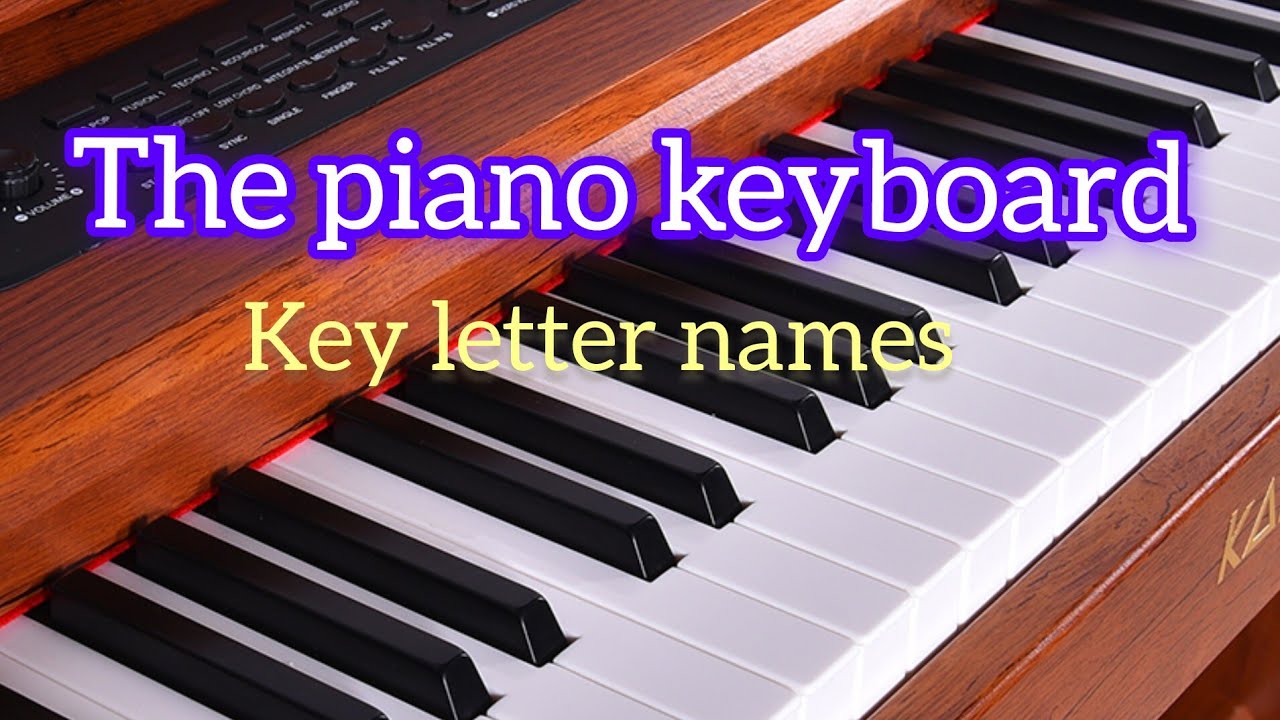
Added:Understanding the layout of the piano keyboard, including the names of the white and black keys (A through G).
Basic knowledge of intervals, specifically defining what a half step (semitone) and a whole step (whole tone) are.
Familiarity with musical accidentals, including sharps (#), flats (b), and naturals.
Basic piano hand posture and standard finger numbering (1 through 5 for both hands).
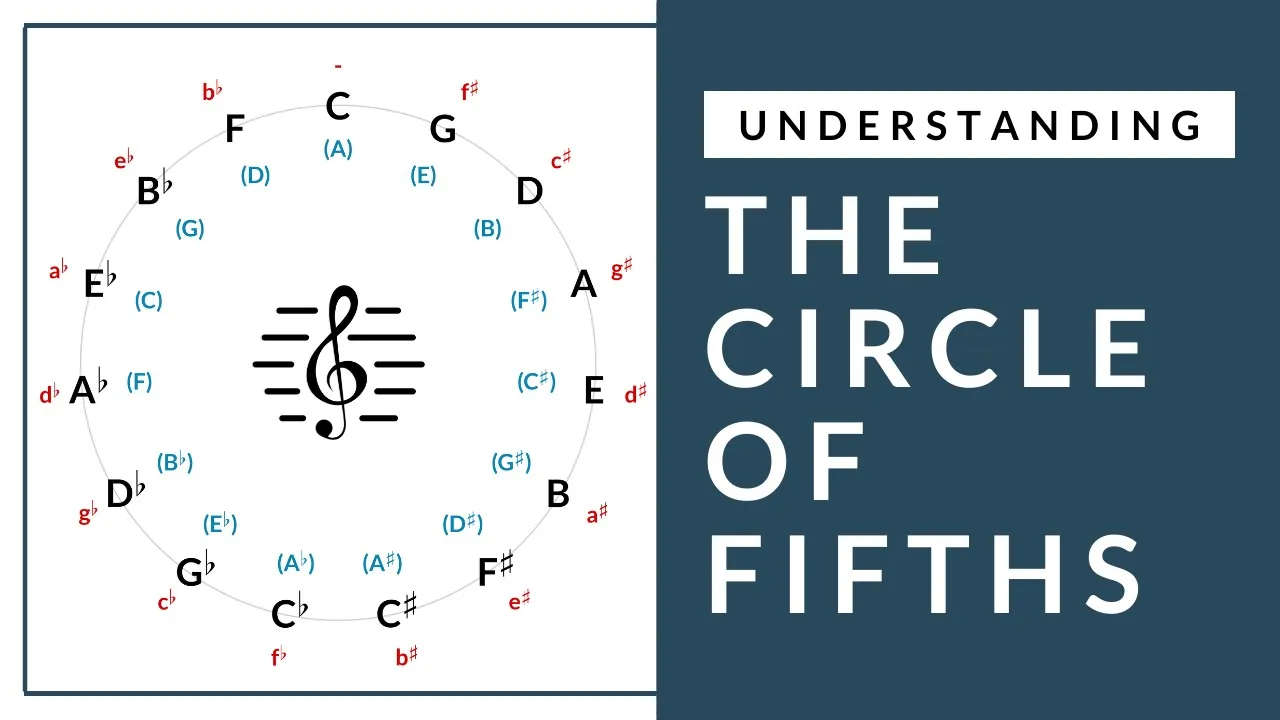
Exploring the Circle of Fifths to understand key signatures and how major scales relate to one another.
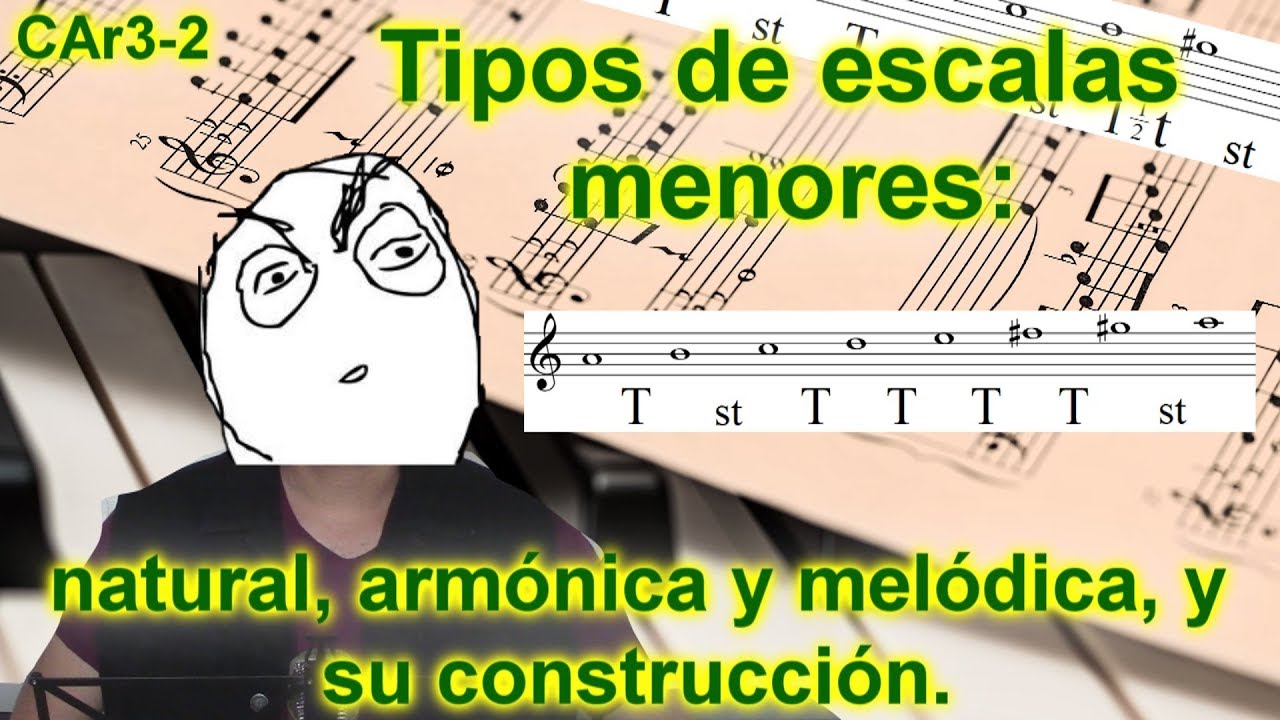
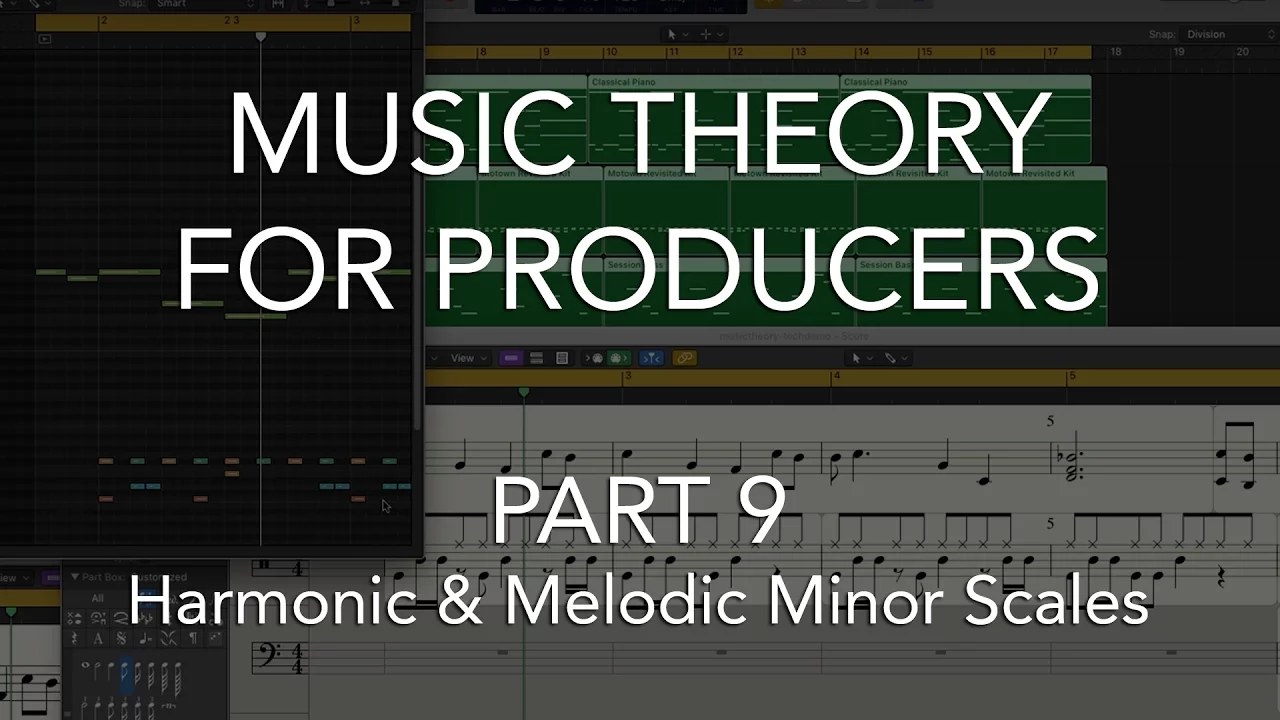
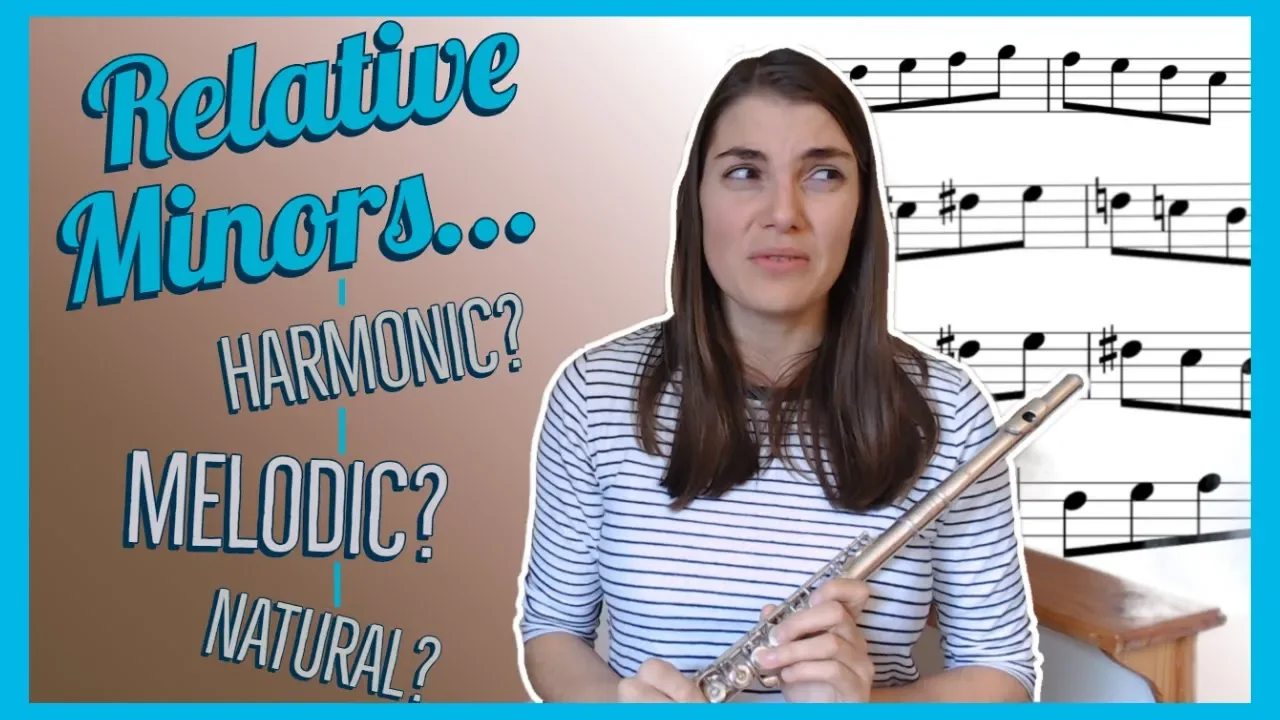
Learning the construction and formulas for minor scales (natural, harmonic, and melodic minor).
Building diatonic triads and seventh chords on each degree of the major scale to understand basic harmony.
Applying major scales to fundamental improvisation, melody writing, and transposition in different keys.
116.8K views701likes10:46Original Release: 2011-02-22
today I'm going to teach you how to construct a major scale starting at any key first we have to learn about half tones between any of these Keys is a half tone notice I'm drawing a line here so let's start here this is half half [Music] half half half half half half half half half half so notice between these two white keys half tones half tones to form a major scale you follow the scheme you start at the root key and you always go one one half one one one half let me repeat that it's 1 one2 1 one one2 now let's check check with C major cuz we all know that consists of all the white keys see whether that's true starting at C is at 1/2 1 one one2 here we go one one half one one one half so if you ever forget the scheme just look at at the c major scale and you'll could review it starting at c 1 1/2 one one one2 now we'll try to construct G major start with g 1 one half 1 1 one [Music] half try that again start with G one 1 half 1 1 [Music] one half so for G major we have this one black key uh you probably notice the G major we we have we in the key signature is called a f sh and you might wonder why don't they call G flat instead well it's all because it was G major and you call it g flat you have G and G the scheme is so that we use every letter consecutively so we go g a b c d e f sh G let's try F major here's F so you go one one2 one one one2 ready one one half one one one half [Music] one one half 1 1 one half all right let's try to figure out this black key whether it's going to be called a sha or B flat we're starting at F right now remember we have to use all the letters f g a so we can't use a sh we used a already we're going to use B flat let's start again F G A B flat c d e f so F major has 1 B flat and you've probably seen that in some pieces so now you should be able to pick any key and form a major scale D major that's very common D major d 1 1 half one one one half so here's D major so it turns out D major had an F sh and a c shop two shops all right let's do one more this one okay what whatever this is g flat or F shot one 1 half 1 1 [Music] one [Music] half so that's G flat major it's a good idea to practice one scale every day start with C major start with two octaves and carry it to four do a chromatic scale which is [Music] this I think Google has all kinds of fingering charts for scales but just to get you started here's C major right hand 1 2 3 1 2 3 4 [Music] 1 let's try that again [Music] l [Music] left hand [Music] the [Music] and these are called [Music] apegos should try to do four octaves see these one then you move it up like this [Music] what up [Music] and when you it should be very uniform and slow but you gradually increase speed and you should be it would do it much faster [Music] [Applause] [Music]
Up Next

11:38
Key Signatures Explained: 3 Methods to Master Them
@BradHarrison
377K views•2021-08-31

10:20
Mozart's Musical Dice Game Explained: History, Rules, & Fun
@webpianoacademy
5K views•2023-03-13

47:36
Understanding Diatonic 7th Chords in Major Keys | Music Theory Tutorial
@GracieTerzian
54.7K views•2022-03-02
10:49
Understanding John Coltrane's Giant Steps: A Music Theory Analysis
@Vox
10.4M views•2018-11-12
Related Study Plans & Knowledge Roadmaps
Structured learning paths in Music Theory
music-theory
Composing Galant Music: Partimento & Schemata
01Foundations of Figured Bass and Keyboard Harmony
02The Rule of the Octave (Regola dell'Ottava)
03Galant Schemata: The Building Blocks of Form
+ 2 more learning modules
30h5 modules
Explore Roadmap
music-theory
Decoding Overtone Series: Tuning & Drone Music
01Acoustic Foundations: The Physics of the Overtone Series
02Tuning Systems: Equal Temperament vs. Just Intonation
03Microtonality and Spectralism: Beyond Standard Pitches
+ 2 more learning modules
24h5 modules
Explore Roadmap
music-theory
Impressionist Harmony: Scales, Planing & RPGs
01Foundational Music Theory: Keys, Intervals, and Seventh Chords
02Impressionist Color: Chord Planing and Parallel Harmony
03Whimsical Textures: Pentatonic Cascades and Whole-Tone Scales
+ 1 more learning modules
14h4 modules
Explore Roadmap
music-theory
Negative Harmony: Axis Reflection in Indie Pop
01Music Theory Foundations: Scales, Intervals, and Triads
02Functional Harmony and the Circle of Fifths
03Demystifying the Negative Harmony Axis Reflection
+ 2 more learning modules
16h5 modules
Explore Roadmap