






![TONARTEN | Klavier lernen | Theorie-Basics [9]](https://i.ytimg.com/vi_webp/vDQsuABUZlo/maxresdefault.webp)


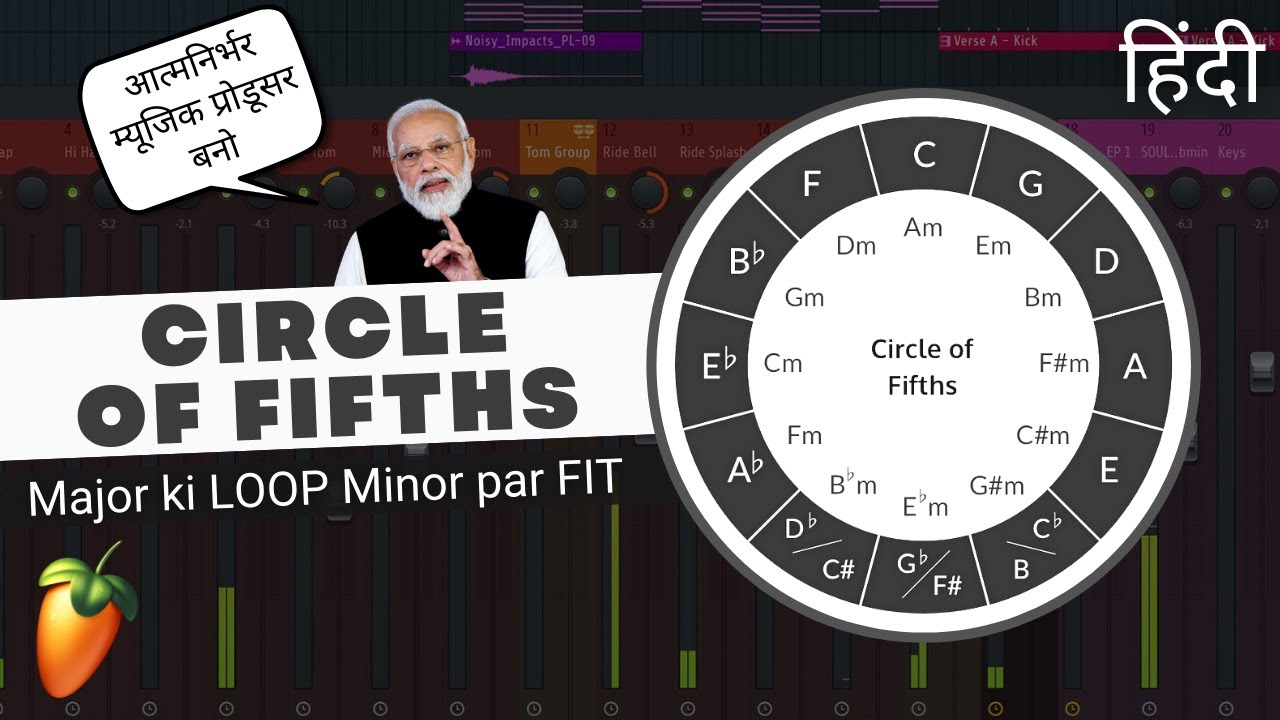








Key signatures are musical notations that indicate which notes are sharp or flat throughout a piece of music, consisting of 15 major keys (7 with sharps, 7 with flats, and C major with none). The Two Rules Method identifies keys by finding the second-to-last flat for flat keys or going up one semitone from the last sharp for sharp keys. The Chart Method provides a visual reference showing the order of sharps and flats along with key names and accidental counts. The Woodshed Method involves practicing all 15 major scales repeatedly to develop muscle memory and familiarity. All methods require memorizing the order of sharps (F-C-G-D-A-E-B) and flats (B-E-A-D-G-C-F).
Key Signatures Explained: 3 Methods to Master Them
Added:Basic music notation reading skills, including identifying notes on the treble and bass clefs.
The concept of accidentals (sharps, flats, and naturals) and how they alter pitch.
The structural pattern of a major scale, specifically the sequence of whole and half steps.
The definition of a 'key' in music theory and the concept of a tonal center.
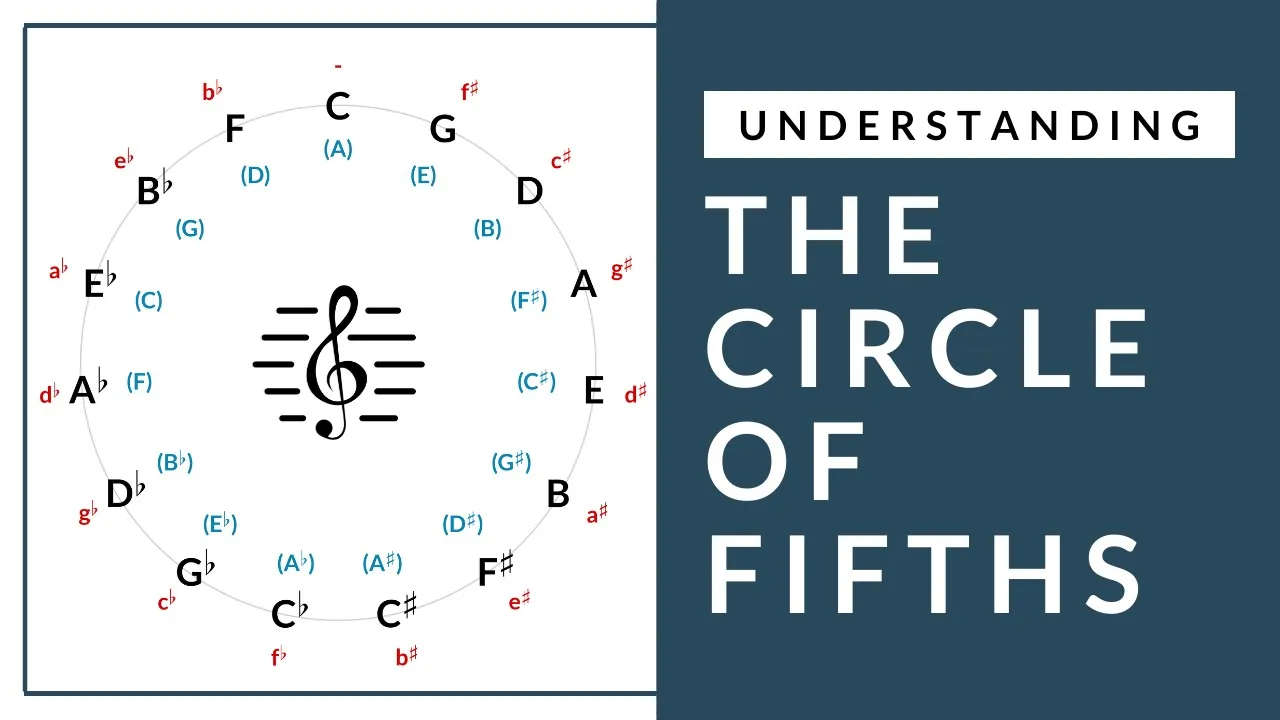
Understanding the Circle of Fifths and how it illustrates the relationships between major and minor keys.
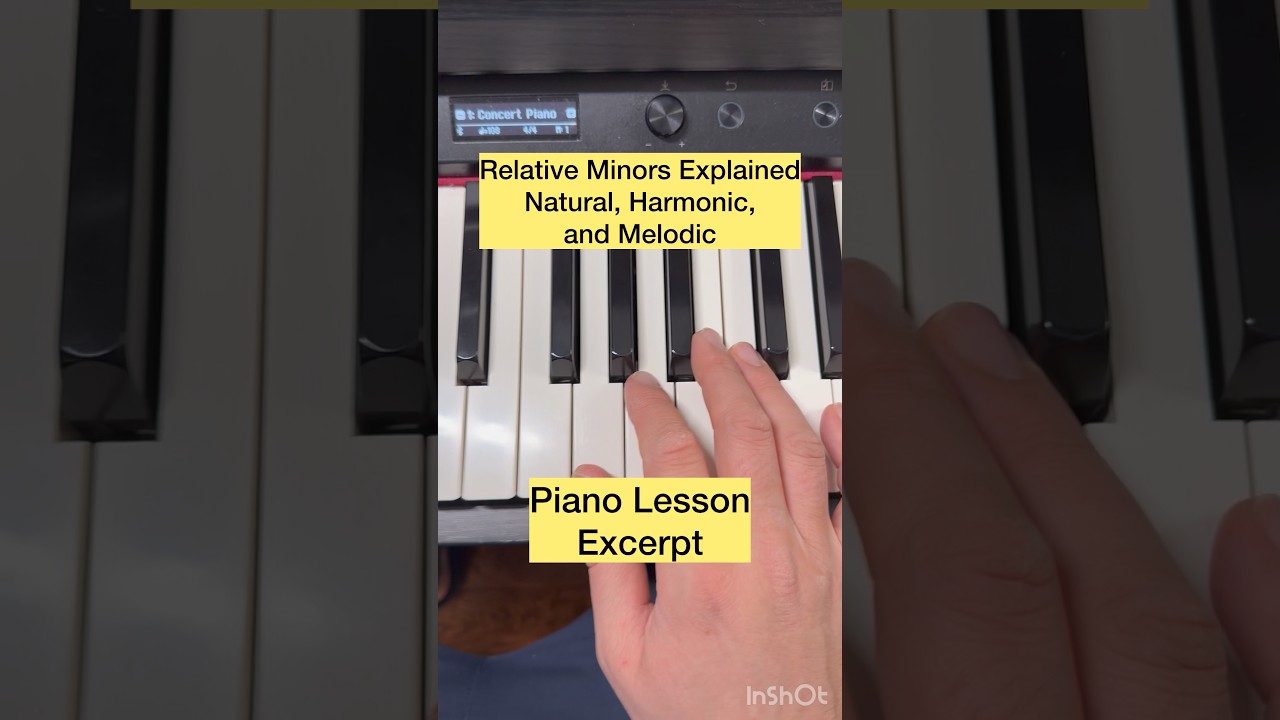
Learning relative and parallel minor key signatures, including natural, harmonic, and melodic minor scales.
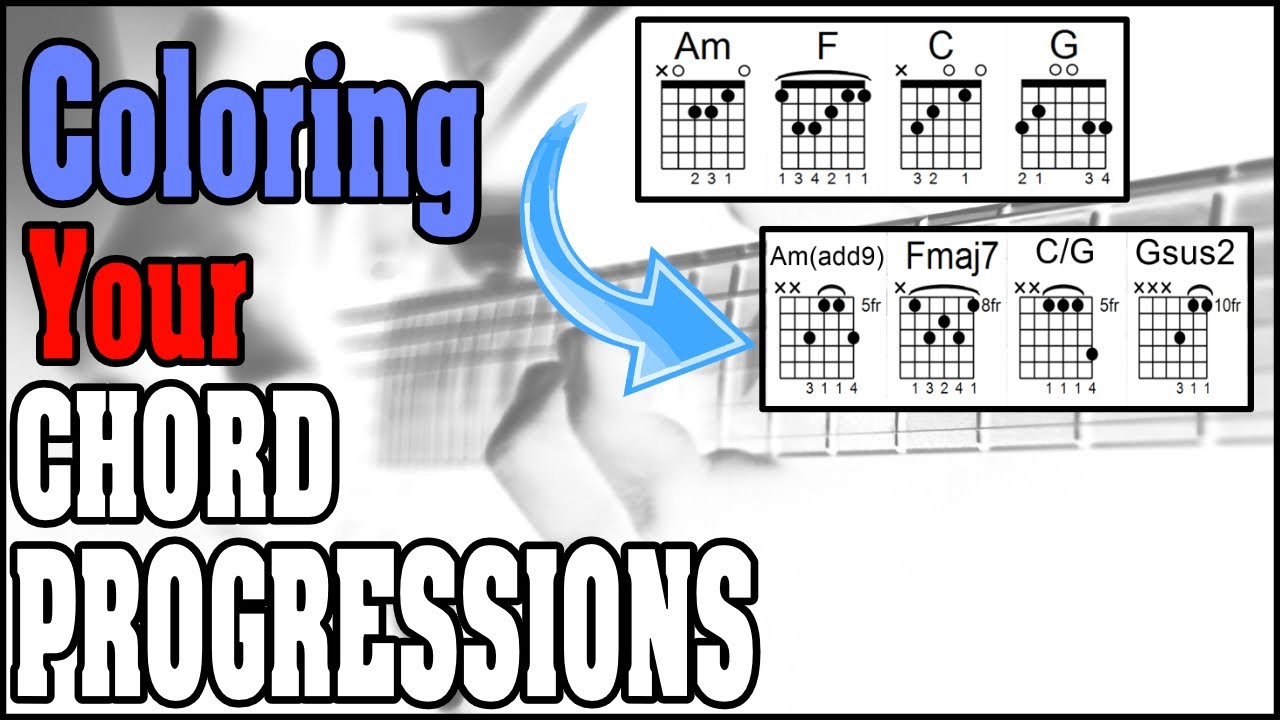
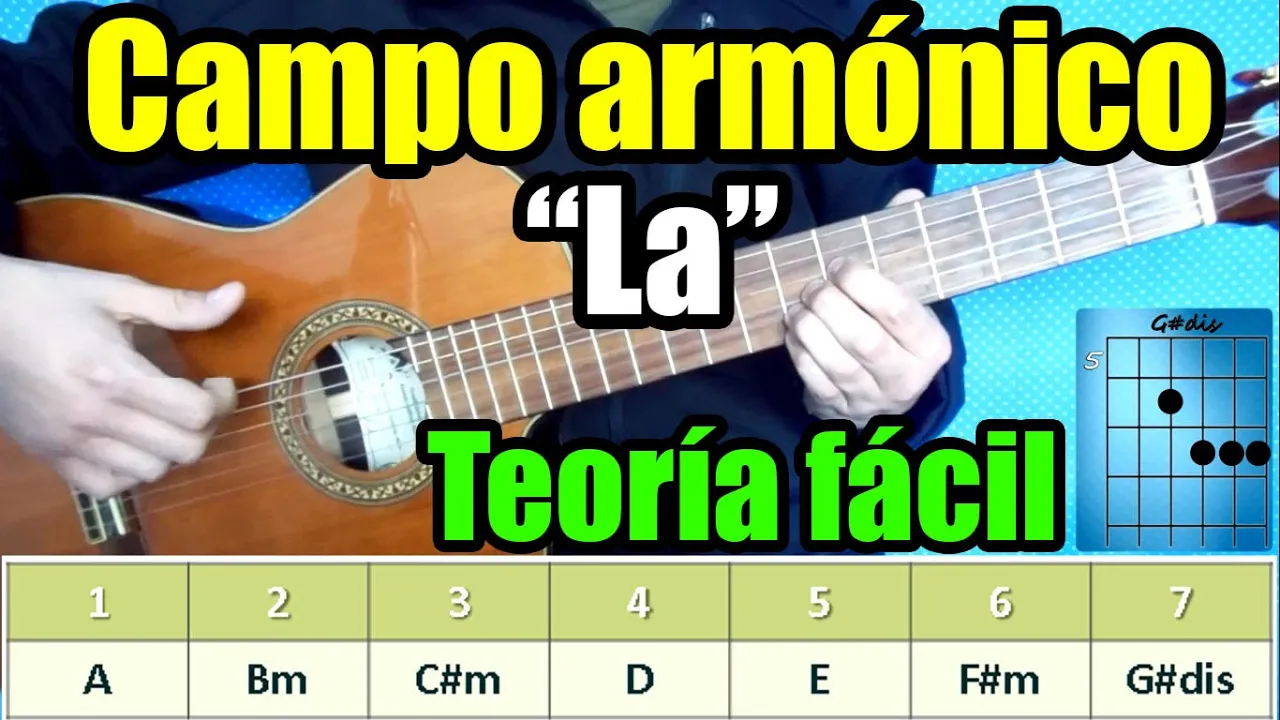
Applying key signatures to build diatonic chords and analyze basic harmonic progressions.
Mastering musical transposition, which involves shifting a piece of music from one key signature to another.
377K views11.3Klikes11:38Original Release: 2021-08-31
key signatures everything you need to know and three ways to learn them all key signatures are a musical notation that indicates which notes are sharp or flat in a piece of music for instance the key signature for a major says that all f's c's and g's are sharp and the key signature for e-flat major says that all b's e's and a's are flat and it's important to note that the key signature affects all notes of that name unless otherwise indicated and key signatures are pretty important because playing the wrong one can really change the sound of a piece of music [Music] there are 15 major scales which correspond to 15 key signatures being able to quickly identify and reproduce them all is an important skill for musicians not only is it crucial to understanding music theory and composition it is immensely helpful for skills like sight reading and improvisation there are basically three ways to learn your key signatures and they all have their advantages and disadvantages first there's the two rules method which seems to be very popular but i think it's quite a bit more complicated than some people give it credit for and you have to have the piano keyboard memorized which can be a bit tricky for musicians who don't play the piano second there's the chart method which i think is much easier and takes about half as long to explain but the main reason it's my favorite is because it has no exceptions or special cases you do have to write it down to use it but that does give it the added advantage of being a visual reference that you can glance at which many people find helpful during tests and assignments finally there's the woodshed method which is by far the simplest and quickest to explain and the best in the long term but unfortunately it won't be terribly helpful for your test coming up in a few days before we jump into the first method there are a few properties and patterns that emerge in key signatures that we need to be aware of looking at all 15 key signatures you'll see that we can sort them into seven keys with sharps and seven keys with flats there's just one c major that doesn't have any sharps or flats most people don't have a problem remembering that so we can just take it out of the mix completely next you'll notice a pattern in the sharp and flat keys they all have one to seven sharps or flats and they are all written in a specific and consistent order for the sharp keys the first sharp is always f sharp in every single sharp key signature and the second sharp if there is one is always c sharp after that the order is g sharp then d sharp a sharp e sharp and b sharp for the flat keys the first flat is always b flat in every single flat key signature and the second flat if there is one is always e flat after that the order is a-flat then d-flat g-flat c-flat and f-flat it's crucial to remember that they're always in that order and they always fill in left to right you'll never see some random combination of sharps or flats and definitely never sharps and flats together it's always one to seven sharps or flats starting with f sharp or b flat and following the order of sharps or flats shown here it's also worth noting that the sharps and flats have to be on these specific lines and spaces you might think of it as a 2 3 2 pattern for the sharps and a 2 2 2 1 pattern for the flats and it's the same shape in the bass clef only lower the shape is important because when you get familiar with key signatures you can recognize them at a glance and just like grammar and spelling it's easier to read and understand when things are written consistently you'll need to memorize the order of sharps and flats to make the next two methods work most people remember them with some sort of mnemonic device a common one is father charles goes down and ends battle for the sharps which also works backwards for the flats battle ends and down goes charles's father or use two phrases that are memorable but don't necessarily go together like flannel clothes get dusty after eating bread and before even attempting dancing get creative fashion or make up your own make it memorable make it weird like feral clowns green dragons and evil bunnies bake every afternoon despite gritty cake flour whatever works for you as long as you remember the order now that the order of sharps and flats is out of the way let's look at the two rules method for remembering key signatures the first rule is the name of any flat key is the second last flat in the key signature except for f major which only has one flat and the second rule is the name of the sharp keys is one semitone above the last sharp of the key signature at first glance it seems relatively simple but the more you dig into it the more it feels like trying to explain the timeline of the star wars universe it seems obvious when you know but hardly anyone nails it on the first couple of tries anyway let's start with the flats if you look at all the flat keys you'll notice that the second last flat in the key signature is the name of the key the second last flat of c flat major is c flat the second last flat of g flat major is g flat this works for all of them except for f major since it only has one flat so you'll just have to remember that f is special like c major and remember that it only has one flat which is b flat because of this pattern identifying flat key signatures is really easy just look at the second last flat and that's the key this is g flat major writing flat keys is the same idea but backwards to write a flat key signature use the order of flats and write flats until you get to the name of the key and then write one more to write e-flat major write flat up to e-flat b-flat e-flat and then one more a-flat to write d-flat major write flat up to d-flat and then one more b flat e flat a flat d flat and then one more is g flat now let's take a look at the sharp rule the name of the sharp keys is one semitone above the last sharp of the key signature in case you didn't know a semitone is just the direct next note on the piano keyboard whether it's a white or a black key so in the first key signature there's just one sharp f sharp from there go up a semitone to g and the first key signature is g major for the second the last sharp is c sharp go up a semitone to d and that's d major for the next one from g sharp up a semitone is a and so on this rule works for all the sharp keys just be careful with the last two remember that e sharp is really just f on the keyboard so up a semitone from e sharp isn't f it's f sharp and b sharp is actually c on the keyboard so up a semitone from b sharp isn't c it's c sharp it's still up a semitone from the last sharp so the rule didn't change but musicians who don't play piano sometimes get mixed up with those last two again writing sharp keys is the same idea but backwards to write the sharp keys go down a semitone from the name to find the last sharp from the order of sharps for a go down a semitone which is g sharp so we follow the order of sharps and stop at g sharp to write b major we go down a semitone which is a sharp and write the order of sharps until we get to a sharp and stop but we're not quite done because there's actually one more rule how do you know if you should be using the flat or the sharp rule to write a key signature identification is easy because you can see the sharps or flats in the key signature just use the flat rule for the flat keys and the sharp rule for the sharp keys but writing is different if you're asked to write e flat or c sharp major it should be obvious which rule to use but if you're asked to write a major it might not be so the last rule which is kind of a doozy is if the key has flattened the name use the flat rule if it has sharpened the name use the sharp rule and if there's neither in the name use the sharp rule except for c major which has no sharps or flats and f major which has one flat so that's the entire so-called two rules method it's quite popular and feel free to use it if you like but i find it rather cumbersome and people often accidentally mix and match different parts of the rules however that doesn't happen so much with the chart method this method has to do with learning how to create and interpret this device it's really not as complicated as it looks at first glance but it is super powerful because it shows the order of sharps and flats all the names of the sharp and flat keys as well as the number of sharps and flats in each one of those keys it's almost everything you need to know about key signatures in one device let's look at how to write it and then how to use it first write the order of sharps and flats with whatever mnemonic you memorized flannel clothes get dusty after eating bread and before even attempting dancing get creative fashion second draw a line to the right of both c's then write numbers 1 to 7 starting to the right of the line and just loop around when you get to the end finally write accidentals to the left of the line sharps4 flannel close and flats for before even now to identify a key signature just count the sharps or flats and find the number on the chart this has two sharps so we find two on the sharps chart and see that this is d major this has five flats so we find five on the flats chart and see that this is d flat major let's try another two here's a key with three sharps so it must be a major and here's a key with two flats so it must be b-flat major to write a key signature find it on the chart and then write the number of sharps or flats indicated if we want to write e major we see that it's four sharps so we write the first four sharps in order f sharp c sharp g sharp and d sharp if we want to write e flat major we write the first three flats in order b flat e flat and a flat and that's it no special rules or exceptions again to write the device just write the order of sharps and flats using your mnemonic device line to the right of the c numbers to the right of the line and accidentals to the left once you get used to writing this you can put it in the margin of your theory assignments in just a few seconds and it has the added advantage of being a visual reference which can be very useful for anyone with working memory challenges or if you find it difficult to remember key signatures while you're also working through some other new music theory concept and that is the chart method finally the woodshed method to go to the woodshed or shed a piece of music is an old term particularly popular among jazz musicians that refers to practicing your instrument especially in a remote location where you can focus for a long time and wouldn't bother anyone or be interrupted so the woodshed method is basically just that practice your scales and you know just learn them now don't be mad the other two methods are good for music theory but the woodshed method is also good for reading technique and ear training it's probably one of the best single things an instrumentalist can do to become a better musician thankfully there's only 15 scales it's not a small number but it is finite if you learned one scale a week you'd be done in just a few months imagine if you were going on a trip you could probably learn 15 useful phrases in the local language like almost anything it takes a bit of time and effort but it is doable start learning your scales today and you'll be done before you know it if you had started a few months ago you'd be done by now and those are three ways to learn your key signatures the two rules method the chart method and the woodshed method so good luck with your key signatures and go learn your scales your future self will thank you be sure to like comment share and subscribe and check the description for more videos thanks for watching you
Up Next
10:46
Mastering Musical Modes: A Comprehensive Guide to 7 Scales
@Piano_Pig
706.2K views•2017-04-28

10:20
Mozart's Musical Dice Game Explained: History, Rules, & Fun
@webpianoacademy
5K views•2023-03-13
9:16
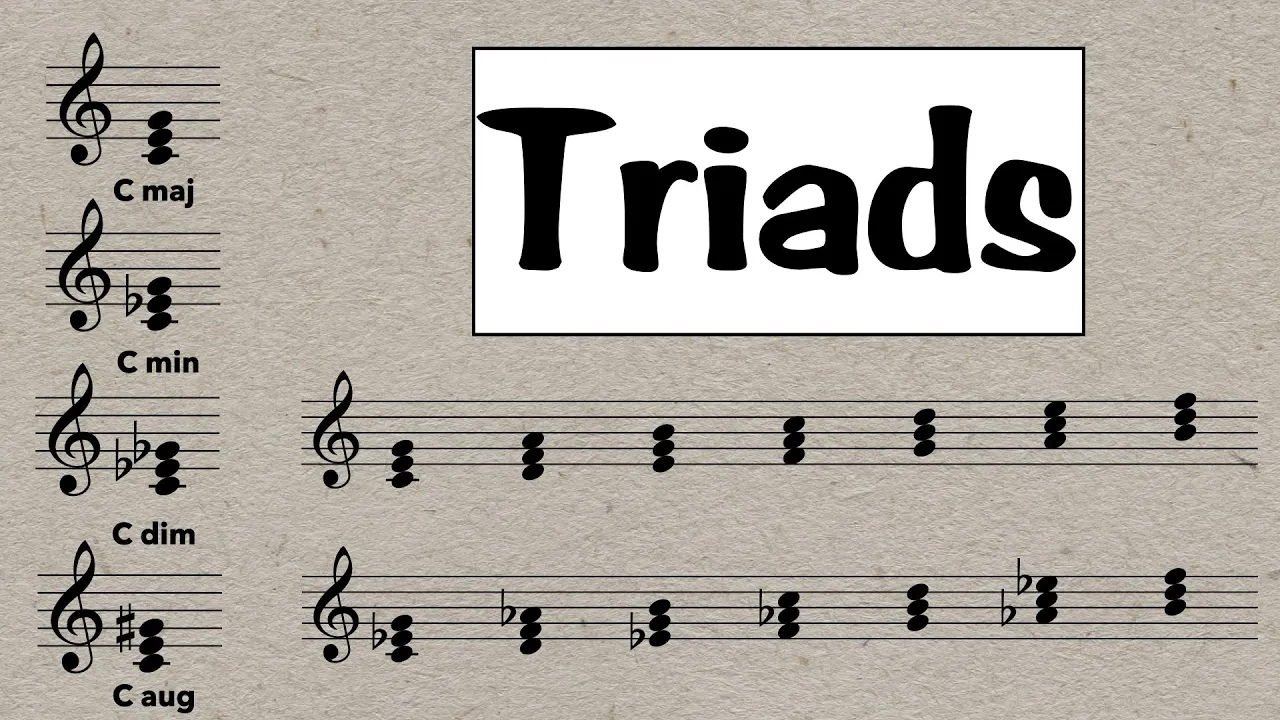
Understanding Triads in Music Theory: A Complete Guide
@BradHarrison
340.3K views•2021-09-14
10:49
Understanding John Coltrane's Giant Steps: A Music Theory Analysis
@Vox
10.4M views•2018-11-12
Related Study Plans & Knowledge Roadmaps
Structured learning paths in Music Theory
music-theory
Composing Galant Music: Partimento & Schemata
01Foundations of Figured Bass and Keyboard Harmony
02The Rule of the Octave (Regola dell'Ottava)
03Galant Schemata: The Building Blocks of Form
+ 2 more learning modules
30h5 modules
Explore Roadmap
music-theory
Decoding Overtone Series: Tuning & Drone Music
01Acoustic Foundations: The Physics of the Overtone Series
02Tuning Systems: Equal Temperament vs. Just Intonation
03Microtonality and Spectralism: Beyond Standard Pitches
+ 2 more learning modules
24h5 modules
Explore Roadmap
music-theory
Impressionist Harmony: Scales, Planing & RPGs
01Foundational Music Theory: Keys, Intervals, and Seventh Chords
02Impressionist Color: Chord Planing and Parallel Harmony
03Whimsical Textures: Pentatonic Cascades and Whole-Tone Scales
+ 1 more learning modules
14h4 modules
Explore Roadmap
music-theory
Negative Harmony: Axis Reflection in Indie Pop
01Music Theory Foundations: Scales, Intervals, and Triads
02Functional Harmony and the Circle of Fifths
03Demystifying the Negative Harmony Axis Reflection
+ 2 more learning modules
16h5 modules
Explore Roadmap