














Passing chords are transitional chords that connect two other chords in a progression, adding harmonic complexity and movement to a song without being essential to the melody; they can be diatonic or non-diatonic and include types such as tritone substitutions, approach chords (root note one semitone away from the target chord), diminished chords, dominant chords, and secondary five chords, which work by implying the next chord through chromatic movement or cycle of fifths.
Jazz Piano Tutorial: Passing Chords and Approach Chords Explained
Added:Familiarity with basic seventh chords, including major 7th, minor 7th, and dominant 7th formulas and their inversions.
A solid understanding of standard jazz chord progressions, specifically the foundational ii-V-I cadential progression.
Basic knowledge of interval theory, particularly the tritone interval, which is essential for understanding substitutions.
An understanding of diatonic harmony and how chords function within a key signature.
Practical application of passing and approach chords to reharmonize melody lines in standard jazz repertoire (e.g., lead sheets).
Study of chord-scale theory to identify appropriate scales (such as altered, whole-tone, or symmetric diminished scales) for improvisation over these substituted chords.
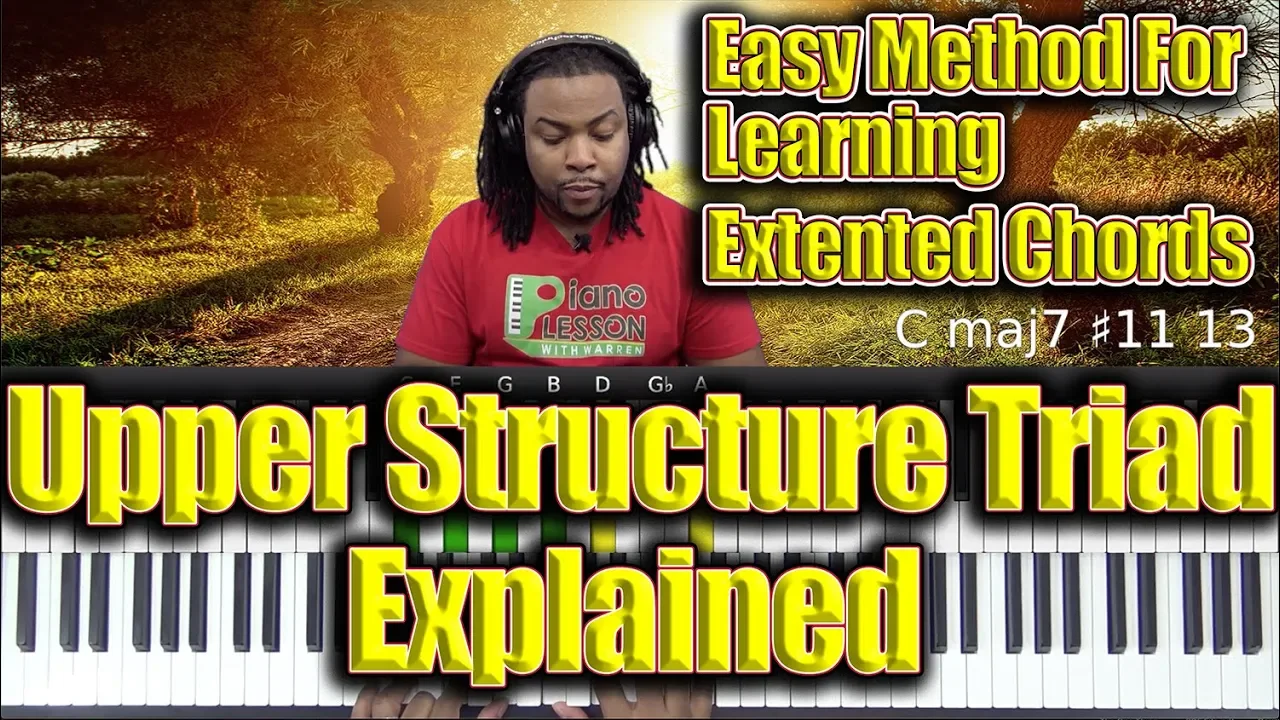
Exploration of upper-structure triads and chord extensions (9ths, 11ths, and 13ths) to layer over passing chords.
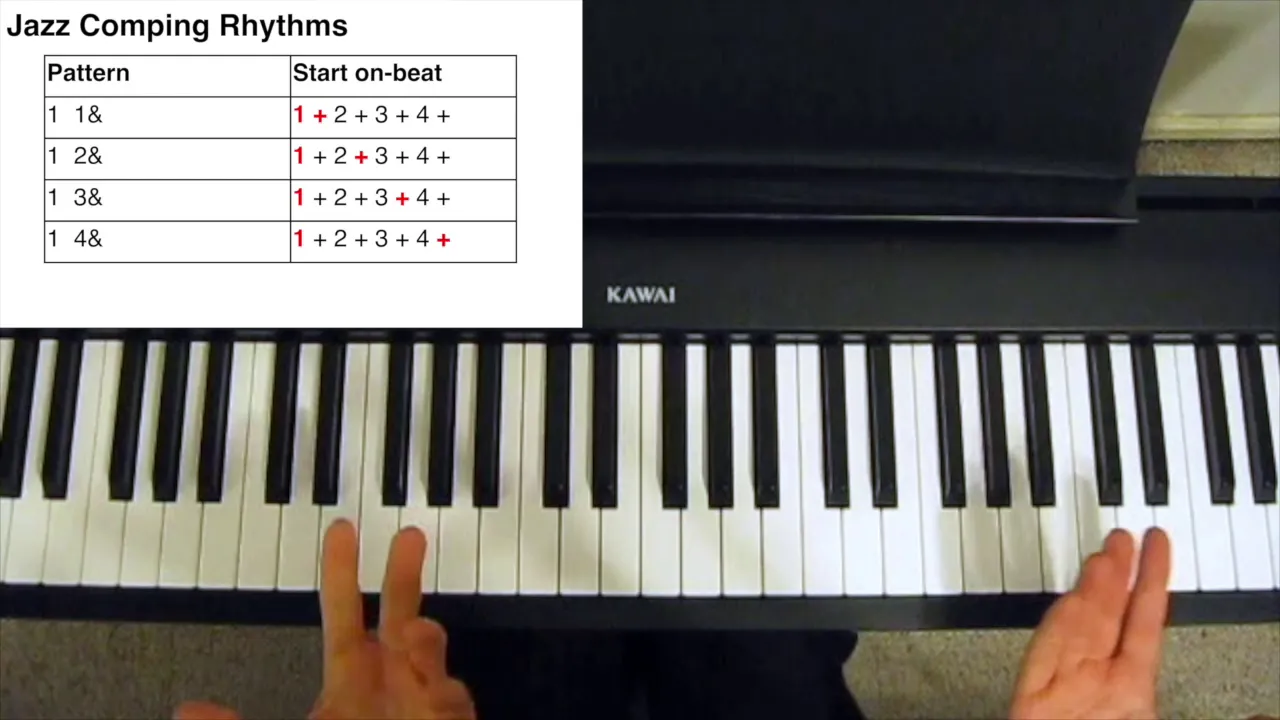
Development of active jazz comping techniques, integrating these harmonic devices with rhythmic syncopation.
91.9K views1.9Klikes14:58Original Release: 2015-12-06
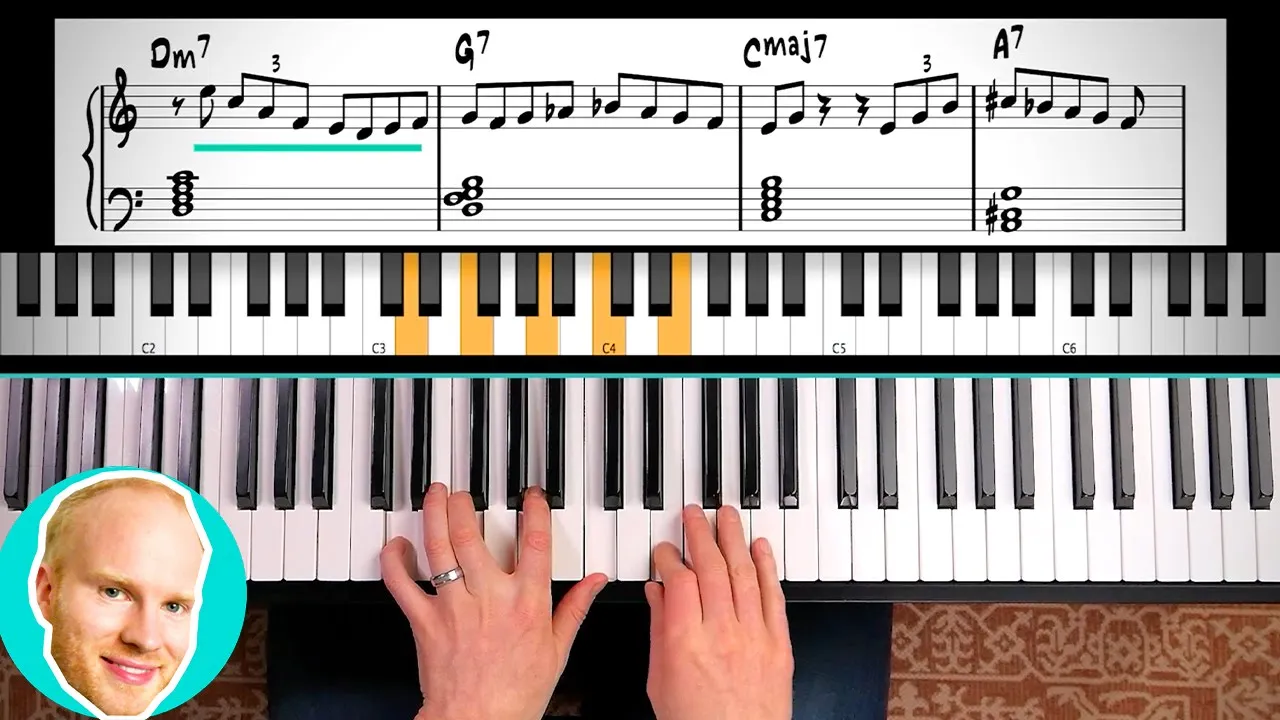
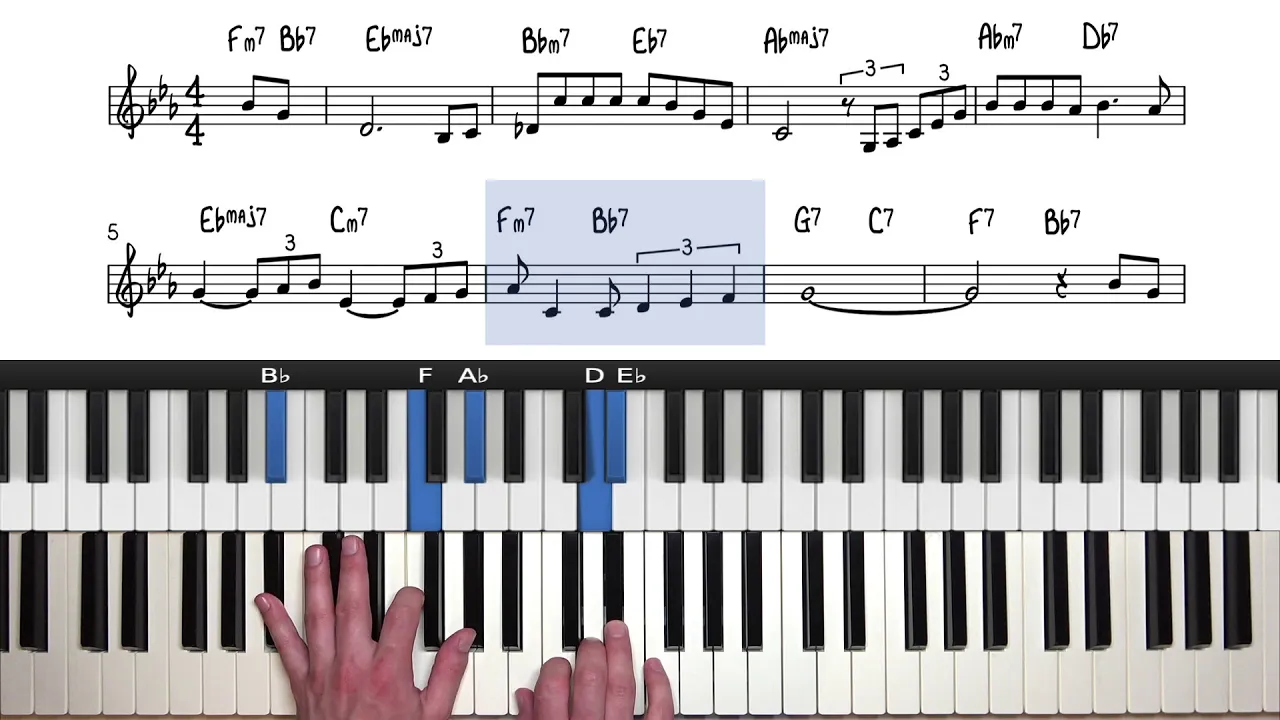
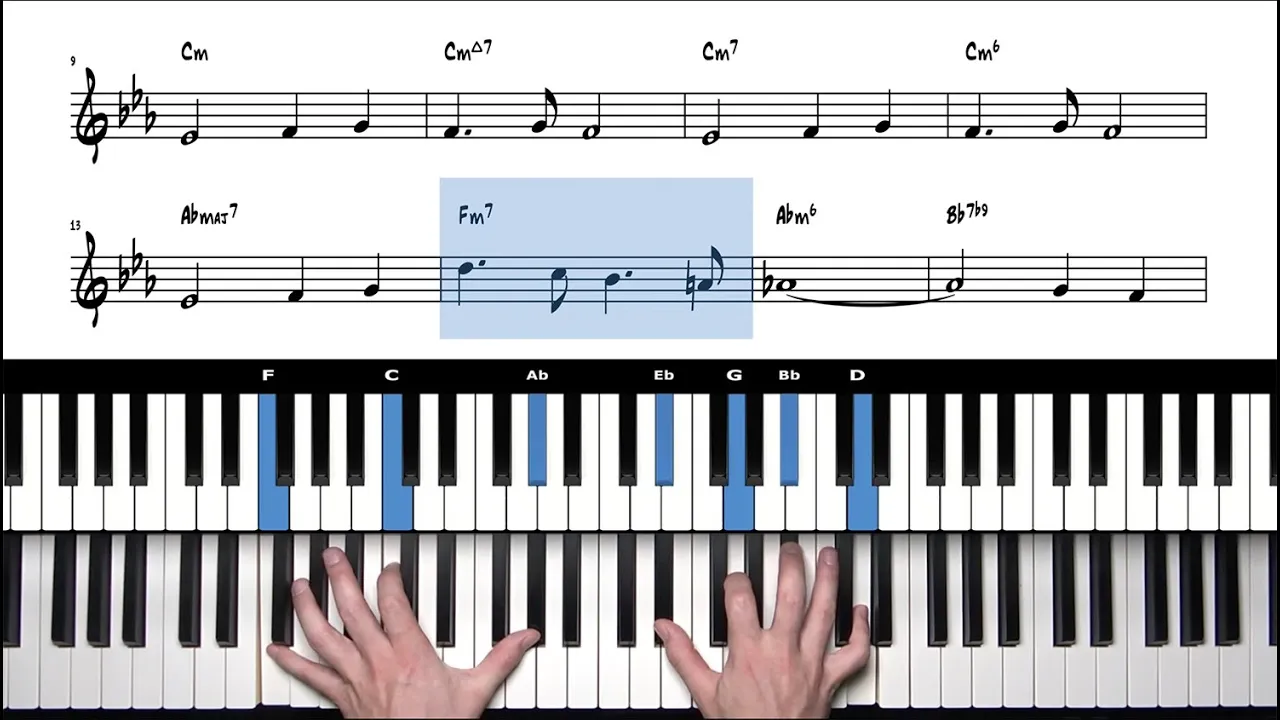
hi guys so in this video I wanted to discuss passing chords essentially what they are what chords to use how to use them why we use them um and then I'll give you a few examples so firstly a passing chord as the name implies is a chord that you pass through it's a chord that is used to connect two other chords in a chord progression now that may sound a bit confusing but as I go through a few examples in this video you'll sort of understand what I mean by that now let's say we have a really simple Melody like [Music] this now nice and simple in the key ofc major Now chords in a chord progression are designed to sort of complement the melody or harmonize um the melody now if you've seen my video on guide tones you'll know that generally it's the third and the seventh that are the most important notes in a chord and the notes that the melody generally uses so if we start on the E A good chord to complement that note would be the C major 7 cuz it's the third of the chord so we go then we move to the F which means generally in the chord progression you'd expect it to go something like a to a D Minor 7 so that the f is again the third of the chord and then maybe back to C so it'll sound something like so that would be a really really simple chord progression where the chords harmonically supplement or complement the melody by sort of following the guide tones and now if you don't understand what guide tones are do go have a look at my video on guide tones cuz I sort of go into a bit of depth explaining why they work how they work and they're quite important in this context so that would be your basic Melody and your basic chord progression now the reason you would put in passing chords is to make the chord progression a little bit more interesting cuz this really is quite boring right nothing's really happening so instead you can put in a passing chord that's again can be dionic or non-diatonic and so you can make it sound something like this right so already that's a little bit more interesting there are a few more chords going on and because not all of them necessarily perfectly fit the melody that you're playing harmonically speaking um it makes it a bit more dissonant it maybe a bit more sort of interesting and that's what I mean when I say a passing chord is designed to connect two chords in a chord progression so it's a chord that you pass through on the way from C major 7 to D Minor 7 we passed through in that case have played the C Shar diminished so you have the chord progression a passing chord to the back to the chord progression generally when you're looking at sheet music you won't see that passing chord in there it'll just give you the melody and the basic chord progression the C going to the D minor and if you wanted to add in a passing chord that's up to you that you have to do that off your own initiative you can put in your own passing chord that you pass through on the way to the next chord in the chord progression that's written out in the sheet music and as I said the reason they're put in is cuz it gives the chord progression and the whole song a bit more movement and it just makes it a bit more interesting and harmonically complex so I suppose another way to think about passing chords is a chord that is not necessary for the melody now let's go through a few examples of the types of chords you can use as passing chords now let's keep that same really basic chord progression of just the C major 7 going to the D Minor 7 and then we'll stop there so we're going to put in passing chords to get us from the C major 7 to the D Minor 7 now the first one we're going to do is using a trione substitution as a passing chord now you can trone substitute either the chord you're leaving or the chord you're going to so from the C major 7 the trone substitute for that would be g flat let's just just play G flat 7 for the moment um so you can use that as a substitute so then it'll sound something like this right so that was tritone substituting the chord that we're leaving or the C major 7 you can use the same idea um and try to UNS substitute the chord you're going to or the D Minor 7 so in that case it would be a flat 7 so you could do right and that can be used as another passing chord now next you can also use dionic chords so we're in the key of C major and that means you can use other chords in the C of C major to get you to the D Minor so for example E minor is in the key of C major so we can use that as a passing chord so it'll be something like right so that's another idea now the next one I'm going to show you is called an approach chord which is a specific type of passing chord um and it means just a chord where the root note is One semmit Tone away from the chord that you're going to so if we're going to the D Minor it means playing a chord that has a root note either as a d flat or a d Shar so for example you could do c major to C Shar 7 which the C Shar or the d flat is One semit Tone away from the D which makes it an approach chord and then to the D so it would be and similarly you can do a semit tone the other way so you could go C major 7 to D sharp or E flat 7 down to the D Minor 7 now I was using seven chords as approach chords in that case but you can use um major chords or minor chords as approach chords as well it's up to you I just happen to use dominant in this example now the next one I'm going to show you is using diminished as passing chords so you could do something like right and that's the same type of idea as the approach chord idea we've got the C major 7 then we I played a c Shar full diminished now that works cuz it's kind of like a C7 which itself is kind of like a C major 7 so it's a very very Loosely related substitute chord and then it's also one semitone away so it sounds good when you go to the D Minor you can do the same way the other way playing a D sharp full diminished coming down to the D Minor right so that's another variable of the approach chord but just using diminished instead of Majors or minors or dominants now the next one I'm going to show you is using a dominant moving to the minor which works well as well so you'd play C major 7 to D7 to the D Minor 7 so your your passing chord would be the D dominant 7 so so that works as well now the next chord that you can use as a passing chord is the secondary five which means um the five from the point of view of the chord you're going to of the D Minor 7 in this case which would be A7 so you could do C major 7 to A7 to D minus [Music] 7 now instead of just the secondary five by itself you can put in a secondary 2 five so a E minor 7 going to the A7 going to the D Minor 7 so in that case you have two passing chords that get you to the D Minor 7 so it would go something like right so you can use all of those ideas as passing chords to get you to the next chord and the reason they work is because they kind of imply that you're going to the next chord the D Minor 7 in this case like if you move chromatically from the C to the C sh that is almost implying another chromatic step up to the D in the same way that the 25 which follows the cycle of fifths um which if you don't know what that is go have a look at my video on the cycle of fifths because it follows a 25 the cycle of fifths it also kind of implies that we're going to the D Minor 7 so passing chords are chords that you pass through um that aren't written into the chord progression that kind of imply the next chord or sort of direct you gradually to the next chord or the next chord in the the chord progression where you to where you want to be now I said earlier that passing chords are used to make a song or a chord progression a bit more interesting and a bit more harmonically complex now to give you an example of that I'm going to use the song All of Me which is a good song because the chord changes only every two bars and I'll write the chord um progression up in the picture and picture just here so first I'll play you all of me just the first part part a um using the regular chord progression and nothing else nothing fancy no passing chords just the basic chord progression so you see what it sounds like so it'll go like this [Music] [Applause] right so that's part A of all of me and as you see the chords they all fit nicely they complement the melody everything sounds really sweet and lovely um but it sounds a little bit plain and I suppose a little bit boring now next I'm going to play that same Melody all of me again but I'm going to put in passing chords just before I change to each new chord um and you'll hear that it makes the whole song Sound a bit more interesting and a bit more comp Lex so now it'll go like [Music] [Applause] [Music] this right so I played a passing chord before every chord chord change in that chord progression and I essentially made up the um passing chords that I use if you if you were to have a look at the sheet music for all of me you wouldn't see any of those passing notes in the sheet music You' just see the c major going to the E7 you wouldn't see what I did C major with a quick passing chord of D Minor 7 going to the E7 now in that case I used a really sort of simple formula approach in that half a bar before a chord change I played a passing chord so I [Music] went half a bar before the chord change I played a passing chord then on B one of the next bar I hit the next chord in the chord progression now that's quite like it it works it was effective um and I played a little two five as well um using the same idea but it it is quite formula and you don't have to uh play it in like such a formulaic way it's a good way to start practicing um passing chords sort of putting in the passing chord just before you get to the next bar where the chord changes but of course it's not the only way you can essentially put in passing chords wherever you like and if you take it to the extreme you can sort of put in a passing chord every beat or every two beats like for example um I can play something like [Music] this right so that time I played a passing cord every half bar now that was ridiculous and didn't sound especially Pleasant and you probably wouldn't do that if you were playing in a band or performing for an audience but that was supposed to give you some ideas about how passing cords are and can be used there's no really formula to it you can put in as many passing cords as you want you don't have to stick to one um you don't have to put it in any particular place in the bar you can just throw it around wherever you like you can play any kinds of passing cords all kinds of passing chords you can make it as simple as or as complex as you like it's really up to you they're passing chords you pass by them they don't actually matter they're not important um for The Melody of the song they just sort of add a little bit of intrigue or a little bit of color to the chord progression and to the song
Up Next
15:41
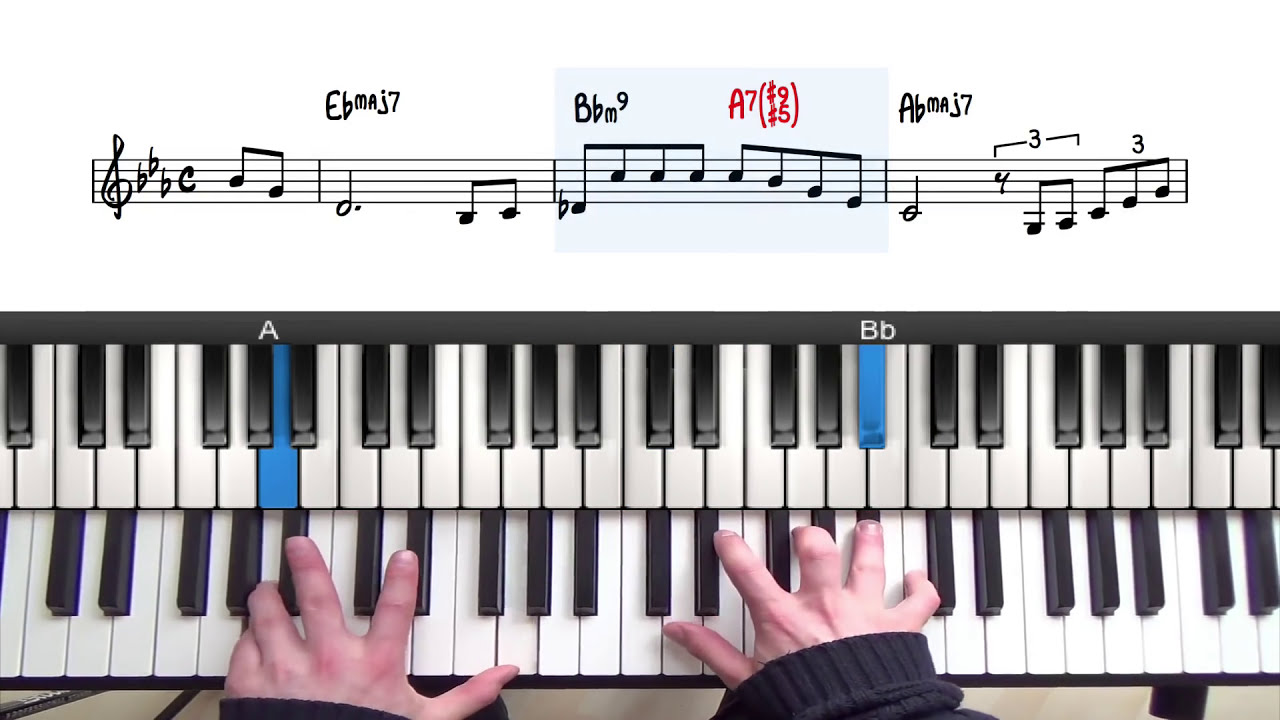
Tritone Substitution Explained: Jazz Piano Reharmonization Techniques
@PianoGroove
240K views•2015-05-23

10:20
Mozart's Musical Dice Game Explained: History, Rules, & Fun
@webpianoacademy
5K views•2023-03-13

9:46
How to Reharmonize with Coltrane Changes | Jazz Piano Tutorial
@WalkThatBass
71K views•2016-05-07
10:49
Understanding John Coltrane's Giant Steps: A Music Theory Analysis
@Vox
10.4M views•2018-11-12
Related Study Plans & Knowledge Roadmaps
Structured learning paths in Music Theory
music-theory
Composing Galant Music: Partimento & Schemata
01Foundations of Figured Bass and Keyboard Harmony
02The Rule of the Octave (Regola dell'Ottava)
03Galant Schemata: The Building Blocks of Form
+ 2 more learning modules
30h5 modules
Explore Roadmap
music-theory
Decoding Overtone Series: Tuning & Drone Music
01Acoustic Foundations: The Physics of the Overtone Series
02Tuning Systems: Equal Temperament vs. Just Intonation
03Microtonality and Spectralism: Beyond Standard Pitches
+ 2 more learning modules
24h5 modules
Explore Roadmap
music-theory
Impressionist Harmony: Scales, Planing & RPGs
01Foundational Music Theory: Keys, Intervals, and Seventh Chords
02Impressionist Color: Chord Planing and Parallel Harmony
03Whimsical Textures: Pentatonic Cascades and Whole-Tone Scales
+ 1 more learning modules
14h4 modules
Explore Roadmap
music-theory
Negative Harmony: Axis Reflection in Indie Pop
01Music Theory Foundations: Scales, Intervals, and Triads
02Functional Harmony and the Circle of Fifths
03Demystifying the Negative Harmony Axis Reflection
+ 2 more learning modules
16h5 modules
Explore Roadmap