







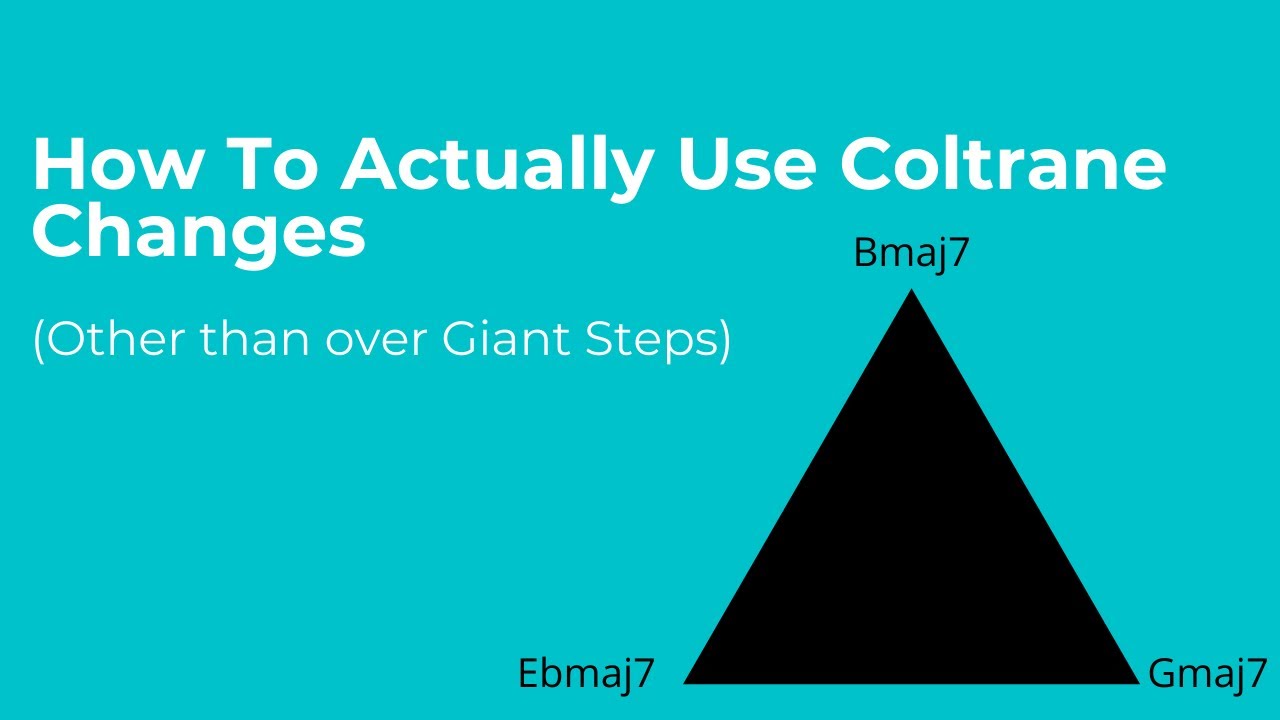







Coltrane Changes are a jazz piano reharmonization technique where key centers change by intervals of major thirds (creating an augmented triad shape), as opposed to the traditional key modulation methods of the cycle of fifths, whole steps, or half steps used in early jazz standards; this technique, pioneered by John Coltrane in his song 'Giant Steps,' allows pianists to reharmonize common jazz progressions like II-V-I, III-VI-II-V, and I-VI-II-V by systematically moving down in major thirds while inserting a V7 chord in each new key, creating a structured and logical-sounding progression that always resolves back to the tonic.
How to Reharmonize with Coltrane Changes | Jazz Piano Tutorial
Added:Solid understanding of the standard major II-V-I chord progression and its functional harmony in jazz.
Familiarity with basic jazz piano voicings, such as rootless voicings or seventh-and-third shell voicings.
Knowledge of interval construction, specifically major thirds, and how they divide an octave into three equal parts (the augmented cycle).
Basic competency in key modulation and navigating different key centers on the keyboard.
Improvisation techniques over Coltrane changes, including the use of digital patterns (like 1-2-3-5) and pentatonic scales.
Analyzing and playing classic compositions based on this system, such as John Coltrane's 'Giant Steps' and 'Countdown'.
Application of Coltrane changes to reharmonize other standard jazz repertoire (e.g., transforming 'Tune Up' or 'Have You Met Miss Jones').
Exploring other multi-tonic systems, such as symmetric octave division by minor thirds (diminished cycles) or tritone substitutions.
71K views1.7Klikes9:46Original Release: 2016-05-07
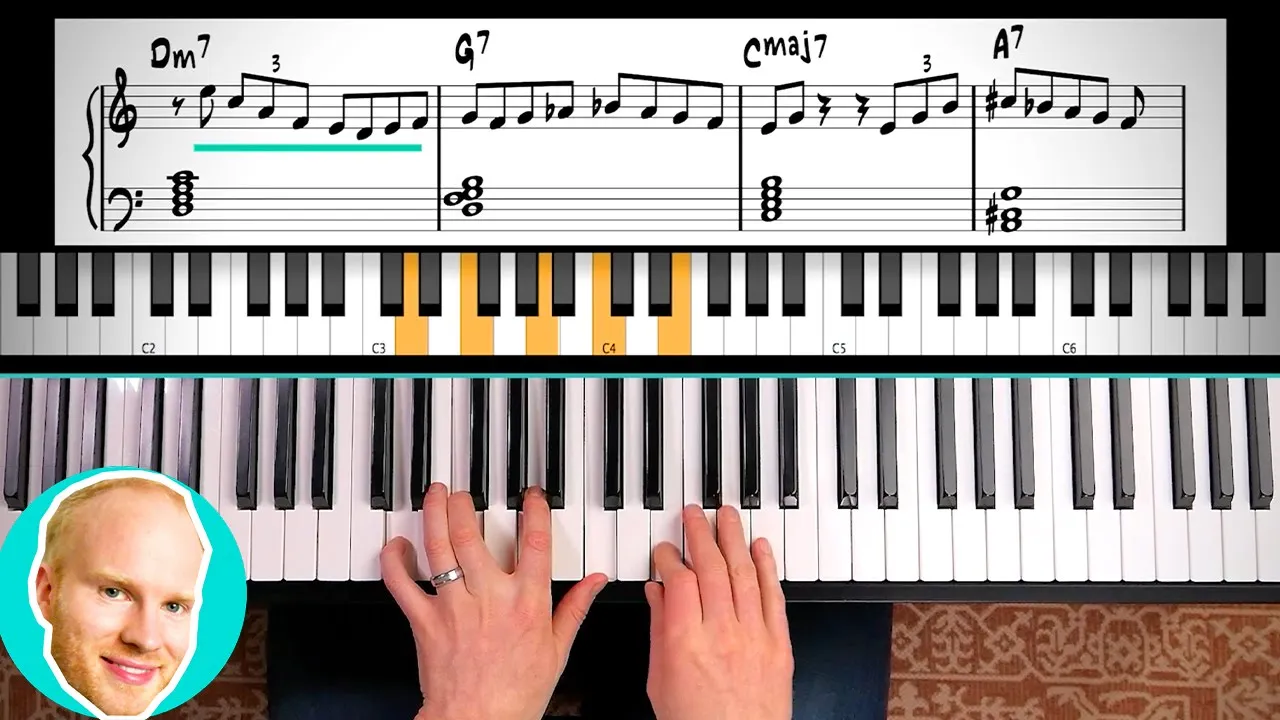
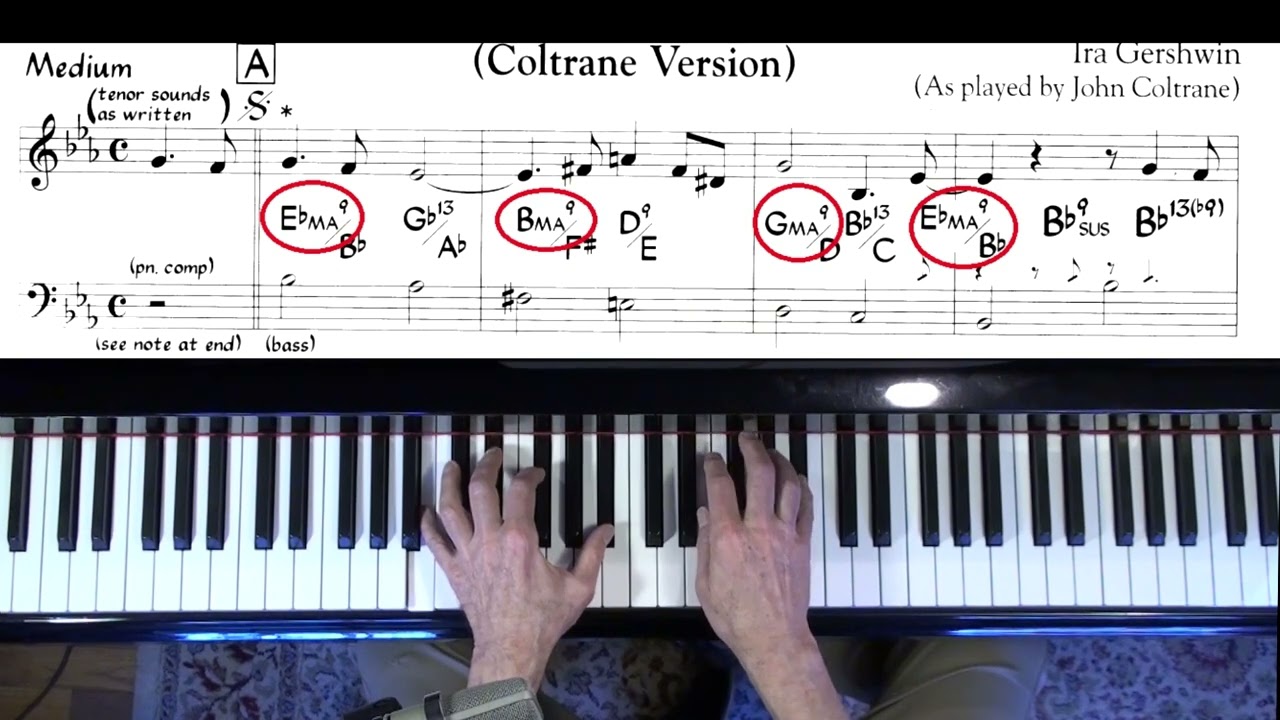
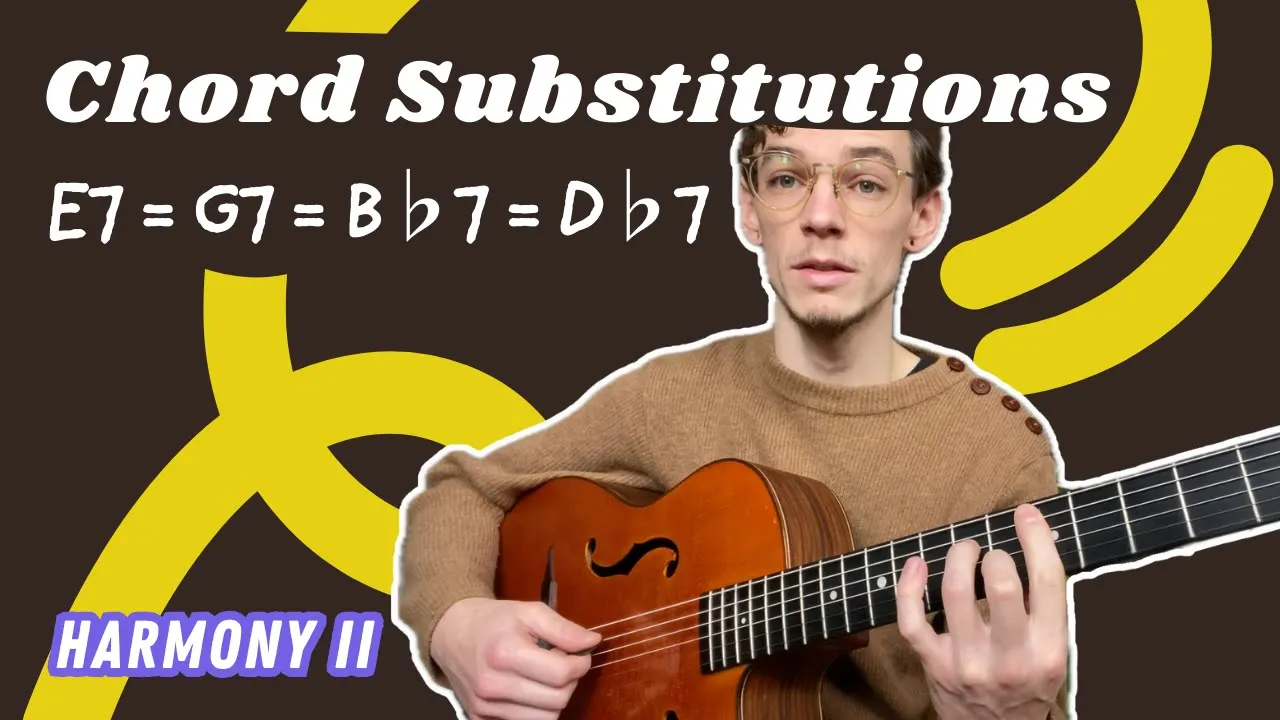
hi guys so this video is going to be about cult train changes essentially what they are how to think about them and how to use them so historically in most early Jazz standards you'll find that they change keys or they modulate through keys in one of three ways they can change keys by going through the cycle of fifths so for example going from G major down to C major or they change keys by going down a whole step for example from D major down to C major or they change keys by going down a half step for example d flat major down to C [Applause] major now so in all of those examples which you can see written up here in the picture and picture I was just playing a 51 then changing keys and playing another 51 in the new key so just to reiterate again most early Jazz standards tend to change keys in one of those three ways and it's only very sort of occasionally and very rarely that you see early Jazz standards changing keys by other intervals so if I show you just a quick example to demonstrate this let's take take the song sat and do now that starts on C major then goes up a whole step to D major then goes through the cycle of fifths down to G major then goes down a half step to g flat major and then it does something a little bit different and jumps from g flat major down to C major major which is a trone interval which is not one of the three ways that I listed that most early Jazz standards modulate between Keys um and so that's sort of a little bit different and a little bit unique so that was really just to demonstrate again that most early Jazz standards tend to change keys in one of those three ways and only occasionally and very rarely and very sparingly sort of maybe once or twice in the song tops do songs change keys by intervals other than the ones I've written up here but this naturally raises the question why limit yourself to only changing Keys through intervals of a half step a whole step or through the cycle of fifths now this is where c train changes come in now col train started writing songs where the key Changed by intervals of a major third so for example he would start in the key of C major then go down by a major third to the key of A flat major then go down another major third to the key of E major then go down another major third back to the key of C major and again I was playing that 51 relationship with each of the new keys I went five 5 1 in the key of A flat major 51 in the key of E major and then 51 in the key of C major and so in this way you spell out an augmented Triad by going c a flat E C now col train was not the first person to do this in fact it's thought that he got inspiration from the Jazz standard have you met Miss Jones which does exactly this but he was the first person to use this idea extensively in jazz and he was the first person to write a song that only changes keys in intervals of major thirds for the entire song and so this idea of changing keys or changing key centers or tonal centers by intervals of major thirds has become known as cult train changes and the classic cult train Changers song is a song called Giant Steps [Music] now I also wrote the voicings I was using up here in the picture and picture just in case you were interested now Giant Steps is considered quite a challenging song to play precisely because of these unusual key changes that move up and down in intervals of a major third and also because it is quite fast and there are something like 10 key changes in 16 bars even though there are only three keys that are used throughout the entire song and those three keys are G B and E flat again creating that augmented Triad now cold train changes are used to reharmonize 251s 3625 and 1625 and the reason they work well as a reharmonization is because you're moving in a structured way that is you're moving down in fixed intervals of major thirds and structure to our ears sounds pleasant and logical and nice and the other reason it works is because you always end up back at the tonic on the last bar now I've written it all out up here in the picture and picture but essentially you can reharmonize a 251 by using cult train changes by UM playing that first chord which is in the the key of C and then changing the key um or the key Center by moving down in major third so down to the a flat down to the E then down to the C and finishing on the tonic finishing on the C major 7 in your last bar and we're also inserting a 51 with each of the new keys so you'd go from D- 7 which is in the key of C to E flat 7 to a flat major 7 which is in the key of a flat to B7 down to E major 7 which is in the key of E and then to G7 down to C major 7 which is back in the key of C and then you're finishing up on the tonic so in this way we've reharmonized a 251 with c train changes by moving down in major thirds and creating this um augmented Triad shape and putting a 51 or putting a five in front of every one and you can do the same thing with 3625 and 1625 chord progressions but then why stop there why not change Keys using other intervals now that's a perfectly fine thing to do for example you can change keys by moving down in intervals of minor3 so for example going from C to a to g flat to E flat back to C so now you can reharmonize a 251 using this minor c train changes rather than the regular major third c train changes so by going E7 to a major 7 d flat 7 to g flat major 7 B flat 7 to E flat major 7 and then finally G7 to C major 7 or indeed why not change keys by moving the key down in trones which is what we saw at the end there in sat and do by going D flat 7 to g flat major 7 then G7 to C major 7 and notice that 2 minor3 is equivalent to a trone so then in a sense by moving down in um intervals of a trone you're effectively just going down in intervals of minor3 but just skipping one so that in a nutshell is what cult train changes are and how they're used they're essentially just moving the key down in intervals of major thirs um although you can use other intervals like minor3 or trones if you like and they're used to reharmonize 251s or 3625 or6 25s that you find in existing Jazz standards now I'm going to have a lot more to say on reharmonization in another video where I'm going to touch on cult train changes and then cover a whole bunch of other stuff and TR to sort of give you an example of how you can apply this to a jazz standard but otherwise hopefully you found this lesson somewhat um enlightening and interesting um and so go out there and try reharmonizing 251s or 3625 or 165s using these cult train changes um and then try improvising over these cult train changes and try find different sort of chord voicings that work for these cult train changes um and you'll see because they are sort of a little bit different and you don't sort of encounter them every day in your regular Jazz standard they are they are at first a little bit more sort of difficult and challenging and interesting to play um but like everything else you sort of with practice it gets better and you get used to it um otherwise again thanks for watching and see you
Up Next

52:59
Advanced Reharmonization Techniques: 7 Beato Basics Explained
@RickBeato
74.7K views•2018-04-16

10:20
Mozart's Musical Dice Game Explained: History, Rules, & Fun
@webpianoacademy
5K views•2023-03-13
14:58
Jazz Piano Tutorial: Passing Chords and Approach Chords Explained
@WalkThatBass
91.9K views•2015-12-06
10:49
Understanding John Coltrane's Giant Steps: A Music Theory Analysis
@Vox
10.4M views•2018-11-12
Related Study Plans & Knowledge Roadmaps
Structured learning paths in Music Theory
music-theory
Composing Galant Music: Partimento & Schemata
01Foundations of Figured Bass and Keyboard Harmony
02The Rule of the Octave (Regola dell'Ottava)
03Galant Schemata: The Building Blocks of Form
+ 2 more learning modules
30h5 modules
Explore Roadmap
music-theory
Decoding Overtone Series: Tuning & Drone Music
01Acoustic Foundations: The Physics of the Overtone Series
02Tuning Systems: Equal Temperament vs. Just Intonation
03Microtonality and Spectralism: Beyond Standard Pitches
+ 2 more learning modules
24h5 modules
Explore Roadmap
music-theory
Impressionist Harmony: Scales, Planing & RPGs
01Foundational Music Theory: Keys, Intervals, and Seventh Chords
02Impressionist Color: Chord Planing and Parallel Harmony
03Whimsical Textures: Pentatonic Cascades and Whole-Tone Scales
+ 1 more learning modules
14h4 modules
Explore Roadmap
music-theory
Negative Harmony: Axis Reflection in Indie Pop
01Music Theory Foundations: Scales, Intervals, and Triads
02Functional Harmony and the Circle of Fifths
03Demystifying the Negative Harmony Axis Reflection
+ 2 more learning modules
16h5 modules
Explore Roadmap