






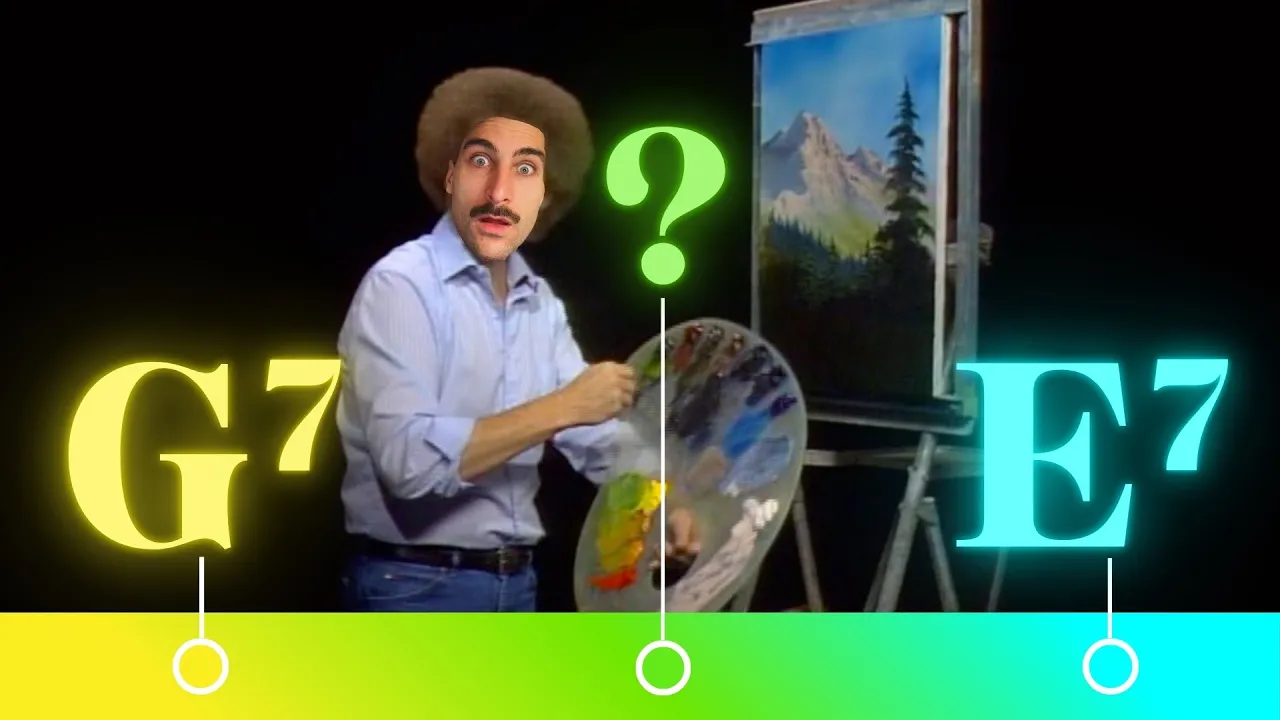




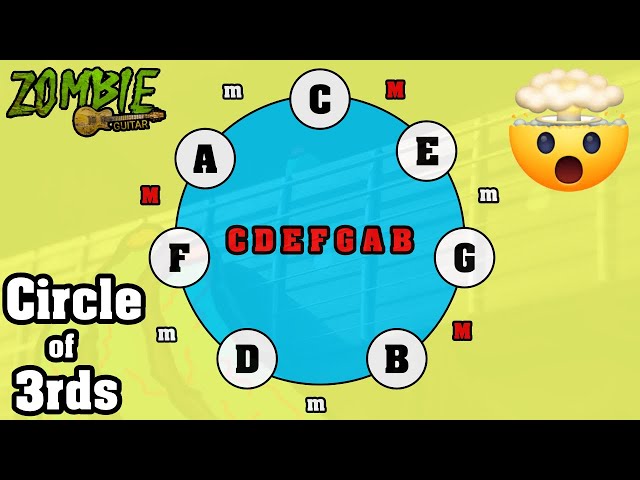



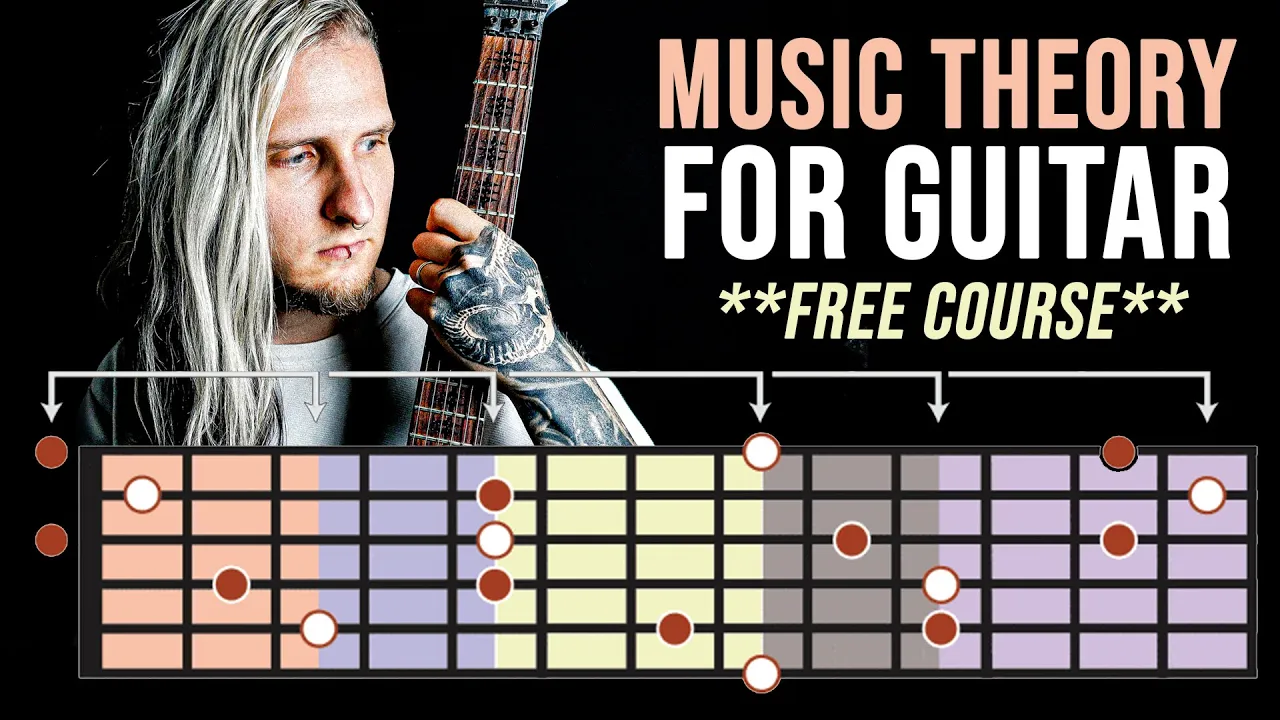


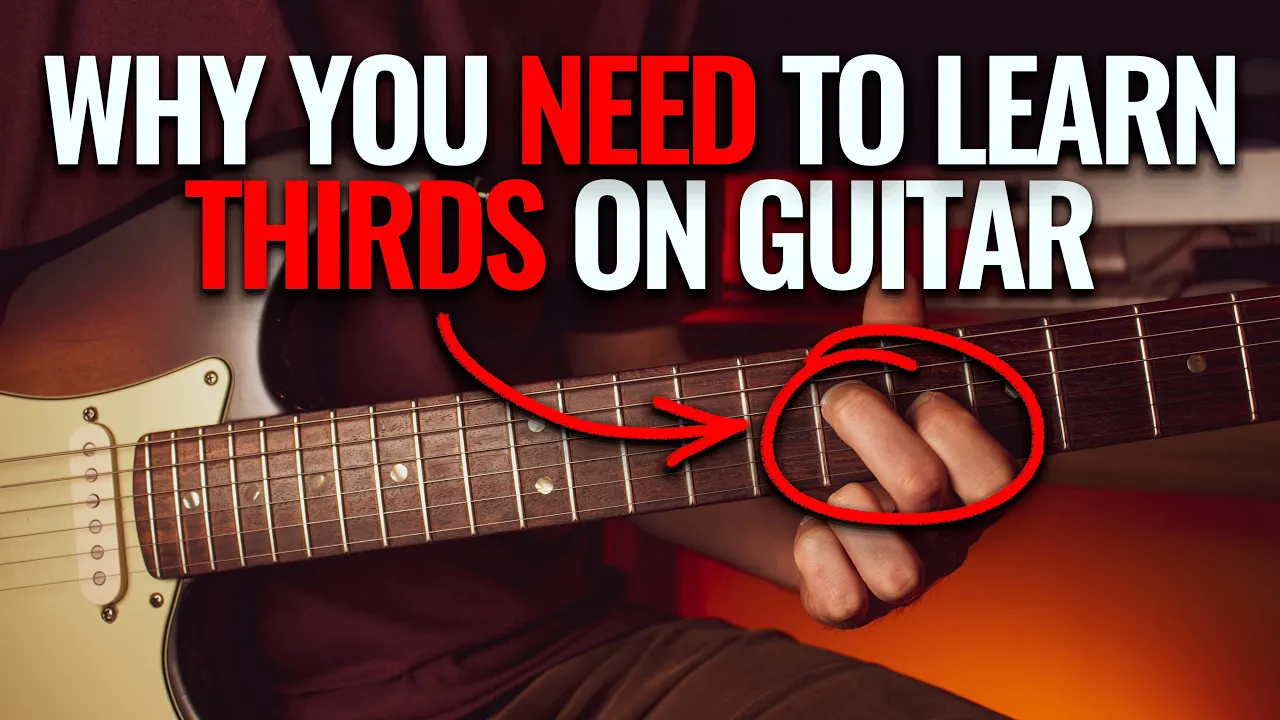
The Circle of Thirds is a fundamental music theory concept where chords are spaced a third apart, creating a circular pattern that helps guitarists understand which chords naturally belong together within a key. Starting from the note E (the lowest note on guitar), the sequence follows E-G-B-D-F-A-C, which can be memorized using the mnemonic 'Every Good Band Deserves Fans and Cash.' This pattern allows musicians to instantly identify the root, third, and fifth of any chord in a key, and can be extended to include seventh, ninth, eleventh, and thirteenth chords by continuing the cycle. The Circle of Thirds is more foundational than the Circle of Fifths for beginners because it directly explains chord relationships and progressions used in most pop songs.
Circle of Thirds Explained: Essential Music Theory for Guitarists
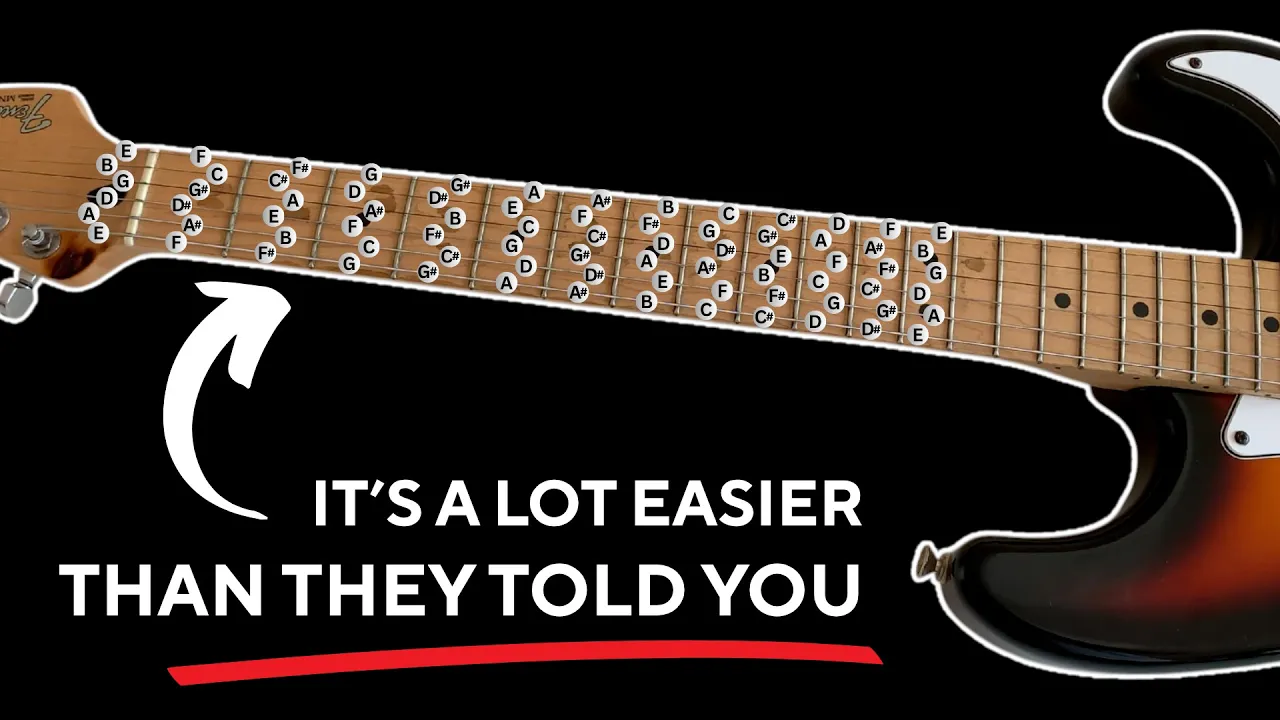
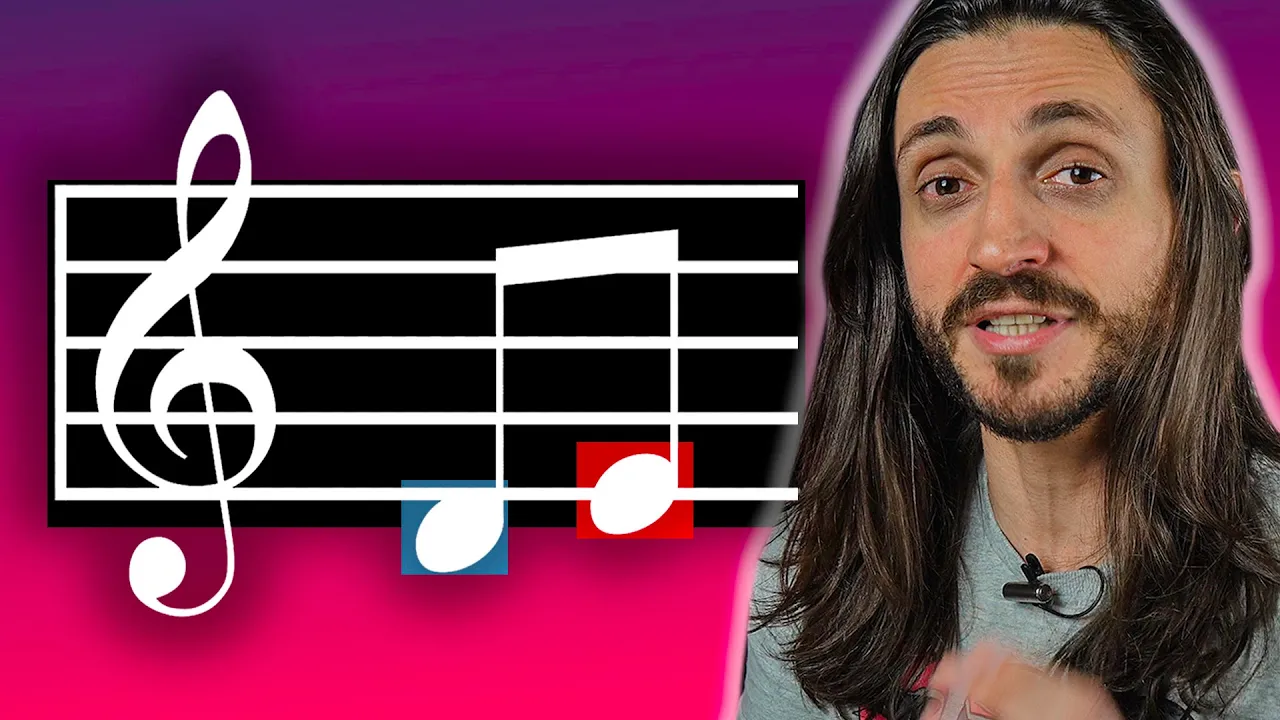
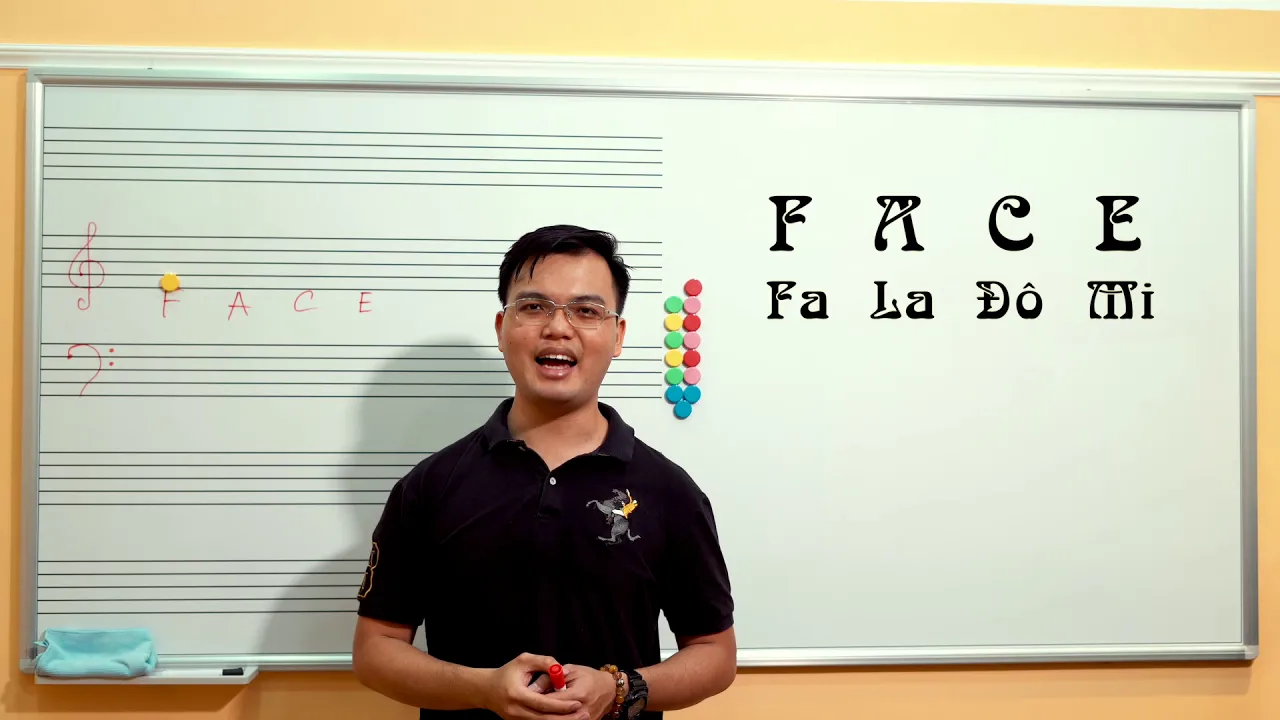
Added:so don't get me wrong i'm not saying the cycle of fifths is a bad thing to learn i'm walking up a hill with my dog what i'm saying is that that's something you need to learn further on down your guitar journey what you really need to learn in the beginning is the cycle of thirds because when you have the cycle of thirds you understand how all the cards work within a key it's really important because when you begin you're only going to be playing the primary triads from a key one four five chords three chord tricks you know four chord tricks that's what most pop songs use so why would you want to learn how to build a rocket ship before you understand where you're going and without having a destination it's ludicrous so this is more important to learn than the cycle of fifths at first the cycle of fifth is brilliant yeah once you understand stuff anyway i'm gonna go find my dog because she's chasing wabbits see you in the rest of the tutorial here it comes don't underestimate this it is absolutely dying amazing is the cycle of thirds you need to understand this now i have been asked ricky why do you always start from the letter e well do you know what it's because of the way that the guitar is tuned the lowest note on the guitar is an e so it just makes sense to me to do that but it also gives me a kick-ass uh mnemonic to be able to remember the cycle of thirds i'm going to tell you why you need to learn the cycle of thirds as well this is in the key of c major so we're going to do this in the key of c major and the notes in c major would be c d e f g a b and c so we've got that there so we've got c d e f g a b c those are the notes so you see we've gone up from there to an octave there to there that's an octave yeah one two three four five six seven eight octave octave there so hold out guys this is super super worth it you will get so much juice out of this one so e f and then we're gonna go g so this is the next note up and you can see what we've done is we've gone up one two three this is why it's called cycle of thirds just it's pretty simple hopefully when i draw this round i will get a perfectly formed marigold um flower design because that would be pretty and that's always nice if you can do it pretty so g a b so you see there we've gone up three again b what comes after b is going to be c d right so all you really need to know is your musical alphabet is going from a b c d e f g and then it goes back to a again all right so d e f we've got that f g e i've gone a little bit wonky on this one a b c can i do it can i join them up perfectly c d e nearly it's a wonderful thing right okay but obviously you can see it i did i got there so they just go up in threes now let me just extrapolate this information from here e g b d f a c e g b d f a c so that is the cycle of thirds you could start on c don't let me dictate as long as you works for you but you can come up with a different way you know make it your own if you want it to come from c because you're in the key of c then perfect it's fine don't you know i mean i'm not gonna deter you but this is the way i do it because i like to remember it a little mnemonic with this and i'm going to write the mnemonic down the side here and it goes e g b d f a c every good band deserves fans and cash because every good band deserves fans and cash let's make it musical we could have another one every green bus drives fast and crashes but you know it's up to you the main thing is is maintaining this cycle we're just going to maintain this cycle and you'll see once we get into this why you want to do this so every good band deserves fans and cash well this is the first use case if we look at the key of c major the first chord in the key of c major is c and if we want to know what the root third and fifth of that chord are yeah without ticking off his shoes and socks and counting on his toes and that sort of stuff what we do is we use this little mnemonic every good band deserves fans and cash so what i do is i go cash every good did you notice how it began again it went round on itself because it's a cycle or a circle whatever you want to call it so this sequence what it means is we get c is the root e is the third and g is the fifth how cool is that well if we know lunar looking as uh the key of c then let's just write that out c d minor e minor f g a minor and let's go for that horrible one the b diminished chord so the next chord the d minor chord we want to know the notes that are in the d minor chord well we know the root note of the d minor chord is d right so d deserves fans and deserves fans and look at that d f e we can figure this out look at this how cool is this you can even turn that into a little table there let's have a look e minor oh look every good band egb every good band right super so every good band let's look at the next chord that we have there f that's the chord f what are the notes in the chord of uh of f the root the third and the fifth well the f is the root fans and cash fans in cash they go so there's fans in cash we've got that already let's have a look at another one g let's have a look at the g so we go good band deserves good band deserves right okay let's look at the next chord a minor let's look at this a minor a c e and cash every you've got that clunky join up when it goes around it's it's not as neat as a battle lens and down goes charles's father but it's another cycle it's another useful one we like them because they're good tools to help us to be able to remember this stuff until we just know the stuff we remember it and then we just know it there's a difference between knowing and remembering be diminished let's look at this you know you might not even be bothered about the b diminished chord but if you can spell it then you know you're a little bit wiser so if we take the b b d f band deserves fans so there it is outlined the three notes that make up all of those chords but wait hold your horses hang on what if we did the first extension of that and added the seventh let's just add the seventh this is because this is genius this is a really genius way of doing this you can do this and and everybody will like think that crikey how the heck do you know these chords and can name these chords so fast and identify them you know you tie this in with your fretboard knowledge and you are cooking with gas all right well look let's have a look and see what the seventh of this c chord is let's have a look c e g look root third fifth seventh the next note up because that's how the chords stack if you've seen my video on simple and compound octaves you will know that the chords go like this they go root third fifth seventh ninth eleventh thirteenth what one two three four five six seven notes in the scale and the seven notes spelt out like that so look c e g b i know that if i want to extend that c major and give it that seventh color there then all i need to do is add a b to those three notes there and i'm gonna get that lovely major seven sound right well what about the next chord let's look at the d minor d f a c deserves fans and cash there's my seventh it's telling me what my seventh is there is helping me along the way e minor if you've already got it you've got it and you're already whizzing through this already before i've even done it on the page egb every good band deserves so that's the seventh on an e minor there deserves f fans and cash every whoa look face where else have you seen that we're going to talk about that very very soon stick around for the end of the video for that one gbd good band deserves fans there you go there that's your seventh for the g right and cash every good you might have seen this one if you know the bass clef all cows ingress nonsense right so look at this one b d f what comes next band deserves fans and there you go so now we've extended it up to the uh seventh but you know what i'm not done i'm not done hang around stick around we've only done up to here we have the ninth the 11th and the 13th we can go at so if you are trying to build these luscious expensive chords then you need to understand this i can do this thing all the way around so let me just do it i'm going to do it all the way up here so if we look at this i'm just going to do the c chord here start the c so remember it went root third fifth from the c root third fifth seventh the ninth is the d the eleventh is an f and we can see here that the 13th is an a right and that gives me all my notes in the order that i need to be able to remember them you know i can emit notes and everything else like that and do the kind of the the practical things that you need to to make these chords look at this and all we need is this mnemonic deserves fans and cash every good band just fill it out just say it as you go around every good band deserves fans and cash fans and cash every good band deserves good band deserves fans and cash every and cash every good band deserves fans yes does this make sense bam deserves fans and cash cash that's a c ricky band deserves fans and cash every good what we have is the complete spelling for all the chords that uh are in the key of c there the the all the notes and this is a way to access them instead of memorizing them in this way what you can do is you can use this tool until you have actually memorized them until you know them there is difference between memorizing and there is difference between knowing knowing is intrinsic i think that cycle of thirds thing is pretty damn cool but let me show you another use case for the cycle of thirds and this is what i call one mnemonic to rule them all this is standard notation right so we've got the standard notation paper here we've got this every good band deserves fans and cash hopefully you've memorized it by now it's probably gone in there every good band deserves fans and cash because every good band does deserve fans in cash this is one mnemonic to rule them all right so if we take our treble clef now it you know if you are thinking of clicking off right now you would be making a big mistake because this is going to help you so much in learning how to read music yeah and open up the possibilities of what the guitar can do generally when we are taught how to do the treble clef what we do is we do the notes on the lines there now this gives us now if you've come across this every good boy deserves football well do you know what not everybody digs football and i just think that it's a bit lame every good boy that deserves favor or whatever it's just there's nothing behind it there's no nothing behind it every good band deserves fans in cash if you're in a band you deserve fans and you deserve cash well that's if your music's good so you can see these are on the lines every good band deserves fans in cash hang on that's one mnemonic we have to learn let me just do another one here look at this so in the spaces we've got f a c e okay yeah so face now you might remember that as being face in the space yeah but that means we've got one mnemonic we've got another mnemonic that's two denim mnemonics demonics not mnemonics not demonics we've got two mnemonics to learn okay now from a previous video you might have seen that actually the guitar goes into the bass clef let me just do the bass clef for you as well here look at this so if we look at the bass clef we get this on the lines let's do these on the lines we get good boys deserve food always or whatever it is so that's the third that's another mnemonic yeah and then let's have a look at this if we go in the spaces here then what what what i got taught was all cows eat grass that's four mnemonics that's four things i have to learn and remember but what i'm going to do is i'm going to show you something uh really really funky this is called the tenor clef what it is is this note here is c yeah how often are we going to you're really going to come across this not much but if you do do you want to be stumped do you want to have to think to yourself no i can't can't do this because whatever right okay well here we know that this note here is a c because these two lines here converge on this ledger line here and that is a c so we know that's a c well what we can do is we can fill this in either side yeah and we can see that if we use our mnemonic here we can see that it goes fans and cash every good face egg you don't want egg on your face by not learning this you see what i did there i know it was cheesy but here in the spaces then this enables us to be able to go that why i don't even know a mnemonic for this one i don't even know a mnemonic for this one i really don't use this one that much so good band deserves fans you see so the thing is i knowing this here can work out this clef here all right treble clef bass clef right one mnemonic to rule them all this is all you need this is why every good band deserves fans and cash cyclo thirds is amazing guys i heartily recommend that you learn this this will be a pdf in the description below and make sure you download that print it off work this stuff out also if you've got some value from this video make sure you hit that like button hit that subscribe and i will see you in a future music theory lesson that is applicable to your guitar hit subscribe for more guitar tips
Up Next

How to Swing Jazz Lead Sheets: Advanced Interpretation Techniques
@charlietranpiano
258.5K views•2026-04-15

Triumph of Orthodoxy Icon: Byzantine Art & History Explained
@BenCallan
2.1K views•2024-08-06

FastAPI vs Flask vs Django: Choosing the Right Python Web Framework
@TechWithTim
302.5K views•2024-05-26

Game of Thrones Opening Credits: A Cinematic Analysis
@gameofthrones
46.3M views•2011-04-18
Related Study Plans & Knowledge Roadmaps
Structured learning paths in General & Interdisciplinary Studies