

![12 MUST-HAVE Chords for Modern Worship Guitar [Electric and Acoustic]](https://i.ytimg.com/vi_webp/H6RbDmKYtP8/maxresdefault.webp)












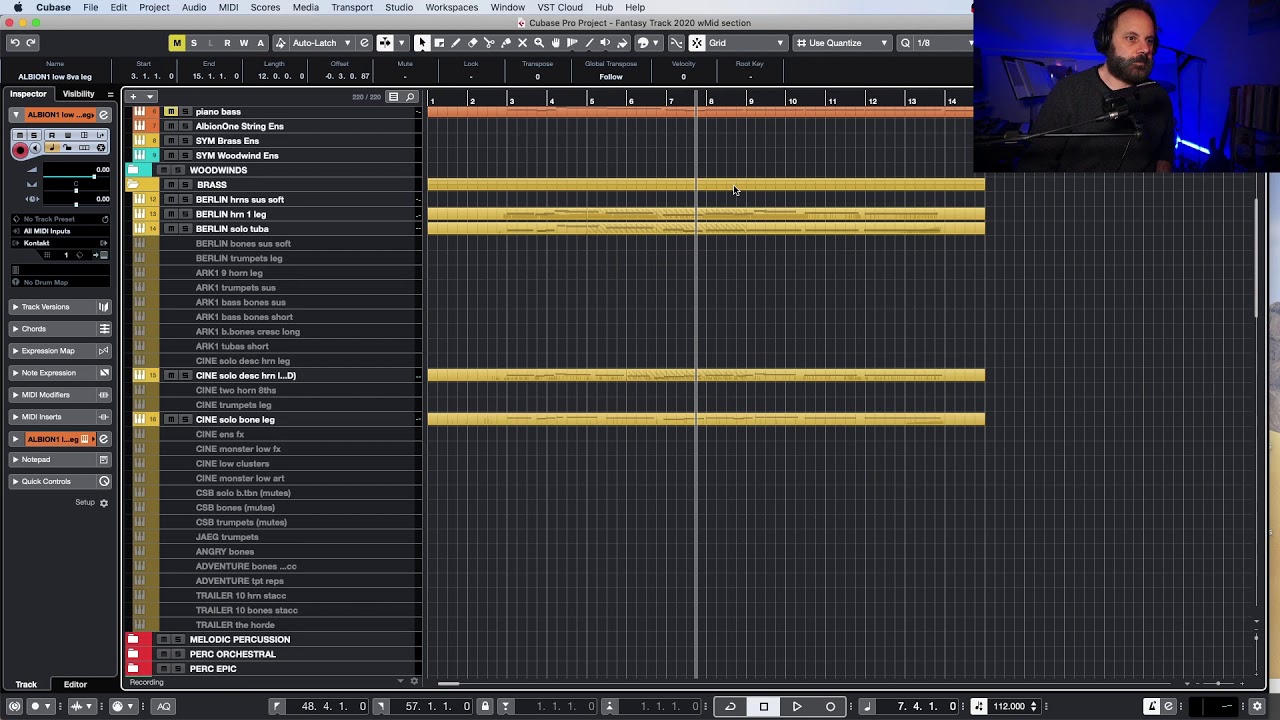

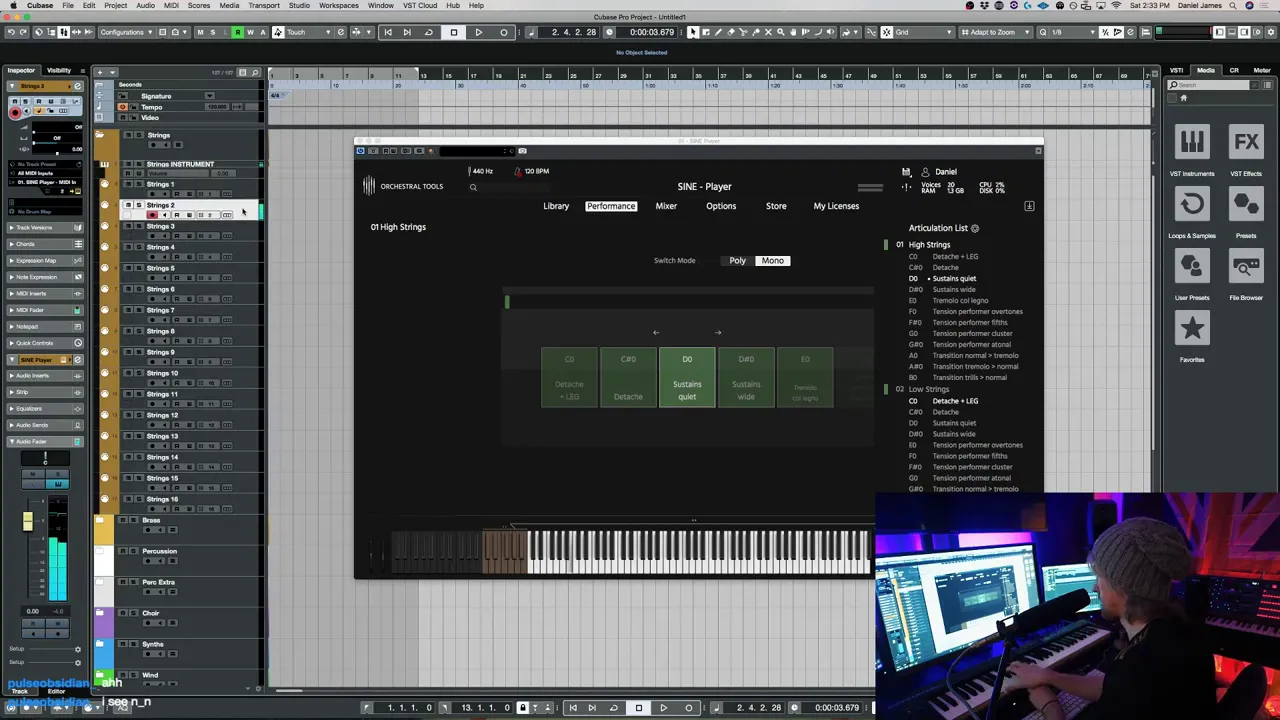


Worship team leaders should creatively incorporate available instruments beyond the standard rhythm section (guitar, piano, bass, drums) by using strategic techniques such as doubling melody lines, creating descant parts, and using instruments sparingly for structural highlights like introductions or tag sections, while always keeping the goal of supporting congregational singing rather than showcasing musical innovation.
Incorporating Non-Traditional Instruments into Church Worship Teams
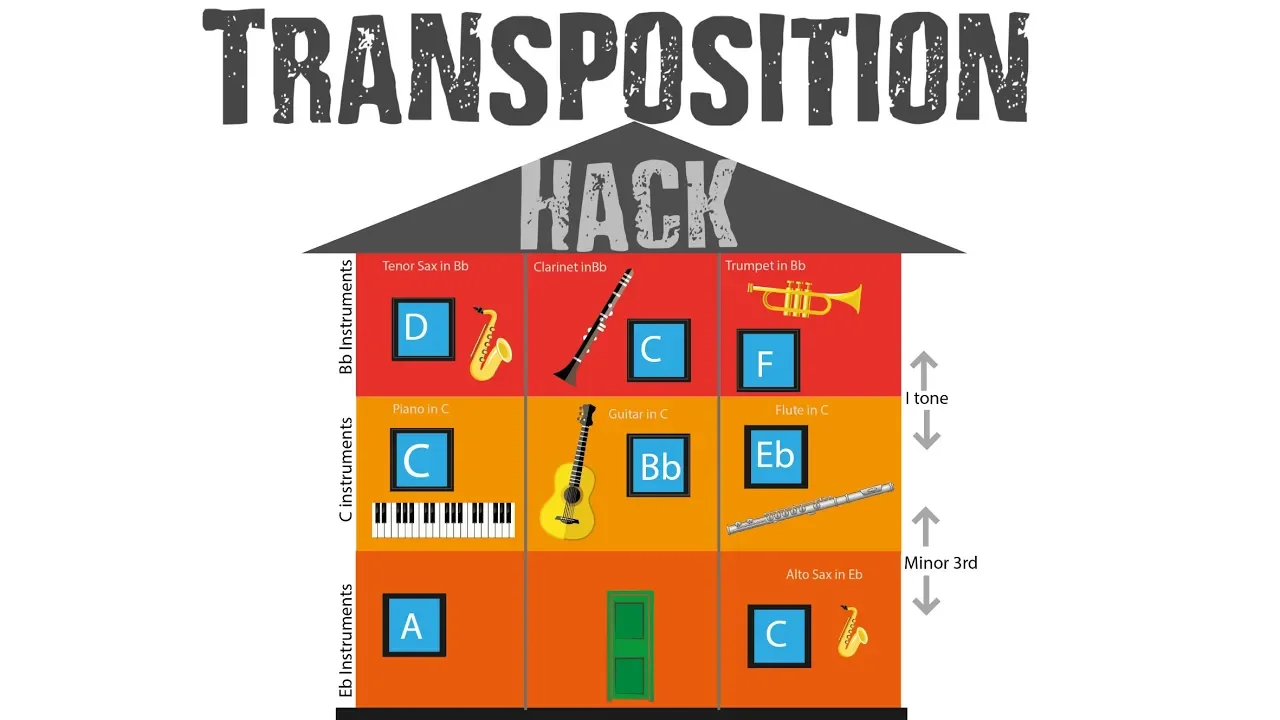
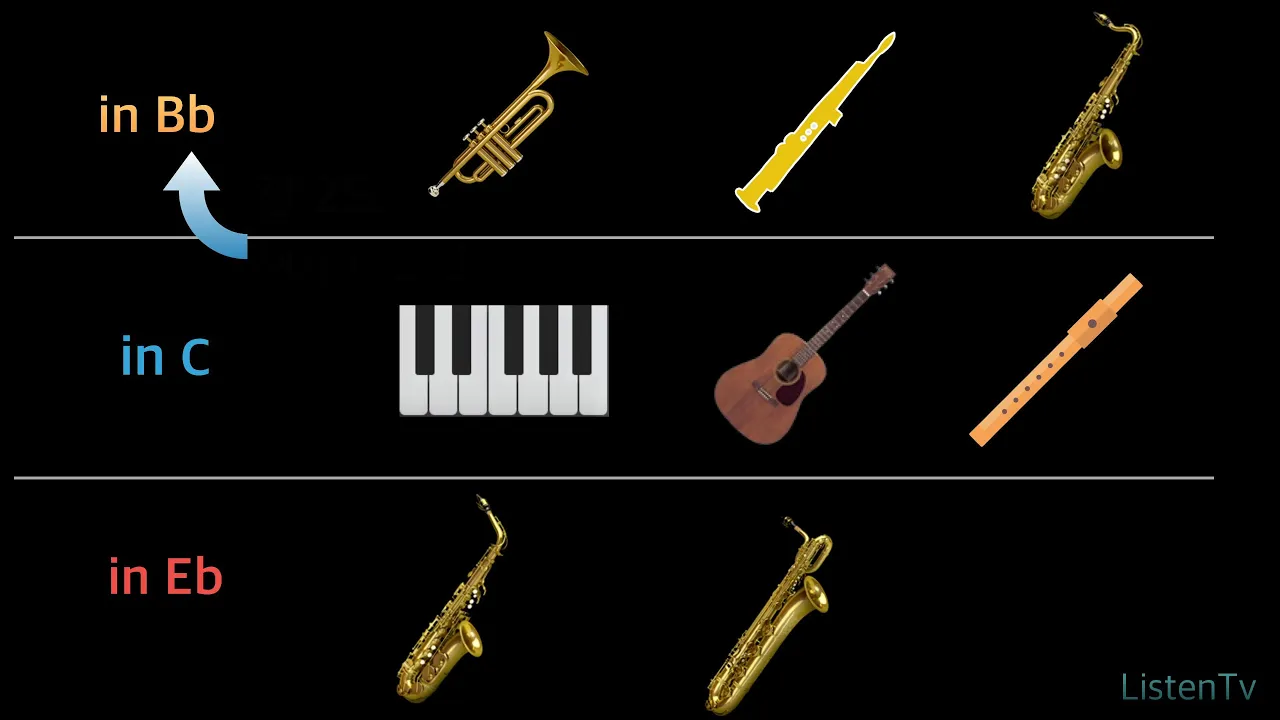
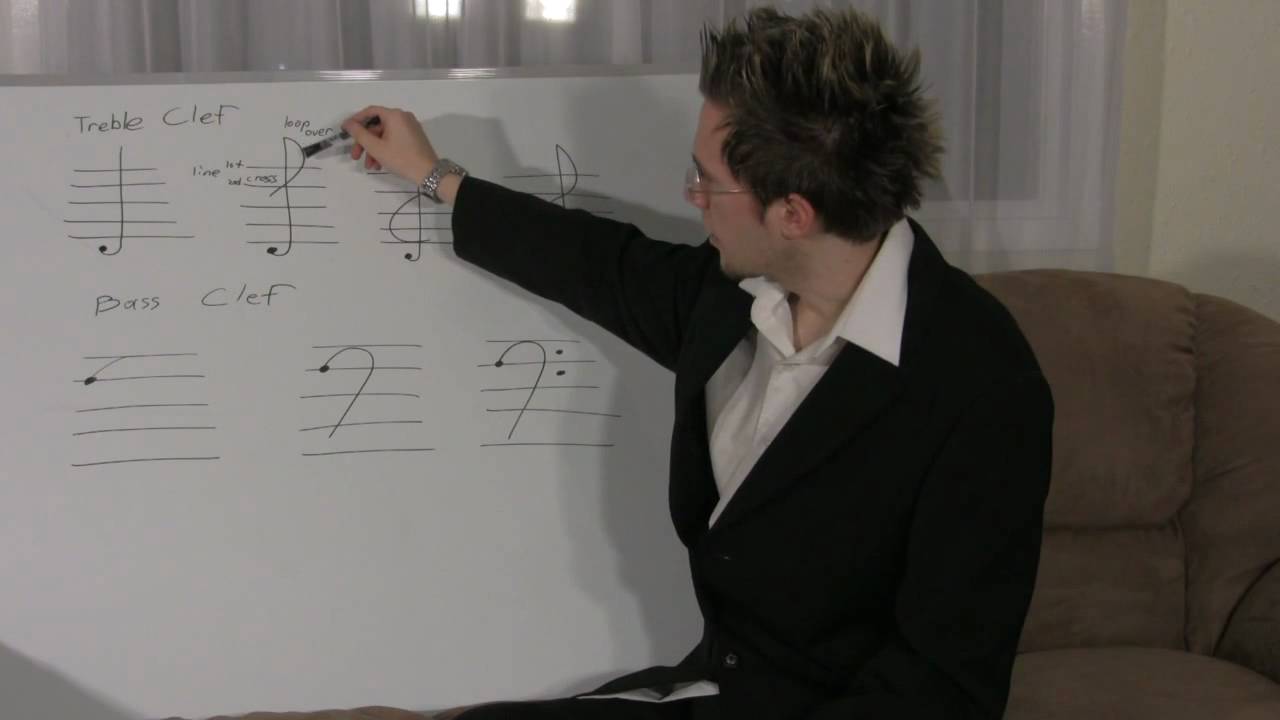
Added:Basic music theory, including instrument transposition (e.g., Bb, Eb, and F instruments) and reading different clefs.
The standard structure and roles of a modern worship rhythm section (keys, acoustic/electric guitar, bass, and drums).
Fundamental principles of vocal and instrumental arranging to prevent acoustic clutter and frequency masking.
A foundational theology of Christian worship, emphasizing the primacy of congregational participation over performance.
Advanced orchestration and digital notation workflows using software like Sibelius, Finale, or Dorico for custom chart creation.
Live sound engineering and mixing techniques specifically tailored for blending acoustic orchestral instruments with amplified modern instruments.
Rehearsal pedagogy and conducting techniques for leading a diverse, multi-generational instrumental ensemble.
Writing and arranging custom transitions, preludes, and postludes that utilize the unique textures of brass, woodwinds, and strings.
201 views0likes1:03:34Original Release: 2016-07-29
Oh oh alright so that is the song that will use as our kind of experimentation for the day and Adams going to so let's talk about me other instruments of the praise team how you all have praised teams ya know all right we'll get you working here so you have a praise team or you hope to have a pretty something more you're here because you praise dancing here if you didn't want but you know that a general generally speaking a praise team is going to be a combination of singers but but really the kind of the guts of the precis what makes it sound is going to be guitar p.m. bass and drums and they generally are matched out like that I should probably say that I have a book called the art of worship it will change your life for the better but I talk about a lot of a lot of these things in that book so if you want to follow up this session by reading that'd be a good place to go to art abortion and I talked about the musical makeup of a praise team in that in that book and so the basic the basics of what you have there piano guitar are your your kind of amid middle harmony instruments and then baseman drums are there and they generally are going to kind of think of it as a pyramid and you could have in that center and part of the period you could have just guitar so you could have drums bass & guitar filling out this range or you have drums bass and piano be very hard to have base but no drums drums but no bass right and then often so those are kind of working in tandem and then your piano and guitar kind of work in 10 in the sense that you you know you might have a view of both you might have one song with keyano leaves one song where the guitar leads you know I mean like kind of takes the primary motivator of the harmonic so but that's your kind of band that happens when you do praise music but many of us if we're a local church situation if you are you know a david crowder or Waco so I'm using his example if you're David Crowder you you might have just that the rhythm section but if you are a person in a local church you're probably going to have other options and I don't know about you but i often get into the situation where I have a flutist who comes to me and says I really like to play flute praise tonight and the standard answer is no please don't play praise dance or they don't play with rock bands unless you're Jeff Jeff wrote all right i mean you have these these odd you know violinists or whoever we know you have these instruments that play with rock bands i mean praise music is essential rock music for church right so we need to understand that it can you can see that in the pages in there in the handout that I use a lot of examples from pockets at four different so the standard rock band is bass drums guitar maybe piano and then one singer is real standard so the church differs a little bit positioning more singers and I talked about that in the book deal what kinds of choices you can make how many singing to you now but what we're going to be focusing on today is what do you do with those experiences over the years I've incorporated let's see flute violin string quartet accordion or who care who I guess you know what so you know I'm kind of a geek on this right like I think if there's a you come to me and you say I I played the soon and I want to take part of things I'm gonna find some way to incorporate you so my hope is that by the time we get done with today's talk that you're going to have an idea of how you can be a little bit more inclusive of the instruments that you have in your church and that's my first point is use people that God gives you too too often we say uh you know what I really want is a bass player for my crates band and and I you know I totally understand like I don't think it's a witness is at the Jimmy Fallon his band that has the tuba is the basically right yeah Rui Ruis yeah so you know that that can work but it's probably not going to work in your church or to this probably doesn't do that although it's a great sound like in a lot of Hispanic music I just turn on the radio someday and then you hear and you realize that's actually tuba that's doing that great baseline and then I the bass player start thinking how can I make it sound more tuba like so there are all sorts of things you could do but most likely you're not going to make substitutions on that level some comes to you with a bassoon you're probably not going to swap them out for face but my real point is this too often we are longing for one thing when God gives us another thing right so figure out and this might mean just many different ensemble but figure out how you take the people that God has put in your church and make the most of them in my church for example we had a couple of ensembles that really required a high level of musicianship you know if if a clarinet player said I'm going to play in your group then that person knew that they needed to be able to sight read and they need to be able transpose to b-flat clarinet on the spot and that was kind of the way it went and I realized that that was great it'd been easier for me to be able just people music and say you know play gender line an octave up in right but that was not going to be a possibility for most people many people that were available and what I found there are a lot of middle aged men who play guitar who were not the top level player who could be handed a piece and E flat and would know how to capo it any recorded but they could play pretty well and so I created in my church at guitar construct which is by the Dozen guitars mandolins and Courtney and string bass you know so that's so now that's got out of the scope of this talk but that I'm that's what I'm getting at is in my particular situation I had people that were available that were being unused and I figured out how to how to use them we're talking specifically about praise team in this one but but that start with the basic principle used to go gizzy second basic principle don't let the instruments draw attention to themselves the the point of what we do in church is not to have the rock and span the most innovative band that the point is to help people sing you know and we always have to come back to that I mean I I almost guarantee you that I'm more of a geek than you are and this stuff I just you know love trying out new things I could love new songs i love you sounds I'm just always geeking out and stuff but I always have to remind myself let the people say you know if I have this great electric guitar solo and people sit there and watch it that I've failed I've not done the right thing right so figure out how to do all the stuff that we're talking about if not how can I have a bigger flash your praise team you know with string quartet along with it I mean that's awesome if you have a string quartet use them but the goal is not to make a really will sound with string quartet and sound like you know whatever it's to help people to sing so always keep that find find creative ways to bring contemporary and traditional musicians together and this is this is where a lot of this work is done and i think is really becomes important in terms of how the church functions as in community and how you function past orally as a leader of a in a church this is where it differs from a standard music ensemble we are trying to do pastoral work and communal work and so one of the things that you can do the more musical knowledge that you have the more able that you're going to be able to do the pastoral work so for example if you have a praise band a choir and a pipe organ there's no reason that they have to have exclusive territories in the service and you know it depends on the organist to a great extent I've done this a lot independence you know some the worgen see say can you just give me you know just a sustained you know flute stop using the chords and they're like I don't read quartz which i think is kind of funny like you don't recourse how are you good play but depending on who it is most most organs will be able to do that for you you know and you can work with them on the sounds that they that they have and then you just you basically think okay you know what I really want is a Hammond b3 but instead I've got a pipe or you and I'm going to use it in a similar kind of way and an organist I'm sorry I know that that was sacrilege right there but the same basic idea you have a sustained line that fills in the sound and it could be very very beautiful and you know it's wonderful to or you can pass off the praise team plays a you know part of him and then the organ takes the fourth verse or something like that and it's just this great moment when you can have this hand off of the musical material in the congregation first of all it can be a very breathtaking moment you know just like when something goes acapella or the band comes in or the beat drops whatever it is you insist it can be breathtaking moment moment musically but it can also be this really wonderful moment of like hey they're sharing right so it's not you know okay praise band did their praise set now the organisms at him and then they're going to you know that kind of thing so it's a way of bringing people together so all of these people you know it's a fluid it's a bassoon it's a pipe or whatever it is there are ways to bring the people together so that your your kind of your kind of weaving all of the instruments into the same service the same fabric the same community and it has a completely different feel and now it feels like you're all for one church a really good thing a practical thing made a file of all your arrangements I just tell you how I do it I create a manila folder for every song that we essentially understand that we've died I once again I'm total geek on that stuff I have one for hims I have one for praise on little song folk song kinds of things and I have one for each song and here's here's how I use those with the hamps they had ten ten have specific kinds of resources desk ants choral arrangements reauthorizations different sets of words things like that and I think that what you want to do is any kind of car come across those let's say it's an anthem it maybe doesn't light a fire under me but I say it's a pretty decent anthem I just stick it in the be thou my vision folder and then if I decide that me do it type of thing where I want multiple arrangements of something or I'm doing be thou my vision I can take out that folder I can say oh you know I could adapt this correlate them it's got a really great compliment why don't I take that and I can use that so i'll use the hymns Psalms every time I come across a song setting we do sobs every week so I put those in the 100-150 folders for the other kinds of songs I put any kinds of resources they have if i have made cable cords for a particular praise song i put it in there is just so i don't have to do it again any arrangement that i do any arrangement that i find different piano accompaniments from different books and I just fill out what I have and so the point is that you know don't do stuff twice and have a big bag of tricks you know you you want to is really serve me well and a little bit ADHD and so I usually do too much work when I'm in a particular church but then I am really happy the next time I go to the church I have all of this stuff ready to go you know you say oh we're gonna do that song I pull it out and I start believing through and I say yes we do have a desk camp for that one and so it was just that would be my encouragement is to is to keep all the stuff that all the stuff that we do in whatever file system you buy useful and then also don't let your file system overtake you don't need to make a database of that just to get bolder and be done with it all right now how do you do this let's let's say let's say you have a flute comes to you and says I want to play with the praise team and you probably have heard this before and you usually what happens the problem is people don't know how to talk to the pool player and because they're used to working with the band and they're you know truth be told people in the band need different things than singers and different things influence and so most of time you're just hanging out trying to make sure that your van gets a particular groove that they know the introduction is it you know all those kinds of things so that the thing doesn't fall apart right you've been there so you're really concentrating on you know the base and the drum are just you know one swinging at one straight and how you get them on the same page on this same and then then you just going to say okay to the flute player just go just play right and that's exactly what they do and and they're going to do one of one or two things if they're if they're an inexperienced flute player they're going to play the melody because you've given the music you can only cheat and they say I know notes and I know I can play that melody and they've got like two options at pitch or an octave up right that that's about all there going to be able to figure out for you say just improvise something and and so then then you end up with the classic young person's improvisation my jazz bands so I see all these really bad organizations I'm like are you to hang on that note for the whole song so it is something like right it's like a drill to the ear boy so we want it we want to be able to talk to our musicians and give them some ideas about what they could do and kind of prepare ahead of time so they can succeed and that's and that's one of things you really want to be careful of especially the younger players you don't want to bring them into your group and and have them fail all right because a failure early on means that they are not going to want to play again they're gonna have that bad experience like the kid that's been told by the teacher that they can't sing their never you're saying again right so you want to have and I often will say I'm going to plan one song and Edward work on or to make sure it really goes well and they have a great experience and they gain confidence they want to do more they practice warrants good thing so what can you do single instruments as opposed to marry his prints seriously folks um if you have a single instrument what do you do with that with that instrument here are some some really simple things that you can do double the melody line now I just I've just told you how that could be the kiss of death but but I'm going to tell you how you can how could you you you can use that well because the reality is is you you do have just lead sheets or you know something very simple music and you typically don't especially the praise team if you have music at all it's not going to be something with the flute line for it so you know use what you've got and that might be just smell you on now I think all right let me say what I see what I've actually said before i say what i think i'm going to say yep yep yep yep yep okay good yeah don't overuse and so this is what I'm getting at the don't overuse it there's a great line in here Neil since the point if you don't have never seen that kids cartoon thing and it's awesome para Nelson who wrote one is the loneliest number right he wrote his children's thing is kind of I think the same illustrator as the Beatles yellow submarine I'm throwing in that for free ok the point there's a great line that says a point in every direction is the same as no point at all and it's really true if you do the same thing over and over again you basically consign yourself to the background alright so if you play the melody the flute plays a melody on every single verse you might as well just be done with food because now you don't hear it at all right so the flu is there or is potentially there to provide some textual textural interest but now you've used it repetitively in a doubling of what the people already doing so now it's boring and it's not only boring it just it's there's no point at all right so what you want to do is figure out how can I use that flute in a strategic way with just a melody line so what you want to think about I fairly rarely have a flute play along the congregation where I use that very sparingly some ways that i will do it is a big way would be for an introduction you're going to introduce a song you know most most praised bands if your pianist is your kind of leader then then they play the melody all the time and drives me nuts after a while you've heard that nothing the piano is just not very good at meli's i mean you know sorry PS i'm sure you have a wonderful touch from very melodic feel but you sound of a lot of instrument it's percussive instrument and so and if you do choirs you know you should know don't have your panels play all the time because people learn to sing with an attack but no sustained so a flute is a great opportunity to have a human-like sound so now I told wait Adam that I'm the world for his PS and he's probably partially true but it was I mean I'm gonna mess up but bear with me so if you if you do that's fine but if you have now you have a sustained instrument that sounds voice like and it it also draws attention to itself you hear the flute and you say oh what's that it's the melody right so now you're your ear your congregation no longer has to pick it out of the fabric of all of those percussive progressive notes they hear it just like it so I had out of play the whole song this is a new songs of my go-to thing would be to play this for you the whole song as an introduction short and it fares full of introduction so that would be one way to do it you can have a double melody line say a course where you want a little bit more vibrancy so you're taking the structure of the songs that saves a verse and a chorus and you have the chorus played by the flute now you're basically saying we're going to expand our instrumental palate when we get to the course because courses are generally going to be more exciting and interesting so you put the flute up an octave and then now it pop it really pops right there but then I wouldn't have them come back to the verse because once again then it starts to get poor um tags let's see oh yeah all right come on up and let's get a real Guinness on this thing all right so I'm gonna make you guys be going to make you guys be the flute unless anybody has a flute or violin or something no no one's that you get it travels I just feel uncomfortable without my violated so we're all just going to sing it on new or whatever let's see what I want you to do oh yeah yeah that's exactly what I want you to do what we're going to do Adam is we are going to tag each verse we're going to will sing at the end of the versatile say come and feed our hearts O Lord and then you'll play so what we're going to do is this half is going to be the singers this half are gonna be the Buddhists and did you hear what I said to Adam we're gonna tag it so let's go ahead and sing it right from the top like I say that's a no three and so close everything we just did there so we gave the congregation a chance to breathe we let the flute take over that one place and now it's doing something that's pivotal and structural it's getting us and this is how music works right the one of the problems that a lot of traditional musicians have is that they're used to doing Kim's and they start here and they end here and they hold this note and then they stop and then they go again right no no no no mom the pop music never does that it never never never never does that there's no retired at the end of the except for the very end of the song and it always stays in time with me what you do is what's called a turnaround but take a jam gum bum with the ola turn around that would be simple turn around um you might have dumb to come to go go don't write a bass players don't like there we go um so it always stays in time and you always fill that with something so think about any pop song it might be a little guitar solo right there it might be the singer going oh yeah baby right could be all sorts of things but there's gonna be a little filler the beat keeps going and then you go back to top again so what I did is with all with the material that we have on the page just a lead sheet I was able to take that and you saw how quickly went with Adam right and if you work with me on my praise team then he would understand that when I laid out the instructions in my chiro map I would say tag it after each verse and he would know that that means that he's going to bow down and you know so I do a lot of that that kind of thing so put the food on there and now you have something that sounds kind of interesting they've just got them singing and then they sing again and we've created this kind of we traded off and that that's music does you find you just a better than the grad school working here double harmony line alright so this is back there on the first page another thing you can do is double the time line now if you're doing a hammer this is really easy because it's usually look right now for parts but if the writing is good in a piano compliment then there are going to be a fairly clear four parts in there so then you can start to take let's see I say that then I have no no is this good where is that lie so what what I would do probably is i would take a red pen and i would start circling notes so let's see yeah sure i'll do that one up you see I'm fetus Lord the fourth eighth note in the left hand crosses into the right hand right that's see and then you see the B flat a beat later and I see look what's what if we took that that might work and then basically I circle those notes I say make half notifiable so where's my seat alright so I'm going to circle the seat on first set chords be flattered the second on us and then I'm Lord under circle to see again and then oh fun yeah yeah just I'll just do it that way and then and then we'll do the same thing in the next verse so let's and this is going to be super boring but it gives you an idea of how to do it so let's do this half is going to do fetus floor sink fairly lightly just happy it's going to go k 2 v.m several notes that you get you know this is not a particularly good example of that but it gets you started with the basic idea and you can fairly easily even with a young player you could circle this and say each one of these can they have no right and you just do it on the Indian and now young players are used to having things fed to them right so if their band play we're gonna play go on flats if they're a string clearly inflamed or sharps and they're going to freak out if you give them the other one right so there's a little bit of that going on heaven forbid if you have an alto saxophone because they're always playing in something way too sharp especially the praise but you give them something in Q II and from the key of C sharp so you know you might have some problems communicating with it but if you're clear about its a whole lot better than just handing big pack of music and say play something right so now you know that's that's the way to do it if you have distinct alto tenor lines those kinds of things then you can use those oh yeah yeah that's what we could do that would be fun yeah no no I don't like the lines of that something though I'm not going to do that but you know what we'll do fun we're going to do something interesting all right we're going to just make a little bit more out of this arrangement with the double the firing line so what we're going to do is this take the same phrase we're going to do our Circle C B flat C and then what we're going to do is in the second measure 13 we're going to jump to the outer line that is the e e f G a B flat C so all right let's get that a try so uh you guys are the flutes the last time alright so lets you guys the flutes now and you're gonna say so p so yeah try to look for good imagine being circled oh no music it's 40 here in the music and I can I just make a line around and I say play that alright so there are all sorts of things like that that you can do this it's already in the music and it's just economy of music know if you were an Orchestrator you would be doing a very similar thing you know you that's what our frustration is to double lines you use orchestration you use instruments to bring out particular lines or create different fabrics on different sounds on different lines and so that's exactly what would happen if you're orchestrating this for real so then you can just do it on the fly and can make something of it especially if it's a good arrangement that you could really capitalize on that make it work how do you just have a chord sheet for certain song I have violent there and tell a long four plays drums but the violin air is a high school player and only reads like noticed the page and so some of the songs I just have a quote sheet for and so he's kind of left it just playing you know what I'm in court no aggression in which is kind of boring yeah and so he doesn't have a belly yeah alright well this is one reason why i prefer these sheets you know it is me for that very reason i worked in church i was on sabbatical in church they did just course sheets i found really annoying because a bass player like I can read just about anything but instead i was spending like an hour to listening to youtube videos trying to figure out where the baseline was the only concept is this quarter i converted the right way all that kind stuff so and i mean i'll just tell you what I do finale and I do a lot of finale of songs one of the things that's good about that is that you know what I'm talking about this bag of tricks once you finale something you've got it right and you've got electronically you can transpose it wherever you need to go all that kind of thing so that's what I tend to do because I want to manipulate it the way I want to manipulate it I want my cords I want guitar of capo de chords I might want a four-part harmony for my choir and then just over the years I open up that file and I say okay I've got those things oh i forgot that i wrote that kind of snazzy coral outro for this thing so unfortunately some of the answers time right and what you might think about doing is is saying okay I'm only got time to do one this week or one every week and you know so there'll be a new lead sheet and that's the one that we're going to really focus on for the violin and then he or she just kind of meanders the rest of the time and you just you know work slow you'll kill yourself try to all the songs in finality each week six two weeks yeah yeah I know I mean I'm a finale jockey but I I don't have that much time in patients to spend on finale you how we go til 1015 all right good there's a there's a website called erase Charles yeah waiting for their archives that orchestrations there's some of our older songs that don't have for it it's just simpler before so I haven't been able to find one so as we do different keys as well praise charges one si si ella SE co AI has their long select sometimes those are a little bit wonky your ass the other one is kim marie dork has swept scores and so those you can these two bucks per instrument or ten dollars for full arrangement so I actually done that with full orchestrations I've used those ten dollar version and I can get a group of 20 or 30 people playing good so double Harvey lines you know where we're just using at this point things that are already there in the music now another thing that you can do is you can do sustained notes and what are you trying to work with this you know there are all sorts of things you can do and i'll show you something so let's assume that you want to write something out for your musician and you have the ability and you know we're talking about finale and that is great do it the finale but can you see this people have been writing music on chalkboards for example for many years and so there's no reason why you can't do this I think I've enough lines for this one hour I'm gonna bind it to another so just so you can see where the nobody is in we'll just that's great does it remind you of music theory class is anybody like it in cold spectre ii so we have f put it in right key bombs to thaw cetera chatter chatter and I'm Elias bum wah wah so an F chord let's uh just for fun we will take it down from an F we know what eff has an F chord what else do they have now about our B flat chord let's just start here for sig the argument b-flat what else is very nice let's go for a start an e right here and then we've got actually no you don't we have a because it's a sauce naughty naughty class and now we resolve it here okay so this is just you know basically you guys are saying this along with me it's not rocket science if you know how to probably know enough about chords to know yes so now what if you were to take a you know just write this out for someone and let's just take this for fun we bind these together where's my flight afternoon let's have just just a little bit of the class here singing the melody rest of you singing the nice that we go to three right so it's not rocket science this sounds kind of nice and if you were to add something to that let's see oh my god all right now oh this is fun sure let's do that I pick a note any note no one sings the melody because Adams got that covered you're either saying Bob oh right there and you take it and then just sing it and here we go three and four now one of the notes that I and soap so basically now you just went from having a flute player to a flute trio right it was as easy as that now I make a point here instruments on the single instrument water station instruments don't have to repeat notes like singers do similar I do so and that means if you look at FEMA female order to pick up into the second system often that sounds good jerky on a violent so I'll have them go right so just remember that they don't have to follow it just sounds kind of weird when you get back to them right and you just you know that that kind of thing I can't think of a song in a psych so now I took just two basic knowledge of theory and now i have three parts if i wanted to that let's say those are strings and then I want to just put bass note on the bottom FDC of Naga string quartet easy is that but let's sum and then and then so now I'm take the basic principle if you can usually bind things together to make them more sustained so I found this one already this one is bound and now that one's about so then then you can create poems out of that one and it's super easy now if you want to move to the next section desk is there are all sorts of things that you can do for just can't sit sky now whole subject in itself but i'll give you some hints you might want to do something like you know it's just a little do that one of the things i say on the descant part always find the hole and fill it oh right so don't interfere with this this is maybe not the best example of this but there are melodies are really quite it moved quite a lot fill in the holes there right so don't do it here where the melody is moving and you want to make sure that the ear is drawn to the shape of that melody do it here where nothing is having oh I guess exactly this is what I'm doing but you get the point you know so it's just kind of adding a little a little doodad there and and your discontent can begin to move from there I'm sure think of if I have some examples oh yeah okay hon so just uh the problem with chalkboard as opposed to finale so standard go to them so this is same basic shape you're still just going F to e but you're just adding a little nose let's give that a try that's all sing it together right so Maya two three that's why you starting so now it's the same basic thing it's just a death hang your virginity but we've added a little bit of interest to it all right and so you know even if you don't think of yourself as a composer then you can begin to write some of these things just kind of connecting the dots you know where the dots are and then you start to connect them and you get something a little bit a little bit more interesting and you can also you can also have your instrumentalists to this so what we want to do is we want to encourage our instrumentalists to grow right so this is a basic principle we don't want to use people we want to utilize them all right we want to grow them so if you just say okay you know you're a great clarinet player come on in and play and get the job done and then go you know that does get the job done but what we really want is ok you you're a great clarinet player come in with a middle-of-the-road flute player let's have you sit together and work through some stuff and have you help each other so that five years from now that flute player is a better flute player for so one of the things we can do is as you work on these desk and even if you don't think of yourself as a ranger as you work with some basic principles like this to create lines you take that flute player alongside you show what you're doing that you're connecting the dots and you say now I I connected the dots for you this week next time we play if you take out this paper again you're going to write your own descant that embellishes it a little bit and you listen to it you say yeah that works that doesn't work you know that happen all right so we got 15 minutes more good good good good anybody have any questions yet as we turn to the next page it's making any sense I mean this is you know it's very simple stuff what i have found in mind string is that you know we're talking about ccli and all those kinds of things there are lots of arrangements available and if you're a pianist you know you know that okay I like this book of arrangements of hymns I don't like that book but you're one person who's playing this stuff now the difference is if your music director finding stuff for your instrumentalists how wisely you choose determines how successful it sounds and so it's a way of heightening the sound of worship involving more people growing more people and those kinds of things and really is determined not by their talent or your challenge but your skill in choosing the appropriate music or preparing the appropriate music for them and that's you know it's kind of a boring thing in some ways it's not like you know I could teach you a flashy conducting move actually kind of silly teacher actually what would that do kick out your right foot yeah so so that's going to have more bang for the buck when you are you know in performance thing gonna be like wow flashy conductor so this is you know really kind of boring stuff in a way you know because it's all behind the scenes but this is what is going to make for a successful worship service if you can appropriately choose the music for your people do some simple arrangements to get the job done it's going to really going to change your the way you version now oh yes all right so let's look at some particular instruments and see how we work with them strings there are two ways to do strings let's assume you have satb and that is maybe a big assumption the assumption is based in part on the bulk of material you have in your kindle already this an essay TV the number of arrangements of praise songs that have in retooled for satb some of them it works just fine like there is a redeemer that kind of song is it a work just fine in four parts some you can find the four parts within the arrangement you go see or you might need to make the four parts but in any case once you start with that basic satv if you can do a decent satv arrangement or find a bit decent satb arrangement now you're on your way so then then you can start a signing notes you know in a way that really makes sense so we have closed voicing for strings if you are blessed with a string quartet you would put your violin one standard would be violent one on soprano violent to on alto viola on tenor and Joe on base more and then in the year your string bass usually it's called the double bass because it doubles the cello usually going to double checked it down be aware that's going to add a lot of weight to the sound so sometimes would be a little overwhelming you might want to save the base for courses exactly so that's closed voicing and that's going to have a nice mellow sound but it's not going to cut through very much if you won't want more of a sound like a hidin Mozart finna sound then you open them up into open voicing and so then you can see in the open voicing what you do is basically a coordinate the cello stays as is you might add the bass down below the violin one goes up an octave then you take these two instruments you flip them so that basically you're stacking it and sixes rather than thurs all right it creates that open sound that's a real this is why when you hear heightened symphony it just sounds so bright and effervescent it's it's because of that that space between the gnomes oh look at those examples man so i won't play these right now but but there are lots of good examples of how you do that now what I call a Hollywood voicing you know you hear this in movies all the time this is a real standard broadway and hollywood go to kind of thing you would write a desk and let's let's take this descant for an example and you put them up in a screen range okay you would put the violence up an octave right and and you you can do a couple ways you can have them all in unison with your cello way up there my child hate this I'm actually is a really big jealous and then like if I but like no one actually met the APA for cello I actually meant that they're like no and there were great but it's what gives it this really intense sound and so if we had this off if you have a your cellos playing in the snow up here and your violins are all way up if you have the people to do it right ah it's gonna create the sound that's just really intense and you're going to instantly say you know that's that's the sound that I've heard of movies and broadway kinds of things so yeah I give a couple a couple you know what other session are you gonna go to that mentions sisters this is like bonus material for you right here so those are some ways that you can approach strengths in particularly if you have brass then you have some other things that you can do for church brass standard church brass you're going to double the satb lines and it's going to sound great brass have a lot of clarity to them and so you don't need to put them up in the stratosphere if you have a full congregation the strings at a closed voicing level are not going to come through but brass we'll all right now once again be careful some of the things that you need to know about brass strains can play all day it might not be happy about it but they can do it but brass you know no you don't play it all the time yeah setting brass players know the lips turn to water and there's just you know that you're done and especially if you're in a church you're often working with people who don't practice all the time so what I do is I'm very intentional about where my brass are going to play how much they're going to play what a brass players play how much I'd say how much of lips on the instrument something to that effect basically it's just a stain time if you have them do a whole chorus or a whole length of a song they're their lips are starting to get tired it's like sprinting all right you can sprint for a while but you can't spring forever right so kind of decide you know I can't have them in the stratosphere forever for sure but I probably don't want them doing multiple verses of staying here and not only because it's tiring for them because it's tiring for the year all right so have them do you know a big fanfare of based on the Kim or the praise song and then the band comes in and then they come back on the last verse or they play every chorus or they play the Alleluias back and forth in a song if there's coming in tiffin allows Leah find a way to break it up for them and to make it so they don't become overbearing you want the in brass I mean look at look at the nerve orchestral score and this is what you'll see the string score string part is your 10 pages long and the brass part is two pages long and they bring a magazine and one of them counts for this time that's like I don't have a next time they trade off and they come in they go oh and then they start counting again but that gonna de in the context of the symphonic piece is just the right thing so you can find so for example on Peter sword I would probably do something to the effect of give them for parts on that last line comment feed our hearts Oh Lord right so you go through the song and that's the kind of but instead of tagging it like we did with the flute now let's think creatively we every time they go through it the brass coming with bum bum ball ball ball ball ball and then our flute goes right so now we've got a little bit more mileage out of the music that's right there we've created some instant interesting textures we're not all were using any of the instruments there's always a little bit of something new for the year and once again when is not just for ear candy the point is that the congregation is singing four verses of this and if we create some different musical things going on then the congregation is given a little break and they are reignited to sing again right rather than if you create this sameness you know this kind of oatmeal sameness to all the instrumentations you heard it before praise band plays piano plays the organ plays or other and it becomes fatiguing ranks is this ain't mr. your voice becomes tired because there's no place for it to be supported and can push to the next thing all right so now assume that we have brass in sa TV we have our parts and we put them in a safe to bait you can also oh this is so awesome it's so much fun this is fun everyone said why you just need to geek out on some music series all right so we have we're now we're back to our thing don't worry about the doodads on that we're back to our three parts here this is too high for grass but you basic idea there are thing called brass hits okay and let's think of trying to think of a KC and sunshine man once again I'm throwing that in for free get down tonight right think about the you me up back there doing and do better at deck right that's a hit so in pop music you get a lot of that and it's always it works the same way as a desk can you meet my fam that I didn't get right and it fills in the lines so you can make these lines let's say now instead of satb of ahem type of structure you want to go to more of a praise being kind so let's say well I do something with this oh this is so much fun Adam give your stuff man so what we're going to do is we're going to take these notes come on come on it's that piano we're going to go feed by us ah alright so bah ah alright so take a note where's our F hey let me hear that first no all right so we're you go mom all right to be 0 3 and 0 we just make a graph so all the same the same thing and this is the important thing to remember it looks like magic when you look at a score you look at all the instruments do you say how does anybody right you know all 40 parts for all these different instruments if you start to break it down you know you can see okay these two solo instruments are doubling each other the brass strings and woodwinds are all tweety at the same at the same time for time in 10-13 two minutes oh let's bring this bad boy home woodwinds a very atypical of pop music it's usually usually when you get extra instruments in pop music there are lots of precedents for especially for ass in funk and soul and stuff like that there's lots of precedents for Strings you know Eleanor Rigby and you know the three days time of my life stranger not a ton for would wednesday often are used for solo color and which is totally fine to do that oh it's just my more to remind me where things start their selective i can if you want to listen to these so for example Shawn Colvin's piece at minute to 20 you're going to hear some woodwinds at 240 recorders will come in and so it's just kind of a way to guide your listening so those are things to listen to and I think it's important to listen to a lot of music and get get it in your ear how instruments work so that you can get them to sound natural a full orchestra you know I'll just how many people have full orchestra in your church well you know maybe some day the Lord will bless you with a full orchestra has been a minute our last minute talking about some of those kinds of things I already mentioned flex korg and so that's a really simple way to get multiple instruments playing together simple harmonization ziff you have it in finale you can transpose it to whatever instrument you need so what I often do I have a thing called the drug lyrics orchestra because a hodgepodge of instruments and I try to patch together an satb in each section if I can with my brass my wind and then I just on the fly I assign them to it's okay strings are going to play the whole thing brass they're going to play the Alleluias here that orchestrated family just realize that there are some resources for you two of the word signals the celebration in Washington celebration I like the orchestrations on foot worship and celebration better and you can get them fairly cheaply it's still going to cost you thousands off staff with them I know it's a lot of money but if you do have a bunch of you know like a bunch of band instruments you know kids that play in band everything I think it's worth the investment to invest in those I also by the score or by itself and then just transcribed in the visual arts move yeah now I have not used these for a while but I think that they do at lifeway I think they offer digital versions of it and I don't like the Flex score where you can buy them alucard so look around where you can find some of these things yeah yeah yeah you're getting it i won't go too much more to it does anybody have any questions in a finish up but gender is there an online resource for four parts i just i thought i find white plays the flute at a time of things ivory for her and we have no 22 players or a violin player whatever and I saw have the ends well but how people ask me if there's any player a blue player yeah and I send myself to people upon but no it's different range innocently I don't know if there's any kind of place that has avocado instrument or yeah unfortunately not and part of the reason is copyright you know so you can I won't tell it you're sending these things but I that if I word format tip them off you're not supposed to so you're trading and be free to friends is probably fine they certainly could make available on the website you get a cease and desist letter eventually and so this is the problem it has to be legit most modern groups modern publishers have one person they just don't see anything have more arrangements they don't see the point of having an oval park for their song so they're just not it's not worth their time financially it's easier for them to have their lower ascendancy this is funner than to actually work with you on that so unfortunately you're not going to get a lot of that praise charts is about the closest thing that you can do with that the other thing you can do is you could retool existing arrangements they have an arrangement for string quartet and use you put in blue so learning your equivalence right if I've got a clarinet I know that it's going to be able to do a second violin or viola Park fairly well know where it's going to say and just get a basic orchestration book and you can get halfway there I'm sorry I have to stop now and hopefully this gave you a little bit of something to get you started on thank you
Up Next

13:41
Music Theory Intervals: A Beginner's Guide to Scale Fundamentals
@KellyKGuitar
249 views•2025-06-11

10:20
Mozart's Musical Dice Game Explained: History, Rules, & Fun
@webpianoacademy
5K views•2023-03-13

47:36
Understanding Diatonic 7th Chords in Major Keys | Music Theory Tutorial
@GracieTerzian
54.7K views•2022-03-02
10:49
Understanding John Coltrane's Giant Steps: A Music Theory Analysis
@Vox
10.4M views•2018-11-12
Related Study Plans & Knowledge Roadmaps
Structured learning paths in Music Theory
music-theory
Composing Galant Music: Partimento & Schemata
01Foundations of Figured Bass and Keyboard Harmony
02The Rule of the Octave (Regola dell'Ottava)
03Galant Schemata: The Building Blocks of Form
+ 2 more learning modules
30h5 modules
Explore Roadmap
music-theory
Decoding Overtone Series: Tuning & Drone Music
01Acoustic Foundations: The Physics of the Overtone Series
02Tuning Systems: Equal Temperament vs. Just Intonation
03Microtonality and Spectralism: Beyond Standard Pitches
+ 2 more learning modules
24h5 modules
Explore Roadmap
music-theory
Impressionist Harmony: Scales, Planing & RPGs
01Foundational Music Theory: Keys, Intervals, and Seventh Chords
02Impressionist Color: Chord Planing and Parallel Harmony
03Whimsical Textures: Pentatonic Cascades and Whole-Tone Scales
+ 1 more learning modules
14h4 modules
Explore Roadmap
music-theory
Negative Harmony: Axis Reflection in Indie Pop
01Music Theory Foundations: Scales, Intervals, and Triads
02Functional Harmony and the Circle of Fifths
03Demystifying the Negative Harmony Axis Reflection
+ 2 more learning modules
16h5 modules
Explore Roadmap