











![[화성학 기본이론 1강] 3화음](https://i.ytimg.com/vi/rpQJllwyMlU/maxresdefault.jpg)
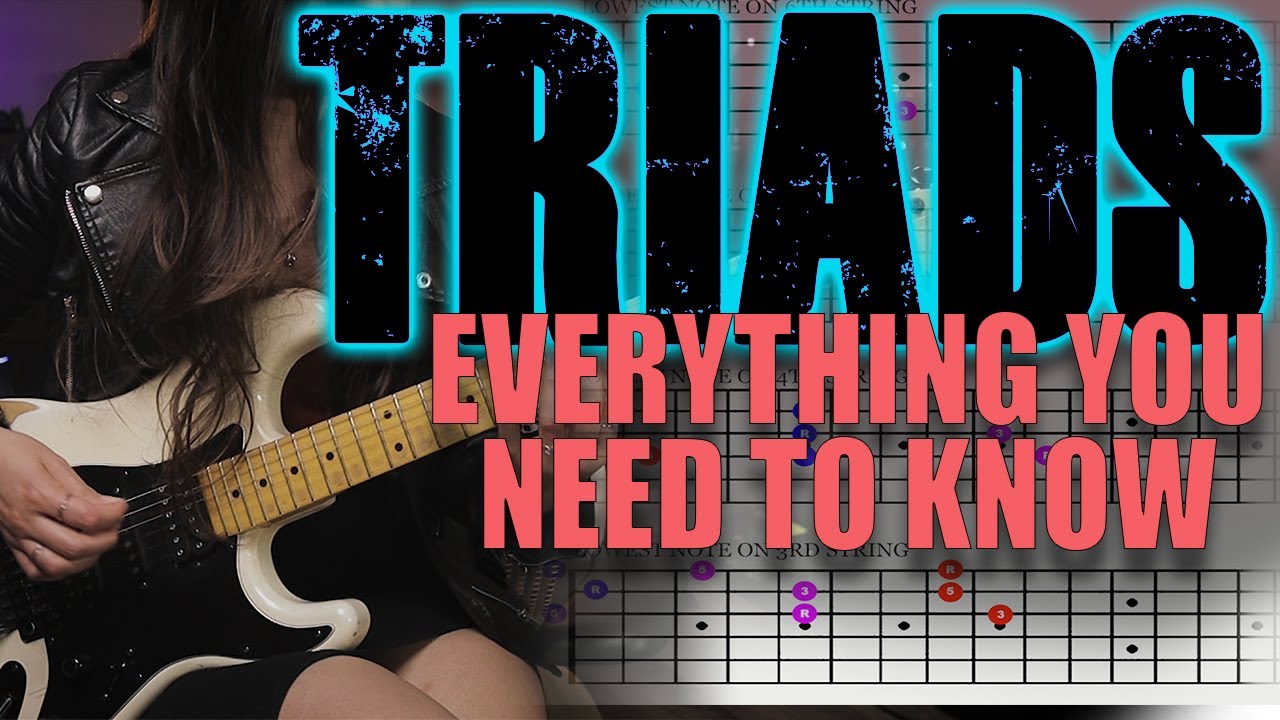
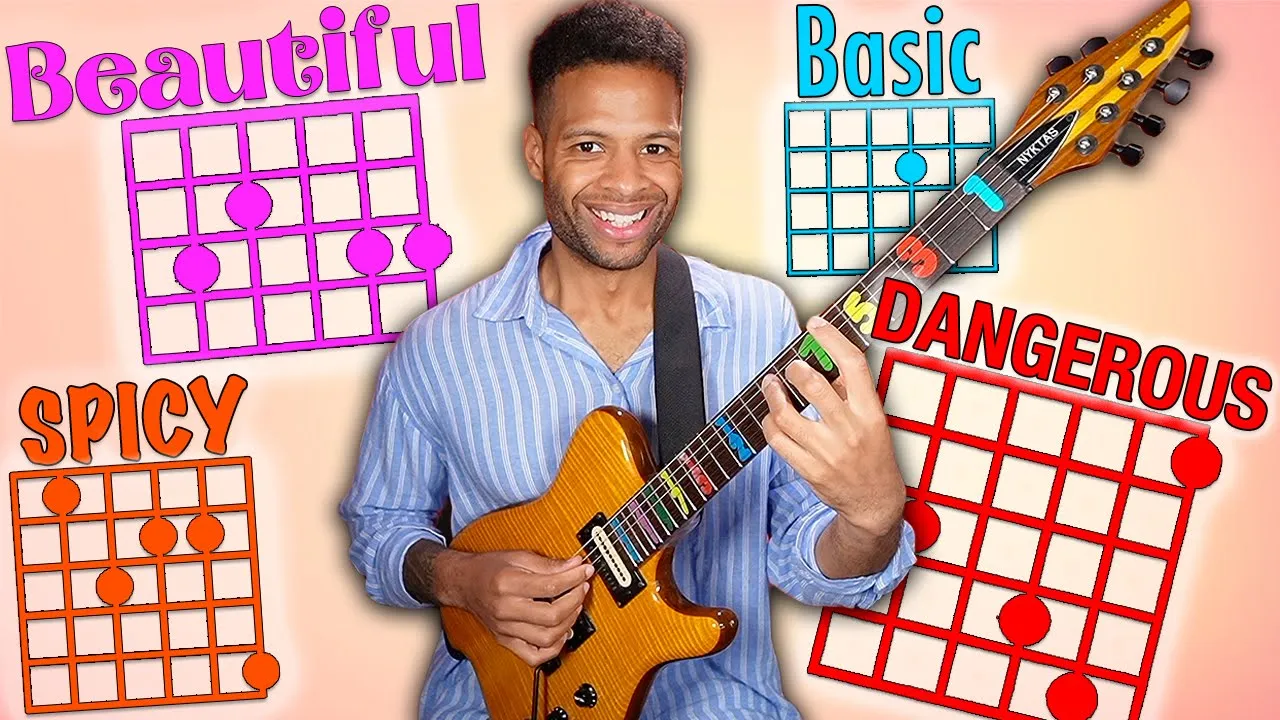

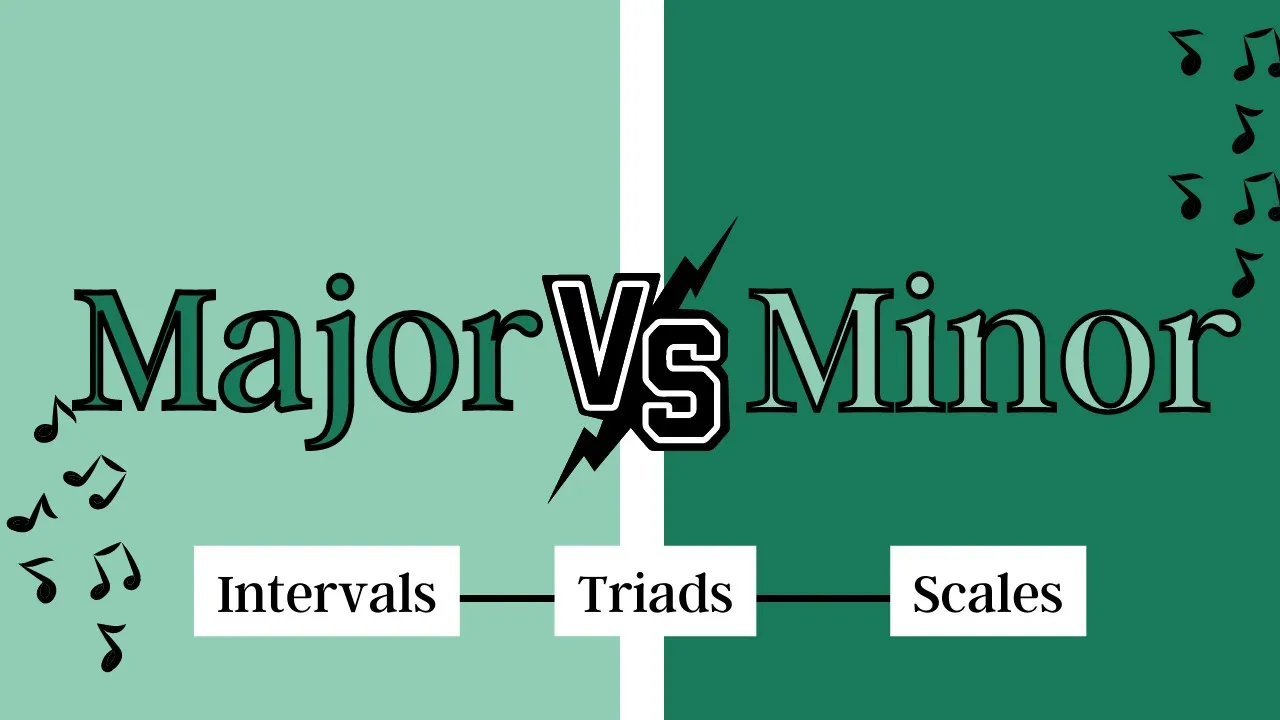

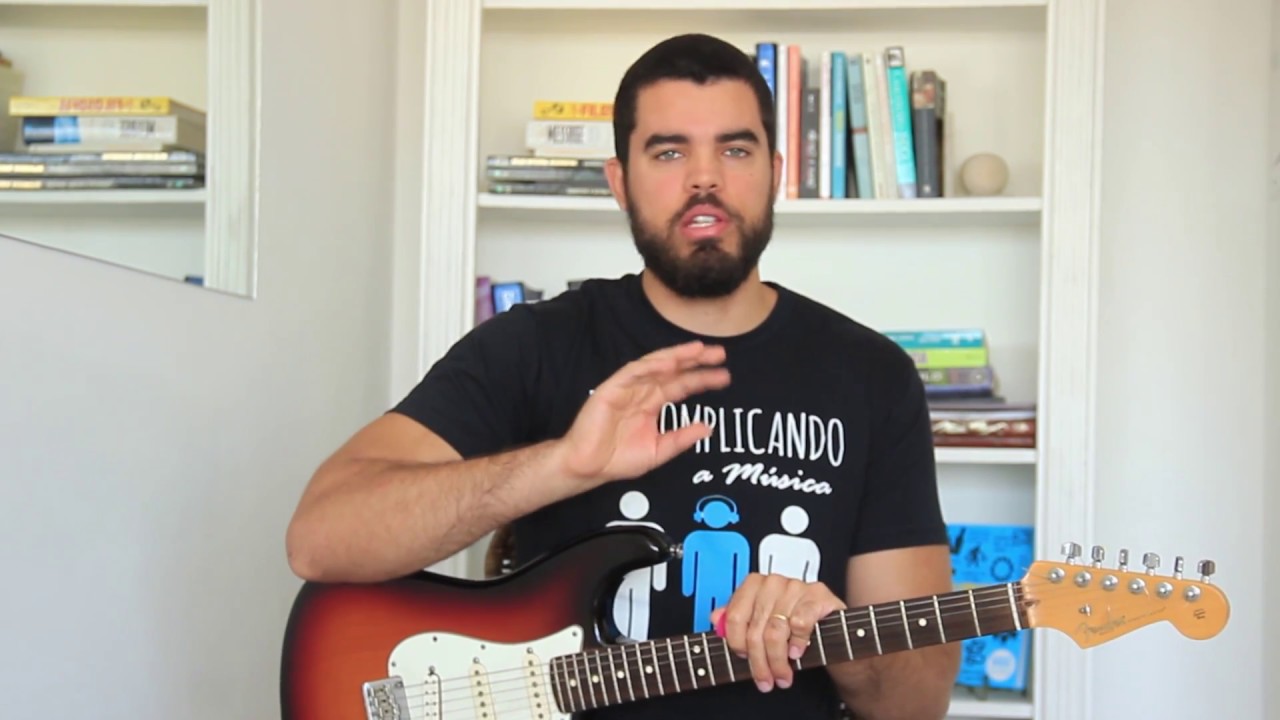








Intervals are the distance between any two notes, and each interval has a unique sound that can be recognized by ear; the major scale contains seven intervals (major second, major third, perfect fourth, perfect fifth, major sixth, major seventh, and perfect octave) that naturally occur within the scale, and learning to identify them by sound through personal associations and singing helps musicians understand music theory and express their musical ideas more effectively.
Music Theory Intervals: A Beginner's Guide to Scale Fundamentals
Added:The musical alphabet (A through G) and the concept of sharps and flats.
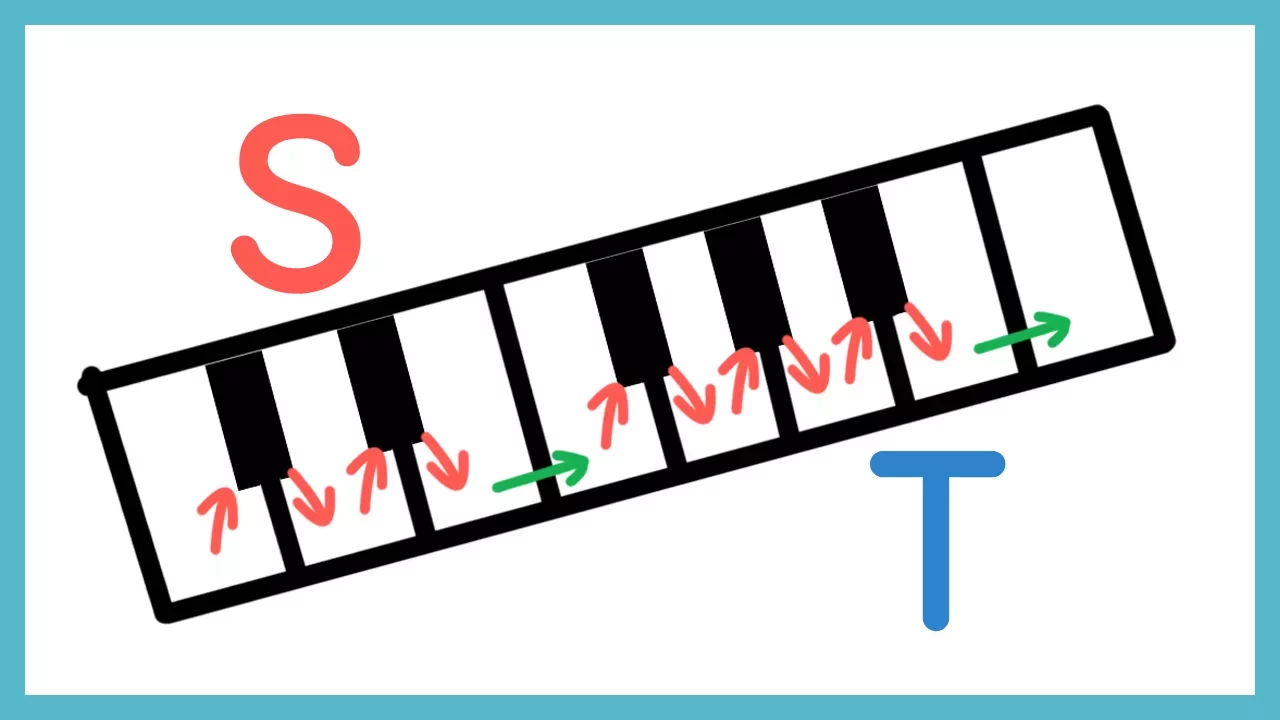
The difference between whole steps (tones) and half steps (semitones).
The basic formula and construction of a Major Scale (Whole-Whole-Half-Whole-Whole-Whole-Half).
Basic familiarity with fretboard layout, specifically how notes are arranged on a single string.
Constructing basic triads (major, minor, diminished, and augmented chords) using root, third, and fifth intervals.
Understanding natural minor scale intervals and comparing them to their major scale counterparts.
Exploring interval inversions and their role in understanding chord voicings.
Developing advanced ear training skills to transcribe simple melodies and identify chord qualities by ear.
Applying interval shapes to fretboard visualization for lead guitar playing, improvising, and mapping arpeggios.
249 views28likes13:41Original Release: 2025-06-11
In this video, we're going to take a look at an introduction to intervals.
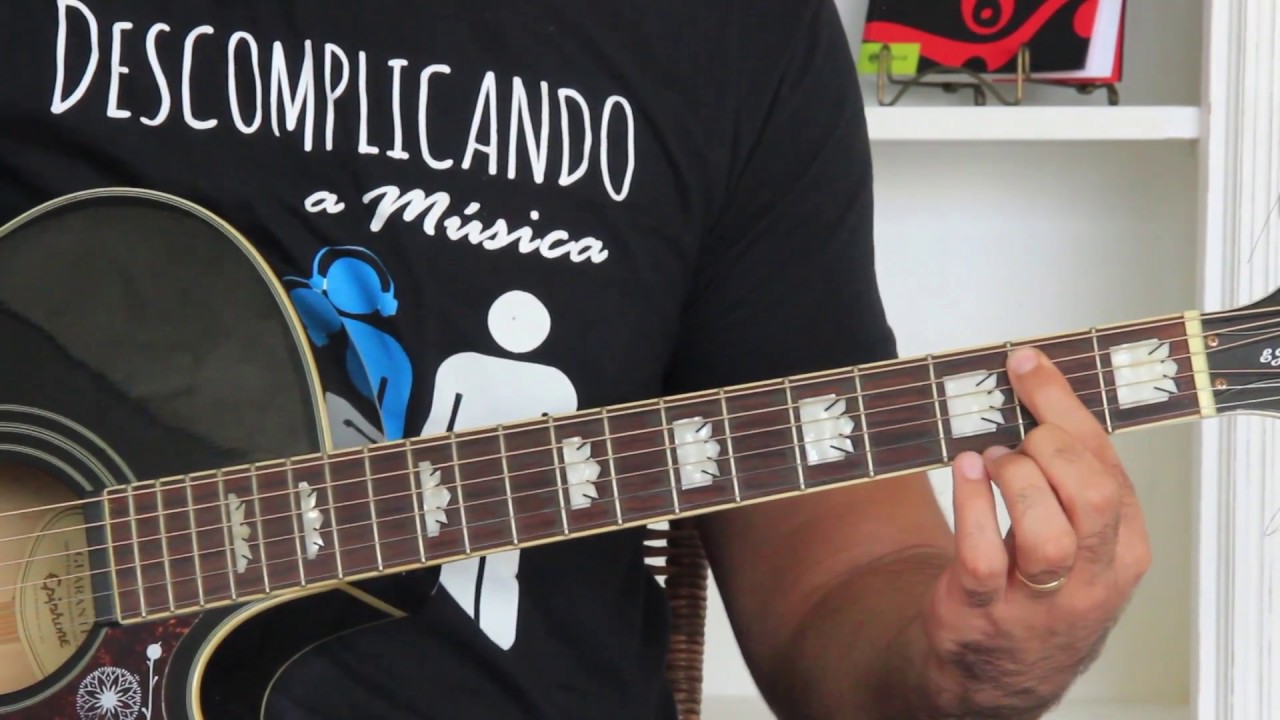
Intervals is going to be a big game changer in terms of being able to make sense of theory on the fretboard, as well as your ability to express your musical ideas with it. So, let's check it out. The first thing you want to do here is study the major scale and its intervals. So, what I'm going to do is show you how to play a C major scale one octave.
This is going to consist of fifth string, third fret C, fifth string, fifth fret, D.
Over to the fourth string, we're going to play 2, 3, and five. And that's going to give us E, F, and G.
Finally, we're going to go to the third string and we're going to do 2, four, five, or A, B, and C. And if you play it all together, you get the very familiar sounding major scale or the song you learned as a kid, do reoid.
[Music] Now, what we're going to do with this scale is we're going to break it down in terms of its intervals. Now, what is an interval? An interval when it comes to music simply means the distance between any two notes or the space between them.
What you're going to find is as we break this down, each interval will have its own sound or unique character, uh perhaps a song that it'll remind you of.
And what we're trying to do here is recognize these little hints that every interval will give us. Try to register it mentally so that we can recall it later. And this is going to provide a benefit that I'll explain at the end of the video. But let's take a look at our C major scale in terms of the intervals.
The first interval you're going to run into simply is playing the first and the second note of our scale. So in this case, C and D.
That interval is known as a major second or the first and second note of a major scale. Pretty simply.
Now, when you play that or hear that, maybe it doesn't remind you of something in particular, but what I want to do is see if I can get you to think of a song or a phrase that it reminds you of. And I'll tell you what, I'm going to throughout this entire thing, I'm going to give you my own personal references for each interval, things that each interval reminds me of. So, for me, that from C to D reminds me of the old Black Sabbath song, War Pigs.
Now I know it's not in the key uh of war pigs here but it doesn't matter. The interval is the same. It's a major second.
Okay. So whenever I hear I think war pigs and when I think warpigs I associate it with a major second. So that's how I think of that one. Next up will be the major third.
Now, one thing you're going to notice as we progress through these intervals, an important thing to keep in mind is the interval is determined by the low note.
The low note is always going to be, in this case, always going to be the same.
It's always going to be a C. And intervals are named from the low note up. So, here we have a major third.
We're going to have the first and the third note of our scale. So C uh E is going to be our third note, right? C D E. Now, if you play C to E, [Music] it's got a drastically different sound and vibe than the major second, right?
Major 2 was that major third.
It's different. What does it remind you of? For me, I get a very happy, bright, cheery backwards. It's a doorbell.
[Music] Most doorbells anyway.
And there's a good reason why your doorbell is attuned to a major third. It's pleasant and it makes you want to open the door.
So, there's the major third. Whenever I think of that, I think of a major chord or just sounds happy.
Next up, we've got what they call the perfect fourth. And that would entail, surprise, surprise, the first note and the fourth note of our scale. In this case, C and F. C D E F.
Again, quite a bit different than the other two intervals so far.
[Music] What does it remind you of? For me, it reminds me of can't remember the name of the song for the life of me. It's an old classical piece. I know. I'm going to get roasted in the comments for forgetting this one.
But whenever I hear the major, sorry, whenever I hear the perfect fourth, that's what I think of. I hear that song jump out and then I know, h that is a perfect fourth.
Okay, next up is what they call the perfect fifth. So once again, the first note will be C and then the fifth note of the scale. C D E F G instant. This is almost universal.
Whenever people hear these two notes, what do you think of? You got it. Star Wars, [Music] right?
So the perfect fifth also a power chord.
You know if you think about uh playing rhythm guitar or whatever perfect fifth played in unison is a power chord. If you break it up melodically or intervalically it sounds like Star Wars.
Okay, moving on. We got what they call the major sixth. the first note and the sixth note. In this case, A. C, D, E, F, G, A.
Now, I got to say, I struggle with this one in terms of trying to find a song that it reminds me of. I'm sure there's one, but instead I get a I get a a more general impression from it. And I'll I'll try to explain this one. When I hear this one, the high note sounds like it wants to go somewhere.
To me, to my ears, it wants to drop.
It sounds like it wants to go down to the fifth, right? The fifth is a very warm interval. It's one of the notes that you're going to see in a major or a minor chord, the two most common chords on the planet. The sixth sounds like it wants to be pulled down towards the fifth. And believe it or not, that's how I'm able to identify the sixth is that it's it sounds pleasant, kind of curious sounding, but to me it sounds like it wants to drop to the fifth. So that's how I know I've got the major 6th. Again, for you, you might play these two notes, and you might think of a song, a melody or whatever that it can remind you of.
Uh, but for me, it's uh it's the drop.
It makes the impression of me wanting to drop it down to the fifth.
Okay, next up, the major 7th. First note, seventh note of our scale. 1 2 3 4 5 6 7. That's going to be a B. Now, this one, this one's not hard to figure out once you realize how tense it is and why. Why would it be so tense sounding sounds nervous?
Well, there's a very simple reason.
Let's take a look at the last interval.
Perfect octave.
A perfect octave is a C and a C. They're literally the same note. eight scale steps apart. And that's where octave comes from. Octa meaning eight 2 3 4 5 6 7 8. You end up at the same note eight steps up. Well, obviously if it's the same note, a lower and a higher version, you can't get any you can't get any more perfect of a thing. They they belong together. So if the note you're listening to, the seventh, is one fret away. It's so close to being home, so to speak, right? It just begs to be resolved to the octave. You really want the C to match up with the C cuz they're buddies, right?
So, whenever I hear that, that nervousness, it's like, I'm so close to being home. Please open the door.
And then you get your perfect octave.
So, quick recap. You have the major second, which for me is war pigs. You have the major third, the first and third note. That to me is very happy sounding. Most people would agree with that.
Very warm.
Perfect fourth is up next.
This is the forgotten classical piece that I can't remember.
Night music something. I know I'm terrible. Perfect fifth is Star Wars.
First and fifth note. The major sixth.
That's the one. Again, to me it sounds pleasant enough, but it sounds like that a that sixth wants to drop and resolve to to the fifth.
major 7th is the nervous so close to home but not quite and then the perfect octave and more home.
So these could be thought of as the major intervals meaning ones that naturally occur and live within the major scale. Um, in another video we're going to take a look at others as well, like the ones that occur in minor keys and uh, diminished intervals and things like that. I'm going to save that for another video. There's enough here to digest for now, for sure. One thing I wanted to mention though about getting good at this is not only coming up with associations, whether you borrow mine or come up with your own, whatever it takes to memorize the sound of these intervals. The one thing you can do to really speed up that process is actually sing them. Now, most people like, you don't want me singing, right? I get it. But even, you know, as long as no one's home, if you can hum the intervals, then you know them inside.
You know them away from the guitar. It's not just a finger fret memorization thing. If you can go [Music] if you can sing the intervals accurately, and I'll show you a couple ways to do that. One thing you can do is play the two notes and then sing them.
[Music] Another way to do it is play one, sing the other one without playing it.
There it is. Major third.
That's the fourth.
You get the idea.
Not easy to do at first if you're uh if your sense of inner pitch is not great, but at first you may want to just literally ghost each note with your voice. So hear the note hum along. Again, if you can associate these intervals internally away from the guitar or not needing the guitar to understand the interval, then you're really going to be able to tap into some really cool things, which is what this whole thing is about. And again, if you're interested in pursuing this further, um, we're going to get further into it. I would definitely recommend also picking up a copy of the book I mentioned because that is going to help with being able to understand the notes we're talking about all over the fretboard. Notice that the whole time we were doing this, we weren't talking about fret numbers so much. It wasn't about two to five to three to whatever.
We were talking about notes, actual notes. A lot of guitar players aren't as good at knowing them on the fretboard as they should be. And that's exactly what that book is all about. Regardless, we're going to take a look at other intervals coming up. Let me know what you think of this in the comments. I would be very curious to see how far into this you are and if the approach we looked at here is making sense for you.
Check it out and I will catch you in the next video.
Up Next

1:07
Why Are Parallel Fifths Forbidden? Music Theory Explained
@MusicaUniversalis
328.5K views•2026-04-15

10:20
Mozart's Musical Dice Game Explained: History, Rules, & Fun
@webpianoacademy
5K views•2023-03-13

47:36
Understanding Diatonic 7th Chords in Major Keys | Music Theory Tutorial
@GracieTerzian
54.7K views•2022-03-02
10:49
Understanding John Coltrane's Giant Steps: A Music Theory Analysis
@Vox
10.4M views•2018-11-12
Related Study Plans & Knowledge Roadmaps
Structured learning paths in Music Theory
music-theory
Composing Galant Music: Partimento & Schemata
01Foundations of Figured Bass and Keyboard Harmony
02The Rule of the Octave (Regola dell'Ottava)
03Galant Schemata: The Building Blocks of Form
+ 2 more learning modules
30h5 modules
Explore Roadmap
music-theory
Decoding Overtone Series: Tuning & Drone Music
01Acoustic Foundations: The Physics of the Overtone Series
02Tuning Systems: Equal Temperament vs. Just Intonation
03Microtonality and Spectralism: Beyond Standard Pitches
+ 2 more learning modules
24h5 modules
Explore Roadmap
music-theory
Impressionist Harmony: Scales, Planing & RPGs
01Foundational Music Theory: Keys, Intervals, and Seventh Chords
02Impressionist Color: Chord Planing and Parallel Harmony
03Whimsical Textures: Pentatonic Cascades and Whole-Tone Scales
+ 1 more learning modules
14h4 modules
Explore Roadmap
music-theory
Negative Harmony: Axis Reflection in Indie Pop
01Music Theory Foundations: Scales, Intervals, and Triads
02Functional Harmony and the Circle of Fifths
03Demystifying the Negative Harmony Axis Reflection
+ 2 more learning modules
16h5 modules
Explore Roadmap