Analyzing Film Motifs: Props & Family Trauma
Learning Goal: Analyze the metaphorical evolution of recurring physical props and tactile motifs in auteur cinema to determine how static objects function as externalized representations of repressed familial trauma.
- Prerequisites: Basic understanding of cinematic narrative structures, introductory film terminology, and foundational psychological concepts.
- Estimated Total Study Time: 14 hours
Module 1: Mise-en-Scène: The Language of Cinematic Objects
This module introduces the visual grammar of cinema. Students will learn how filmmakers deliberately choose, place, and use props, costumes, settings, and lighting within the frame to construct layers of subtext. By mastering the fundamentals of mise-en-scène, students will gain the visual literacy needed to transition from reading basic plot points to decoding implicit psychological and symbolic meaning in physical objects.

Why this video
This video provides a concise starting point for structural visual analysis. It establishes the baseline definition of mise-en-scène as "the world of the film," highlighting how props and clothing are critical tools used to establish aesthetic consistency and reveal character identity before a single line of dialogue is spoken.
- Knowledge Checkpoint:
- Define the literal and analytical translation of mise-en-scène.
- Explain how a character's physical environment can communicate their internal socio-economic or psychological status.
Why this video
Using the clinical precision of Stanley Kubrick's films, this video details how directors intentionally organize spatial relationships and block physical elements. It demonstrates how composition, set design, and prop placement work together to guide the viewer’s eye and signal structural power dynamics.
- Knowledge Checkpoint:
- Describe the process of "blocking" actors in relation to static props in a scene.
- Analyze how spatial symmetry or asymmetry within a frame can convey thematic tension.
Why this video
This deep dive explores how physical props transcend their basic narrative utility to become symbols of character identity, thematic pillars, and emotional anchors. It provides a historical and analytical taxonomy of how everyday objects gain narrative weight through deliberate framing, repetition, and character interaction.
- Knowledge Checkpoint:
- Differentiate between a simple plot-device prop (such as a key or weapon) and an "emotional anchor" prop.
- Explain how a physical object can carry and communicate a character's identity and psychological evolution over the course of a film.
Module 2: Auteur Theory and Recurring Visual Motifs
This module explores Auteur Theory, focusing on how a director's unique artistic vision manifests through repeating visual elements. Students will study how signature filmmakers imprint their personal anxieties and obsessions onto their work. We will examine how recurring motifs are used not just for stylistic consistency, but as a deliberate language to communicate complex, running subplots beneath the main narrative.
Why this video
This video places Auteur Theory within a broader academic context. It outlines how assigning primary authorship to a filmmaker allows us to analyze their body of work as a unified, evolving canvas. This perspective is essential for understanding how repeating props serve as an auteur's personal symbolic signature.
- Knowledge Checkpoint:
- Explain the core tenets of Auteur Theory and how it shifts the analysis of a film from a collaborative effort to an individual director's perspective.
- Identify how an auteur's personal life experiences find expression in their recurring visual motifs.
Why this video
Tracing the origins of Auteur Theory back to the French New Wave and the critics of Cahiers du Cinéma, this short essay explains the historical context of the theory. It clarifies how recognizing the director as the "author" changed the way we interpret visual patterns and symbolic consistency across a filmmaker's career.
- Knowledge Checkpoint:
- Identify the historical movement and publication where Auteur Theory was first formulated.
- Explain how the concept of the director-as-author legitimizes analyzing visual repetitions as intentional thematic statements.

Why this video
Using Alfred Hitchcock’s Vertigo as a case study, this video analyzes how visual motifs (such as a character walking through a doorway) gain thematic resonance through repetition. It shows how recurring spatial actions and visual framings mirror a character's psychological obsession and shifting identity.
- Knowledge Checkpoint:
- Define what constitutes a "visual motif" in cinema.
- Describe how repeating a specific framing or visual setup changes its meaning for the audience when seen later in a film.
Module 3: Psychoanalysis of Trauma and Externalization in Art
Note: In accordance with curriculum recommendations, this module has been moved up to precede sensory visual aesthetics, ensuring students master the psychological frameworks of externalization before exploring tactile visual design.
This module examines the psychological frameworks of repressed family trauma, Freudian projection, and defense mechanisms. Students will study how characters externalize their internal wounds onto their physical surroundings. This foundation explains how static, everyday objects can be transformed into expressions of deep-seated grief and anxiety.

Why this video
This lecture establishes the foundational Freudian concepts essential for psychoanalytic film theory. By exploring the tripartite model of the psyche (Id, Ego, Superego), it lays the groundwork for understanding how unacceptable impulses and unresolved traumas are managed by the conscious mind.
- Knowledge Checkpoint:
- Map Freud's model of human subjectivity (Id, Ego, Superego) to character motivations in drama.
- Explain the basic relationship between the unconscious mind and the conscious externalization of desire or fear.

Why this video
This lecture focuses on ego defense mechanisms: repression, suppression, and projection. It explains what happens when the conscious mind cannot contain traumatic experiences, forcing the ego to push these memories down or project them outward onto external targets—such as environment, peers, or physical objects.
- Knowledge Checkpoint:
- Distinguish clearly between psychological repression, suppression, and projection.
- Analyze how a character might project repressed guilt or trauma onto a physical object in their immediate environment.

Why this video
This video explores the Freudian concept of "the return of the repressed." Using the cultural metaphor of postwar cinema, it demonstrates how deeply buried societal and familial trauma cannot remain suppressed forever. Instead, it inevitably resurfaces, often in distorted, monstrous, or symbolic forms.
- Knowledge Checkpoint:
- Define the Freudian concept of "the return of the repressed."
- Explain how a physical object or entity in a film can serve as a symbol for a historical or familial trauma that characters refuse to speak about.
Curriculum Gap Alert: Structured academic lectures on advanced psychoanalytic film theory (specifically details on how repressed trauma is projected onto physical props) are limited in public video spaces.
Independent Study Recommendation: Students are highly encouraged to search academic libraries or open-courseware platforms for: "Psychoanalytic film theory projection of trauma" or "Freudian defense mechanisms in auteur cinema lecture" to supplement their reading on the psychological externalization of trauma.
Module 4: Sensory Cinema: Texture, Scale, and Close-Ups
Note: In accordance with curriculum feedback, this module has been renamed from 'Haptic Visuality and Tactile Motifs' to 'Sensory Cinema: Texture, Scale, and Close-Ups' to align with video analyses of cinematic realism, indexicality, and tactile design.
This module explores the visceral, sensory dimensions of film. Students will study how filmmakers use micro-texture, extreme close-ups, and the physical qualities of celluloid or high-end sensors to evoke physical, sensory responses in the audience. By studying how characters touch and interact with props, students will learn how directors translate emotional pain and buried trauma into physical sensations.

Why this video
This video essay explores the decline of physical texture in modern digital filmmaking, contrasting it with the tangible realism of older films. It introduces the concept of "indexicality"—the direct physical connection between reality, celluloid, and light. This idea is central to understanding how physical textures evoke sensory empathy in the viewer.
- Knowledge Checkpoint:
- Define "indexicality" in film theory and explain why physical textures help make a film feel real.
- Explain how a film can engage the viewer’s physical senses rather than just their intellect.

Why this video
Andrei Tarkovsky's masterpiece sculpting in time philosophy relies on texture, natural elements (water, earth, fire), and long, meditative takes. This video explains his unique directing style, showing how he uses physical textures and slow pacing to bypass intellectual barriers and communicate directly with the viewer’s subconscious.
- Knowledge Checkpoint:
- Explain Tarkovsky's concept of "sculpting in time" and how it changes our relationship with the objects on screen.
- Analyze how slow camera movements across textured surfaces (such as damp walls or decayed earth) communicate deep, non-verbal emotional states.
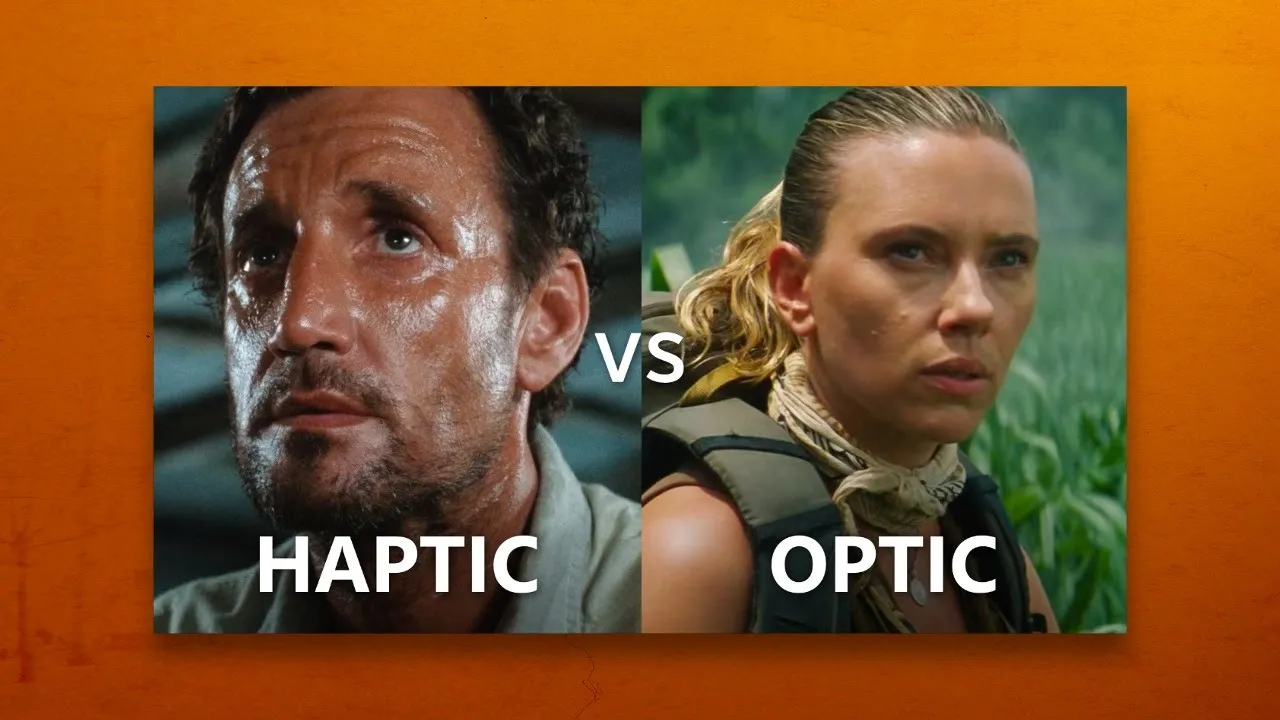
Why this video
This essay introduces the academic concept of "haptic visuality"—the idea that eyes can function like organs of touch. It explains how films create a tactile connection with the audience by emphasizing the texture, weight, and surface details of objects. This helps viewers "feel" the physical reality of the characters' world.
- Knowledge Checkpoint:
- Explain the theory of "haptic visuality" and how eyes can experience touch through film.
- Analyze how a close-up of a character's hand touching a coarse or broken object can evoke a physical sensation in the audience.
Curriculum Gap Alert: Academic videos on phenomenological film theory and "haptic visuality" are rare in mainstream video archives.
Independent Study Recommendation: To explore these theories further, students should read the writings of film theorist Laura U. Marks (specifically The Skin of the Film) and search academic databases for: "Haptic visuality film theory video essay" or "Phenomenology of cinematic touch."
Module 5: Case Studies: Metaphorical Props as Family Trauma
This module synthesizes everything learned so far, applying visual analysis, auteur theory, sensory cinema, and psychoanalysis to contemporary case studies. Students will analyze films where family trauma is externalized and projected onto physical props. We will look at how miniature models, grotesque puppets, and physical conflicts over possessions reveal repressed family wounds.

Why this video
This video analyzes how Ari Aster's Hereditary explores family grief and trauma. It focuses on how the mother, Annie, constructs miniature dioramas of her family's real-life tragedies. This serves as a key example of a character trying to control, repress, and externalize her trauma through a physical prop.
- Knowledge Checkpoint:
- Analyze how the miniature models in Hereditary function as a psychological defense mechanism for Annie.
- Explain how these miniatures visualize the family's lack of agency and their feeling of being controlled by outside forces.

Why this video
This video uses Freudian theory to analyze Matthew Holness's film Possum. It focuses on how the main character carries a horrific, handmade spider-puppet. This puppet serves as a textbook example of a "traumatic object" and a physical manifestation of repressed childhood abuse that the character is unable to destroy.
- Knowledge Checkpoint:
- Apply Freud's concept of the "uncanny" to the physical design of the spider-puppet in Possum.
- Explain why the character is unable to discard or destroy the puppet, connecting this to the psychological reality of repressed abuse.
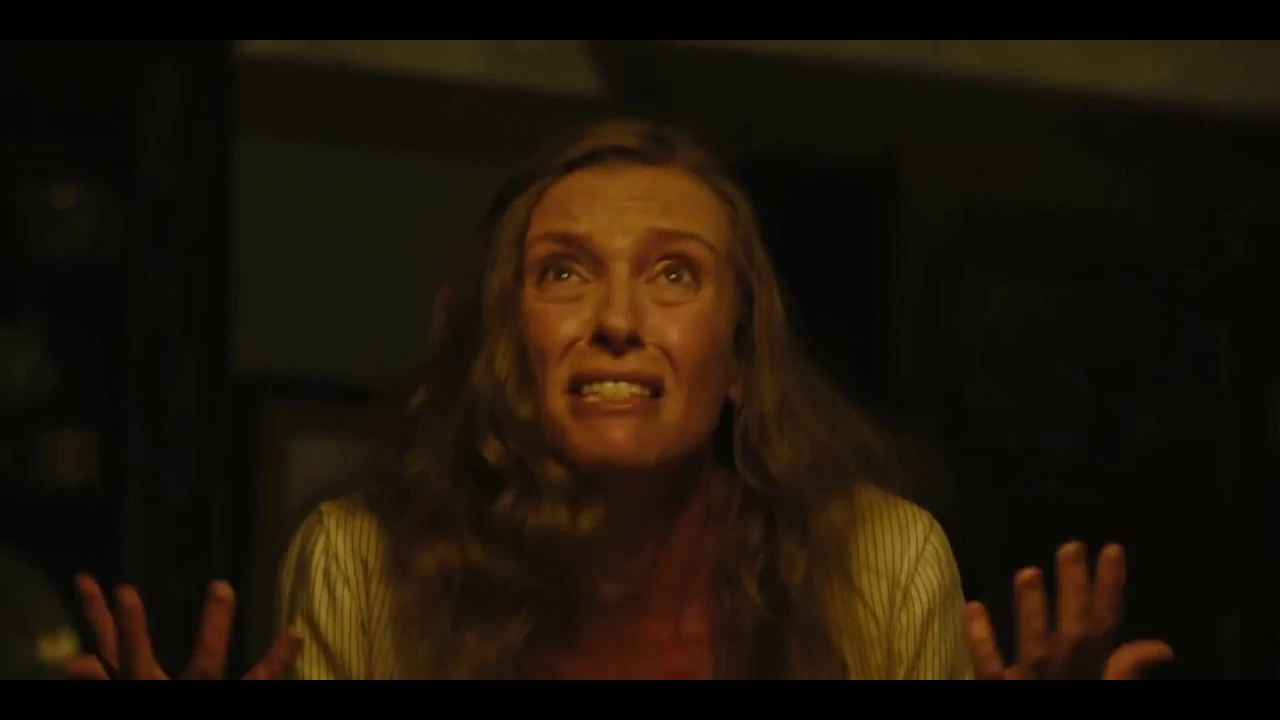
Why this video
This sequence from Hereditary shows how family resentment erupts in a domestic setting. Students will observe how the physical dining table and the act of eating become tense and claustrophobic. This illustrates how family trauma can saturate everyday physical objects and spaces.
- Knowledge Checkpoint:
- Analyze how physical distance and blocking around the dining table reinforce the emotional distance between mother and son.
- Describe how a simple family meal can be transformed into a symbol of shared, unspoken guilt and trauma.
Curriculum Gap Alert: While modern case studies (Aster, Holness) are well-covered, detailed visual analyses of classical auteur films (such as Ingmar Bergman's Cries and Whispers) are underrepresented in online video essays.
Independent Study Recommendation: Students are encouraged to write their own analyses or search text archives for: "Ingmar Bergman Cries and Whispers object symbolism and grief" to balance their understanding of modern and classical auteur cinema.
Course Map
Below is the recommended learning path. It shows how the modules build on each other, moving from visual fundamentals to psychological theory, tactile aesthetics, and finally, complex case studies.
Key People Index
- Andrei Tarkovsky (1932–1986): Russian auteur director who revolutionized cinema with his concept of "sculpting in time." He rejected traditional editing in favor of long takes, natural textures, and a sensory-first approach to filmmaking.
- Alfred Hitchcock (1899–1880): British director who pioneered psychological thrillers. He mastered the use of repeating visual motifs, camera angles, and symbolic props to mirror his characters' mental obsessions.
- Sigmund Freud (1856–1939): Father of psychoanalysis. His theories on repression, projection, the "uncanny," and the return of the repressed provide the core framework for analyzing characters' relationships with traumatic objects.
- Ari Aster (1986–Present): Contemporary American auteur director. He is known for using complex set designs, miniature models, and symbolic props to externalize generational family trauma in films like Hereditary and Midsommar.
- Laura U. Marks (1959–Present): Academic and theorist who coined the term "haptic visuality." Her work explains how films use texture and scale to invite the viewer to experience sight as touch.
Final Self-Assessment
Test your understanding of the curriculum. You should be able to confidently check off each of these analytical tasks:
- Explain how mise-en-scène differs from simple set dressing, using examples of how props carry symbolic meaning.
- Define "auteur theory" and explain how a recurring prop can reveal a director's thematic obsessions.
- Define and distinguish between psychological repression, suppression, and projection in a character's behavior.
- Analyze how a character projects repressed trauma onto a static prop in their environment.
- Explain "the return of the repressed" and how a neglected physical object can represent a family's buried secrets.
- Define "haptic visuality" and explain how extreme close-ups of textures can trigger physical sensations in the viewer.
- Compare "indexical cinema" (physical celluloid and real objects) with digital cinema in terms of tactile realism.
- Analyze the symbolic function of Annie’s miniatures in Hereditary as a defense mechanism against grief and helplessness.
- Apply the Freudian concept of the "uncanny" to the puppet in Possum, explaining why the character cannot throw it away.
- Write a short analysis of a scene from any film where a family conflict is expressed through characters' physical interactions with an everyday household object.