
























Psychoanalytical film theory, drawing from Freud's concepts of id, ego, and superego, and Lacan's mirror stage, explains how cinema creates a passive viewing experience that makes audiences susceptible to ideological messages; the darkened theater and screen function as a mirror where viewers identify with ideal images while their real selves remain passive, and the 'absent gaze' (the awareness of being looked at by an unseen other) combined with Baudrillard's apparatus theory (screen, spectator, projector) creates a dream-like state that facilitates the absorption of ideological content.
Psychoanalytical Film Theory: Freud, Lacan, and Cinematic Ideology
Added:Introduction to Freudian Psychoanalysis, specifically the concepts of the unconscious, repression, and dream analysis.
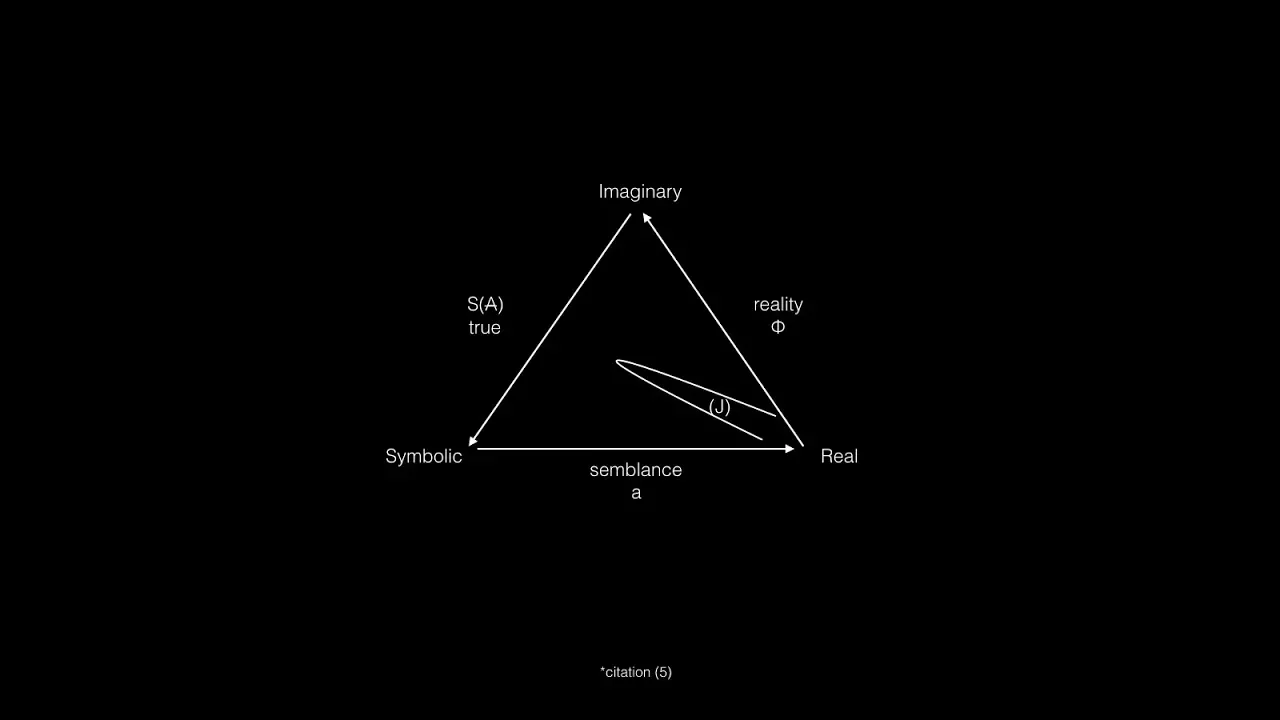
Fundamental Lacanian concepts, such as the tripartite structure of the psyche (the Imaginary, the Symbolic, and the Real).
Basic film analysis terminology and concepts of spectatorship (how an audience relates to the screen).
Marxist theories of ideology, particularly Louis Althusser's concept of Interpellation and Ideological State Apparatuses.
Feminist Film Theory, specifically Laura Mulvey's theory of 'the Male Gaze' and active/passive division of labor in cinema.
Apparatus Theory (such as the work of Jean-Louis Baudry), which explores how the physical setup of cinema reproduces the psychic state of the mirror stage.
The concept of the 'Oppositional Gaze' (bell hooks) and other post-colonial or queer critiques of traditional spectator theory.
Applied psychoanalytic film analysis, using these frameworks to deconstruct specific works of directors like Alfred Hitchcock, David Lynch, or Ingmar Bergman.
134 views7likes21:42Original Release: 2024-03-18
[Music] hi students welcome to another session we're talking about film studies we have completed three modules and we are going into the fourth module so this module is going to be all about um psychoanalytical theories about gender representation of cast and class and religion in cinema and we're going to basically look at some of the film philosophies that we can use to understand Cinema so let's begin this is unit one we're going to look at psychoanalytical film Theory you must have studied um about psychoanalytical Theory iies and I'm hoping that you're familiar with Freud and lean so I'm going to use Freud and lean to talk about psychon analytical film theories so most of the psychon analytical film theories are U sort of um shaped out of some of the fundamental concepts developed by Freud and Le so let's take a look at some of them I'm not going to elaborate on the psycho anate theories because because uh we don't need to study all of them but I'm hoping I'm presuming that you do know some of them so let's just look at some of those theories which are absolutely necessary to understand psychoanalytical film theories so from Freud what we need to remember is about the differentiation between id ego and super ego so when you understand a human mind we need to remember according to Freud that a human subjectivity is sort of divided between id ego and super ego id being our primordial emotions mostly uh very Primal requirements and then the ego which is mostly about are repressed you know it sort of represses what it wants and then the super ego which is all the structures the social structures which tries to keep those emotions at B those three dimensions now when it desires something and ego suppresses it it results in a lot of repressed desires now super ego will create the social framework for this kind of a repression now when your desires are repressed what Happ happens you sometimes deny them you know you you you're constantly in a state of denial you don't want to accept them sometimes you do a kind of projection so you might want something but you might put that on something else what you require is not accessible so you try to project that desire on something else and this kind of repression as I mentioned this repressed desires this repress depression results in some kind of denial and maybe projection and that is what causes this projection happens in in a certain way the projection is you know taking the individual or redirecting the individual towards displaced source of pleasure so you may want something but since that is not available very primordial need is not available so then you will project that on something else so it could be an object which is what we call fetish so you start fetishizing over something else you know fetish for gold fetish for things objects fetish for uh uh feet you know anything it can be a fetish that happens so this is what we want for this film uh you know understanding of a film so this fetish could be about a vision about looking which we call scopophilia that is the pleasure of gaze so when you have repressed desires just I'm just going back to the theory so when you are denied certain Pleasures when you are denied certain needs that that are very primordial uh that is reflected in uh some kind of a projection and this proje ction is uh you know is a is a displaced uh you know pleasure that you are seeking and this can be in the form of gaze looking looking at something right so this has happened because this gaze is a fetish you want to get the pleasure of a gaze which we call scope of failure so I'm going to come back to scope of failure later also not just in this uh unit I will keep speaking about gaze and scop ofilia later as well I hope that is clear to you right now moving on so um the second idea that you might want to remember is that of lean so just keep that in mind the idea of scopophilia the idea of gaze so you wanted something very primordial it is usually uh you know hunger you know the desire to uh for sexual pleasures or you know very primordial requirements and uh when that is denied you are projecting it onto something else and scopophilia or the pleasure of the Gaze can be a very significant uh substitute now moving on to uh lean to understand uh the concepts better lean has a very similar kind of uh you know growth of subjectivity uh you know pattern of growth of subjectivity where he again instead of id ego super ego he talks about three three uh you know uh growth phases being the real the mirror and the symbolic order the real the mirror stage and the symbolic order so what is the real that is when a child is younger than you know isn't is an infant is not able to speak is has not got the the the gift of uh tongue the gift of language so it is a very basic level of human mind it is a state of nature where there is no language the child is not able to comprehend the world with the help of language it is a very basic Natural State the second state is very important which is called the mirror State and for anybody who's doing a psychon analytical film criticism would want to have a good understanding of what a mirror stages so what is the mirror stage the mirror stage is when a child is old enough to look into the mirror and to see an image the mirror image to believe that this image is the ideal because the child understands its own imperfections it sees the image as the ideal other so there is an ideal and an imperfect self so in this in this stage the child is not aware of or does not have a sense of self but sees this as two entities one the ideal and the other the imperfect so this is a very important stage to understand Cinema okay to we will come back to it later and the third is a very simple one the symbolic order where we the child has learned language the child is now in the realm of language and is aware of thoughts feelings Concepts and is able to communicate with the help of language so he or she has learned to use language and is now living in the world of symbols so let's not go into the concept now just understand these three basic uh spaces now coming to the mirror stage and in the concept of Cinema um you need to understand that um the mirror stage is very significant in the understanding of Cinema so Christen Mets one of the film critics he said the screen is like a mirror where the self disappears you know as you're watching a movie the self disappears The Spectator becomes entirely the other so there is a subject position that we we need to understand here so there are a lot of theories around this as you're watching a movie what happens in the theater so we are sitting in the theater and how does this I'm trying to explain how this whole mirror uh idea works because when you're sitting in the uh in the theater it is dark there are no lights the experi even when you have gone for a movie with 10 other people the the the visual the watching experience happens uh in a very individualistic manner you're sitting alone and you are watching you're looking at the screen and you're like you're here now like a child who understands the imperfections and watches uh the drama unfold on the screen which is like a mirror image you see the idea self there and this you sort of start to understand your imperfect self and the ideal mirror self there so you are you are now looking at an image that you sort of identify yourself with but still not uh identify yourself with because that is the ideal and you are the imperfect um so Christian Mets uh actually spoke about uh this concept uh very interestingly uh of the screen as being a mirror and um the darkness of the movie theater the relative passivity as I mentioned already how you sit by yourself and it is a very individualistic kind of an experience and you are passive you you're not moving so this passivity this relative uh you know um immobility of U the sine subject the person who is sitting and watching the audience uh so this this sort of uh takes you to another level of uh experience and um you know um you kind of feel a sense of uh connection with the image on screen and you start to sort of believe or to sort of share the emotions and passions of the person standing uh or or you know on in the SC that you see on the screen so there is a lack of uh differentiation here then so um this is very significant ific in the way in which Cinema as an ideological uh you know product um you know is to be understood because when you when you try to when you watch a movie the kind the level of interaction the level of connection that you build with the the images on screen is so high that the ideology that it tries to uh sort of put forth also gets across to the audience in a much easier manner now lean as he was talking about uh you know the Gaze he actually talks about how uh you know what it actually means what how significant it is it is this whole idea of this repression and uh scopophilia where you get a sense of pleasure and this pleasure is uh something uh that uh that is uh of extreme importance in the whole film viewing experience when we talk about gaze it's a it's an absent gaze what is an absent gaze it is this um awareness of being looked at and the the fact that it is an absent look absent gaze which means that the Gaze is gone when you see someone look the moment you see see someone look the Gaze is gone and so it becomes an absent gaze now the spectator's look is always preceded or framed by another absent look which is defined as the Gaze so this gaze is a very important component and uh it is this gaze of the other that uh makes film uh film viewing experience uh a very pleasurable experience for for The Spectator now when you look at this gaze you also have to look at the whole experience of viewing uh not just from the perspective of the Gaze but also from the fact that this is happening with the help of a technology within a theater within a theater space and uh bodre here U uses the theory or explains the theory of apparatus talks about apparatus now what is this apparatus says apparatus is a network which includes the screen The Spectator and the projector so there is there is some technological uh you know uh exact technological presence the presence of a technology that uh makes this viewing possible now apparatus is a kind of a simulation apparatus it is like a dream it is like a the theater experience is like a dream so there is there are a lot of um you know similarities that are drawn between the theater experience and the dream so it says that um it's like U it's like a lot of striking parallels that you can see uh between dream and uh Cinema uh it says that it is like um you know you're sleeping you know in the mother's wom so in the in the theater in the dark movie theater um it is almost very similar and uh you are in this position uh uh while you're watching the film and there is uh you know relatively uh uh complete uh immobility for the for the viewer for uh the sine subject you are sitting there almost uh not moving uh watching uh as a passive uh you know sort of uh subject position so uh it is almost like uh a dream that uh and whatever you're watching is like as if you are watching it in a dream you know what happens when you're watching in a dream you are in a nump likee state you cannot you cannot respond you cannot act and in while you're watching a film in the theater it is it is very similar to this experience and the apparatus sort of puts you in this position of immobility and passivity so you cannot uh actually uh uh you know do a lot of things while you are in sleep while you're dreaming uh it uh sleep actually deactivates a lot of your Consciousness or your conscious activities and similarly while you are uh watching a movie also something very similar to this happens where you are just gazing and sort of identifying yourself with the the mirror Ideal Image on the screen and this is one of the reasons why um Cinema becomes uh you know Cinema as or film as an ideological uh product becomes so important you know uh it becomes so much easier to convey your ideological messages uh through a through a film uh you know viewing uh experience so uh the mental perceptions at this point are very minimal as far as uh film viewing is concerned especially in the theater so the simulation very the simulated uh you know experience that Cinema gives through the presence of uh you know the apparatus uh also makes it interesting uh for film critic as to the impact of Cinema on the viewer as I mentioned about bodre and apparatus Theory uh even uh by 1970s um the idea that Cinema is ideological was sort of established and uh because it you know it is believed to be a representation of reality when we know that um it is really not because uh as I've already mentioned the camera cannot be objective the camera uh you know you know gives the illusion of reality and not really reality so it becomes uh you know extremely ideological and the passive viewers cannot really you know as I mentioned earlier the passive viewer who was sitting in the theater uh in know almost experiencing something very similar to uh having a dream um you know cannot really differentiate between the real and the filmic world and this becomes this makes them susceptible to to the ideological positioning that uh you know that that a particular film has so bodri says a film goer is in a dream with the as I mentioned already the darkened room and somebody else controlling your actions you know you are this inactive you know very passive uh consumer or viewer and therefore um you know you sort of absorbs and U sort of internalizes a lot of things as I mentioned earlier about uh probably identifying yourself with certain with the protagonist and um easily absorbing the ideas that you see in this film so there are a lot of studies uh on certain films like um you know something like willly Wonka uh if you have watched the movie Wily Wonka and the Chocolate Factory a film that you can actually do a lot of studies uh from a psychological perspective or a film like the Black Swan uh again a film capable of being read in very interesting ways uh you can actually absorb uh uh you know sorry you can actually uh try to understand a lot of films using the lens that psycho analytical Theory U gives you uh the most interesting uh Dimension is of course um you know this um the whole mirror stage and the the apparatus Theory and the concept of the Gaze which was later developed especially to understand uh you know feminist the feminist um to to understand films from a feminist perspective um so questions can be asked about how does film uh you know construct the viewing subject who is this viewing subject how does film construct that or um or about like how especially in this age of OT platforms and viewing experience being so different from what it was before how do we try to renegotiate with this idea of apparatus uh and um how how does um the technology the newer Technologies uh try to simulate uh this experience of um reality uh using Technologies using new technologies how do they simulate them so these are questions that you can probably ask in this context so this session was all about psychoanalytical film theories I hope you have understood some of it at least the concept of gaze the concept of apparatus Theory and um also about scopophilia scopophilia and gaze probably together and apparatus Theory trying to understand how uh psychoanalysis uh psychoanalytical theories will help you understand the impact of Cinema on the individual how how deep that impact is and why it is important to study Cinema as an ideological uh product and an ideological practice so um please watch the movies and um and read the text that I have listed here and um come back for another session thank you
Up Next
52:42
Art vs. Artist: Analyzing Doctor Who's Twelfth Doctor
@Ladyknightthebrave
327.9K views•2019-07-18

23:14
Visual Analysis Essay: How to Analyze Graphic Novels in College Writing
@nataliepleimann5941
1K views•2020-10-14
4:55
Film Blocking Techniques for Directors: Space, Shapes, Lines
@StudioBinder
1.9M views•2018-07-23

4:00
Evolution of Darth Vader: Anakin Skywalker's Animated Journey Across Star Wars Films
@TellItAnimated
13.4M views•2019-03-30
Related Study Plans & Knowledge Roadmaps
Structured learning paths in Film Analysis
film-analysis
Sensory Cinema: Foley, Haptic Sound & Texture
01Introduction to Film Sound and Foley Artistry
02Micro-Sounds, Textures, and Extreme Amplification
03Haptic Audition and Film Phenomenology
+ 1 more learning modules
12h4 modules
Explore Roadmap
film-analysis
Breaking the Fourth Wall: Mockumentary & Satire
01The Invisible Wall: Basics of Cinematic Illusion
02Looking at the Lens: Direct Address & Character Glances
03The Mockumentary: Satire, Realism, and Complicity
+ 2 more learning modules
12h5 modules
Explore Roadmap
film-analysis
Analyzing the Long Take: Cinema, Space & Ethics
01Foundations of Film Grammar: Montage vs. The Long Take
02Choreography and Mechanics of the Simulated One-Shot
03Phenomenology of Film: Real-Time Spatial Continuity
+ 1 more learning modules
14h4 modules
Explore Roadmap
film-analysis
Anachronistic Music: Period Drama & Subversion
01Foundations of Film Sound and the 'Needle Drop'
02Traditional Authenticity vs. Revisionist History
03The Rise of the Anachronistic Soundtrack
+ 2 more learning modules
12h5 modules
Explore Roadmap