


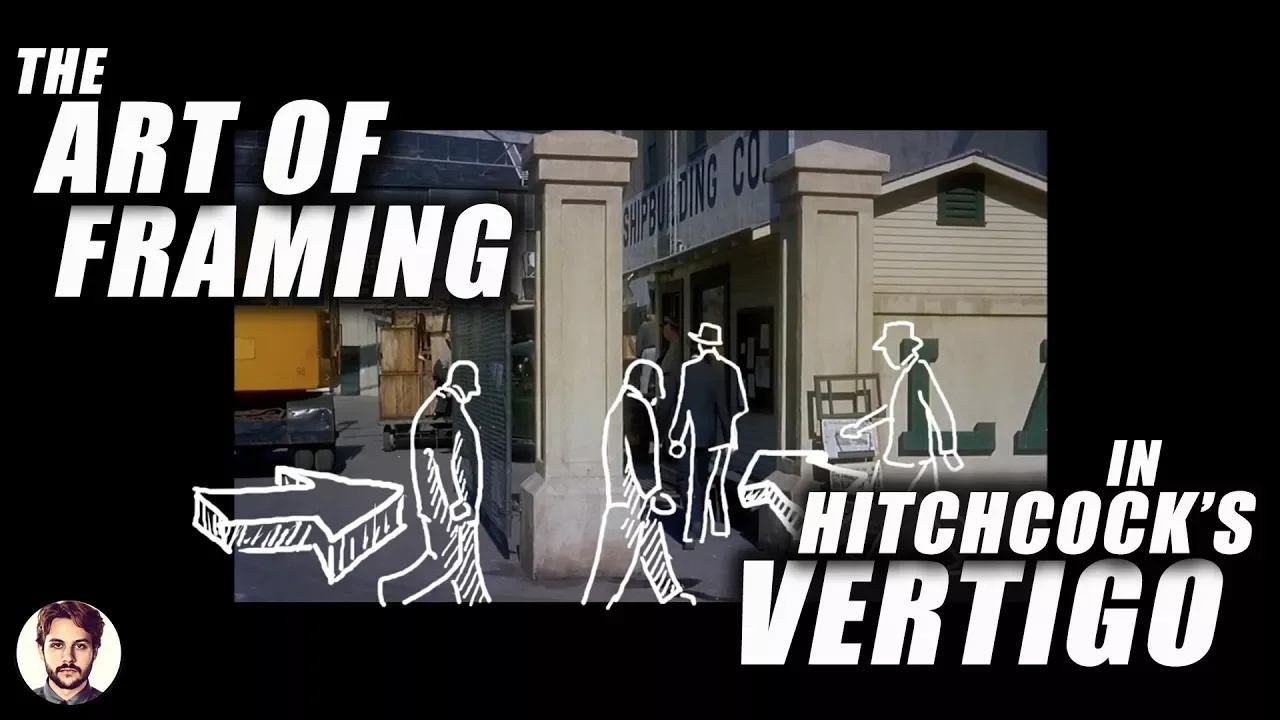


![[영화 다시보기] 알프레드 히치콕 영화 현기증(Vertigo)에 나타나는 구마적(Exorcism) 요소 및 미장센 분석 _ 씬스루](https://i.ytimg.com/vi/0UpfQ6zOYJQ/maxresdefault.jpg)


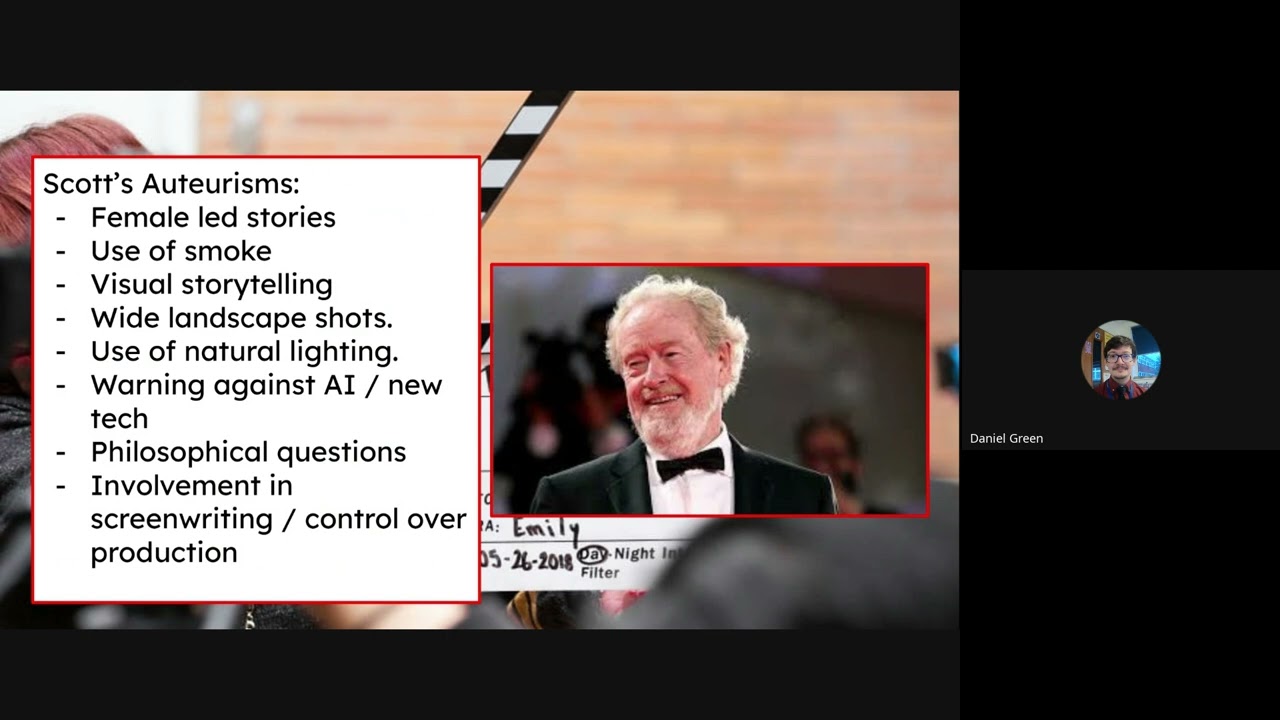












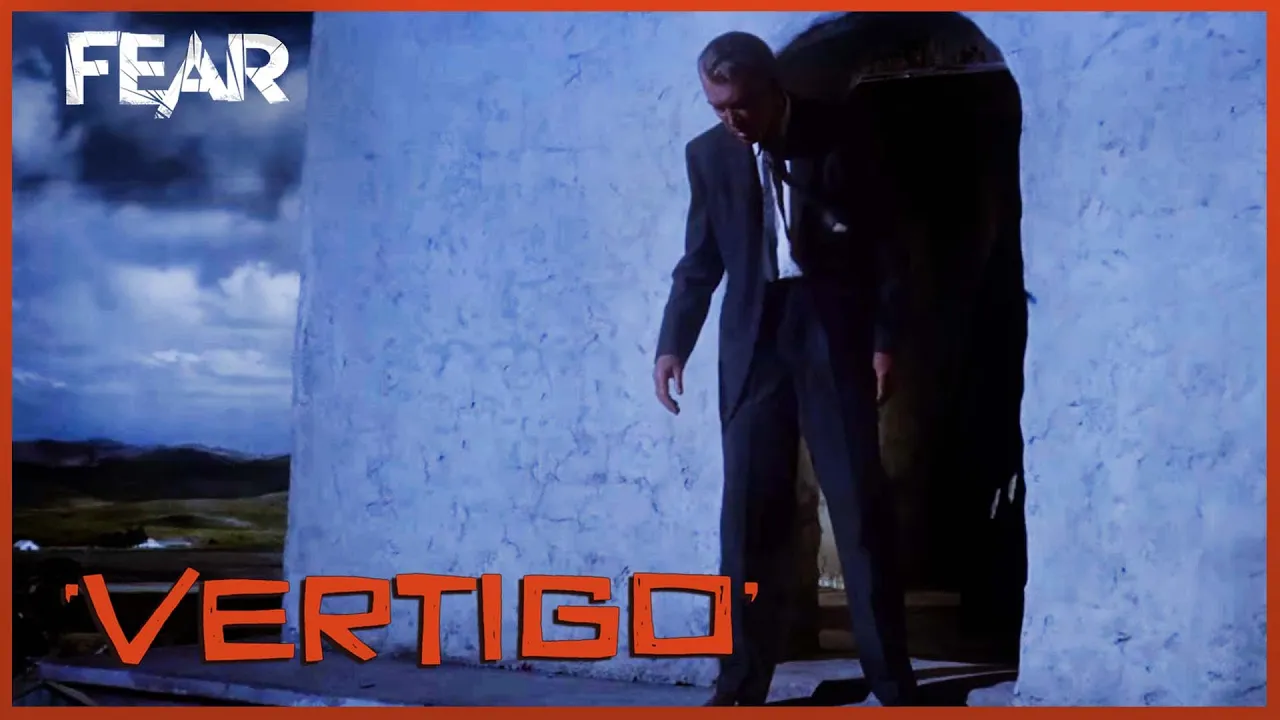


In Alfred Hitchcock's Vertigo, the 'Reincarnation of Madeleine' scene demonstrates how visual storytelling techniques—such as the green color symbolizing obsession, the camera's subjective perspective aligning viewers with Scotty's consciousness, and the 360-degree spinning camera creating psychological tension—work together to convey complex psychological themes of obsession, identity transformation, and power dynamics without explicit dialogue.
Analysis of the Reincarnation Scene in Vertigo | A Level Film Studies
Added:Familiarity with the plot and character arcs of Alfred Hitchcock's 'Vertigo' (1958), particularly the relationship between Scottie, Judy, and the illusion of Madeleine.
A foundational understanding of 'mise-en-scène' and its core elements, including lighting (especially Hitchcock's use of green neon), color symbolism, costume design, and camera movement.
Basic knowledge of Feminist Film Theory, specifically Laura Mulvey's concept of the 'male gaze' and how cinema can construct women as objects of desire and control.
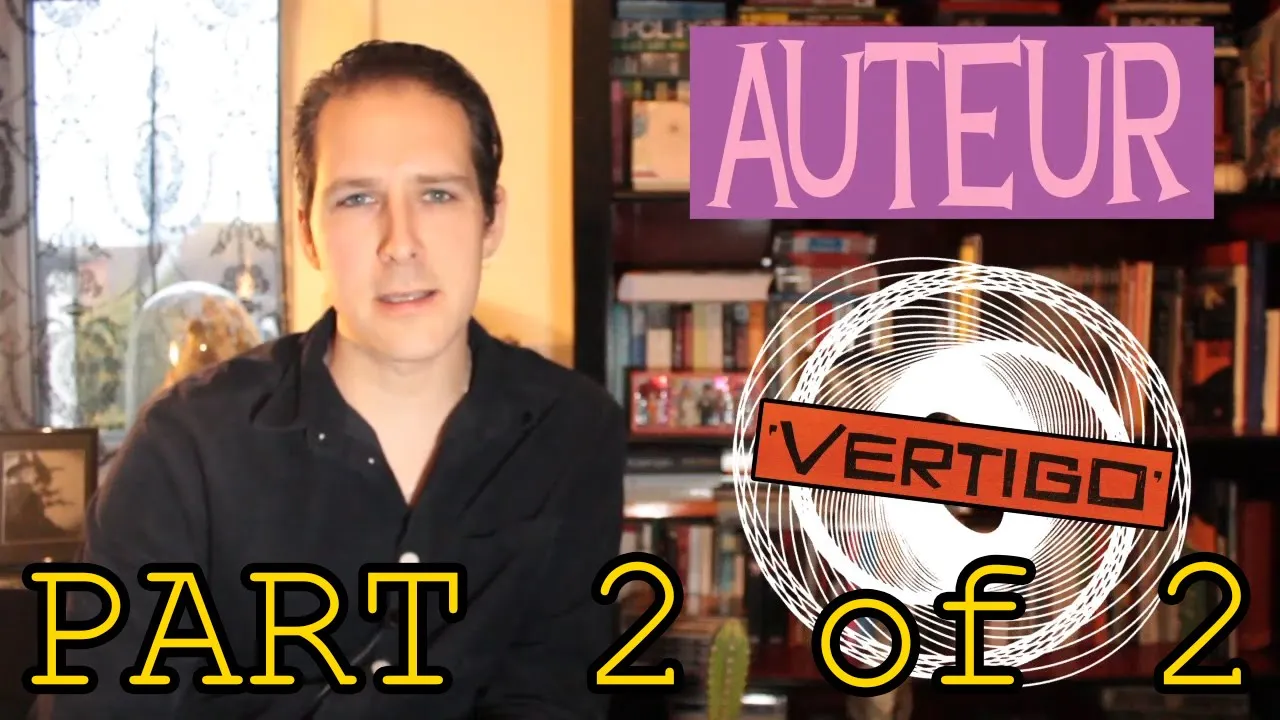
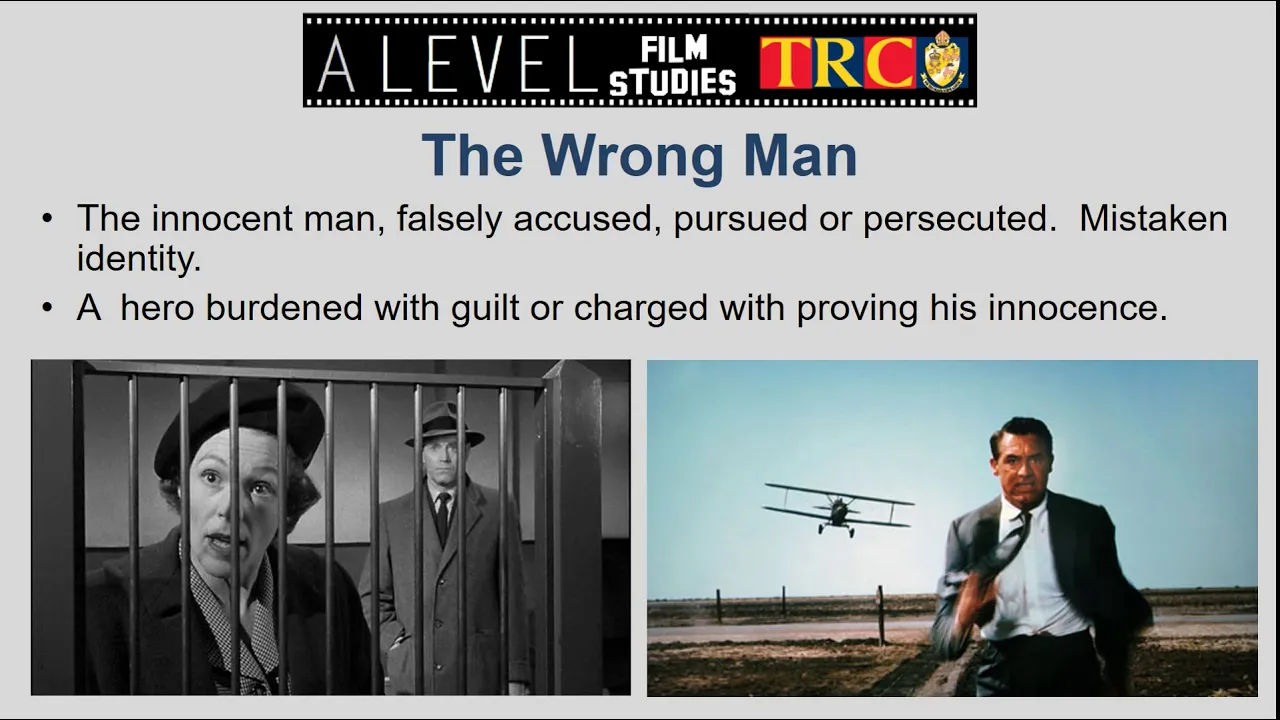
Understanding of Auteur Theory and Alfred Hitchcock's signature thematic preoccupations, such as romantic obsession, guilt, voyeurism, and the uncanny.
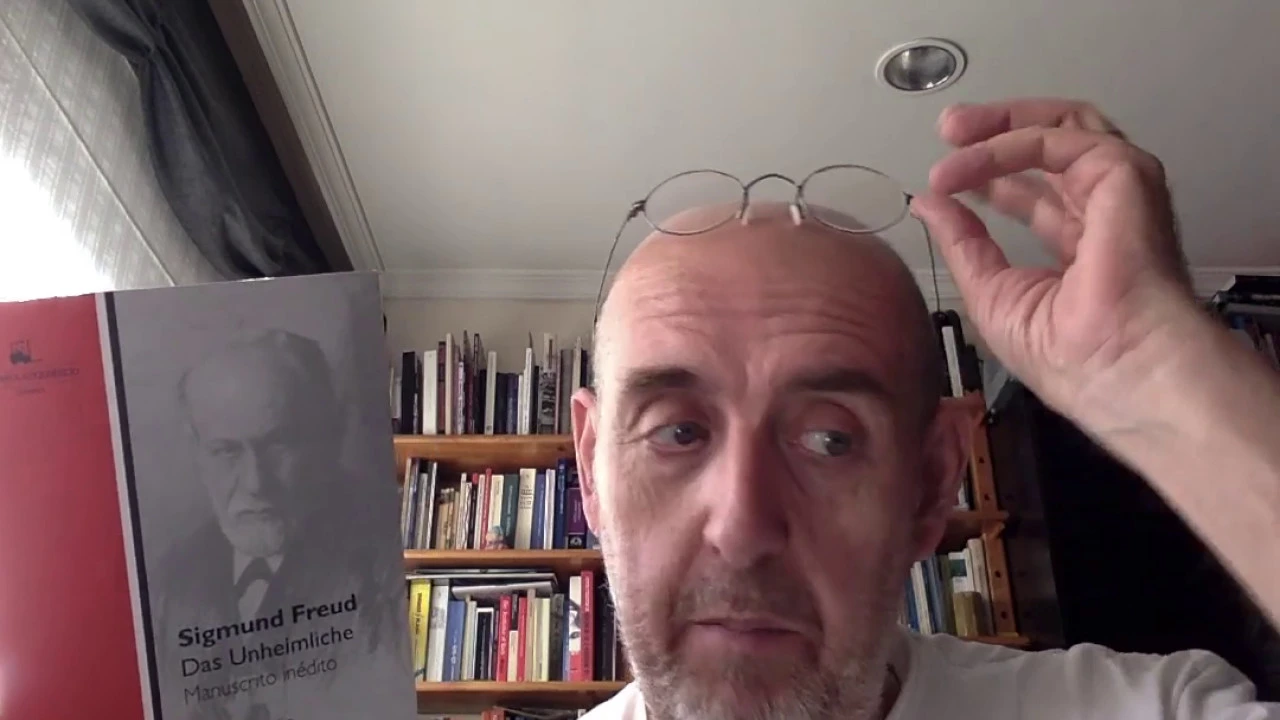
Application of psychoanalytic film theory (including Freudian concepts of fetishism, castration anxiety, and the 'uncanny') to analyze Scottie's psychological state in the film.
Comparative analysis of 'Vertigo' alongside other films that explore male obsession and the artificial construction of femininity, such as Pygmalion narratives or French New Wave responses.
Advanced study of spectator alignment and identification, examining how Hitchcock manipulates camera angles and point-of-view shots to make the audience complicit in Scottie's obsession.
Formulating a critical essay evaluating how the tension between classical Hollywood narrative structures and modern thematic ambiguity is resolved in 'Vertigo's' climax.
2K views52likes13:04Original Release: 2023-04-29
hello muffins okay we are going to have a look at The Reincarnation of Madeleine scene now um hopefully the sound is going to work on this video sorry the last video I did which was intro to Madeleine watching it back I realized that the audio wasn't working on the clip I'm sorry um it's you can watch it back yourself the only thing there's no dialogue in that it was just the sound and the thing you'd want to say is that it comes anyway comes in when we see her climaxes when she stands in front of him anyway back to this this is The Reincarnation of Madeline scene I have to warn you that this scene is a little bit fruity and we have watched an interview with Hitchcock where he says that this is the scene where things get very sexy so um let's have a little through so as the last video for this one we're looking for automotives but there's lots to talk about for interior meaning let's get down to it here we go so Scotty is waiting wait so at this point in the film we've had Judy um we need the audience know that he doesn't [Music] this scene here reminds me a little bit if you know you know I've seen from Dublin Indemnity where um our heroes hiding the Femme Fatale behind a doorway um it was very unusual for um James Stewart James Stewart was like the Tom Hanks of his day he was this All-American good guy and this was an extremely dark role for him um Scotty is like extremely obsessive if you remember in the scenes leading up to this he says things to her like um change your hair it doesn't you know it it can't matter to you um he says um he says he you know he he knows what will look well on on you and you know and she gives into this and it's only once she's completely given in she's at this point she's agreed she said yes okay you can if you change me will it do it oh Judy um so she's agreed to go through this change so and she believes that that is what will um make him fall in love with her but she's not quite playing bald just yet so that's Buster barking so um here she is almost perfect we can Spot the Difference it's the hair so you notice that the music has gone into a minor key here it's full of suspense she's not quite there yet she's like 90 Madeline but she has to be perfect this is an echo of how Hitchcock treated his leading ladies his Hitchcock plants had to be perfect and Scotty is doing the same thing to Judy that Hitchcock did to his leading ladies Reinventing them turning them into this ice cold Hitchcock blonde so the Hitchcock blonde is a Hitchcock motif and this plays with the idea and quite a self-aware way so Judy here still trying to retain some Independence some identity Defiance and do you see the mirror again we have two madeleines in the mirror sorry the dog's barking two madeleines in the mirror and the camera is pushing in there to get this all-important reaction shot and notice how we're we are on the side here of of Scotty and we are gazing at her looking at her [Music] so now she gives in and now the music comes in notice how like the doorway is bathed in this green light green light we know is the color of The Uncanny it's the color of obsession and this scene is positively bathed in this Eerie Green Glow um Hitchcock says that Scotty is indulging in a form of necrophilia he's trying to bring back a dead woman so this green glow this green sort of light that's coming in through the windows is a um kind of ghoulish sort of like stain on this on this scene [Music] so now the camera stays with Scotty the audience stays with Scotty and Hitchcock's said in an interview that this is where he finally gets his Direction so all the way through he's he's lost his Mojo he hasn't been able to perform he has he hasn't been able to listen to Judy [Music] um we know that that is thinking in the scene and see how the camera sticks with him it tilts so in terms of spectatorship we are fine we are aligned so foreign very very tight so she has our back to she we have our back to her we hear the door we and Scotty we both have our backs to her so we just hear the door and the camera is gonna like run the camera is gonna Rush up to get this reaction shot up to up in his face and that is like that movement that push in is like the um that moment of masculinity being regained say it that way [Music] that way so his reaction we haven't seen her yet this is him this is all about Scotty so his reaction his face look how the camera's gonna there she is as if she's stepping out of the San Francisco fog she's she's here she's arrived and now that Madeleine has uh Judy has been completely broken down um now he can have sex with her now he is now he's completely dominated her completely broken her now he can have sex with her so let's see how Hitchcock deals with that scenario and sorry this is the walk so um in the first scene when we first see her she walks through the doorway towards Scotty and towards us she does it again where am I when she comes through the doorway to um towards him in when she's just come out of these the river and she's at his house and now this time this moment this walking towards the camera it's the same walk it's similar look she casts The Shadow so this is quite a long take of um her gaze adoringly at him so remember Hayes code meant no the passion so it could get so we're going to get 360 degree spin we're gonna get lots of kissing and then separating kissing and then separating so it's not gonna be sustained and it's a tightly close up but the 360 degree spin or the music as well does its um but it comes to the climax as well but the the spinning camera um is we are now entered into Scottish Consciousness this is subjective filmmaking um just like what the gem expressionists used to do which is where Alfred Hitchcock learned his trade so we're going into the moment we're going subjective and this is what he goes back to he goes back to the barn where they had um their final kiss with what he thinks is Madeleine um so he is the kiss just sweeps him away to this back to this moment [Music] again there's no dialogue this is all pure Cinema the wrapping one spiral in the hair and now the plastic for lunch this is where the actress leans back and she's almost horizontal almost but not quite so it's kind of like mimicking um sexual sexual positioning and she and his ultimate like she is submissive now against the backdrop of green so she is doing the ultimate Act of submission the the background now is completely green and the music is reaching its height you know this is telling us that Scotty has regained his masculine power the female is now submissive um problem solved the black what could be happening in that rather long Fade to Black after this so a faded black notes um like passing of time and space sorry the dog's still going um so we have um passing of time here but we return to the same space um so we call this the within the edit something has happened this is the Poetics of the edit within this edit something's gone on it has to be a sexual encounter because Madeline is turning her clothes so that change that fit that edit going out of the scene that faded black and then fade up from Black tells us that there's you know something's happening in the edit and you know the implication here there is a sexual encounter so um that is our scene I'm sure there's a few things I've forgotten as always re-watch this video as many times as you can don't just watch these videos passively make sure you're watching them with pen and paper um so that you can take notes and pick out the key things okay I think that's us done on this scene stop recording and stop okay bye bye muffins
Up Next

85:26
Film Analysis 101: A Complete Guide to Watching Movies Critically
@patrickhwillems
807.5K views•2023-01-31

23:14
Visual Analysis Essay: How to Analyze Graphic Novels in College Writing
@nataliepleimann5941
1K views•2020-10-14

4:55
Film Blocking Techniques for Directors: Space, Shapes, Lines
@StudioBinder
1.9M views•2018-07-23

4:00
Evolution of Darth Vader: Anakin Skywalker's Animated Journey Across Star Wars Films
@TellItAnimated
13.4M views•2019-03-30
Related Study Plans & Knowledge Roadmaps
Structured learning paths in Film Analysis
film-analysis
Sensory Cinema: Foley, Haptic Sound & Texture
01Introduction to Film Sound and Foley Artistry
02Micro-Sounds, Textures, and Extreme Amplification
03Haptic Audition and Film Phenomenology
+ 1 more learning modules
12h4 modules
Explore Roadmap
film-analysis
Breaking the Fourth Wall: Mockumentary & Satire
01The Invisible Wall: Basics of Cinematic Illusion
02Looking at the Lens: Direct Address & Character Glances
03The Mockumentary: Satire, Realism, and Complicity
+ 2 more learning modules
12h5 modules
Explore Roadmap
film-analysis
Analyzing the Long Take: Cinema, Space & Ethics
01Foundations of Film Grammar: Montage vs. The Long Take
02Choreography and Mechanics of the Simulated One-Shot
03Phenomenology of Film: Real-Time Spatial Continuity
+ 1 more learning modules
14h4 modules
Explore Roadmap
film-analysis
Anachronistic Music: Period Drama & Subversion
01Foundations of Film Sound and the 'Needle Drop'
02Traditional Authenticity vs. Revisionist History
03The Rise of the Anachronistic Soundtrack
+ 2 more learning modules
12h5 modules
Explore Roadmap