









![[DVD] Radiohead - The Most Gigantic Lying Mouth Of All Time [2004]](https://i.ytimg.com/vi/lEzMFeOCnss/hqdefault.jpg?sqp=-oaymwEmCOADEOgC8quKqQMa8AEB-AG-B4AC0AWKAgwIABABGGEgZSgRMA8=&rs=AOn4CLA0yOvzz9VZXbtRaPWEC5O7efzi4w)


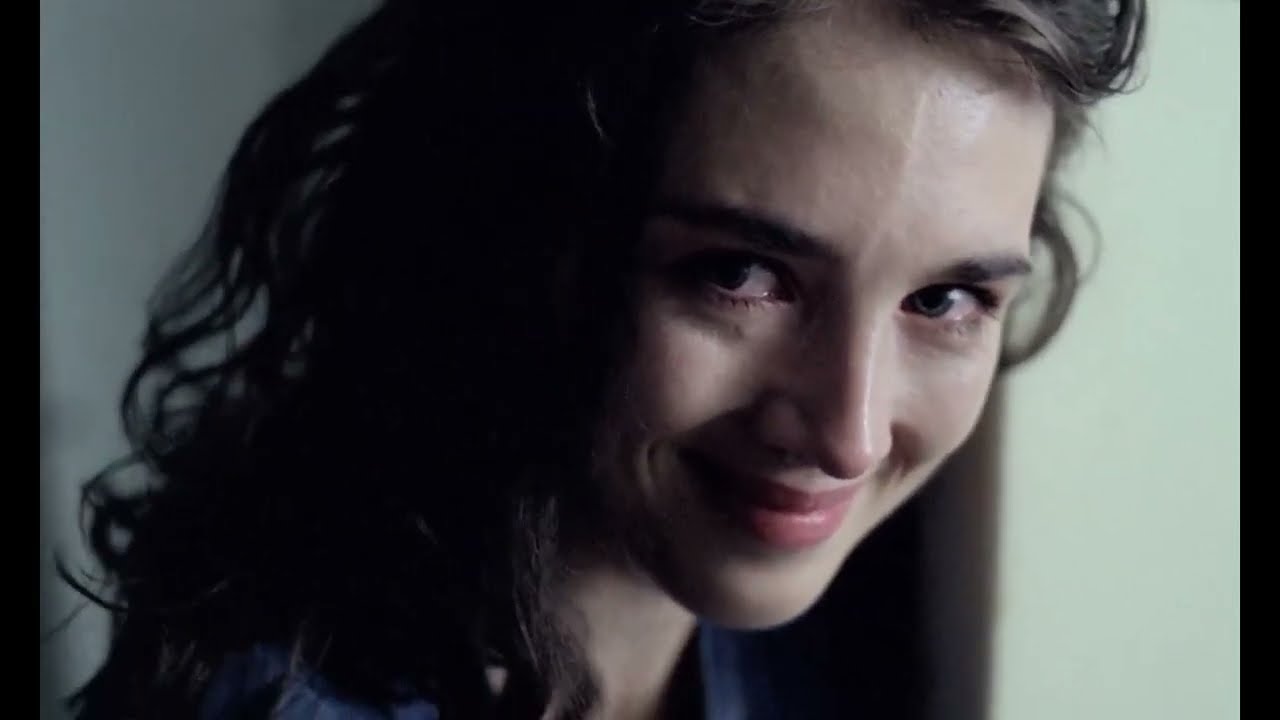

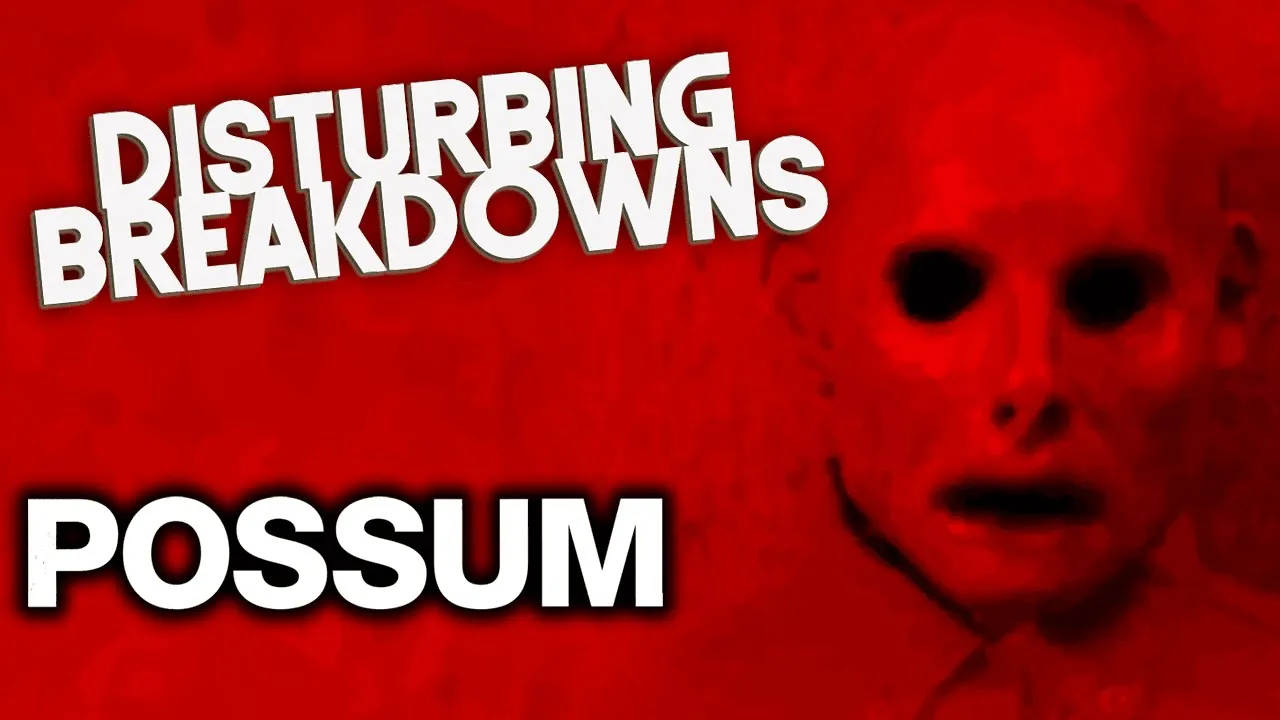

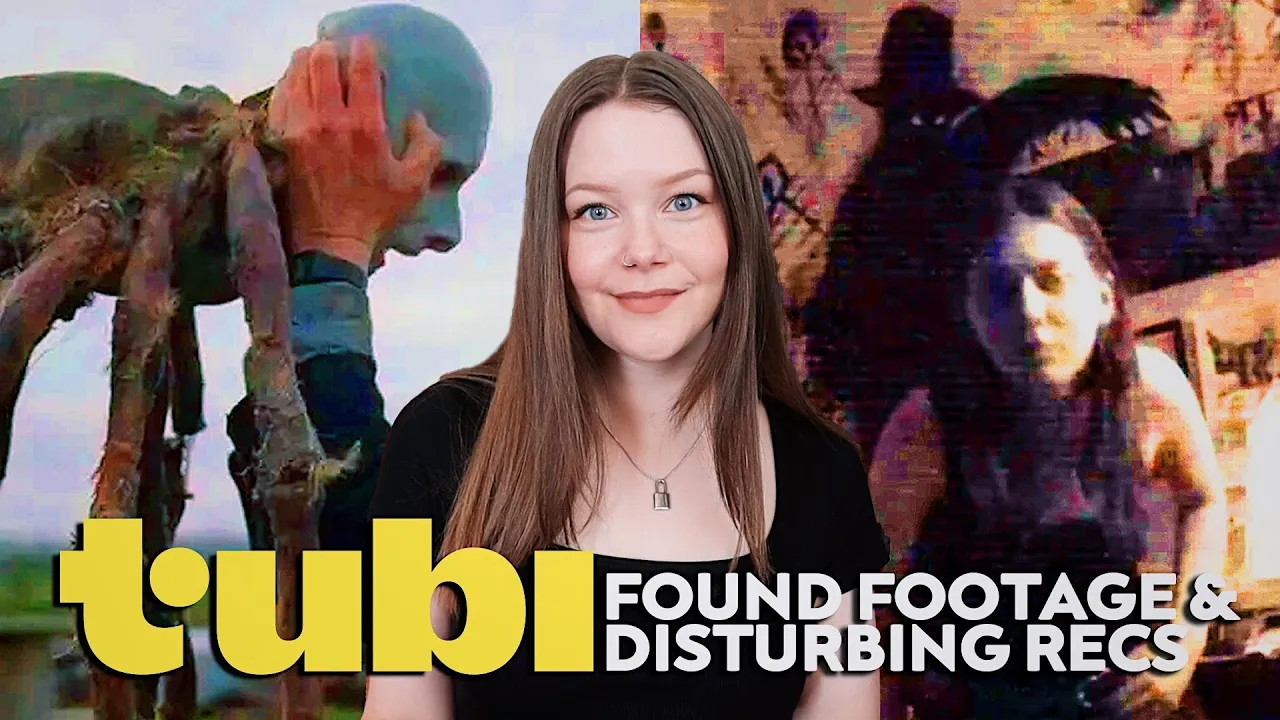

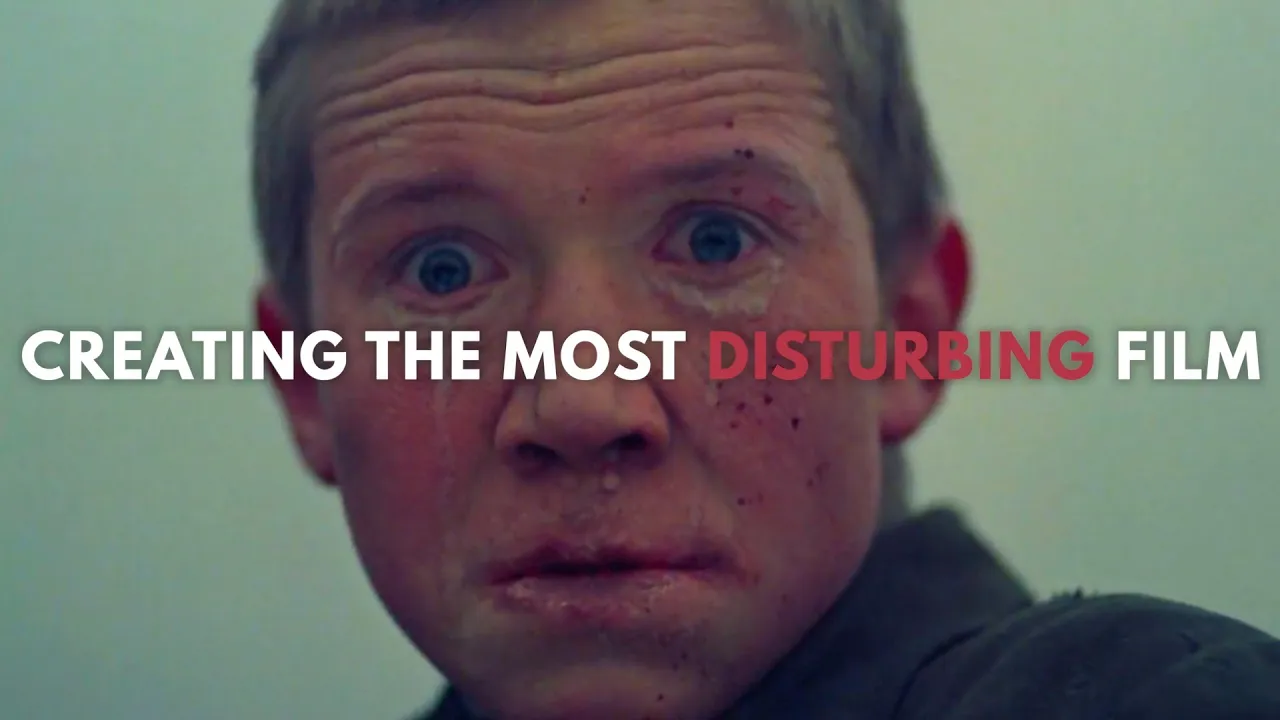







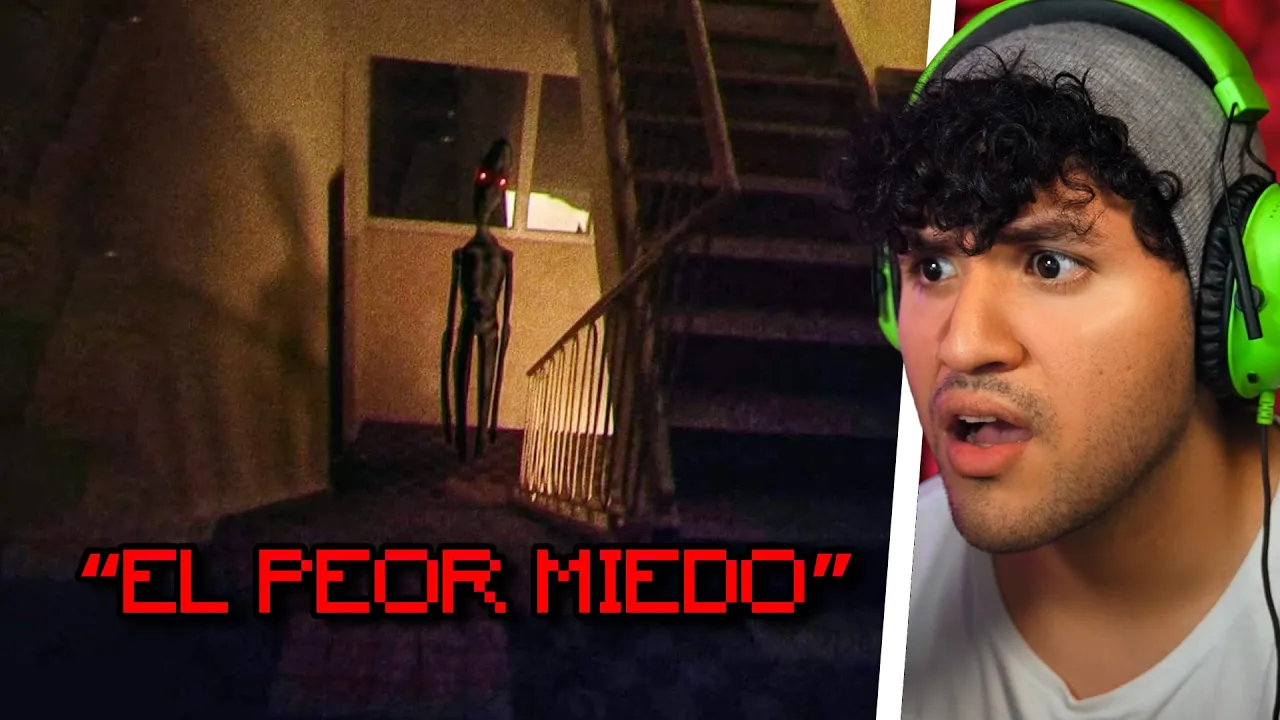
In horror films like 'Possum,' trauma is symbolically represented through objects such as puppets or dolls, which embody the protagonist's psychological burden; according to Freud's theory of the uncanny, these symbols tap into our deepest fears and repressed impulses by presenting something that looks real but isn't, creating existential unease that mirrors the protagonist's internal struggle with their past.
Possum (2018) Film Analysis: Trauma, Abuse, and the Uncanny in Horror
Added:Introduction to Sigmund Freud's concept of the 'Uncanny' (Das Unheimliche), particularly the psychological discomfort arising from the familiar made strange.
Fundamentals of psychological horror as a cinematic genre, focusing on how internal mental states are projected onto external narratives.
Basic understanding of psychological trauma, dissociation, and the long-term cognitive and emotional impacts of childhood abuse.
The use of symbolism, metaphor, and non-verbal storytelling in surrealist and minimalist cinema.
In-depth study of Julia Kristeva's theory of 'Abjection' and its application to body horror and psychological decay in film.
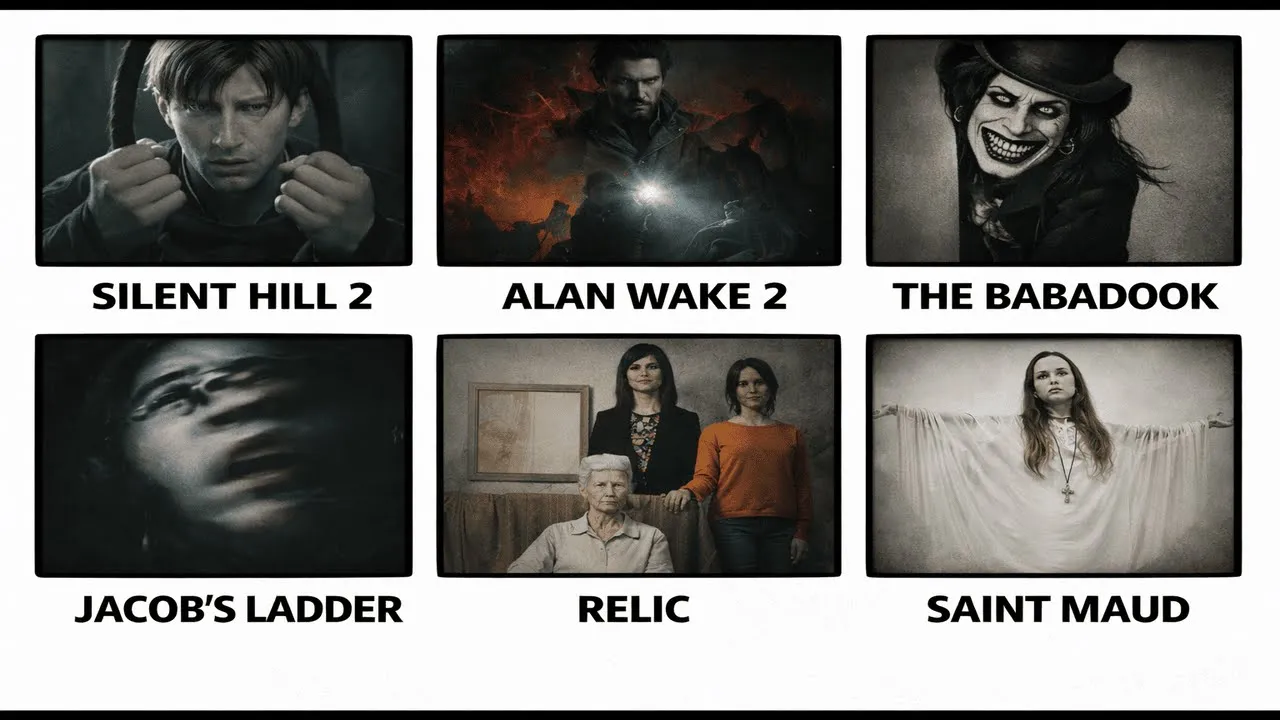
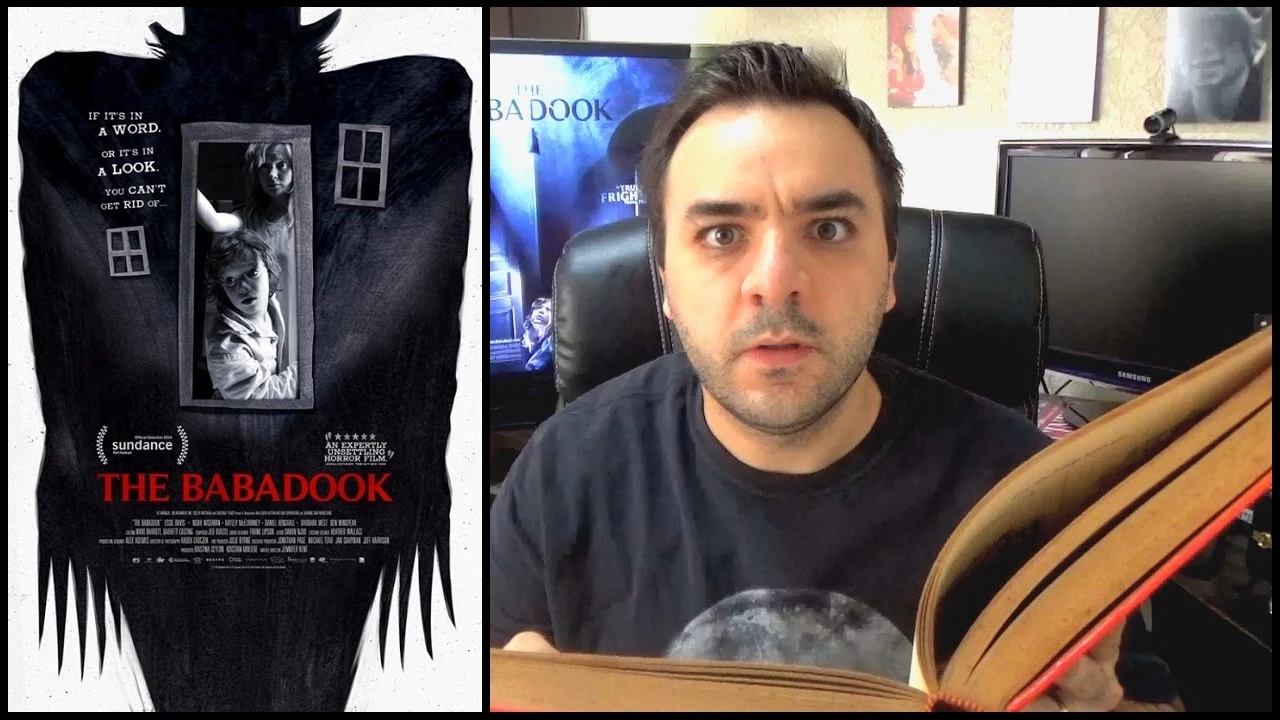
Comparative analysis of 'Possum' alongside other trauma-focused psychological horror films, such as 'The Babadook' or 'Repulsion'.
Examination of the role of sound design, minimalist dialogue, and atmospheric scoring in conveying psychological isolation.
Exploring clinical psychological frameworks of trauma-bonding and PTSD to evaluate the accuracy and empathy of cinematic representations of abuse.
2.2M views77.9Klikes13:24Original Release: 2020-06-14
mother father what's afoot only Paulson black isn't mother-father where the thread far from possum and his head [Music] Matthieu wholeness 2018 expressionistic psychological horror possum is about the agonizing and oppressive burden of trauma this story follows a disgraced puppeteer called Phillip who returns to his childhood home hoping to rid himself of his grotesque Franken Spider doll thing only to confront his haunted past where he was viciously abused by his uncle Maurice it's a fiercely enigmatic film one that gives you subtle clues and implications as to the events that have plagued Philips life but without the catharsis of understanding everything for one we never learn why Phillip was sacked from his job as a children's puppeteer yet tapping into our societal unease distrust and Prejudice the perception it gives us isn't a pleasant one I first mentioned possum when talking about why ghost stories was my favorite horror film of 2018 and I've always been meaning to cover it it's perhaps one of the most unorthodox Horrors to emerge in recent memory alongside another horror flick we'll talk about next week possum was adapted from Holness own short story published as part of the new young Connie tales of unease an anthology conceived around the premise of psychoanalysis finder Sigmund Freud's theory off the uncanny all this is story combined our fear of doppelgangers and puppets to explore a fragile introverted man who channels his trauma into a puppet he wishes to destroy only to realize he can never truly get rid of it in the original short story the puppet was composed off pieces of roadkill whereas in the film to grind it away from pure shock value the symbolism attributed to spiders as a mascot for fear takes center stage which admittedly is probably less effective to the crazy people out there who like spiders yet regardless the film is an extraordinary homage to classical and expressionistic silent horror such as brought to you on the cabinet of dr. Caligari as well as Gritti send these mood pieces inspired by early British PSAs from Holness childhood that looked to shock use over topics like drugs sacks and stranger danger it has this meticulously crafted old-school quality to it that the liver scares was such an incredible level of precision where for the real die-hard horror purist sight there it's easy to geek out over it it's all presented with a broodingly sloper and that only gives us minor glimpses of the titular possum that looms over Phillips turbulent day-to-day existence before finally unleashing it in all its disturbingly uncanny glory the young Connie as a concept is easier seen than sad because it's a mostly visceral experience it's the phenomenon of something that looks so seemingly familiar yet feels unnatural and alien to us the thing is there's only so many ways to articulate it in its most primitive context that being it's something that looks real but isn't however in the kiyose of Sigmund Freud he argued that the existentialism caused by the uncanny called upon our deepest fears and taboo inhibitions it reminded us so much of ourselves the it as Freud himself Buddha the part of us that's purely instinctual and tapped into our supposedly forbidden repressed impulses which to Freud were predominantly sexual and narcissistic in nature in a way since the uncanny is technically unseen for what it truly is for example being distracted by a puppets eerily realistic features that remind you of yourself it must be dangerous to our psyche and thus our existence as a whole in the case of possum the threats is human but metaphorically it's one that has become so distorted and mangled by emotional stress and instability that it no longer resembles something that feels human no matter how much it looks human and this doesn't just refer to the titular puppets but moreso the world that Phillip inhibits stylistically it's borderline apocalyptic purgatorial even and when interacting with his abusive uncle Maurice who even has his own creepiest puppet both characters are so deeply disconnected from each other that even their human interactions feel distinctly unnatural [Music] stray ssin before you kill it okay that's a puppet to achieve this heightened level of tension the films to me in actors the phenomenally underrated method artist - Sean Harris and classically trained performer Alun Armstrong never interacted with each other off-camera to avoid having any chemistry or rapport on screen it goes against tradition to reinforce their strand abusive relationship which is further compounded by Harris's powerfully expressive performance where his actions always speak lighter than the very few words he says while my middle child for what is playing dead possum with his black balloon we'll eat you up in bed delving further into the story homeless presents it almost like a Brothers Grimm fairy tale each thinly disguised chapter is bookended by a narration of Philips childhood poems that serve as another method for him to channel his trauma as the film progresses Philips attempt to take control of his life by ridding himself of his trauma becomes increasingly streamed by its constant reemergence yet you could say going back to Freud's theory of being distracted by the uncanny the puppet itself distracts Philip from maurices increasing in city's presence to the point that Maurice seemingly hijacks the story when he narrates the final chapter instead of Philip something you'd expect from power-hungry abusers looking to control their victims life while it's easy to see the puppet as a metaphor for trauma it's just as much of a manifestation of Philips entire identity the tragic aspect of Philips journey is that he seems to blame himself for his own trauma and seeing him fight with it Barnett run away from it but always wake up the very next day he is too fierce with it combines this inescapable self-hatred since the puppet has a head that resembles Philip but when we contrast it next to maurices puppet which looks like him the symbolism is also projected into what these puppets represent any British context maurices doll resembles punch from the Punch and Judy show which was basically a violent children slapstick where punch would usually Beria a character usually his wife and then beat the [ __ ] out of them in fact in the original performances Punch would even go as far as to murder certain characters as you can tell leader generations saw it as glorifying domestic abuse for comedic purposes where some critics even perceived punch as somewhat always being justified in his actions when you apply this symbolism to Philip on Maurice Holness briefly explained that certain aspects of the story were inspired by the context of Jimmy Savile a prolific English DJ and media presenter during the seventies 80s and 90s who his death in 2012 was exposed as a malicious sexual predator and pedophile said to have been protected by a circle of Elise the reason I bring this up is because it goes back to what I said at the beginning apply it's an unpleasant implication but to go any further requires ending spoilers so for some of you this might be your last stop in the video a recurring plot point established early in the story is a search for a missing school boy who Phillip briefly interacted with at the beginning of the film and it's easy to see how Phillip becomes the immediate suspect especially given how he's seemingly black-site after each encounter with possum however in the climax of the film it's revealed that his uncle Maurice had the child this entire time and while it's a bit narrative ly underwhelming and predictable given there are literally only two possible suspects in the film there's an argument to be said that it's not entirely as it seems one of my interpretations is that Maurice is entirely a figment of Philips imagination in that Maurice died a long time ago whether circumstantially or at the hands of Philip and is another extension of Philips inescapable trauma the grim way of looking at it is that Philip is a victim who unfortunately became the villain after years of childhood trauma he channeled the actions and behaviors of Maurice because they became normalized to him and extending from that his attempt to get rid of possum which as I said is a manifestation of his identity is potentially Phillip trying to get rid of his victim complex the main reason I sit with this is because of the unanswered question of why Philip lost his job to begin with along with all the various suggestible locations he visits throughout the story not imply where he was abused throughout the film it definitely pushes a pedophilic angle that's impossible to ignore oh yeah for what makes this theory last concrete and subject to a lot of scrutiny is that I think our immediate suspicions are deliberately played against us to show how we tend save strange-looking people around us the uncanny folk as it were for example the perception of seeing Phillip creepily standing outside his old school and having a teacher telling the piss off is pretty telling yet in Philips eyes he's innocuously reminiscing off his childhood a childhood that was stripped away from him he isn't actually hurting anybody really all of this distrust only goes to reinforce the trauma laughed by an abuser the world feels like it's like to get Phillip and misrepresent him and that's high possum succeeds at getting under your skin it leaves you feeling unsure and vulnerable that you cannot trust anyone or anything and it becomes a purgatorial cycle of trying to get rid of something that's forever a part of you you possum treats abuse like a disease one that does not just affect the victim but the entire world around them making that infected victim feel like a parasite unable to find help trapping them in an endless isolation that gradually consumes them I would like to believe Phillips reasoning for being fired may have been emotional rather than physical but either way that's not entirely the point of this journey it's about giving a voice to the voiceless those trapped in their own head an endless nightmare as a result of being dominated by a presence that lives on even in death as the poems impossible it leaves you feeling black as sin where the once familiar becomes the uncanny and the fears that ignite us are the very things that drive us whether it be into the light or all-consuming darkness [Music] you
Up Next
27:07
Rome (2005) TV Series: Historical Accuracy & Authenticity (History Buffs)
@HistoryBuffs
3.8M views•2017-08-18

12:54
Triumph of Orthodoxy Icon: Byzantine Art & History Explained
@BenCallan
2.1K views•2024-08-06

9:49
FastAPI vs Flask vs Django: Choosing the Right Python Web Framework
@TechWithTim
302.5K views•2024-05-26

1:42
Game of Thrones Opening Credits: A Cinematic Analysis
@gameofthrones
46.3M views•2011-04-18
Related Study Plans & Knowledge Roadmaps
Structured learning paths in General & Interdisciplinary Studies
general-studies
Elevator Engineering: History, Physics & Cities
01From Hoists to Safety Brakes: The Dawn of Vertical Lift
02Hydraulic vs. Traction: The Engineering Physics of Elevators
03Modern Speed, Safety, and Algorithms
+ 2 more learning modules
12h5 modules
Explore Roadmap
general-studies
Rubber: Material Science, History & Geopolitics
01Origins of Natural Rubber & Mesoamerican History
02The Chemistry of Natural Rubber & Vulcanization
03The Geopolitics of the Rubber Boom & Colonization
+ 2 more learning modules
12h5 modules
Explore Roadmap
general-studies
Containerization: Evolution, Logistics & Trade
01Ancient Trade & Bulk Cargo: Amphorae to Barrels
02The Industrial Revolution & Cardboard Packaging
03The Containerization Revolution: Malcom McLean
+ 2 more learning modules
12h5 modules
Explore Roadmap
general-studies
Textile Tech: Evolution, Labor & Global Impact
01Pre-Industrial Textiles: Handloom & Cottage Industry
02Mechanization: The Spinning Jenny to the Power Loom
03The Factory System & Global Labor Transformation
+ 2 more learning modules
10h5 modules
Explore Roadmap