


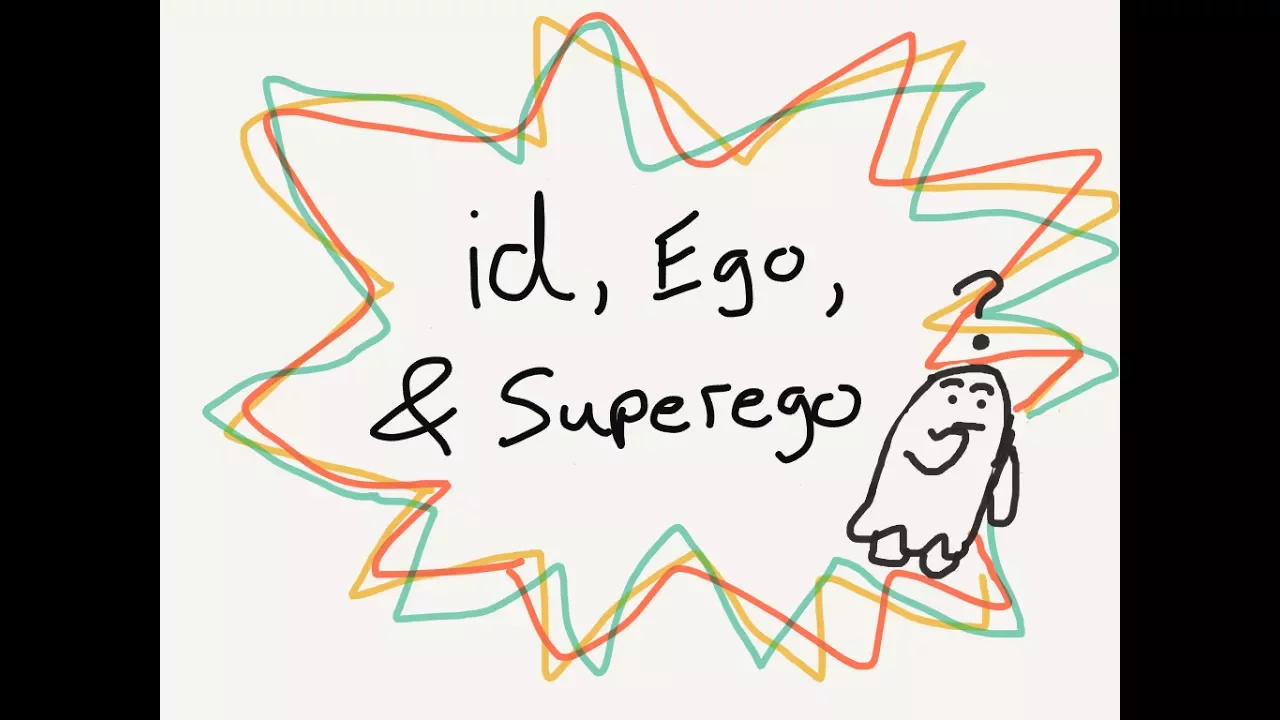








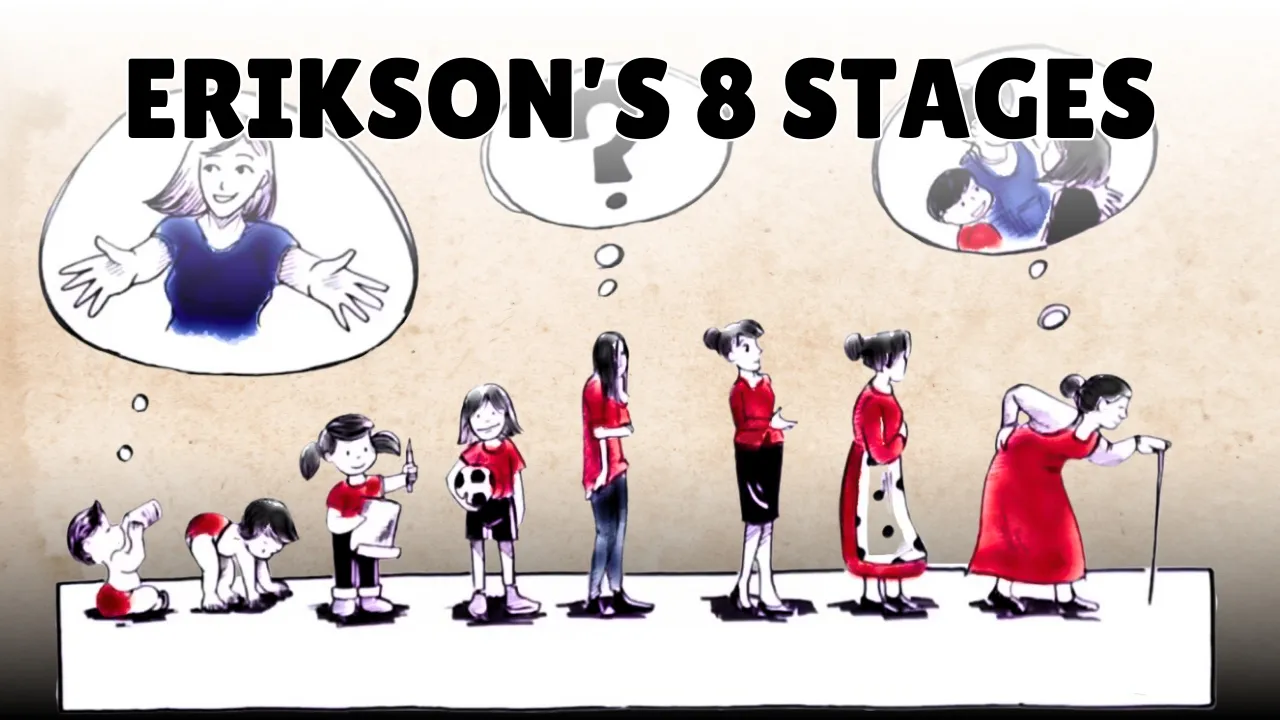



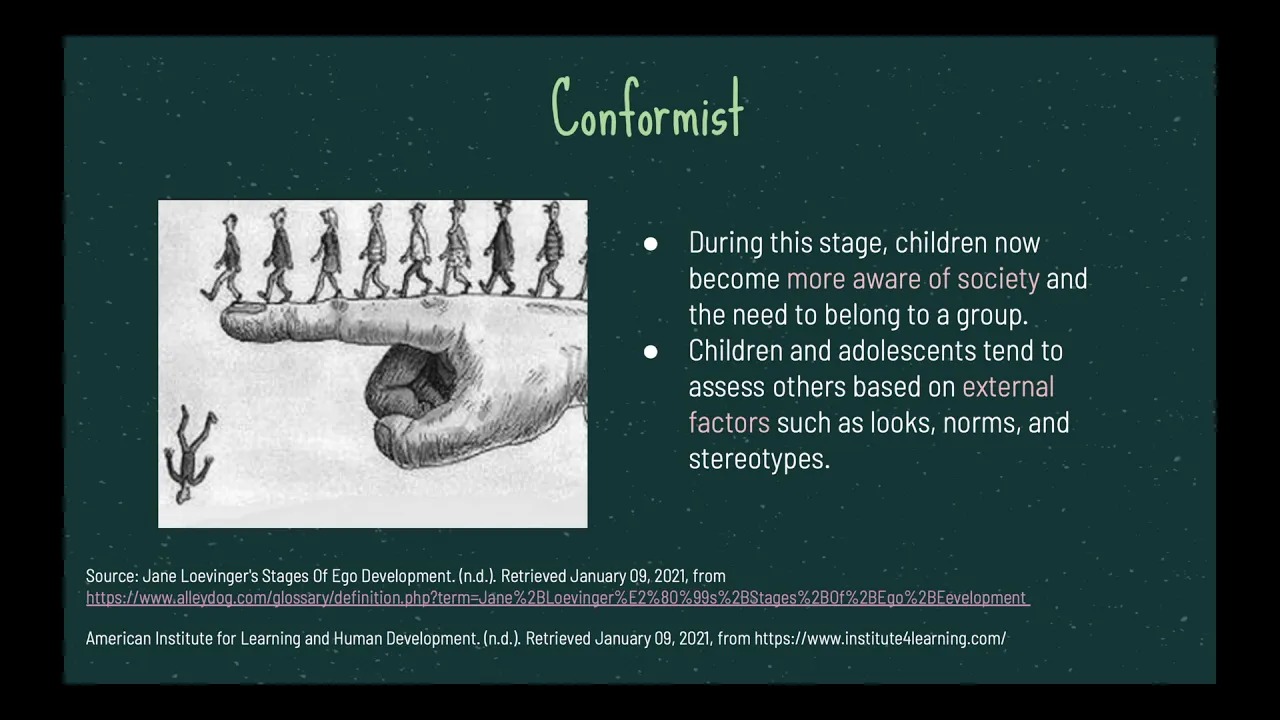











Ego development occurs through three primary mechanisms: gratification (meeting basic needs like food, clothing, and comfort to establish safety and trust), stimulation (experiencing new ideas, challenges, and relationships that force growth and prevent stagnation), and approval (receiving acceptance from caregivers, peers, and eventually oneself to develop self-worth). When individuals cannot process unacceptable experiences, they employ defense mechanisms including repression (pushing information into the unconscious), suppression (never allowing it to surface), and projection (attributing unacceptable traits to others). This framework explains how people develop their sense of self, willpower, and decision-making capacity throughout life.
Ego Development & Cultural Psychology | Lecture 8 (PSYC 2344)
Added:well y'all hold on just a minute because we're busy talking do we do we really want it don't go away we'll be right back coming don't leave don't leave because this is on the test that always gets them done it this is on the exam you'll be tested on this could we do that like spread it out here and eat it and talk about it on class okay we need to pick a date what and and we won't say McDonald's and Burger King are American food that's not fair we could do that let's pick out a day that we do that and we'll just come and I'll eat off of people's stuff and I guess you have to make stuff for what four or five six people little dish and we'll sample it on the air and I'll bring you alka-seltzer and pepto-bismol Huffer and and I don't mean this like it sounds but nothing can be moving I'm kidding I'm kidding I did eat a rattlesnake one time that we killed when I was a kid and what's interesting is it's kind of like white meat of chicken but what's interesting is the muscles are still contracting after you cut it up and put it in the pan and fry it it kind of still Wiggles and yeah I was like it for four weeks i hissed I don't know what that was about but strange saying I'm not even on I'm on yeah Mon okay sometimes the camera comes on when we're not ready is it on is it still on Stacey will see the light went off okay yes hi dr. herb again psychology class cultural psychology have to get in that serious mode okay I'm gonna pass this around we got some interesting stuff today to talk about I want to talk a little bit more about ego development and and we need to figure out when we're gonna do the food thing so like next Thursday or next Tuesday or something anyway we'll think about that but we'll let y'all watch this eat and y'all get to watch your seat so it'll be good will have a cross-cultural heat fest yes Oh without that month on TV forget the essay and I'll test on your cooking skills yeah okay we'll talk about it after after class today let me read this is a this is actually a book of poems written by high school students and these are ubiquitous poems anybody any culture any time could have written them and this one is by a girl named Becky actually excuse me her name is Stevie in here Stevie ste VI II and years ago I thought that's such a silly name for listen listen to my prejudices and my I thought well nobody believed actually a young high school woman would have a named Stevie and so I changed their name to Becky because I thought that would read better when I read this point it took me about 10 years to realize how I disc Stevie because this poem is about she's searching for our identity and I changed her name and anyway so let me do this let me read this it's called everybody liked Stevie but this could be any of our names male female any tribe culture heritage because she was a clown many people liked her I liked her too I couldn't help it but someone forgot to turn off the laughter switch inside of Stevie she would turn on without warning her eyes and face and heart and mouth would pop in all directions like Cora bursting out of a bowl Stevie was a clown who loved life and that meant pain see if you can feel some of Stevie's cry in the poem she wrote like a 17 year old high school student do you know what it's like to be a clown do you know what it's like to suffer from too many laughs do you know what it's like for a girl to be born a circus act do you know what it's like to have a funny bone for a brain I thought that was cute do you I don't have any white paint on my face but I wear this mask I have this silly smile that never changes it's always there and everyone expects it to be there they like it that way they enjoy a clown and they use a clown because they think a clown doesn't care about anything I can't even enjoy a bad mood with other people that's a strange luxury you see I have to be a clown whenever people tease me I turn into an act of fool standing on my head I look up and I see a world full of upside-down people trying to be what they're not I see so many people wearing strange colorless makeup and the longer they wear it the harder it is to discover what kind of people they really are underneath I'm waiting for someone to step behind my face and find me not Stevie but me and then she has a prayer lord when will this Stevie be free to be me well that's the heart cry of every human being as we grow up caring roles we grow up with our gifts and talents and and the roles of our culture our religion our family of origin and then we're and when we kind of the little sister the big brother the smart one the silly one the athletic one the cute one the serious one and and we go through life playing this role and everybody likes it everybody's used to it and but it's so important we like oh wait I'm a lot more than this mask I'm wearing I'm a lot more than what you see out front and as she says when can i someone I'm waiting for someone to step behind my face and find not Stevie but find me the person of course that's what psychology is all about those are in the class remember the thing I handed you about ego development that little handout you all are looking at me like you're on drugs I have to sleep but why don't you get that out because I'm going to read over that and I'm gonna go back here and sit down oh but I want to talk a little bit about the ego development if you have it and those of you on the hello yeah that's it that's it yeah it looks like this well that's it and oh wait and you look down and for those of your watching on TV if you just check in the website and look under cultural psych ITV and you'll find the handouts and like this is one and let me just share these actually I got these that uh both of these things some of its type not too well but then that's my I was in the blue group in third grade for handwriting and have never recovered from that but that's my Henry I actually I got this this from a 12-step program I used to go it for years and years I still go occasionally it's a great support group and it's a good place to grow and check in and work on your own stuff and but anyway I got this at a 12-step group and let me just read it or do you want me to leave it here Stacey and look at it I'll just read it because they'll be reading it at home when they're having their chicken pot pie dinner watching my class the first one is I affirm that and this is this is when you when you have a good sense of who you are in the world over time and work and have an awareness of of your life you're able to affirm that just for today these are signs of it good ego development just for today I will respect my own and others boundaries we haven't talked about that we've made in a few classes to come just for the day I will be vulnerable with someone our trust and remember vulnerable me able to be wounded I'm able to share something that's personal just for today I will take one compliment and hold it in my heart for just a fleeting moment and I'll let it nurture me just for today I will act in a way I would mire in someone else I am a child of God I am a precious person I'm a worthwhile person I'm beautiful inside and out I love myself unconditionally now that's a hard one to do is to love ourself unconditionally most of us have a lot of self-loathing there's certain things about ourselves we just beat up on for years and years and it never goes away at some level but to love ourself unconditionally just warts and all I'll I I love myself and value who I am that's a sign of someone with pretty good ego development good self-esteem is another way to put it I have ample leisure time without feeling guilty that's probably every college student I deserve to be loved by myself and others I am loved because I deserve love you know I'm on the planet I need love I deserve to be valued I'm a child of God and I deserve love and priests and prosperity and serenity I forgive myself for hurting others and and myself and others I forgive myself for letting others hurt me I am willing to accept love many of us can love other people but we can't accept it I find as a therapist in my private practice it's one of the biggest things it's easy to love because you're controlling others at one level but when you have to let people love you and value often that we're very uncomfortable with that I'm not alone I'm one with God in the universe I am whole and good I'm capable of changing and then on the backside of this this is another signs of ego development as as a person I have the right to and then I add it in there and this is probably this is sort of postgraduate human development because when you have a sense of who you are you want other people to have a sense of who they are when you learn to love and value who you are and see that your life has Worth and you're meant to enjoy and become and discover then you respect other people do too and they have a right so I add it in here as a person I have a right to and others do too this is kind of weird including my parents my parents are both deceased but including the my enemies including other races and cultures including other people of other sexual orientation including people I don't understand and I fear including people I admire I have a right to be myself and so do you I have a right to refuse requests without feeling selfish which part of no don't you understand I say that's the hardest thing for many of us in psychology to do because we're kind of natural codependence we're rescuing people and I have a right to be competent and proud of my accomplishments and so do you I have a right to feel and express my anger appropriately not inappropriately we can't do that but express it I'm really mad I'm really angry about something and you have a right to tell me when you're angry at me and let me know if I've done something to offend you I want you to so that we can have clear communication I have a right to ask for affection and help I may be turned down but I can't ask I have a right to be treated as a capable adult and so does everybody else one thing I've learned out here my gosh six years as a visiting professor in lecture and get to you know meet so many different people from so many different places is that when you talk to people everybody's just the same but if you just go by looks and clothes or gate how you walk or something you can make judgments of people people will be scowling you say something to them they're just face lights up like Becky in the popcorn you know yeah and you discover wow that's a capable maturing growing human being adult behind that face a couple more be I have a right to be illogical and making decisions you can take this home and show it to your parents dr. Egan said that I can be illogical and others can too you know how parents make these terribly illogical boundaries they put on teenagers you can't no I know no you know and you're going to like chill out it's okay you know it's gonna be fine I remember when my daughter and she lived with me a single parent her sort of through high school and after she got her driver's license at 15 and a half there's about a month or two into it she wanted to go to Austin to visit some friends and she said dad I'm just you know she was a like a junior at Lamar high school so she said I just want to go see if this girlfriend I'll Drive up Saturday spend the night come back Sunday and I said I don't think so yeah um I think she'd just turned 16 or so I'm 16 years old I can handle it this was before we had cell phones by the way and I go well well I mean somebody might molest you and mug you right dad somebody's just gonna pull me up on the road and see how this sphere and the father starts going and she one of the things that I had insisted she do was one of the boundaries I said is she had to take a self-defense course we were looking at fears last time I realized that one of the things I wanted to do as a parent is to quit my daughter particularly on the ability to take care of herself so I found this self-defense course where she learned how to well she learned how to kick a man in a certain spot so they'll leave her alone and she learned how to throw people away and how to get away from people and actually she stayed she and a girlfriend took the advanced course in self-defense does anybody in here had a course like that see I have you heard I think it ought to be a requirement for high school students and particularly women anyway so she took this course and this her instructor would have had a helmet on and pad and his groin area and all of his chip and he would attack these women there were only two or three high school students most of them were middle-aged women there was about 20 of them in a class and he would attack them and try to get him to laugh he didn't want to scare him but he said if I can get you to laugh then I'm control of the emotional field of what's going on the idea is you have to think clearly and logically and be aware of no matter what's happening not let your fear take over but think about what you have to do to get out of the way so his motif was to was to get him to laugh when he attacked him he'd go ready yeah and then he would go after him like he was gonna choke him or catch him from behind and he'd say funny things and I laughed all the time but but you could if you were the hey I watched a few times they did this anyway so she had had this course so I felt good as a parent in terms of moving her I'll let her go do what she wants to because I've given her tools to equip her and that's pretty much all you can do as a parent not let your own fears overrun her so I had all these somewhere there logical fears well what happens if dad I'll be okay and besides I can just pull into a filling station and you know I'll be alright and I'll travel in the daytime I'll call you when I get there this is before cellphones call you before I leave and she said besides that I can take a man's eyes out and I said okay no curfew whoever you want just cool and there's something within me as a dad that said this is good she has awareness of space and light and dark and what's safe to go into not safe a sense of doing that and all of that is ego development all of that is good ego boundary development a few more I've the right to make mistakes and be responsible for them it's called contrition contrition I blew it I was wrong like Fonzie never could say on TV I was wrong to be responsible for myself a right to change my mind of a right to say I don't know and other people do too other people have a right to change their mind I have a right to say I don't understand I have a right to say I don't care you might duck when you say I don't care but you have a right to say that I have a right to offer no reasons or excuses for justing my justifying my behavior don't want to well Hawai I just choose not to do that but why did you spend the money on that it's because something I wanted to do but what was the reason I don't have to give you a reason it was something that I decided to do with the money that was mine to invest it in this eat good ego development allows us to do that another one is I have the right to have my opinions given respect and so do you if there's somebody who doesn't respect my opinion over time they don't have to agree with it then they they're not my friends I don't hang around people who it's either their way or the highway you know what I'm saying people like that good ego boundaries I have have needs that might have my needs be as important as the needs of others I have a right to tell someone what my needs are and they have a right to tell me what their needs are I have a right to judge my own behavior thoughts emotions and be responsible for their consequences upon myself I have a right to judge if I am responsible for finding solutions to your problems this is this gets into heavy family therapy stuff because most of us are fixers we think love means fixing somebody else's problems we failed to see sometimes love is listening and supporting and not fixing seems like I tell parents a lot in my counseling work excuse me I tell I tell parents is to and high school students I tell parents no unsolicited advice don't give any more unsolicited advice after they're about 15 or 16 you can say would you like some advice to your teenager and they can say yes I would or no I wouldn't but don't be you know but see I'm doing this I'm I'm giving you advice about not to give advice for them and a few more is too I take pride in my body I have a right to do that and others do too and to define attractiveness on my terms not on anybody else's terms see that's huge most of us define it on terms of television or media I have a right to grow and learn and change and value my age and experience and others do too and I have a right sometimes to make demands on others and others sometimes have a right to make demands on me because sometimes love so love has to be a bit tough sometimes love has to be tough on me sometimes that love has to be tough on somebody else did this make sense kind of sort of in terms of ego development it's a kind of a lock to a lot of dr. Phil kind of stuff but it's basic ego development from dr. herb stay tuned know okay last time we were looking at I won't look at more this before we have our little deal and we looked at these fears I'll just to go over it and the fear of being smothered the fear of being abandoned the fear of being attacked and the fear of being exposed the fear of change the fear that our instincts would turn on us and the fear of the unknown and death these are fears that underline all of our lives all the time and ego development is coming to terms with that and I think when we look at diversity and cultural differences personal differences I think a lot of it is just fear because we don't know I always have told my white friends you'll change your opinions of black people when you get when you have a black friend have y'all discovered that if you even find one person of another ethnicity or race and they become your friend it changes your view of everyone somebody was saying I think after class was it did you say it charity no somebody in the class said that the two primal fears of a child is a fear of noise do you want to get credit for that yeah yeah the fear of noise and then the fear of falling yeah are the two primal sort of instinctual fears and of course those would probably have to do with abandoned murder or fear of dying but fear of falling and fear of loud noises or something seems to be in the DNA of every human being in every culture every tribe okay now let me talk a little bit about ego developed because I'm trying to get to someplace that I just haven't gotten to yet so push down right here yeah and I hold my hand therefore is that on there that are is that you t somebody told me the UT symbol U of H Oh Freudian slip my gosh I went to UT I got my masters and my doctor from U of H somebody said the U of eight symbols does he know how it came like this yeah push the button day off okay hey wait don't go to sleep on TV this is really important to be on the test yeah our mascot a hurt it's like Paul on the way to six so they found out about it yeah so in the in the stands and pull up and they were doing like this upside down like this is that they lost if what's in there like thick then it makes you make sure we tied up in the other thing oh we beat them be like big just put it up my kid I want to set it down you turn it up that's how I came but C cos a lot of people think it's you ain't mad people think it's even thinking you see it is always blinking off ut I'm not sure what that means you know what that means you get so many tidbits in this class I mean this is life-changing stuff thank you for that that's good now what was that doing oh yeah yeah so we're looking at ego development and hold on don't go away and one of the things we've looked at hold on is we were looking at the ego right here and and now we've but look at this before but it's the seat of our willpower the center of our decision-making going fast we looked at the functions of the ego to then to orient its time and space give a sense of groundedness these are all the basic developmental things of Freudian psychology and ericksonian psychology with you know trust versus mistrust and then the second stage is autonomy we differentiate ourselves from mother and everybody in the world see that first stage we're sort of undifferentiated you know mother and child are bonded as one and then so the other function is help us standing on feet and develop our own two separate and the third one is to establish an identity around authority figures through making connections and and then something I ended last time with was the real question is who authors your life who writes your life and we've looked at some level it's from nature some level it's from nurture some level at your own DNA and at some level it's culture it's family it's a in the film we had last class remember they had that little black a little baby and they said if this child was born in China what would be its culture yeah be Chinese culture it wouldn't that be interesting I've never met an afro-american someone of that heritage who grew up in a Chinese culture but wouldn't that just be interesting do you have will push the button and tell us about it says my neighbor I guess that worked for slumber janitors yeah and he had it from a contracting go and his body with mourners she speaks Chinese - yeah yeah then see you then you know that's isn't that like interesting because what it does is it must have our stereotypes you can't say physically our physicality in our body our DNA terms our culture because it doesn't it comes from so much more than that okay so but what I want to talk about today is is how the ego grows and because I guess this is way up there today okay how the ego grows how it develops and the first way it develops is it develops through gratification how it grows it goes through gratification or satiation ASAT i aton satiation of needs the human being for the ego to grow and for you to get stablished and grounded and differentiate and establish identity you have to have your needs gratified it has to do with soothing it has to do with comforts comforts to lessen pain see interesting what's the first experience of the human baby when it's born into the world what's its first emotional experience crying yeah welcome to this life I mean it's you think about it to the child it must think it's dying it is it is being changed from one way of existing in the world to a whole nother way of existing in the world its existence is it gets its food and alit and it eliminates through this umbilical cord and it's in this amniotic fluid that supports it and and comforts it keeps the temperature just right it's protected see and this this child basically lives in another world and so for the child to be born and have the eyes aren't working that ears aren't working although they say kids can hear things fetuses can but from the child's perspective the child must think it's dying if it's moving from one way of functioning in life and getting its needs met to a whole nother way and it's like umbilical cord whack you're gonna have to eat through your mouth you're gonna have to eliminate through the other entity and all of a sudden from the child's perspective you see the radical transition in its existence and so number wonder at Christ says feed me help me I'm afraid I'm abandoned I'm scared and what are some ways that we gratify a little child humph candy what are some ways we satiate the needs of the child what are the needs of the child say it again this is not rocket science yeah it's a it's a holding food candy and probably not candies not a necessity but food is a necessity and what else clothes you know the holy is changing them these are ways that they get their needs met listen this is why and this is all of us in this class of probably everybody to ever take this on TV all of us got our needs met in those first 3 to 4 or 5 years of life and there are 10,000 babies that are dying I've heard every day in the world because they just don't get enough to eat and you can't develop your life if you don't have a life to develop and I think it's important to kind of look at that is satisfying our knees is very important if in this class if I said I don't want anybody to eat next class in the morning no excuse me I don't want you to eat the night before class I don't want you to have any breakfast I want you to come to this class having not eaten for 12 18 hours whatwhat are likely to be our experiences of ass in class irritable faint weak hungry yeah and and and the ego begins to freak out and can't function well you begin to look around other people and get angry at them you begin to look at me and get real angry at me and you see and what happens is you see your ego starts to decompensating and you look over and find somebody's got a part of a sandwich they threw away and you want to go pick it up out of the dumpster and eat it and you know they're people that do that and why they doing that it's because their ego demands gratification you have to get your basic needs met and when you do that the message we get is the world is safe sa Fe that's the gift getting your needs gratified and this is all the way through that we have to do this and the goal is to lessen pain lessen pain by getting our needs met and so the ego will grow with that that needs get met your ability to expand and enlarge in your personality to a large degree is because you're getting your needs your wants your desires met and desires and wants and needs are not evil they're human experiences and you have to get a met and so that's how the ego grows you have to get you it goes because as meaning the ego grows meaning you develop more sense of willpower more decision-making ability more safety and Trust in the world because you're getting your needs met are you with me so when we start taught when we so when we start talking about how to make the world a better place we better feed people we better feed them not only for their biological needs both for their ego needs and you know half the world lives on less than $2 a day and somebody told me that there's something like 20 million women every day that leave dub heaps scurrying around and digging for food for them and their families and that mother knows ego gratification satiation Santa buying of comfort needs food clothing shelter knees or vital for her child I worked at the middle health center for almost seven years and I worked with a lot of people that were mentally ill and street people now we call them and many of these people lacked ego strength because they grew up in experiences we didn't get their needs met obviously as a biological consideration but but that's at a minimum a second one is a second way the ego grows is through stimulation and stimulation is through stimulation and it forces growth forces growth because stimulation tells the ego it is that it exists the infant will not prosper if it's not stimulated you know those little mobiles Mobile's we hang up above the crib he knows a little thing you wind up and go around and that little kid just looks at it goes yeah yeah yeah and I remember my my son they were training for a bike ride together and he's 31 now and I remember a gift he got his first week that he was alive I was from a friend who's a college students and he she gave him a little Andy Pandy doll you know what those'll Andy Pandy doll was black and white doll and it was one of the first thing he focused on you can watch his eyes movie and and he cried when I walked in the room no he but he didn't know he'd hold that Andy Pandy and his eyes would focus on it and when you play with the kid coochie-coochie-coo all that stuff what you're doing is you're stimulating them and when you stimulate them it makes the brain begin to activate and the ego begins to grow through stimulation you see one of the reasons you come out here to school is so you can be stimulated with new ideas new experiences of life what because that will cause you to grow because you're not going to see if you find the perfect little safe place you never meet any new people never hear any ideas never have any things that that scares you all you creates wonder mystery disturbs you then your ego will not grow and it's funny our egocentricity wants us to say i just want to have a safe place Frederick Nietzsche the German philosopher said the safest place maybe the most dangerous place because you don't grow you don't develop you don't learn how to cope with life because we try to escape life see the people with the stronger egos are those who've been tested and challenged in life athletics do that don't they those who do sports relationships test us stimulate us positively and negatively remember another synonym for love is hurt and relationships stimulates you either way positive or negative so in a stimulation thinking of the child things like like touching speaking to the child feeding and again these are just not satiating these are stimulating things reading to a child and of course playing with a child playing with a child all of these are stimulating things to do the child will not prosper unless it is awakened it's ego will not prosper unless it's awakened to the environment they did a study years ago her I read of a study where and this is a little bit maybe what's the word - to normal or something modern normal stereotyped but theoretically when the father comes home from work and he grabs a child if those a child up in the air and the mother is getting the child dret ready for bed or something these are stereotypes they don't have but that whole experience they used to think it would disturb the child they found out that if you have that when you're growing up like like that testosterone you know the somebody comes and takes you out of that world and plays with you takes you out of your slumber excites you that that actually helps you cope with tragedies and sudden surprises and later life because it stimulates a hormone in your body that allows you to be able to deal with the unexpected see and certainly that's it's very very stimulating they found years ago in a study which that I'll have in crib deaths over a hundred percent cure of these children dying in their cribs by just being held just being held that stimulation and we need this so bad as human beings the handshake the appropriate touch on the shoulder the gestures that some cultures do this more than other cultures how many come from touching cultures in here where people will touch each other embrace and and how many come from more distant cultures where you don't touch and embrace yeah yeah and see and it's some of that years of tradition that that determined the kind of stimulation we get or don't get growing up but the but the ego develops a lot along that and through that and then let me do the last one here on how the ego grows and that would be does anybody know what the third thing might be I've taught this in other classes basic psychology stuff what's the other thing that helps people grow its approval approval says you belong you're wanted your you are okay I mean approval is as essential as breathing for the young child and think about culture and how we learn to adapt to the parents as a subculture the family the religious world the greater environment society we're in is culture and it says here the rules the first thing the child says is who's in charge and one of the rules and because I know that my existence is I got a please daddy I got a please mummy I got to please those caregivers who are going to satiate my needs and they're going to stimulate me for life and approval is so much a part of life that most of us failed to realize let me show you something here during in seven-year cycles 0 to 7 years the primary source of approval is what parents yeah and then 7 to 14 the true glad didn't do that in the microphone 7 to 14 years the approval comes from both parents and hoo-yeah peers did I already do this but y'all were just sharp enough to figure it out yeah common sense that's right and then excuse me 14 adolescents this is always a tough one we know it's 28 it's not 21 adolescents in this culture probably goes to we have the longest adolescence of any culture ever in in human existence that's alone it's not 21 it used to be at one time if you lived on the farm in medieval times in Western culture you know people would be matched to marry when they were 13 14 15 you're pretty much out on your own and working but now we have so much protection and safety and you can wait to grow up for a long long time and so this is adolescence and during our adolescence our primary source of approval is peer peer pressure is more important than parent pressure and then and that's not taken away from the parents but then this whole thing called the self what you want to do with your life what seems but you approve you can't go through your life pleasing everyone else all the time or pleasing your parents I mean if you're 35 40 year-olds still doing what mommy says you you need to come see me or somebody for counseling because you got to work through that and that doesn't mean you don't respect your parents or seek their wisdom and insight but if your life is based on the approval of some peer what everybody else thinks totally when you're 4550 even 35 or your mommy and daddy who've been dead for years and you're still saying well mom wouldn't want me to go do this you know she would roll over in her grave I'd say roll baby roll let her roll yeah they oh you had a question oh yeah mm-hmm I think marriage partner would be part of peers and then and then look at this and I'll so and then somewhere around 28 to 35 and maybe this is more like 40 or 42 in this culture who knows then really you want to this self the deeper self the true self what our poem Stevie was saying I want somebody to find me Stevi see what she's saying is I'm tired of being what the parents want the peers wants playing out my life to them so I can get approval I'm looking for what's inside and ultimately that's what it is is to follow that inner world as it unfolds and that's what college and education through gratification stimulation and approval we move from others toward ourselves now let me just throw this in and then we'll have our little have our presentations today this is let me say this a few more things here this is the sense to be me to be me the sense to be me how approving and accepting is my environment and the ego cannot contain in consciousness that which authorities don't prove up the ego cannot contain what's disapproved ego cannot contain it what's unacceptable what's unacceptable we do three things with and we're gonna look more at this later this is this is really the meat of this class took me a long time to get there but you're gonna love it what's unacceptable to our care our peers our parents the things that that are not approve of we do three things with them one is we repress them and what does repress mean it means drop a little figure here it means something came up and we pushed it back down for example you're five years old you see your mom in bed with a mailman or male woman well why do not know we're not talking about sex you've and I'll listen now you see you're a parent in bed with somebody else and you're five years old and you see that and the your parent looks at you with the eyes that say if you ever tell this anybody I'll kill you that sounds funny but these things happen what is the child going to do with that information repress it absolutely or strangely enough and this is psychology class and we're at the University your uncle fondles you and you're nine years old you're a boy a little boy a girl and your uncle or some strange person touch you in an inappropriate way and this uncle you love or this aunt you love because they're real friendly and wanting nice people and they do something that you know is inappropriate now if you come from a healthy family you go immediately to your parents and say what happened but see if you if you grow up with people who don't teach how to take care of yourself and say will love you unconditionally no matter what then what do you do with that information you repress it that means you push it back down into the unconscious and then that that or that example for example for example may act out in your relay chips later in your self-esteem and rage and anger because you've been hurt and violated and it'll come out throughout your life and that's what a lot of psychotherapy is is helping people deal with stuff that they couldn't deal with because their ego wasn't strong enough to deal with it when they were younger and so as you get older and stronger and I've had many people in their 30s 40s 50s tell me things in my practice that they've never told anybody and these are wonderful people just like us and they finally they needed to tell their story to someone and they things that they've repressed and just the act of telling it to a caring person who has compassion and a warmth and empathy has a healing effect it's what Freud called talking therapy you just talk it out and you get somebody doesn't judge you and you go wow you mean I'm okay I'm and so it's very important the second thing we that we do with things we can't there's not approved of is we suppress it I think it has two peas and we suppress it and what is suppress mean that means we never let it up we never it never comes up and it might be that you're grew up in a family of athletes and you want to play the violin and you're a guy and you're the biggest strongest athletic person in the family and you want to play the violin and father mother Big Brother's all say like hell a real man plays football and you're saying I want to play my violin I mean well you don't even say it because to say it would be then you have to repress it you learn to suppress it or if you want to do art or if you're homosexual and you have these feelings and you just don't let them out and we say coming out of the closet and that's people often letting their own sexual identity out after years of suppressing it because it was unacceptable in their religion their family to themselves you see what it means so suppression is you never let it out and a lot of things that are suppressed you don't even know about and then the third thing we do with this is does anybody know is we we project it is projection and what is projection ject means throw pro means out we throw it out what does that mean that means the things in my life that haven't been acceptable that are buried down here either I hold them down and and they're suppressed and they call psychosomatic illnesses and keep us from the freedom we were born to experience like I just read earlier or we repress them we've never come up for you holding out our we do watch this is we project them out on other people or play our things or things in life we project it out in other words we throw it out of our self on to another so that the people I really hate often we are what we hate the things you don't like and other people often maybe something in yourself you haven't come to accept I know you don't want to hear that you are like your mother there the moon goes through the you are like your you are and the other thing is true I mean that's a negative thing but positively you're like your mother or you're like some TV star a movie star it's a positive projection the things we like about other people that are talents and gifts that are in our unconscious we throw those out on other people too so if you made a list of three things you know like about people they're probably things about yourself you haven't come to terms with those are called negative projections and three things you don't like you do like about somebody it may be something about yourself you haven't discovered and you need to work on it yourself it's a positive and negative projections and we're going to look more at that as the class goes on because I think this is where cultural psychology and diversity is just fabulous you can learn so much about yourself when you learn embrace this idea of projection and let me say this this is a chapter one and chapter two owning your own shadow by Robert the little book you bought now's the time to read it there's three chapters but chapter wanted to add us to one of my clients the other day said that is the longest short book I've ever read because every two or three sentences makes me think a lot see but he talks about projection in there and that's what that is about so that I learned a lot about myself on from other people and my feelings of reactions towards others and we'll look at that okay let's take a lot of good stuff for the test and we'll look at more of it because we have more classes before the test but any questions on that you see what we just did today we said we looked at the ego grows through gratification and it grows through stimulation and it grows through approval and what's not approved of I don't know if it's okay to end the sentence in a preposition I think it is if you can't go anyplace else with it what's not approved or what is disapproved what's not acceptable you have to do something with it either you hold it in you idiot it comes up and you hold it down or you never let it up or you project it out on other people and the richness of life is discovering your projections the things I hate and others are often things in myself I haven't come to terms with the things I adore and others are things about myself I have it I'm not honoring and finding and discovering and I'll give you some great examples and we're looking a lot more that later okay we got some great little deals today our presentations today on the stuff on the wasp striking back and white man's knapsack so give these guys a big hand nice first turn your back to the camera how am I going to move this nice nice weak applause in that stuff interesting about the ego I'm giving you a way too much information that you'll understand so much more it'll be fun sage and Dale and Jason right here good job guys I'm packing the invisible knapsack by peggy mcintosh and with this osa she basically talking about talking about racism but she's talking about it and not the traditional way she talked about on the other side of the skill instead of writing on how Africa merits are being a pressing disadvantage she writes about how whites are privileged and advantage in everyday life well she starts off by giving example how males have certain privileges over women that they don't relinquish and then she introduces the privileges that whites have she then talks about how white know about what she thinks she can do to learn I mean lesson or in this privilege from there she goes on to talk about how the ideas of having these privileges we're never introduced to her in the educational system when she was younger it was almost as if it was covered up like a conspiracy then Microsoft Macintosh decides to list out many of the white privileges that occur in normal everyday life examples of this include being able to shop alone and not worry about being follow watching television and read newspapers without her race widely represented I mean with her race wildly represented doing well in a challenging situation without being called a credit to her own race and having the ability to choose a a blemish cover of bandage in the flesh cover of what she is having more or less mature skin color she doesn't seem to come to the realization that her skin color has always been - to always been a tool to her to do anything that she choose she chose fit she feels like the whole racial system has been like a scale the more confident and comfortable white people were made the less confident and comfort comfortable non-white groups were being made she doesn't decide that the problem is to be fixed we must distinguish between the positive and negative privileges and work with those one thing that she is sure about is that a change is possible but it'll take a long time now I got three questions and like somebody's gonna answer his white privilege is something that can be decreased do you think they could be decreasing the whites and then upgrading minorities the same level no all right the second question is is any privileges that other races receive their whites don't like us women benefit from from the National Women and more often than not white women benefit more from again I thought light is absolutely a gray that's interesting did you read that like in an article somewhere do what yeah no I mean I mean I'm not questioning but that that's fascinating white women benefit from front of you action more than minorities male or female right right that actually say like with like a white employers own suspicions so they suspect that you would see the juggler not by your virtue but the other thing that we considered as the white disappeared what's a white discipline well those are great questions I don't know maybe read this an article the fact that like like whites don't know he phonics as well as some minority races it's a stretch there it was it was relating to like it was relating how to like and like SAT used it as made for predominantly white classify and yeah it's a bias exam and it was actually in my psych book from last semester and they said that you know if they made it more if they put in few more Ebonics terms and some minorities would be able to do better so that would be a I don't know how about you dr. egg white for that well actually they have that's a good question eat see I've been privileged to be around minorities and whatnot work and I know in many ways I've chosen to do that and it's enlarged into my Werner old oh my gosh it's it's been humbling it's been I've discovered much more breadth and depth of life and creativity and friendship and everything and and see that there's a deal called the impoverished rich white man he's got all the money and all the power but he's lonely cuz he can't just be a human being he can't just be he can't just go dance have a good time have friends that love him and care for him because he's always in that it's kind of like the what's the word the CEO complex the CEO of a corporation is usually the loneliest man or woman at the top because people can't relate to them and and you know I know from the perspective minorities it looks like well what's he talking about but a lot of you know being right and having power doesn't necessarily give you life and soulfulness and happiness that means soulfulness and the black contents but as a human being because you know what happens you get all your needs met but you don't get stimulated to grow a lot of minority people have a lot of stimulation because they're having to deal in a situation when they have no power but often don't get their needs met and it creates a whole nother scene but uh I think there's a there are a lot of white people who are not very alive are y'all with me kind of sorta you think that's kind of true I do one in Sage did my article on the epidemic of wire in the class quite interesting the name of or basically was talking about community and high affect society those people don't waste energy see a single canister in 1991 for 68 percent back in 91 68 percent of African Americans where African American kids with parents that was single law there is that a single parent whether or in that case whether there was a man of African American and that the same token that the wives there was about 22 percent back to 91 and inside Charles murder his whole inside in this whole take on this article it's about how his his main point is about housing affect society if the rate changes and is actually increases at 6 to 8 percent this is just an African American as in in the u.s. in general but for inner-city like Oh God you know the get or and the projects is about 80 percent well for African Americans so that's not pretty great and as I had been a proven fact that an enormous amount of crimes due to this a lot of crimes with it with this in legitimacy rate eighty eighty Christmas to crime rate in in African American communities as well as in white communities because of you know bank robberies and the unemployment rate is high and that affects the economy you know a certain degree and he went on to talk about the 3d solution that he had for us society for the whites and blacks to somewhat to eliminate the problems to kind of keep the numbers down low because at this rate the wives are the twenty two percent and his main argument is about how in Jim Missy Redcoat why it was 22 percent and if Deborah has seen twenty-five percent it's gonna put us in some kind of catastrophe a big big dilemma for the country and the economy and unemployment rates and a lot of good things and some of the solutions who came up with it was for the first one if I guess this calculation and that is to in all like support from the government for example like welfare and you know food stands you know like gene housings like in the project and stuff like that that's his first SS first solution than that and he figured about that but but but I wonder about those solutions things to change a great deal his second his second solution was like to use the money like the money that the government used in our projects of work that he'll take on the others to give the money to give the money to the offender home to were up there like to your agency earlier so the agencies to like help improve like the homes for kids that I believe the kids are like being adopted like you know open more homes here that's what I have here and the reason for that that would give women they'll give women more ability more more more chance to like put that cash offer and dodging of doctrine instead of them having to you know either disown the kid or you know let the kid grow up with our parents and end up you know have you got a question yeah ain't build America question that workers and uh his third it's the last his last solution is to restore the rewards of marriage but that he means to give families that are like married gift you have money to family to the merry and as opposed to putting all that money into the up there oh and a few questions I have this as a classic oh-ho what do you guys take what it what do you think about you know the what do you thinking or what's your solution what kind of ideas you come up with that when you know help society as a whole keep the legitimacy right now hold you you know when you think without us at the society anyway it seems like his solution is mighty to illegitimate scene level down but it wouldn't quite create good families create people would say they got married but they wouldn't be raising the child well because of he's staying together because of economics or other thing down I think just decreasing them do misery would solve problems of Julie good answer that's good yep another one another question down there on that one one be personnel sit okay great good job let's just sorry move y'all along that we have the clocks living my name is Jason straw no article was about the name one was go I'm tired and write it down to watch this thing's bad yeah wasp that's a wasp this on white anglo-saxon Protestant and basically some I cannot put this it's a white people who really don't have a who believe in a certain religion it's basically uh legal rights but they did not know in a Catholic but then he talks about how he's tired of all the stereotyping top he sees title but he talks about the right in heart is about how he say that wops have no partner and he basically means that by senator well basically he said that that uh also people that have honor he's saying he said that uh I'm sorry any come up most of it he says he's nice there loves invented the idea of limited government so without well so what else to say without the was there would be nothing to go he might be under one dictation you know I just have a question do you feel you fit as though yet as a chasm as though you can believe you can uh work in society without changing your views as for us but you believe that you got to perform to them to only be racing some means opinion but if you feel that you have to perform to the white society in order to seem like anybody that's a good choice yeah I feel like I have to conform a lot to be professional and make a lot of money coming from like some of the things big difference one about figured that I can just be yourself and believe in their own beliefs and still succeed in life do you feel like America you have to make some sacrifices I think you can read yourself and you said yourself it doesn't seem like I think I think she do not really about the dude only so black in corporate America and it's just you don't want to compromise yourself Amy I think everyone has to simulate through sightings meet in order to be successful but it's all your father when you compromise who you are in order to get success like when people go to enemies there's like a certain state that they already know that you like blue dress well but talk to a certain way and just the fact that you have to do that and an intermediate everything is supposed to find out who you are but you change yourself just so you can succeed on it feel like when you we try making it like this which mad that you got to change yourself just enough to get in the dump then we get in there they can start becoming more myself like I'm an SS to instead understand - once you I mean my godly buddy of mine who just lent a job with her whoever thought with earnest coming Pricewaterhouse accounting firm and he really smart get not like a frequent signal on the air so but you don't society kind of judge if you bought your are those cases in the way you carry yourself unless the service and what you know that they even a synthetic air with yet well but stuff like the but you really died if you let the complete window graphically nicely let's do something else put you up here is that now yeah it's good you came yourself but it's a circus tent I think once you get position where you have control as far as if you own your own business then from that you can actually be disciplined so you get to the point right I actually feel you have to make second place no I'm not racist about honestly I do feel that I'm living in a lie society and almost performs sometimes you know I don't mean I'm a certain anything like that is is sometimes you have to make some sacrifices to keep teammates okay let me let me just share one thing that they're all hitting on this so good is it's this concept of we still got a couple of minutes and you know me I can give give a lot of good stuff in couple minutes is the two themes of life is fitting putting in first half of wife you fit in in the second half of life to the large agree you do what is about fitting out the first one's about joining the society and the second part is about making sure you're an individual see it's doing both and I'm not saying well Floyd said this he said the price of civilization is neuroses because in order to fit into your family it's not just a white culture although obviously the United States is predominantly run it's run by white people and white people's money and white people have all the power much of the power well it could be your parents that your job is you got to get food clothing and shelter you got to fit in at certain level this is what's so terrible about people from abusive homes you know what are they going to go if you're getting beat and shamed and hurt physically emotionally psychologically who are you going to run away to when you're five and six years old unfortunately we've in a culture now that says children protective service if you even hear of somebody being abused you're you're liable under the law to do so make a novelist phone call but here the idea is I this is a paradox and we'll see that a lot is I both have to fit in and fit out have to be willing to be my unique self but I have to learn how to fit into society listen if I say I don't give a dang woody but he says I'm gonna drive on the side of the street I want to and I'm gonna go through the lights if I want to go through them I'm not gonna stop at the red lights I'm gonna fit out and just do my thing well we can't have a culture can we and so part of it what we're really dealing with is the powers that be and how I can get acceptance and then how I can find my own life and and I'm saying I as a white man all the things I've to succeed and I have I've had to sacrifice I love I love the word you use Jason the word sacrifice I've had to sacrifice a lot of things but ultimately they weren't sacrifices because they helped me get more power and credentials and acceptance I think it's tougher if you're a minority but I've been a psychologist and a minister and that's kind of weird even for white people somebody to do those things okay I'll have next time we start I'm going to show you some neat things about projection and I'll see you at the next class great
Up Next
Kohlberg's Theory of Moral Development: Stages Explained
@LearnMyTest
428.5K views•2017-07-22

Cognitive Skills for Differentiated Instruction | Teacher PD
@BrainWareLearning
631 views•2017-12-17

Thinking, Fast and Slow: Daniel Kahneman Animated Book Summary
@FightMediocrity
2.3M views•2015-06-05

The Nocebo Effect: How Beliefs Can Cause Real Harm
@CGPGrey
10.4M views•2013-12-23
Related Study Plans & Knowledge Roadmaps
Structured learning paths in Psychology