








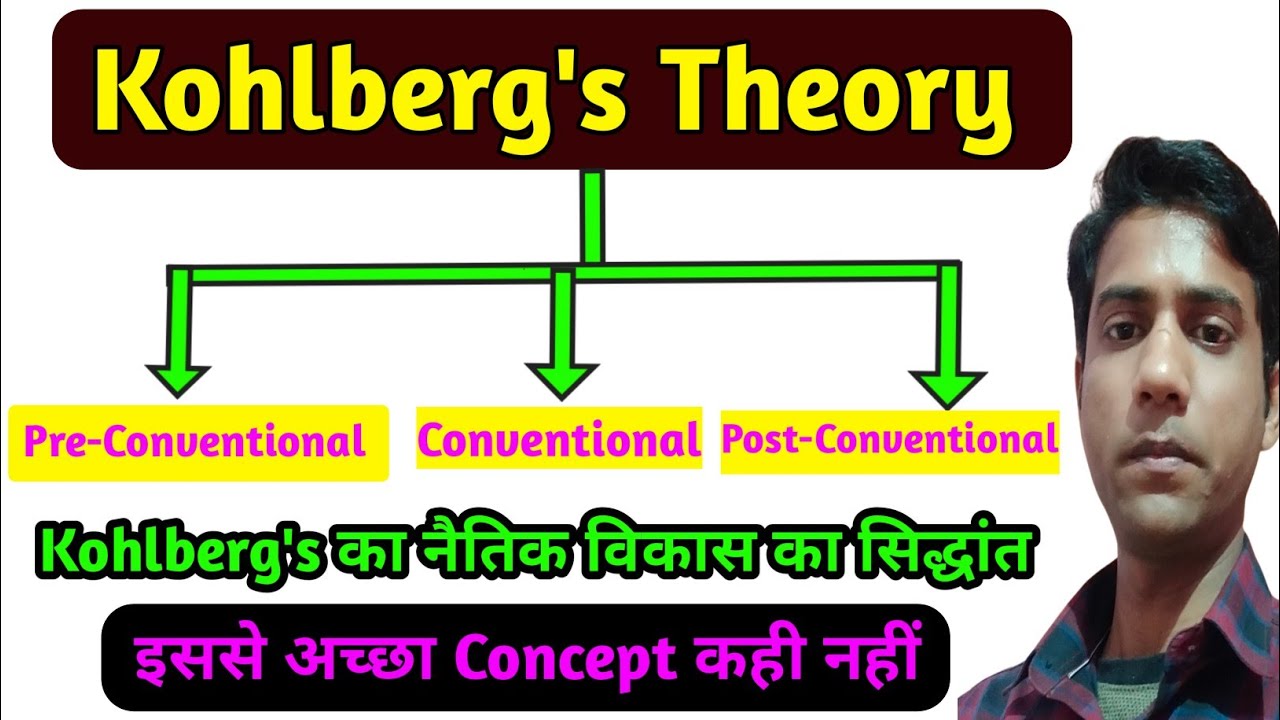

















Lawrence Kohlberg's Theory of Moral Development proposes that moral reasoning progresses through three levels (preconventional, conventional, postconventional) and six stages, from avoiding punishment and seeking rewards in early childhood, to following social rules and laws in adolescence and young adulthood, to understanding abstract ethical principles like social contracts and universal ethics in later life; research shows education level is the strongest predictor of moral judgment development, with most people advancing to postconventional stages during college.
Kohlberg's Theory of Moral Development: Stages Explained
Added:Jean Piaget's theory of cognitive development, as Kohlberg's model builds directly on Piaget's developmental stages.
Basic concepts in developmental psychology, particularly how cognitive structures evolve as individuals age.
The concept of a 'moral dilemma' and the distinction between moral reasoning (the decision-making process) and moral behavior (the action taken).
Fundamental introduction to ethical philosophy, including basic understandings of rules, social contracts, and universal rights.
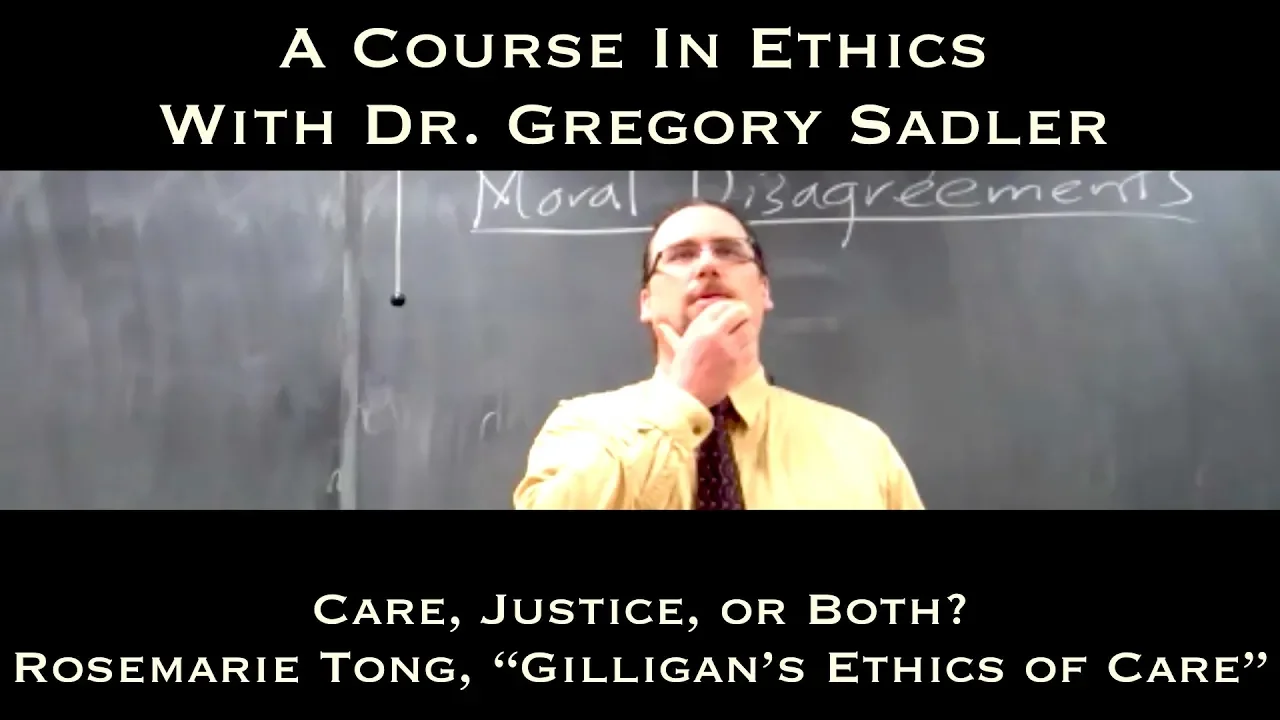
In-depth study of Carol Gilligan's 'Ethics of Care' theory and feminist critiques of male-centric developmental models.
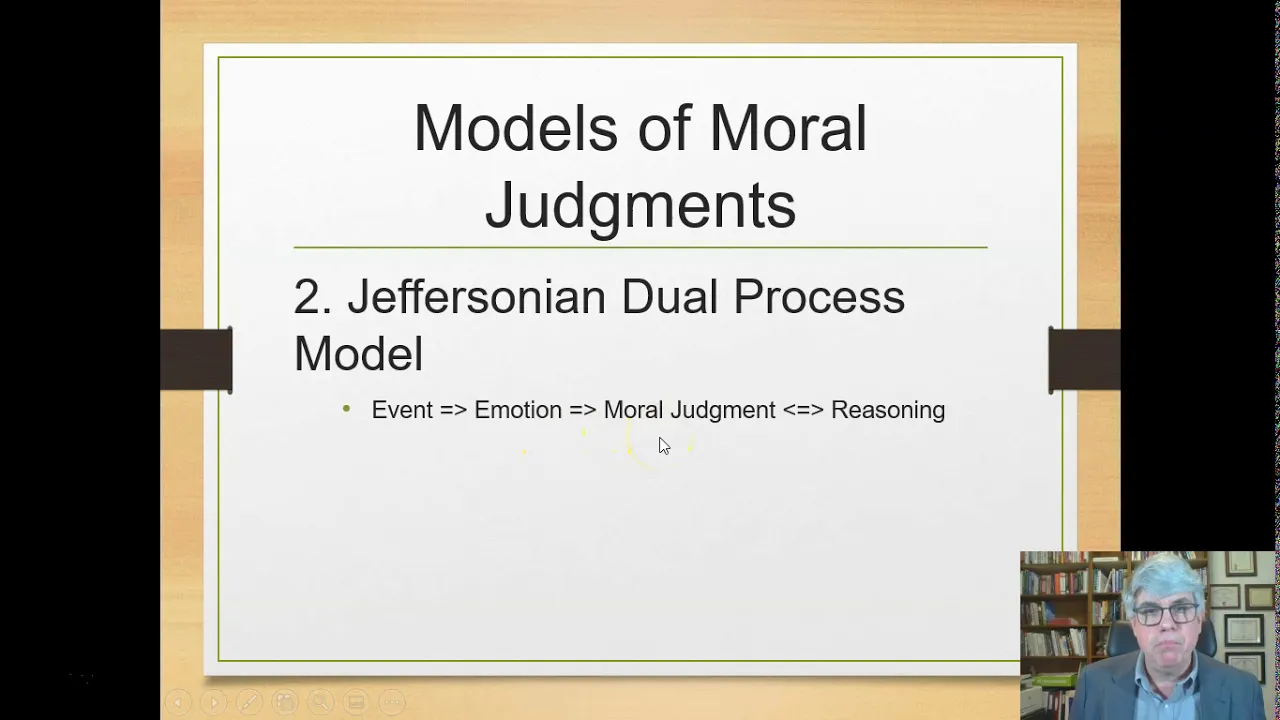
Jonathan Haidt's Social Intuitionist Model, which challenges Kohlberg by emphasizing moral intuition and emotion over rational reasoning.
Cross-cultural psychology analyses evaluating the universality and Western bias of Kohlberg's stages.
Practical applications of moral development in educational settings, such as character education and Kohlberg's 'Just Community' schools.
428.5K views3.4Klikes6:34Original Release: 2017-07-22
Hi, my name is Brian Colin with Learn My Test. If you need to do well on your exams, take practice tests. If you need to make practice tests, go to learnmyest.com. Learnmy My Test will help you make your own practice tests to study for your exams. Now, today's topic is Lawrence Colberg's theory of moral development. Colberg's research focused on giving people hypothetical moral dilemmas. So, I'm going to start by giving you one of Colberg's most famous hypothetical moral dilemmas, Heints and the drug. So, here's Heints and his wife, Clara. Clara gets very sick and goes to see the doctor. The doctor tells her that she has a life-threatening illness and has only a month to live unless she gets a special medication that is only available at certainies.
and Clara went to the pharmacy to get Clara's prescription, but unfortunately they found out the prescription cost $10,000 and they do not have $10,000 nor do they have good health insurance. So they had to leave the pharmacy without Clara's prescription.
Clara and He went to 10 banks and none of them would give them a loan for $10,000 to buy Clara's medication.
Now, Heines has thought of stealing the drug from the pharmacy. If you were Heints, would you steal the drug to save your wife? So, I want you to write down, if you were Heints, would you steal the drug? Yes or no? And then the second question is, why or why not?
Colberg would give hypothetical moral dilemmas like Heinson the drug to the same person when they're a child, an adolescent, a young adult, and an older adult, hoping to find a pattern in their responding as they aged. This is called longitudinal research. As people age, Colberg found a pattern in how people justified why or why they wouldn't steal the drug.
Colberg was able to demonstrate this pattern with other hypothetical moral dilemmas. This would lay the groundwork for his theory of moral development.
Colberg's theory consists of three levels and six stages. The first level is the preconventional level. Stage one is the avoid punishment stage. This means the person will justify their response by avoiding punishment like I don't want to steal the drug because I don't want to go to jail. Stage two in the last stage of the preconventional level is considered the what's in it for me stage. So for example, someone in stage two would say I would steal the drug because if I steal the drug and my wife lives, I will be considered a hero.
What's in it for me? I'll be a hero. So I should steal the drug. Level two is the conventional stage. Stage three is the first stage of the conventional stage and focuses on rules and norms.
Someone in stage three would say, "I wouldn't steal the drug because a good boy or girl doesn't steal." Or, "I would steal the drug because a good husband would steal to save his wife's life."
Stage four is a response that includes following the rules and maintaining societal norms. For example, someone in stage four would say, "I wouldn't steal the drug because it's against the law."
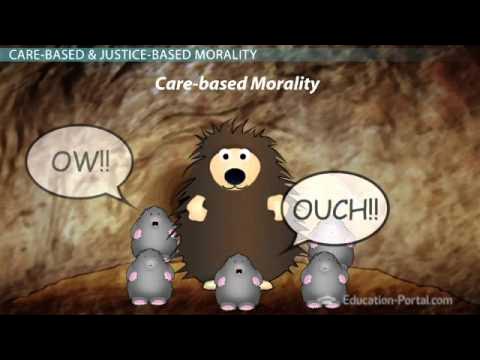
Or, "I would steal the drug because most honest people would steal to save their wife's life." Carol Gilligan, one of Coberg's students, believed that Colberg's theory was biased against females. For example, she believed that females were more likely to prefer stage three, a care relationship orientation of morality, whereas males were more likely to prefer stage four, which is a justice orientation of morality.
According to Gilligan, stage three should be equal to stage 4. However, Coberg disagreed. Level three is the postconventional level. Many people do not reach the postconventional level.
Stage five is defined by social contracts. So for example, someone in stage five would say, "I would not steal because respect of personal property ownership is an important part part of maintaining laws and societal order."
Someone in stage five may also say, "I would steal the drug because a law cannot justify losing a human life."
Stage six is the ethical principle association. For example, someone in sta stage six would say saving the most amount of lives possible is always the best decision, so I would steal the drug. Now, very little people fall into stage six, but Coberg swore that it existed. Now that you know the stages of Colberg's theory, go back and look at your response. What stage level response did you give? Now, if you're just starting college and you answered a level three or a level four, that's okay. Most people who advance into the postconventional stages do so during college. If you want to actually take a real standardized test on moral development, you can take Coberg's interview. But the more widely accepted test of moral judgment development is the defining issues test, which was constructed by one of Coberg's students, Jim Rest.
went to prison and tested convicted criminals. He found that they scored lower on moral development tests than the rest of the population. Later research with the defining issues test would confirm that women score higher than men on moral judgment development tests. Now, this would actually refute some of Carol Gilligan's criticisms of Coberg's theory that it was biased towards men. VIT research also confirmed that liberal political and religious views were associated with higher moral judgment development scores. The number one predictor of moral judgment development is education level. So the higher your education level is, the higher your moral judgment development scores are likely to be. Thank you so much for watching this video. If you're having trouble studying, the best way to study is to take practice tests. And if you can't find good practice tests, you should make them and learn while you do it using Learn My Test. Check it out for free at www.learnmyest.com.
Thank you so much for watching this
Up Next

64:50
Jonathan Haidt: The Rationalist Delusion in Moral Psychology
@hearreasons
103.4K views•2013-12-05

68:32
Cognitive Skills for Differentiated Instruction | Teacher PD
@BrainWareLearning
631 views•2017-12-17

9:55
Thinking, Fast and Slow: Daniel Kahneman Animated Book Summary
@FightMediocrity
2.3M views•2015-06-05

6:40
The Nocebo Effect: How Beliefs Can Cause Real Harm
@CGPGrey
10.4M views•2013-12-23
Related Study Plans & Knowledge Roadmaps
Structured learning paths in Psychology
psychology
Neuroscience of Creativity: Networks & Training
01Foundations of Creative Cognition
02The Cognitive Neuroscience of Insight & Fixation
03The Triple Network Model of Creativity
+ 1 more learning modules
15h4 modules
Explore Roadmap
psychology
Imposter Syndrome: Etiology & CBT Framework
01Defining the Imposter Phenomenon
02Socio-Developmental Etiologies
03CBT Fundamentals & Thought Distortions
+ 2 more learning modules
15h5 modules
Explore Roadmap
psychology
Adult ADHD: Executive Dysfunction & Scaffolding
01Neurobiology of the ADHD Brain
02The Core Triad of Executive Deficits
03Executive Dysfunction and Emotional Regulation
+ 2 more learning modules
12h5 modules
Explore Roadmap
psychology
Loneliness: Evolution, Neurobiology & CBT
01Evolutionary Origins of Human Connection and Loneliness
02The Neurobiology and Physiology of Chronic Loneliness
03Maladaptive Social Cognition: The Psychological Loop
+ 2 more learning modules
12h5 modules
Explore Roadmap