













Jonathan Haidt argues that the belief in a reliable, impartial faculty of human reasoning (the 'rationalist delusion') is a persistent false conception, as evidenced by research showing that moral judgments are primarily driven by rapid intuitions and social influences rather than deliberate reasoning, and that morality operates through six distinct foundations (care, fairness, loyalty, authority, sanctity, and liberty) rather than being reducible to a single principle like harm or justice.
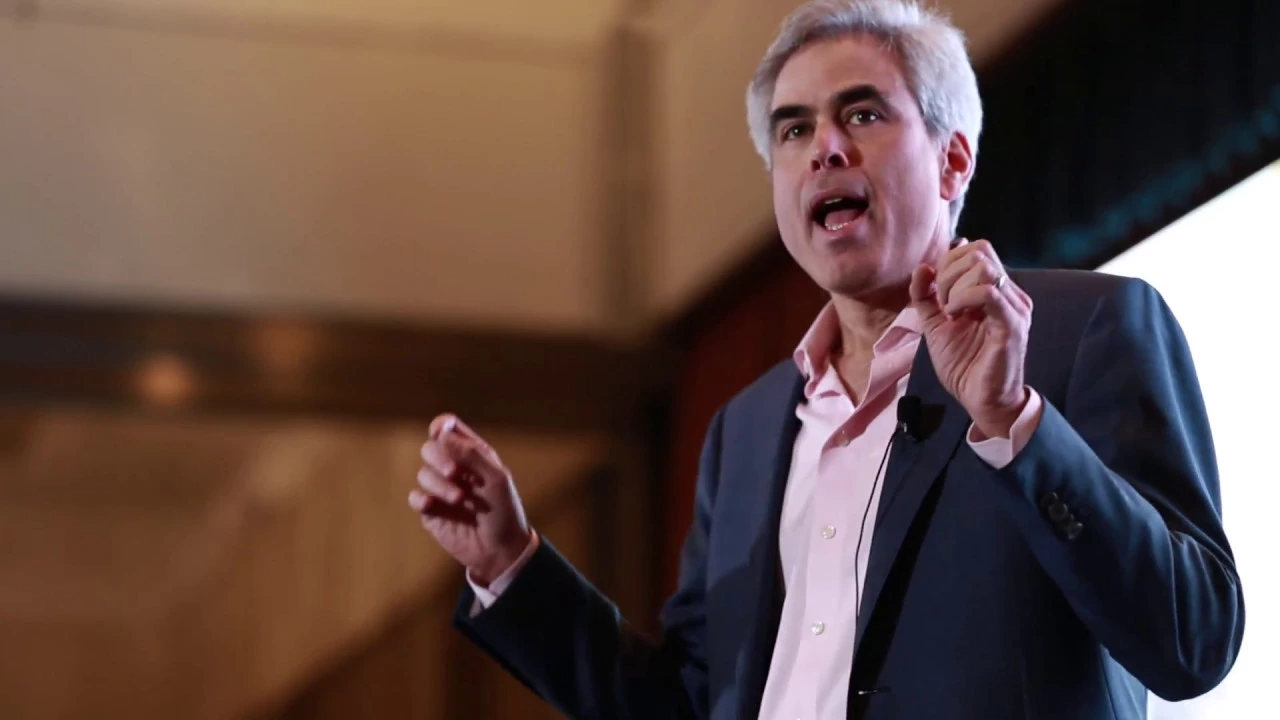
Jonathan Haidt: The Rationalist Delusion in Moral Psychology
Added:The philosophical tradition of moral rationalism (e.g., Immanuel Kant) and Lawrence Kohlberg's cognitive-developmental theory of moral reasoning.
The fundamentals of dual-process theory in cognitive psychology, specifically the distinction between fast, automatic intuitive processing (System 1) and slow, deliberate reasoning (System 2).
Basic evolutionary psychology concepts, particularly how evolutionary pressures shaped human sociality, group cooperation, and tribal instincts.
Jonathan Haidt's 'Moral Foundations Theory', which details the specific evolutionary moral receptors (e.g., Care, Fairness, Loyalty, Authority, Sanctity, Liberty) that dictate human values.
The psychological mechanics of 'motivated reasoning' and confirmation bias, exploring how the conscious intellect acts as a public relations spokesperson for unconscious desires.
The study of political psychology and polarization, applying moral psychology to understand why different ideological groups view the same social issues through incompatible ethical lenses.
Practical applications in conflict resolution and strategic communication, specifically how to frame arguments to appeal to the distinct moral foundations of opposing groups.
103.4K views1.6Klikes1:04:50Original Release: 2013-12-05
Thanks what a fantastic course he sent me the de syllabus as you know I was a philosophy major as an undergrad and I found it really kind of boring and I moved over to psychology because I thought that's where really all just felt a lot juicier a lot of topics that really interested me and that you could actually study and then along comes Steve in the 90s we start saying why does philosophy have to be boring and divorced from psychology which it used to be merged with and so this class is the result and really philosophy has been changed so it's a pleasure to be talking to you I've already had such a warm enthusiastic reception from many of you thank you so today are you as you know our time is limited I will be sure to stop talking by 20 afters that we have 15 minutes or for your questions and discussion I thought what I would do is just briefly go through what I'm calling the rationalist delusion I mentioned it in chapter 4 briefly tell you a little bit more about it here's a way here's a way that I think about it so the word delusion is defined in the dictionary as a false conception and persistent belief unconquered will by reason in something that has no existence in fact and Richard Dawkins gives us example of how to work with delusion and study them and talk about them he is admirably clear in describing the god delusion as a belief in a superhuman supernatural intelligence who deliberately designed and created the universe and everything in it so if you believe that Dawkins says you are deluded and it's a whole book on your delusion the hallmark of a delusion is again not just that it is a false belief but that even when you're faced with reasons and evidence you don't change your mind and of course it has to be able to in something that doesn't exist so I think that by Dawkins definition rationalism or at least there is a kind of faith in rationalism that is very much like the faith in God that Dawkins described and as you'll see at the end of the talk I will hoist Dawkins on his own petard least that's my so the rationals delusion I'm defining as a belief in a reliable Faculty of reasoning so if you believe that there exists a reliable Faculty of reason and as faculty is capable of operating effectively and impartially even when self-interest reputational concerns and intergroup conflict pull toward a particular conclusion if you believe that and you have been exposed to the relevant research on reasoning which is all pretty dismal and you still persist in believing that such a faculty exists then I posit that you suffer from the rationalist delusion now none of you in this room would suffer from it but many philosophers many psychologists even some not that many but in moral development many of them still do I believe in the 60s and 70s sort of the high point of analytic philosophy and its influence on psychology as information processing and all of that during that time eeeh Wilson in 1975 in his famous book sociobiology made this prophecy that the time has come for ethics to be removed temporarily from the hands of the philosophers and biologists eyes made part of the new synthesis and he tells us what that means he said he wants to put ethics on a new footing take it out of the hands of analytic style philosophers and rationalists he says that those folks they sit what they're really doing is they're simply intuitive the canons of morality the the principles by consulting their emotive centers only by interpreting the activity of the emotive centers as a biological adaptation can the meaning of those ethical canons be deciphered so of course that's what my book is about is basically a giant vindication of Wilson's prophecy I think I think events have conspired not well then succumb together very much as he said this is the hardcover this is the UK Edition which I'm very fond of but boy am I glad it's not here in the US it would have precluded me from talking to many audiences and this is the paperback which some of you have so as you know the book is structured around three principles you've already read I guess you recite to finish the book for today so I won't go into details I'll just show you some illustrations that I think will make it more fun will fit with what you've been reading so if we think about these three models of the relation between reason and we can call it emotion is what it used to be to focus on and one of the oldest ideas in intellectual history is the idea that the mind is divided to parts that sometimes conflict and wherever you look east or west there's sort of an idea that there's some sort of higher more reasoning area and then some sort of lower more animal-like Faculty Plato gives us many metaphors in the Timaeus he says that the gods created mankind they put reason in those orbs orbs had a role on the ground so we had to create the bodies so that's one metaphor the other is the Phaedrus reasons the charioteer and the passions the noble passion at the base passions are the horses and if a man studies philosophy and learns to control those passions then he can escape the bondage of reincarnation and return to the gods now I think this view the idea that reason of course Plato didn't say that reason is the master in most people but he said it can be it is in philosophers and everyone should strive for it so he believed it was possible I think this view of reason has taken quite a beating since the 1990s certainly from the neuroscientists who found that when you lose your emotion area you don't get hyper-rational in fact you either become unable to really think because reasoning actually depends critically on emotion and intuition or if you're still able to think at all you become more like a psychopath who simply doesn't have any emotions informing his reasoning so I think the reason as master view has taken quite a beating and I'll give it more of a beating model to the idea that reason is a servant this is as you know the model that that I endorse that reason is a great helper but it simply is not qualified to lead but rather than speaking of reason as a slave which is Humes word or a servant I think if we think about it has a really intelligent servant really more like a press secretary this is Robert Gibbs Obama's first press secretary and he's a very very smart guy they're partners they work together but you will never change Obama's mind by convincing his press secretary that something is wrong that's just not the way the systems designed so it just structurally can't happen that way now Hume said that the passions the master Jessie Prince embraces emotion straight-out he says we can do all this work with emotion I used to think that in the 90s I don't think that anymore I think we really need to talk about intuition more broadly a lot of things I've studied have been moral emotions but as you'll see there are many cases of gut feelings that aren't exactly emotions now you might say well okay maybe reasons not the master but it could certainly be an equal partner this is the view that Josh Greene has and the darshan or of is as Green gives us the idea of Conte and Mill fighting it out in the brain darshan our vayas uses the metaphor of dancing now it seems to me that if you have dancing you have one person leading the other following but she says well it's a different kind of dancing where they take turns okay but even if you downgrade it from master to equal partner is the evidence that we have on reasoning is that consistent with reason even claim an equal partner role is reasoning good enough independent enough to play the role of equal partner I don't think so so as you know I began my research studying these various emotions doing this research and harmless taboo violations I'll just show you and what I found was that while I could get ten students I could get highly educated college students to say well that's disgusting but it doesn't make it wrong if you push them hard enough you can still get them to go with their gut feelings and outside of college the great majority of people go with their gut feelings so I'll just show you here actually here it's gob this is a different one than actually much like the same story as is covered in the book it's the incest story and you'll so you know the story Julian marker sister brother this is hidden camera hidden microphone it picked up some sort of transmissions in some Croatian language or something through the ceiling but anyway you'll hear you'll see this guy responding to the story and you'll see the exact moment when he gets dumbfounded Julian mark her brother and sister are traveling together in France if they are both on summer vacation from college running their sing-along in cabin the beach they decide that would be interesting in front if they tried making love at the very least would be a new experience reaching them Julie was already taking birth control pills but mark uses the convent too just to be safe they both enjoy it but they decide not to do it again they keep that name is a special secret between which makes them feel even closer to each other so what do you think about this is often to have sex yeah I do believe it was wrong to another sex my saying um versus forget in the bottle so socially unacceptable personally I find it just disgusting palsy I have a little sister my arm just the whole concept makes me nauseous not because those three ready regions right there that's okay on time if thumb just because something is repulsive to you you want to say that always sneaks around you know no I wouldn't but in this situation I just I think that most my most people would find it repulsive so that's I just really in this case so I just wouldn't want something else to do it feel so strongly about it um you see what else we're seeing then and the Bible says it's wrong I'm not too up on it some say argue what the Bible says exactly am i well I'm not a very devout Christian but this is a sigh I can see I'm it it makes monocle sense of and consequences of incest so just known for thousands of years birds effects you know that nature yeah I believe it is wrong it was forbidden um aren't there like all sorts of things the Bible forbids that we don't think is wrong even if you're a devout Christian burger well that's true but in this case so I there's enough scientific evidence that shows you know that there is other consequences to it that I believe the deliver some yep I I'm going with the Bible in this case smarter Sciences to prove that it's a bad move for sure yeah if they're gonna have kids and clearly wrong but I mean she's on birth control Handy's as a conference there's no way that there's going to be a kid to come of this um he'll bring it up that it is still evacuated this lettuce I think is just mostly because I just ate repulsive mmm animal your feelings aren't is but if I mean personally I would find much I'm saying here I would find homosexual sex pulse with something that I would want to witness but I don't say it's wrong because you know people are inclined to that in there it's looking more and more like it's you know genetic sort of thing that's it was anything wrong with it even though I would find it personal superwash or something like that you know um so again I think just because it person finds something repulsive you can say it's wrong you say I don't want to see it I don't like it we can't say it's wrong just because you find repulsive i I agree and I respect that opinion better I'm afraid um I'm not swaying on this side I just I just feel too strongly yes it okay I respect that opinion but I'm not swaying on the topic I just feel too strongly against it here's another woman who says I don't have like a point that says okay that's why it's wrong but it's like a gut thing where I think it's wrong I mean you could try to possibly change my mind but I probably wouldn't so these sorts of experiences seeing this over and over again that was just very hard to argue people out of their moral convictions even when the premises that they gave could be completely refuted even to their satisfaction so this led me to upgrade update Humes model into what I call the social intuitionist models this is the basic human process right there but I made it more social by adding in the other person moral judgment doesn't just happen in or head like color perception it's a social thing we gossip we argue we prepare for arguing and because we are at least capable of changing our minds it lots of people would insist me that they've done it before and so I put it in as at least a dashed line we all have the perception that we've done I don't doubt that we sometimes do and some people do it more than others some people actually do have weaker emotions and stronger reasoning philosophers for example so sometimes it can happen that you simply reason your way to a conclusion just because of the evidence but I if you think about the number of times you make a snap judgment as you're walking on campus as you're driving your car I mean it's dozens or hundreds of times a day how many of you can think of a time in the last week when you changed your mind on a moral issue by just poor judgment of someone just by thinking through the evidence raise your hand okay a few of you can think of a time last week how many of you can think of a time when you judge someone in the last in the last day for any reason whatsoever okay so we make lots and lots of judgment and they're almost all snap rapid judgments that don't involve a lot of reflection just want to point out that four of the six links in the model are actually kinds of reasoning people often set things up everyone likes a nice dichotomy and so you know they say well height says that's all emotion not cognition and my response is no it's all cognition it's just their different kinds of cognitions there's reasoning cognition is intuitive cognition in terms of more direct experimental evidence I won't go into those to study read about that in the book I'll just show you the data you know that we hypnotize people to feel a flash are disgusted the words take verses often just to arbitrary words here's the data the manipulation check when people were asked to judge how disgusting a story was they the read is the average rating on stories with hypnotic discuss so much more disgusting on a scale of 0 to 100 if they was discussed they discounted that somewhat so when they made moral judgments it wasn't as big as their disgust difference but they still said that things were more wrong if they felt a little flash of something and while they were judging and then the most fun thing this the thing we tap tagged on at the end tapped on at the end about a Dan who tries to take topics that were appealing professors and students there's no disgust present this is a frequency prod when there's no disgust president everybody aim for the left edge of the paper nobody said it was wrong but when there was hypnotic disgust present 1/3 of the people said this was wrong even this case where nothing that could possibly be wrong but you said Robert gives out to justify you say goat you know go I feel that this is wrong somehow press secretary find me a justification for condemning Dan and everybody sense that the press secretary must come back empty-handed boss I can't do it the guy's clean I can't find anything on him all right we'll say zero but the third of the time it comes back and says you know I think we can nail this guy on brown-nosing yeah that's it brown nosing okay so we can say it's wrong and then we can say he's just somehow he's sucking up to the professors that's it right so it says terrible terrible reasoning but this is what we do when we want to condemn someone we look really really hard for reasons I've used many means of augmenting disgust fart spray dirty desks videos Trainspotting video about dirty toilet and in all of these case we find the same thing flashes of disgust will augment moral judgment but you don't need a motion NIC Eppley and others have done great work up you know if you have people not in their head or shaking their head they're more likely to think what something is right or wrong depending on which way the head is moving David Pizarro if you're standing near a hand sanitizer activates thoughts of purity no emotion just at concepts of purity you become more critical especially of sexual violations and when we add that work to the mountain of research on motivated reasoning confirmation bias and the fact that nobody's been able to teach critical thinking there's a little bit of prog you know if you take a statistics classes you'll change your thinking a little bit but if you try to train people to look for evidence on the other side it can't be done it shouldn't be hard but nobody can do it and they've been working on this for decades now at a certain point you have to just say might you be searching for Atlantis and Atlantis doesn't exist the famous article the argumentative theory of reasoning Mercier and Sperber they say that skilled arguers are not after the truth but after arguments supporting their use so you put all that together I think this principle is now pretty clear it's not that we don't reason it's that intuitions come first and intuition then structures the space in which we do our reasoning if you think that people can you can say okay now jury please look on both sides equally and then reach your verdicts we're not capable doing that as individuals on to the second point there's more to morality than harm and fairness you know when so in the middle eight in the Enlightenment as God was no longer available to philosophers as the to some philosophers as the grounding for morality and philosophers had to find some other way to justify saying that something is wrong or or imposing regulations on people there are really only two anchors that they seem to find either you can ground things in harm and suffering that it's wrong to hurt people and of course then --them was the first to do this really systematically in John Stuart Mill and more recently Peter Singer so there's a monism is very very popular in the Academy there's a sort of the idea that if you can explain something complex with just one principle you win a prize I mean that's that's real progress and of course since Newton that has been progress into Natural Sciences the other the other possible candidate is fairness or justice as Lawrence Kohlberg wrote virtue is ultimately one not many and it's always the same ideal form regardless of climate or culture the name of this ideal form is justice this is so much of the history of moral philosophy you know it's it's you know I'm a Conte and I'm a million utilitarian deontologist just goes back and forth and back and forth on whose monism is is the proper one who's one principle um I this is going to this is sort of heretical to say in the sciences but I I'm opposed to the pursuit of parsimony I think it's not something that psychologists should be searching for I take ahkam very literally that you should that if two explanations are both equally good well sure then go with the simpler but in the history of microbes your psyche ecology the philosophy has been if you can possibly explain something one principle just do it because that's better well whoever design Heymann beings namely evolution but whoever design even beings didn't give a damn about parcel mine we are not parsimonious creatures and I think that these efforts to justify our this incredibly complicated pursued that we have it's at rest at all in a single foundation are just doomed to failure I really came to see this when I was working with richard shweder the anthropologist at the University of Chicago and as you know from trying to review trying to make sense of you know cultural psychology is so clearly right and evolutionary psychology so clearly ray came to believe that there are six best candidates for being the bridges between these two fields six areas where you can really easily point to a clear evolutionary story that you didn't make up yourself so issues of care and harm fairness and cheating you know tripperz reciprocal altruism all of that Liberty and oppression whilst if that loyalty betrayal we're the only creatures that are able to form groups that are not based on kin in order to compete with other groups we love it so much that we invented fandom Authority and subversion we show deference in some ecologically similar ways behaviorally similar ways would be rather weird to say that some somehow Authority was something that we just made up culturally we were not designed to show it like all the other primates and finally sanctity and degradation of course it's it's clearest in religious context but you find some sanctity of thinking on the left as well when you're talking about sexuality if there's a big big culture war so of course you find it in Islam in Judaism the idea of somehow you need to prepare your body for contact with God that we are animals but we're also children of God you have to prepare your body to to engage in these in religious functions so at your morals dot-org there was a version of this graph in the in the paper it's a little dinner have a book is a little different but the basic finding as you know is that people on the Left endorsed only three of the six and even there they could care above all else and people on the right endorse all six really roughly equally and they don't say oh well our top priority is to is to protect suffering so you know almost every cultural issue I think can is illuminated by this simple graph you know gun control I mean people are getting killed children are getting killed that's all you need to know we Mott we've got to get rid of guns or limit them severely but on the right they're issues of liberty self-protection proportionality rights so on the Left if you when I first got to New York two years ago Occupy Wall Street was just starting up and there were so many signs about compassion empathy I just got this cartoon by email equality to a conservative versus equality this is so revealing about the last election so obviously the cartoonist is is politically liberal and he thinks that a quality conservative is fine let everybody everybody has their box this guy can see this kid can't tough luck they're all equal whereas to a liberal liberal says well he doesn't need his box so why don't we take it from him give it to him and now everyone's equal an obvious that justifies very heavily redistributed redistributed taxation which people don't need all that money when there are hungry people around so take it from the rich give to the poor people or that would be that would be fair according to people on the left but on the left there is a often a really visceral rejection of authority loyal to group loyalty and sanctity this is about as sacrilegious as one can get in terms of these sort of the national religion of the troops that are risking their lives for the country are it's a quiet it's a quasi religious act the services are quasi religious branch of the government and so to say [ __ ] the troops is as sacrilege says can be even if most people on the Left don't think this some do and people on the right flat send these sorts of images all around to stoke outrage sanctity and purity concerns this is a very different view of female chastity this is Madonna or Madonna's book sex and this bumper sticker I think this was in the book your body may be a temple but mine's in amusement park the subtext being used stupid prudish conservatives I took photo Occupy Wall Street I have no idea what it means but you could never ever see a sign that says nothing as sacred at a conservative function it just couldn't happen so I think this is why liberals are more enticed by by monism because if you're if you only have three ethics to begin with and one of them is clearly preeminent well utilitarianism just jumps out at you the obviously correct moral theory all right that's all I'll say about principle number two okay we're doing fine on time we'll have plenty of time for discussion principle three morality binds and blinds so you know people often ask me about well you know the world's going to hell and there's all this war and corruption and I say well I actually have very low standards um I it's um you know you look out at the world and you think about evolution and and it's an absolute miracle that we cooperate at all I mean there's almost no violence there I couldn't say that twenty thirty years ago when everybody knew someone had been mugged recently but but that was a temporary thing caused by leaded gas violence has been plummeting for millennia as Steve Pinker has shown there was a temporary surge you know this is the I mentioned the book it turns out there's a recent article in Atlantic with more scholarship on this it was basically we leaded gas was so prevalent in the atmosphere I just had lunch the other day with one of the lawyers from the EPA you got this through the banham through in the 70s let it get so we're pumping hundreds of millions of tons of lead up into the air it's coming down all over the country kids and cities are getting a lot more of it that's why crime rates shot up in cities much more so big cities used to have much higher crime rates than small cities but once New York City took the lead out in late 70s and then three years later everyone else did nationally crime rates plummeted first in New York and wider crime plummet 1993 all must be Rudy Giuliani and then three years later everywhere else so turns out it was that any sets a little aside I just love this I'm I live in New York now and it's unbelievably safe there are no cops no crime nothing everything's fine and I grew up in New York and it wasn't like that so I'm sorry I'm just still amazed at how our world has been transformed by taking let out the 70s all right back to our story it's amazing that we can cooperate and there's almost no violence the only other animals that can do that are the Hymenoptera train also termites things like that and so to me you know the great miracle that I really tried to figure out in the last 10 or 15 years I've really been focused on is you know how do we go from hunter-gatherers to this to Babylon in the space of just a few thousand years I mean it's unbelievable it shouldn't happen there's no precedent for that on this planet well there is precedent in the Hymenoptera and other ultra social animals but but not for creatures that are not kin but bang we get Babylon we get Tenochtitlan I mean how did this happen and I believe a big part of the story is our ability to make things sacred we all around the world people express their religious feelings in somewhat similar ways they tend to circle around sacred objects literally circle these are Muslims circling the Kaaba at Mecca and when you circle it's as though you pass a wire through a magnetic field and you generate electricity general electric charge Durkheim used the metaphors electricity collective effervescence when groups get together like this it's not just religion the flag is a kwazii's is a sacred symbol of the nation it's the same psychology nationalism and religion involved much of the same psychology and this allows these men to circle around it and bond together and trust each other but when we circle around sacred objects and we generate this electrical charge this metaphorical electrical charge it's as though it splits apart good and evil we see the world in terms of good and evil and we're good they're evil it's very difficult to get people to listen to reason when you have this sort of thing going on which we all do I just want to point out that once you take this perspective that humans have this unique way of getting groups together making them cohesive and for what purpose why is it important to have a cohesive group to fight other groups because our ancestors have been fighting each other and cooperating too but we've had this dynamic of intergroup competition has been going on for couple hundred thousand years at least and in some ways for millions of years so once you see human groups is competing and competing in part on their ability to become cohesive and to form communities of trust well suddenly it's kind of obvious that we evolved by multi-level selection including group selection it's kind of obvious that the genes sitting inside you today we're not selected just because your great-great-great-grandfather beat out the guy next to him it's because your great great great great wave etcetera etcetera you know grandparents and their community survived the famine or survived the war when the group next to them didn't that's why the genes we have in us are here because of selection at multiple levels and once you see it that way then you actually then you it's easy to see how religion was an adaptation which of course the New Atheists are committed to doubting they cannot grant that religions an adaptation because it was an adaptation that we can't just rip it out if it's a virus then obviously we have to rip it out now I've had some dealings with the New Atheists and it's always been rather unpleasant and what I've come to see is that they you know they deny religion but actually the age they show all the same psychology religion that religious people lots of people pointed that out but I want to specifically add that what they sacral eyes is reason you know if you sacral eyes Jesus Christ or you sacral eyes some ancestor you know that binds are grouped together and you might say well other other people are infidels but that's not really so insulting if you sacral eyes reason and what are your enemies they're irrational they're stupid so this is the Richard Dawkins foundation for reason in science we are liberated by calculation and reason to visit regions of possibility that once seemed out of bounds or inhabited by dragons this is the rational solution this is what Plato believed reason is our highest attribute it works beautifully if we can just rip religion out and if we can just let ever teach everybody to reason then we'll be fine this is sam Harris's project reasons spreading science and secular values we're going to encourage critical thinking and erode the influence of dogmatism superstition and bigotry so it would be interesting to know whether they themselves have been successful in their critical thinking whether they've eliminated dogmatism from their own thinking are we very interesting to know here's another one of these guys Massimo Pigliucci at the the header of his blog he he says rationally rationally speaking he calls the blog rationally speaking he worshiped that it we should all be someone who devotes himself to the tracking down of prejudices so that's great I'm sure he's a great thinker well um I gave a talk on the absence of conservatives in social psychology and and John Tierney wrote up New York time Massimo Pigliucci read The Times article and basically called me a liar said in his blog that this is a common thing you see say either he's stupid or he's lying I know he's not stupid so he must be lying so he did now he didn't so pillion she says only bad things about me without actually watching the top the top was available online journey had a link to it pillion she didn't watch the talk and I challenged him on that is that what did you watch the talk and then he said I have seen the talk now that was ambiguous I okay you've seen it now in his next person you've seen it now but had you seen it when you read it he still wouldn't admit it basically I caught him lying trying to trick his readers to believing that he had no sleazy this well I'm sorry I shouldn't say that I'm sorry you see what happens you get caught up in an emotionally you start getting angry so you know I'm a I'm a research psychologist I don't get angry I get even with data so the the similarity among all these guys with the exception of dan dan attend it's a little bit different but the similarity of most of them in their style was such that I thought well let me test this are they really more dogmatic than other scientists so I took the full text of a bunch of books and I ran it through the Luke program linguistic inquiry word count counts up words and puts them as Jamie Pennebaker has validate with all kinds of different categories and there are two categories that were operated relevant was anger how angry are they the other was certainty if you're if you're fighting dogmatism you should be open-minded right but if you're dogmatic you're always saying certainly it's the case it's always the case it's never the case so for anger words I took so these are although this is the complete this is the word count the percentage of words in sober and Wilson's book unto others damn Dennett so Dan Dennett so he's a new atheist but he's not angry this is my book the happiness hypothesis and Scott it so books on religion the the anger rate in those books is relatively low but now here we have Harrison Dawkins much higher and especially Harris so that validates what we know when you read it that's what you hear and just for fun I thought well where would you put Glenn Beck and Ann Ann Coulter and Michael Sam and the answer is that the that Harrison Dawkins nestled right in among the right-wing ideologues so their claim to be so open-minded non-dogmatic is not doing so well let's look at the certainty category and here the effect is even starker and here actually then it joins the New Atheists because he too uses these formulations certainly it is the case it must be the case it is always the case that's not the way scientists talk but that's the way ideologues talk that's the way moralists talk that's what our righteous minds do so to conclude morality got plenty top morality binds and blinds I hope I've convinced you that this idea that reason is our most noble attribute that if we could just learn to do it right we can then escape all these biases and corruption I hope I've convinced you that this is a delusion no matter how many courses you take on rational thinking and good thinking well it's possible that some individuals will make progress but if you do it on a large scale you won't we don't just don't get any progress so it's a delusion but I'm not just saying let's throw up our hands in the air and say okay we're rational so what there is an alternative and it's intuition ISM sometimes intuition on its own beats reasoning even within a single individual if you try and decide which poster you like or variety of consumer decisions where when people are encouraged to think about it list reasons there then less happy with their choice so sometimes intuition is actually better but for difficult things for public policies things that it's not it's definitely not you don't want to just tell people oh scientists say that reason doesn't work so go ahead Congress just legislate like you feel you know that's that's terrible um I mean could even be worse than what they present that would be pretty bad my point is that each of us as individuals is limited like a neuron neurons are not very smart on their own they do one thing they do it well humans do one thing very very well we're really really good at finding evidence to support what we want to believe and what else and related to that finding evidence to disconfirm what others want to believe so each of us is a neuron neurons are not that smart but if you put us together in the right ways then you get a brain brains are really really smart and so we need each other to think we need each other to challenge our reasoning this is one of the reasons why we need diversity a particularly ideological diversity intellectual diversity we don't have that anymore I'm just finishing a paper now showing that in the 20th century there was some ideological diversity in the Academy it was always dumb predominately liberal but there were 10 20% were conservatives or Republicans until the 90s and then it drops to about 10% overall in my field it's only five or six percent of tenure faculty probably much lower than that essentially they're in the closet in fact now you notice I'm curious I'd like to know what the composition is here please raise your hand if you would say you are liberal or on the Left raise your hand high right now okay please raise your hand high you could say you're conservative or on the right 1 2 3 4 5 6 7 8 9 10 11 okay that's actually pretty good that's much more so than most place in the academic world now so some of those hands I had I could see but you could because they were like this there is there is a lot of well there's a hospital climate in the akat and the academic world for conservatives and if you value diversity because it helps us think this is the most important kind of diversity but there is anyway so Wilson's prophecy I believe has come true Wilson was absolutely right the the analytic philosophers had botched morality I believe they were basically arguing about how many angels can sit on the head of a pin when there aren't any angels and now that it's been made an empirical study I think we're making really rapid progress and one in which philosophers and psychologists are working together so I think where we are is that in the 70s there 70s through the 90s there was a kind of consensus that the the key to study morality is studying reasoning that you can ground morality in one on one pillar and philosophy and psychology where the main disciplines working together but now the new synthesis is here and now the dominant process is widely seen to be something like intuition many people are moving towards a more pluralistic which is much more welcoming for cultural diversity and political diversity philosophy is still involved but the action has really come from the linkage between psychology and neuroscience that's what really energized things beginning the 90s with DiMaggio and Josh and Josh Greene and many others nowadays but it really is a new synthesis as Wilson said that is all the branches are coming together and and we read each other's work and you go to a conference on morality nowadays everybody knows a little bit about psychopaths and bonobos and babies looking at you know cars going up hills and we become a common knowledge base across many many disciplines it's really it's very exciting time so I'll stop there I'll just leave these if you want we can talk about normative implications so let's we'll start with just quite general questions that you might have about the book and then if anybody wants to ask about or talk about normative implications I think these are our some of them so let us talk thank you this is a cognitive model of what people are doing when they're doing morality so what are normative ethicists doing are they you know is temp c'n sitting in his office just doing nonsense right now I guess and do I guess do you think that these at this is these normative ethicists actually believe their own normative theories I mean there's evidence from schwitzgebel that they really don't wait swiss gable has evidence that they don't believe don't believe the rumor diffusor don't know they don't act all right and I mean I guess that's what I'm saying did they actually you know hold these normative theories for themselves great great questions so I spent a spent a year at Princeton at the Center for human values I think those last time I was I spoke here at Rutgers in 2007 and I I was hoping and I had I have such a strong sense that there are major applications and implications of empirical research for normative ethics and I spent the year talking with philosophers trying to explore those did not make very much progress but part of the reason I think is because the the project of the social scientists or the sciences is to figure out what what is how do things work truth is out there and my sense was that the project for the moral philosophers was a project of justification it the project is how can I offer a good argument to support some proposition some conclusion it becomes kind of like a game and there are communities and so their communities that organize around one proposition that ultimately harm is what matters there are others that working on another proposition that we have these rights you see so if you look at the flip community philosophers as an anthropologist water sociologists of science you see them as communities that are developing questions of interest topics of interest and their challenges you know like who can solve for a met Last Theorem who can justify utilitarianism who can justify quality of the sexes there are all sorts of things for which one could give an argument and arguments have to have some sort of premise so you if people kind of agree on the premises and this cannot to go unstated or they're probably accepted then they can do it but it reduces to a kind of the game and it would be one thing if there was clear progress if philosophers had the sense that 100 years ago man were we ignorant but now we're really close we're really closing in what you know then I'd be willing to give them more times all right it's good another 50 years but I know Steve is there I mean well until until you took it until lastly took the empirical turn you say as of 1990 would you say there was a general sense among ethicists that there's been progress over the last 2,000 years yes okay how it said 2,000 years oh how about the 20th century was there sense in 1992 was progress okay telling it so okay I am wrong so tell me how how was the progress something too bright out I didn't say a justified sense John you asked whether they thought they were making progress and the answer is yep they did okay it's instead about psychology that we make progress by overcome the obstacles that we placed in our own path so made perhaps it was in that sense at any rate so if philosophers are playing a different game and it's also should be said they are different from other people they are higher on rationality they're better reasoner's and they're lower on emotionality so they're often not very good models for the rest of us and then we've given the schwitzgebel finding that they're not different from us I think that's pretty damning as to whether knowing the good will make you do the good ok other questions just come up you come on up come on y'all y'all must have some questions come on up hello I really I kind of enjoyed your presentation hi I found a just a little bit it was but um I found it really interesting how you pointed out that atheists have made reason sacred and this is caused them to become illogical the new way not all not mostly just the new atheist and and I find this really interesting because I'm currently pursuing I guess a career in science I'm majoring in physics minoring in biochem and I decided to pick up a minor in philosophy because I realized by looking at these people and realizing how flourish they are there it's not enough to know how to think you have to know how to think about thinking and I think it really comes down to we've been hearing our entire lives that God works in mysterious ways and none o buddy's willing to think well evolution is mysterious the Big Bang Theory is mysterious why is it that religion and science have to oppose each other and I guess I think they don't you know there really isn't any sound argument for atheism the same way there isn't a sound argument for religion because they're both based on faith they're based on belief because you don't have any experiments to prove this and so if there are all these rational scientific men I guess what I'm asking is how do you think they went about becoming their own enemies okay well so the New Atheists let's separate them off to the side because they are angry and they are organizing and Dawkins makes it clear in his book that this is that he's an activist he wants to raise consciousness let's separate them off let's just look at scientists the great majority of scientists well almost all scientists are natural ists now you can be naturalist and believe in God and some do the great majority of scientists are natural ists and but I think the majority certainly the fields you talk about don't believe in God is that the same is that is that epistemological II the same as believing in God I don't think so if you want to say that the only the only standard of proof is an experiment to prove something one way or another well then sure I couldn't you know there's no experimental proof either way but there are there are both degrees of plausibility and there also there are trends in findings so the idea the theistic conception that God is involved in our everyday lives and makes things happen it's very widely believed around the world that that either is or isn't true and at a certain point since there's never been any evidence of the miracle despite many claims of them at a certain point you have to conclude you know what maybe things don't happen because God is intervening it now seems rather unlike and of course the one can't prove that God never ever intervenes just that God doesn't you know both sides pray to win in a football game in one wins you can't say we'll see they were right so I really don't think that I really don't think that the queen of science so sigh what's miraculous about science is not that scientists are so smart there are smart people in every profession what's miraculous about science is that it's an institution that you put people together to challenge each other's reasons and truth emerges I don't think that's true in the theological community now of course the Catholics have a long tradition there's argumentation there is a process of filters I shouldn't I shouldn't speak too soon on that um but I I don't think that they are epistemological II the same i don't think and the kind of faith that we have in science you know it's what faith that the Galileo really lived I mean yeah I have faith that he lived there's no but I mean how I don't see how we have how science depends on faith rather than a trivial sense you want to come back on that or is that just shout it out if you have a quick okay.what yes you okay you are taking it on faith but it's a faith which is open to testing and often things do get tested and revised now when religious folks take it on faith that Mohammed got a revelation that is not verifiable I mean if the historical scholarship suggests that none of these prophets even existed even Jesus nobody saw nobody wrote about him there's no evidence that Jesus existed no mention of him until decades after his death this was in Roman times there's a lot of documentation at the time so um you know I think the replicability of scientists the era you know I think it's fundamentally different yes shout it out or go to the microphone please if you're if you're don't raise you just go to the microphones now oh you can get this foreigner there you know thanks very much so first of all I would love to hear more about all this this stuff here but the second thing is I was really curious to hear more about this this evidence you mentioned that critical thinking doesn't work how do you know that it's not just at it's being taught badly or something about it and it just it just isn't possible because it seems that you're you're independent okay so there was a review article by Lilienfeld I believe it's in the footnotes if you look in the book the reference section under Lilienfeld Scot lillienfield's a really great psychologist challenges a lot of sacred cows and there was a lot of you know you look old enough to remember as I do that in the 80s Oh critical thinking all the schools were such critical thing we don't hear about that anymore because the programs didn't work but I as I understand it you you can show progress on certain aspects of thinking people can get better at finding evidence and organizing evidence or their side when you if you if you tell people now look on both sides they just can't do it it's like you know we're gonna teach people to use a knife and fork and then we want them to use that to saw down a tree just doesn't work so it could still happen someone might still find it now I think if somebody would say you know I think we could possibly do critical thinking by saying okay human reasoning is designed for this purpose it doesn't work for other purposes if you want to do critical thinking is what you do find somebody disagrees with you sit down get to know each other have a few meals together trust each other over time that person will be able to critique you and now a year from now let's talk and and see if you consult that person for help I think you could do it but it would be a social intuitionist kind of critical thinking not rationalist critical yes Oh which was that yeah what are the normative implications of okay while standing on one foot in the remaining six seven minutes I'll simply say that for individuals to adopt a rationalist ethos they're just so vulnerable to fudging that it's just hopeless I think virtue ethics of the major theories I think virtue ethics is the only one which is really appropriate for a real human beings cultivate virtue by habit over the course of years cultivated your children worry about who they associate with so if you want to encourage good behavior in children or in yourself I would say think about virtue ethics not not the other kind for public policy however it's different republic policy we have diversity if we were a small nation with shared norms we could we had said we would have some other options but we're not we have a lot of diversity and this one the geniuses of the founders of our country is to say we don't have to all agree democracy is not about agreement democracy is about how we make laws given that we don't agree so for democracy with diversity in it I think there's no alternative to basically a consequentialist legislation Bentham was right and I'm very grateful to him for putting English law on the base of consequences the problem is that the people who do that the people are attracted to that way of thinking tend to be on the spectrum towards Asperger's they don't understand human nature and they engineer these world that couldn't possibly work so if you're a real utilitarian you would want people who understand all this sacredness stuff all these marital foundations basically you'd want Emile Durkheim to do your legislating for you or at least Durkheim and a bunch of other people who get that's why I call it durkheimian utilitarianism I think that's the best approach to to public policy okay yes and so you used the term Reason generally to refer to conscious deliberative processes but that's crucial often in cognitive science reasoning means a kind of computational processing that can be conscious or unconscious and so do you that there's a role for unconscious reasoning yes I call it intuition yeah it's all cognition that's right if it is my argument and Humes argument depend crucially on saying reasoning is conscious and verbal that's the way Kohlberg used it that's why it gets interesting now once you say it's just computation or cognition well of course it is I've seen that oh ah it's all cognition I'm not saying it's emotion versus cognition please never ever contrast cognition versus emotion it's totally hopeless okay so yeah unconscious can you talk a little bit more about what kinds of cognition you think are involved and if it if you think that kind of cognition is different from the kinds of appraisal processes that John Mikael talks about or how you think your theory integrates with his yeah the mind is a neural network it does all kinds of stuff it's somewhat modularized these modules are the outputs of them I would say well the definition I give of intuition is that something emerges into consciousness so most of what the mind is doing you can't even call it an intuition on my definition because nothing emerges into conscience this is not a moral intuition but it's unconscious processing it's automatic processing John Mikhail's the sort of the low-level appraisals you know causality priority and all those things yeah the mind does that right away animal Minds do that too so to accept that brains do cognition they do computation they always have that's what I invent the elephant it's all this rapid automatic stuff and you're doing a thousand things at a time it's but that's not what Plato meant that's not what Kohlberg meant by reasoning um and another one of your talks you mentioned that we should be more open to using the like whole five moral pillars hmm I wanted to know what you thought would be the appropriate like how do we find out what to be loyal to and what authority to respect if most people just do it based on what they were raised in there's not a lot of deliberation yeah that's right this is this is a really good question is one that that many people ask because I am so if I say that there are all these different taste buds there's no obligation to use them all with a bitter taste but does that mean that food should have bitterness in it not necessarily before there were government's before there was democracy before there was large-scale civilization with laws we had to do everything based on our own sort of internal code of ethics and you still find that in the world in small-scale societies and in gangs gangs are based very much on this these five hundred these a lot of purity a lot of loyalty so I'm not at all saying because we used to do it with all of them we need to do it with all of them I'm not saying at all what I'm saying is that as an empirical matter what I've come to see is that if you reduce everything to just concerns about harm it's very difficult to solve this problem how do you get groups together for example I think the you know probably one of the worst things in our society is men who father children and don't raise them as a terrible terrible thing the left won't talk about it but the rights can talk about it for a long time the idea of the family as a unit which is organized for the care of children which people have duties and obligations to it it's an empirical question whether that's good and the empirical evidence seems really strong conservatives are happier than liberals they give or charity that's mostly because they're more religious but religious groups basically is the durkheimian approach if you constrain people tie the mins that they do their duty to their local community it ends up better for everyone that's the conclusion of Putnam and Campbell so had it turned out that religious groups religious people were worse they gave less to others they just focus on themselves they didn't care about others they impose costs on others then I would be changing my tune then I would be saying basically I'm if you read Josh Greensburg he's dead the manuscript out have you read his new book i Freight what his term is for it but basically you know I'm a sort of a utilitarian so if it turned out that that encouraging loyalty to your group or your family was a bad thing I'd say don't do it but it turns it to be a good thing um so so yeah we need to totally purity is the hardest one because that tends to it was used for the Jim Crow laws it was used to exclude gays so purity needs to come way down from traditional times and it has that's a good thing but if you're I think it's not necessarily good to bring it all the way to zero it's good to example to treat your country as as not just a collection of individuals who pay taxes to have some feelings of patriotism I think these are good things well so in your model appears that reason is really kind of subjugated to intuitions cut in this pretty weak role of moral as justifying than tuitions that I already have in the moral domain yes moral domain right so I'm wondering actually really like your additional kind of social piece adding in that context that indeed moral judgments don't exist in a vacuum and really are influenced by social factors I mean my likelihood of expressing it on popular opinion in a group of people that I don't know they're liable to you know enact negative consequences a lot less than in a room of my peers or something like that but I'm wondering what do you think the social dimension actually adds to moral judgment it sounds like you think that being part of groups somehow actually can influence the moral and tuition process above and beyond individual reasoning that somehow adding other people into the equation allows reasons to get in to these intuitions yeah I think that's right so if you think of moral judgment as a kind of physics you know you take a person you show them you know a flashing light and how how close together can they still resolve it psychophysics is something you don't need other people for now then you could do studies showing that when you're near other people you overestimate I know so maybe other people will influence but fundamentally visual perception is a solitary act is moral judgment like that and for rationalists I think the answer is yes you can judge whether someone's rights are being violated etc it's almost a perceptual process well it's more complex but it's like a perceptual process but I see moral truths as being emergent I see moral truths as being like the truths of the market so suppose there was a planet where there was no intelligent life and there was you know some mineral there how much is it worth it's a nonsensical question on this planet there's gold in this silver which is worth more which one is worth more buy out school and is that objectively true is that a non anthropogenic truth a fact about the universe earth is the third planet for the Sun gold is worth more than silver is that is it like that of course not right so I think moral truths emerge like the truth of a marketplace Gold is not more valid just because I believe it's more valuable it's not I'm not a relativist in that sense but there are emergent truths women should have equal political rights compared to men raise your hand if you think that is true that's a fact that's not just a it's true women should have equal rights raise your hand I think so too now but I'm not willing to say that for the last five million years our ancestors were all wrong until 1968 realities changed and the truths of family life are such that we don't need to have such a division of labor as we used to that's my that the way I think about truth all truth so now does that lead you to moral relativism no it leads me to emergentism now if you're hardcore realist then yes I'm a relativist I'll accept that but it's but usually hardcore realists want to say that relativists a feels good do it it's up to you everybody has their own ethics no we don't have our own ethics anywhere we have our own language I can't make up my own language and I can't make up my own my own ethics so there's a kind of reality to normative facts but it's the kind it's just like gold is worth more than silver that is eight of statement okay thank you thank you hello so I'm gonna tackle the for science the need for ideological diversity you say that it needs to be more than race and gender which seems to me to be kind of like establishing more than just someone's background but really about the ideas that they can bring to the table that's right and why that's why diversity is valuable so right so my question is what would be a model where you would maximize how much ideological diversity would have because you you just demonstrated it through a political lens where whether people identified as left and liberal or right and conservative which i think is in in my experience I learned my political like ideology ideologies from my father who learned from his father so they're not really completely unique to me and I might not offer anything from that perspective that's no one else in the room could so if we're looking to find ideas that are of value and that could really kind of motivate us to to reach some kind of new understanding what system best promotes that well the research on the value of diversity is amazingly thin everyone in the Academy is so gung-ho about diversity but the demonstration is that diversity actually makes groups think better work better be more creative is very thin and the extent that it it does sometimes do that it's because you bring people who come from different backgrounds like one guy is from accounting another another woman is from sales and you get them together in the company and deceptive different diversity perspectives they bring something else that makes them more productive the idea that simply because you have racial diversity in a room that's gonna make people think better is not really true now as for when is it useful if the goal of a group is cohesion you don't want diversity severe the US military you do not want diversity now that Miller has been great at making racial diversity not matter you want everybody to think the same well I shouldn't say that you want people have a sense that they're all one and it's not particularly well to have diversity in the military they've been great at making racial diversity and gender not matter but if the goal is finding truth if your academic will dispose your the Defense Intelligence Agency do you want all hardcore hawkish Republicans in the Defense Intelligence Agency if there goes fine truth perhaps they'll be terrible that's what I think George Bush kind of did and the same with the so if the goal of group is to find truth then you don't want too much cohesion you actually want people to challenge there's a will has a line in the Academy they want diversity everything except thought and he's right we actively discriminate against admitting people think differently and we incredibly we discriminate really heavily in favor of racial diversity so what would be a way to maximize that how would you go about finding these people to create a collective that be worthy of that Oh me in a sciences yeah and well anything rather well so I'm writing a paper on that right now and what we did was we just looked at the APA the American Psychological Association have a list of lots of doctors on diversity we just looked at their recommendations here's he create diversity first you know you have groups that study where people being excluded we just changed a race to ideology a lot of them work great so what what would be some example ideologies that you would be using to mark these people because oh but why were the horror was described as political which that's the main impression is on it I mean that's the most important one because the ik at the academic world nowadays is not it does want to find truth but it's sacred value I believe is fighting racism that's the most sacred value in many departments especially the humanities and and sociology and anthropology they are will say wait but look at the evidence here alright take it ok ok and actually I have to go so ok very last question quick answer while I'm packing up and then I gotta run when it comes to the moral foundations and how like while reading the book which I loved a the interrelatedness of the foundations would you say that's a fair statement because I like how interrelated the different foundations are because you're talking about how conservatives tend to have a more balanced approach so would you say say for example pro-lifers they have a care for the unborn purely because of the sanctity of life in view with their religious beliefs or how would you about would you say that they're individually motivated for each foundation or that there is a connection amongst them all right so you can't take people's justification at face value we did a study your moral this on our way so it's at moral foundations org we did a study where we looked at people's cultural or attitudes and we have other moral foundation scores it turns out that your score is on care don't predict your views on abortion what predicts is sanctity abortion it's not that conservatives care for children more than liberals that's not true it's that conservatives see the world is not just material so liberals say well if it's not conscious then it's not a life there's no nothing wrong with an abortion at five months so the difference is is not based on care it's based on sanctity secondly the court the foundations do sometimes the relationship is generally that loyalty and authority are those tend to go together very tightly sanctities off to the side and then care and equality go together but proportionality don'ts there are lots eight into relations among the foundations it's not that conservative have a more balanced view necessarily it's just that they perceive moral radiation or more flavors that liberals sometimes don't and there are times when I think those are useful from a durkheimian utilitarian point of view such as respect for teachers Authority there's a book judge in school discipline when liberals pushed to allow students to sue teachers and schools in the 60s they thought they were fighting for the victims but in fact they it's so chaos in poor school districts so Authority that has some uses that's earth okay thanks everyone good luck there after the fall
Up Next

29:32
The Righteous Mind: Moral Psychology and Human Nature Explained
@WhatYouWillLearn
2.8K views•2022-10-26

68:32
Cognitive Skills for Differentiated Instruction | Teacher PD
@BrainWareLearning
631 views•2017-12-17

9:55
Thinking, Fast and Slow: Daniel Kahneman Animated Book Summary
@FightMediocrity
2.3M views•2015-06-05

6:40
The Nocebo Effect: How Beliefs Can Cause Real Harm
@CGPGrey
10.4M views•2013-12-23
Related Study Plans & Knowledge Roadmaps
Structured learning paths in Psychology
psychology
Neuroscience of Creativity: Networks & Training
01Foundations of Creative Cognition
02The Cognitive Neuroscience of Insight & Fixation
03The Triple Network Model of Creativity
+ 1 more learning modules
15h4 modules
Explore Roadmap
psychology
Imposter Syndrome: Etiology & CBT Framework
01Defining the Imposter Phenomenon
02Socio-Developmental Etiologies
03CBT Fundamentals & Thought Distortions
+ 2 more learning modules
15h5 modules
Explore Roadmap
psychology
Adult ADHD: Executive Dysfunction & Scaffolding
01Neurobiology of the ADHD Brain
02The Core Triad of Executive Deficits
03Executive Dysfunction and Emotional Regulation
+ 2 more learning modules
12h5 modules
Explore Roadmap
psychology
Loneliness: Evolution, Neurobiology & CBT
01Evolutionary Origins of Human Connection and Loneliness
02The Neurobiology and Physiology of Chronic Loneliness
03Maladaptive Social Cognition: The Psychological Loop
+ 2 more learning modules
12h5 modules
Explore Roadmap