![[기출로 정진] 2022 9월 모고 (1)](https://i.ytimg.com/vi/LY23GAcGaWs/maxresdefault.jpg)











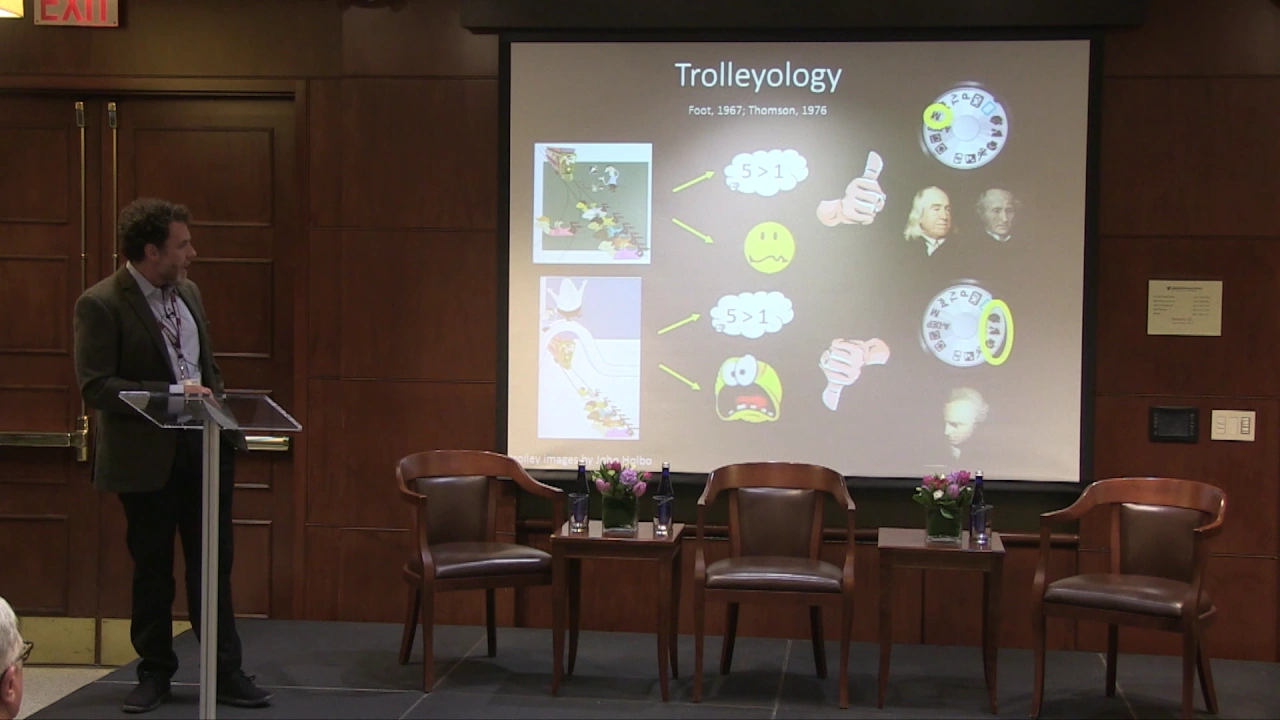


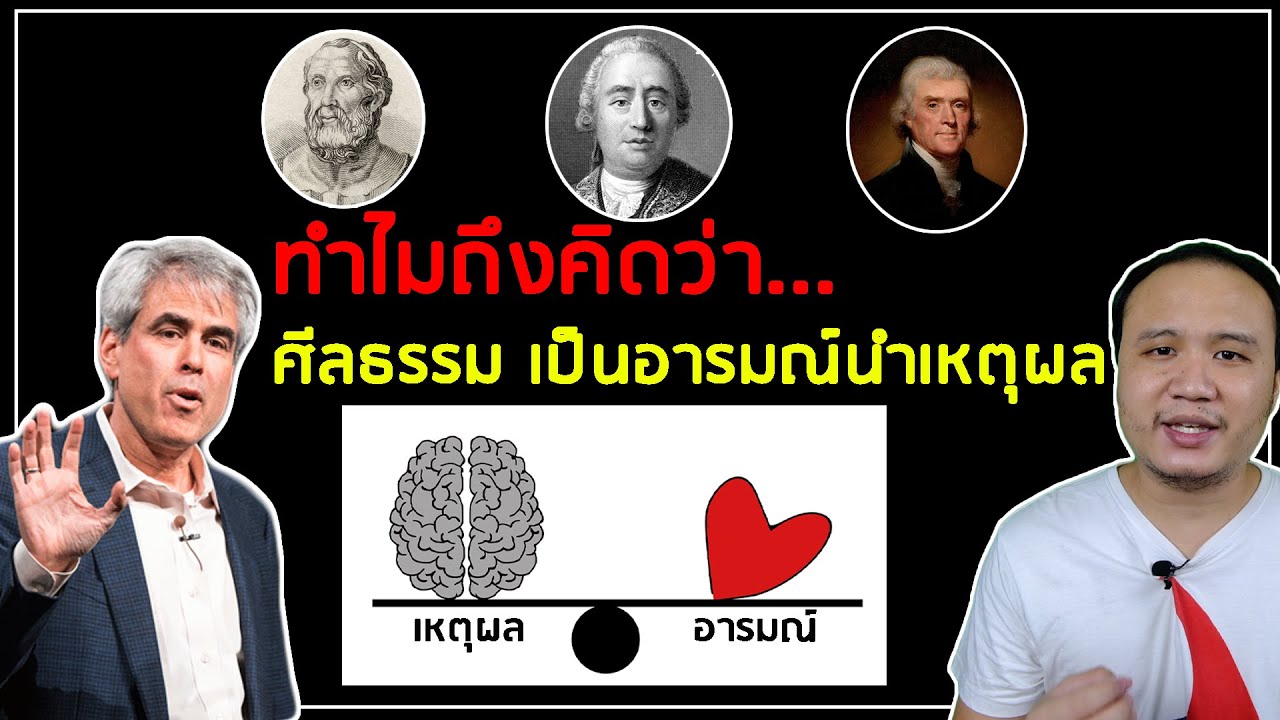
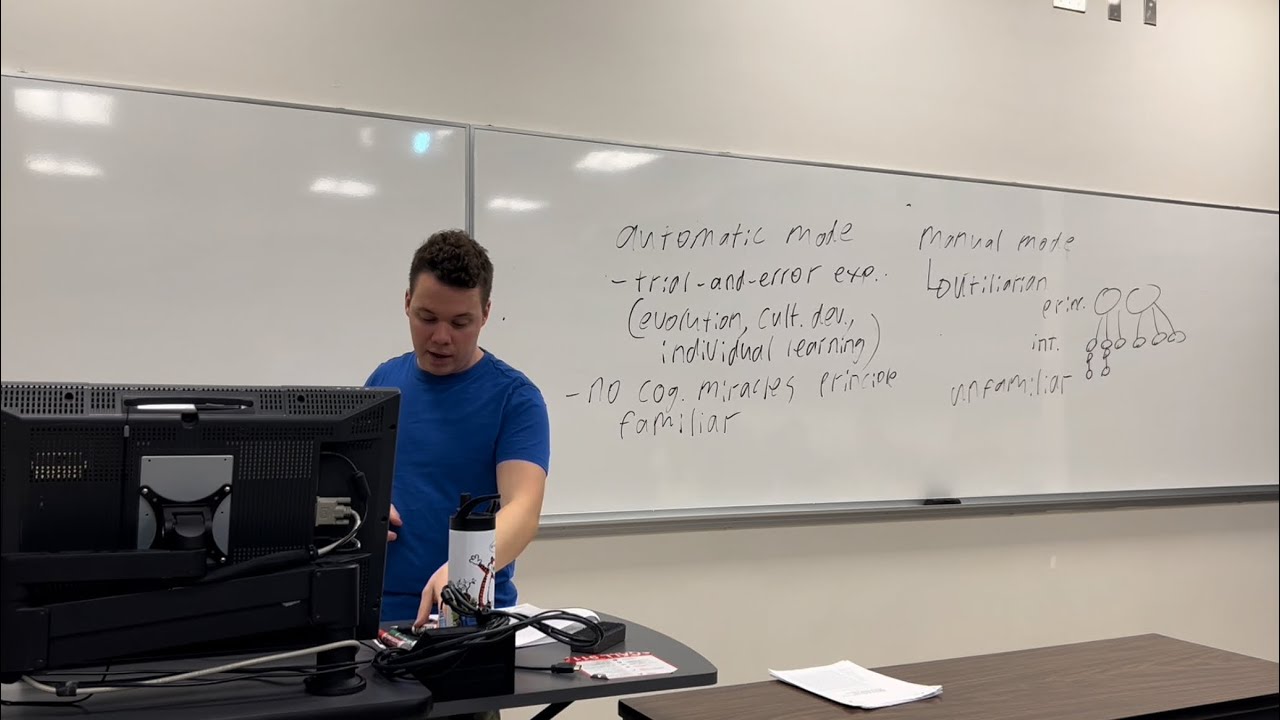








Moral judgments arise primarily from intuitive emotional responses rather than rational deliberation, as demonstrated by research showing that people often feel something is morally wrong even when no actual harm occurs, and subsequently construct post-hoc rationalizations to justify these initial emotional reactions; this understanding reveals that humans are fundamentally 'self-righteous hypocrites' who operate as 'rational riders' atop powerful 'emotional elephants,' making effective moral discourse require first engaging with the elephant (emotions) before attempting to reason with the rider.
The Righteous Mind: Moral Psychology and Human Nature Explained
Added:An understanding of basic evolutionary psychology, particularly how natural selection shaped human social behaviors and group dynamics.
The distinction between intuition and reasoning, such as Daniel Kahneman's concept of System 1 (fast, automatic) and System 2 (slow, deliberative) thinking.
A foundational grasp of traditional normative ethics, specifically deontology (duty-based) and utilitarianism (consequence-based) moral frameworks.
Basic awareness of modern political philosophy and the classic distinctions between liberal, conservative, and libertarian ideologies.
Advanced analysis of Joshua Greene's dual-process theory of moral judgment and how it contrasts with Jonathan Haidt's social intuitionist model.
Practical application of Moral Foundations Theory in political communication, framing public policy, and cross-partisan negotiation.
Exploration of the evolutionary concept of 'group selection' and how human religiosity and tribalism function as adaptive social glue.
Study of empirical interventions and psychological strategies designed to reduce affective polarization and foster constructive civil discourse.
2.8K views45likes29:32Original Release: 2022-10-26
[Music] welcome back to what you will learn my name is Adam Ashton and my name is Adam Jones today we're taking you through the best bits of the Righteous Mind by Jonathan height why good people are divided by politics and religion sometimes it can be pretty hard for people to get along people from different groups or people who see the world differently but we're all stuck here for a fair while we're all around for hopefully seven eight nine ten decades and uh Society is going to live on much longer than that so we should try to get along at least we should just try and get along it's just it's a lyric in a song and someone quoted it back in the day but at least we can try and understand why we are so easily divided into hostile groups sometimes and each one of the groups who are opposing sometimes have their own kind of righteousness and what height is going to do in this book he takes us on a tour of human nature and history from the perspective of moral psychology when John was a young teenager he wished for World Peace which is a nice lofty goal to aim for be a nice one wouldn't it now he's maybe he's a little bit jaded in his uh as he's got older but he now yearns not for World Peace well he probably does still want World Peace but he's he's new I guess uh dream vision is a world in which competing ideologies are kept in Balance oh it's getting a bit more difficult today and today a bit more of a loss your goal you could say than World Peace quite literally but in this book what he does he draws on the latest research Neuroscience genetics social psychology evolutionary modeling and but the big take-home message of the book it's a real ancient one that goes well beyond all those wanky um sort of new theories that are coming out today and it is the realization that we are all self-righteous Hypocrites yes as uh man how do you quote this Matthews 7 3 5 3 say verse three to five verse three to five big Matthew he said why do you see the speck in your neighbor's eye but you do not notice the log in your own you hypocrite first take the log out of your own eye and then you'll see clearly to take the speck out of your neighbor's eye so as you say oh we've been Hypocrites for a bloody long time and and even more so today a big whack from Matthew there but Enlightenment and wisdom requires us all to take the logs out of our own eyes and escape from this ceaseless Petty and divisive moralism that we all engage in if we want to understand ourselves our limits and our potential we need to take a step back drop all this moralism in the pondering and apply some moral psychology and analyze the game that we're all playing together Jonathan he's a moral psychologist he's got a bit of a he's got an online test we should have found that and linked to it but if I'm sure if you search uh Jonathan height moral test he's got a few interesting stories here and it's just a you know straight story it's not a real story it's a made-up example but just think if anyone did anything wrong here the first story he talks about there was a family that had a dog they loved their dog the dog had got out one day got killed by a car in front of their house and the family they'd kind of heard that dog meat was pretty delicious so they cut up their dog's body cooked it ate it for dinner paid their respects nobody saw them do this it was just the family it was their own dog the dog's already dead and they had a nice tasty dinner to respect their beloved pet old scruffy old scruffy for dinner but if you like most people you probably have a feel of disgust really um but you hesitated before saying the family had done anything morally wrong because after all the dog was dead already yep they hurt the dog and it was their dog so what else you know could you do with the carcass no nothing nothing bad there in that sense yeah it's even reading though it's still there's a bit of a Pang of to discuss yeah that's for sure he's got another story here uh again just a made-up story and you just got to kind of assess your own morals to think about where you where you draw the line here but it was a man goes to the supermarket once a week he buys a chicken he always Cooks It Up eats the chicken uh nice tasty dinner but what he does is before cooking the chicken he has sexual intercourse with this chicken and then he cooks it and eats it Jesus he's uh he's had a bit of a dry spell this guy I think you could say at the very least no harm no nobody else knows the chicken was it was already you know killed and prepared and he's just doing his own thing in his own house but you could argue like the dog eating family it's an efficient use of resources at the very least right but here's a disgust feeling whereas before the disc but I've seen this there's different uh you know herbs and spices to season it [Laughter] he's a bit too far especially for your morning coffee that's right but like the disgust there with Astro's comment and this story in general it's just much stronger and and somewhat degrading but does this make it right or wrong this person doing it having sex with the chicken before they cook it and uh most really given Nuance to answer in the west yeah we kind of think it's uh morally wrong like it just feels like the wrong thing to do even though we can kind of see okay nobody was hurt no animals were hurt but we can kind of see the difference between like the the legal side versus the ethical or moral side that okay fine there was nothing legally wrong he shouldn't be sent to jail perhaps but there's still something to be wrong about it so some actions we see is wrong even though they don't hurt anyone no one was hurt in that sense someone got excited but no one net of net no pain no one hurt and understanding this simple fact that morality it's different around the world everyone where you go and this understanding is really the first step towards understanding our righteous minds and how this morality Works inside of us statistically he had done this study on thousands of different people and he found that 38 of people that heard these uh harmless stories claimed that somebody or something was harmed so for example that that dog story many people said well the family they could have been harmed because maybe they could get sick from the dog meat but that was like kind of just some moral reasoning that people were doing later they were condemning the actions because they kind of saw the harms they were kind of going a bit of reverse logic here there was they were saying they shouldn't have done it because they thought maybe there's some harm coming down the track yeah so often it took a while for them to come up with the victim but when you've got that flasher feeling of disgust when you hear these stories your brain just starts looking for uh what the moral thing wrong is in it even though no one got harmed so a lot of the the people in these surveys they always offered up victims half-heartedly and almost apologetically and the research positions kept coming up with victims and then the uh the the researchers kind of just paneled it away and said um gave him reasons why yeah nobody got harmed so but they kept searching for victims but they were morally dumbfounded in the end because they were the speechless um with this inability to explain intuitively what they felt right it just feels you can't [ __ ] a chicken before you eat it it finds any reason why that's wrong yeah exactly as you said like well the chicken was harmless like well no the chicken was kind of already dead well maybe the bloke was harmed Well he kind of it was his own choice to sort of do it and like they kept going down these paths just to try to put something logical towards what they were feeling emotionally so these subjects where they were reasoning they were working really hard at reasoning but it wasn't reasoning in search of the the objective truth here it was reasoning in support of their emotional reactions and uh there's a bloke called David Hume who described this sort of reasoning in 1739 he said reason is and ought only to be the slave of passions and can never pretend to any other office than to serve and Obey them that's right so it's saying that you you know you think that you're reasoning because you're some objective uh hoichi toichi philosopher and academic that you're trying to find the correct reasons but really even back in the 1700s humey was saying you know what it's just really your passions your emotions and the reasons are just a slave to them that's right security work so yeah moral reasoning is that often the servant of moral emotions and it really it really ties into a point that the intuitive dog has a rational tail it's interesting that if you think of a dog a dog gets happy and then it's tail wags somewhat uncontrollably it just happens but you can't go the other way around you can't grab its tail vigorously wag it from side to side and that makes the dog happy yeah it's pretty it's pretty uh interesting manifold we're gonna unpack it a bit more but when you think about yeah you've got uh the intuitive dog so as you said happy just to drag it down again and then you've got the tail wagging behind it and that's the rationality that's like the reasoning coming up is like a tail wagoning but it's just following what the emotional dog is but all all the person sees is um themselves is a bit more objective but in reality you're just a tail wagging you've actually got no control over the dog in that sense that's right we think that our reasons come to us first and now the reasons dictate the morals so we find the reason that this is bad so we have this mole judgment about it but that's like saying that like we're wagging the tail and then the dog gets happy whereas it actually goes the other way around you get your emotions first you get that Pang of what they ate a dog they're paying first what the hell what was that guy doing with that chicken you get the emotional pain first that leads to the moral judgment and then finally you find the reasons afterwards you're making up these reasons so it's not that the reasons come first it's actually the emotions come first and then the reasons just justify those emotions that you felt here's another story for you you got Julian Mark their sister and brother traveling together through France uh it's a romantic night in in the Summer of Love in Paris and they're both on summer vacation from college they thought it'd be interesting and a bit of fun to to get it on start making some love even though their brother and sister but at least would be a new experience right they'd both enjoy it and just do it as a one-off and then never do it again and they'd keep the secret between them uh Mark will wrap it up wrap his his old fella up so there's going to be no no harm of kids and or everything like that and they believe it's going to make their relationship feel closer than ever yeah again quite literally well yeah what do we think about that one that's a another one of uh Johnny stories that he comes up with and again there's we might think of the the reasons like you might think it's a little bit more disgusting again to begin with it does pop up and then you think well you know if you know if we've heard scientifically that if a brother and sister have kids there's some kind of you know potential deformity from assist that's one reason but then you can clearly say well no they you know they played it safe they did the right thing she's on the pill he bagged up so it's we can cross that potential reason off the list yeah then the participants were saying who were feeling disgusted hey I just think it was wrong you know how old were they and the research said they're about 20 years old um and they go oh [ __ ] no no no no no no no no it's just something you're not brought up to do it's just not well I mean uh it I guess you're just not brought up for it and then you know they they keep coming up with reasons and they said look whatever you're saying there's just no way you can change my mind I feel how I feel uh I feel it's it's crazy it's gross I wouldn't do it you can't convince me that there's any reason to do this so it's clear that in this situation right the reasoning is merely the servant of the passions the person D down just feels emotionally disgusted about it and then all the reasoning just follows that even though the reasoning can sometimes make no sense just wagging its tail for no bloody reason and then at the end of it uh after every reason was battered away with a baseball bat then they just ended up a morally dumbfounded again so emotions they're kind of hard to Define they occur without us really even thinking about it but emotions aren't dumb it's not just like we're just emotionally jumping from uh idea to idea they're actually part of a normal information processing it's really just part of our thinking in the happiness hypothesis Jonathan Hart yeah he wrote that book and it's come up a lot of times um this metaphor the writer and the Elephant that he came up with so if you think about it you've got this big bloody uh chunker of an elephant right all the power is there and the Elephant is going in One Direction and then you've got the rider sitting on top so you know the rider might be under the impression that it's in in control but really what the elephant wants to do if the elephant wants to go somewhere the Riders is going along with it isn't it that's right the elephant is your automatic processes that's your emotion your intuitions all the things that just pop into your brain without you really consciously thinking of it but you feel it anyway and then the writer it's kind of the logical reasoning why and he says he's chosen element rather than a horse because an elephant is so much bigger and stronger like the rider you can kind of if you're a writer you can kind of dictate what a horse does but on an elephant you've got no chance it's really the elephant's going where it wants to go so the rider's got a few things in its back pocket it can do you can look into the future many can help the elephant make better decisions in the present you can learn new skills Master new technologies and most importantly the writer acts as a spokesperson for the elephant in this sense of righteousness so even though it doesn't necessarily know what is going on in the elephant's mind uh the elephant's heading in One Direction the rider is the one fabricating post-hoc explanations for whatever the elephant is doing and wherever it's going so if the elephant's going toward the water hole saying uh this is morally wrong the ride is not pulling their elephant in the other direction to say this is morally right it's following the elephant then coming up with all sorts of reasons why the elephant's heading in that direction that's right I was just saying that my elephant it's thirsty needs a drink it's not saying no you know what you had a drink already let's go down different path and this kind of model growth of the the Rider and the Elephant it gives a good explanation as to why moral and political arguments can be so frustrating because we kind of think we're a writer talking to another Rider but really the elephants are the ones that are in control all the time it's like if we're trying to talk to the rider we're trying to grab the dog's tail and wag it to make it happy but instead you've got to just make the dog happy first and the wagon will kind of come along for the ride yeah it is frustrating so take any topic um and this is what really the point is is how to actually uh engage in political arguments or arguments that involve The Righteous Mind and it is understanding that you are speaking to an elephant heading in One Direction and also understanding that you're also on an elephant in another Direction and you're both just speaking as as writers so the only way to actually engage with people is to begin with the elephant elephant sort of mindset and out of all the people we've read and according to Jonathan hot one of the best elephant Whispers of all time was the great Dale Carnegie how to win friends and influence people you know Carnegie had a whole bunch of these different quite simple ideas begin in a friendly way smile be a good listener never tell somebody they're wrong it's really about getting to their side first and as as Henry Ford said if there's one secret to success it lies in the ability to get to the other person's point of view and see things from their angle as well as your own now all these things Dale Carnegie you might dismiss it as it's so obvious it's so easy it's so basic but so few people actually do this and so people just go straight into combat mode whenever these moral things pop up or political things pop up they just go straight to War as opposed to actually trying to understand the other person's side yeah like even things like smiling it just seems just so Point not pointless but it just just doesn't logically it just doesn't seem to make sense or having a warm handshake or greeting them or you know just seeking first to understand making them feel understood before you actually move on and get to your elephant time because if you really want to change someone's mind or on a moral opportunity you come at it you have to see it from their angle first and then as well as your own and if you truly see it as the other person's from their perspective deeply and intuitively you're going to end up opening their mind for your response and so here empathy is really the antidote to righteousness so the big kicker of what we've kind of gone on this journey talking about dogs and chickens and and brothers and sisters is there elephants and Riders that's been a lot going on in this there's been a lot going on and that the bottom line is that the human mind is very similar to an animal mind in that we're constantly reacting intuitively to everything that we perceive around us and then we're basing our responses on those reactions and it's the the emotional reaction comes first and then the logical reasoning comes later so intuitions come first so if you think about our elephant and all the directions we get pulled in um being being our Riders we've taken a bit of creative license here bridging a bunch of metaphors but what he's got is the six different directions really that the elephant get can get pulled and and with that then that way we can understand where someone could be heading and because that we can speak to that elephant and then end up letting you know also just let them understand where our our elephant's head make more sense that's right so he sent us six different uh are they actually sort of axes I guess yeah that you can get pulled uh in in either direction a or Direction B the first one of these he talks about is the care slash harm foundation so it says that reptiles they get a bit of a rap bad rap for being cold not just cold-blooded but cold-hearted as well some reptile mothers they pop out a bunch of eggs and then they bail and once the eggs hatch they're on their own it's pretty cheap evolutionary as in they put in the small investment to lay a bunch of eggs and then just the good ones survive the bad ones don't yeah it is a pretty good metaphor that one isn't it if someone's cold-hearted just like a big Corporation who just doesn't care about anyone that's that or another reptile out there Bill Gates um if you've been watching a few of those movies you'll understand that he might be cold-hearted mammals on the other hand they make fewer bets but when they do they invest a lot more in each one so that's animals are a bit better than those reptiles like Billy that's right it's very it's a very different approach the reptile approach to you know healthy production is lay a bunch of eggs and the best one survive the Malones is very different because they know they've only got a couple of bullets in the chamber that they invest a hell of a lot into each one to make sure it can survive they want to you know care for the vulnerable we want to protect um children and the young keep it safe keep it alive keep it away from harm yeah so that's the it's a really strong Foundation across all of us is care harm particularly when it comes to children I think anyone who doesn't want to see your child get hurt and it really just spikes up across the board but when it comes to say the political level it can be quite different how this manifests in the world so you know if if you drive past there's a lot of cars with different bumper stickers and a lot of them really do link to this care harm Foundation yeah just kind of like cuteness is like a bit of a trigger for this care harm foundation so if you see a bumper sticker that stopped the genocide and you see a whole bunch of kids who are about to be you know they're vulnerable to attack from big powerful organizations and that's like a good trigger to one want to protect those kids you know similarly like a don't tread on me Animal Welfare you see cute little animals that are being run over by bulldozers that triggers that sort of care element in you to want to go and support that cause yeah so you know compared to left wing and right wing left wing this is a really really really strong foundation for this uh sort of viewpoint of the world and you know any sort of um care for someone who just seems like they haven't been given the best cards in the world uh this would be really strong for the left but for the right hand right wing is the bumper sticker might say something like a support our wounded and the driver is trying to get you to care about what they care about you know supporting veterans who have actually sacrificed themselves trying to protect their their country that's the care harm Foundation the second one is the fairness cheating foundation and so it says you know if you're taken off for a week-long vacation to the Caribbean and then your co-worker says you know what I reckon I can handle you work for another five days on top of that take two weeks instead you kind of first you're like okay that sounds great but then you're thinking oh hang on what's going on here I'm gonna have to pay him back somehow if I buy a bottle of Scotch from the duty free at the airport on the way back that probably doesn't cut it I'm gonna have to go over and above to pay back this this big favor that they've given me because we know there's some kind of fairness element in everything that we do yeah it's that uh a feeling of reciprocity if someone buys you a beer this naturally most people um feel like they have to and I think it's morally wrong it does feel morally wrong if you know everyone's got that group of mates if you have eight people that one person who never buys that round the next day and that is like I'm pulling on this moral Foundation uh I think don't you definitely definitely um and if we go think back to some of the evolution types of books that we do the idea that the genes are selfish and that the genes want to continue their own life but just because the genes are selfish it can actually mean that the the creatures that are holding those genes uh you know us humans we can actually be generous because we want to work together and sometimes being generous is actually the best way for the genes to be selfish yeah it isn't there so this again manifests itself differently for left and right Wingers so on the left this fairness Foundation or cheating it's all about equality you could say of outcome right like it doesn't matter what people do in the world everyone needs some things like might be Healthcare education a roof over their shoulders never to be hungry and across the board everyone needs that but then on the right wing is fairness to them means about proportionality or equality of opportunity so you know it doesn't matter what so where everyone ends up it just matters how people start and if someone Works their ass off and ends up multi-multi billionaire then that's fairness because they've actually put um you know deserve it based on their contributions to the world the third different elephant puller is the Loyalty elephant Foundation that's it the Loyalty betrayal foundation so uh everybody likes doing things that lead towards some kind of group cohesion and even sometimes conflicts between different groups can actually strengthen your own group and there's a big that's a big trigger to the brain here the elephant gets really triggered by loyalty people sticking to the group or betrayal people going against the group yeah we all believe that Judas is a dick from back in the day um or like even in you in your work right that Machiavellian mine which we've um sort of endorsed a bit on the podcast sometimes but if you get caught out on the wrong side of that and you catch someone out being really highly political that's that moral Foundation just doesn't feel right what they're doing um and this is the the Loyalty betrayal Foundation this feeling of tribalism in your group and your team um you know or if something oh maybe I was going to go to an AFL but maybe that's a bit too fast it's a definitely a big trigger on the on the brain on the elephant on the the morals whenever you see somebody who's being a team player they're doing things that contribute to what you see as the the right thing as your team that's fantastic whenever you see someone going against it it's a very quick way to get that dog's tail wagon just to add that metaphor back in maybe it's not working there's a lot going on number four mate the fourth Foundation is the authority uh subversion foundation and this is the urge to respect hierarchical uh relationships between us and it to the point where many language encode it directly right yeah the French have got two different forms of saying uh speaking of people there's the Vu or the two form depending on if you're close or not so close or like if you're trying to be like personal versus professional if you're even in English as well you know you've got Mr Jones very formal then you've got Adam for a friend and then Jonesy for a very close friend so even those the different ways of referring to people kind of are a signal to say where that person is standing in the hierarchy yeah so the authority Foundation is pretty complex because it's up towards experiences and down towards subordinates so for example you know if there's an old person on a train or something you don't stand up or treat him with respect then according to them and maybe those around and think hey that's just morally wrong you get to treat your elders with respect so you know that might be a manifestation there and just in General like the the political right in this sense feel strongly for this Foundation compared to the left what Jonathan says is perhaps the right and more spread out across all the foundations where the the left and more uh the center of gravity there is really towards that care harm foundation and that feeling towards compassion for all yeah the right definitely uh believe more strongly that there should be you know more structure and hierarchy in place whereas the left are probably against hierarchy and saying that everybody should be much more equal the fifth one is the sanctity degradation Foundation we had to Google those uh definitions before this and it really was it's a it's about I guess holding certain things on a pedestal and not wanting to see the degradation of society not wanting to see things come to ruin wanting to keep things almost holy in nature yeah so I think uh things that are dirty and polluted I'd say those early stories we're talking about like [ __ ] a chicken and um having sex with siblings all that sort of stuff is probably this right like that that is higher levels of purpose that you can't do it you just can't do it you just can't [ __ ] a chicken you just can't do it um so it's sort of that above the human level right yeah that's right so number number six now mate is the Liberty oppression Foundation so we've got an example here of when Barack Obama launched a 75 billion dollar program to help homeowners who had borrowed more money than they could repay uh help them with their loans so in one sense you got Obama uh trying to pull out 75 billion dollars because those bloody Banks they [ __ ] over pretty much that the borrowers at the time so we're trying to help them out but then so that's a you say a left-wing sort of view of this but then right winger Rick santali he said mate how many how many of you people want to pay for your neighbor's mortgage that has an extra bathroom and can't pay the bills Obama are you listening hmm they're probably not listening to each other because they're both riding elephants in different directions that's right the the Big Driver here is that the feeling of uh resentment or reactance against people who are trying to you feel like they're trying to dominate you or they're trying to restrict your Liberty so in this sense you know Obama is on the you know trying to help and support everybody the people who are correct that Liberty for the people in The Bottom Rung of society right Give Them Enough freedom to have their own home and and what comes yeah that's it not to be kicked out of their home not to be on the street and so that kind of you know if you're on that side you can see where he's coming from and then big Rick on the other side is saying well this is like uh he's feeling the oppression side he's saying well what so I've got to pay money out of my hard earned to give to somebody else who wasn't smart enough who did the wrong things who borrowed too much and now I'm paying for their mortgage um and so he's feeling that you know the government's you know reaching over sticking their hand in his pocket pulling out his cash and giving it to somebody else less deserving so he's feeling oppressed so we've been on a long journey through this book if you were to bring a few things home from this trip say firstly perhaps start looking at yourself a bit differently you're a small writer on a very big bloody elephant you're trying to pull your hardest with the reins on this elephant but it's really elephant that is still on the show here and knows where it's going a lot of the time we probably see ourselves as this uh big strong Rider and maybe we're not riding an elephant maybe we've got a little rat on a string and we can control the rat to go wherever we want but really we've got to realize actually we're not on it we're not trying to guide a little rat or a little mouse anyway it's actually a big ass elephant and they've got a lot more strength and power than we do so the emotional side is going to be far more powerful than our sort of rational logical side that's it so when you catch yourself creating ridiculous post-soc arguments for for some things that might come up and you know it's happening more than everywhere people are speaking totally pass each other even if someone's wrong sometimes you think objectively you've caught them out wrong they're going to be just creating these post-soc arguments you're never going to win the battle and probably even more so you're going to be doing it yourself as well right yeah that's right you're gonna realize the emotions the reactions come first and then the the things that you're saying come later just in support of those emotions so beware uh the people who insist that there's only one true morality for all times people and places they might think that this one Foundation out of the six that we've already outlined is is the be all and end-all it's not the case there's actually six moral foundations you might have a bias or a blind spot to not see it one of them for some reason but we don't understand where other people are coming from then there is merits in all the foundations that their their writers are sort of speaking to yeah I think understanding all these gives you a good overview then if you can know when somebody says something you can see oh they're dropping into you know the fairness cheating here whereas I was thinking about the sanctity degradation or something like that so you're going to realize that next time you find yourself in one of these discussions somebody says something that you don't quite agree with you know maybe give this different approach a try don't just jump straight in don't just go straight to war don't just go battling them with your own uh post-hoc you know rational based on emotional don't bring up morality until you actually find a few points in common first go the Carnegie route of trying to understand them before just going to battle so we're all hit stuck here for a while we need to take the time out to understand where everyone's coming from so let's all try and work it out [Music] foreign [Music]
Up Next
4:45
Moral Foundations Theory Explained by Jonathan Haidt | Social Psychology
@DrCraigHarper
11.1K views•2017-02-13

68:32
Cognitive Skills for Differentiated Instruction | Teacher PD
@BrainWareLearning
631 views•2017-12-17

9:55
Thinking, Fast and Slow: Daniel Kahneman Animated Book Summary
@FightMediocrity
2.3M views•2015-06-05

6:40
The Nocebo Effect: How Beliefs Can Cause Real Harm
@CGPGrey
10.4M views•2013-12-23
Related Study Plans & Knowledge Roadmaps
Structured learning paths in Psychology
psychology
Neuroscience of Creativity: Networks & Training
01Foundations of Creative Cognition
02The Cognitive Neuroscience of Insight & Fixation
03The Triple Network Model of Creativity
+ 1 more learning modules
15h4 modules
Explore Roadmap
psychology
Imposter Syndrome: Etiology & CBT Framework
01Defining the Imposter Phenomenon
02Socio-Developmental Etiologies
03CBT Fundamentals & Thought Distortions
+ 2 more learning modules
15h5 modules
Explore Roadmap
psychology
Adult ADHD: Executive Dysfunction & Scaffolding
01Neurobiology of the ADHD Brain
02The Core Triad of Executive Deficits
03Executive Dysfunction and Emotional Regulation
+ 2 more learning modules
12h5 modules
Explore Roadmap
psychology
Loneliness: Evolution, Neurobiology & CBT
01Evolutionary Origins of Human Connection and Loneliness
02The Neurobiology and Physiology of Chronic Loneliness
03Maladaptive Social Cognition: The Psychological Loop
+ 2 more learning modules
12h5 modules
Explore Roadmap