







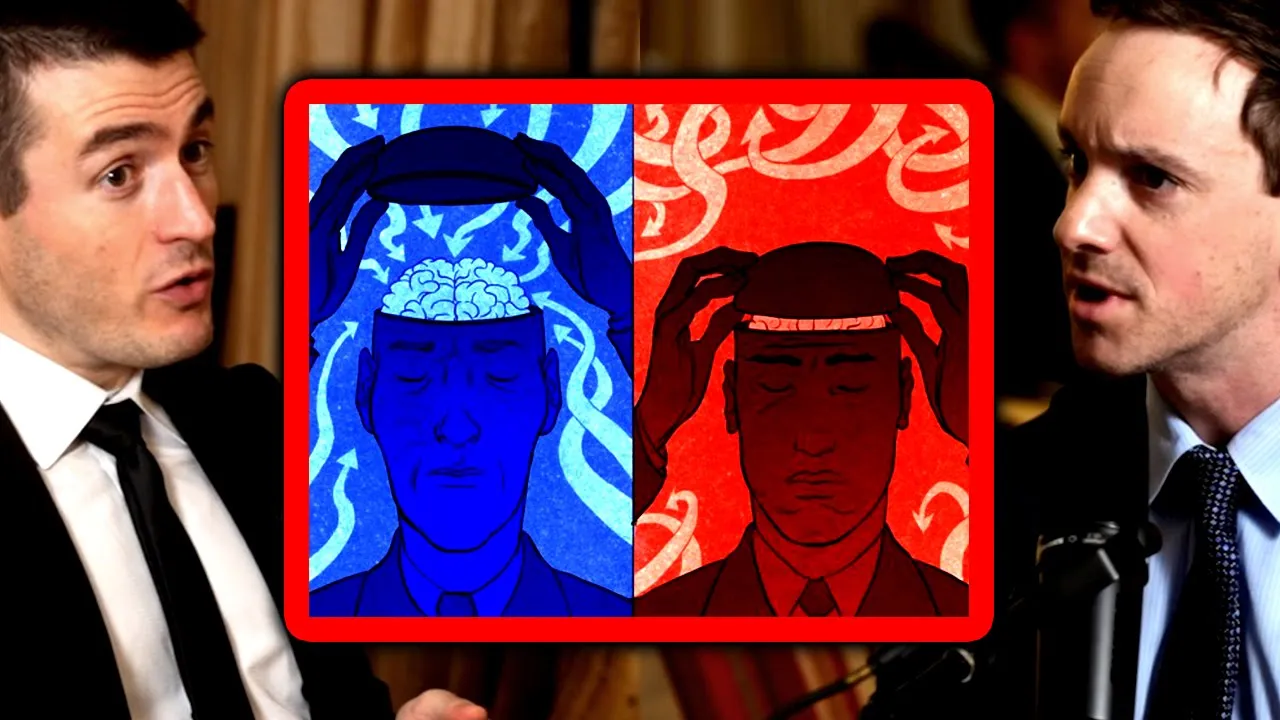












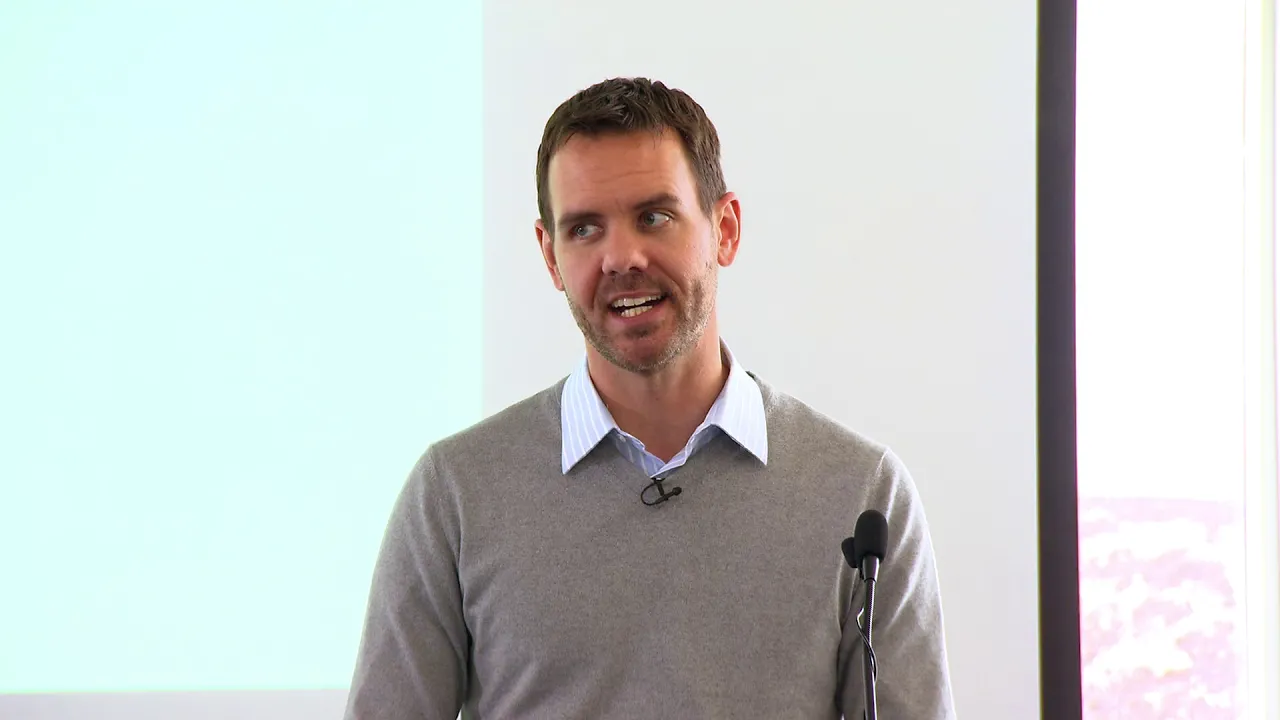

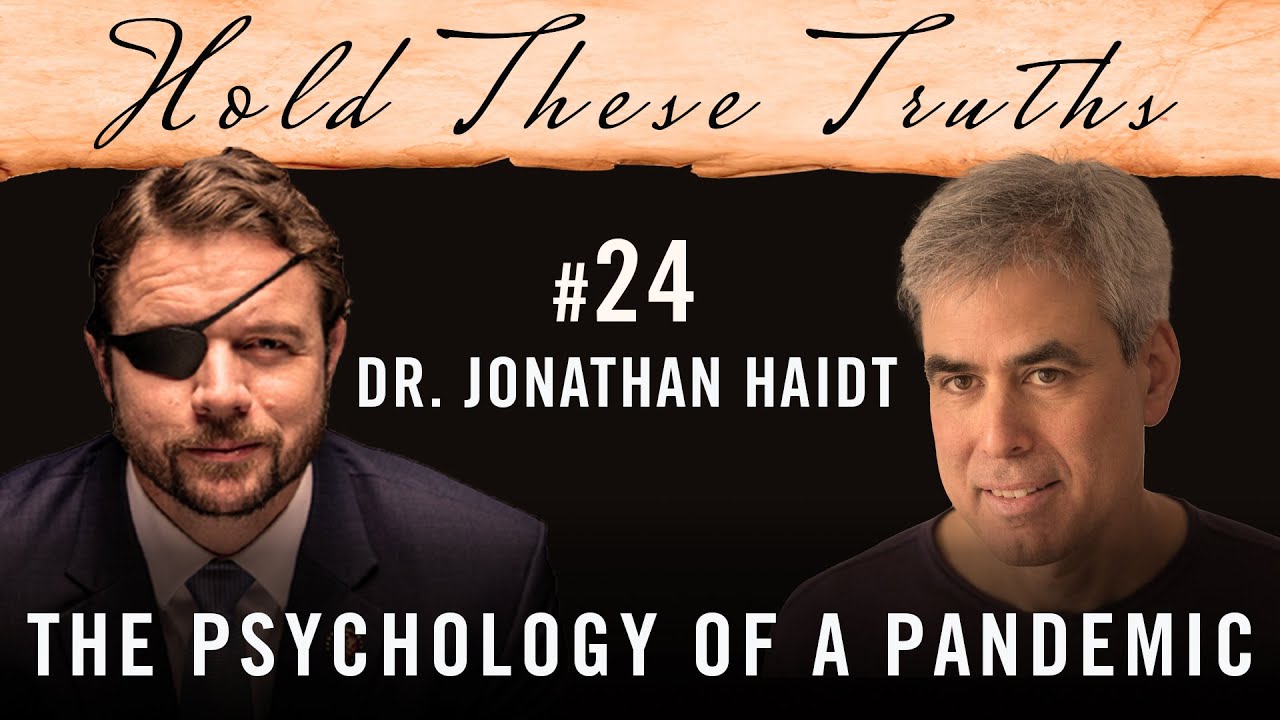



Moral Foundations Theory, developed by Jonathan Haidt, proposes that moral reasoning occurs intuitively first, with verbal justification coming afterward, and that morality is composed of six evolutionarily-based foundations—Care, Fairness, Authority, Loyalty, Purity, and Liberty—that vary in importance across individuals, explaining why liberals and conservatives often disagree on moral issues despite having different intuitions calibrated by these shared but differently-weighted foundations.
Moral Foundations Theory Explained by Jonathan Haidt | Social Psychology
Added:The distinction between moral rationalism (e.g., Lawrence Kohlberg's stages of moral development) and moral intuitionism.
Basic concepts in social psychology, particularly how social norms and cultural backgrounds influence individual belief systems.
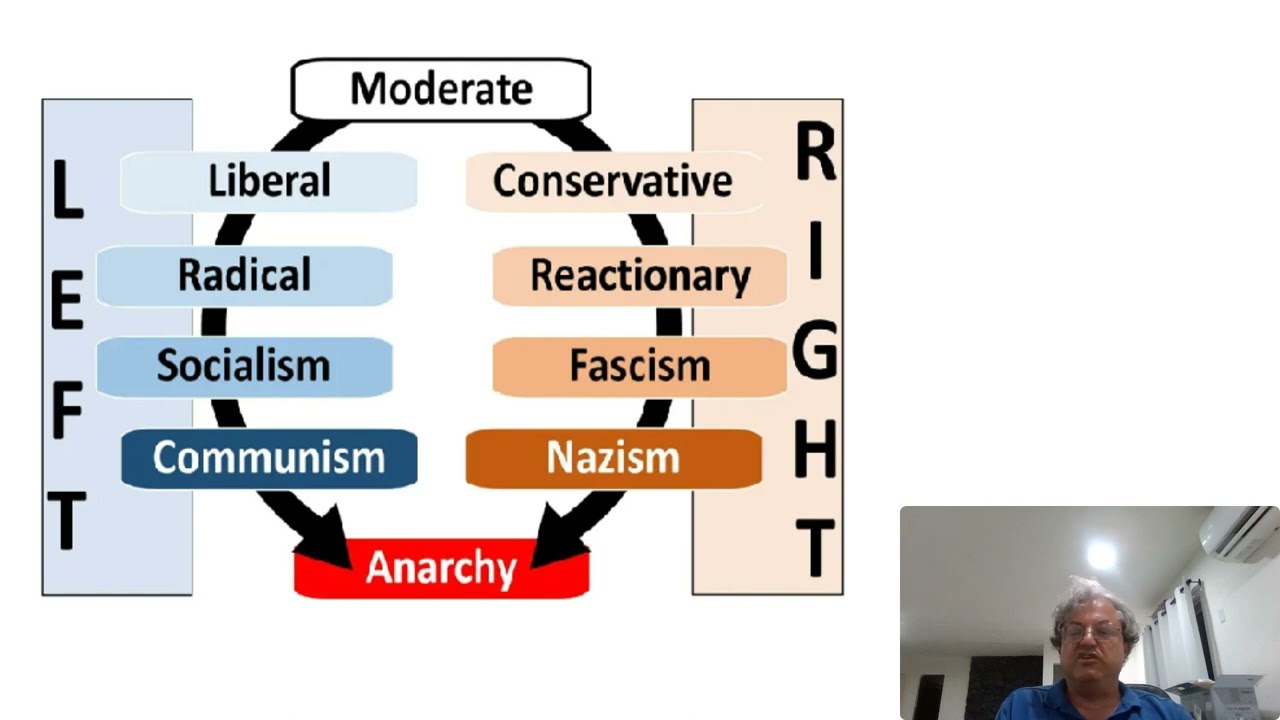
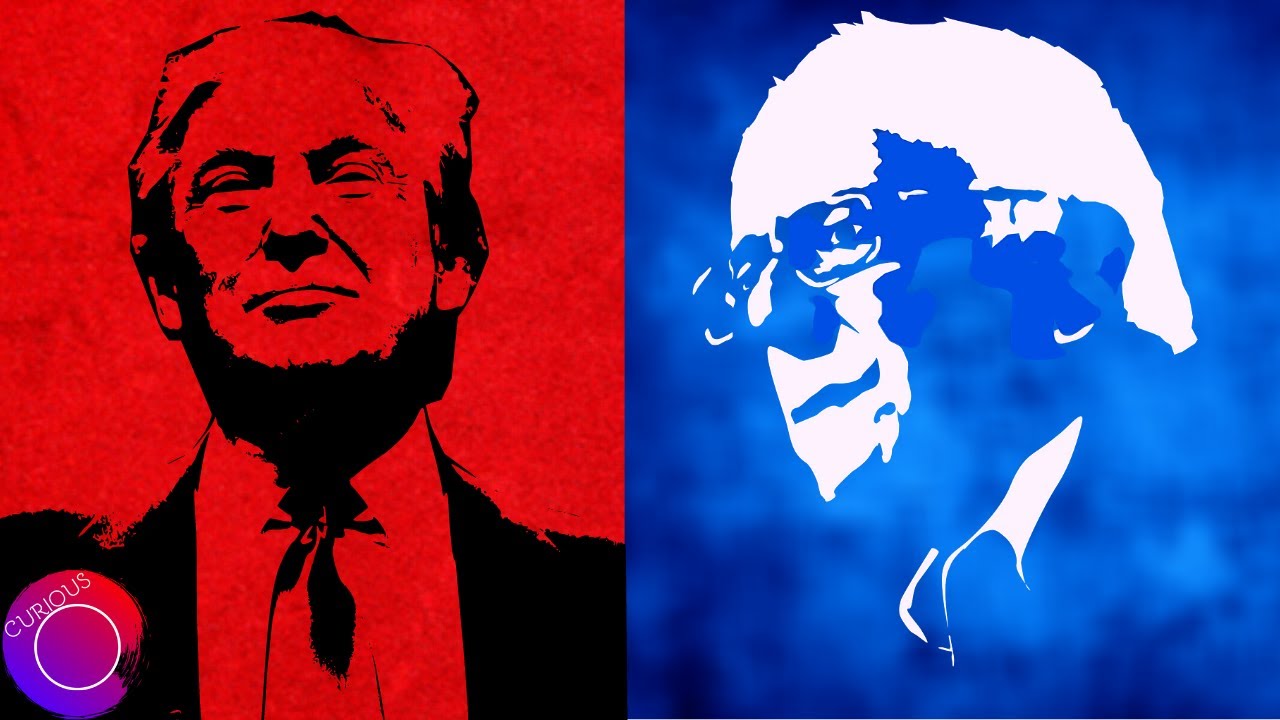
An understanding of the traditional left-right political spectrum and basic ideological differences between liberals and conservatives.
The concept of evolutionary psychology, specifically how evolutionary pressures shaped human social behaviors and cooperative instincts.
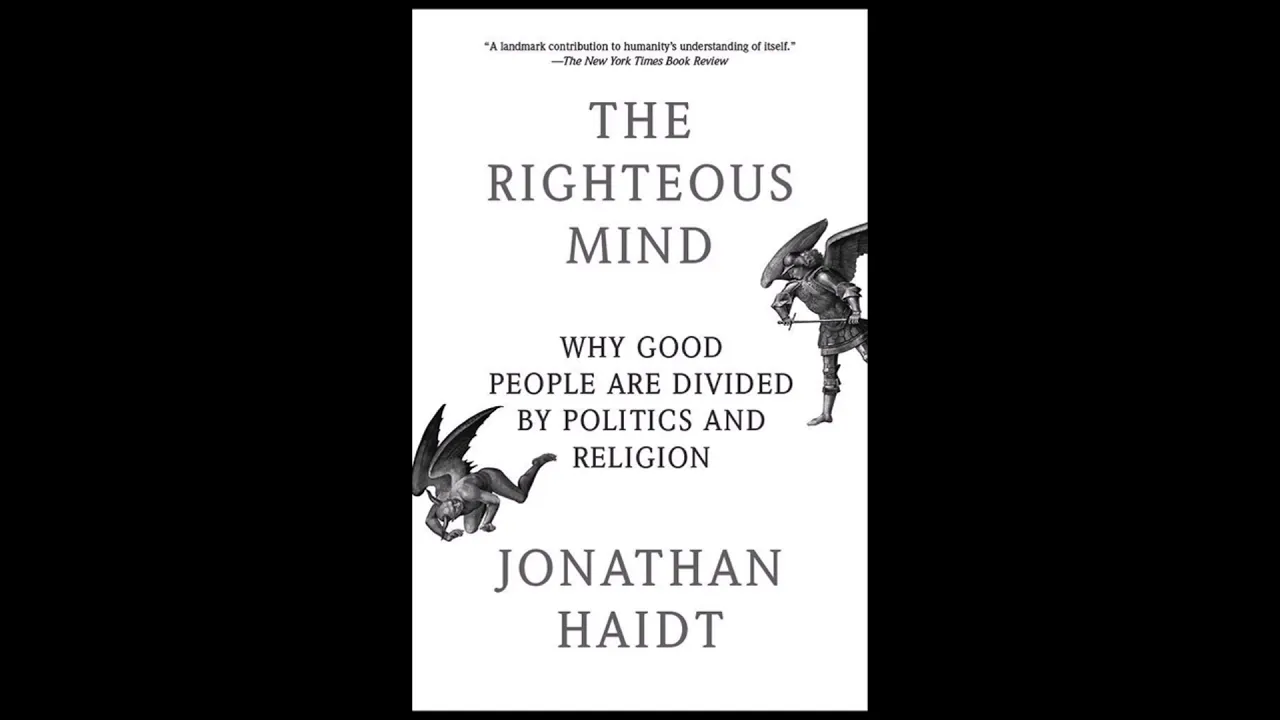
In-depth study of Jonathan Haidt's book 'The Righteous Mind', exploring the 'rider and the elephant' metaphor for intuition and reasoning.
The sixth proposed moral foundation (Liberty/Oppression) and how it updates the original five-foundation model.
Practical applications of Moral Foundations Theory in political communication, framing, and conflict resolution.
Critiques of Moral Foundations Theory, such as alternative models like the Theory of Dyadic Morality or the Model of Moral Motives.
The role of moral foundations in driving affective polarization and echo chambers on modern social media platforms.
11.1K views150likes4:45Original Release: 2017-02-13
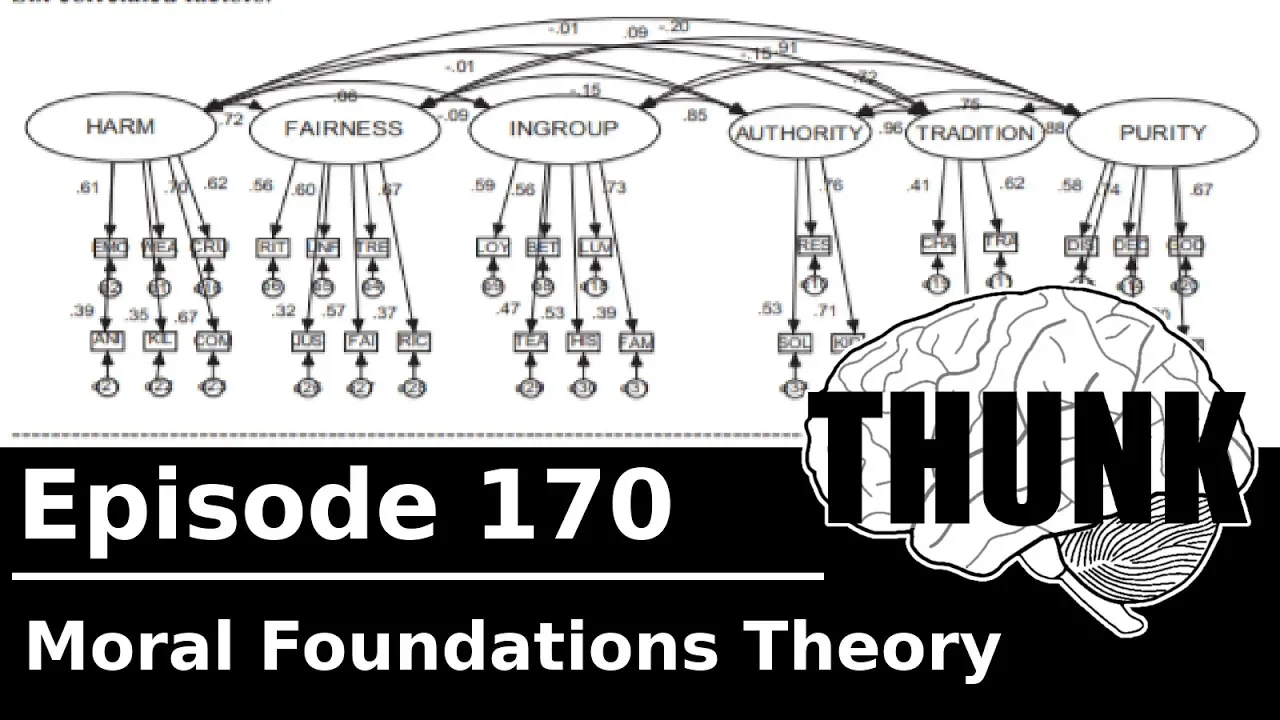
hi welcome to the Sioux minute review and today we're going to be looking at the psychology that underpins moral decision-making ok so moral psychology may not be one of the sexy subjects that you come to YouTube to hear about but it doesn't appeal most things that I and many others discuss I'm going to be focused on Jonathon Heights moral foundations theory in this video and I'll make sure to put a few links in the description to supplement what I'm saying here moral foundations theory is built on three core principles the first is that moral reasoning happens intuitively first and that verbal reasoning happens second acting almost like a justification of you intuitions let's have a look at how this works make a couple of seconds to read this story and notice the automatic reactions that you have to it hyannis colleagues have found that people make fast moral judgments about this with people being quick to say that Julie and Mark are doing something wrong itself evidently wrong because of how the scenario makes you feel right that said when pressed for justification of their judgments people struggle to come up with reasons after all several forms of birth control are used and the pair of seemingly enjoying what's going on in their experience even if they do decide to just do it the once second principle of my foundations theory is that morality is made up of several foundational constructs which are on the screen now these were put together by Johnson High and Craig Joseph in the mid 2000s with Liberty being added later in 2012 the theoretical basis for these ideas comes from evolutionary psychology and cross-cultural psychology meaning that these constructs are set to describe Universal moral concerns and the first one care refers to the innate desire to protect one's own children from harm this stems from their inherent vulnerability and the position of caregivers to act as protectors nowadays this concept has expanded to include a desire to protect anyone who is towards the bottom of the social ladder fairness is an interesting concept that means different things to different people it's hard fairness is all about justice but as we know true justice and social justice are often at odds with each other to some fairness is indicated by everyone having the same opportunities while to others if people have different outcomes then this is a sign of systemic unfairness this difference between equality of opportunity versus equality of outcomes is something that I'll explore further in another video soon the authority Foundation refers to our evolutionary history of having hierarchies in our social interaction for example many would argue that having nobody in charge is not in the best interest of a healthy and functioning society that's said at the same time having a dictator calling the shots and the expense of everybody else may not be someone's idea of full either the loyalty foundation stems from our innate drive to form tribes and strong social connections we have a long history of forming such groups and continue to do so today through our religious communities and even supporting our favorite sporting teams purity relates to our evolutionary drive to avoid things that are contagious or otherwise contaminate our bodies in more recent times though the purity foundations become linked with a range of social issues and specifically relates to things that some people find disgusting like alternative forms of sexual expression for example the final moral foundation is Liberty which refers to our desire to be free from external control types of Liberty that are important to different people our life style Liberty where people are free to act in a way that one and also economic Liberty where people can keep hold of their money and spend it in the ways that they seemed fit and finally the third principle of moral foundations theory is that the importance of each foundation does vary between people and this produces an individual political approach to the world within each person as you can see those who identify as being politically liberal though they may be better described as leftists in some situations typically placed higher moral value on care and fairness than the rest of the foundations while those who identify as being politically conservative more or less equally value all of the moral foundations so the next time you're trying to figure out why you think something is immoral and others just don't remember maybe their moral intuitions are calibrated slightly differently to yours it's by understanding these differences that will begin to heal the wounds of the political polarization there's currently eating away our society's [Music] if you found this helpful then please do subscribe to the channel below or you can also join the conversation on twitter at crack up in nineteen and also on facebook that's facebook.com/amputeeot
Up Next

18:40
The Moral Roots of Liberals and Conservatives | Jonathan Haidt
@TEDEd
2.8M views•2012-12-31

68:32
Cognitive Skills for Differentiated Instruction | Teacher PD
@BrainWareLearning
631 views•2017-12-17

9:55
Thinking, Fast and Slow: Daniel Kahneman Animated Book Summary
@FightMediocrity
2.3M views•2015-06-05

6:40
The Nocebo Effect: How Beliefs Can Cause Real Harm
@CGPGrey
10.4M views•2013-12-23
Related Study Plans & Knowledge Roadmaps
Structured learning paths in Psychology
psychology
Neuroscience of Creativity: Networks & Training
01Foundations of Creative Cognition
02The Cognitive Neuroscience of Insight & Fixation
03The Triple Network Model of Creativity
+ 1 more learning modules
15h4 modules
Explore Roadmap
psychology
Imposter Syndrome: Etiology & CBT Framework
01Defining the Imposter Phenomenon
02Socio-Developmental Etiologies
03CBT Fundamentals & Thought Distortions
+ 2 more learning modules
15h5 modules
Explore Roadmap
psychology
Adult ADHD: Executive Dysfunction & Scaffolding
01Neurobiology of the ADHD Brain
02The Core Triad of Executive Deficits
03Executive Dysfunction and Emotional Regulation
+ 2 more learning modules
12h5 modules
Explore Roadmap
psychology
Loneliness: Evolution, Neurobiology & CBT
01Evolutionary Origins of Human Connection and Loneliness
02The Neurobiology and Physiology of Chronic Loneliness
03Maladaptive Social Cognition: The Psychological Loop
+ 2 more learning modules
12h5 modules
Explore Roadmap