![😱혈연/지연 우선시 하는 나라에서 일어나는 일들? [위어드] 라이브 북토크](https://i.ytimg.com/vi/j63CBEcYH-A/maxresdefault.jpg)

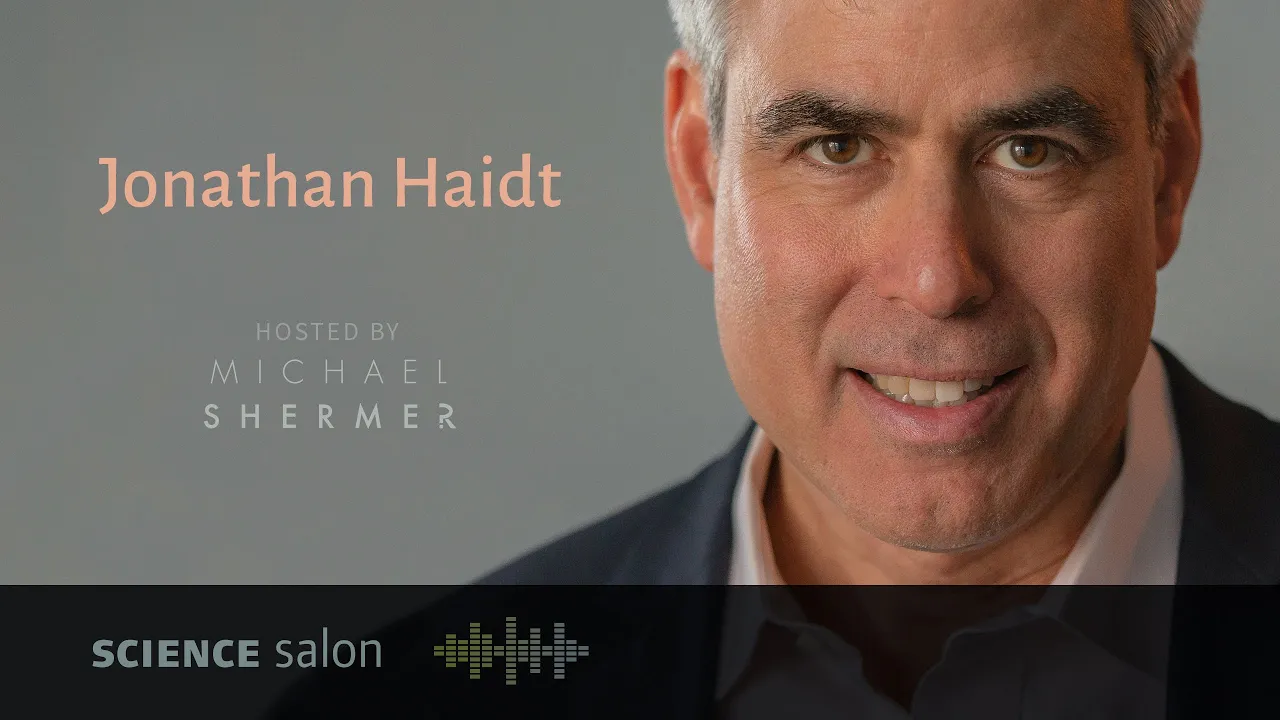

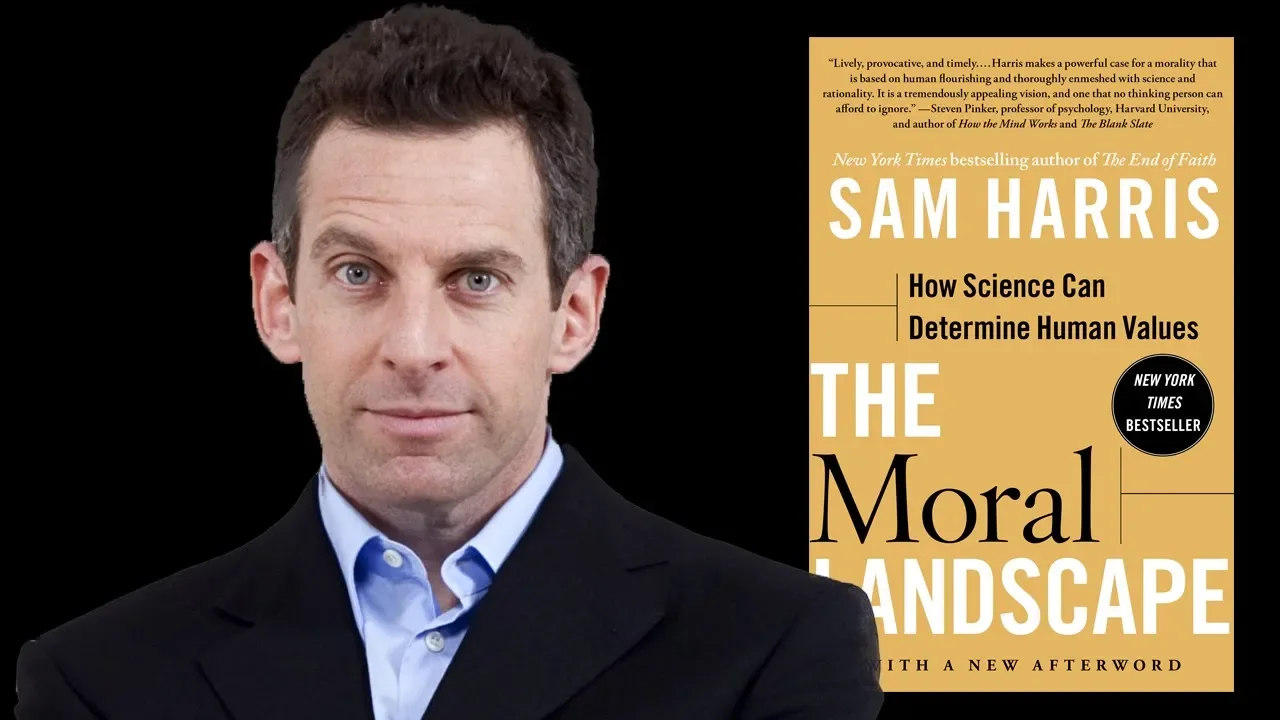
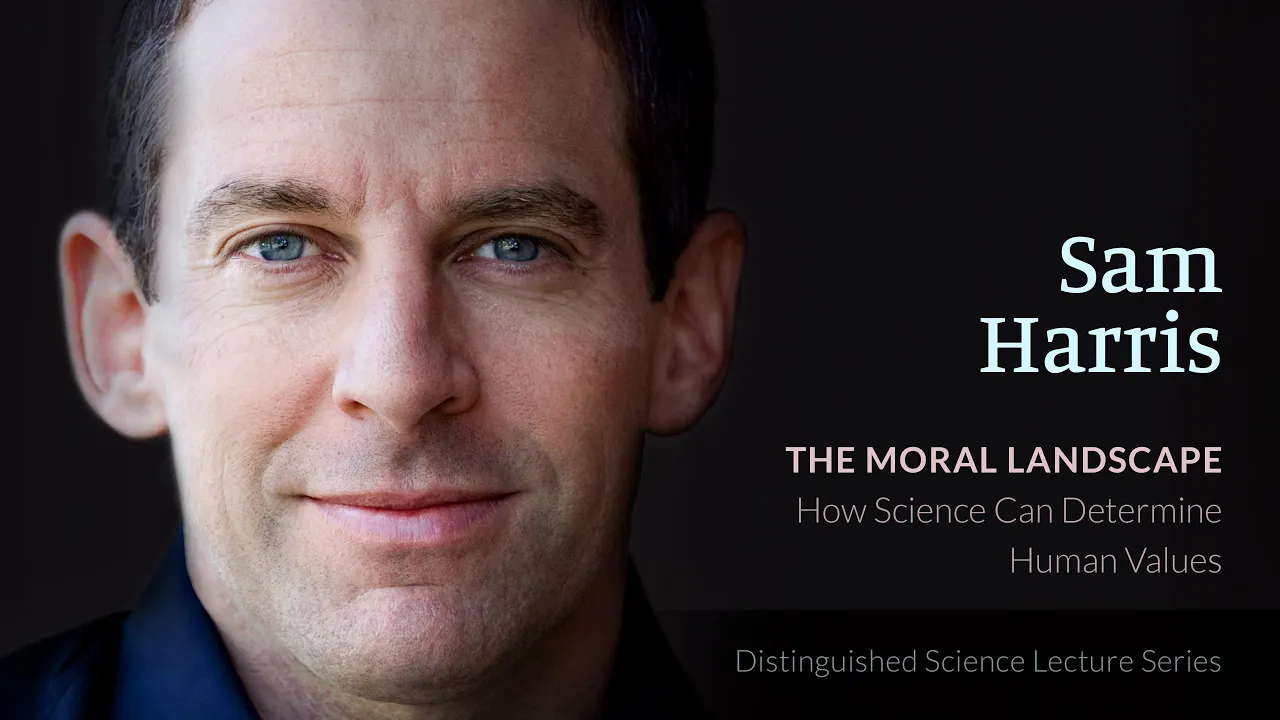










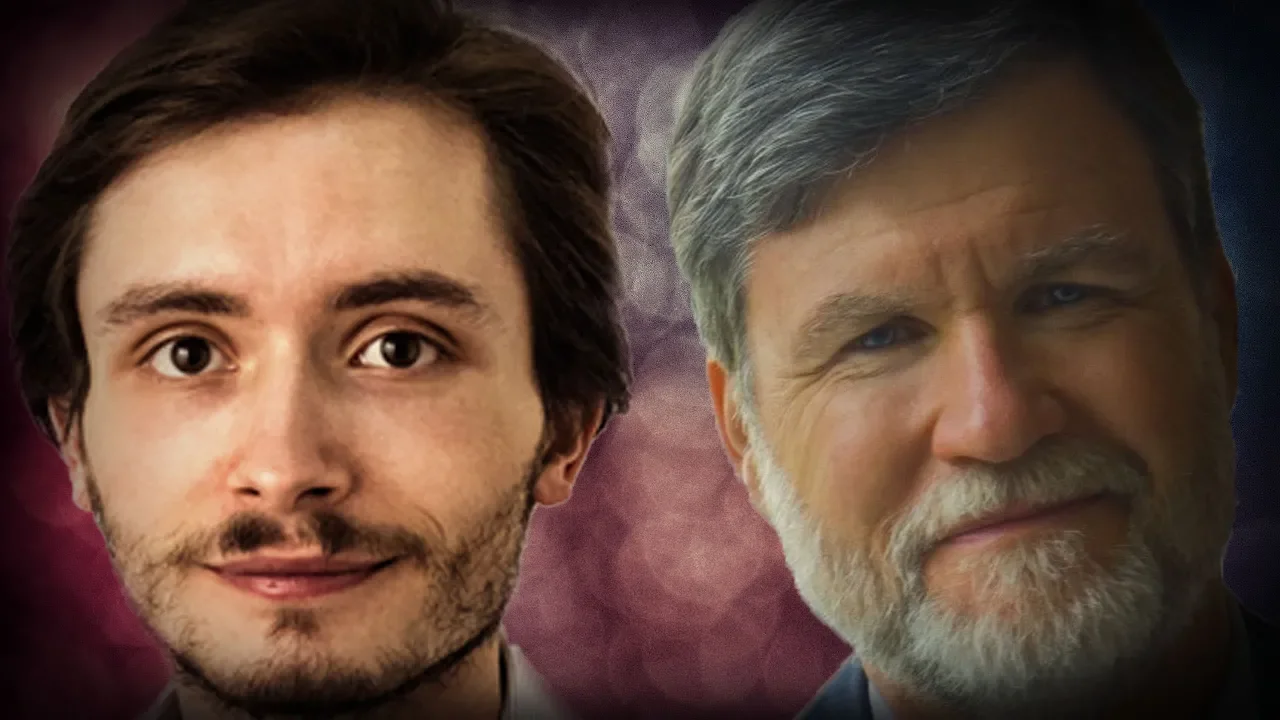






This debate explores whether moral truths exist independently of human psychology or emerge from our evolved nature. Sam Harris argues that moral truths are anthropocentric facts that emerge from our interactions and social structures, while Jonathan Haidt contends that moral truths are non-anthropocentric facts that exist regardless of human existence. They also discuss how specific religious doctrines directly influence behavior, using the example of ISIS's actions being explained by their religious rule book. The debate addresses whether religion provides evolutionary benefits through group selection and how our evolved tribal nature affects our ability to build global societies.
Sam Harris & Jonathan Haidt Debate Religion & Morality | Academic Analysis
Added:Introduction to Jonathan Haidt's Moral Foundations Theory, which explains the psychological basis of human morality across different cultures and political spectrums.
Understanding of Sam Harris's thesis in 'The Moral Landscape,' specifically the argument that science and objective reason can determine human values and moral truths.
Basic concepts of evolutionary psychology, particularly how natural selection and group selection shaped human cooperation, altruism, and tribal behaviors.
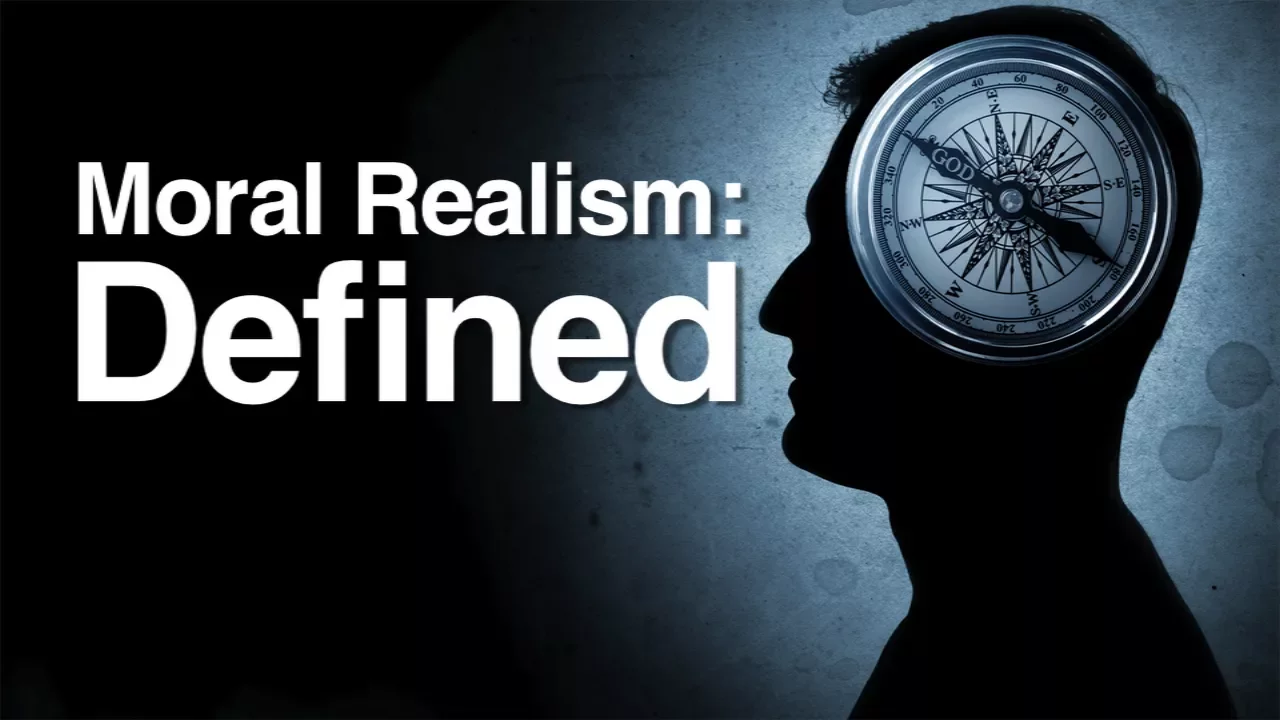
The philosophical distinction between moral realism (the view that moral facts exist objectively) and moral relativism (the view that moral judgments are culturally subjective).
Advanced analysis of political polarization, exploring how different moral matrices contribute to the culture wars and modern political gridlock.
The cognitive science of religion, examining the evolutionary and cognitive mechanisms that make religious belief and ritual highly adaptive for human groups.
Exploring meta-ethics and normative ethical theories, specifically comparing utilitarianism/consequentialism with deontological ethics in contemporary moral dilemmas.
Practical applications in conflict resolution and depolarization, focusing on methods for fostering constructive dialogue between opposing ideological groups.
178.3K views1.9Klikes1:20:22Original Release: 2022-02-18
but let's just focus on religion for for a second and we'll get to the foundations of morality after that so religion as you've pointed out is more than just a set of beliefs and i you know and you've argued against me as though i have disputed that which i actually haven't but you're not alone in this many people do that so i just wanted to track through a few of the things you say in your book and then then talk about them so i mean you say in in your book the righteous mind that trying to is a quote trying to understand the persistence and passion of religion by studying beliefs about god is like trying to understand the persistence and passion of college football by studying the movements of the ball you've got to broaden the inquiry end quote so now i think that analogy is isn't quite right but i but i actually agree with your general point religion is is obviously more than what people believe and yet i think it's totally coherent and in fact necessary to worry about the specific consequences of specific beliefs yes and so so let me just let me just reform your analogy a little bit and get you to react to it because i think it's somewhat to stick with your analogy it's a little bit more like asking the question why are people on each team always tending to run in one direction i mean so if you see them running sideways or even backwards for a few moments it's always with the purpose to get the ball to the other end of the field so so what is so special about the ends of the field that everyone wants to get there and to explain that you have to understand the rules of the game in particular you have to understand what a touchdown is and but once you know that more or less everything these people are doing is easy to understand and again there's more to i mean there's there's all the people out you know having tailgate parties outside the stadium right so that's part of the spectacle but to understand what the most energized participants are doing in this situation you all you really need to know is what they want and what they believe will get them what they want and so i i would argue that this is true for the most destructive behavior and moral attitudes we see inspired by religion so when you ask yourself you know why is isis throwing gay people off of rooftops it's because their scripture tells them to it's actually written in the rule book now in this case it's it's the specific conjunctions in the hadith is not in the quran but it's part of the larger rule book of salafi islam and you can say anything you want about religion being more than just beliefs and doctrines and you can talk about doing and belonging which you do in addition to belief as being central to religion and you can talk about the power of ritual and and strong communities and and the importance of transcendence which is something that interests me and i agree about all these things being interesting but if you want to explain the behavior of isis all you really have to know are the rules of the game as they understand them and if their rule book changed slightly if let's say the rule book on this point said don't harm homosexuals under any circumstances simply force them to recite the quran for 12 hours a day and actually create a special caste of of priests that there's homosexuals who just chant from the quran and who are otherwise venerated right i think we can be absolutely sure that this is what they would be doing in fact there are analogous behaviors in other religions in human history so this is why i think specific doctrines matter and that no one i mean so you're going to talk about the the intuitive roots of many of these things but no one has an intuition that they should throw gays off of rooftops specifically or eat a cracker every sunday and call it the body of jesus or oppose embryonic stem cell research and in fact isis wouldn't even oppose embryonic stem cell research and the catholic church would and this is why the specific doctrines matter so much okay so i i will certainly grant that specific doctrines matter and that i think your your thought experiment is correct if there was a specific verse and especially if it appeared in multiple places that said here's how you treat homosexuals uh you know then they would treat them differently so i don't deny that the the scripture matters but first to understand your analogy you tell me what is the end zone what do you think they're all up to what is the thing they're all striving for to get when you when you use this end zone analogy well if you're talking about the real players the real believers who are devoting their lives fully to this the end zone is paradise and avoiding hell so it's what happens after death it's living by the plain by this rule book playing this game advancing the ball down the field is ensuring that after death you will spend eternity in paradise and escape hell okay so i think this is one of the differences between us is that i am opposed to the pursuit of parsimony i think that um the social science like human nature and the social science are so complex and especially if you look at morality or religion so anytime someone says the goal of religion ultimately is to attain paradise or the goal of religion ultimately is to have a sense of meaning or even closer to what i say if you were to say the goal of religion is ultimately social bonding and connection well those are all goals there are lots of different goals in this case i was talking about isis i was talking about the what we would call the extreme committed you know death cult of islam now there's analogous cults in in you know other traditions but i'm not saying that all religious people in every denomination of every level of commitment that their main goal is paradise some you know some you know unitarians don't necessarily even believe in heaven right so i was speaking about isis in this case okay yeah so uh so i can certainly grant your point that beliefs do matter and i hope i never said they that they don't or um and uh but i think i would still i would still claim that your analysis here is is is too focused on the explicit and so and this was you know my main criticism my main concern about your writings on religion was i felt like sometimes i felt like you were writing you know your two religion books i felt like you were writing those mostly with the bible and the quran and the new york times on your desk and and you were sort of saying okay well look at this verse or look at this event that happened um and then just trying to make sense of it yourself and i was thinking of it much more both from a kind of dirkheimian point of view or a you know unconscious modus point of view i mean there's just so much going on here and i have not studied isis i don't know what's going on with them um but i don't believe you could understand them by just by reading the quran and saying oh the quran says this that this is why isis is doing it there's the motives of humiliation geopolitical i mean i don't know what's going on but uh there's a lot going on but this is i mean the issue is that this is how they understand themselves and now here i'm not just speaking about isis i'm speaking about religious fundamentalists in general when you ask them how they understand what they're doing if you ask them why homosexuality is anathema for instance they have a scriptural justification for it and it does explain the belief and subsequent behavior and where in certain cases nothing else does i mean so you we might it might be relatively easy to come up with other non-scriptural reasons to be uncomfortable around the phenomenon of homosexuality and and we can talk about that and it gets into your kind of moral intuitions the moral foundations theory but for many of these things the only way this idea could ever get into someone's head is based on the tradition and the explicit teaching on a specific point agreed i agree with you on that point and so let's make a distinction that i think will be very helpful here which is between fundamentalism and religion more generally so if we're talking about fundamentalist movements then you and i are going to agree much more including in the moral evaluation of them um and so the if we live in a in a diverse society if we live in a society or you know if we value progress and uh open debate of ideas and challenging each other and the things we need for the sciences then fundamentalism is incompatible with all of those things christian fundamentalism islamic fundamentalism i would say politically correct fundamentalism or social justice fundamentalism i think you and i both personally dislike uh fundamentalists the fundamentalist mindset i should say i don't mean the people i mean the fundamentalist mindset is is opposed to values that you and i both hold as individuals and for and for science um so there i think there's not as much disagreement between us but then if you say what about non-fundamentalists that's where i think you're much more negative than i am about people who are religious but not fundamentalist is that true well yeah i'm more negative in the sense that i feel like they make one honest talk about the problem of fundamentalism much more difficult because they don't want anything too critical said about their holy books or about a tradition of venerating the concept of revelation right i think we're i think revelation is a problem here the idea that one of our books was not the product of the human mind but the product of omniscience that already just deranges our intellectual and moral discourse really beyond saving and and we have to we have to get out of that that part of the religion business and so that in so far as moderates and liberals do well then my only real concern is that well there's i guess there are two more concerns one is they tend to not be intellectually honest about the process uh whereby they have become moderate or liberal so they pretend that there's something in the tradition in the books that has has been self-purifying but no when you go back to the books they're every bit as theocratic as they always were what's happened is that they have collided with a wider set of values secular values and scientific insights and progress and they have found being doctrinaire and and dogmatic is no longer how they want to live they can no longer justify it but they're not really honest about just how that winnowing has taken place and they they tend to give credit to the the resources of the tradition whereas really it's the resources of a much larger conversation than human beings have had sure so if you want to say that people are adopting positions and then searching for a justification and looking for some sort of textual justification what they've decided to do intuitively yep i'm down with that that's that's the core of my research is that that's what a lot of our uh moral argument and justification is all about yeah yeah well and so you do one i just want to go back to your book briefly you do one thing in your book which i it's pretty clearly an area where we disagree i don't think we need to go into it any real depth because it may be a little hard to parse here in a podcast but i think we should just flag it because it is one i think it's also one reason why you think i and richard dawkins and and others have been too hard on religion and it's this notion that religion has provided an evolutionary benefit to us is it an adaptation or a byproduct you're right that is the other core factual or scientific issue that we disagree on right so i just want to introduce this this concept of group selection to those who don't know anything about it and then we can table it probably but so you defend this notion of of group selection and specifically the idea that that religion has helped certain groups survive and perhaps a lack of religion has caused others to fail and you think that this mechanism hasn't just been cultural but that it's also been biological and and so this this idea of group selection which obviously relates to much more than just religion this is very controversial in biology and and you know its main champion who you do side with here is someone named david sloan wilson who interestingly he's also attacked the new atheist with a level of energy that i never quite understood so i should just point out that there are many biologists and i would think still most as far as i can take the temperature on the whole field disagree with with this idea of group selection and so if our listeners are interested in it i think the best summary of the reasons to doubt that group selection occurs was written by by our mutual friend stephen pinker and the title is the false allure of group selection and that can be found on edge.org i know you must be aware of that paper oh yeah i responded to it so you weren't persuaded by it so yes so that is what the debate comes down to um is if you know is religion a product of evolution is it an adaptation in which case that doesn't mean it's still adaptive today but it would mean that it conferred some benefit um the the really exciting idea that so captivated me when i first read dawkins in college was wow what if it's like a virus what if they're it's just it's taken advantage of the of the hardware up there and it's exploiting it for its purposes and of course dawkins and and dennett are you know are really explicit about that it's a really cool idea and i used to believe it and that was the prevailing wisdom you know dawkins book the selfish gene was an incredibly powerful book and a testament to the power of good writing to be persuasive so the state of the art in the 70s and 80s was as you say that most biologists doubted it in fact almost all did group selection was dismissed because there wasn't any way to solve the free rider problem if groups were to cooperate for the benefit of the group any free rider within the group would get extra benefit and the genes for free riding would spread and so the topic was put aside and david slim wilson was seen as alone crazy but a lot has changed since then so right around that time the whole idea of major transitions in evolution was being formulated um and there are many other examples of of uh agents that were functioning at an individual level competing with each other coming together uh to be more effective as a group and even the cells in our body are an example of that the mitochondria have their own dna uh because it was an example of a major transition where multiple entities got together to act as a group um let's see what else was there there's um i go through my book i go through as though there were four uh exit four new exhibits four reasons to re-examine the case since the 1970s um gene culture co-evolution things like that and while it is still true that um their their biologists mostly seem to cite against this this is actually because i think eo wilson made a big mistake in writing a paper i i love him i think he's mostly right about things but i think he made a big mistake in writing a paper saying that kin selection doesn't matter and i don't understand i don't make think that makes any sense constellation is really powerful so he took a lot of flack and people are conflating um his rejection of kin selection with his endorsement of groups or i should say multi-level selection um so just the final point on this is the whole debate since since the 60s um with williams and then dawkins was always looking at altruism can we explain altruism as a product of group selection we are nice to each other uh because the benefits then to the group outweigh the cost to me as an individual and my and so my response to steve pinker was well if you just focus on being nice or altruistic well then yeah it's kind of hard to argue that this is from group selection but if you look at the tribalism that's what really got me that's why i'm on this side of the debate if you look at tribalism how similar it is how initiation rights all over the world are actually mimicked in in fraternity brothers initiations i don't think it's because they studied anthropology it's because there's something in the human mind that makes people especially young men want to do things that involve painting their faces or changing their appearance exposing each other to extreme risk doing all sorts of things that bond them together as a group make them quite dangerous quite able to be predators of other groups so i think you and i agree on those external costs so anyway that's why i'm saying that if you focus on tribalism you try to understand that i don't see how you can explain that from individual selection and this is why i think that the arguments for group select limited group selection were overwhelmed as that's why i say we're 90 chimp we're overwhelmingly evolved by individual level selection as the in the way that dawkins describes it but we have this interesting tribal overlay and i think that's essential for understanding not just morality and religion but politics as we're going to talk about very soon right right well i'd be remiss if i didn't say just a couple of words about why group selection seems spooky from a more traditional evolutionary point of view and then i'll i'll just get off it because i don't think we'll resolve it here but i just think you know from the point of the criticism it seems to be a metaphor that gets taken too literally and that blurs the lines between genes and individuals and groups as units of selection so so you know as you said group selection is often called multi-level selection yeah that's the way to think about it right but you know as steve and others have pointed out that there are many problems with saying that selection acts on groups in the same way that it acts on individuals to maximize their inclusive fitness or that it acts on them in the same way that it acts on genes increasing numbers of copies that appear in the next in the next generation so if there's a these things are operating differently and i just and again i'm dogged by the fact that i feel like this is a little too hard to parse in a podcast for people to listen so we can right we can skip we just point people um actually i think you know what chapter nine of my book um so let's do this i have made chapter nine of the righteous mind available for free on my web page so if people go to righteousmind.com they can find my argument for group selection and if they uh google well i guess you can direct them to the but if they basically just google edge tinker what false allure of group selection yeah yeah that's steve so that's steve steve makes a strong argument against it so i think we can just pass it off in that way yeah i mean so just just to crib steve briefly the the the issue is that there's a lot of causality in the world that you don't need natural selection to explain and so so merely having one tribe out compete another doesn't require natural selection so like for instance if if the if the nazis had won the war right and we were now living in the first century of the thousand-year reich this wouldn't be an example of group selection i mean and the difference that would make a difference here is is almost certainly cultural and not genetic so if the germans had won the war sequencing hitler's genome wouldn't tell us why and yet we would still be living in a world where everyone would now be a nazi and the nazis have succeeded but here again so when in talking about success the success of a group in this case the nazis we're using a metaphor here because this is not analogous to the success we talk about when we talk about genes spreading in a population because you know in here in this case the the the success itself applies to the group the nazi party enduring for centuries not to some entity at the end end of generations of replicators that have been copying themselves with some rate of mutation and then out competing all others so steve argues i think very strongly that it's a confusion over a metaphor the interesting thing for me though is with group selection i think it's actually leaving it no no we are no we are but it's actually a red herring for me because you know i'm happy to assume it's true for the sake of argument right and it won't actually change any of the things you and i disagree about in this space because it seems to me that you draw normative claims from the fact that group selection is a fact and very indirectly yes you seem to be saying that even if the tenets of religion are false right group selection proves that religion is has still been a kind of necessary social glue and well hold on can i wait let me reword that so i think look you and i are both atheists we're both naturalists we both believe that religion is out there in the world uh uh it's part of human nature in some way shape or form and that evolution has to do with the explanation for why why it's out there so we're both naturalists the question at hand is whether it does something or confers some benefit such that if we could rip it out we would lose nothing or something and on dawkins view and i think your view if we could just get rid of it entirely we'd be better off and that might be true i don't know but if if religion is an adaptation as i believe it is then it could still be true that it was necessary for getting us to where we are and i do believe that religion and the psychology of religion helps explain how we and only we made the transition um to living in large-scale societies of non-kin it could still be the case that it was useful back in tribal days and now we've supplanted it with law and other things so i i would never say that religion being an adaptation or the truth of multi-level selection would prove anything about how we ought to live today but what i do draw from it is that seeing it as an adaptation for group solidarity and group coherence makes it easier to see some of the psychological benefits and socio-structural benefits that might be there that are hard to see if you're a secular person on the left because that is what i see is it's really hard to understand what's good about the other side once you're in a an argument or debate with them and from reading scholarship on religion from reading books especially the book um james alt has this wonderful book spirit and flesh that really helps you see the sociology of a small evangelical community so that's my only point i wouldn't say i draw normative implications directly but i do draw implications for what kinds of lives are happy and satisfying what kinds of social patterns and structures make people less selfish and more inclined to think about others and there i think it you just have to think twice if you're going to say religion's just bad and it makes people do bad things get rid of it yeah well so i obviously i share your concern for human flourishing and us getting in a position to tune all the dials to maximize it i guess i was detecting in you some version of the naturalistic fallacy some version of saying that because this thing is natural to us and in fact selected for and did our ancestors good that is is some argument some wait on the balance to argue that it is in fact good morally speaking oh no no i was only i'm only making the argument actually in a way that very much like the way you make in the moral landscape um if we're going to talk about human flourishing we need a full picture of human psychology just straight descriptively so i think you and i differ a little in our descriptive picture of human psychology but beyond that it's pretty much a straight flourishing happiness explanation so i don't i see what you're saying but i'm i'm pretty sure i'm not making the naturalistic fallacy by saying if it's evolved therefore it's right or good i'm not saying that right so so it's just if it's evolved you're you would suggest that it could be harder to get rid of if bad because where we've all evolved to think in these ways but one distinction i still think in this area that divides us at least it changes the way we tend to talk about this is there is a distinction in thinking about how science can touch this subject and the distinction between how we got here the the the evolutionary story of just how we came to have the brains and mental capacities we have and then there's a question of just what is possible given what we are and that's for me that is a those are two distinct and totally interesting and justifiable projects but they're distinct and science has a very different role to play in each and if so if you're just going to do descriptive science and talk about how we got here yes that has no necessary normative implications and many people stop there and say well so science can't tell you how to live science can just tell you why it is you find certain things disgusting why we've you know evolved to have very strong in-group out group thinking but you know we did not evolve to successfully build a global civil society that's committed to human rights and the free exchange of ideas and racial and gender equality right so the question is can we accomplish this and you know i think we can but the further question is you know would it be moral to accomplish it and would it be a bad thing if we failed and i think yes we can answer yes on both of those questions and the crucial point though is that success on this front will entail overcoming a fair amount of what we've evolved to care about so you cite a bunch of work i remember putnam and campbell being some of it that seems to show that religion is good for people so in this case it makes them more generous yes in the united states that's right it doesn't say globally but yes in the united states there's a lot of evidence that religion makes people happier and better citizens according to putnam and campbell that's right and and this is the result of their belongingness to a religious community not not their beliefs and doctrines that's exactly right and this increased generosity isn't just lavished on their in-group it actually extends to the rest of society which would surprise many atheists now i don't actually know whether or not this is true let's just assume it is all true it seems to me that even if we accept that as true it obviously isn't the whole story and i think we could design a dozen invidious experiments where we show that religious people are more homophobic say or sexist than secular people on average or have a lesser understanding of science or less respect for science and this is i mean this this would help complete the picture but i think the problem i have with this line of thinking is that there seems to be a tacit assumption that if we can show this that religion is doing something good for people there is no better way to get those goods that's compatible with a truly rational world view that's a fine point i agree with what i agree with that but let's see i think but you raised you raised a question that i think would be great for us to try to work out here i think we might come to different views so you said everything we both agree that our evolved human nature did not prepare us to live in a giant global peaceful egalitarian society under rule of law where in a sense we're living above our design constraints and clearly to some extent it's possible because despite the imperfections we're sort of doing it nowadays so our evolutionary past while it makes it puts on some constraints they're kind of loose constraints and we can live in all kinds of ways that we weren't designed for but here's where here's where i think our different views of religion would lead to different prescriptions for how to do that so i take part in a lot of discussions i'm invited to all sorts of of sort of you know lefty uh meetings about a global society and and you know the left usually wants um they want a globe that global governance they want more power invest in the u.n they i hear a lot of uh talk on the left about how countries or national borders are bad things they're arbitrary so the left tends to want more of a universal i'm just think about the john lennon song this is you know what i always go back to just think about imagine imagine there's no religion no countries no private property nothing to kill or die for then it would all be peace and harmony so that is a sort of a far leftist view of what the end state of human evolution the social evolution could be now is that is that possible or is it is it consistent with our evolved nature now here's the other side the other side the conservative view is that we are fundamentally groupish more parochial creatures and um to have global governance and a gl a bit one giant country or one giant community of the of all earth would be a nightmare it would be chaos it just wouldn't work far better to have authority at the lowest level possible at all times um and and build up with nested structures so a country ends up for conservatives a country ends up being a very reasonable uh basic building block and they would not want as much of a global society they certainly would want international law they would want treaties they want all sorts of things so i think this is a case where if you if you have a kind of a blank slate view or a very positive view that our basic nature is love and cooperation and it's only capitalism that's screwed it up you're going to want a kind of a john lennon vision of the future and i don't think that that could really work whereas if you start with edmund burke who talks about the little platoons of society we start we develop in the family so conservatives are really really focused on the family and lower level institutions and if you focus on making those strong and then you think about some sort of a legal and social architecture that allows multiple families and communities and states and countries to work together with a minimum of friction i think that's much more workable so getting getting a correct view of our evolutionary heritage and the psychology that resulted from it um i think is very helpful it doesn't tell us what's right or wrong but i think it does tell us which way is more likely to work and if you if you see us as products of multi-level selection with a deep deep tribalism that suggests that you're probably better off going for more the berkway and having groups that are composed of groups and and finding ways for them to work together rather than john lennon way which is let's erase all group boundaries let's erase uh divisions of nation and everything else and just have one giant planet uh i you know i just don't think that's likely to work i i think that is like as with the communist societies it's making assumptions about human nature uh that end up you know people just refuse to live that way and it's a disaster one thing about what you said that i want to pull back to the the focus on religion is just that you're essentially exposing some of the holes in secular thinking and i agree those holes are there in fact i've written two books that attempt to to shore up some of the weaknesses i i see in secularism and what you just said relates to this very topical example of the recent migrant crisis in europe yeah yeah where you have you know secular liberals for the most part and you know atheists who really can't find a rationale morally speaking for anything less than an open borders policy and in fact so this there's two reasons here there's two connections here because there's this low birth rate in europe and many people attribute that to secularism the the loss of religion is is really leading to a loss of babies and that that becomes a a justification for bringing in immigrants because they need people to to work in these societies so so one could argue that for two reasons both economically and morally secularists are now in a position you know someone like angela merkel where they're unable to find a reason to keep the borders closed and let's just say that this happens where you have millions upon millions of muslims who on balance are deeply religious and disposed to have large families they flood into europe over the next few decades and in a hundred years europe is predominantly muslim and deeply religious right this is a possible counterfactual or actual history so what lesson should we draw from this many people would conclude that what europeans needed in the year 2016 is more christianity right that only a belief in jesus and and the associated behavior and belongingness that that confers and the fertility rates that get associated with a taboo around contraception that only that could have protected them from the sweeping changes in their society and i would just argue is that there must be a truly rational way for secular people just to figure out what sort of world they want to live in and simply build it yep i totally agree sam and i think this is a nice example for us to talk about because i think you and i both are wary of of mass mass immigration but maybe for different reasons um so so first of all the drop in birth rate apparently the scandinavians that who give a lot of support for women working have at least you know they're still below two per woman but it's not as disastrous as in southern italy where they don't so you can have a secular society that if you engineer it right can still have birth rates that are not much below two perhaps so i don't think i wouldn't say that oh europe needs more christianity in order to have more babies but i think they you know you the demographic issue is is really important for the future of any bible society but um i am a durkheimian i think emile durkheim got it right i think you have to see communities as absolutely needing a sense of cohesion trust shared values a sense of who we are and this is why mass immigration uh it can be a bad thing now uh i'm jewish my grandparents came to america in around 1905 1907 fleeing pogroms so i look at the videos i see the kids coming out of syria and boy it's the same thing so i'm very sympathetic to the moral case um but as a durkheimian i think that you can have immigration if you have massive assimilation which is what my grandparents or more correctly my parents then went through so if you have a society that has the moral resources to say this is america welcome adapt learn english you get free education but you're going to be an american then you can have mass immigration um and it clearly boosted our creativity our economy so you know there are many good things about immigration i don't get married i'm not saying you know immigration is bad i'm saying there are many good things about it but from a durkheimian perspective especially muslim immigration which is i think different from say the mexican immigration that we have there's no reason to think that that mexicans won't adapt mexican immigrants that their kids won't adapt but islam is is different it is more it's more of a binding belief so to have massive muslim immigration into secular european societies where not only do you not have assimilation you have the left arguing i don't know if they say the same thing there as they say here that you know assimilation is genocide which is ridiculous but if you have an anti-assimilationist ethos then i think europe is setting itself up for massive failure their generous redistributionist welfare states can only work if people have a strong sense of social solidarity and if you have diversity diversity is divisive again this is robert putnam he has a wonderful paper called e pluribus unum on how diversity is divisive so i think europe is in huge huge trouble because it's very hard to make you know given the moral case for mass immigration they're going to have it but the sociology is kind of worrisome for what europe's going to be like for what these european countries that have high immigration it's going to be like in one or two generations yeah yeah well we fully agree on that topic and i have actually talked the immigration topic to death on my podcast of late so let's move to morality proper because this is really where you've made your biggest mark and it's an area where you and i both agree and disagree so as you've already said you're very skeptical about the power of moral reasoning and you you don't say that we never change our attitude or the attitudes of others through reason but you insist that we do this far less often than we think or than anyone hopes you also claim that you claim that most of our seemingly rational talk about morality isn't what it appears to be because we reason like lawyers and really not really like moral philosophers so most of our reasoning and by lawyers you mean that most of our reasoning is is really in the service of justifying moral attitudes that we arrived at intuitively and so we're simply in the business of defending and marketing these intuitions you know and just and not fundamentally getting down to some kind of ethical bedrock and you you move from these observations about the intuitive roots of our moral attitudes and the resulting diversity of opinion morally among people to conclude that science really can't hope to talk in terms of moral truth first have i summarized that basic skepticism accurately yes i would only add that my skepticism is not about reason in general it's about individual reason the power of an individual to reason if you set systems up correctly and this is what's so brilliant about science if you set systems up correctly so you have institutionalized disconfirmation so that each scientist who's totally motivated to prove himself right goes out there and and proves himself right but then you have others to push back and this is a reason to process we you know we really do make our points not by threat not by force not by money we make them by making arguments and over time the system sorts out the better from the worse so if you think about reason as an emergent property of a system that's set up well then i'm a big fan of reason and this is why i'm so upset about the loss of political diversity in the academy and i guess we'll get to that next this is one of the reasons why the academy just exploded in craziness is that it used to simply lean left and now it's almost 100 percent left right but anyway we'll get to that in a moment but yeah as for as for morality yes i i think that the basic psychology that we're what we're finding in social and cognitive psychology is motivated reasoning and we're just not that good at weighing the evidence on both sides rather what we're really good at is we start with a proposition and we ask must i believe it am i forced to believe it if you don't want to believe it and then we look for evidence that it's wrong or more typically you start with a proposition you want to believe it you search for evidence that it's right you almost always can find it and then you stop thinking so that's why i'm not a big fan of individual reasoning i think we're kind of like neurons we're not that smart as individuals but you put us together in the right way you get a brain right but you seem to hold the things we can be right or wrong about in the moral sphere as different from the facts that science correct right so that's another fundamental distinction between us yeah so just introduce this concept of of moral dumb founding for a second so one of the first one of the uh so i when i started uh my research in graduate school at penn and then as an assistant professor at the university of virginia originally i thought that reasoning and emotion were both inputs into moral judgment and either one could dominate that's kind of a dual process model and josh green is the main proponent of such a model but i i kept failing to find that reasoning would work as i expected it to and i kept finding that sort of the people's gut feelings tended to drive the reasoning and so i would i would make up these stories that would pit reasoning uh about harm versus gut feelings and so one of the stories was about her brother and sister who are on vacation from summer vacation from college they're traveling alone together in france they staying in a cabin by the beach they decide one night it'll be interesting and fun if they tried making love they use two forms of birth control just to be sure they enjoy it but they decide not to do it again they keep that knight as a special secret between them which makes them feel even closer what do you think about this is that okay for them to do it and almost everybody says no and then the experimenter would say okay well why tell me why and at that point everybody comes up with a reason nobody says well gosh i don't know i can't explain it everyone comes up with a reason uh but the experimenter would say well okay yeah you know true birth defects that you know that's a good reason but you know if they if they're using birth like if they could be sure that there's no baby to come then is it okay and nobody would say oh yeah sure if there's no baby then it's okay rather if you knock down the reason they say oh okay yeah well let me see let me see uh okay oh how about this yeah yeah and they come up with the second reason you knock that down and after you do this a few times then eventually people say gosh i don't know i i can't explain it i just i just feel it's wrong and i don't know i can't explain it so that's moral dumb founding and that i took as evidence that gut feelings can support a moral judgment even in the absence of any articulable reason right right but what i always read you as suggesting there and and correct me if i'm wrong is that you move from that fact to suggest that there clearly can be no truth of the matter right the fact that people will hold no i don't think i ever do that i would not say that moral dumb the existence of moral dumb founding tells us nothing about whether or not there's moral truth you and i disagree about moral truth but that's unrelated to dumb found that's more of a philosophical argument about the different kinds of things that are true well that that's an implication i wouldn't want you to draw and if you don't draw it that's great let's talk about you know what i mean i i i'm very fond of this term uh anthropocentric versus non-anthropocentric truth should we talk about that well let me just connect it to another term that people are aware of moral relativism would you consider yourself a moral relativist no but i'm also not a moral realist so no i'm not a moral but i think there are moral truths but they are not the same as the truths of chemistry and physics so and just to get everyone up to speed on what we just said this idea the idea of moral relativism is i you know that this can mean many different things and it's a little confusing i mean in some ways even my own view can be called a version of moral relativism because i believe that there are multiple distinct and yet incompatible possible good lives that people could live or or good societies that could be built in my book the moral landscape i say that there are potentially many and even a potentially infinite number of peaks on the moral landscape i like that metaphor and agree with that argument yes but that that doesn't undercut the the reality of moral truth because there are many ways to be off a peak and down in a valley that is purely a an area of misery so the fact that there are many right answers to a question doesn't mean there there isn't a difference between a right and wrong answer but the phrase moral relativism is more usually applied to people who think that just to speak in terms of moral truth is to engage in in one or another species of fallacious thinking that there are no truths that that are really true in the sense that things can be scientifically or historically or economically true and i now i now recall that you're one of your mentors was or is richard schwader the anthropologists and i've actually collided with him both in private and in print briefly on this topic and he always struck me as a relativist of the latter type is that true and i mean do you have a difference in your orientation you know rick is so smart and subtle that almost any category you want to put him in if you ask him if he fits in it he'll you won't get a yes or no answer or the answer will be no so i don't you know i can see why you would call him a relativist he's some sort he he considers himself a pluralist and and uh and i do too i consider myself and him a pluralist and i was very influenced by him on that so actually can i can i can i please introduce this because i think this really clarifies everything for me because you know so philosophers have gone round and round about relativism and realism for a long time and while i was working with rick schweiter as when i was a postdoc at the university of chicago the first thing he had me read just about was a an essay by the philosopher david wiggins which completely changed my thinking about this and i've never had a reason to to change it since then wiggins simply introduces this distinction between different kinds of facts there are anthropocentric facts which are true only because of the kinds of creatures we are and there are non-anthropocentric facts which are true regardless of the kinds of creatures we are regardless of whether we ever evolved or existed so the earth is the third planet from the sun if aliens come here they'll find that copper is a better conductor of electricity than aluminum it doesn't matter if we never invented electricity that is still true so the kind of truth that you talk about in the moral landscape you're mostly focused on truth in the natural sciences we all agree those are true those are true facts they're true regardless of human participation in them and the question is are moral facts the same kinds of facts as those you say yes i say no but that doesn't make me a relativist because there are many other kinds of facts so um the the the mike the clearest case for me is facts that emerge because of our interactions with each other so if i say to you that silver is more valuable than gold now i'm perfectly free to say i like silver more than gold but that's not a claim about a fact but i'm going to tell you right now sam gold is more valuable than silver that's not my opinion that's a fact now that's not a fact of the natural sciences it's not true on other planets it's it's an emergent fact because we interact with each other in certain ways well it's also it's socially constructed yeah no it's no no no social construction means um that we we attach certain meanings to it like you know cancer is a mark of moral depravity or something you know people have thought that was a social construction this is an emergent truth and emergent truths can be true even if people don't even know that they're true so markets can yield prices and uh prices can move even if people aren't really aware of the movements of the prices well yeah but but that's true but markets are still social construction so like money is a social construct that's right so market right true markets are human creations but as markets interact they generate economic facts let's take a more challenging one should women have equal political rights um we all say yes now is that a fact a fact true across species that any intelligent creatures if they have sexual divergence on a different planet they'll it'll be true for them is it true is it a fact such that even if we go back 10 000 years ago in which women almost never had equal political power they were all wrong all human societies were wrong wrong wrong until the 1960s this is a more challenging case but i would argue this um given the way we live now where the basic unit of politics is the individual there is no good reason and it would be unethical to deny women equal political access and political participation but for thousands of years people didn't live that way people lived in which let's just say in many societies the family was the basic unit and there was a division of labor the man was the political actor the woman handled more the domestic sphere and gathering while the man did hunting so if you just accept that that's the way hunter-gatherers lived now can you say that it is a fact that women should have had equal political power they should have been present at all the political they were just wrong that they denied that so i don't think that makes any sense i think that women's equality is an emerging fact about the way we live now it is not a fact like like chemistry like you know like like like copper being a good conductor what do you think do you think women's equality is a fact like the superior conductivity of copper well well not quite it's certainly a more complicated fact but here's why i think this this bright line between anthropocentric and other truths doesn't get you very far because one my interest in morality extends beyond what is even human i'm talking about what possible minds there are in this universe i mean just what what sorts of experiences are there to have given just the nature of consciousness and how it arises in the universe so if we wind up building conscious computers that can suffer how can they suffer and how wrong would it be to build those things if we can change our brains in the future in such a way as to give ourselves different moral intuitions right so not only to live more faithfully by the intuitions we have but to then ask the question what intuitions should we have right if we could change ourselves into a species of perfectly matched masochists and sadists would it be wrong to do so i think those are coherent questions but they kind of fly the boundaries that you're setting for anthropocentric and other truth claims and i so for me it's it's really you know i view it as a the strong claim i want to make about moral truth and its connection to science and again science in the most open-ended way i mean the science we will be talking about 10 000 years from now whatever we are if we're around to talk about anything the connection is you can you can even forget about the word morality forget that we've even have this term forget that we've evolved to the point we have and just ask yourself what possible experiences are there in this universe and that just faces us with a navigation problem we have we're at our starting point wherever we are now or in the future and if we move one way we'll become both individually and collectively reliably more miserable right and more and and you if you move far enough in that direction you can become so miserable that there's just no redeeming quality if if you keep everything else constant more misery is worse than less misery i'm with you on that right and then who knows how good human life or beyond human life can be given perfect cooperation creativity of a sort we can't even currently imagine technology that has no downside free energy you know everything is powered by starlight and we just are living in some perfect condition that we may in fact never attain given our you know humble apis origins but is in fact possible for minds differently constituted than our own right so we're living in that space and we're navigating in that space of possibility and then so when you ask a question like well should women be given the vote or should they be should they live as equals to men politically then i think that yes the moral landscape allows for to very likely allows for incompatible but possibly equally flourishing conditions where in some societies women for whatever reason decide they don't really care about politics and they just want to be the best moms possible and they have made that choice for reasons in this counterfactual history that are slightly different than our own and you know i could imagine some conditions still flourishing there that is every bit as good as the one we are attempting to navigate toward but given where we are and given our history i would agree with you that obviously having women be the political equals of men is the right thing and everyone else in our current world committed to some other project there is obviously doing it for reasons that are that are rationally and ethically indefensible and creating some rather again i'm happy to use you know these certainty terms creating rather obvious harms in their own societies both to the boys and the girls and the and the women and the men and the the ultimate case being afghanistan under the taliban or you know the islamic state now if you if you look at what life for women and girls is there it's there's brutality and exploitation you know a society ravaged by war tends not to be one uh in which you find much humanity and so the way that women are treated uh the uh so no i'm with you on on on on on seeing those kind those societies and the lives for women and men as as horrific but the thing i wanna i want to check with you is you talked about um consciousness wherever it is suppose that there was intelligent life on another planet we make contact with it all we know is that it is conscious and it is intelligent are you saying that we could say if we followed out the program of research and thinking in the moral landscape are you saying that we could say what is right for them we could actually deduce um some moral truths that would apply to them even if we don't know anything about their evolutionary history is that your claim this comes down to the difference between answers in practice and answers in principle so the way i illustrate this always at this point is just to say that there are many scientific questions that are trivially easy to state and have a trivially easy answer and yet they're perpetually out of reach in fact we can't even imagine what would allow us to answer them and and okay but the one here is just just you know how many birds are in flight over the summer this is a little different because what i'm saying is does knowing do you think that knowing the evolutionary history is essential for making statements about their morality or not is it just the fact that they can experience and they're rational oh is that enough for you that in theory you could derive some moral truths well yeah it's totally irrelevant in the sense that you could create a new species now that has no evolutionary history right you've just stamped it onto creation or create the first conscious computer and it would still be reasonable to ask whether that thing that conscious system was suffering and if so how much or or it's happening granted suffering is one dimension but i raise it to so but what would you say about rights i think it's something you don't talk a lot about in the moral landscape if i remember the so think about it this way and i think darwin actually even speculated on this about if so suppose we find life on another planet and suppose we find that it reproduces sexually as we do uh as individuals um but then we find a different planet where it seems similar except that they reproduce clonally so each individual is an exact copy of the other ones within its community or its nation or whatever it is and i would submit to you that if we know that one species reproduces clonally we can predict that they would not have notions of individual rights like the one that reproduces sexually and i don't think that we can say that the one that reproduces well they're wrong they they need to get notions of individual rights they shouldn't be treating their people like that so my point is that there are anthropocentric truths and they emerge from the kind of species that it is and so what is morally true for a species that reproduces clonally by direct you know copying with exactly the same genome sort of like the borgon star we're not the one the board is different but that um facts about the origin facts about the site can tell you facts about the psychology facts about the psychology can tell you whether certain whole categories of of moral truths such as rights are relevant or not again this comes down to the different projects in science one being descriptive and one being normative and and so descriptively yes knowing a creature's evolutionary history will tell you a lot about what it's likely to want what it's likely to find to be a source of suffering what it's likely to think is morally salient in the sense that what is relevant in regulating its its social attitudes and and behavior with other creatures in its environment and con specifics so it's it's you know morality emerges in once you have more than one sentient being you know so if you're if you're alone on an island i don't think morality is is is a problem but well-being is still a problem so so our moral concerns are a subset of a deeper concern about well-being and well that's the def that's your definition yes you're on your definition that's right everything's consistent and we have different definitions of morality perhaps we we should go there i think it's i don't know if i fully answered your question i think i think the history is actually irrelevant moving forward toward answering the question of what will maximize the possible well-being of you and those around you given what you are we have to leave the monkey behind in in our case in so many ways we have to get rid of tribal violence we have to get rid of our discussed circuitry that misfires in in all sorts of ways leading us to condemn people for things that shouldn't be considered moral infractions we have an understandable set point emotionally and and physiologically on various topics based on evolution but we're in the process of rejecting many of those levels and that's a um morality evolves and culturally and and yeah and morality consists in our finding our way through that maze toward a circumstance where more and more people flourish right so i mean so that's your that's your conception of morality and that's all coherent and consistent tell me how it's not yours so if i told you there's one way you can live that's going to get you everything you want in life but it's going to come at a massive cost to some little girl somewhere who's going to be made miserable by it or there's another way you can live this just as good as the first you're going to get everything you want in life that's fine but the little girl is also going to flourish so you're committed to more general flourishing as well right as i said ceteris paribus more flourishing is better than less it's just a question of whether this is all there is is the is the experiences and we add up the experiences uh you know as i said in one of my replies to you um you know what the view you're taking is kind of like dan kahneman's early work on happiness where he thought that um you add up the total moments of happiness and whatever life has more more of those moments is the better one but he changed his mind and one of the reasons is because while our experience of suffering and flourishing is important there are other elements and a big part of it is the story we tell about ourselves our sense of meaning it isn't just the total number of moments and i always do this with my my students i ask them which life would you rather have one in which the total you know i draw graphs one in which the total amount of happy moments or pleasure is you know 50 more over life which is huge but you know in the last 10 or 20 years the story you have about your life is that you were an utter failure um and um so it's our sense of meaning our sense of narrative there's more to a happy life than moments of flourishing and this is why i don't think you could measure with with an fmri scan or any other tool you can't just measure the amount of happiness or pleasure add it up and say this life is better than that actually that's a good point because i argued with danny kahneman about this over at dinner unfortunately this wasn't public this was just private argument but it was a very interesting conversation because i pressed him on on precisely this point the terminology he was using at that point was the experienced self and the remembered self yeah right and so the remember itself is this retrospective look so you when you when you if you were just going to sample someone's experience moment by moment and and you stick in your well-being detector and just see how happy they were that would be the experience self moment by moment but the remember itself is when you ask them you know how good is your life how happy are you how actualized are you you know what how do you feel about your future then you get these these broader answers that you know summarize the last year of their life or so right but i'm talking about something even beyond that because even that is still just about happiness how much happiness do you remember that you had i'm saying there are levels of meaning a sense of purpose a sense of accomplishment there's things beyond just how much happiness you remember right sure and and we can bundle all of that into this remembered self right or is it remember itself is the only one you can talk to his point is that whenever you ask someone how happy you are they are always giving you the remembered self's version of it and so when you talk to people they talk about again and i fully agree they talk about more than just moment-to-moment pleasure they're not aspiring to be successful heroin addicts they want more out of life they want a sense of meaning they want connections they want a story that they can tell about themselves right and some of those things that they achieve come at the expense of an obvious diminishment in moment-to-moment pleasure right so people go through ordeals to get through you get to what they this this thing that they think they want a good story so i still think the area under the curve is the final answer here it's just that you have to be clear about what's under the curve so okay can i suggest actually given that we're going to run out of time i've office hours coming up and i think the campus political correctness and political reference in general is something you and i care a lot about and i think i saw on twitter a lot of the listen a lot of your your listeners are asked that we talk about it so i'm just going to suggest that given that we're running out of time we move on to that okay well let's table that but i i would just say to you that there's more than what you or danny have said on that topic and we can talk about at some other point so what the hell is going on politically and you've pointed this out in in many different ways in the past there there's a level of there are different blind spots on the left and right politically and morally and the conversation between the two or lack thereof plays out in really bewildering ways at this point so give me your thinking at the moment on this topic sure so um i've been extremely alarmed uh by what the way campus culture at a lot of our top schools has changed radically just in the last two years there's there's these new ideas about safety and i hear undergraduates often saying things like they just take it for granted that a classroom is supposed to be a safe space now if they mean you know that the teacher should insult people or people shouldn't you know hit each other of course but what they mean is that people should not be exposed to ideas that might make them feel marginalized or demeaned for example if somebody were to question affirmative action that could be threatening to students who might have benefited from action therefore you can't question it and it's very strange that um people are getting in trouble and i i was dragged before the equal opportunity commission for showing a video that in class that one student objected to one word that a student said in it all this weird yeah weird what was the word disgusting so it was um it was in the context of a discussion about the dumb founding scenario actually um and it was a conversation between two uva undergraduates and one of them uh is uh you know he's cross-examining the other one the experimenter cross-examines the other one and the guy ultimately says well i don't know i can't explain why it's wrong well you know i guess i just you know i have a sister myself and i just i would just find it disgusting to watch you know to think about having sex with her so the experimenter follows the script which is it because people often say something like that and so the experiment says well you know okay you'd find it disgusting but does that make it wrong i mean personally you know like if i were to see two men having sex like i personally would find that disgusting i wouldn't want to watch it but you know that doesn't make it wrong i mean if people are inclined that way they have every right to do it there's nothing wrong with it um so okay so you know i i've shown this video 50 times um but by the time class was over a student had emailed the dean to complain about my homophobia um i thought she must have just missed the part she must have misunderstood the video i mean i said well come talk to me tomorrow let's let's look at you'll see he's not condemning homosexuality he's actually pro-gay rights um but you know she engineered basically she brought the class to a standstill she demanded that i apologize and finally i you know she bullied me into apologizing and finally i did uh just because i had to keep the class going and this because it was an intensive class every day for a week um so i apologize but she didn't like the apology so she brought me in front of the equal opportunity commission which then there was no way that they were going to convict me this is at uva no it's at nyu um and uh but the point is it took like about a month out of my life and during that time she mounted a social media she had other people mount a social media campaign writing things about how homophobic i am so it's really a nightmare and i was so like what the hell is going on like where is it you know it just didn't make any sense i mean you know i've i'm i've been parts of groups uh pushing for gay rights my research is on discussed actually i have a paper showing how you can reduce prejudice against gay people so i felt like what you know my intentions are are all in the right place i didn't say anything what's what's going on and then other things similar to that happened to me and then began happening to to lots of other people and this is in the 2013 to 2014 academic years when this all begins to happen the campus is invitations the words trigger warning and safe space they barely exist before 2012 but by 2014 they're everywhere and this is why when greg lukianov who's the president of the foundation for individual rights and education when he came to me in the summer of 2014 with his diagnosis that you know john this weirdness going on on campus it's exactly that the errors that i learned about in cognitive therapy like campuses teaching undergraduates to think in the exact distorted ways that cognitive therapy teaches you not to do like catastrophizing mind reading all you know all those sorts of things and so i was so busy i was saying no to everything but when greg came to me after my own experiences i said oh my god greg this is brilliant this is ex this is what's going on so that's what led to he and i writing this article that was published in the atlantic last august and it was you know we had no idea campuses were going to melt down beginning at halloween at yale missouri uh so many other schools so a very strange thing is happening and i think it's so interesting it's horrible because it basically put a chill on free speech everyone is afraid of saying anything that will set off the most sensitive student in the class ever you know professors all over the country are scrubbing their syllabi clean we're not showing videos that could provoke we're not saying things so education is taking a nosedive in this country because everyone's afraid of you know a big social media storm or being charged with with uh marginalizing or whatever it is so this is what's happening um and this is purely a liberal phenomenon right is there a conservative analog to this or is this just a little bit yeah so what happened so so there's a wonderful paper on the origin of microaggressions in fact if if listeners just google where uh where microaggressions really come from i wrote a summary of this article and what these authors uh manning and campbell to sociologists what they point out is that microaggressions the idea of these you know the idea that like if i ask an asian student where are you from that's a microaggression because i'm implying that he or she is not american the idea that this is an act of aggression is an odd idea but the whole culture of microaggressions they point out only emerges in places that are very very egalitarian meaning so that will be on the left but and also that have administrative bodies that will punish um opponents so it's the very presence of all the diversity committees all the ways you can punish people for saying things you don't like this is why the most progressive places in america like yale amherst brown the stu the schools that are erupting in riots are the most progressive left-leaning places and it's because the whole idea of seeing everything as a microaggression only flourishes in those places but to answer your question once you get this dialogue of i've been traumatized i've been offended against you you know you've committed violence against me once you get people on the left saying that about everything the few people on the right and there's you know there's often a minority and there are some conservatives at yale brown and amherst they then start using that language too so you do see occasional examples of people on the right claim that they've been traumatized or microaggressed but it is mostly a left it's it's mostly mostly comes from the social justice left this is a recent phenomenon but this seems to be of a piece with something that isn't so recent so like for instance the these no-go areas in science these taboo topics like racial and gender differences in intelligence you know the bell curve wars and you know larry summers getting into hot water at harvard i think actually you wrote about this some years ago in an edge piece you speculated that mapping the genome is going to open up a much larger front in this war of controversial topics so have you thought any more about that i can imagine that this is only making it that much more difficult to touch any of these areas scientifically if you know you're going to get you can't even talk about them in front of your classroom that's right so so political correctness is not new um even back in the 60s there were all kinds of things you could not say there was a big wave of in the 19 early 1990s and hate speech codes all that sort of stuff what's new um is the idea that students or people but especially students are so fragile that if they're exposed to something um that is an offensive idea they will be traumatized they will be damaged and that wasn't there in the 90s in the 90s the idea was this is an incredible injustice you're a bad person for saying this you're a bad person for studying this but there wasn't the idea that oh you've you've you've traumatized people you've damaged people so that's new the idea of fragility and this grows out i've learned a lot since lukianov when i wrote the atlantic article this ultimately seems to grow out of the massive changes in child rearing that happened in the united states after the early 1980s so if you were born before about 1975 then you had a childhood like people all over the world have always had which is that you spent a lot of time without adult supervision and some of the times you got in fights sometimes you got lost sometimes you got scared and you'd figure it out yourself but we had a real crime wave um beginning in the 70s and there were several high-profile abductions especially eitan pates three blocks south of where i'm sitting right now in greenwich and right around the time of eitan pace just after that we get cable tv and once we get cable tv we have constant 24-hour coverage of every child abduction so even though pretty much nobody abducts children other than the non-custodial parent americans came to fear that if they ever had kids unsupervised those kids would be abducted it is literally illegal to let your eight-year-old walk to a park two blocks away you can be arrested for doing that so parents don't do that kids are never without adult supervision until they're you know mid-teens in many cases so what happens is students get to college and they have not um they have not had a chance to really deal with setbacks and uh and even insults on their own there's always been some authority that they should appeal to so they get to college and somebody says something maybe somebody criticizes affirmative action and that hurts they don't like it so what do they do um they have a they they have this whole ideology built for them they might even have encountered before college that says that they are a victim of microaggression somebody perhaps a professor although professors are always on the left so they might not have been probably more a student most of the complaints are actually about students so some student said something and it hurts and so you don't say something back you go straight to the dean or the you know the diversity administrator you file charges so this is what's new this this didn't happen 10 or 15 years ago this is just the last couple years they call it accountability they they say we need to hold professors accountable for what they say but when when everybody in the class is holding the professor accountable for not making them feel bad i mean it's like being back in you know communist romania or east germany you're speaking to the politburo and if you say anything out of line you know you're in big trouble what explains the fact that the adults are caving into this you've just explained why the kids are coming in like this but why does the administration yield to this pressure uh because they have painted themselves into a corner so the two things the two things that have happened one it has been rising political polarization in the country left and right really really dislike each other more now than they did 20 years ago so everybody's more politicized and the the administrators and the professors are almost all on the left now um they used to only be about seventy or eighty percent on the left or whatever it used to be two to one left to right now it's about five to between five and ten to one left to right so you have everybody's increasingly polarized everybody's on board with fighting conservatives conservatives are bad um there's a kind of a new religion in fact linking back to everything we talked about before our religious minds have created a new religion of social justice on campus the religion is social justice the most sacred thing in the world is the victim especially the african-american victim we have blasphemy laws if someone questions affirmative action that's blasphemy it is literally defined as a microaggression to question affirmative action uh uh eric posner son of richard posner associated questioning affirmative action with holocaust denial so there are blasphemy laws now um so it's become a religion and so once there this religion of social justice has taken root in the humanities and increasing the social sciences um now the presidents of the universities faced with demands from students um cannot say no they cannot say uh you know in fact maybe you do need to toughen up maybe you just need to you know yeah sometimes students are going to say things to you maybe some of them are even racist but you know we can't have uh uh you know a committee prosecuting every time someone says thing offensive they can't say that so what they have to do is they have to say you're right as the president of yale said we have failed you so the students give him an ultimatum they say president saliva we demand that you do these things you must respond by wednesday now if you're the president of university what should you do should you respond by wednesday but he has to or rather i shouldn't say he has to he chose to and so all over the country presidents are caving they're giving in they're validating this victim narrative um and they're promising to do things like more microaggression training more diversity training which are going to make things worse i've been reviewing the literature on this diversity training especially if it's done in a vindictive way backfires so it's a disaster what's going on on campus is a disaster i'm not on a campus so i i really just have to ask people like you but my perception of this problem just reading articles like your own and and seeing people push back against it as you are doing here and as you did in your article i guess i've been too sanguine about this my my sense was that this this problem must be if not on the verge it's at least it's it's on the in the process of being pushed back right you know you you seem to be saying that it's going to get a lot worse what people don't understand if you're not on a college campus now if you graduated before 2013 you have no idea what's going on because this only emerged in 2013 2014 at a few places and then it spread now last fall is when it spread so we're now living in a world of social media where ideas can spread so fast that would have taken years before um so if you graduated before 2013 you haven't seen this stuff it kind of has the character of of what we often call a moral panic exactly that's exactly what it is yeah it's a moral panic but it only makes sense given the new religion of social justice social justice has become the religion of the humanities and parts of the social sciences not the natural science natural sciences still work like real sciences right i've been noticing the problems in liberalism of late and i've i've called myself a liberal for as long as i've had any political identity at all and it you know i i reliably align with liberal principles on you know i check almost every box except once we start talking about things like the clash of civilizations and the problem with political islam and and then all of a sudden i sound or at least i'm attacked as something more like a conservative on those topics but i don't even know why i still call myself a liberal given how endemic this confusion is in liberalism and there's something you don't call yourself a liberal anymore you're a centrist right that's right but but there's two things going on uh so america screwed up the word liberal we we have no idea what it means um so liberal if it just read john stewart mill classical ideas about creating space in which individuals can be free to pursue their life projects you can't tell me what to do i can't tell you what to do unless you're hurting me and here we don't mean hurting my feelings in an indirect way you know unless you're interfering with my life project or hurting me you can't tell me what to do so that's liberal in that sense you're liberal i am liberal almost everybody on campus is is liberal most conservatives are liberal yeah libertarians answer to that description yeah so so that's the word liberal and in europe that's still what more what it means we in america began equating liberal with left and that's a mistake so i was always on the left and i think you're saying that you were and are still on the left as a result of writing the righteous mind i have moved to the center i'm no longer on the left i've never voted for republican uh and boy it's not looking like i'm going to this year either um but i'm no longer on the left but what's really going i think you put your finger on it is illiberalism so the the everybody all the faculty are they call themselves liberal they're on the left but there's a huge difference between the illiberal left and the liberal left the illiberal left is saying you can't use that word you have to use this word you can't wear that clothing that's cultural appropriation you must do this we get to say we get to dictate how everybody lives on campus that is what is happening and this is emerging not from the faculty on the left this is emerging from the students the illiberal left it's it's a small group it's not most of the students but the liberal left is afraid to stand up to them because if you stand up to them you're racist you're sexist so all over you know in many camps i hear this from so many students and faculty you know somebody will say something outrageous many people in the room think oh my god that's crazy but nobody has the guts to stand up because they're afraid of being called racist but look any virtue carried to extreme becomes a vice so egalitarianism carried to extreme as happened under mao says you know the people there's the good class and the bad class is what mao said if you're poor if you're a peasant you're the good class if you owned a business if you're wealthy you're the bad class basically what we see on campus now is the ideology of privilege they're the good people and the bad people the bad people are those who are privileged which is all white people all men etc etc so there is a rabid egalitarianism that i think has become bad but the other thing and this is what's new just recently um is the inclusiveness so inclusiveness is a good thing uh we we do need to take affirmative steps to make sure we're not inadvertently marginalizing or alienating african-americans uh latin americans so you know so inclusivity is a good thing but carried to extreme it becomes bad and what's happened is this in this new religion of social justice the the central virtues are inclusivity and equality and if anyone in the seven marginalized groups feels excluded that trumps everything else and this is where it becomes bad and this is where it becomes impossible to have a university because now we can't you know i can't say something i can't present a scientific theory i can't present if we're going to talk about why are women underrepresented in the stem fields and if a professor were to say well actually you know prenatal testosterone actually influences what children enjoy doing might that be relevant you can't say that i just said it but but a professor on the left can't say that so you literally if you were teaching that subject area you would feel that you actually had to drop that fact from the lecture me personally um i would be i would be very hesitant to say that at nyu not that nyu was particularly bad but because that's where they could file charges against me but if i'm not at nyu i'm free to say it because students at other schools can't really do much to me but yes students i've heard from many professors they are simply avoiding controversy because it's just not worth the trouble it can take months of your life that's incredible but again the point is that if you once you make inclusion a sacred value that means no trade-offs that means uh the the you know there's seven marginalized groups so it's african-americans women and gay people lgbtq that's the three big ones then there's um latinos um native americans uh uh disabled or mentally ill so those are that's that's six that's where we were for the last 10 or 20 years but just in the last year now it's muslims muslims are the seventh so if you say anything that criticizes islam or that would anyway make muslim students feel uncomfortable that's that's like that's racism that's homophobia so st so professors are going to be very very careful we hear from here on in about saying anything critical of islam interesting well i guess i can claim to have done my part on that yeah good thing you're not a professor yes yeah so what do you make of our current political landscape what's the now now we are talking at the beginning of march and donald trump seems to be virtually guaranteed to be the republican candidate and it seems probably it's also going to be clinton against him what how do you view our future um well i'm extremely alarmed because i've been tracking the rising polarization for a long time and it's been growing steadily since the 90s the degree to which we dislike the other side but we're at an inflection point this year so even if it you know at one point people thought well what if it's trump versus sanders um even if it's gonna be trump versus clinton well each side and so people on the left are you know will are much more um incredulous about the right that they could have nominated trump um people on the right are absolutely incredulous that people on the left could have considered nominating a socialist to run the country so i'm extremely alarmed not just by um by the things that that trump says uh by the the belligerence the the risks that i think he'll expose our country to um and also let me say you know while i think hillary clinton is the you know can can do the job and i probably will end up voting for her because i don't see any alternative um i don't like a lot of what she stands for and she is actually going to be really bad on free speech issues she is going to double down on the idea that there's a rape culture which is there's not you know this is a whole nother story but there's a hook-up culture and because of concept creep we define everything down but hillary clinton is going to make it even harder to have free speech on campus because she's going to even toughen the laws on what counts as harassment and marginalization all that stuff so i'm very upset about our choices but i'm really concerned about our country because the degree to which we um dislike and distrust the other side we've already it's already made it very hard to have compromise and and congress many of them feel if they compromise they'll really you know they'll get in trouble from uh from their from their district they'll get primaried um it's going to get three times worse now um so i'm very alarmed for the state of our democracy yeah i ran a poll on twitter which alarmed me obviously it's just a a poll of my audience and and random people who happen to get forwarded it so it's not not the general population and it definitely skews liberal but what is suggested to me is that there are many sanders supporters who hate clinton so much and whose basic platform is just rejecting traditional politics that that some significant number of them either will not vote or will vote for trump i don't think that's true if you go back to 2008 um i was one of those people um i really liked barack obama and i really disliked clinton and i thought for a while ah if clinton gets the nomination you know i i would vote for mccain uh and that's the way a lot of people felt back then but you know once once the election comes around so um there's that arab the bedouin proverb me against my brother me and my brother against our cousin me my brother and cousin against the stranger but almost all of them um if it's clinton versus trump almost all of them are going to vote for clinton that's my prediction yeah well i i hope so because it looks like it's going that direction and i think i have all of your reservations i'm sure about clinton but at least she seems like a grown-up who can do the job and not run civilization off a cliff that's right so fingers crossed john ah well we do live in interesting times and uh you and i are studying the central core of what makes things so interesting i suppose yeah well listen it's a pleasure to have you on the podcast i'm very glad we got a chance to talk and break our uncomfortable silence yeah no i really appreciate that time i really appreciate you reaching out and inviting me on thank you i look forward to seeing you to future conferences yeah until next time
Up Next

6:04
Abject Art and the Grotesque: Theory and Visual Examples in Modern Art
@NicolaPrice
18.3K views•2016-03-31

164:01
John of Damascus on Holy Images: A Theological Defense
@BannedBooks
139 views•2026-04-25

68:32
Should We Destroy the Machines? Big Tech Surveillance Critique
@TheStoriesWeTell303
167.9K views•2025-11-30
4:57
The Myth of Sisyphus: A Greek Legend of Eternal Punishment
@TEDEd
8.6M views•2018-11-13
Related Study Plans & Knowledge Roadmaps
Structured learning paths in Philosophy
philosophy
Frankfurt School: Critical Theory & Culture
01Foundations of the Frankfurt School and Critical Theory
02Horkheimer & Adorno: The Critique of Instrumental Reason
03The Culture Industry and Mass Deception
+ 2 more learning modules
12h5 modules
Explore Roadmap
philosophy
Philosophy of Language: From Frege to Austin
01The Linguistic Turn: An Introduction to Language in Philosophy
02Gottlob Frege: Sense and Reference
03Early Wittgenstein: The Picture Theory of Meaning
+ 3 more learning modules
15h6 modules
Explore Roadmap
philosophy
Feminist Epistemology: Standpoint & Injustice
01Introduction to Epistemology and Feminist Critiques
02Sandra Harding and Standpoint Theory
03Donna Haraway and Situated Knowledges
+ 2 more learning modules
12h5 modules
Explore Roadmap
philosophy
Environmental Philosophy: Ethics & Deep Ecology
01Foundations of Environmental Ethics & Anthropocentrism
02Biocentric Individualism and Animal Liberation
03Ecocentric Holism and Deep Ecology
+ 1 more learning modules
10h4 modules
Explore Roadmap