















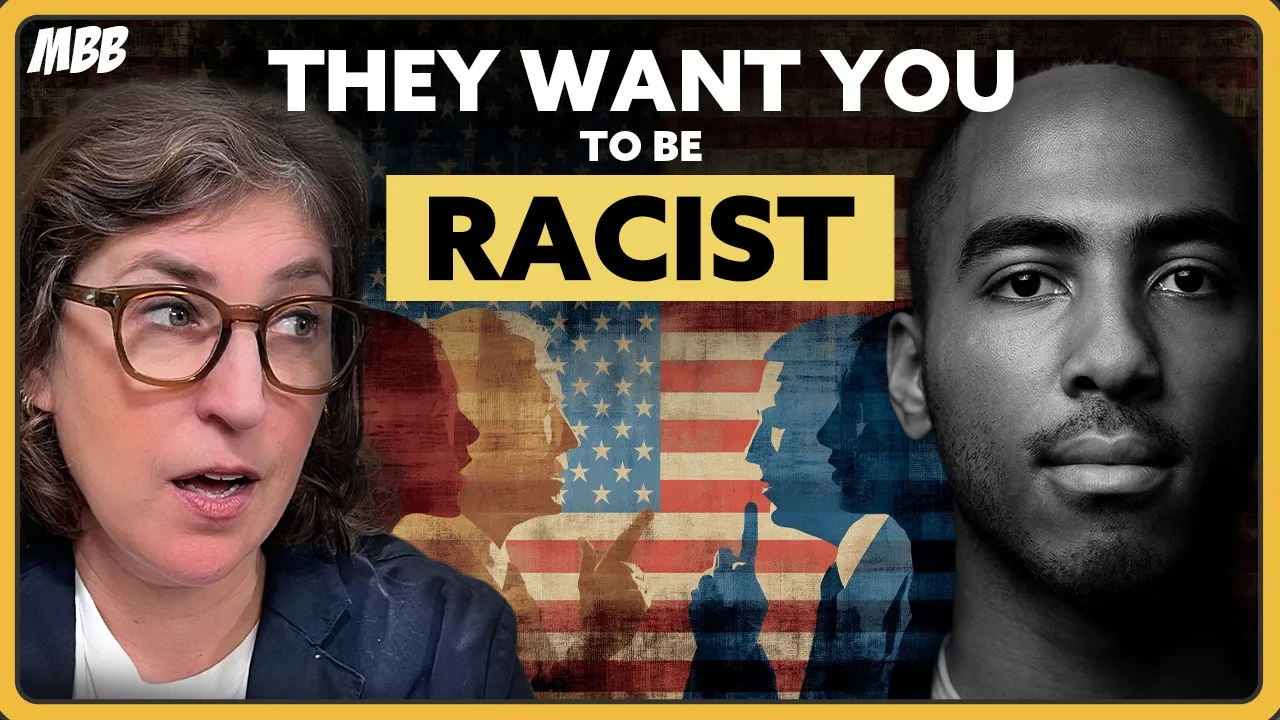
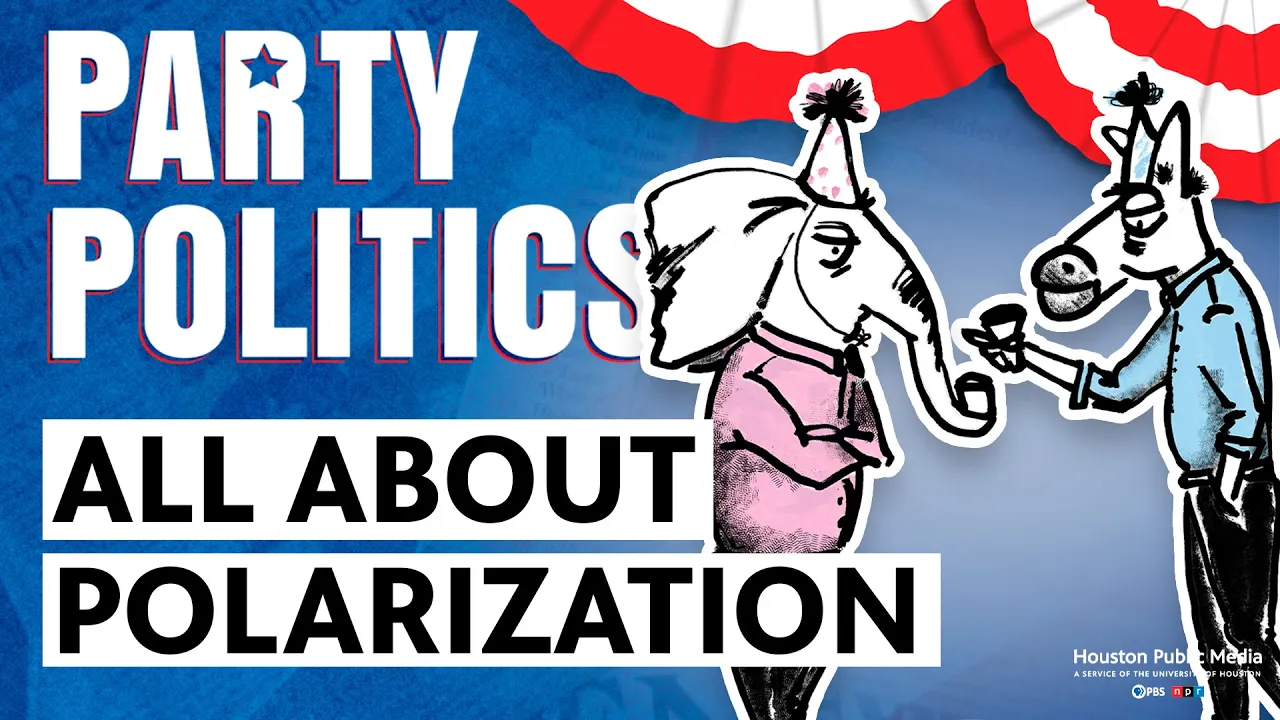


Political polarization stems from differing perceptions of who is vulnerable to harm, not from opposing moral values; both liberals and conservatives share a fundamental harm-based moral psychology evolved from our ancestral past as prey animals, which motivates us to protect ourselves, our families, and our societies, but leads to division when we fail to recognize this shared motivation in those with whom we disagree.
Understanding Political Polarization: The Psychology of Morality and Harm
Added:An understanding of Moral Foundations Theory, particularly how liberals and conservatives are traditionally thought to prioritize different moral pillars (e.g., care, fairness, loyalty, authority, sanctity).
Familiarity with the American political spectrum, specifically the core ideological and policy differences that define contemporary liberalism and conservatism.
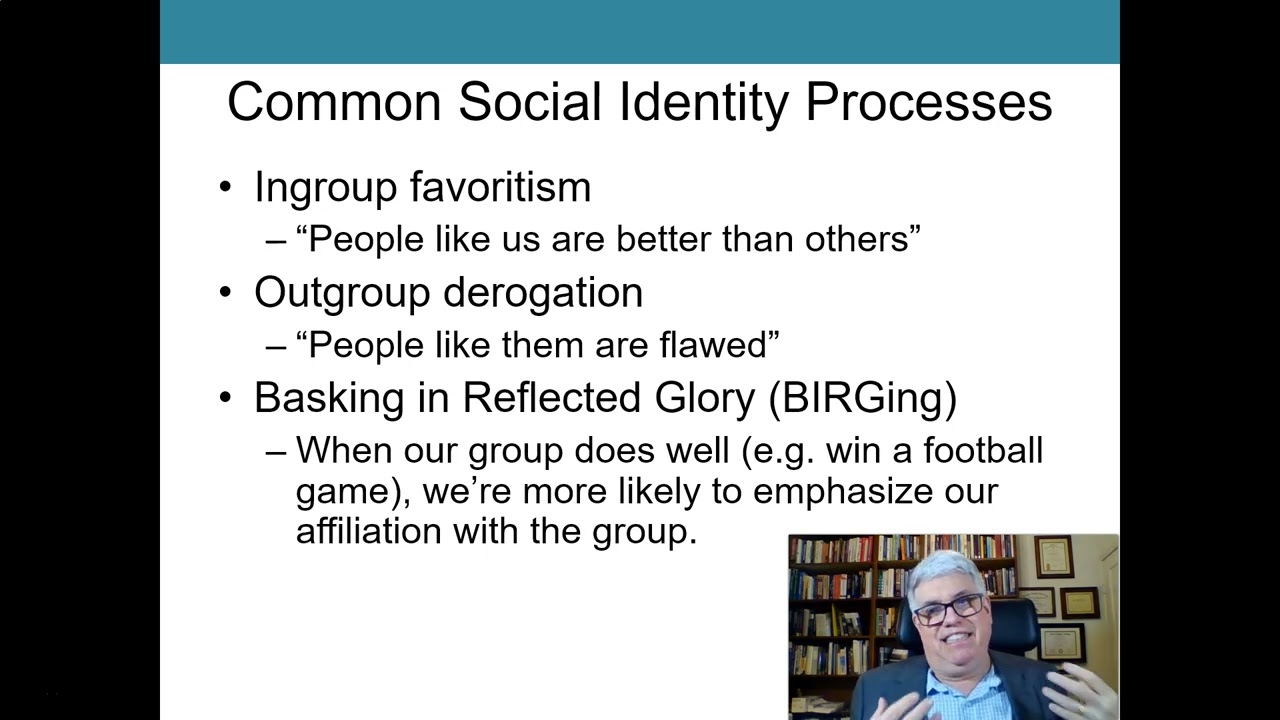
Basic psychological concepts of social identity theory, including in-group favoritism, out-group derogation, and affective polarization.
The philosophical definition of harm-based morality (utilitarianism/consequentialism) versus duty- or rule-based morality (deontology).
The application of 'Moral Reframing'—the technique of translating political arguments into the moral language of the opposing side to foster agreement.
A deeper exploration of Kurt Gray's 'Theory of Dyadic Morality', which argues that all moral judgments are structured around a cognitive template of an intentional agent causing harm to a vulnerable patient.
An analysis of how digital media algorithms and echo chambers exploit and amplify harm-based moral narratives to drive online engagement and outrage.
The study of institutional and structural reforms in political science (e.g., ranked-choice voting, redistricting reform) designed to mitigate the effects of psychological polarization.
524.7K views1.1Klikes5:59Original Release: 2024-01-17
- America is divided today.
Roughly half the country thinks the other side is immoral or evil.
The first step to making sense of this moral disagreement and finding common ground is to realize that humans are animals, and we are afraid of threats.
It's obvious today why you would think of humans as the apex predator because we are, but just because something's true today doesn't mean it was true for the millions of years of human evolution.
Our ancestors were not predators, they were prey.
We have inherited the harm-based minds of our ancestors and a legacy of being concerned about threats.
Here's the thing, if we can understand how the mind makes moral decisions, we can begin to make sense of the people around us.
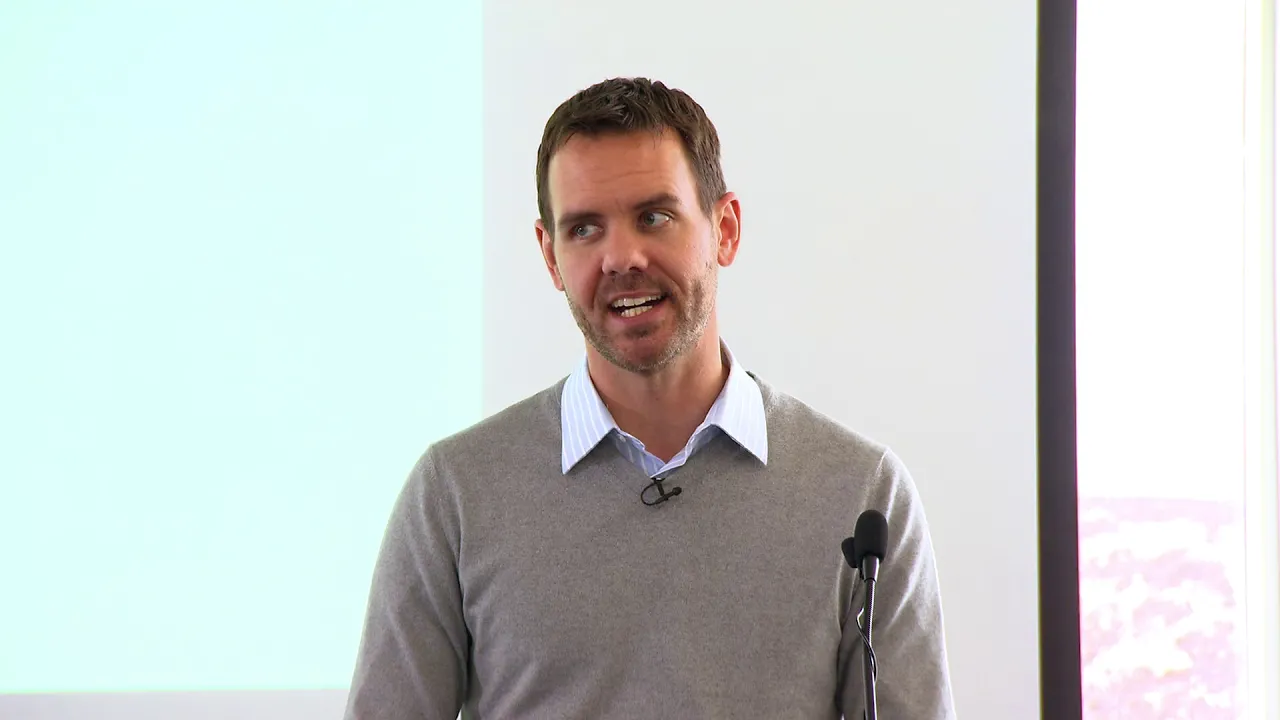
I'm Kurt Gray, take one.
- My name is Kurt Gray.
I'm a professor of psychology and neuroscience at UNC Chapel Hill, where I direct the Center for the Science of Moral Understanding.
We are more divided today than we have been in a long time.
Many people think those on the other side lack a basic moral sense.
So what is morality?
Most people think of morality as just an internal sense of right and wrong.
It's actually way more interesting than that.
- ‘Every decision we make affects the lives of others around us.’ - Check this out: Everything that we consider morally wrong is just something that we see as harmful.
Think about it: For millions of years, our ancestors were hunted by predators.
When you think of predators, you think of something confident, stalking and attacking.
On the other hand, when you think of prey, you think of something that's scared, that's threatened, that's always alert and worried about harms that it might face.
The best way to escape predators was for humans to move together in big groups.
But there's a problem with that because we're surrounded by other people who can also harm us, and so we needed a psychological trick, an internal sense to make sure that other people didn't harm us.
We needed morality.
Morality evolved for us to treat each other more kindly, cooperate more.
It's a way that we feel internally that we shouldn't wanna harm others.
- ‘I like people. I want them to like me.’ - It's also a way that if someone does harm us, we feel outraged and compelled so that we can punish them.
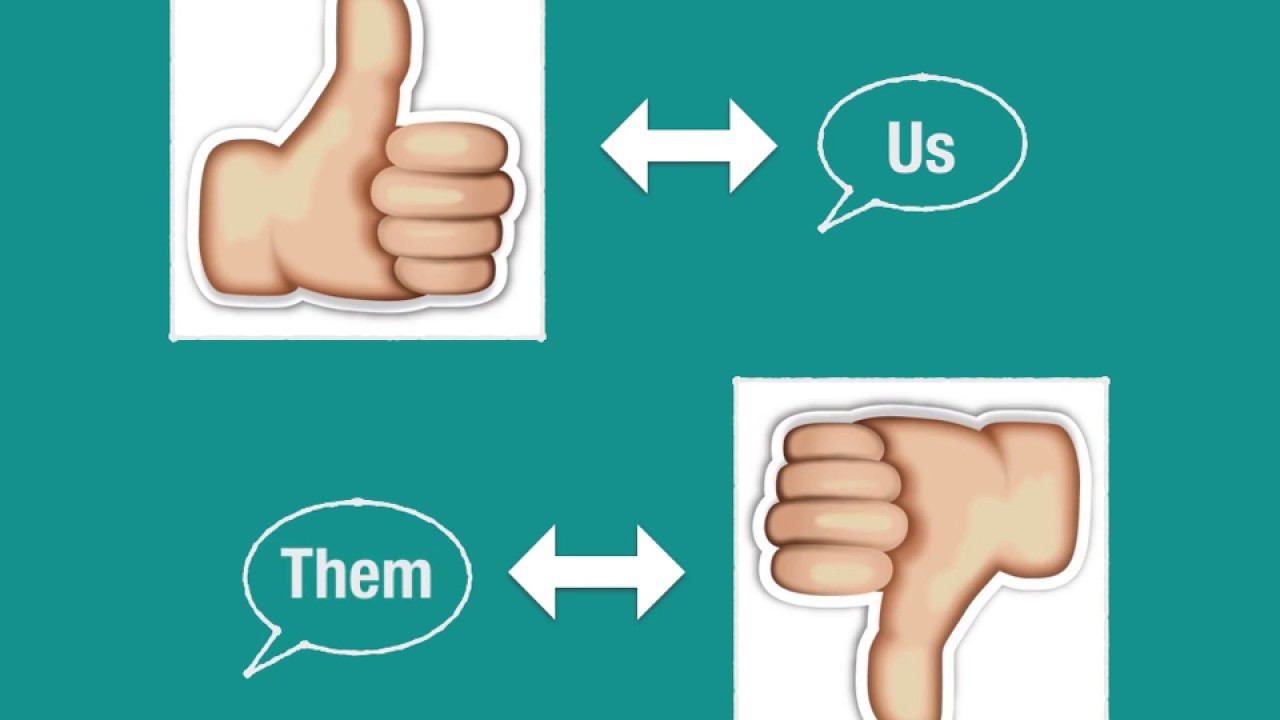
When we think of the other side, we think that they're predators, but they're not.
They're wired just the same as us.
They're wired to protect themselves.
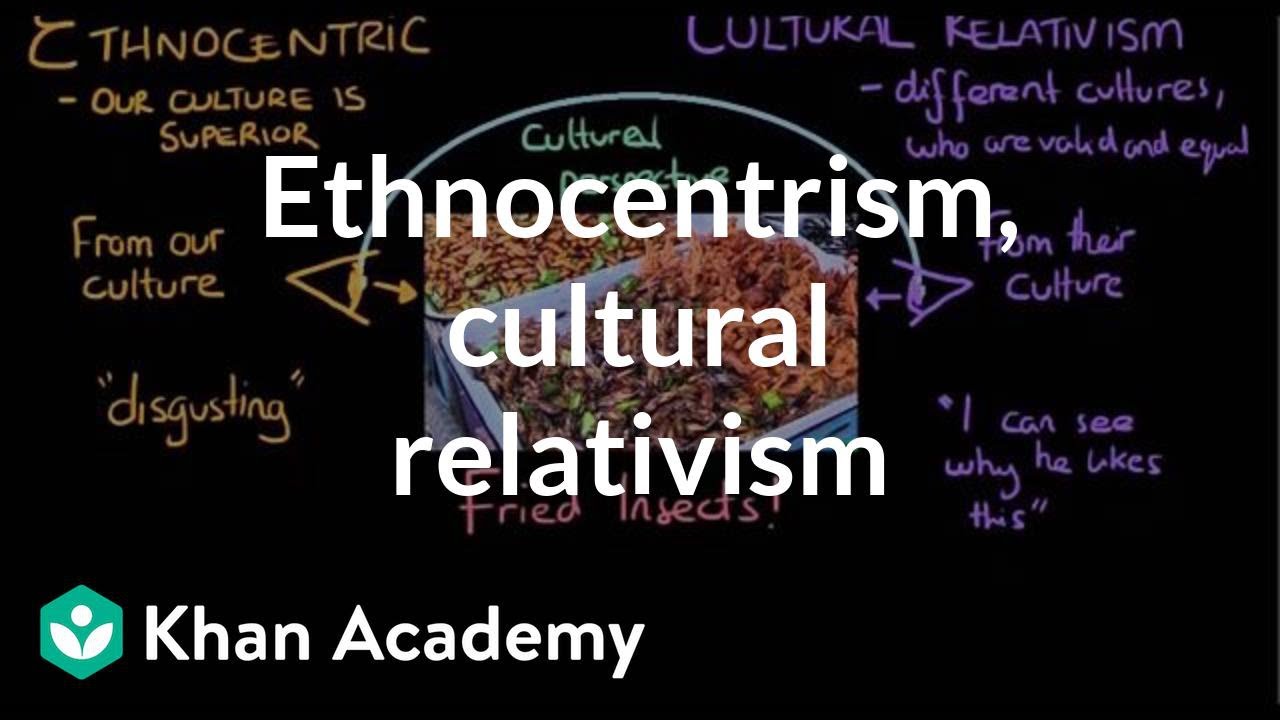
It's easy to think that liberals and conservatives have a different moral mind.
After all, we make different moral judgements.
No matter who you are in the world, we all have a moral sense that's focused on protecting ourselves and our family and our society.
But the reason we have disagreements when it comes to morality and politics today is because people disagree about who or what is most vulnerable to harm.
It's not that one side wants to harm the other side, but just that they are trying to protect someone different.
- ‘America is many things to many people.’ - Our research suggests that liberals divide the world into those that are very vulnerable to harm like marginalized communities and those that are very invulnerable to harm like business leaders.
On the other hand, conservatives are more likely to see everyone as about equally vulnerable to harm.
Take immigration for example: Our research shows that liberals see undocumented immigrants as very vulnerable to harm.
You've got mothers, children fleeing persecution, and so from the liberals’ perspective, undocumented immigrants are victims, they need protecting.
On the other hand, conservatives will see undocumented immigrants more as a threat.
They're taking jobs.
They are members of drug cartels who have harmed Americans.
And so, in their mind, undocumented immigrants are not victims as much as potential perpetrators.
And so for both sides, they're trying to protect people from harm.
They just see different victims when it comes to immigration.
So, what does all of this mean?
Having a harm-based mind was crucial to us evolving as a group together so we can help each other and cooperate.
If we don't recognize the harm-based mind in others, then we assume that they must be trying to destroy our way of life.
No one wants to have conversations with a predator.
If we think that the other side is motivated by destruction, then we will try our hardest to destroy them.
We've got to learn to create the right environment to have challenging conversations– because when political conversations turn into a debate, we hunker down.
When we understand that people are motivated to protect themselves and their family, we can have empathy, and then we can have conversations about policies that address those challenges.
One of the biggest drivers of division is we misunderstand where the other folks are coming from.
But once you realize that they are just like you, you can have conversations that address those challenges.
We can harness this understanding for good, and create a better and more civil society.
- Stand together partners with change makers, tackling our biggest challenges.
To see more stories follow our channels, and to learn more about how you can partner with us, go to stand together.org.
Up Next
3:21
Moral Reframing: A Psychological Strategy for Political Persuasion
@TheAtlantic
59.1K views•2017-03-29

12:54
Triumph of Orthodoxy Icon: Byzantine Art & History Explained
@BenCallan
2.1K views•2024-08-06

9:49
FastAPI vs Flask vs Django: Choosing the Right Python Web Framework
@TechWithTim
302.5K views•2024-05-26

1:42
Game of Thrones Opening Credits: A Cinematic Analysis
@gameofthrones
46.3M views•2011-04-18
Related Study Plans & Knowledge Roadmaps
Structured learning paths in General & Interdisciplinary Studies
general-studies
Elevator Engineering: History, Physics & Cities
01From Hoists to Safety Brakes: The Dawn of Vertical Lift
02Hydraulic vs. Traction: The Engineering Physics of Elevators
03Modern Speed, Safety, and Algorithms
+ 2 more learning modules
12h5 modules
Explore Roadmap
general-studies
Rubber: Material Science, History & Geopolitics
01Origins of Natural Rubber & Mesoamerican History
02The Chemistry of Natural Rubber & Vulcanization
03The Geopolitics of the Rubber Boom & Colonization
+ 2 more learning modules
12h5 modules
Explore Roadmap
general-studies
Containerization: Evolution, Logistics & Trade
01Ancient Trade & Bulk Cargo: Amphorae to Barrels
02The Industrial Revolution & Cardboard Packaging
03The Containerization Revolution: Malcom McLean
+ 2 more learning modules
12h5 modules
Explore Roadmap
general-studies
Textile Tech: Evolution, Labor & Global Impact
01Pre-Industrial Textiles: Handloom & Cottage Industry
02Mechanization: The Spinning Jenny to the Power Loom
03The Factory System & Global Labor Transformation
+ 2 more learning modules
10h5 modules
Explore Roadmap