


















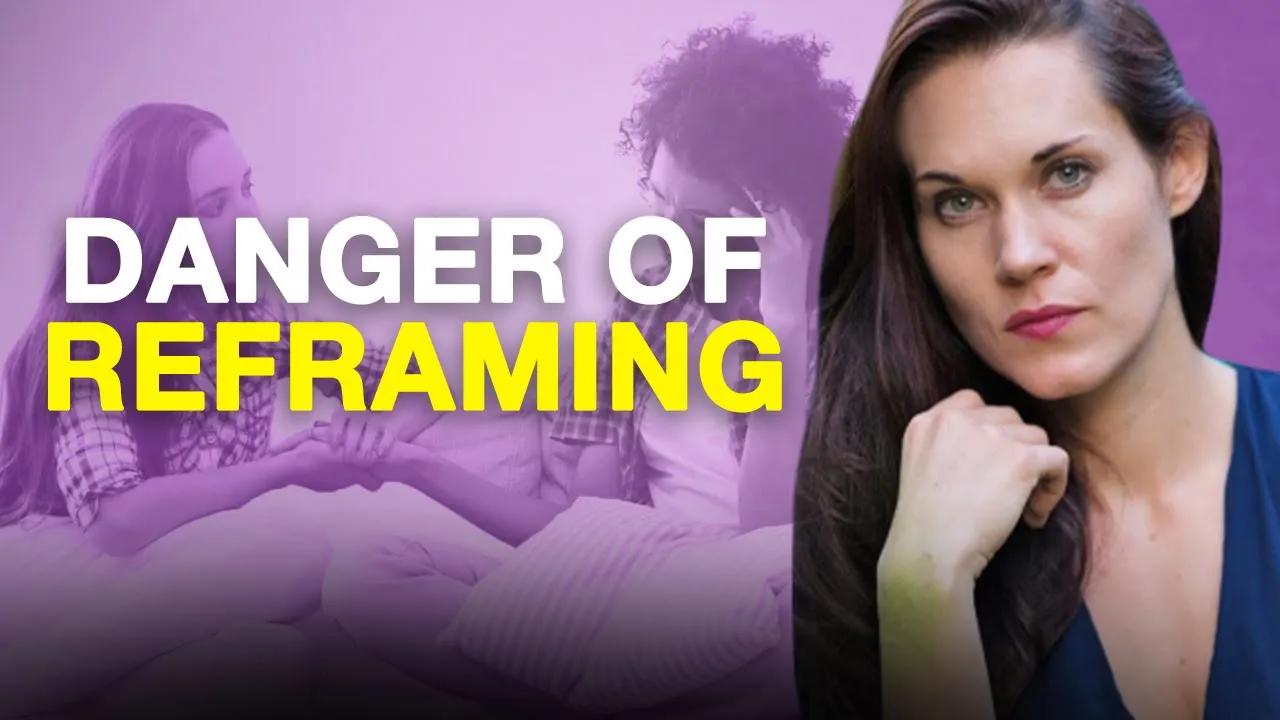









According to Moral Foundations Theory, liberals and conservatives have fundamentally different moral codes—liberals prioritize care and equality while conservatives emphasize patriotism, loyalty, and purity—which means effective political persuasion requires reframing arguments to appeal to the moral values of one's opponents rather than using emotionally charged appeals that only resonate with one's own side.
Moral Reframing: A Psychological Strategy for Political Persuasion
Added:Moral Foundations Theory: Understanding the core psychological pillars (such as Care/Harm, Fairness/Cheating, Loyalty/Betrayal, Authority/Subversion, and Sanctity/Degradation) that influence human morality.
Ideological Differences: A basic understanding of the differing value systems, worldviews, and core principles that typically characterize the political left (liberals) and the political right (conservatives).
Cognitive Biases in Politics: Familiarity with psychological phenomena like confirmation bias, motivated reasoning, and identity-protective cognition that make political persuasion difficult.
The Concept of Framing: Knowing how the presentation or 'framing' of an issue can significantly alter public perception and individual decision-making.
Message Design in Advocacy: Learning how to construct and test morally-reframed arguments for specific real-world policy issues, such as climate change, public health, or immigration.
The Limits and Risks of Reframing: Investigating when moral reframing fails, backfires, or is perceived as insincere or manipulative by the target audience.
The Ethics of Political Persuasion: Analyzing the philosophical boundaries between empathetic communication and psychological manipulation in political discourse.
Neuropolitics and Cognitive Science: Exploring how brain activity differs when individuals process politically congruent versus incongruent moral arguments.
59.1K views1.1Klikes3:21Original Release: 2017-03-29
you're scrolling through your newsfeed and you see that your Facebook friends have gotten into a huge fight about Trump's travel ban this sort of back and forth probably won't change many minds but there's a simple psychological trick that might liberals and conservatives don't just support different policies they have fundamentally different moral codes according to something called moral foundations Theory Liberals are much more likely to be concerned about principles like care and equality everybody in this country should in fact have at least a minimum and dignified standard of living conservatives put much more emphasis on things like patriotism loyalty and Purity drugs will stop pouring in and poisoning our youth one reason it's so hard to reach across the ideological divide is that people tend to present their arguments in a way that appeals to the ethics of their own side rather than that of their opponents ever since Donald Trump handed down an executive order temporarily barring travelers from Syria and other countries liberals have focused on how unfair the policy is to Muslims some have even used the story of Anne Frank as a historical analogy we say let us save every future an Frank that we didn't save decades ago liberals typically emphasize the harm facing refugees they might say something like imagine you're a Syrian refugee with your children thinking you escape death then they make you go back heartbreaking let them in but according to research by Matt feberg and Rob Willer the way for liberals to win over conservatives isn't to play at their heartstrings it's to morally reframe an idea around their values so if a liberal were to go with an argument about refugees it's better to go with something like this all our ancestors wanted was to live the American dream and that's why today's immigrants and refugees have chosen to come to America it's a message high on patriotism and loyalty two moral frames that are more important to conservatives than our liberal values like reciprocity and caring one study found that conservatives were more likely to endorse Environmental Protections when researchers triggered their concerns about rather than environmental harm a picture of a forest covered in rotting garbage in other words performed better with Republicans than a forest of tree stumps it's not just conservatives liberals supported High military spending if the argument was framed as helping poor people escape poverty but they didn't support it if it was framed as helping ensure US military superiority so if this trick makes political persuasion so easy why don't more people use it according to feberg it's because we think our moral values are Universal we believe people who don't share them are just bad people well Dick Cheney is so conservative he got an artificial heart just to make sure he never felt sorry for anyone these snowflakes are so shaken by President Trump they can't function they remind me of my childhood Furby when it started to Short Circuit the last few months of life to use moral reframing you have to understand the values of the other side well enough to use them in a political argument for many that's just hard to do politics is so deeply intertwined with our personal values so let's say you're a liberal and you just can't bring yourself to phrase your argument around patriotism or Purity at the very least you can avoid making things worse if you can't reframe your argument just get off Facebook this is unprecedented a weekly series where Atlantic writers explore what's going on in this new era of American politics let us know what topics you want us to explore in the comments I'm Olga hazan thanks for watching
Up Next

21:49
Negotiation Strategy and Ethical Influence: Lessons from Jiu-Jitsu and Business
@AgelessWarriorLab
1.2M views•2025-09-23

12:54
Triumph of Orthodoxy Icon: Byzantine Art & History Explained
@BenCallan
2.1K views•2024-08-06

4:47
Understanding Over-Tourism: Causes and Solutions | The Idea File
@TheAtlantic
526.8K views•2019-12-12

1:42
Game of Thrones Opening Credits: A Cinematic Analysis
@gameofthrones
46.3M views•2011-04-18
Related Study Plans & Knowledge Roadmaps
Structured learning paths in General & Interdisciplinary Studies
general-studies
Elevator Engineering: History, Physics & Cities
01From Hoists to Safety Brakes: The Dawn of Vertical Lift
02Hydraulic vs. Traction: The Engineering Physics of Elevators
03Modern Speed, Safety, and Algorithms
+ 2 more learning modules
12h5 modules
Explore Roadmap
general-studies
Rubber: Material Science, History & Geopolitics
01Origins of Natural Rubber & Mesoamerican History
02The Chemistry of Natural Rubber & Vulcanization
03The Geopolitics of the Rubber Boom & Colonization
+ 2 more learning modules
12h5 modules
Explore Roadmap
general-studies
Containerization: Evolution, Logistics & Trade
01Ancient Trade & Bulk Cargo: Amphorae to Barrels
02The Industrial Revolution & Cardboard Packaging
03The Containerization Revolution: Malcom McLean
+ 2 more learning modules
12h5 modules
Explore Roadmap
general-studies
Textile Tech: Evolution, Labor & Global Impact
01Pre-Industrial Textiles: Handloom & Cottage Industry
02Mechanization: The Spinning Jenny to the Power Loom
03The Factory System & Global Labor Transformation
+ 2 more learning modules
10h5 modules
Explore Roadmap