












![Tamar Szabo Gendler & Jonathan Haidt [The Mind Report]](https://i.ytimg.com/vi/49NgRJNEoSk/hqdefault.jpg)
![Robert Wright & Jonathan Haidt [The Wright Show]](https://i.ytimg.com/vi/f_H1ANfbuEk/hqdefault.jpg)

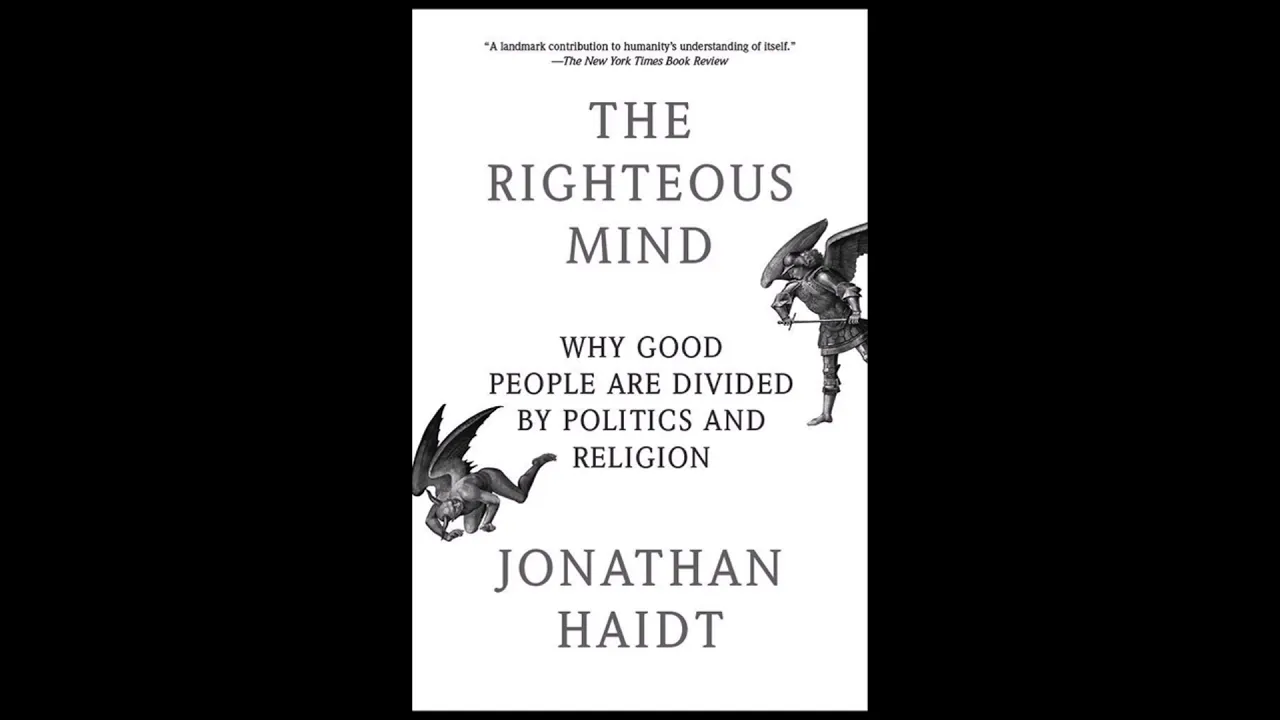




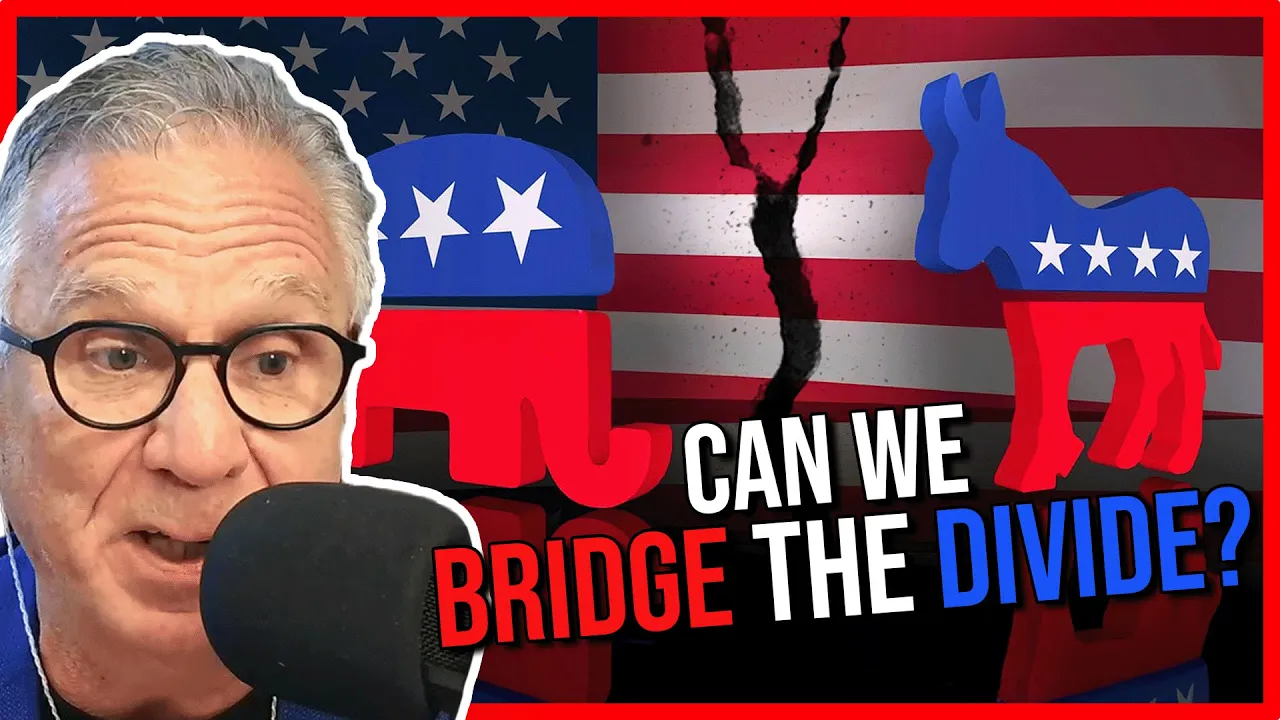




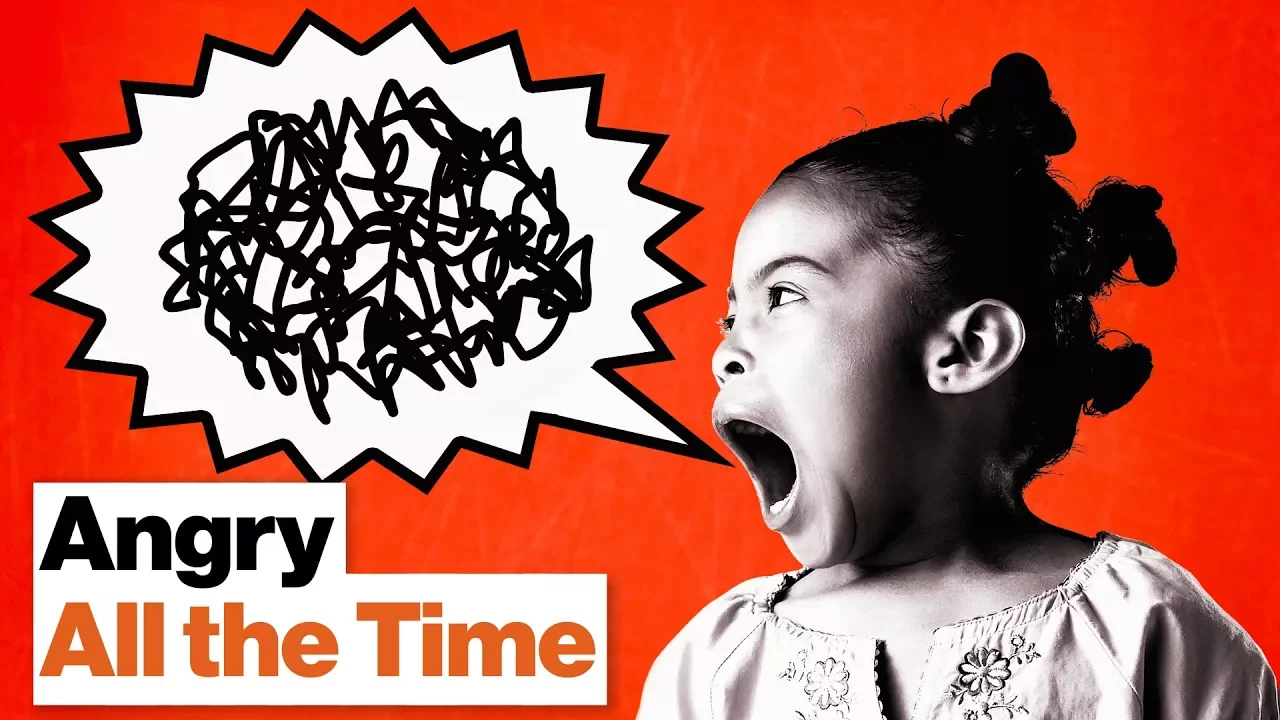



Political polarization in America stems from moral psychology, where humans evolved to form tribal groups bound by shared moral values. Research identifies six moral foundations—care, fairness, loyalty, authority, sanctity, and liberty—that shape political ideology: liberals prioritize care and fairness, while conservatives value all foundations more equally. This creates fundamental differences in how each side perceives issues like welfare, taxation, and national identity. The breakdown of bipartisan cooperation, combined with self-segregation into homogeneous communities and strategic demonization, has transformed normal political disagreement into a 'Manichean' battle between good and evil, making compromise seem immoral. Understanding these psychological roots can help bridge political divides by recognizing that both sides genuinely believe they are acting morally, even when their positions appear contradictory.
The Moral Psychology of Political Division: Jonathan Haidt
Added:[Music] welcome people I meet on the left on the right and in the middle agree on one thing our country is in a mess and our politics are not making it better the problem seem insurmountable three times last year Congress came close to shutting down the government in August we almost defaulted on our more than $14 trillion debt which could Skyrocket even further if the Bush tax cuts are continued and spending is un touched at Year's end but as the ship of state is sinking the crew is at each other's throat too busy fighting to plug the holes and pump out the water and everything's been made rotten by the toxic ranker and demonizing that have shredded civil discourse and devastated our ability to govern ourselves just look at the ugliness of the election campaign so we're left with paralysis dysfunction and a whole lot of rage on that cheery note listen to this fell I first saw him on the website ted.com that stands for technology entertainment design it's the nonprofit that brings together some of our most creative and provocative thinkers suppose that two American friends are traveling together in Italy they go to see Michelangelo's David and when they finally come face to face with the Statue they both freeze dead in their tracks the first guy we'll call him Adam is transfixed by the beauty of the perfect human form second guy we'll call him bill is transfixed by embarrassment at staring at the thing there in the in the center so here's my question for you which one of these two guys was more likely to have voted for George Bush which for Al Gore I don't need to show a hands because we all have the same political stereotypes we all know that it's uh that it's bill um and in this case The Stereotype corresponds to a reality it really is a fact that Liberals are much higher than conservatives on a major personality trait called openness to experience people who are high on openness to experience just crave novelty variety diversity new ideas travel people low on it like things that are familiar that are that are uh safe and dependable if you know about this trait you can understand a lot of puzzles about human behavior you can understand why artists are so different from accountants uh you can actually predict uh what kinds of books they like to read what kinds of places they like to travel to and what kinds of food they like to eat once you understand this trait you can understand why anybody would eat at Applebees but not anybody that you know Jonathan hey has taken the of that speech which you can see at our website billmoyers.com and turned it into an important and timely book The Righteous Mind why good people are divided by politics and religion to be published in March his ideas are controversial but they make you think height says for example that liberals misunderstand conservatives more than the other way around and that while conservatives see self-sufficiency as a profound moral value for individuals Liberals are more f focused on a public code of care and Equity Jonathan hey has made his reputation as a social psychologist at the University of Virginia where he and his colleagues explore reason and intuition why people disagree so passionately and how the moral mind works they post their research on the website yourmorals.org welcome thank you Bill what do you mean righteous Minds anytime we're interacting with someone we're judging them we're sharing expectations we think they didn't live up to those expectations so in analyzing any social situation you have to understand moral psychology our moral sense really evolve to bind groups together into teams that can cooperate in order to compete with other teams so uh some situations will sort of ramp up that tribal US versus them mentality nothing gets us together like a foreign attack and we've seen that 911 in Pearl Harbor um and uh conversely um when there are moral divisions within the group and no external attack uh this the tribalism can ramp up and and reach uh really pathological proportions and that's where we are now so but but it's sort of a tradition to divide into teams the Giants versus the Patriots the Republicans versus the Democrats Us Versus Them is almost something unamerican to suggest that there's something wrong with that no our group isness is generally actually good a lot of research in social psychology shows that when you when you divide people into teams uh to compete they love their in-group members a lot more and hostility towards outgroup members is usually minimal so Sports competitions you know I I I'm at a big football school UVA uh Virginia University of Virginia and you know uh the other team comes there's you know some pseudo aggression in the stands you know hostile emotions but you know that night there aren't bar fights when everybody's drinking together downtown that's the way sort of healthy normal group is tribalism Works um but the tribalism evolved ultimately for war and when reaches a certain intensity that's when the sort of the switches flip the other side is evil they're not just our opponents they're evil and once you think they're evil then the ends justify the means and you can break laws and you can do anything because it's in the service of fighting evil when I saw the title of your book The Righteous Mind I thought well that's interesting because you point out that the derivative the root of of of the word righteous is an Old English word that does mean just upright and virtuous then it gets picked up and used in Hebrew to translate the word describing people who act in accordance with God's wishes and it becomes an attribute of of God and of God's judgment on people so the Righteous Mind becomes a harsh judge that's right I I chose that title in part because we all think you know morality is a good thing Justice ethics and I wanted to get across the sense that let's just look with open eyes at human nature and right morality is part of our nature and morality is makes us do things that we think are good but it also makes us do things that we often think are bad it's all part of our group is tribal judgmental hyper judgmental hypocritical nature we are all born to be Hypocrites that's part of the design born to be hypocrit born to be Hypocrites that's right how so um our minds evolved not just to help us find the truth about how things work uh if you're navigating through a landscape sure you need to know you know where the dangers are where the opportunities are but in the social World our minds are not designed to figure out who really did what to whom they are finally tuned navigational machines to work through a complicated social network in which you've got to maintain your alliances and your reputation and as Maki told us long ago it matters far more what people think of you than what the reality is and we are experts at manipulating our self-presentation so we're so good at it that we actually believe the nonsense that we say to other people so take the subtitle why good people are divided by politics and and and religion why are they and what does the Righteous Mind have to do with it politics has always been about coalitions and teams fighting each other but those teams those teams were never evenly divided on morality um now well basically it all started as you well know on the day Johnson signed the the Civil Rights Act uh you you tell me what he said on that day I think I heard you say this once he actually said to me that evening I think we've just turned the south over to the republ Republican party for the rest of my life and yours yeah and he was preent that's exactly what happened so there was this uh anomaly for the 20th century that both both parties were coalitions of different regions and interest groups but there were Liberal Republicans there were conservative Democrats so the two teams they had were they were people whose moralities could could meet up even though they were playing on different teams and once Johnson signed the Civil Rights Act and the South which had been Democrat because Lincoln had been a republican so once they all moved to the Republican party uh and then the moderate Republicans began to lose office in the ' 80s and 90s and the last last ones going just recently for the first time we have an ideologically pure division of the parties and now this group is tribalism which is usually not so destructive we can usually you know when you leave the playing field you can still meet up and be friends but now that it truly is a moral division now the other side is evil and there's nobody there aren't really pairs of people who can match up and say well come on we all agree on this let's work together you're remind me that when we set out to to try to pass the Civil Rights Act of 64 and the Voting Rights Act of 65 LBJ commissioned us to go spend uh much of our time with the moderate Republicans in the house and in the Senate because he said when push comes to shove and when the role is called we're going to need them to pass this bill and at one point in the signing of one of those bills he turned in hand the PIN to ett durken the senior republican from Illinois and the leader of the Republican minority in the Senate and he was the one who in the in the critical moments brought a number of moderate Republicans to vote for the Civil Rights B you're saying that's that was a deciding moment a defining moment so there are three there are three major historical facts or changes that have gotten us into the mess that we're in so the first is is the realignment of the South into the Republican column which allowed both parties now to be pure so that now there are basically no Liberal Republicans matching up with conservative Democrats so the parties are totally separated second thing that happened um was uh the replacement of the greatest Generation by the Baby Boomers greatest Generation fault World War II came home built the country ran the economy peopled politics and created this consensual government you're talking exactly these are people who joined groups had Civic a sense of civic responsibility uh participated in the Democratic process and so these people as they moved through I mean they could disagree politics has always been been uh contentious um but at the end of the day day they felt they were part of the same country and in the Senate and the house they were part of the same institution they're replaced by the Baby Boomers and what's their foundational experience it's not responding together to a foreign threat it's fighting each other over whether this country is doing evil or good so you get the good evil dichotomy about America and about each other happening in the 60s and 70s when these people grow up assume political office now you got Bill Clinton and new kingri it's a lot harder for them to agree than it was for tip O'Neal and Ronald Reagan so we got we get to the culture wars fights over that's right abortion prayer in schools and that become that that conflict becomes very polarizing exactly and that's because of the Baby Boomers and well the Baby Boomers I think are more prone to manakan thinking Manan thinking that's right manes was a I think third Century Persian Prophet who preached that the world is a is a Battleground between the forces of light and the forces of darkness and uh uh everybody has to take a side and some people have sided with good and of course we all believe that we've sided with good but that means that the other people have sided with evil and when it gets so that your opponents are not just people you disagree with but when it gets to the the mental state in which I am fighting for good and you are fighting for evil it's very difficult to compromise compromise becomes a dirty word let me play you an exchange between house Speaker John Boehner and Leslie stall on 60 Minutes take a look at this we have to govern that's what we were elected to do governing means uh compromising it means working together it means means compromising it means finding common ground okay is that compromising I am not going to compromise on my principles nor am I going to compromise the will of the American people you're saying I want common ground but I'm not going to compromise I don't understand that I really don't you say when you say the word compromise a lot of Americans look up and go oh oh they're going to sell me out and so finding common ground uh I think makes more sense I reminded him that his goal had been to get all the Bush tax cuts made permanent so you did compromise uh I we found Common Ground why won't you say you're afraid of the word I reject the word he could barely say the word compromise that's right because once you've crossed over from normal political disagreement into mannequin good versus evil to compromise I mean we say you know his ethics were compromised I mean you don't compromise with evil now I think it's especially uh an issue for Republicans because they are better at doing sort of um uh tribal team-based loyalties the data we have at yourmorals.org shows that uh uh conservatives score much higher on this Foundation of loyalty groupness um and the Republican I mean which job would you rather have in Congress the Republican Whip or the Democratic whip you know the Republicans can hang together better and part of it is they're better at drawing bright lines saying I you know I will not go over this line but governing is all about brokering compromise you cannot in a pluralistic Multicultural Society with all the different beliefs have a a mantra that unites us all you've got to you've got to broker compromise well depends what perspective you're taking if you're looking at the good of the nation you're absolutely right but for competition within the nation taking this Hardline position is working out pretty well for them so sure you can uh uh you know you can have a hard line against compromise and especially if the other side can't get as tough can't threaten to break break legs uh you end up winning and I think uh Democrats are a little weaker here and certainly Obama took a lot of flack for that than his negotiation strategy with the Republicans as as far as I can see he's never really presented a credible threat so they've been better off walking away from the table Yeah but the country suffers doesn't it when B and the Republicans think it's immoral to compromise and Obama thinks it's immoral not to compromise um well that's true um I would say Obama uh could have done a much better job with his negotiating strategy by Obama is such a great orator and and wowed so many of us in the campaign um but then once he was elected you he's been focusing on the terrific terrible problems that he's has to had to deal with but I think he has not made the moral case that would back up the arguments from the from the politicians in Washington I think the Democrats need to be developing a credible argument about fairness capitalism American history they need to be developing this master narrative so that when they then have an argument on a particular issue it'll resonate with people and they're not doing that but the Republicans have so the the greatest Generation disappears The Boomers come along the Civil Rights fight divides the country and the third one the third is that um America has gone from being a nation with localities that were diverse by class in particular let's say you had rich people and poor people living together it's become in the post-war World gradually a nation of Lifestyle enclaves where people choose to self-segregate if people are concentrating just with people who are like them then they're not exposed to the ideas from the other side from people that they can actually like and respect if if you get all your ideas about the other side from the internet where there's no human connection it's just so easy and automatic to reject it and demonize it so once we've sorted ourselves into homogeneous moral communities it becomes a lot harder to work together this is gets us to the what you talk about in the book consensual hallucination right what is that so um I assume many viewers have seen the movie The Matrix uh and or one of those movies and it's a conceit in this science fiction book that the Matrix is a consensual hallucination generated by computers and then we all live in it right and I think this is a brilliant social psych metaphor back when we all encountered people of the other party you couldn't have a consentual hallucination that that wasn't interrupted by other people but once we can all live in these lifestyle enclaves we only watch t certain TV shows we only go to certain websites we only meet people like us the Matrix gets so closed in that each each side here lives in a separate moral Universe with its own facts its own uh its own EXP experts um and there is no way to to to get into the other Matrix to just throw you can't just throw arguments or or scientific studies at them and say here conservatives deal with this finding it's not going to do anything um and conversely they throw it back at you we all feel as though we're living in reality but them they're caught up in this Matrix they're in la la land but we're all in la la land if you are part of a partisan community if you're part of any community that has come together to pursue moral ends you are in a moral Matrix my side is right your side is wrong just dip so facto right that's right let me get some clarity on one of your basic uh uh foundations here your research in the book you and your Associates organizes morality into six moral foundations or concerns sketch them briefly and tell me how liberals and conservatives differ on each of them sure so if you imagine each of our righteous Minds as being like like a like an audio equalizer with six slider switches uh and the first one is care compassion those sorts of issues liberals have it turned up to 11 and we have this on a lot of different surveys um liberals really feel it when they see an animal being mistreated they're more likely to feel something than conservatives and especially than Libertarians who are very very low on this one the next two Liberty and fairness when Liberty and fairness conflict with care are you going to punish someone or are you going to be compassionate liberal are more likely to go with care in other words care trumps Liberty and fairness even though everybody cares about all three of those the next three loyalty Authority and sanctity what we find uh across many questionnaires many surveys and analyses of texts and sermons all sorts of things um is that um liberals don't talk a lot about loyalty um you know group loyalty they don't talk a lot about Authority and the importance of of of order and authority and maintaining order they don't talk a lot about sanctity conservatives on the other hand what we find is that they value all of these more or less equally and I think this is part of the reason why conservatives have done a much better job of connecting with American morality and convincing people that they are uh they are the party of moral values let's get down to some brass tags or or brass knuckles as one might want to say uh there's so much anger and incivility in our politics today and the twain do not seem able to meet that's right you have a lot of photographs of both a tea party and Occupy Wall Street that get at how moral psychology divides us just walk me through some of these sure the first step that we all need to take is to understand that the other side is not crazy uh they're not holding their positions just because they've been bribed or because they're racist or whatever evil motives you want to attribute so what I'm hoping my book will do is kind of give people almost a decoding manual so they can look at anything from the other side and instead of saying see this shows how evil they are you say oh okay I see why they're saying that all right so let's take uh stop punishing success stop rewarding failure I remember saying that one of the early tea party rallies so that's one version of fairness fairness as proportionality what do you mean well um if people work hard they should they should succeed if people don't work hard they should fail and if anyone bails them out that is evil you should not bail people out who uh have failed especially if it's because of lack of hard work something like that so as the right sees it government is evil because it keeps punishing success uh with redistributive policies take take from the successful and give to the unsuccessful and it keeps rewarding failure by giving out welfare and other payments to people who aren't working so I I what I've found is that fairness is at the heart of of both Occupy Wall Street and the tea party but because the words have different meanings and they relate to additional moral foundations that's why there really very very different Moral Moral views there a lot of empathy and caring at Occupy Wall Street so this sign I can't hurt another without hurting myself this is part of the ethos on the left this is why you get a lot of Buddhists and and sort of the Christian left it's a lot of emphasis on care and compassion when they talk about fairness it's in particular um fairness that will benefit the weak and the and and the poor so here's a sign Marching for the meek and weary hungry and homeless tax the wealthy fair and square as though because they're hungry and homeless people it's fair to take from them and give to them now I think there are really good Arguments for why we need to uh why we need to increase ta r tax rates on the top but simply saying some have and some have not therefore it's fair that's not a moral argument for most Americans and what's the conservative moral position on this the conservative moral position is the Protestant work ethic it's karma what do you mean by so karma um karma is a Sanskrit word uh uh for literally for work or or fruit that is if you do some work you should get the fruit of it if I help you I will eventually get the fruit of it even if you don't help me something will happen it's just a law of the universe so uh Hindus traditionally believed it's that the universe will balance itself write itself it's like gravity if I am lazy good for nothing uh you know lying scoundrel the universe will write that and I will suffer but then Along Comes liberal do gooders and the federal government to bail them out so I think the conservative view for social conservatives this is is that basically Liberals are trying to revoke the law of karma almost as though imagine somebody trying to revoke the law of gravity and everything's going to float away into chaos all right let's go back to Occupy Wall Street and the Tea Party flags are everywhere American flags are everywhere at at the Tea Party um and you never see them uh defaced modified touching the ground um at Occupy Wall Street however the majority of them had been modified so here's one showing uh America as a nation taken over by corporations and War um here's another one Occupy Wall Street the 99% is you now what this shows I think is that at Occupy Wall Street certainly the flag is not sacred I think America is not sacred the left tends to be wary of nation states um and this is I think a nice example of how sacralization blinds you and on the right where they do sacralize America they can't think about the nuances about how America is not always right American foreign policy did contribute to 911 but you can't say that because people on the right will see that it's sacrilege so they're blind whereas people on the left have a more nuanced view so you know everything's a roar shock test as long as there's any ambiguity one side will see the things that damn it the other side will see the things that praise it but isn't there reality below that Roar shock test if if Occupy Wall Street is is is saying inequality is growing the American dream upward Mobility is is disappearing uh 50 million people in poverty something's wrong with Democratic and capitalist system and I think something is wrong with their Democratic and capitalist system and this is where I think the the left has really fallen down in articulating what's wrong the right has been extremely effective and it funded uh uh think tanks that have made the case very powerfully for what's good about capitalism and they're right I mean without capitalism without free markets we would not have the massive wealth that supports you and me and everyone else who doesn't physically make stuff um but since you need the push and pull you need the give and take you need the yin and yang you need need a good argument against that uh against that view and I think it needs to be an argument about how capitalism yes it is good but it only works under certain conditions there's a wonderful new book out called The Gardens of democracy by Eric Lou and Nick hanauer they say democracy is like a garden and and the capitalist system is like a garden you can't just say free market grow as you like you have to take some tending um and even as Adam Smith knew only external regulation can prevent externalities prevent monopolies you got to have a clear argument about what capitalism is what capitalism is why it's good and how to make it better and as I see it the left hasn't done that does your research suggest it's preferable to have a greater moral range um when I began this work I was very much a liberal um and over time in doing the research for my book and in reading a lot of conservative writing um I've come to believe that um that conservative intellectuals actually are more in touch with human nature they have a more accurate view of human nature we need structure we need families we need groups it's okay to have memberships and rivalries all that stuff is okay unless it crosses the threshold into manism so I think that um uh it would be very difficult to run a good Society without resting much on loyalty Authority and sanctity um I think you need to use those but it seems to me that liberals progressives are more in touch with the nature of the social order I had an anthropology teacher at the University of Texas who had spent five years among the Apaches in West Texas for his graduate work and he used both their example and the example through ages of saying through the long history of human beings we have accomplished more by cooperation than we have by competition and it seems to me that's the truth that progressives or liberals or whomever you want to call them see that conservatives don't but cooperation and competition are opposite sides of the same coin and we've gotten this far because we cooperate to compete so you can say that Liberals are more accurate or in touch with how the system works but I would say they're more in touch with some aspects of how systems go arai and oppress some people ignore other people liberals see some aspects of where the social system breaks down and conservative see others um you have to have uh you have to have consequences follow on bad behavior that is as basic an aspect of system design as any and that's one where conservatives see it much more clearly than liberals and I think I'm a Centrist in terms of liberal conservative um and I feel like I'm sort of I sort of stepped out of the game and now that the game has gotten so deadly I I'm hoping that in the coming year I can be the guy saying come on people just here understand the other side so you stop demonizing and now you can argue more productively yeah well how do we do that when in fact there's a great advantage to one side or the other side to demonize the enemy and here you know you bring us right to n gri and his career in 1990 n Gingrich was chairman of something called gopac which was a conservative political action committee and he issued a memo to the members the conservative members of that organization about words that conservatives should use to describe themselves and words they should use to describe Democrats and liberals abuse of power betray bizarre corrupt criminal rights cheat devour disgrace greed steal sick traitors radical red tape unionized waste welfare quote the words and phrases are powerful read them memorize as many as possible and remember that like any tool these words will not help if they are not used those words were used as you know quite successfully that's right so two things to say back anguish one is that he's a screaming hypocrite but as I said we're all Hypocrites that's part of the design uh the other is that he's a very good moral psychologist and as I've said the Democrats are generally not so he had he had words there that touch all six of the foundations you know from abuse of power to sick and corrupt for the for the sanctity stuff so while I'm nonpartisan my big issue is demonizing and yet you also acknowledge that demonizing the other can be rewarded politically that's right it can because that makes you stronger in the contest within the group within the nation your side can beat the other side if you demonize but it makes the nation weaker most of our politics is driven by the people at the extremes the people who have these dispositions fairly strongly get passionate get engaged give money blog argue um those people rarely cross over uh so but most Americans are not that politically engaged and they're the ones that decide the elections uh so since most people aren't extreme either way in their basic disposition they're up grabs and whichever party can connect with their moral values and this is where I think again the Democrats have not fully understood moral psychology I listen to them in election after election especially 202 2004 saying we've got this policy for you we're going to give you more support as though politics is shopping as though come you know buy from us we've got a better deal for you the Democrats I find have not been as good at understanding that politics is really religion politics is about sacredness politics is about offering a vision that will bind the Nation together to pursue greatness and Republicans since Ronald Reagan have been really good at that at the same time it can blind you it can blind you into a tribe but it can blind the whole tribe absolutely that's the that that's what we're stuck with that's the nature of moral psychology you got it there's a chapter called vote for me here's why let me run down a series of points you make in that chapter and get your short take on what you want us to take away from that quote we're all all intuitive politicians that's right so uh politicians is always asking the question how am I doing as mayot used to say uh that's what we always want to know um and so when we interact with people we we're intuitively we're like politicians out to get their vote out to make them like us make them be impressed by us who knows if they could be useful to us in the future so we say one thing to one person one thing to another we change our views our attitudes oh did you like that movie oh I hated it because I know that he hated oh yes I loved it because I know that she liked it we do this all the time and we don't even know we're doing it so many people think oh you know I danc to I I moved my own drum I you know I'm independent I'm a Maverick people think that about themselves um but research shows that even people who think that about themselves are just as influenced by what other people think of them basically we are clueless and hypocritical about ourselves we're actually moderately accurate in our predictions of other people our blindness is about ourselves quote we are obsessed with pose once again um what we really want to know is what others think of us the research shows that when you give people the opportunity to cheat in a way where they can get away with it because there's no reputational consequence most people cheat other research shows that philosophers and moral philosophers are no better than anyone else so we all think that we're going to be we're going to have this inter moral compass um but really what we're most concerned with is what's this going to do to my poll numbers yeah I remember you you quote somebody's research in here that they looked into how often books own ethics were taken out out of the library MH and not returned and it was a very high ratio and often by moral philosophers or teachers of Ethics right Eric schwitz Gable a philosopher looked at how often books had not been returned from lots of libraries and um uh right the ethics books were more likely to have been not returned than other philosophy books my guess is that moral philosophers are extremely expert in coming up with justifications for whatever they want to do this one hit me personally quote our in-house press secretary automatically justifies everything that's right when someone accuses you of something you can't help it instantly your mind is off and running drafting the press release to explain how well it might look like I was hypocritical but actually so we just this is the way we think automatically and again it's part of this sort of Machiavellian uh uh psychology quote we lie cheat and justify so well that we honestly believe we're honest everybody believes they're above above average in honesty um but in fact again the studies show that when you give people a chance to cheat literally the majority take advantage of it they'll fudge a number here they'll go over time they'll change an answer on a test if money say if they get paid more money for for getting more correct answers for example um and the amazing thing is they're able to justify it they're they walk out of there thinking that they didn't cheat and lie quote reasoning and Google can take you wherever you want to go something we we need to talk about here is What's called the conf information bias right that is you might think that our reasoning is designed to find the truth and if you want to find the truth you should look on both sides of a proposition but in fact what happens is um when someone gives you a proposition our minds we send them out we send them out to do research for us but it's research like as a lawyer does or as a press secretary would do say find me one piece of evidence that will support this claim that I want to make and if I can find one piece of evidence I'm done I can stop thinking well that's the way we've been for millions of years and not well hundreds of thousands of years and suddenly Google comes along you don't have to do any research you just type it in you know I think Obama well was Obama born in Kenya just type it in you'll find hits you know is global warming a hoax type it you'll find hits so Google can basically solve your needs uh for confirmation 24 hours a day quote we can believe almost anything that supports our team that's right so it's bad enough when we're cheating and dissembling and manipulating things for our own benefit but when we're doing it for our team it somehow is even more honorable and easier to do and this brings us right back to the culture War um people can believe any kind of crazy nonsense they want if you hated George Bush when he was president and somebody would give you an argument I mean you it just seems automatically compelling and you don't have to think very hard conversely now about Barack Obama so um uh all these things I'm saying these biases of reasoning that are so obvious at the personal level when you ramp them up to the group level they get even more severe yeah this one took me back because it flies right in the face of my pred disposition anyone who values truth should stop worshiping reason the idea of sacredness the idea of sacralizing something um what I see as an academic and as a philosophy major as an undergrad is there are a lot of people in the academic world that Sac they think oh you know no sacred cows we shouldn't sacralize anything but they sacralize reason itself as though reason is this Noble attribute uh reason is our highest nature and if we could just reason we will solve our problems all right that sounds good on paper but given all the stuff I just told you about what psych olist have discovered about reason reasoning is not good at finding the truth conscious verbal reasoning is really good at confirming we're really good lawyers so what this means is that if you sacralize reason itself you are first of all wrong about it uh and as as as I say in the book um follow the sacredness wherever people sacralize something there you will find ignorance blindness to the truth and resistance to evidence so what is what did the Hebrew Prophet mean when he said come now and let us reason together are you saying we can't get it the TR that way no that actually is very wise because what I'm saying here is that individual reasoning is post Hawk and justificatory individual reasoning is not reliable because of the confirmation bias the only cure for the confirmation bias is other people so if you bring people together who disagree and they have a sense of friendship family having something in common having an institution to preserve they can challenge each other's reason and this is the way the scientific world is supposed to work and this is the way it does work in almost every part of it uh you know I've got my theory and I'm really good at justifying it but fortunately there's peer review and there's lots of people are really good at at undercutting it and saying well what about this phenomena you didn't account for that and we work together even if we don't want to we end up being forced to work together challenging each other's confirmation biases and Truth emerges and this is a place where actually I think the Christians have it right because they're always talking about how flawed we are they're they're encouraging us to be more modest and from my reading these Apostles of Reason nowadays they're anything but modest and they think that individuals can reason well wisdom comes out of a group of people well constituted who have some Faith or trust in each other that's what our political institutions used to do but they don't do anymore you're helping me to understand this fundamental dichotomy in American political life that a country that mythologizes the rugged individual right but a country that's now governed by dogmatic group politics right mhm so this gets us right into into sacredness one of the dictums of the book is follow the sacredness um once you see the basic Dynamic of of of human life is individuals competing with individuals but when necessary coming together so that the group can compete with the group so it's perfectly consistent for the right to to worship rugged individualism at the individual level and to see government and especially government safety nets and Nanny States as deeply immoral because it undercuts rugged individualism but at the same time for them to be tribal and to have come together around a pledge on taxes now Grover norquist was brilliant in exploiting the psychology of sacredness in making them sign this pledge even if many of them knew in their heart it was the wrong thing to do we're so concerned about our poll numbers we're so concerned about what people think of us any candidate that said no I'm not going to sign you can bet norquist was going to hold his feet to the fire and now they're stuck and you get that crazy scene in that Republican debate if you could work out a deal $10 of spending cuts for every $1 tax increases would you take it say you had a deal a real spending cuts deal 10 to one as as Byron said spending cuts to tax increases speaker you're already shaking your head but who on this stage would walk away from that deal when you raise your hand if You' feel so strongly about not raising taxes you'd walk away on the 10 to1 deal it's straight out of all the Conformity experiments in social psychology it's you don't want to look you don't want to be the one who's who stands up and is different there's a lot of Conformity pressure uh a little further out it's not just that you're afraid of being different it's that you know what's waiting for you if you if you didn't put your hand up and that is Grover norquist and everybody else saying he's going to raise my taxes he's going to raise my taxes and you will be ejected from the group you're no longer in the tribe out to the Wilderness right that's right now we can go even further back and this is what I think people on the left have trouble understanding um is the the rejection of taxes this dogmatic attitude about taxes it's not just oh I want to keep my money give me money I'm greedy it's that the federal they've seen the federal government this begins in the 30s with Rosevelt they've seen the federal government doing things that they think are evil that is the government got into the business of bailing people out when they make mistakes now usually people need help not because they made a mistake there are important reasons to have a safety net but welfare policies and it got even more so in the 60s um uh the government began doing things that supported people who were SL ERS are Free Riders so as entitlement programs grow as they begin to do things that are really antithetical to conservative ideas about fairness and responsibility now government it's not hard to see government as evil and the only way to stop it is to starve the Beast what's the Democratic liberal left equivalent of the tax pledge no new taxes the group think on one issue that if you violate it get you thrown out of the tribe right Well's touchy to talk about but B basically I think the new left the commitment that was made in the 60s was towards victim groups so it was civil rights uh uh women's rights gay rights now these were all incredibly important battles that had to be fought and again follow the sacredness if you sacralize these groups it makes you it binds you together to fight for them so the sacralization had to happen the sacralization of victim groups had to happen to bring the left together to fight what was a truly altruistic and heroic battle and they won and things are now better in this country because of that but follow the s sacredness once you've sacralized something you become blind to evidence so evidence about let's say how welfare was working or any other social policy that many of these social policies would backfire but you can't see it because you've sacralized a group anything that seems to be helping that group anything our group says is going to help them you go with um so both sides are blind to evidence around their sacred commitments I want to go to a very important moment in an early Republican debate that seems to me to go to the heart of what you writing about in terms of moral psychology and how the conservatives see it this was a question uh to Ron Paul let's play it let me ask you this hypothetical question a healthy 30-year-old young man has a good job makes a good living but decides you know what I'm not going to spend $200 or $300 a month for health insurance because I'm healthy I don't need it but you know something terrible happens uh all of a sudden he needs it who's going to pay for if he goes into a coma in a society that you accept welfarism and socialism he expects the government to take care of what do you want but what he should do is whatever he wants to do and assume responsibility for himself my advice to him would have a major medical policy but not before but he doesn't have that he doesn't have it and he's and he needs he needs intensive care for six months who pays that's what freedom is all about taking your own risk this whole idea that you have to prepare and take care of everybody but congressman are you saying the society should just let him die no this is a perfect example of of what the culture War has turned into it's a battle over ideas about about fairness versus compassion um so the reason that that video went viral is because of the Applause at the end so I got sent this video by a lot of people because oh my God these Republicans are so heartless they're so evil and cruel and terrible but it's exactly aso's Ant and the grasshopper that grasshopper fiddles away all the summer while the ants are working and working working preparing for the winter the grasshopper says oh you're being silly working so hard and then winter comes the grasshopper comes knocks on the ant's door and he's starving to death he's freezing he says take me in feed me and as some liberals see it the point of The Ant and the grasshopper is that the ants are supposed to feed the grasshopper but that's not what asop meant and that's not what most Americans think it means so what they're applauding for there and what they're saying yeah let them die the reason they're saying that is because they want a world in which Karma functions this guy made a choice he made a choice to be a free rider he made a choice to not buy health insurance and if if Karma works as it should no one will pay for it and he will die if you care if you value the Care Foundation that is extremely cold but if you value fairness as proportionality that's what has to happen what did asop mean asop meant uh that you better take care of yourself because if you don't uh uh if you're lazy and you expect others to take care care of you you deserve to die you deserve to be left out in the cold and that's why welfare has always been so contentious because on the left they think it's doing good bringing money to their sacralized victim groups but on the right it's doing bad because it's encouraging dependents it's discouraging hard work it's rotting away the Protestant work ethic and it's encouraging irresponsibility welfare has always been an incredibly contentious it has been but liberals and progressives are right are they not when they say government has been a big force in the development of the this country all the way from infrastructure canals and railroads and airports and all of that to the social contract which prevents elderly people from falling uh into a life of Despair at the end of their years that's right that's all true and if the Democrats could make a good clear case over what the proper role of government is I think they'd be successful because that's absolutely right the problem is that government Whoever has the Reigns of government uses it for moralistic purposes they use it to further their sacred ends and they use it to channel money and programs and laress to their to their favorite groups so people on the right don't trust government to do what's right with their tax dollars um and the left again needs to come up with a clear story about what is the proper role of government what is not um and they need to regain the trust but it means that we can we can never get together to try to resolve it when one party says we won't compromise and the other party says you're evil that's right that's right so um we're in a lot of trouble I don't see an easy way out here um there are some electoral reforms that would make things better but the problem is that all electoral forms uh will tend to favor one side over the other which means it's very difficult to get them enacted well you're also asking the very people benefiting from the present status quo system uh to change what is to their benefit to keep it going that's right so I mean my only thoughts about how we can make a kind of an end run about this um is we need to develop Norms of certain things that are Beyond The Pale certain things that are bad and so for example just as we um we developed our discourse about say sexual harassment you know in movies and TV shows from the 60s it was common it was it was laughed at but you know in just a few decades we've come a long way in recognizing that certain kinds of behaviors are unacceptable we've changed our attitudes about smoking in public uh we've done all sorts of things like that we've moralized things I'd like to propose that we moralize to to things one is demonization when you have people saying You can disagree as much as you want but when you start saying they're only saying that because they're you know uh you know they're racist or they're in bed with this company or and even though sometimes that might be true but we are so prone to dismiss other people and demonize their motives that we're usually going to be wrong about that so if we could begin to see this in each other and even challenge each other and say hey you're demonizing like just you know disagree with them but stop attributing bad motives to the other side so if 10 years from now people sort of recognize that and could call each other out on it that would at least be some progress uh the other one is corruption until we develop a massive ground swell of public revulsion at the fact that our Congress is bought and paid for um not entirely of course many of them are decent people I don't want to demonize I'm sorry but the nature of the institution is such that they've got to raise tons of money and then they're responsive to those interests so perhaps there are some Norms that we could develop that will put some pressure on Congress to clean up its Act Jonathan hey thank you very much for sharing your ideas with us oh my pleasure bill this has been great fun
Up Next

Nonviolent Communication: A Language of Life — Marshall Rosenberg
@medicinerhythms2562
208.7K views•2013-10-27

Cognitive Skills for Differentiated Instruction | Teacher PD
@BrainWareLearning
631 views•2017-12-17

Thinking, Fast and Slow: Daniel Kahneman Animated Book Summary
@FightMediocrity
2.3M views•2015-06-05

The Nocebo Effect: How Beliefs Can Cause Real Harm
@CGPGrey
10.4M views•2013-12-23
Related Study Plans & Knowledge Roadmaps
Structured learning paths in Psychology