







![[PSYC200] 21. Personality Part 1: Introduction](https://i.ytimg.com/vi/GrGjIGmSyUQ/maxresdefault.jpg)
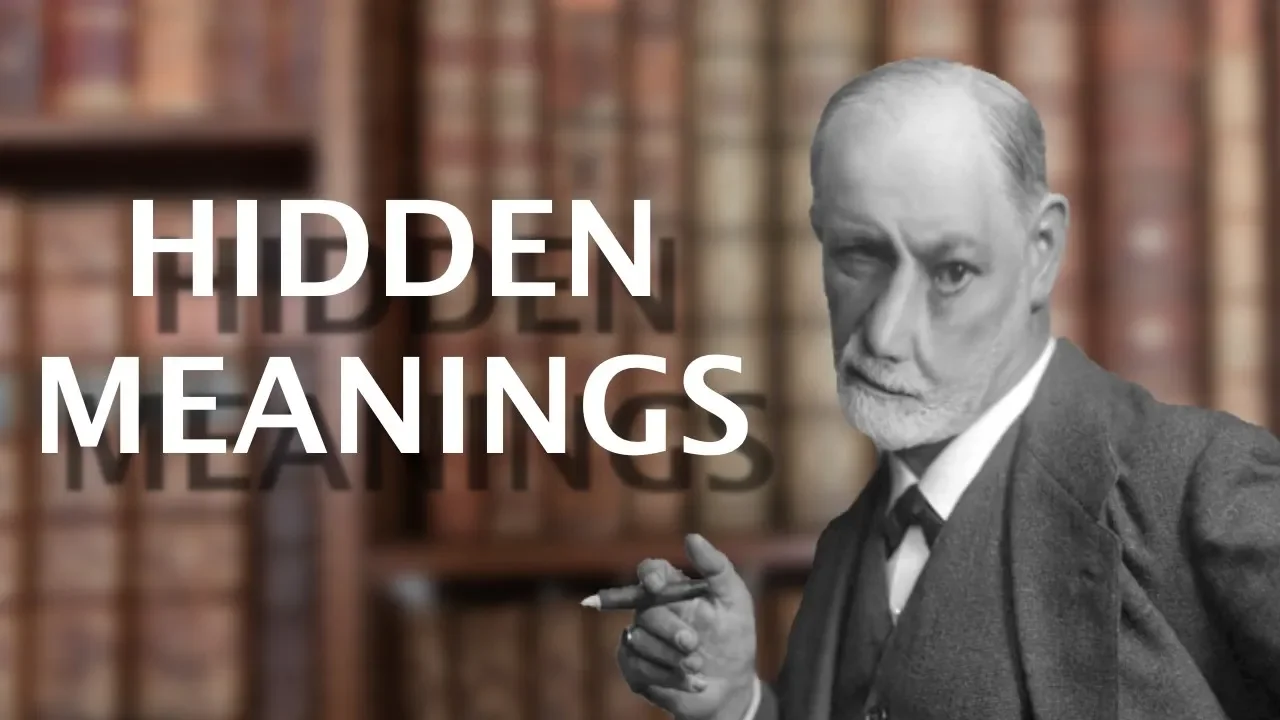











Sigmund Freud's psychoanalytic theory proposes that personality is structured by three interacting components: the id (unconscious, primal drives operating on the pleasure principle seeking immediate gratification), the ego (conscious/unconscious mediator operating on the reality principle that balances id demands with external constraints), and the superego (internalized moral compass developed around age five that establishes conscience and creates an ideal self). The id contains unconscious desires, fears, and memories that shape behavior despite lacking conscious awareness, while the ego employs defense mechanisms like repression to manage conflicting demands, and the superego judges actions against moral standards, potentially causing guilt and shame when ideals cannot be met.
Freud's Personality Structure: Id, Ego, and Superego Explained
Added:[Music] there's no question that Sigman Freud is one of the most controversial figures in the field of psychology he would argue for example that if you bite your nails or you smoke cigarettes excessively that the problem stems from breastfeeding issues during infancy or as a young boy you have this irrational fear that your father's are going to come along and just castrate you right so if Freud's ideas are so out there why do we still talk about him it's because when you take a step back his ideas as a whole provide a really unique window or perspective to explain behavior mental illness or in this video personality development so in order to understand the ID the ego and the super ego and how it shapes our personality let's first start with this kind of bigger idea this big perspective of what Freud is thinking and we're going to use this Iceberg as a great metaphor to explain these layers why because like our mind According to Freud we have different layers we have the top layer of above the water right this kind of thin slice of an iceberg but the majority of an iceberg right the big volume and mass of an iceberg is hidden beneath the surface right right below and this is kind of the metaphor that Freud would use for how the mind works so the top of the iceberg is what Freud would label as the conscious mind okay the conscious mind so what does this consist of this consists of everything that you're currently thinking about right now right so this consists of our thoughts right what are you thinking about today and tomorrow what are you do doing um how you feeling um our memories right thinking about yesterday thinking about uh past birthday parties our desires right maybe you want to uh have a certain job when you grow up um or even our emotions and feelings right so our conscious mind represents everything that we are aware of like our thoughts our memories and our desires which means below the surface is something different Freud will label this as our unconscious mind what is it our un unconscious mind right and this is the part of her mind that he would argue shapes our Behavior controls our actions but yet we have no conscious awareness that we have no idea what is down here but yet shapes our external world right shapes our Behavior now if the unconscious mind was filled with Pleasant things right happy memories great thoughts unicorns and rainbow well life would be pretty good unfortunately and this is Central of Freud's idea a lot of the things that happen in life are anxiety triggering and uh emotional and traumatic and what do we do with those things so for example when it comes to our thoughts um many of our thoughts are intrusive right things that we don't want to have right um hurting other people hurting ourselves right thinking bad things or memories of course we have happy memories but a lot of memories deal with trauma right and for I would say a lot of them are um sexual memories uh that happen in childhood or desires like we have good desires maybe you have a job or a career you a have but desires can also be taboo right and you know Freud love to talk about things sexual right we have sexual fantasies and uh there's things that we want to do but they are socially unacceptable and when it comes to our emotions yes there's joy and happiness but what if we have rage and we have hate in our mind right and all of these things in our conscious mind we don't want to have because it's not going to lead to Healthy Living so what happens well Freud would argue that we employ a defense mechanism kind of like a bulletproof vest for our mind our conscious mind called repression what is it called repression right you repress and what this refers to is that we unconsciously okay unconsciously mean we don't even know we're doing it push down or block out these thoughts memories and desires right we push them below the surface because they are too painful to think about so all of these right all of these thoughts and memories all these dots represents all these um traumatic incidences all these anxieties push down into our unconscious so according to Freud our unconscious isn't this happy thing it's full of really dark stuff but yet shapes our Behavior so this is fundamental to Freud's ideas all right so now we get into the ID the ego and the super ego and these three forces we'll think of these not as Parts like the amydala or B campus they're kind of forces or energy interact with each other and think about how they're having to navigate all of these you know traumatic stuff as well so it's very hard for them so here's what I want you to know first the ID the ID is entirely in our unconscious mind okay where is it in our unconscious and the reason that's important is because the ego and the super ego kind of flow between the conscious and unconscious but the ID is only solely in our unconscious mind also it's what we are born with so thinking about a baby baby a baby is all it we'll talk about that and it's driven by uh Primal drives Primal or animalistic drives or instincts okay and why is this important I know we're a very SM smart species right we're very intelligent but at the core of the problem is is that we still have kind of a Cav men brain right we have an animal brain we just are driven towards things that immediately bring us pleasure we want food we want um water we want warmth we want sex we want just these animalistic things that drive our Behavior so inevitably we're kind of just Primal and the thing to think about is how do we deal with these Primal drives right how do we be in the 21st century but have this kind of Caven brain of thirst water sex right we'll dive into that as well now Freud actually breaks down our drives into two different types one is about life and survival that he calls arrows right they were all driven to survive and reproduce and live and be joyful this is very pleasant right but as he watch the atrocities of World War I and realize that there's so much destruction in the world that we don't just have arrows this life Instinct but we also have something called the death Instinct that he called Thanatos right Thanatos and you think we don't have a death Instinct well well then why do we engage in self-destructive Behavior right I'm sure many of us do things we probably shouldn't do skydiving and drug abuse but yeah we do it anyways so we have Aros and Thanos driving us as well and because we're driven by instincts and urges that make us feel good Freud would argue that the ID is Guided by what he calls the Pleasure Principle right all these urges that make us feel good and seek pleasure the Pleasure Principle so think about things that you would do that would fall in this category right eating the extra slice of chocolate cake or scrolling in social media or procrastinating to finish an assignment right if it feels good we're more likely to do it and we don't wait right we want to do it now right we call this in Psychology immediate gratification and I cannot wait for this pleasure I need it in this moment gratification right and at the heart you see this little lightning bolt here what is guiding what is guiding our ID is what Freud would call the libido now libido is Latin for desire and we think about libido today we might think of sexual drive right but Freud didn't necessarily mean it all about sex basically he's arguing that there's kind of this Force this kind of fuel that's uh guiding our drives and our pleasure principles and all this kind of I need it now now now right this is what it means by libbido now there's something I want you to pay attention to under the word ID and that's the word it why do I have that is because Freud never actually used the word id ego and super ego and that might be traumatizing for some of you who know anything about the id ego and super ego in Freud itself Freud spoke German so everything we know about Freud and we're reading about him has been translated the original translation of ID was s in German do s which means it that is a much better way to explain what the it does because it represents this thing right it's non gender it's not a boy it's not a girl it's just this baby right it's this thing that just acts it's illogical right it's when we talk about baby like what what's its name right it's illogical it's irrational um it doesn't think about the consequences of his actions it just cries whenever wants to cry um it doesn't wait it doesn't care that Mom and Dad are sleeping and need their rest um this is a much better way to think about all right so now that we have the it how do we keep the it in check we can't just going around go around eating whatever we want and stealing whatever we want and hitting somebody in the face uh because we don't like them or telling our boss we don't like them or falling asleep during a meeting right we have to make sure that the ID stays in check what does that this is the ego and instead of it the ego is translated to German for I this is yourself this is you right this is the decisions that you make in life um is your ego and as opposed to the ID which is entirely in the conscious the ego kind of floats between conscious life the external world and the unconscious so what do we need to know about the ID well the ID as opposed to the Pleasure Principle acts on what we call the reality principle right in other words it takes reality into account I can't just do or think whatever I want right there are consequences for my actions I I live right we live in a society okay I have relationships with people I have a job I have a family I can't just act on every impulse right there are uh social norms to follow Right There Are Rules as a student right um there are laws I can't just drive 150 miles an hour because I want to drive fast right so whenever it comes to the ego it's the idea that I need to constrain the ID and make sure it understands that we do live in the real world so inevitably what does ego do it's the moderator okay what does it moderate it makes sure that the it is is the it gets what it wants but in small doses right or I can I can hold it back just a little bit in his writings Freud talks about a great analogy of a horse and a horseback rider and what he says is basically the the ego okay is the uh the rider and the it is the horse right this is a moderator right it's like you're kind of holding on for your dear life the 's kind of doing its thing and he goes like no no no we can't do that right we can't snooze all day we can't eat everything we want we can't just hurt other people so that's a wonderful kind of analogy to think about the ID uh and the ego all right lastly it's important to know the ID still has to achieve what it wants if it doesn't you're going to have a lot of anxiety if you can't get pleasure so instead of immediate gratification we are going to get a gratification we have to delay it so this is delayed gratification okay delayed that's gratification so we are going to achieve right what the ID wants but we have to understand the constraints of the external world now before we get to the super ego the ego the I the has one more trick up its sleeve if it is having trouble controlling the demands desires instincts of the ID it can employ defense mechanisms and we'll talk about those in another video but one of those defense mechanisms is one we're to talk about which is repression in other words when the ID is is rise in the surface it wants pleasure and it wants desires it wants sex it wants whatever it wants there's kind of this uh mechanism this barrier that prevents these thoughts from getting to the top so the ego can employ different defense mechanisms to stop it now do sometimes these do these rise the Surface by accidents well Freud would say they do so for example I kind of love these examples but sometimes these kind of intrusive memories or intrusive thoughts traumatic memories taboo desires sometimes they do rise to the surface right sometimes they do and fre would say well how do how do I know that they Rose to the surface you know by accident well they come in many forms um for would say for example our dreams right if you dream about hurting your boss you really want to hurt your boss right that was kind of an unconscious desire that kind of slipped through the cracks um or maybe slips of the tongue right um maybe you want to break up in a relationship and you call your girlfriend or boyfriend by the wrong name right like oh I didn't mean to say that but for I would say you did mean to say that that that was an unconscious desire that slowly Rose to the top so when it comes to psychoanalysis and therapy um the goal is actually to get these things to the surface but sometimes they can go through all right now if the world was just the ego controlling the demands of the external world and ID things would be okay but there's a third Factor by the time a child's about 5 years old they develop what Freud would called a super ego this is the judge this is the okay ego you got to stay in check I know you're trying to uh fulfill the demands of the ID but if you do too much too much ID you're going to be in trouble so the super ego I'm going erase this acts instead of our Pleasure Principle and our reality principle essentially our moral compass our moral principle right what is the right thing to do okay and according to Freud this essentially becomes our conscience right of right and wrong and morality and making sure that we live up to societal standards and essentially why this is a problem well eventually be a problem um is that we're internalizing the voice we in uh internalize the voice of authority figures so who would be an authority figure our parents our teachers right anybody that we think of would judge us right and because we internalize the voice of those authority figures we have this kind of um ideal self right our ego ideal uh this is totally um illogical it's a part of us that we're never going to achieve right it's like this Angel you know this perfect virtuous person um that we're never going to achieve so it's the person not you are but the person you ought to be okay you ought to be so if we think about kind of a real life example you see like an A+ here the ID would say don't study go have fun go hang out with friends go do some things that you know go scroll in on social media for a while your ego is like whoa whoa whoa we have the reality here you got to test tomorrow you got to make sure at least you study for a few hours and then your your super ego is like okay not only do we need a study but we need an a right because we're told by Society we must be perfect and um our parents tell us you must be perfect and it's the judge uh and the judge and executioner so what's the problem with that well if you don't live up to this standard um this is the seat of developing things like shame right I didn't live up the standard uh the standard or guilt right um and this would make you from a personality perspective you have a very strong super ego you're just going to walk around feeling like you're never good enough right and you feel guilty all the time and you're never going to do anything pleasurable because you feel guilty you it's taboo to um do certain things right so this would be our kind of an overactive super ego and if we go back to our translation super ego translates to German which means override Uber and this makes so much more sense than using the phrase super ego because the idea of the super ego is that you have this virtuous idealized version of yourself that is so above right over what you can achieve there's no way you're going to satisfy it and you're going to have to feeling guilt shame and just tremendous anxiety for living up to that Perfection all right guys thanks for watching I hope you got a better insight into Freud's entire psychoanalytic theory and also how personality can develop from the ID the ego and the super we go thanks for watching I'll see you next time
Up Next
Psychotherapy Types & Approaches | Crash Course Psychology
@crashcourse
2.1M views•2014-10-21

Cognitive Skills for Differentiated Instruction | Teacher PD
@BrainWareLearning
631 views•2017-12-17

Thinking, Fast and Slow: Daniel Kahneman Animated Book Summary
@FightMediocrity
2.3M views•2015-06-05

The Nocebo Effect: How Beliefs Can Cause Real Harm
@CGPGrey
10.4M views•2013-12-23
Related Study Plans & Knowledge Roadmaps
Structured learning paths in Psychology