


















Film analysis can be systematically approached by examining five interconnected elements: mise en scene (the visual world including setting, props, and character appearance), performance (actors' verbal and non-verbal communication), cinematography (how scenes are captured through shot size, camera movement, and framing), editing (how shots are assembled to create meaning), and sound (both diagetic and non-diagetic elements). The analytical process involves three steps: researching the film's context and director's intentions, watching the film attentively, and then applying holistic analysis across all five elements followed by detailed scene-by-scene examination to understand how these elements collectively communicate a film's major themes and ideas.
Film Analysis for Beginners: The 5 Key Elements Explained
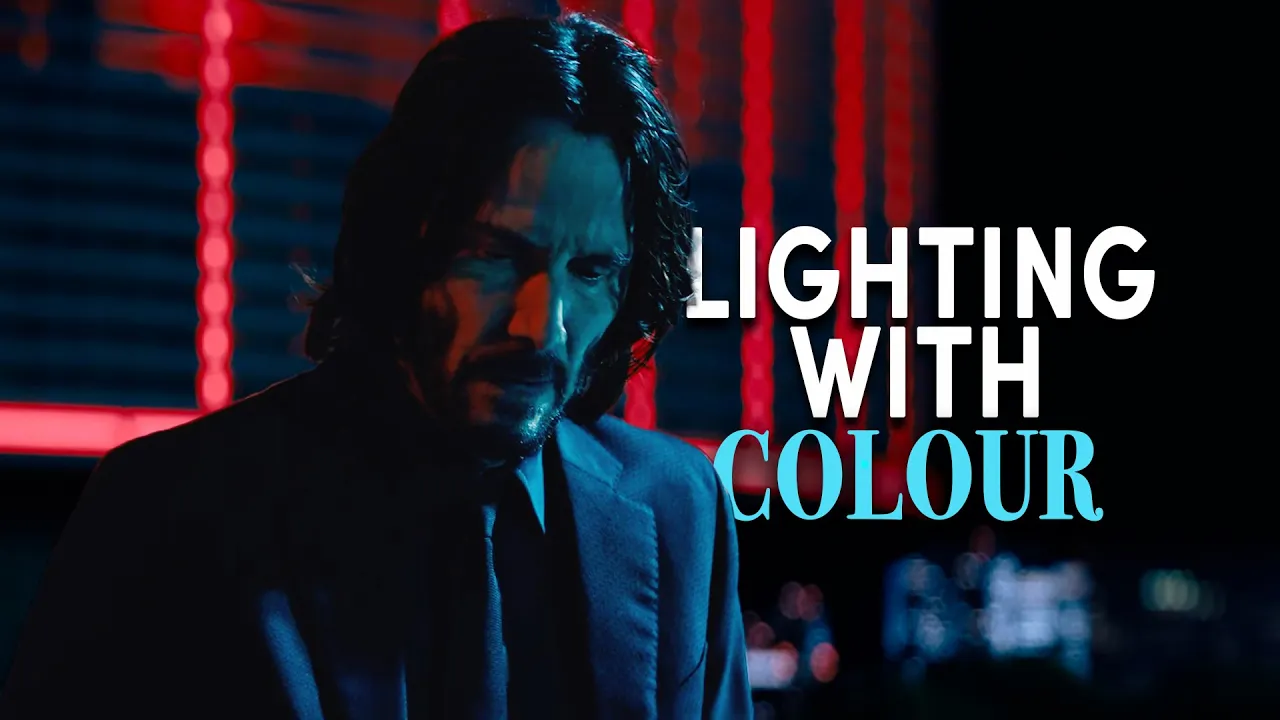
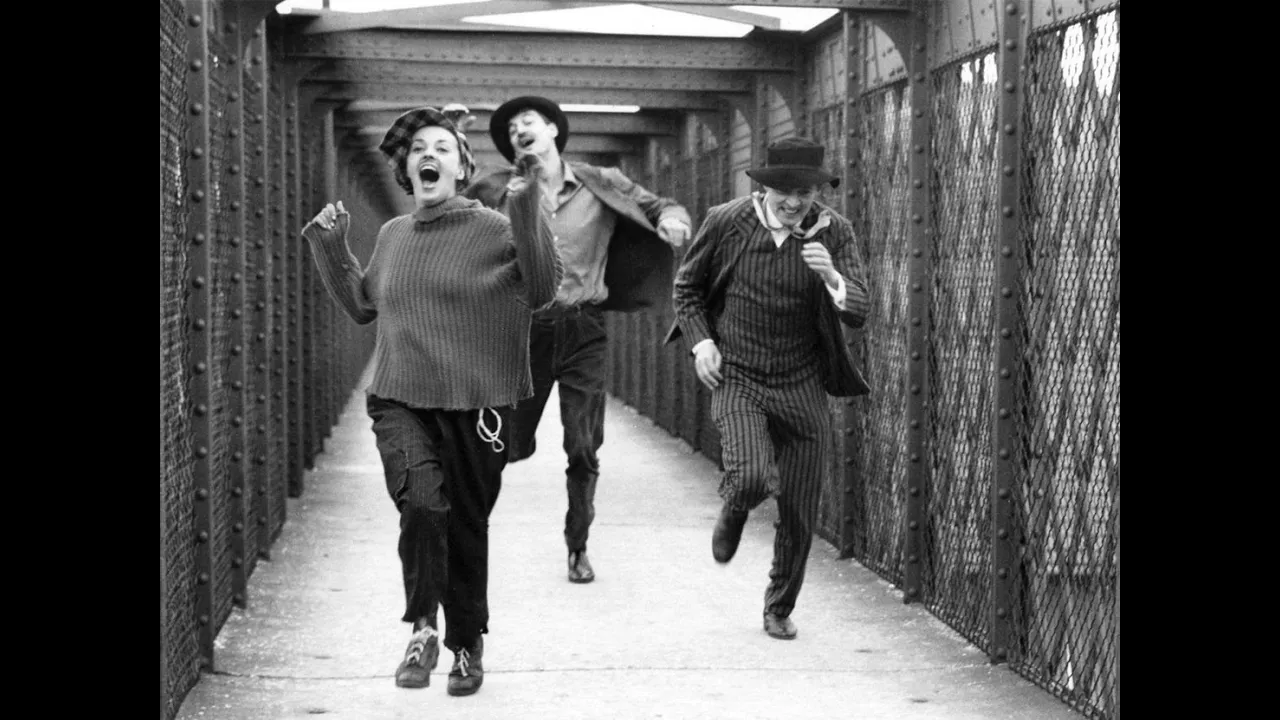
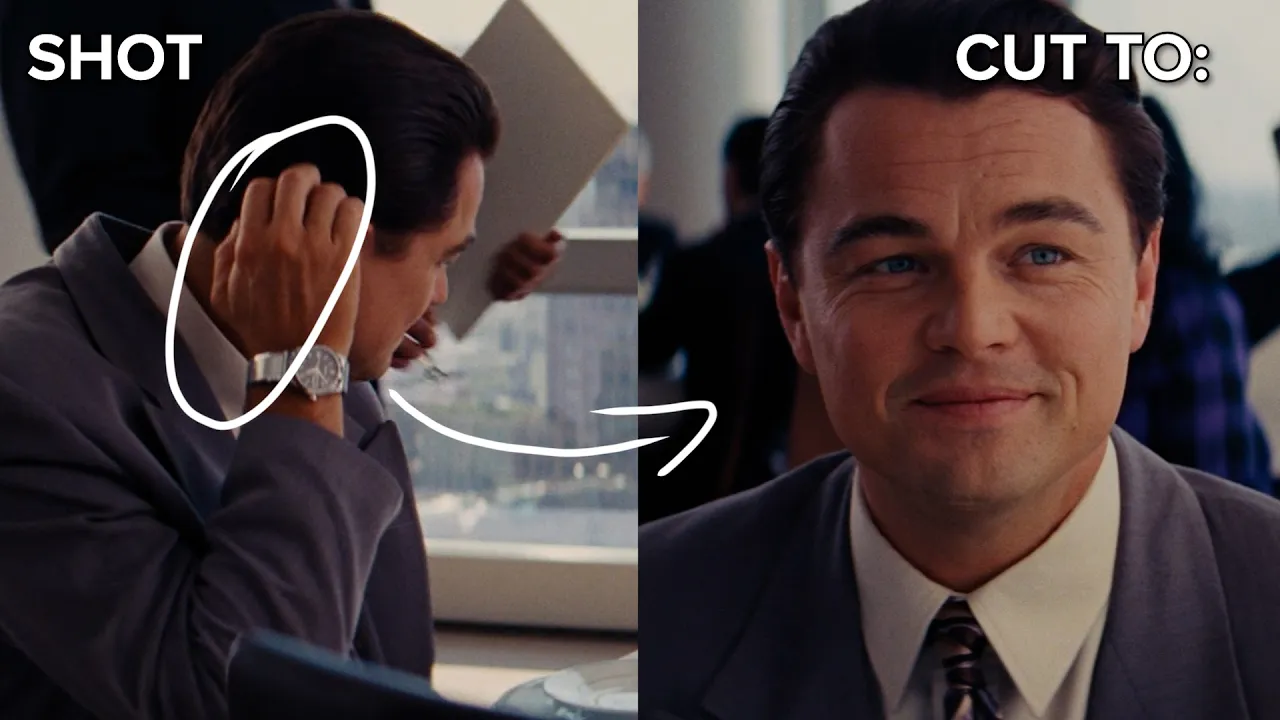
Added:you only need to have a quick look online to see just how many ways there are of approaching film analysis do we approach it purely as a storytelling medium focusing on narrative do we scrutinize the director as an autter looking at each of their films as part of a larger body of work or do we look at it as a cultural artifact that reflects the context in which it was made the list of options is endless and each of these perspectives is equally valid but each of them would ultimately start with analyzing the creative elements of a film itself so the method of analyzing that I'm going to offer in this video is one that I think is the most approachable to those who are new to film studies and will also lay the groundwork for all further in-depth study of aors spectatorship representation when you're ready and it's all based on answering this simple question how does a film communicate its major themes and ideas using the five key elements of film not sure what those are keep watching so film analysis is largely all about learning how to notice the deliberate stylistic decisions made by the filmmaker and then questioning how that contributes to meaning but what exactly are we supposed to be looking out for enter the five key elements of film cinematography editing Misan sen performance and sound think of these as the toolkit available to filmmakers each one able to signify meaning to the audience each element has its own glossery of technical language which you're going to need to get your head around but once you have you'll be able to start noticing how they are used uniquely in the films that you watch let's take a quick look at each now but for a more in-depth explanation you can find specific videos for each of these on my channel the first element we'll start with is the one that I think you will find the easiest to identify Mison sen it's the world in which our film takes place and what it looks like and there's less technical language Associated because it's really say what you see in discussions with Daman about how he wanted the film to look visually from the GetGo he said I want to be very historically accurate this includes everything from the characters what they're wearing and their props to the setting the objects within them and even the weather it's essentially the main ingredient in establishing the overall aesthetic of the film scene 17 take eight Mark how is the setting lishing tone does it feel warm and welcoming or hostile and uncertain is the overall design of the misen realistic or expressive what do you notice about how each character looks does it reflect their narrative role such as the hero or the villain this leads us very nicely onto the second key element of film performance when we look beyond the aesthetic of characters how is verbal and perhaps more importantly non-verbal language being used to communicate is their performance over the top or subtle are they open or closed all of the infinite ways the actors interpret their roles in collaboration with the director are another layer of meaning maker for the audience the one part of the story that I believed was that he experienced childhood trauma and so going into that research and seeing the effect that it has on somebody and how they perceive the world um basically he's in this highly reactive state in which he perceives and looks for uh threat every if Mison sen and performance make up the visual elements of the film world then the third key element of film cinematography is how it's captured no I mean a film is something that you don't want any shot to be kind of outside of all the others in a way this is primarily all about shot size be it closeup mid shot wide shot and so on and camera movement be it static panning freehand tracking and the framing of the Mison sen on camera if film offers us the the point of view of the director what can we learn about how we are being positioned to view the events within look a bit deeper and cinematography also includes factors such as the format of film used such as IMAX and its corresponding aspect ratio whether it's been shot in color or monochrome even lighting comes Under the Umbrella of cinematography which introduces a whole extra list of technical terms which we used to describe the scene But ultimately it's all about how the scene is captured and why I think there's times to move the camera there's times to follow a character and there's times to stay back and allow that character to You observe that the audience to observe that character within the space the natural Next Step from cinematography is our fourth key element of film editing this is how individual shots are cut and assembled into scenes and how scenes are assembled into a film the order in which shots and scenes are presented to us has the ability to completely change how we interpret them just think every time we cut from one shot to another we're effectively being offered cause and effect it's how we know that this character has Cruel [Music] Intentions each cut is a cause and effect it's also evident in the pace of editing which may for example communicate the tension in a scene and finally we have sound as our last key element be it diagetic or non diagetic music or the score is perhaps the most obvious part of sound for us to notice but of course it also includes everything in the soundscape Ambient sound vocal quality sound effects everything you can hear is making [Music] meaning so now we know what the five key elements of film are how do we go about putting it into practice well I've recently been studying Kenneth Bran's 2021 film Belfast with my students so let's use that as an example the first thing I get my film students to do is a bit of background reading to help us figure out what the director's motivation behind the film was don't get me wrong there's an awful lot to be said for going into a film absolutely Blind part of the beauty of all art is interpretation but if we're going to analyze film academically it's worth doing a bit of homework first to help us identify how the five key elements of film are going to be used to construct meaning and consider the context of when the film is set but also when it was made Bast is a city of stories um and particularly at the end of the 1960s it went through an incredible tumultuous phase in its history in the case of Belfast to truly appreciate br's ideas you need to have some understanding of the troubles in Northern Ireland in 1969 and also of br's childhood in Belfast which is nostalgically reflected in the film's celebration of the people and the city and the family above all else well I'm from there I was born in Belfast and I lived there till I was nine and the story of the film is really about something that happened to me when I was 9 years old there are a few ways you can go about this previewing research like to watch q&as with the director or perhaps even listen to Mark herod's review on his podcast approaching our first viewing of the film with this information in mind will help Focus you on how this theme is being constructed so now it's time to watch I personally recommend avoiding the temptation to take notes in your first screening give the film your full attention no wonder you brought us to this it's educational for the boys after it's time to reflect on the film and start properly analyzing and to use an appropriate metaphor I think there are two different lenses we can look at it one is through a wide angle looking at the film holistically and applying the five key areas to help us describe the film's aesthetic broadly and two by switching to a closeup and examining several key sequences in far greater depth let's take a quick look at Belfast through that wideangle lens across the film the camera work is incredibly realistic evident in the choice of shooting in monochrome but also the way most scenes favor wide angle static shots with a full depth of field that could easily have been taken from a late 60s path documentary this also allows the actors and their performance to take Center Stage by keeping an objective view of the film's world these performances are incredibly naturalistic using language and physicality to very subtly Express themselves I'm always saying jand there what shows is my what Minds me oh thanks granny the primary perspective throughout the film comes in the form of the Fairly restricted view of the main star Buddy who's played by Jude Hill in this sense the troubles and the conflict unveiling around him is actually the backdrop to far more relatable childhood concerns like School crushes playing with friends and potentially losing loved ones in terms of Misan sen the overall look of the film immediately identifies this as a workingclass area of the 1960s cars buildings and clothing are all based on historical context rather than being stylized or impressionist the houses are packed a little too close together which makes the neighborhood feel communal like a family and at the same time slightly crowded and less affluent the set was designed to be slightly tall to encourage our perspective of the child to describe the edit throughout the film it's fairly slow and unintrusive which again causes minimal Interruption to the film's reality and between scenes seamlessly jumps between periods of time which could be weeks or months giving us the sense that these are a collection of memories from the childhood of Buddy almost like he's looking back on this period of his life and these are the bits that stand out in terms of sound we have a non- diagetic soundtrack provided by belfast's own Van Morrison a further nod to the city's Rich culture and one that comp Bud's slightly innocent perspective of such a difficult time in Northern Ireland's history we also have the very realist diagetic sound which like the cinematography is intended to add authenticity to the film Street Ambience and real world news exerts helped to remind audiences that this fictional family story is set against very real events we could go on but as you can see by applying the five key areas holistically you get a general sense of the aesthetic and the construction of the film as a whole but now if we zoom in on a key scene we can apply the key elements of film far more specifically let's take a look at the incredibly memorable opening sequence of the film we fade into a series of wide Crane and drone shots of modern-day Belfast before we meet any of the ensemble cast we're introduced to the main star the city itself we see landmarks and buildings of great cultural significance like the Titanic Museum Belfast castle and the old dockyards the message here is clear Belfast is thriving and proud We Are accompanied by an upbeat original song by Van Morrison then the title for the film finally appears as we reach the suburbs of row after row of terorist houses where we will spend the majority of the film this is the heart of Belfast you won't have missed that we begin in color immediately placing us in the present but also allowing us to see the dawn a bright new Belfast has moved past the troubles and we see this in just how saturated the color is our transition into the monochrome that we see for the rest of the picture is seamless there is no cut as we crane over one of the peace walls which effectively Bridges time as we stay in the same place it feels very much as though the following film is taking place on the very same street we just saw in color but the black white immediately ages the footage and makes it feel raw and realistic we are immediately invited to the tightly knit Community where everyone on the street knows each other neighbors stand outside their doors chatting and as a group beckon for the main character to come back home for dinner there is a sense of community and we are part of it as the lack of any cutting suggests there's a real sense of calm and presence and activity and we take it all in with a controlled freehand wide shot that takes in every every part of the set in the characters the performance of the entire cast is very naturalistic and understated and nowhere is this more evident than in the main character buddy who we first meet while he's play fighting dragons using a wooden sword and a Dustbin lid his youthful nature is Carefree and innocent listen to the way he speaks to his neighbors without a careing the world hello Mrs Ford have you been fighting any dragons only a couple I got a couple in my house was that right Mr West hi and can you lend us a she buddy I'll see what I can do see your daddy for me will you we'll do buddy we are abruptly stopped in our tracks with an orbiting mid shot that tracks around buddy as the troubles begin this innocent expression from just moments ago was replaced by genuine confusion when armed Protestants March around the corner by Framing them out of focus in the distance they aren't given individual identities they fellow Irishmen indistinguishable from those who live on this street each time we pass buddy in an orbit we see his expression change to concern and as the sound becomes muffled until it reaches utter silence a Molotov is thrown and Buddy's face becomes a picture of absolute Terror the slow Meandering pace of the previous wide shots of the community are replaced by rapid chaotic handheld mid shot and close-ups that create a very sudden sense of panic this only works because of the contrast of what we had before buddy cries out for his mom and suddenly the toy weapons from the previous scene are being used as defensive items against Stones clearly violence in the real world is not like the imagining of Buddy a moment ago and his whole reality In This Moment has shifted D don't move well we could go on but this demonstrates how we can analyze film from two different perspectives the wide shot talking holistically and about the aesthetic as a whole and then close up on a beat bybe basis and if you think back to our original question how does a film communicate its major themes and ideas using the five key elements of film if you follow the three steps you should find the more you practice the skill the more you'll find yourself analyzing without even trying and you'll appreciate film on a whole new level I'd like to take this opportunity to give a huge shout out to Dave Dunlap my first ever YouTube member and encourage you to let me know what films you'd recommend for analysis in the comments below as always thank you very much for watching and I'll see you next [Music] time
Up Next
Mise-en-Scene Explained — Film Theory & Visual Storytelling
@StudioBinder
897.5K views•2020-09-14

Visual Analysis Essay: How to Analyze Graphic Novels in College Writing
@nataliepleimann5941
1K views•2020-10-14
Film Blocking Techniques for Directors: Space, Shapes, Lines
@StudioBinder
1.9M views•2018-07-23

Evolution of Darth Vader: Anakin Skywalker's Animated Journey Across Star Wars Films
@TellItAnimated
13.4M views•2019-03-30
Related Study Plans & Knowledge Roadmaps
Structured learning paths in Film Analysis