This scene from Ari Aster's Hereditary (2018) depicts a tense mother-son confrontation where the mother expresses deep resentment toward her son for his dismissive attitude toward her sacrifices, while he struggles with guilt over his sister's accidental death; the dialogue reveals how family secrets, unresolved grief, and inherited trauma can create cycles of dysfunction across generations, ultimately manifesting as supernatural horror that threatens to consume the entire family.
Hereditary Dinner Scene Analysis: Family Conflict & Grief in Ari Aster's Horror Film
Added:Deep Dive
Familiarity with the plot, characters, and major narrative events of Ari Aster's 'Hereditary' (2018), particularly the inciting family tragedy.

A dor do luto | Hereditário
147
Hereditary (2018) is a horror-drama film by Ari Aster inspired by Rosemary's Baby and The Sixth Sense. Initially conceived as a family tragedy becoming a nightmare, Aster blended drama with horror because grief often feels cursed. The film uses dual structure: first exploring family trauma and unresolved conflicts, then supernatural terror. The narrative presents inevitable tragedy where characters have no choice, making the horror more profound. The family isolates after the matriarch's death, with each member retreating into different coping mechanisms. The house itself becomes a character, reflecting the family's emotional decay through its empty, silent, somber atmosphere.
Click to watch →
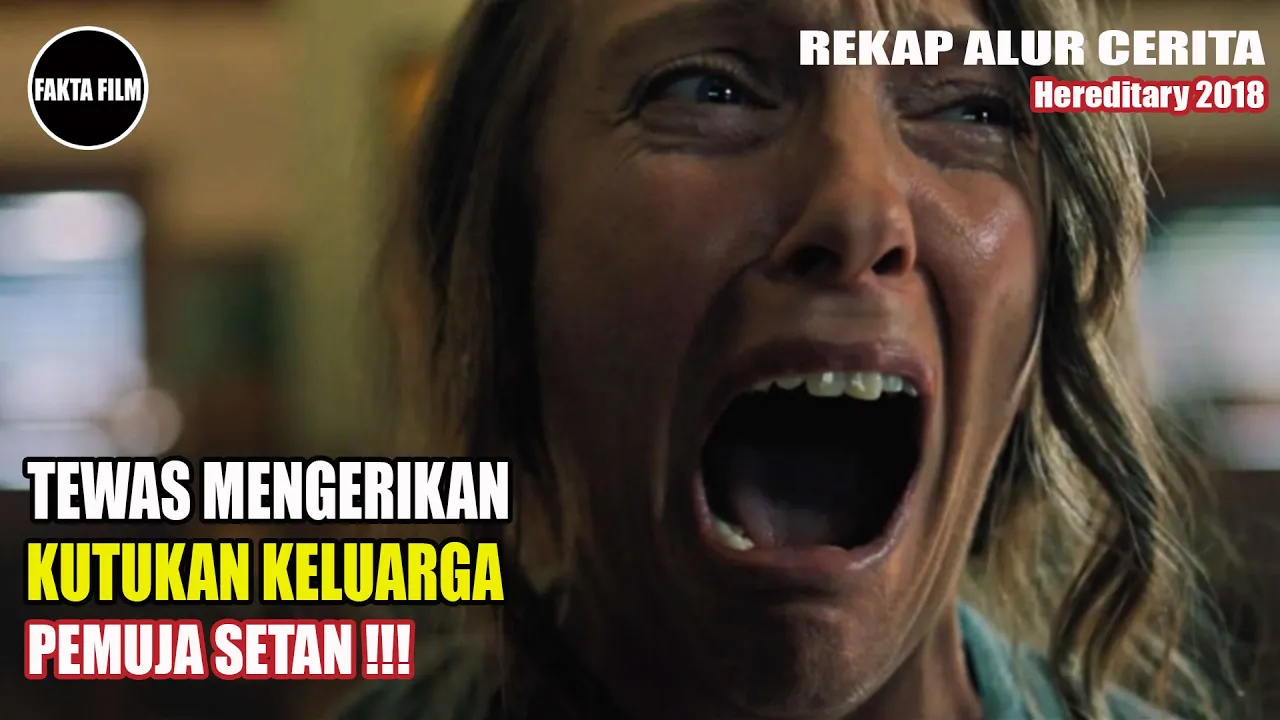
NASIB TRAGIS KELUARGA PEMUJA SETAN!!! | Alur Cerita Film Hereditary 2018 | Fakta Film
121.4K
Hereditary (2018) is a supernatural horror film directed by Ari Aster that follows the Graham family, who becomes terrorized by mysterious events after their mother Ellen dies, revealing dark secrets about her spiritualism practices and a hidden cult that has been manipulating the family, ultimately leading to the tragic deaths of family members including Annie, Peter, and Stephen, with the surviving son Charlie being crowned as the new cult leader.
Click to watch →
![DĚSIVÉ DĚDICTVÍ [HEREDITARY] (2018) - Shrnutí + Komentář](https://i.ytimg.com/vi_webp/AGgG44uE-p4/maxresdefault.webp)
DĚSIVÉ DĚDICTVÍ [HEREDITARY] (2018) - Shrnutí + Komentář
59.7K
Hereditary (2018) is a psychological horror film directed by Ari Aster that explores how family trauma and dysfunction create vulnerabilities that supernatural entities exploit, demonstrating that unresolved grief and dysfunctional family dynamics can have devastating consequences across generations.
Click to watch →
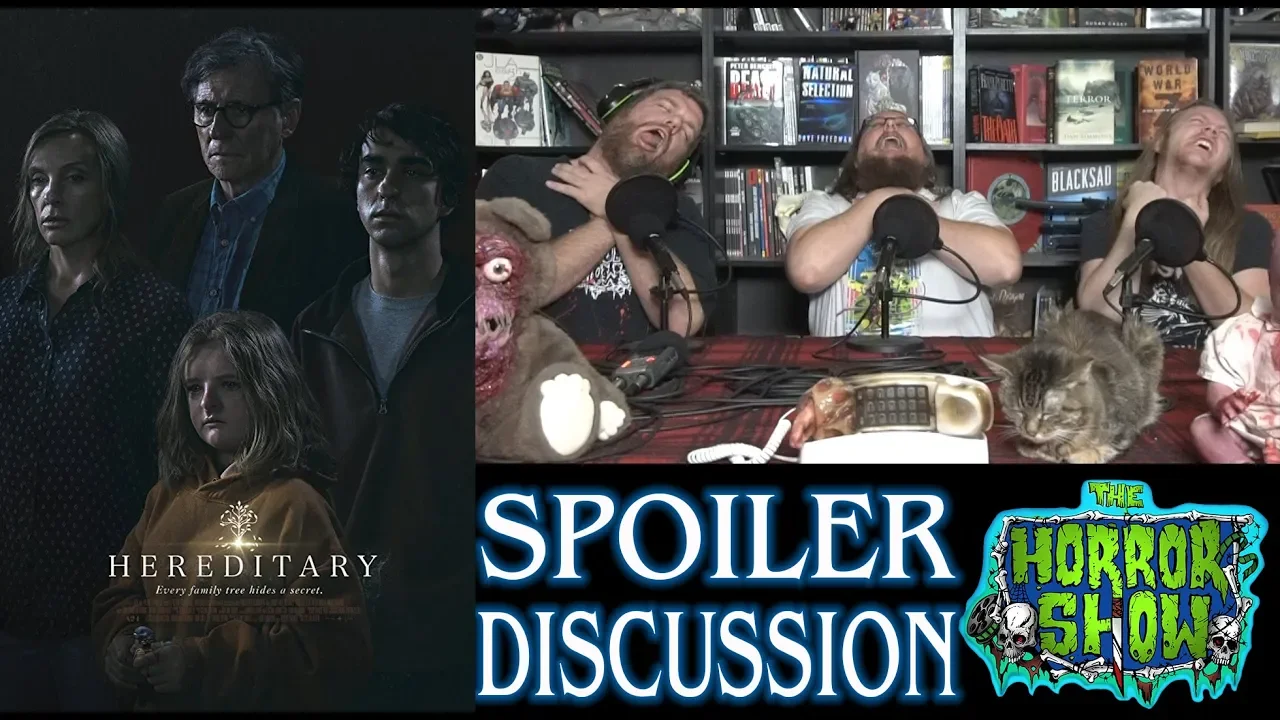
"Hereditary" 2018 Spoiler Discussion / Review - The Horror Show
45.5K
In Ari Aster's 2018 horror film Hereditary, a grieving mother (Tony Collette) and her family are drawn into a devastating supernatural cult tragedy when they discover their grandmother was leading a witch cult attempting to summon a demon (one of the three kings of hell), revealing how grief, family dysfunction, and occult practices intertwine to create cosmic horror where the boundaries between reality, dreams, and possession blur, culminating in decapitation and demonic possession as the cult's ultimate goal of gaining riches and power manifests through tragic family destruction.
Click to watch →
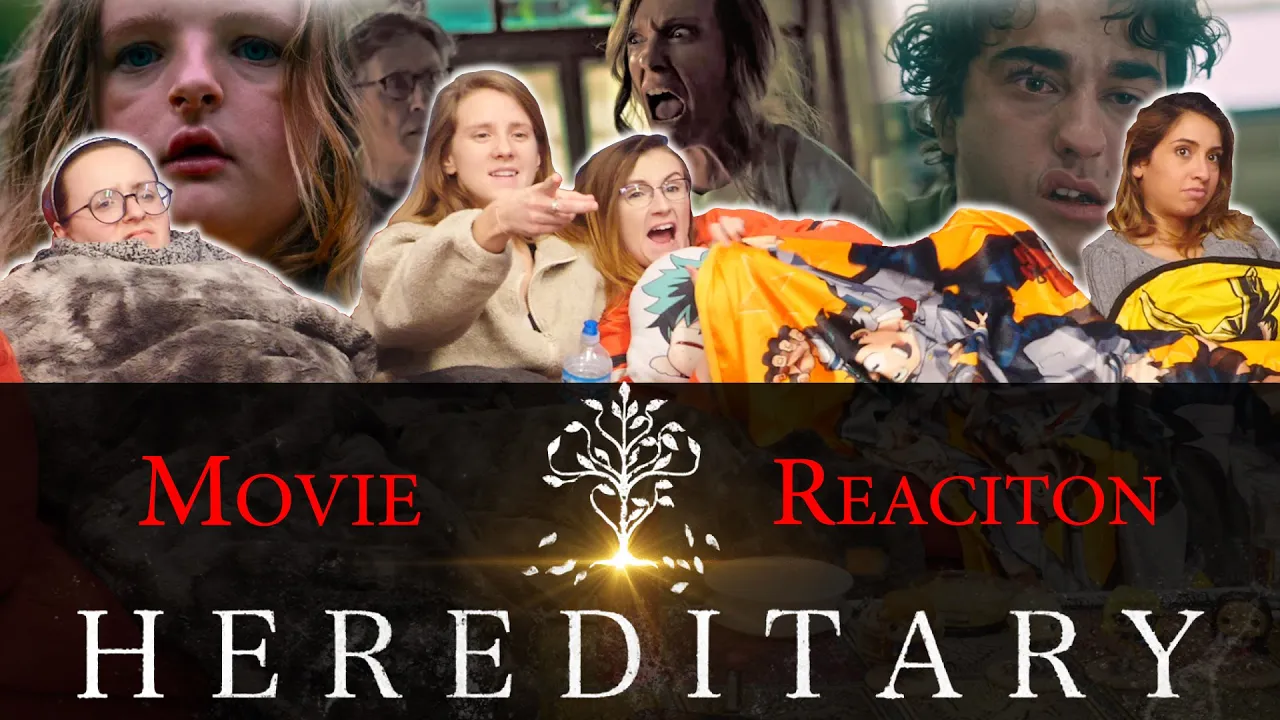
Hereditary - Scary Movie Group Reaction
217K
The video introduces the horror movie 'Hereditary' and establishes the family's tragic backstory. The grandmother died in 2018 from a PR illness, leaving behind a secretive and private woman who was difficult to read but could be loving when her life was unpolluted. The family has experienced multiple tragedies: the mother died recently with dementia, the father died when the speaker was a baby due to psychotic depression and self-starvation, and the brother hanged himself at age 16. The brother accused the mother of putting people inside him, suggesting a pattern of mental illness and supernatural influence. The hosts express apprehension about watching the movie, with one host noting they haven't seen a scary movie since they were nine years old. The hosts discuss the dysfunctional family dynamics and psychological horror elements, including the grandmother's secretive nature, the family's inability to confront difficult truths, and the pattern of mental illness affecting multiple generations.
Click to watch →
Deep Dive
Basic understanding of film analysis terminology, specifically 'mise-en-scène', camera blocking, framing, and editing pacing.
Film Analysis 101: A Complete Guide to Watching Movies Critically
807.5K
Mise-en-scène refers to everything that appears in the frame—costumes, locations, lenses, lighting, and all visual elements that result in what we see on screen. It encompasses the dozens or hundreds of choices that filmmakers make to create meaning. Cinema exists on a spectrum between pure realism (reproduction of reality) and pure formalism (entirely artificial). Most movies exist in classicism, combining realist elements (naturalistic performances, subtle editing) with formalist elements (musical scores, camera movement). In Home Alone, glossy Hollywood lighting, 35mm film, and realistic settings combine with musical scores and exaggerated camera angles to communicate Kevin's perspective.
Click to watch →
MISE-EN-SCÈNE là gì và quan trọng đến mức nào?
89.4K
Mise-en-scène (French for 'placing into a scene') is the arrangement of all visual elements within a film frame, including setting, costume, makeup, acting, and lighting, which work together to convey emotions, establish atmosphere, and express the director's artistic vision. The four main elements are: (1) Setting - the physical environment where the scene takes place, which can be real locations or studio sets, and includes blocking (actor positioning and movement) to establish power dynamics; (2) Costume and Makeup - which build character identity and world atmosphere; (3) Acting - the performance of characters, ranging from naturalistic to stylized approaches; and (4) Lighting - which controls viewer attention through qualities like intensity, direction, and color, with high-key lighting creating bright, cheerful scenes and low-key lighting creating dramatic tension.
Click to watch →
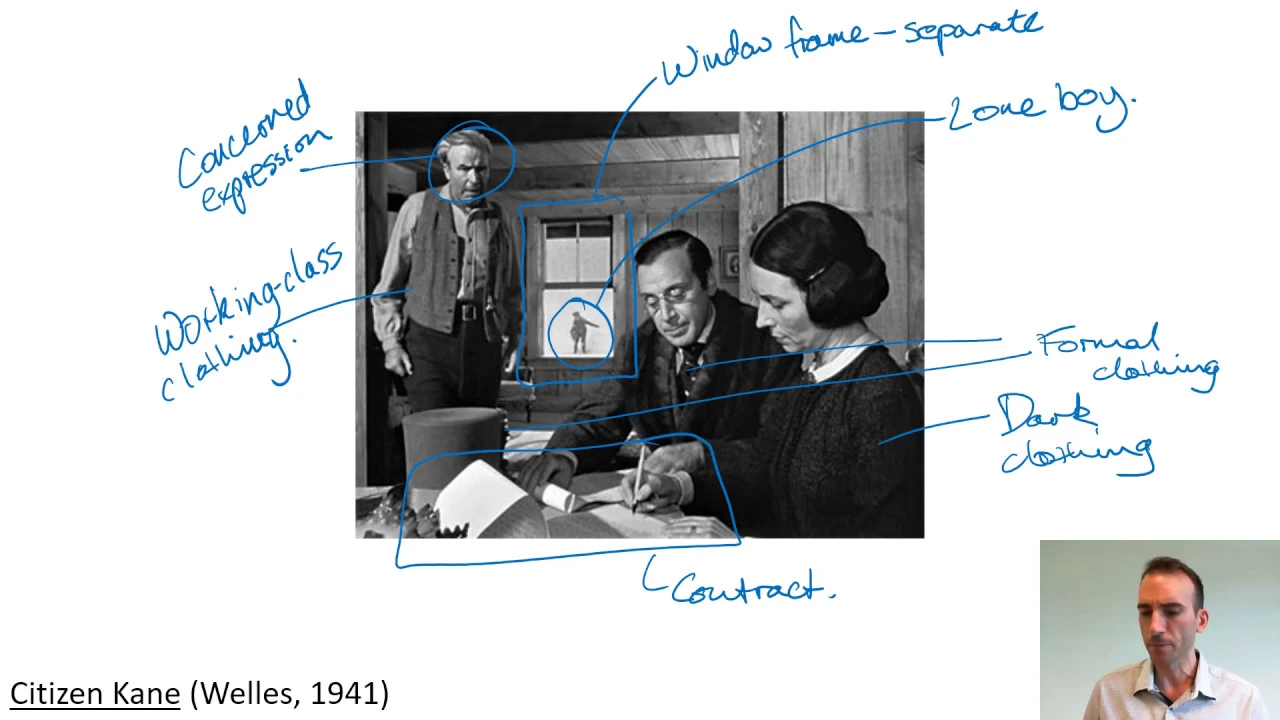
Mise-en-scene | Introduction to Film Analysis
32.6K
Mise-en-scène is a fundamental film analysis technique that examines how visual elements—sets, props, actors, and lighting—are organized within the frame to communicate narrative meaning; effective analysis involves three key questions: identifying what elements are present, understanding how they are composed spatially (considering foreground, mid-ground, and background positioning), and determining what message this arrangement communicates to the audience.
Click to watch →
Mise-en-Scene Explained — Film Theory & Visual Storytelling
897.5K
Mise-en-scène is a French term meaning 'placing on stage' that encompasses all visual and auditory elements in a film scene, including production design (props, set design, costumes), cinematography (lighting, camera framing, composition), blocking/staging of actors, and sound design/music. French film critic Andre Bazin championed it as a fundamental filmmaking approach, contrasting it with montage-based storytelling. Directors use mise-en-scène to create meaning within single shots, with two main traditions: naturalistic (realistic, familiar worlds) and theatrical/expressionist (exaggerated, stylized worlds). A master filmmaker like Stanley Kubrick demonstrates how every element—production design, cinematography, blocking, and sound—works together to create powerful visual storytelling, as seen in The Shining where a single shot conveys isolation and vulnerability through carefully arranged elements.
Click to watch →
How to Analyse Mise En Scene | Insiders Film School
27.6K
Mise-en-scène is the visual language of film encompassing everything visible within a scene, including setting, characters, and props, serving as the filmmaker's primary tool for 'show don't tell' storytelling; effective analysis requires identifying what can be seen, understanding its symbolic meaning, establishing verisimilitude, reinforcing genre conventions, and examining its narrative purpose to reveal how filmmakers create meaning visually.
Click to watch →
Deep Dive
Psychological frameworks of grief and trauma, including how suppressed emotion and guilt manifest in interpersonal communication.

The Hidden Grief We Carry Silently | MindTribe Therapist Explains What No One Talks About
168
Grief research shows a direct relationship between grief and guilt. When people feel they don't deserve to grieve or aren't given space, guilt creeps in. Manifestations include self-blame ('I should have been more'), avoidance of reminders, perfectionism, anxiety, shame, and feelings of failure. Case study of Raj (35) illustrates this: after his father's death following a decade of no contact, he felt conflicted, questioned his right to grieve, withdrew from family, and felt guilty for not grieving enough. This demonstrates how guilt manifests as self-isolation, suppression, and comparison to others.
Click to watch →
Гоша Карцев. Психо-разбор. Лина Дианова. Психология
75.8K
Trauma manifests physically in the body through reactions like raised shoulders, tightened muscles, and facial expressions that become childlike. Adults can revisit trauma locations and compare current responses to past experiences, demonstrating personal growth. Guilt is an emotion directed toward restoring connection with others. When people feel guilty about family loss, they are often searching for what they could have done differently, but this guilt is usually misplaced because no one can know the future. Healthy responses to loss include remembering the deceased, expressing grief, and acknowledging the loss. When someone shows sadness, it often triggers others' natural desire to support and care for them, suggesting sadness may serve a deeper need for connection.
Click to watch →

Julia Samuel on The Guilt Monster: Grief's Complicated Sidekick
13.2K
Shame blocks honest communication about guilt—naming it publicly or internally acknowledging it is a first step. Mindful meditation calms shame's physical reactions. For those with borderline personality disorder, grief is experienced more intensely due to fragile processing systems. They need attunement—someone who moves at their pace gently without overwhelming or triggering them. Guilt from treatment decisions requires setting boundaries to protect one's grieving process, as blaming others interferes with healthy grief.
Click to watch →

IF THEY TRULY LOVE YOU, THEY MAY IGNORE YOU—BUT HERE’S WHY ( The psychological Reason) - Carl Jung
97K
Jung teaches that what we suppress does not disappear—it manifests in our relationships. If someone fears emotional vulnerability, their unconscious may create distance as a way to protect them from perceived emotional danger. From the outside, this behavior seems contradictory—how can someone love you yet push you away?
Click to watch →

Bastırdığın Duygular Hangi Kılıkta Görünür?
90.4K
Suppressed emotions do not disappear but transform into other forms, manifesting as psychological or physical symptoms: suppressed anger becomes passive-aggressive behavior, suppressed anxiety leads to perfectionism and control needs, suppressed grief appears as physical symptoms like chronic fatigue or headaches, suppressed feelings of worthlessness result in overcompensation through excessive achievement, and suppressed shame causes individuals to either withdraw or wear masks of perfection. True healing requires recognizing these emotions, understanding their origins, and processing them through safe relationships.
Click to watch →
Deep Dive
Fundamentals of family systems theory, particularly concepts like scapegoating, emotional projection, and toxic communication patterns.
The Family SCAPEGOAT is Always the TRUTH TELLER
47.9K
In families built on image rather than truth, the scapegoat is not chosen for weakness but for awareness. The scapegoat absorbs the tension, unresolved issues, and intergenerational pain that no one else wants to name. They are not broken but refuse to participate in the family's illusion. Truth disrupts the hierarchy that holds dysfunctional families together, making the truth-teller a threat to the family's survival story. Projective identification is a defense mechanism where groups project what they cannot bear to hold into a single target. The scapegoat becomes the emotional landfill not because they are those things, but because they are willing to feel what others won't. Murray Bowen's family systems theory identifies the scapegoat as the 'identified patient' - the one person who absorbs symptoms so the rest can appear functional. The scapegoat is often the system's most emotionally intelligent member, tracking tone changes and emotional whiplash while others numb, deny, or perform.
Click to watch →
Bizarre Distorted Realities Family Scapegoats Live With #toxicfamily #scapegoat #empath
22.9K
Family Systems Theory, developed over half a century ago, introduced the concept of the 'Identified Patient' - the family member who is blamed for family problems while the actual dysfunction is ignored. This theory established the foundation for understanding family scapegoating as a distinct form of psycho-emotional abuse. The term 'family scapegoating abuse' was created to describe this specific pattern where one family member is systematically blamed and devalued while others' problematic behaviors are accepted.
Click to watch →

90 Day Fiancé (Nicole & Azan #27) Family System - Therapist Reacts
84.7K
Families experiencing stress (divorce, conflict, depression, financial problems) often unconsciously select a scapegoat—a member labeled as stupid or rebellious. This scapegoat is typically a child or adult who volunteers for this role because they benefit from family functioning better when blamed. The scapegoat mechanism creates false cohesion by focusing all attention on one person, allowing the family to avoid addressing underlying problems. Early family systems therapists discovered that simply fixing the scapegoat is insufficient because the behavior re-emerges when they return. The real problem lies in the family system itself. In undifferentiated families where members lack clear boundaries, anxiety spreads rapidly through the system. The key systemic question is: what purpose does the scapegoat's behavior serve for the family? Problematic behaviors such as physical aggression, control, and entitlement do not arise in a vacuum but grow within family systems that teach these patterns. Patterns of entitlement and control can be passed down through generations in families. When grandparents or previous generations exhibited controlling or entitled behaviors, these patterns may be transmitted to subsequent generations. Family members may feel entitled to criticize, control, or bully other family members without accountability.
Click to watch →

5 Weird Ways Toxic Family Members Punish a Truthteller for Going No Contact/Lisa A. Romano
656.6K
Toxic family members typically pick a scapegoat who is the weakest link, appears vulnerable, is easy to push around, and won't fight back. They project their own flaws onto this scapegoat. The perception of the scapegoat by the toxic family member does not match reality, leading to accusations against innocent family members who are not guilty of what they're being accused of.
Click to watch →

90 Day Fiancé (Nicole and Azan #28) - Therapist Reacts - Feelings Entitlement
71.2K
In family systems theory, scapegoating occurs when a family member is assigned blame to redirect attention from underlying family problems, creating false closeness through shared focus on the scapegoat; this dynamic can be disrupted when family members communicate in more differentiated, adult-to-adult ways that acknowledge each other's autonomy and fears without control or blame.
Click to watch →
Prerequisite Knowledge
- Concept 01Familiarity with the plot, characters, and major narrative events of Ari Aster's 'Hereditary' (2018), particularly the inciting family tragedy.
- Concept 02Basic understanding of film analysis terminology, specifically 'mise-en-scène', camera blocking, framing, and editing pacing.
- Concept 03Psychological frameworks of grief and trauma, including how suppressed emotion and guilt manifest in interpersonal communication.
- Concept 04Fundamentals of family systems theory, particularly concepts like scapegoating, emotional projection, and toxic communication patterns.
Subsequent Learning
- Step 01Advanced cinematic study of Ari Aster's filmography and visual style, exploring recurring themes of paganism, determinism, and dysfunctional families.
- Step 02Comparative analysis of 'elevated horror' or 'domestic horror' films (e.g., 'The Shining', 'The Babadook') to understand how genre conventions subvert family dynamics.
- Step 03Screenwriting techniques for writing high-tension dialogue and subtext, analyzing how screenwriters transition from passive tension to overt conflict.
- Step 04The psychological study of intergenerational trauma and its representation as a metaphorical force in horror cinema.
Confrontation
Accusation
Confrontation
0:13Playing Section
- 1
Mother confronts child about hidden resentment and silence.
- 2
Child deflects, leading to a heated exchange about attitude.
- 3
Tension escalates as parental authority is challenged.
Supernatural Determinism vs. Psychological Agency
While many analyses focus on the dinner scene as a raw representation of family trauma and grief, an alternative perspective argues that the film's supernatural elements undermine this psychological reading. Critics of the purely psychological interpretation suggest that because the family's tragic fate is entirely orchestrated by the cult of Paimon, their interpersonal conflicts are not genuine expressions of grief or agency, but pre-destined actions. From this viewpoint, analyzing the scene strictly as a domestic tragedy ignores the fatalistic cosmic horror at play; the family's emotional suffering is ultimately a superficial byproduct of inescapable supernatural manipulation rather than a self-determined psychological descent.
Deep Dive
Advanced cinematic study of Ari Aster's filmography and visual style, exploring recurring themes of paganism, determinism, and dysfunctional families.

Eddington is the 4th time Ari Aster made this movie
526
Ari Aster's films consistently explore the philosophical concept of determinism—the idea that life outcomes are predetermined by external forces—through recurring motifs like dolls, figurines, and algorithmic manipulation, where characters struggle against invisible controlling forces (cults, genetic lineage, tech oligarchs) but ultimately become 'sock puppets' whose identities are warped and reset, reflecting how modern society's internet, algorithms, and corporate power create a deterministic reality where individual agency is an illusion.
Click to watch →

Ich gucke ALLE Ari Aster Filme (und bin traumatisiert!)
9.4K
Ari Aster's horror films (Hereditary, Midsommar, Beau is Afraid, Eddington) explore the universal human experience of suffering, trauma, and the inability to process grief, presenting a cynical worldview where pain lacks purpose or redemption; the films consistently feature dysfunctional families, communication failures, and ritualistic elements that create an unsettling, dreamlike atmosphere where characters are trapped in cycles of trauma without resolution.
Click to watch →
"Mam parę uwag" #121: Kogo wkurzył "Eddington" Ariego Astera?
941
Ari Aster has revealed that despite being known for horror films like 'Hereditary' and 'Midsommar', horror is merely the language he uses to express himself. His true interest lies in family drama and exploring psychological trauma. His films follow a specific trajectory: they begin realistically and gradually drift toward absurdity, with characters becoming broken and eventually 'breaking' at certain moments. This pattern is visible in both 'Hereditary' and 'Eddington', where trauma transforms from personal to collective dimensions. The film 'Eddington' functions as an extended metaphor for societal dysfunction, specifically functioning as 'a very elaborate joke about the penis' - a metaphorical device where personal trauma is expanded into a commentary on broader social systems.
Click to watch →
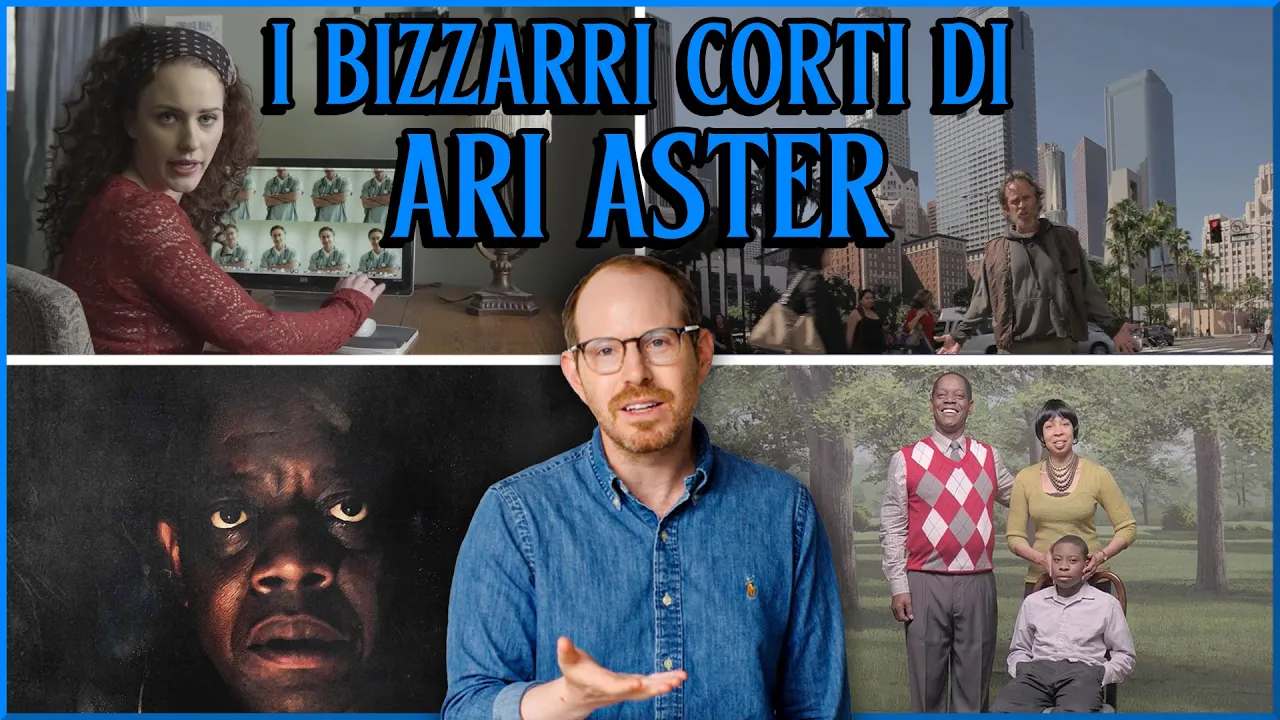
I Bizzarri Cortometraggi di ARI ASTER (aspettando Eddington)
849
This video traces Ari Aster's evolution from student filmmaker at the American Film Institute to acclaimed horror director, analyzing how his early short films (2008-2016) established recurring themes of toxic family dynamics, body horror, and the contrast between normal appearances and disturbing realities. Through works like Herman's Cure-All Tonic, The Strange Thing About the Johnsons, TDF Really Works, Beau, Munchausen, The Turtle's Head, Basically, and C'est La Vie, Aster developed his signature style of dark humor, grotesque imagery, and psychological horror that would later define his feature films including Hereditary and Midsommar.
Click to watch →
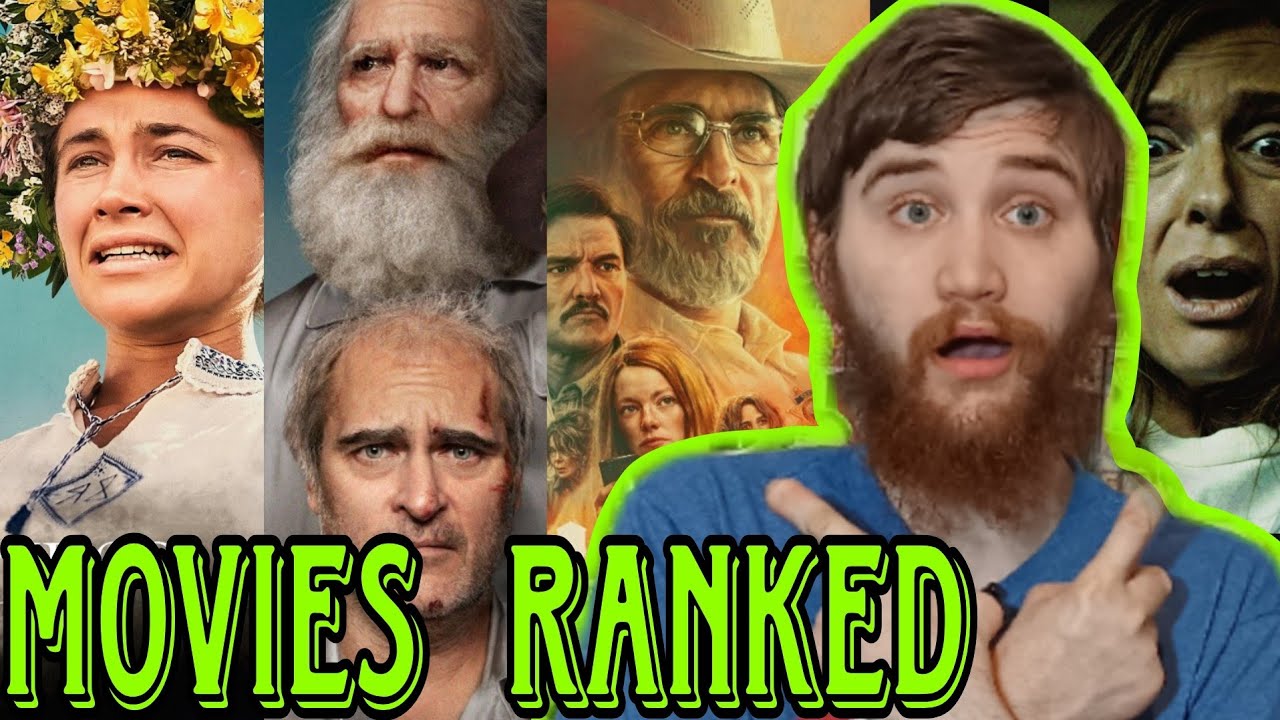
All 4 Ari Aster Directed Movies Ranked! (w/Eddington)
163
A film critic ranks all four of Ari Aster's directed films (Eddington, Midsommar, Hereditary, and Fear) from least to most favorite, noting that while Aster's films share common elements of surrealism, psychological intensity, and exploration of human darkness, Hereditary stands out as the most effective because it balances disturbing realism with clear emotional resonance, whereas Eddington feels less successful due to its timing coinciding with real-world events and lacking the same level of narrative cohesion.
Click to watch →
Deep Dive
Comparative analysis of 'elevated horror' or 'domestic horror' films (e.g., 'The Shining', 'The Babadook') to understand how genre conventions subvert family dynamics.
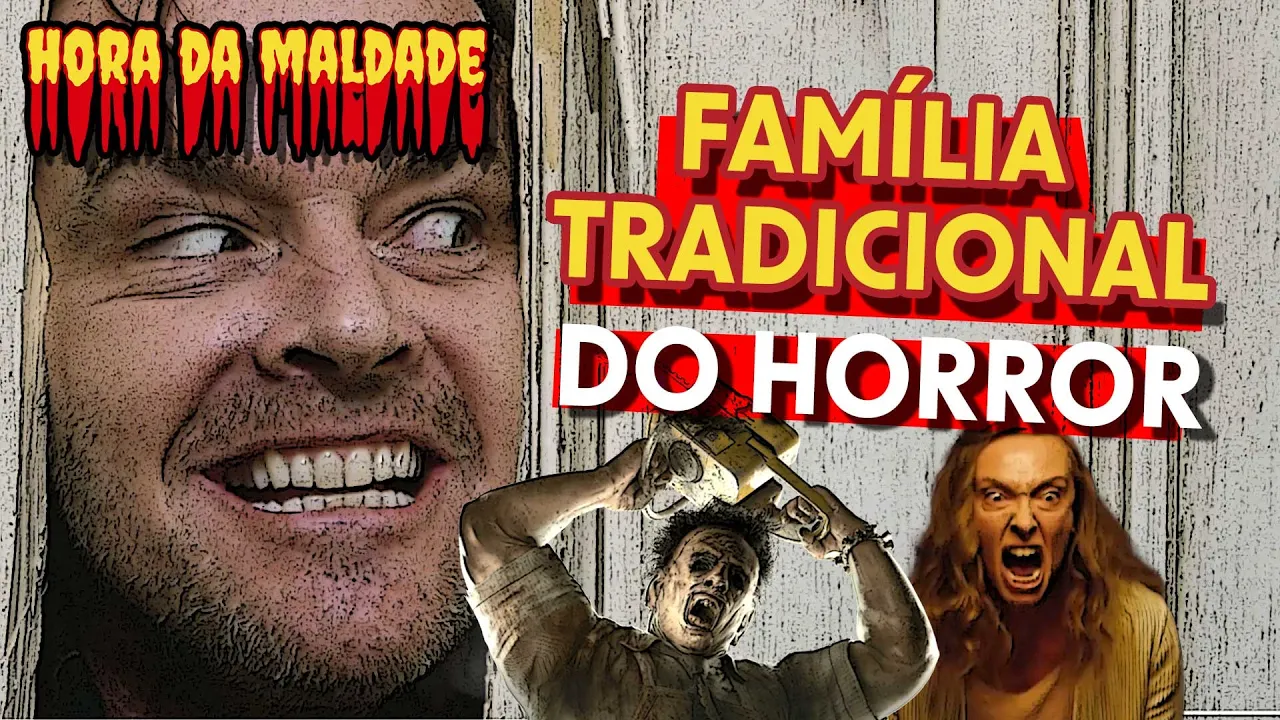
Horror em família: os monstros que nos criaram | Hora da Maldade
15.4K
Horror films create isolated family worlds with their own rules and cultures that exist outside normal reality. Within these dysfunctional family dynamics, horrific acts become normalized and accepted, while outsiders perceive them as twisted and abnormal. The Texas Chain Saw Massacre features a family with twisted DNA and bizarre relationships, including a character who plays banjo with his cousin. The horror comes from the complete distortion of family relationships in every possible way. Hereditary combines multiple family horror elements including a mother who was a satanist and a complex family structure spanning generations, exploring how family trauma and secrets can be inherited across generations. Family conflict provides a rich foundation for horror narratives because everyone has experienced family problems. Horror writers can start with existing family conflicts and invert them to create terror. The most effective horror often comes from inverting things that are normally safe and familiar. Friday the 13th subverts expectations by revealing that the original killer was Jason's mother, not Jason himself, demonstrating how horror films can subvert audience expectations by revealing that the most dangerous figure is often the one we least expect.
Click to watch →

O medo do cotidiano | MRG
74K
Horror films create profound terror by transforming familiar, trusted individuals into threats and subverting domestic expectations. When a phone call comes from inside one's own home, it breaks the expectation that threats come from outside, creating deeper horror through betrayal of expected safety. The father figure, traditionally seen as the protector, becomes the source of danger, attacking our fundamental trust in family bonds. In 'Resident Evil 4,' a seemingly normal dinner scene becomes terrifying when the food contains unexpected, grotesque elements. The horror comes from the violation of the expectation that domestic spaces and activities should be safe and nurturing. When familiar domestic scenes are corrupted, they become sources of profound terror.
Click to watch →
أكمل 5 أفلام رعب قصصياً
100.1K
This segment analyzes The Conjuring (2013) and Jurassic Park (1993) as supernatural and family horror films respectively. The Conjuring follows a family moving into a rural home where supernatural entities appear, with the hosts praising its technical execution and jump scares. Jurassic Park is described as the first family horror film audiences can watch together, with the iconic T-Rex scene creating genuine fear for the children. The hosts emphasize that Jurassic Park represents a significant milestone in horror filmmaking by successfully making horror accessible to family audiences. They also compare The Shining (1980) and Misery (1990) as psychological horror films taking place almost entirely in one location, creating claustrophobic atmospheres through character relationships rather than supernatural elements.
Click to watch →
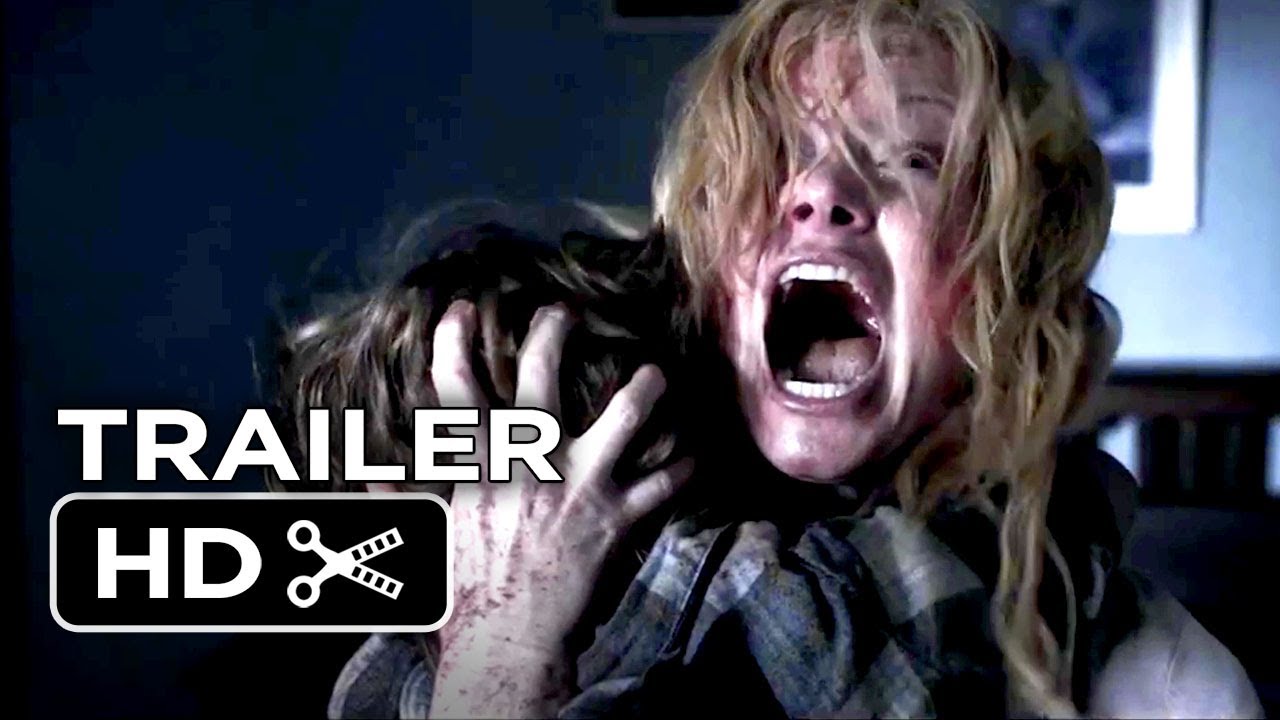
The Babadook Official Trailer #1 (2014) - Essie Davis Horror Movie HD
18.6M
The Babadook (2014), directed by Jennifer Kent, explores how unresolved grief and psychological trauma manifest as supernatural horror within a family, using the titular monster as a metaphor for the persistent, inescapable nature of grief; the film follows Amelia, a widow struggling to cope with her husband's death, whose son Sam begins exhibiting behavioral problems after she reads him a mysterious pop-up book featuring the Babadook, a creature described as 'a monster thing' that cannot be destroyed and represents the family's collective psychological burden.
Click to watch →
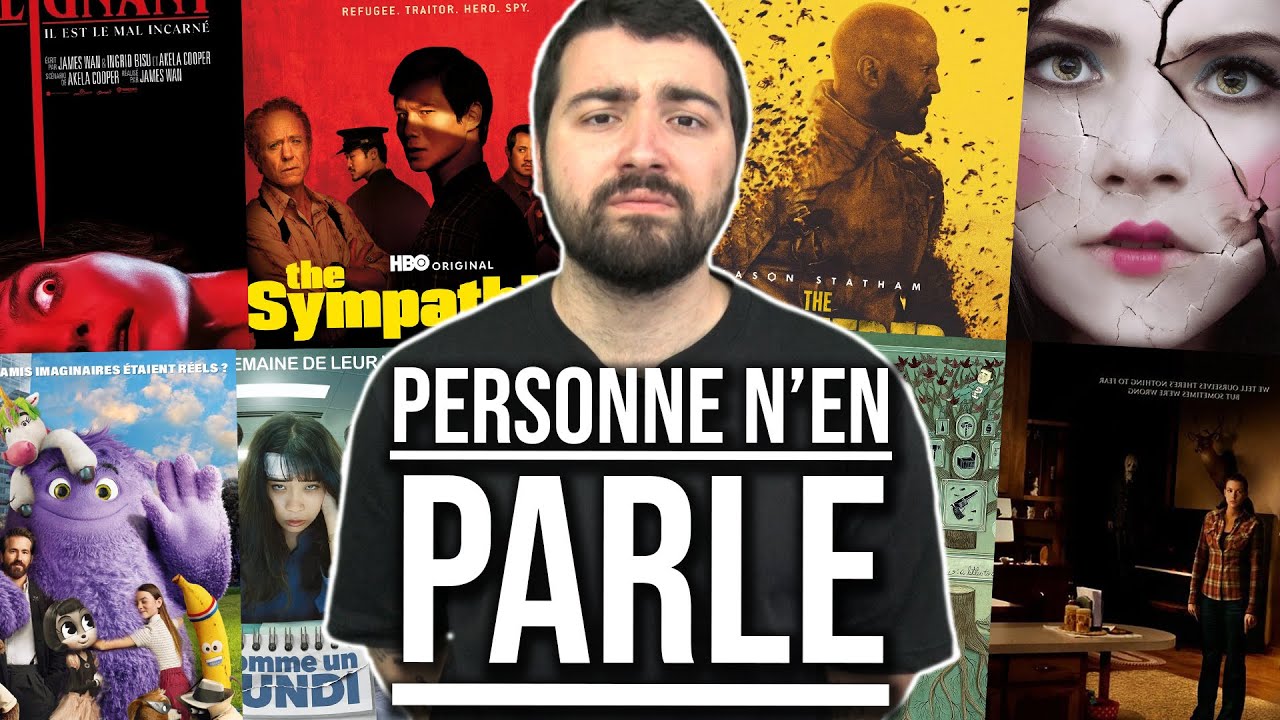
THE BEEKEEPER, THE SYMPATHIZER, BLUE & COMPAGNIE, MALIGNANT, COMME UN LUNDI ... (Critique)
33K
Psychological horror explores trauma through atmosphere rather than violence. Ghostland examines family abuse and sisterhood through realistic trauma treatment. Malignant subverts horror expectations by revealing itself as comedy, demonstrating how genre films can challenge audience assumptions. The Beekeeper features action sequences with an invulnerable protagonist, showing how action films balance spectacle with character dynamics.
Click to watch →
Deep Dive
Screenwriting techniques for writing high-tension dialogue and subtext, analyzing how screenwriters transition from passive tension to overt conflict.

Troubleshoot your scene: My Screenwriting Checklist
51.5K
Three essential techniques for compelling scenes: (1) Avoid over-explaining—audiences can infer more than writers realize. Replace multiple clunky dialogue lines with a single actor reaction when possible. (2) Create subtext in dialogue—scenes where characters say as much without words as they do with words become more interesting. Characters discussing surface topics may actually be negotiating deeper relationships. (3) Maintain proper pacing—scene lengths determine film rhythm. Long scenes followed by short scenes rebuild momentum. When a scene feels too slow, counterbalance it with progressively shorter subsequent scenes.
Click to watch →
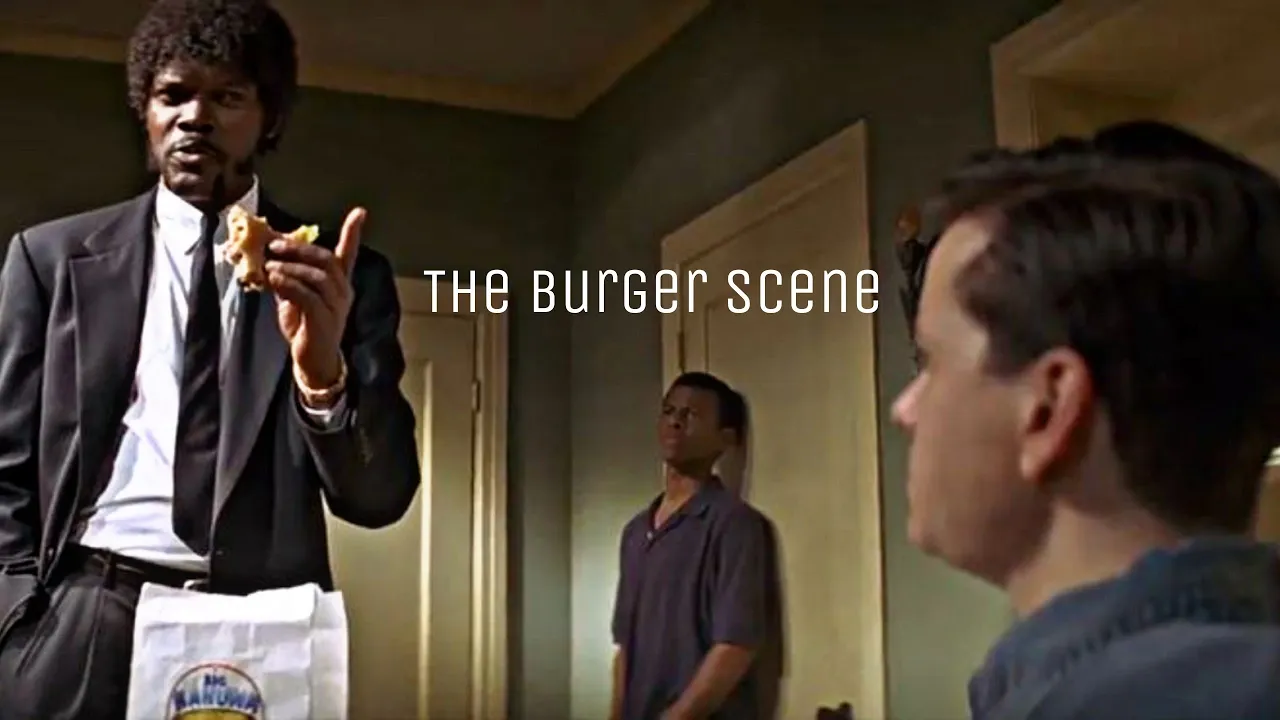
Dialogue Dive: Pulp Fiction- How Tarantino Intimidates
191.6K
Subtext is the implicit underlying meaning, message, and theme of dialogue. It is difficult to pull off because writers must essentially write two conversations at once: the spoken explicit conversation and the unspoken implicit conversation. In the burger scene, Jules' friendly dialogue ('hey kids, how you boys doing') carries implicit intimidation, creating tension through what is not said rather than what is said.
Click to watch →
Write better dialogue in 8 minutes.
575K
Subtext is the meaning beneath the dialogue—the real message that speakers intend even though they're not saying it directly. When dialogue exists only at the literal surface level, it becomes boring. However, when characters say as much between their words as they do with them, the dialogue becomes much more engaging and interesting.
Click to watch →
GET OUT - La sberla!
265.9K
Effective screenwriting requires every element to serve a specific purpose in building tension. In Get Out, every word, scene, and visual composition contributes to escalating anxiety, keeping viewers 'tense as a violin string' throughout. The film demonstrates that well-written scripts eliminate unnecessary dialogue and scenes, ensuring each element has weight and function. This approach creates sustained emotional engagement where the audience remains invested until the climax.
Click to watch →

How Tarantino Writes A Scene
3.7M
Quentin Tarantino's masterful dialogue technique involves three key elements: the 'pledge' (a promise to the audience that something interesting will happen, creating anticipation), subtext (the difference between what characters say and what they mean, creating hidden meaning), and the strategic management of information to build suspense. Tarantino creates compelling scenes by establishing potential conflict between characters, then gradually revealing information that makes the terrible outcome increasingly certain, keeping viewers engaged through the anticipation of what will happen next.
Click to watch →
Deep Dive
The psychological study of intergenerational trauma and its representation as a metaphorical force in horror cinema.

Matriarch: Jemima Rooper, Kate Dickie and Ben Steiner Talk 'Generational Trauma' of New Horror Movie
127
Horror films like Matriarch use supernatural or body horror elements to explore psychological themes such as generational trauma, where unresolved past traumas and dysfunctional family relationships manifest through characters' physical and psychological experiences, creating a metaphorical representation of how historical wounds can resurface and affect behavior across generations.
Click to watch →

Clase 11: Claudia Torcomian "Testimonios y Enfoque Psicológico"
112
El trauma intergeneracional se refiere a la transmisión del trauma de una generación a la siguiente. El trauma sale por alguno de los sentidos y se siente en el fantasma del trauma, afectando la psique de las generaciones posteriores. La flor es el símbolo del centenario del genocidio armenio y representa la memoria activa y la responsabilidad de no olvidar. Según Goethe, 'Los fantasmas solo pueden ir por las aberturas por donde se deslizaron para entrar', el trauma solo puede salir por alguno de los sentidos.
Click to watch →
GAME Peninggalan Psikopat Legendaris ‼️ Keluarga Ini Dipaksa Meneruskan Permainan Maut || Alur Film
39.9K
Intergenerational trauma refers to psychological pain passed through generations within families. Ellison's confession reveals he was the original killer, and his descendants continue the legacy. The film explores how family secrets, trauma, and violent tendencies are inherited across generations. This concept demonstrates how horror narratives can explore deeper psychological themes about inherited violence and the persistence of evil across generations, creating complex moral questions about responsibility and destiny.
Click to watch →

Películas de Horror Recomendadas en Netflix (Octubre 2019) | Fotograma 24 con David Arce
74K
Psychological horror films explore internal conflicts, subconscious influences, and inherited trauma. Characters may face supernatural curses or psychological manifestations that force them to confront their past. Intergenerational trauma can manifest when younger family members experience similar psychological struggles as their predecessors. These narratives examine how individuals must face their family's psychological legacy and how isolation serves as both defense and vulnerability.
Click to watch →
20 PELÍCULAS de TERROR PSICOLÓGICO que te van a PERTURBAR
3.9K
El Llanto (The Cry, 2024) presents a tripartite narrative structure connecting three women across different times and places through a shared traumatic experience involving an inescapable presence and persistent weeping. The film explores how psychological horror can represent transgenerational trauma—how psychological wounds and supernatural phenomena can transcend temporal and spatial boundaries, creating cycles of suffering that persist across generations. The film demonstrates how horror narratives can serve as metaphors for understanding how historical trauma and psychological pain can be inherited and perpetuated across family lines.
Click to watch →
Confrontation
Accusation
Confrontation
0:13- 1
Mother confronts child about hidden resentment and silence.
- 2
Child deflects, leading to a heated exchange about attitude.
- 3
Tension escalates as parental authority is challenged.
Supernatural Determinism vs. Psychological Agency
While many analyses focus on the dinner scene as a raw representation of family trauma and grief, an alternative perspective argues that the film's supernatural elements undermine this psychological reading. Critics of the purely psychological interpretation suggest that because the family's tragic fate is entirely orchestrated by the cult of Paimon, their interpersonal conflicts are not genuine expressions of grief or agency, but pre-destined actions. From this viewpoint, analyzing the scene strictly as a domestic tragedy ignores the fatalistic cosmic horror at play; the family's emotional suffering is ultimately a superficial byproduct of inescapable supernatural manipulation rather than a self-determined psychological descent.
Familiarity with the plot, characters, and major narrative events of Ari Aster's 'Hereditary' (2018), particularly the inciting family tragedy.
Basic understanding of film analysis terminology, specifically 'mise-en-scène', camera blocking, framing, and editing pacing.
Psychological frameworks of grief and trauma, including how suppressed emotion and guilt manifest in interpersonal communication.
Fundamentals of family systems theory, particularly concepts like scapegoating, emotional projection, and toxic communication patterns.
Advanced cinematic study of Ari Aster's filmography and visual style, exploring recurring themes of paganism, determinism, and dysfunctional families.
Comparative analysis of 'elevated horror' or 'domestic horror' films (e.g., 'The Shining', 'The Babadook') to understand how genre conventions subvert family dynamics.
Screenwriting techniques for writing high-tension dialogue and subtext, analyzing how screenwriters transition from passive tension to overt conflict.
The psychological study of intergenerational trauma and its representation as a metaphorical force in horror cinema.
2M views35.4Klikes3:45@yadhukrishna.v.s8839Original Release: 2018-11-05
you came what is there something in your mind is there something on your mind just seems like there might be something you want to say yeah like what I mean why would I want to say something so I can watch you sneer at me sneer are you I'm never celery oh really you don't have to you get your point across okay so fine then say what you want to say that hey Dad I don't want to say anything I've tried saying okay so try again release yourself release you you mean yeah fine release me just say it just [ __ ] don't you swear it me you're good [ __ ] don't you ever raise your voice at me I am your mother do you understand all I do is worry and flag and defend you and all I get back it's that [ __ ] face on your face so full of disdain and resentment and always so annoyed well now your sister is dead and I know you miss her and I know it was an accident and I know you're in pain and I wish I could take that away for you I wish I could shield you from the knowledge that you did what you did but your sister is dead she's gone forever now what a waste if the committee brought us together something if you could've just said I'm sorry or faced up to what happened maybe can we could do something with this but you can't take my sponsibility for anything so no I can't accept and I can't forgive because because nobody admits anything they've done what about you mom she didn't want a better party that's why was she there right we step in this way now that's it I said stop right now fine fine
Up Next
5:27
How Movie Mirror Scenes Hide the Camera: Filmmaking Techniques Explained
@moire-films
633 views•2026-03-17

23:14
Visual Analysis Essay: How to Analyze Graphic Novels in College Writing
@nataliepleimann5941
1K views•2020-10-14
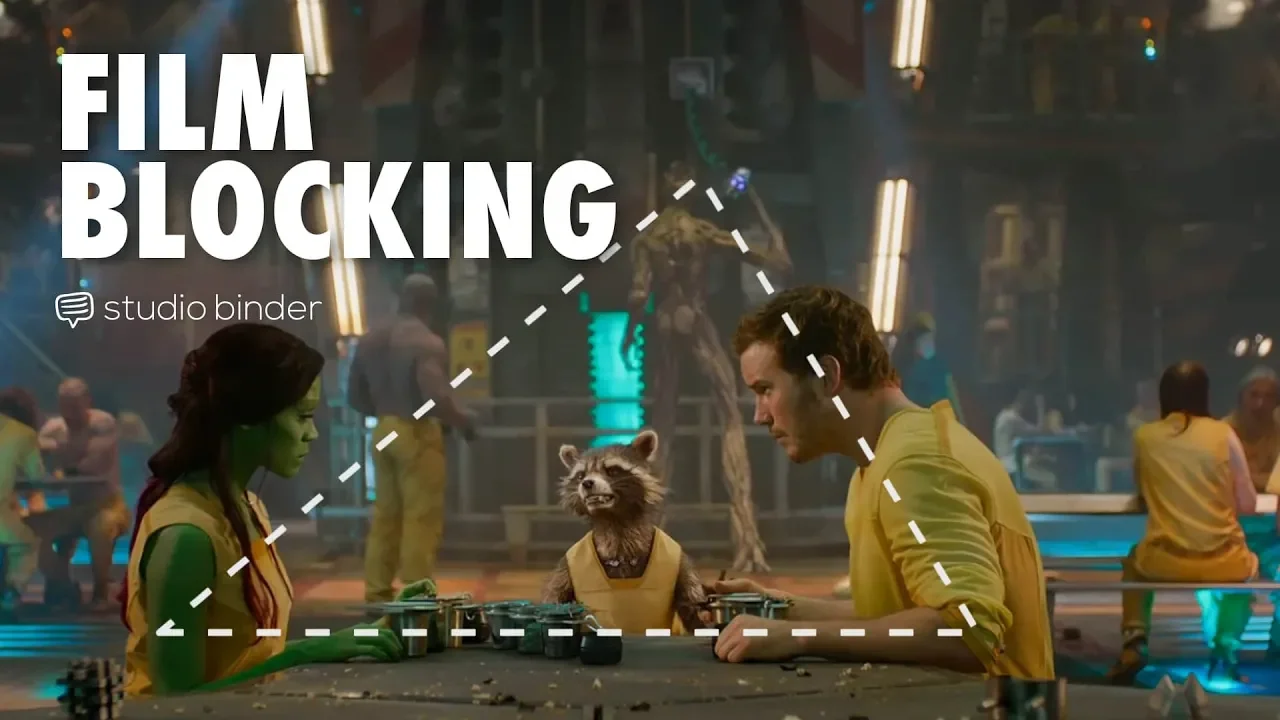
4:55
Film Blocking Techniques for Directors: Space, Shapes, Lines
@StudioBinder
1.9M views•2018-07-23

4:00
Evolution of Darth Vader: Anakin Skywalker's Animated Journey Across Star Wars Films
@TellItAnimated
13.4M views•2019-03-30
Related Study Plans & Knowledge Roadmaps
Structured learning paths in Film Analysis
film-analysis
Sensory Cinema: Foley, Haptic Sound & Texture
01Introduction to Film Sound and Foley Artistry
02Micro-Sounds, Textures, and Extreme Amplification
03Haptic Audition and Film Phenomenology
+ 1 more learning modules
12h4 modules
Explore Roadmap
film-analysis
Breaking the Fourth Wall: Mockumentary & Satire
01The Invisible Wall: Basics of Cinematic Illusion
02Looking at the Lens: Direct Address & Character Glances
03The Mockumentary: Satire, Realism, and Complicity
+ 2 more learning modules
12h5 modules
Explore Roadmap
film-analysis
Analyzing the Long Take: Cinema, Space & Ethics
01Foundations of Film Grammar: Montage vs. The Long Take
02Choreography and Mechanics of the Simulated One-Shot
03Phenomenology of Film: Real-Time Spatial Continuity
+ 1 more learning modules
14h4 modules
Explore Roadmap
film-analysis
Anachronistic Music: Period Drama & Subversion
01Foundations of Film Sound and the 'Needle Drop'
02Traditional Authenticity vs. Revisionist History
03The Rise of the Anachronistic Soundtrack
+ 2 more learning modules
12h5 modules
Explore Roadmap