





















Filmmakers use various techniques to shoot mirror scenes without revealing the camera, including using blue screens with matchmove compositing, angling mirrors and positioning cameras strategically, employing body doubles on the other side of the mirror, and digitally manipulating reflections for psychological effects; these methods allow cinema to create powerful moments of self-confrontation while maintaining the illusion that mirrors reflect reality.
How Movie Mirror Scenes Hide the Camera: Filmmaking Techniques Explained
Added:Basic Optics and the Law of Reflection: Understanding how light behaves when striking a reflective surface, specifically that the angle of incidence equals the angle of reflection, which determines what the camera can 'see'.
Fundamentals of Camera Blocking and Composition: Familiarity with how directors position and move the camera and actors within a three-dimensional space to frame a shot.
The Distinction between Practical Effects and VFX: Knowing the difference between physical illusions created on-set during production and digital effects added during post-production.
The Concept of Cinematic Illusion: Understanding the historical goal of narrative filmmaking to maintain the 'fourth wall' by keeping the camera and crew completely invisible to the audience.
Advanced Digital Compositing and Clean Plates: Learning how VFX artists use software like Nuke or After Effects to digitally paint out cameras, tracking markers, and crew members from reflective surfaces.
Double-Set Production Design: Studying how art directors and set designers build duplicate, mirrored sets with body doubles to simulate a mirror reflection physically (as seen in films like 'Terminator 2' or 'La Haine').
Motion Control Cinematography: Exploring how computerized, programmable camera rigs are used to repeat exact camera movements across multiple takes, enabling complex split-screen and composited mirror shots.
Creative Direction and Symbolic Use of Reflections: Analyzing how filmmakers use mirrors not just as a technical challenge, but as a thematic device to represent dualism, psychological fracturing, or self-examination in cinema.
633 views32likes5:27Original Release: 2026-03-17
A mirror never lies, but cinema. Cinema lies beautifully. Every time a character looks into a mirror, you expect to see the truth. But in cinema, you don't. And that's not a mistake. That's design.
Because mirrors in cinema are never just objects. They are moments of confrontation. Whenever a character stands in front of a mirror, the world goes silent and the character is forced to face themselves. Not the version they show to others, but the version they hide. Mirrors reveal fracture, identity, guilt, madness. That's why some of the most powerful scenes in cinema happen in front of mirrors. Taxi Driver, Black Swan, Fight Club, horror films, psychological thrillers. Because a mirror allows cinema to do something dangerous. It lets one character become two. And when filmmakers pull that off perfectly, the audience feels something uncanny, something unsettling, something they can't explain. But here's the irony. The more emotional a mirror scene becomes, the more impossible it is to shoot. Because a mirror should expose the biggest lie in cinema, the camera.
And yet, it doesn't. So, how does cinema protect its illusion? While using the most honest object in the world, that's where the real magic begins.
Some mirror shots aren't mirrors at all.
In contact, the girl runs toward what looks like a mirror, but on set, there was no glass, just a cabinet set, and a blue screen where the mirror should be.
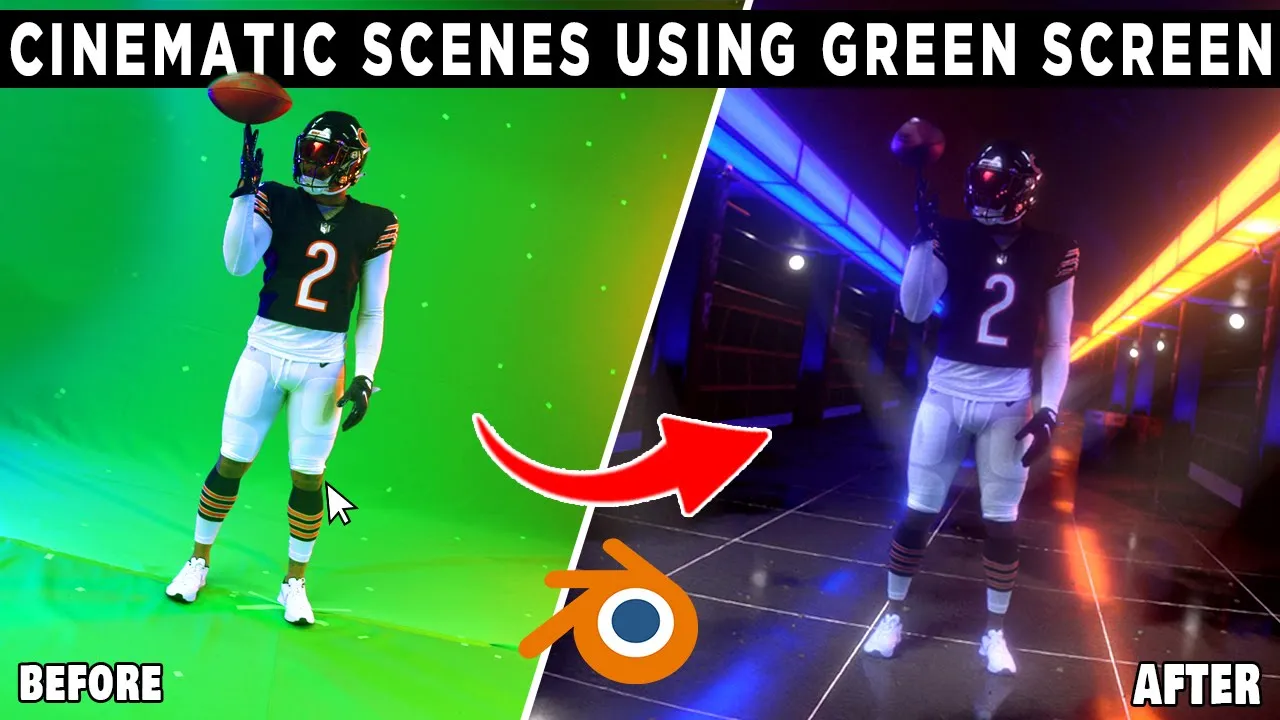
The shot switches to a second camera placed on the other side, making it seem like the camera passes through the mirror. In post, the blue screen is replaced with the correct reflection and both shots are stitched together with matchmove compositing so everything lines up. The result is one seamless moment that hides the cut completely.
Sometimes filmmakers don't remove the mirror, they outsmart it.
>> You talking to me?
>> In Taxi Driver, the scene feels raw, improvised, >> talking to me.
>> Real, but it's engineered. The mirror is angled. The camera stands just outside its reflection line. The actor cheats his ey line just enough so the reflection shows what we need and hides what would destroy the illusion. No VFX, no edits, just geometry and perception.
Sometimes the reflection isn't a reflection. It's another human being. In Lahane, Vin stands in front of what feels like a mirror, but there is no glass. On the other side, another actor performs his movements in perfect synchronization. No reflection, no VFX, just timing, precision performance. This same illusion was used decades earlier in one of the most famous mirror scenes in cinema history. Doug Soup, 1933.
There is no mirror there either. A doorway replaces the mirror frame and Harpo marks dressed exactly like Groucho stands on the other side, copying every movement in perfect synchronization.
Every gesture and pause is carefully matched, making the audience believe they are watching a reflection when in reality they are watching two performers creating the illusion together.
Cinema replaces physics with choreography. And then there are films where mirrors stop behaving like mirrors. In Black Swan, reflections move differently. They delay. They stare too long. That's not a mirror anymore.
That's mindbreaking. Real reflections are filmed, then digitally altered. The camera is removed. The performance is split. Because the goal is not realism.
The goal is psychological discomfort.
This idea also appears in Inception. In the training scene, mirrors behave in impossible ways, folding, shattering, and expanding the space around the characters. These effects are created using VFX and digital compositing to control and manipulate the reflections while removing the camera from the shot.
The mirror is no longer just reflecting reality. It becomes part of the illusion itself.
Sometimes mirrors are simply too complex to shoot live. So filmmakers cheat time instead of space. In US 2019, mirror mazes create impossible reflections. The camera is locked. The empty set is filmed. Actors are recorded separately.
Then everything is stitched together.
You never see the seams. Because cinema is not one moment. It is many controlled moments edited into one reality. Mirror scenes feel intimate, uncomfortable, like we are intruding because mirrors turn characters inward. And when characters turn inward, so do we. And as long as the illusion holds, we never ask where is the camera. Next time you watch a mirror scene, don't look for the camera. Look for what the character is hiding. Because in the cinema, mirrors don't reflect faces. They reflect fear.
And the greatest trick filmmakers ever pulled was making you believe that honesty never reveals the lie.
Up Next
3:59
Film Geometry: How Cinematographers Use Shapes to Direct Emotion
@NowYouSeeIt
2.4M views•2016-10-08

23:14
Visual Analysis Essay: How to Analyze Graphic Novels in College Writing
@nataliepleimann5941
1K views•2020-10-14
4:55
Film Blocking Techniques for Directors: Space, Shapes, Lines
@StudioBinder
1.9M views•2018-07-23

4:00
Evolution of Darth Vader: Anakin Skywalker's Animated Journey Across Star Wars Films
@TellItAnimated
13.4M views•2019-03-30
Related Study Plans & Knowledge Roadmaps
Structured learning paths in Film Analysis
film-analysis
Sensory Cinema: Foley, Haptic Sound & Texture
01Introduction to Film Sound and Foley Artistry
02Micro-Sounds, Textures, and Extreme Amplification
03Haptic Audition and Film Phenomenology
+ 1 more learning modules
12h4 modules
Explore Roadmap
film-analysis
Breaking the Fourth Wall: Mockumentary & Satire
01The Invisible Wall: Basics of Cinematic Illusion
02Looking at the Lens: Direct Address & Character Glances
03The Mockumentary: Satire, Realism, and Complicity
+ 2 more learning modules
12h5 modules
Explore Roadmap
film-analysis
Analyzing the Long Take: Cinema, Space & Ethics
01Foundations of Film Grammar: Montage vs. The Long Take
02Choreography and Mechanics of the Simulated One-Shot
03Phenomenology of Film: Real-Time Spatial Continuity
+ 1 more learning modules
14h4 modules
Explore Roadmap
film-analysis
Anachronistic Music: Period Drama & Subversion
01Foundations of Film Sound and the 'Needle Drop'
02Traditional Authenticity vs. Revisionist History
03The Rise of the Anachronistic Soundtrack
+ 2 more learning modules
12h5 modules
Explore Roadmap