

![Theatre of Absurd [Drama] in English Literature: Definition, Characteristics, Elements, and Examples](https://i.ytimg.com/vi_webp/g9V3HkEYE9w/maxresdefault.webp)
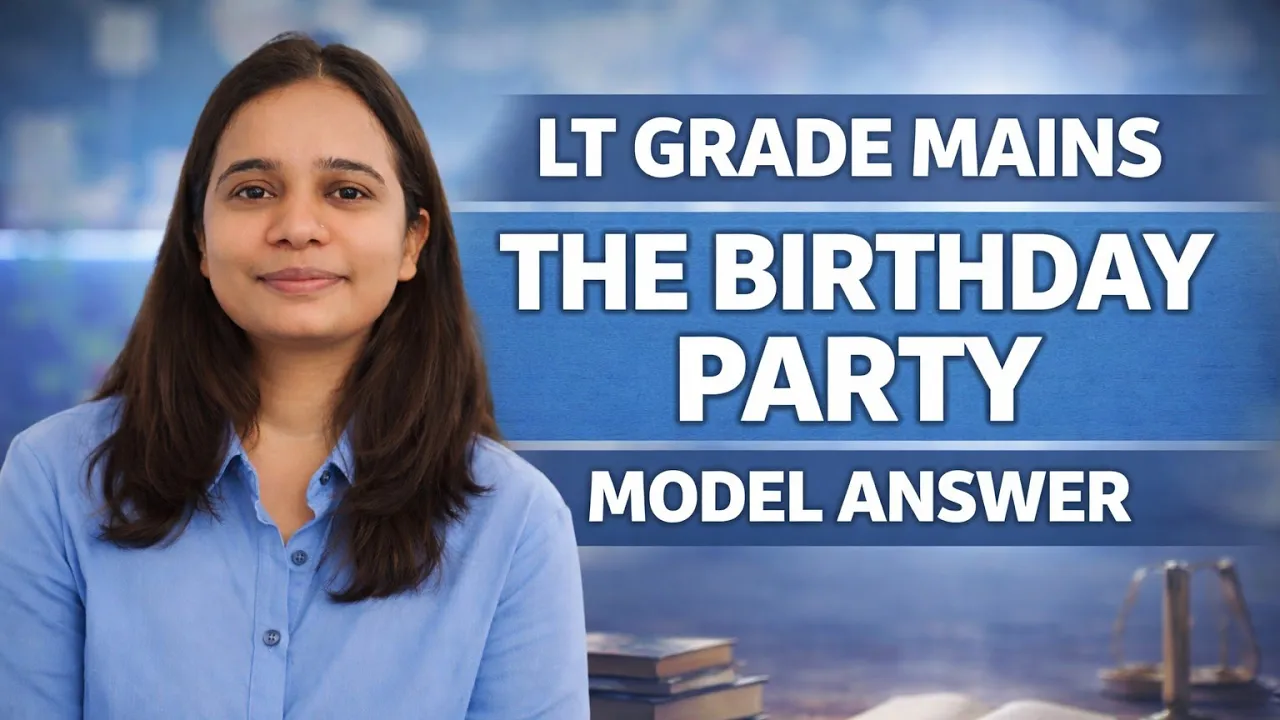
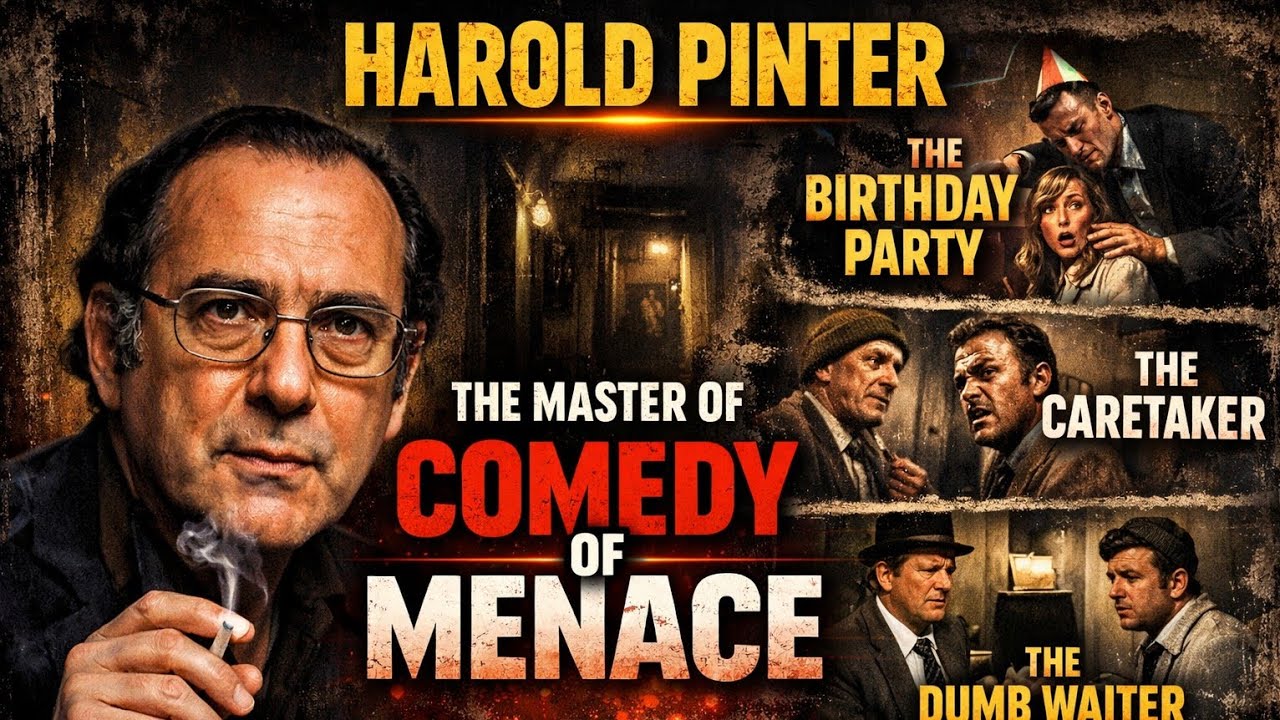
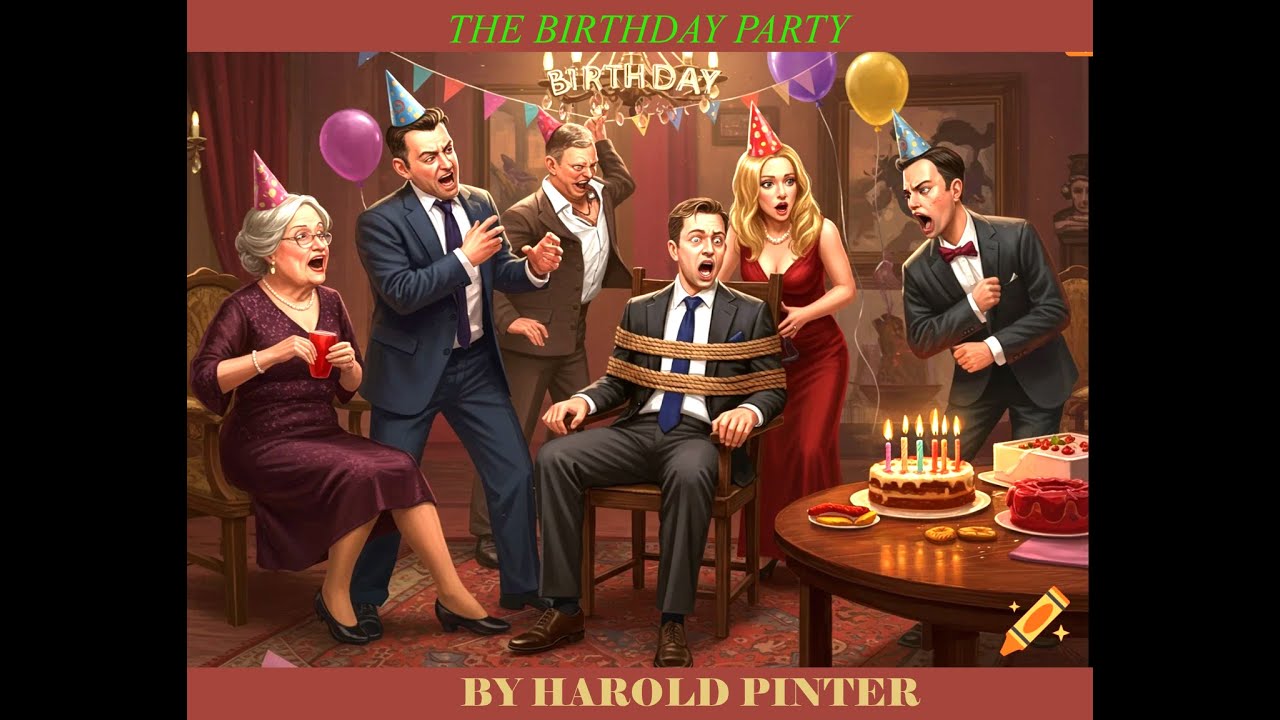




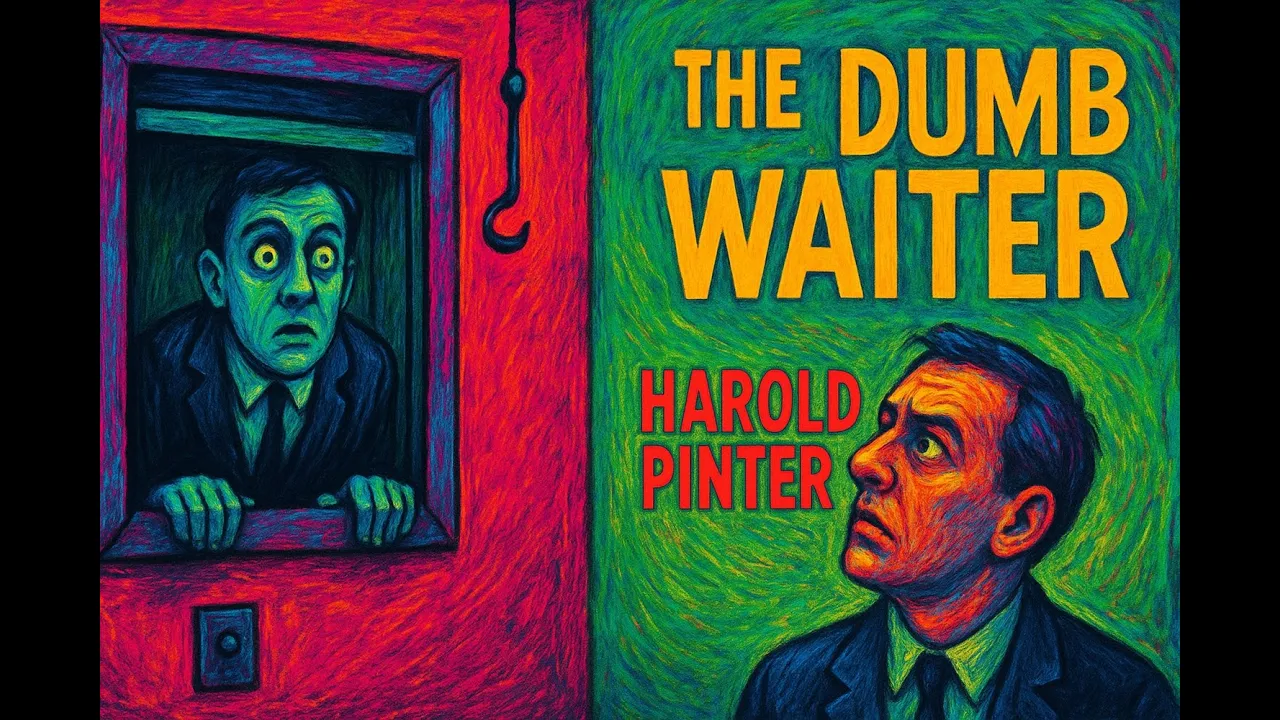





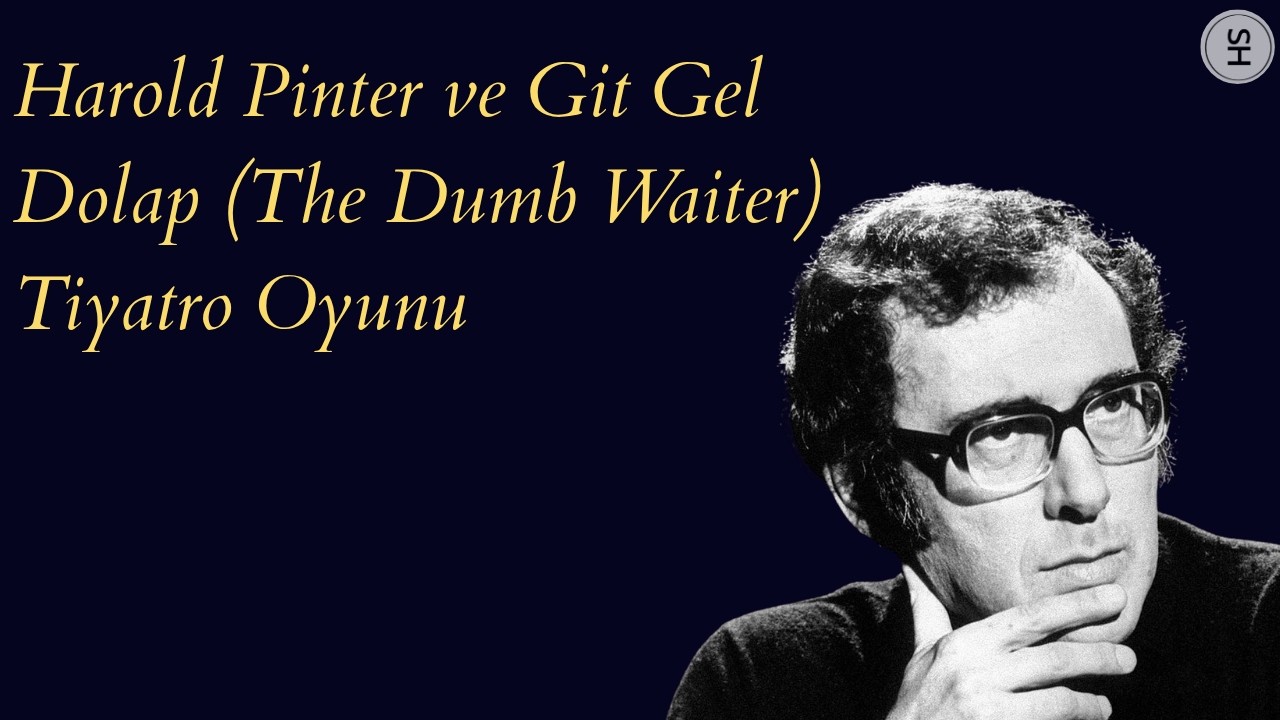
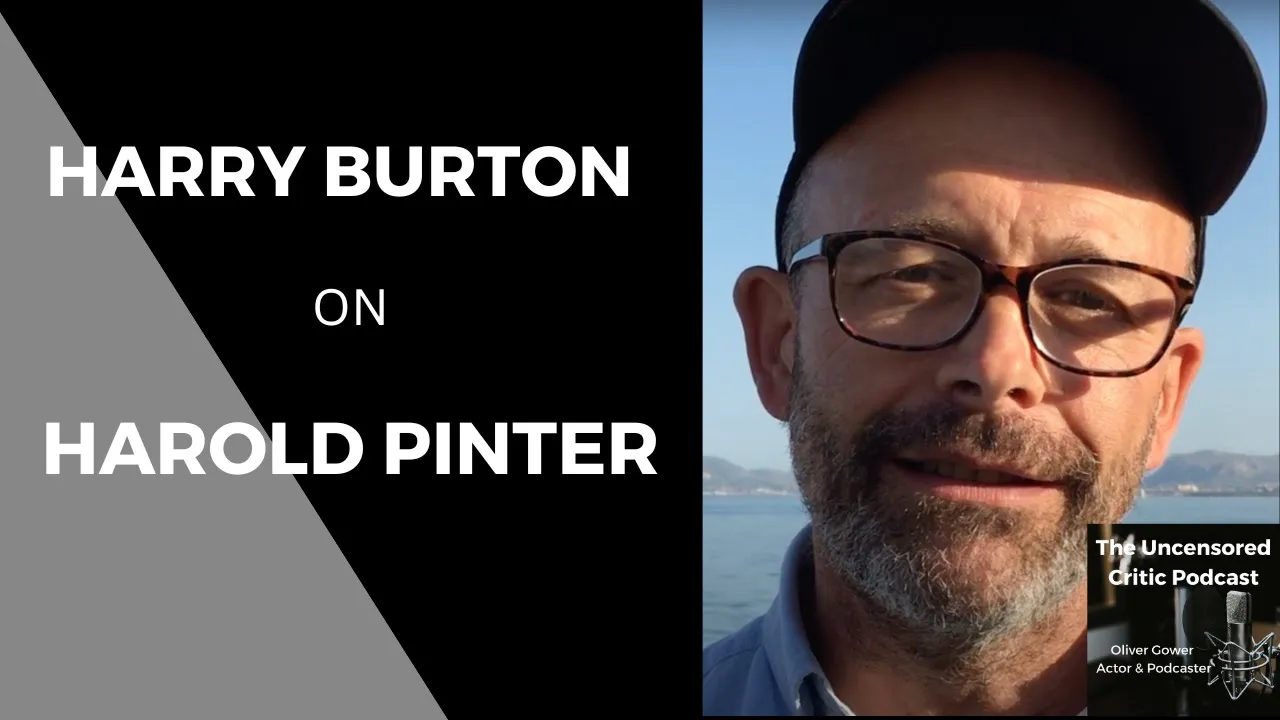


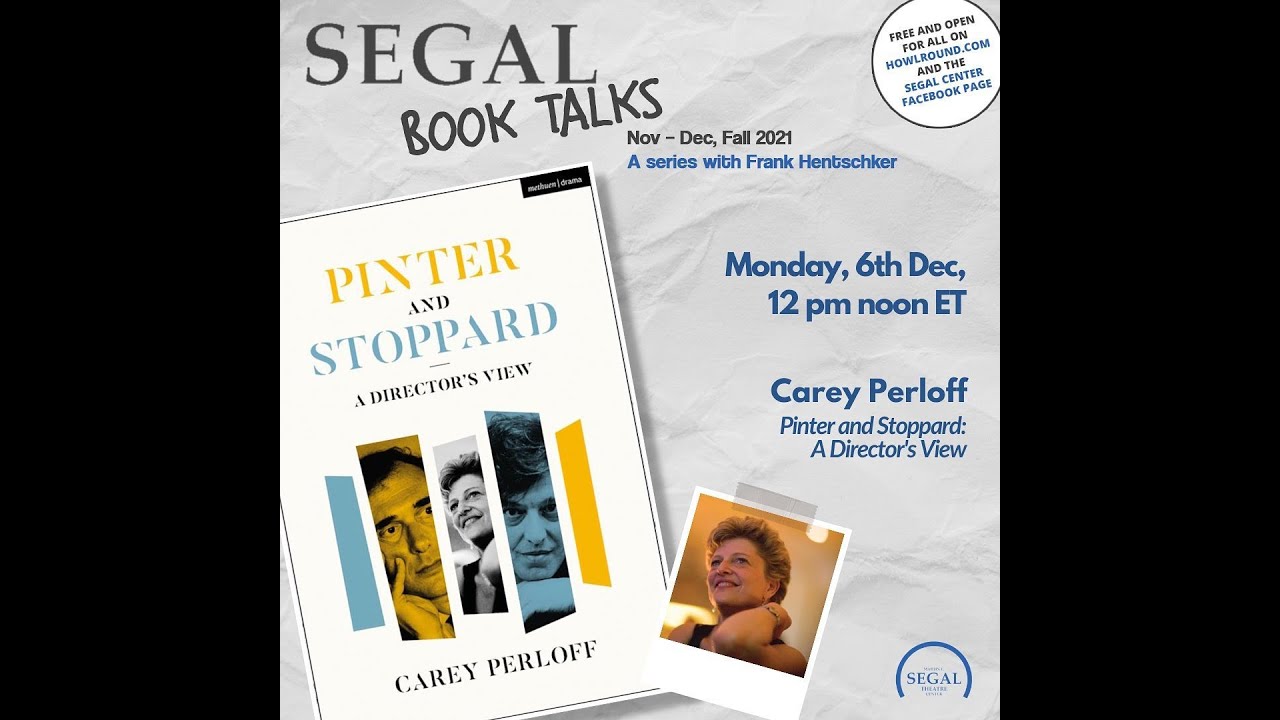
Harold Pinter's The Dumb Waiter (1957) demonstrates how minimal dialogue and environmental details create psychological tension between characters Gus and Ben, two assassins awaiting orders in a confined space, where mundane conversations about crockery, news stories, and the dumb waiter itself reveal underlying power dynamics and existential anxiety.
The Dumb Waiter – Harold Pinter | Act 1 Analysis & Performance
Added:Introduction to the 'Theatre of the Absurd' and its key characteristics, such as existential anxiety and non-linear dialogue.
An understanding of Harold Pinter's signature style, specifically the concept of the 'Comedy of Menace' and the dramatic significance of the 'Pinter Pause'.
Basic familiarity with the premise of 'The Dumb Waiter', including its confined basement setting and the characters of the two hitmen, Ben and Gus.
Analysis of Act 2 of 'The Dumb Waiter' to examine the play's tragic climax, resolution, and the ultimate breakdown of the characters' relationship.
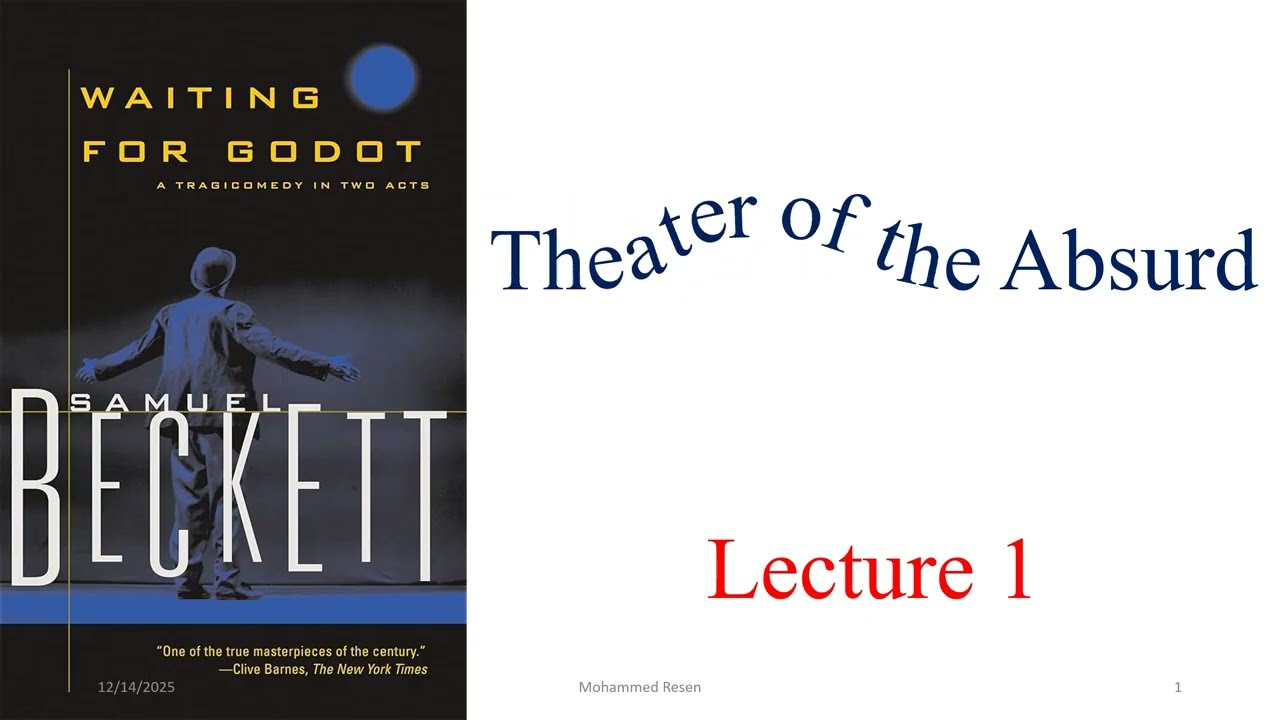
A comparative study of 'The Dumb Waiter' alongside Samuel Beckett's 'Waiting for Godot' to contrast their different treatments of existential waiting and authority.
Investigation of the play's socio-political allegories, focusing on how the mysterious 'dumb waiter' represents class hierarchy, blind obedience, and institutional power.
Practical exploration of Pinteresque acting and directing techniques, focusing on subtext, physical tension, and maintaining dramatic suspense in a minimalist setting.
117.7K views380likes10:22Original Release: 2009-12-26
Sinister Fast now on BBC 4. Continuing to celebrate Pinter at the BBC with a play each night at 10:00. Tonight, Colin Blakeley and Kenneth Cranmer are two assassins awaiting orders from upstairs in The Dumb Waiter.
[Music] Come on.
What about this? Listen to this.
A man of 87 wanted to cross the road, but there was a lot of traffic. See, he couldn't see how he was going to squeeze through.
So, he crawled under a lorry. He what?
He crawled under a lorry. A stationary lorry.
No. The lorry started and ran over him.
Go on. That's what it says here.
Get away.
It's enough to make you want to puke, isn't it?
Who advised him to do a thing like that?
A man of 87 crawling under a lorry.
It's unbelievable.
It's down here in black and white.
Incredible.
[Music] I want to ask you something.
What are you doing out there?
Well, I was just What about the tea?
I'm just going to make it.
Well, go on, make it.
Yes, I will.
He's laid on some very nice crockery this time. I'll say that.
It's sort of striped.
There's a white stripe.
It's very nice. I'll say that.
You know, sort of round the cup, round the rim. All the rest of it black. You see? Then the swords is black except for right in the middle where the cup goes where it's white.
Then the plates are the same, you see.
Only they've got a black stripe. The plates right across the middle.
Yeah, I'm quite taken with the crockery.
What do you want pledge for? You're not going to eat.
I brought a few biscuits. Well, you better eat them quick. I always bring a few biscuits or a pie. You know I can't drink tea without anything to eat.
Well, make the tea then, will you?
Time's getting on.
You got any cigarettes?
Think I've run out.
Hope it won't be a long job this one.
Oh, I wanted to ask you something.
What's that?
A child of eight killed a cat.
Get away.
It's a fact. What about that? Eh, a child of eight killed a cat.
How did he do it?
It was a girl.
How did she do it?
She Well, it doesn't say.
Why not?
Wait a minute.
It just says her brother, aged 11, viewed the incident from the tool shed.
Go on. That's bloody ridiculous.
I'll bet he did it. Who?
The brother.
I think you're right.
What about that? Eh, a kid of 11 killing a cat and blaming it on his little sister of eight. It's enough to What time is he getting in touch?
What time is he getting in touch?
What's the matter with you? It could be anytime. Anytime.
Well, I was going to ask you something.
What?
Have you noticed the time that tank takes to fill?
What tank?
In the laboratory?
No. Does it?
Terrible.
Well, what about it?
What do you think's the matter with it?
Nothing.
Nothing.
It's got a deficient ballcock. That's all.
A deficient what?
Ballcock.
No, really.
That's what I should say.
Go on. That didn't occur to me.
I didn't have a very restful sleep today. Did you? It's not much of a bed.
I could have done with another blanket, too.
Hello. What's this? The first 11 cricketers. You seen this, Ben?
The first 11.
What? There's a photo here of the first 11.
What first 11?
Doesn't say.
What about that tea?
They all look a bit old to me.
I wouldn't like to live in this dump.
Wouldn't mind if you had a window. You can see what it looked like outside.
What do you want a window for?
Well, I like to have a bit of a view, Ben. It's miles away of time. I mean, you come into a place when it's still dark. You come in a room you never seen before. You sleep all day. You do your job.
Then you go away in the night again.
I like to get a look at the scenery.
You never get the chance in this job.
You get your holidays, don't you?
Only a fortnight.
You kill me. Anyone would think you were working every day. How often do we do a job? Once a week. What are you complaining about? Yes, but we've got to be on tap though, haven't we? You can't move out of the house in case a call comes.
You know what your trouble is?
What?
You haven't got any interest?
I've got interest.
Tell me one of your interests.
I've got interests.
Look at me. What have I got?
I don't know what.
I've got my woodwork. I've got my model boats. Have you ever seen me idle? I'm never idle. I know how to occupy my time to its best advantage. Then when a call comes, I'm ready.
Don't you ever get a bit fed up?
10 up or when you got any cigarettes? I've run out.
There she goes.
No, I mean I say the crockery is good.
It is. It's very nice. But that's about all I can say for this place. It's worse than the last one. Remember that last place we were in last time? What was it?
At least there was a wireless there. No.
Honest, he doesn't seem to bother much about our comfort these days.
When are you going to stop jabbering?
You get rumatism in a
Up Next
28:30
Edward Albee's Who's Afraid of Virginia Woolf | Analysis & Themes
@Vidyamitra
33.6K views•2017-04-11

13:43
Formalism in Literary Criticism: An Academic Lecture Overview
@mattalberhasky9952
39.1K views•2015-08-05

6:08
Point of View in Fiction: First Person vs. Third Person
@magicalthriftyteacher
153.8K views•2014-03-31

15:25
1984: Orwell's Dystopian World and the Mechanisms of Totalitarianism
@AlternateHistoryHub
7M views•2017-03-04
Related Study Plans & Knowledge Roadmaps
Structured learning paths in Literature
literature
Graphic Memoirs: Visual Art, Trauma & History
01Foundations of Sequential Art and Visual Language
02Autographics and Processing Historical Trauma
03Visualizing Personal Trauma, Grief, and Graphic Medicine
+ 2 more learning modules
14h5 modules
Explore Roadmap
literature
Campus Novels: Evolution, Themes & Critique
01Introduction to the Campus Novel Genre
02Mid-Century Satire and the Post-War Academy
03Dark Academia and the Critique of Privilege
+ 2 more learning modules
14h5 modules
Explore Roadmap
literature
Theater of the Absurd: Philosophy & Plays
01Postwar Existentialism & Historical Roots
02Dismantling Narrative: Esslin & Absurdist Conventions
03Samuel Beckett and Tragicomic Existentialism
+ 2 more learning modules
12h5 modules
Explore Roadmap
literature
Revenge Tragedy: Justice, Madness & State
01Foundations of Early Modern English Theatre
02Anatomy of Revenge: Structural Conventions
03Psychological Complexity: Madness and Melancholy
+ 2 more learning modules
15h5 modules
Explore Roadmap