


![[일당백] 고도를 기다리며는 왜 고전이 되었나? 인간에게 내일은 없다! : 고도를 기다리며 1부](https://i.ytimg.com/vi/bgUwYf6HNwE/maxresdefault.jpg)









![O Guia ESSENCIAL Pra Destravar Sua Leitura Da Hermenêutica [intermediária e avançada]](https://i.ytimg.com/vi/quYzi1BCWEo/maxresdefault.jpg)


Samuel Beckett's Waiting for Godot exemplifies absurdist theater through two homeless men Vladimir and Estragon waiting endlessly for someone named Godot who never arrives, illustrating how human beings grapple with existential meaninglessness, the futility of waiting for salvation, and the persistence of hope despite overwhelming evidence of its futility; the play's repetitive structure, circular dialogue, and lack of resolution demonstrate Beckett's philosophical exploration that life lacks inherent meaning, yet humans persist in seeking purpose through rituals, relationships, and promises, ultimately revealing that the search itself may be more significant than any destination ever reached.
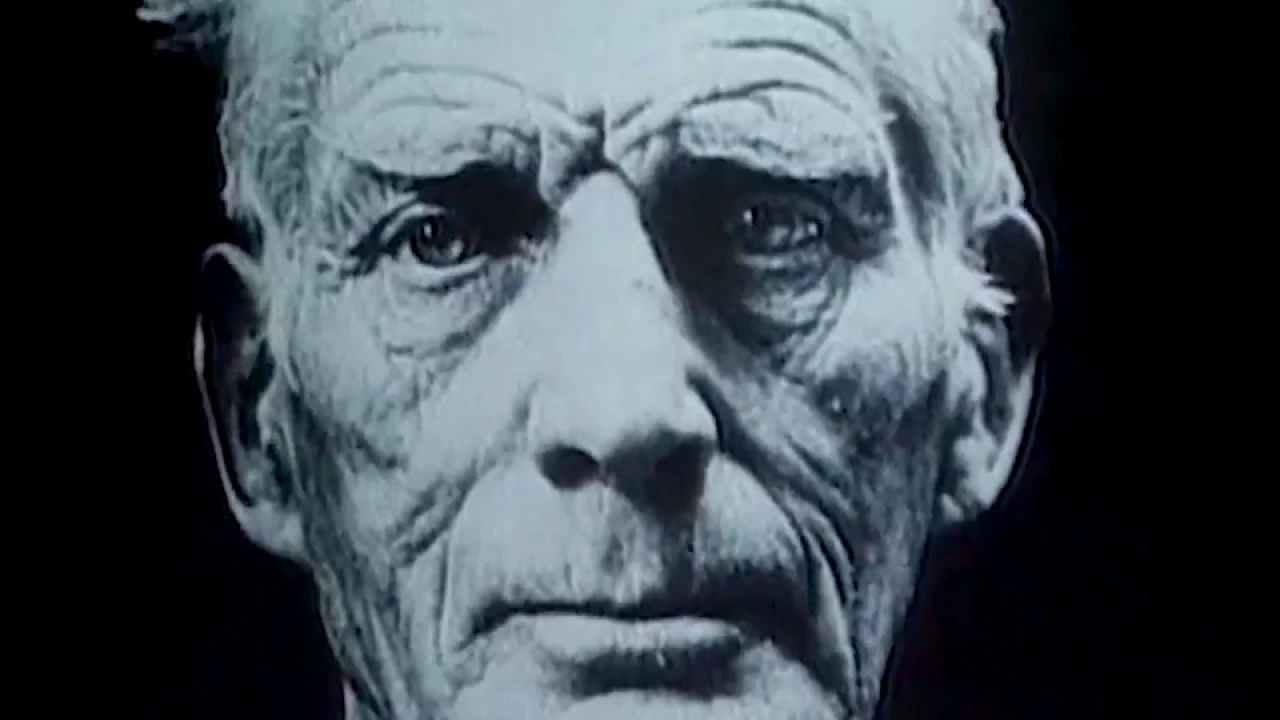
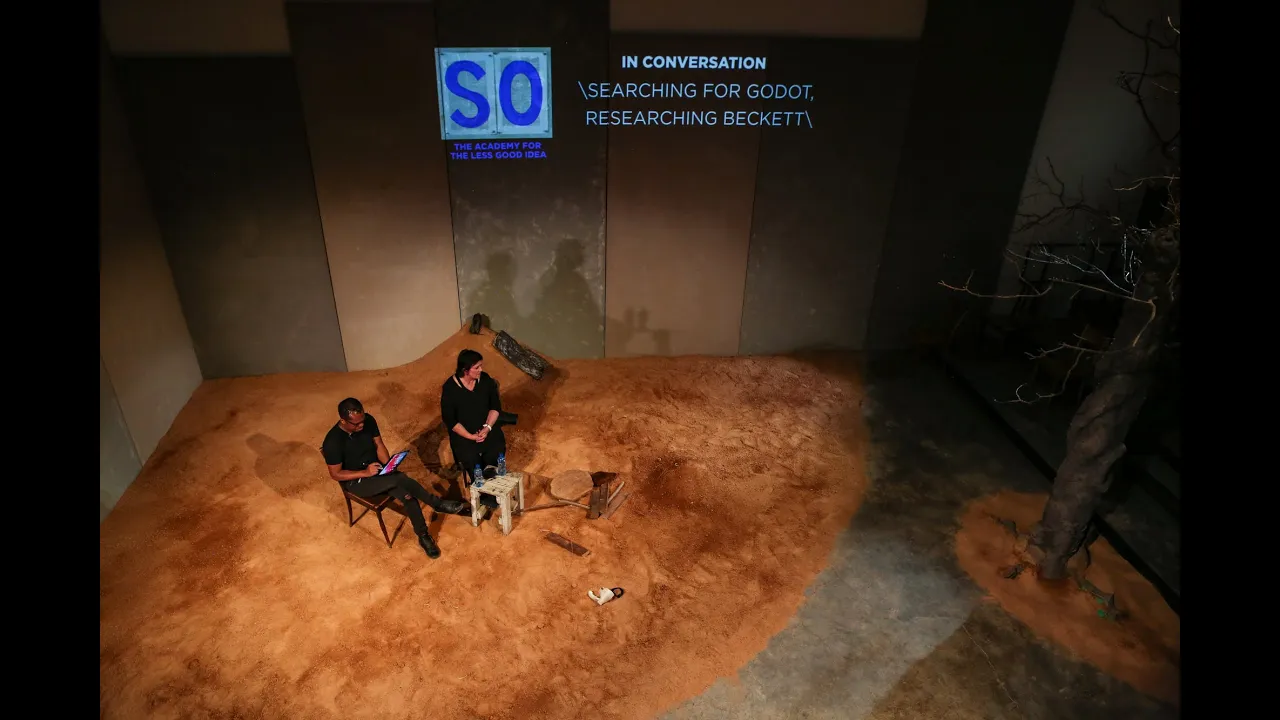
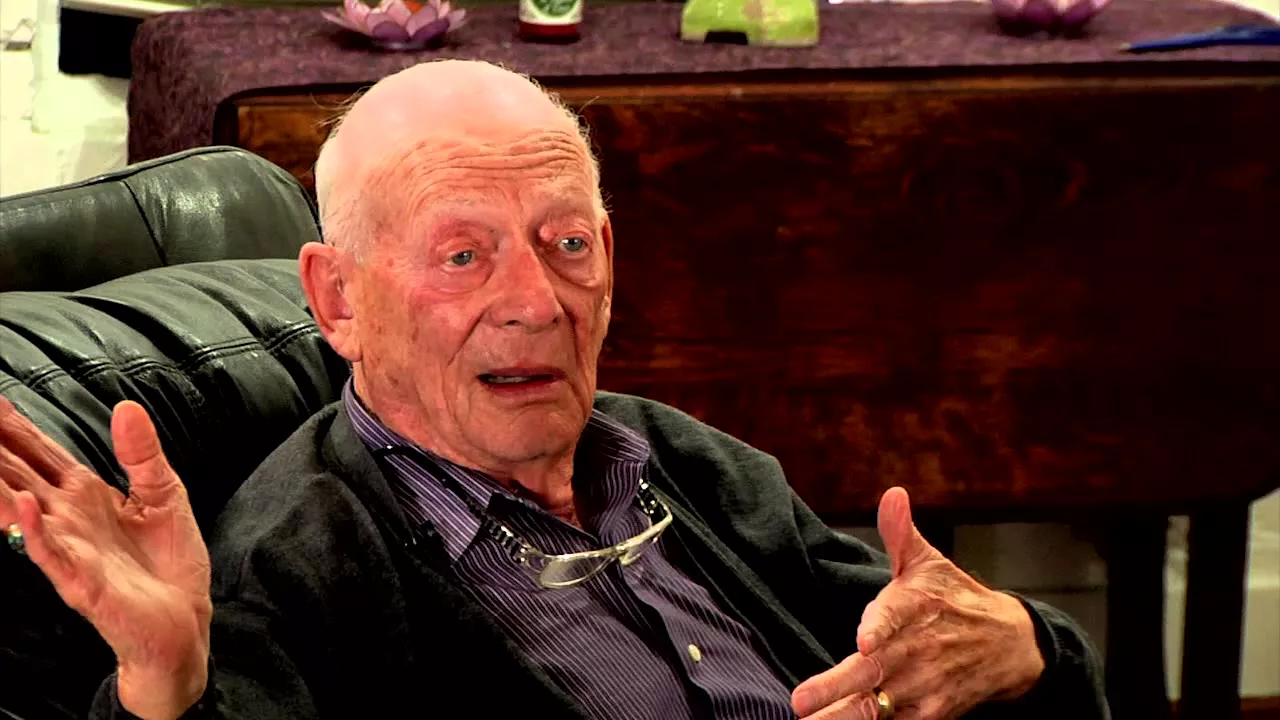
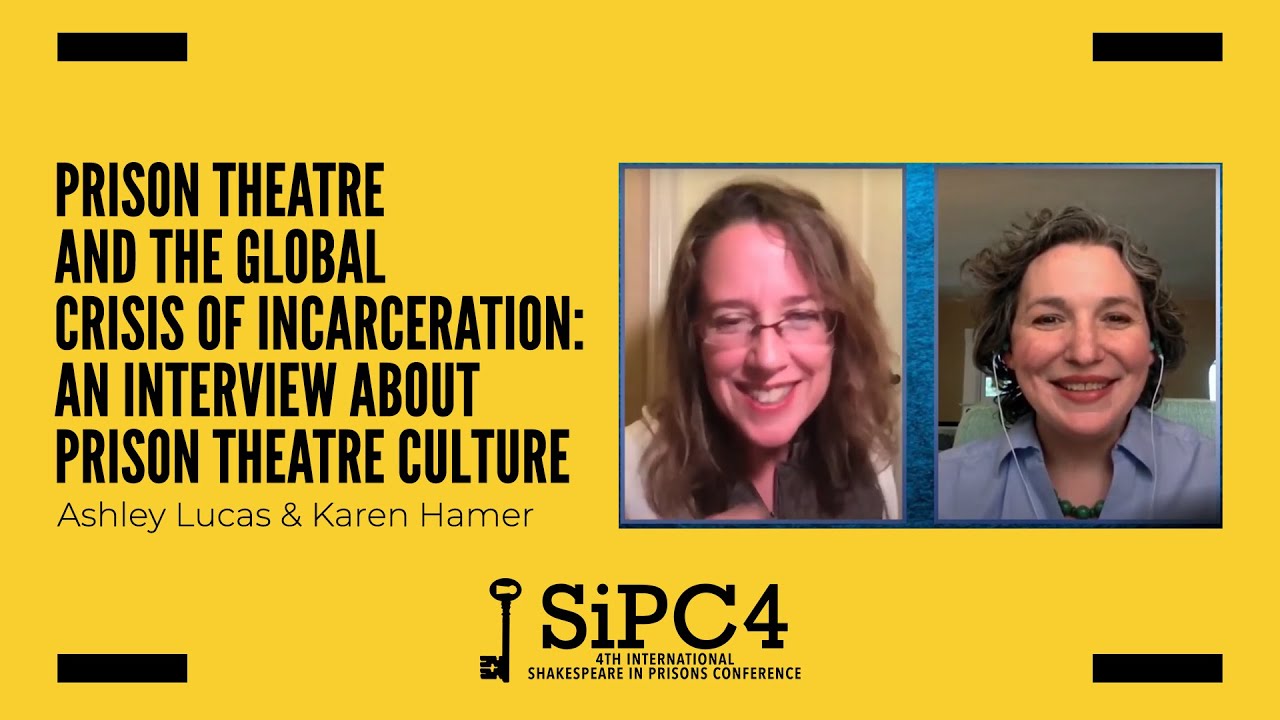
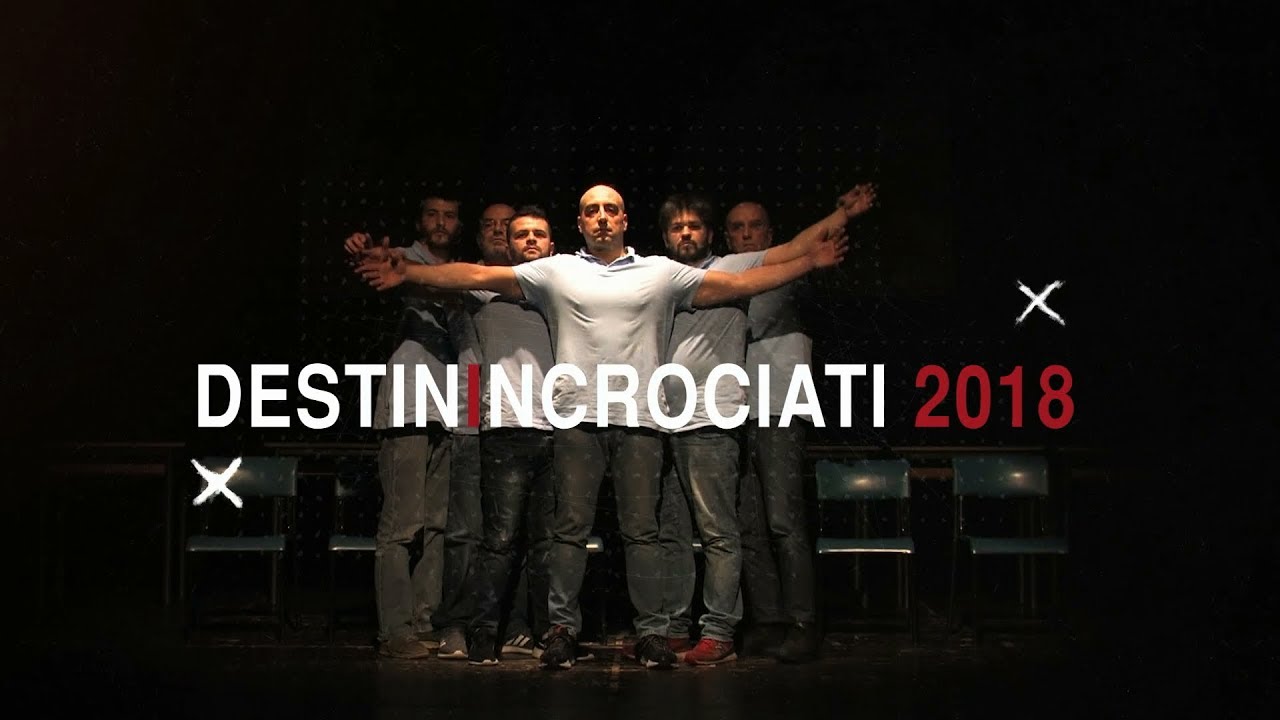
Samuel Beckett Directs: Waiting for Godot (1988 Production)
Added:The Philosophy of Existentialism and Theatre of the Absurd: Understanding the post-WWII cultural context, structural circularity, and themes of purposelessness that define the absurdist movement.
Textual Familiarity with 'Waiting for Godot': A foundational reading of the play's dialogue, character dynamics (Vladimir, Estragon, Pozzo, Lucky), and its subversion of traditional dramatic resolution.
Beckett's Directorial Philosophy and Notation: Awareness of Samuel Beckett’s meticulous control over pacing, physical choreography, pauses, and minimalist scenic design.
History of the San Quentin Drama Workshop: Understanding the origin of this specific troupe, founded by former inmate Rick Cluchey after a transformative 1957 performance of the play inside San Quentin State Prison.
Comparative Performance Analysis: Comparing Beckett's self-directed 1988 production with other historic interpretations to analyze variations in tone, tragicomedy, and artistic license.
Sociological Impact of Prison Theatre: Investigating the rehabilitative, therapeutic, and political dimensions of performing drama within correctional facilities globally.
Advanced Beckettian Hermeneutics: Exploring Beckett's later, highly minimalist theatrical and media works (such as 'Endgame', 'Not I', or 'Krapp's Last Tape') to trace his evolving reduction of language and movement.
Performance Studies and Scenic Semiotics: Analyzing how Beckett treats the actor's body and physical space as a precise sculptural medium, transitioning from page to stage.
257.5K views3.3Klikes2:18:01Original Release: 2021-06-01
it it nothing to be done i'm beginning to come round to that opinion all my life i've tried to put it from me saying vladimir be reasonable you haven't yet tried everything and i resume the struggle so there you are again am i i'm glad to see you back i thought you were gone forever me too together again at last we don't have to celebrate this but how get up till i embrace i'm not now not now may one inquire where his highness spent the night in a ditch ditch where over there and they didn't beat you beat me certainly they beat me the same lot as usual the same i don't know when i think of it all these years but for me where would you be you'd be nothing more than a little heap of bones at the present minute no doubt about it and wall of it it's too much for one man on the other hand what's the good of losing heart now that's what i say we should have thought of it a million years ago in the 90s stop lathering and help me off with this bloody thing hand in hand from the top of the eiffel tower among the first we were presentable in those days now it's too late they wouldn't even let us up what are you doing taking off my boot did that never happen to you boots must be taken off every day i'm tired telling you that why don't you listen to me help me it hurts hurts he wants to know if it hurts no one ever suffers but you i don't count i'd like to hear what you'd say if you had what i have it hurts hurts he wants to know if it hurts you might button it all the same true never neglect the little things of life what do you expect you always wait till the last moment the last moment hope deferred make it the something sick who said that why don't you help me sometimes i feel it coming all the same then i go all queer how shall i say relieved and at the same time appalled appalled funny nothing to be done well nothing show there's nothing to show try and put it on again i'll air it for a bit there's man all over for you blaming on his boots the faults of his feet this is getting alarming one of the thieves was saved it's a reasonable percentage go go what suppose we repented repented what oh we don't have to go into the details our being born oh one dare and even laugh anymore dreadful privation merely smile it's not the same thing nothing to be done go go what is it did you ever read the bible the bible oh i must have taken a look at it do you remember the gospels i remember the maps of the holy land colored they were very pretty the dead sea was pale blue the very look of it made me thirsty that's where we'll go i used to say that's where we'll go for our honeymoon we'll swim we'll be happy you should have been a poet i was isn't that obvious where was i how's your fault swelling visibly ah yes the two thieves do you remember the story no shall i tell it to you no it passed the time two thieves crucified at the same time as our savior one what our savior two thieves one is supposed to have been saved and the other damn save from what hell i'm going and yet how is it this is not boring you i hope how is it that of the four evangelists only one speaks of the thief being saved the four were there or thereabouts but only one speaks of a thief being saved come on go go return the ball can't you once in a way i find this really most extraordinarily interesting one out of four of the other three two don't mention any thieves at all and the third says that both of them abused him who what or what's all this about abused who the savior why because he wouldn't save them from hell imbecile from death well whatever then the two of them must have been damned and why not but one of the forces that one of the two was saved well they don't agree and that's all there is to it but all four were there and only one speaks of a thief being saved why believe him rather than the other who believes him everybody is the only version they know people are bloody ignorant apes oh [ __ ] charming spot inspiring prospects let's go we can't why not we're waiting for god ah yes you're sure it was here what but we were to wait he said by the tree do you see any others what is it i don't know a willow aware of the leaves it must be dead no more weeping or perhaps it's not the season it looks to be more like a what are you insinuating that we've come to the wrong place he should be here he didn't say for sure he'd come and if he doesn't come we'll come back tomorrow and then the day after tomorrow and so on until he comes you're merciless we came here yesterday i know there your mistake what did we do yesterday what did we do yesterday yes why nothing is certain when you're about in my opinion we were here you recognize the place i didn't say that well that makes no difference all the same that tree that stone that bog you're sure it was this evening what but we were to wait he said saturday i thank you think i must have made a note of it but what saturday and is it saturday is it not rather sunday or monday or friday it's not possible thursday what do we do if he came yesterday we weren't here you may be sure he won't come again today but you said we were here yesterday i may be mistaken yes but stop talking for a minute do you mind all right go go go go go go i was asleep why will you never let me sleep i felt lonely i had a dream don't tell me i don't tell me this one is enough for you that's not nice of you dede who am i to tell my private nightmares to if i can't tell them to you let them remain private you know i can't bear that there are times when i wonder if it wouldn't be better for us to part you wouldn't go far well that would be too bad really too bad wouldn't it be really too bad when you think of the beauty of the way and the goodness of the wayfarers wouldn't it dd calm yourself um oh the english say calm oh you know the story of the englishman in the brothel yes tell it to me stop it an englishman having drunk a little more than usual proceeds to a brothel the board asks me if he wants a fair one a dark one or red head one go on stop it hmm you wanted to speak to me you had something to say to me i have nothing to say to you you're angry forgive me come dede give me your hand embrace me don't be stubborn [Applause] you stink of garlic it's for the kidneys what do we do now wait yes but while waiting what about hanging ourselves hmm it might give us an erection and you wretch with all that follows where it falls mandrakes grow but that's why they shriek when you pull them up did you not know that let's hang ourselves immediately from a vow i wouldn't trust it we could always try go ahead after you no no you first join me you're later than i am just so i don't understand use your intelligence can't you i remain in the dark this is how it is about the bow don't you jack head can't you you're my only hope go go light thou not break go go dead eating heavy i'll break diddy alone whereas i hadn't thought of that if it hangs you it'll hang anything but am i heavier than you so you always tell me i don't know there's an even chance or nearly well what do we do don't let's do anything it's safer let's wait and see what he says oh god oh ah yes let's wait till we know exactly how we stand on the other hand it might be better to strike the iron before it freezes i'm curious to hear what he has to offer then we'll take it or leave it what exactly did we ask him for were you not there my god i've been listening oh nothing very definite a kind of prayer precisely a vague supplication exactly and what did he reply that he'd see that he couldn't promise anything and he'd have to think it over in the quiet of his home insults his family his friends his agent his correspondence his bank account before taking a decision it's a normal thing is it not i think it is i think so too and we i beg your pardon i said and we i don't understand where do we come in come in take your time come in on our hands and knees as bad as that your worship wishes to assert his prerogatives we have no rights anymore [Laughter] oh you'd make me laugh if it wasn't prohibited we've lost our rights we got rid of them we're not tied we know this i hear nothing nor i you gave me a fright i thought it was he oh god oh the wind in the reeds i could have sworn i heard shouts and why would he shout at his horse let's go where perhaps we'll sleep tonight in his loft all snug and dry our belly is full in the hay that's worth waiting for no not all night it's still day i'm hungry do you want to carrot is that all there is i might have some turnips give me a carrot it's a turnip oh pardon i could have sworn it was a carrot well now all that's turnips you must have eaten the last wait i have it there dear fellow give me the turnip naked last that's the end of them i asked you a question huh did you reply how's the carrot it's a carrot so much the better so much the better what was it you wanted to know i've forgotten that's what annoys me oh yes now i remember well not nine i don't hear a word you're saying i'm asking you if we're tied tied oh yeah what do you mean down but to whom by whom geo man tagada what a question no question about it for the moment his name is godo i think so oh yes funny the more you eat the worse it gets with me it's just the opposite in other words i get used to the muck as i go along is that the opposite question a temperament a character nothing you can do about it no you struggling one is what is one what is no use wriggling the essential doesn't change nothing to be done like to finish it [Applause] faster [Applause] let me go stay where you are be careful he's wicked with strangers is that him who um god no yes i present myself not at all not at all you're not mr goddard sir i am potso does that name mean nothing to you i say does that name mean nothing to you what's up what's up what's up hotel ah let me see what's happening is that potzo or bazzo uh no uh no i'm afraid i know i don't i once knew a family called gatso the mother had the clap oh we're not from these parts sir you are human beings nonetheless as far as one can see of the same species as myself are the same species as pot made in god's image yeah you see who is goddamn gordon you took me for gardeo oh no sir not for an instant sir who is he well he's kind of an acquaintance nothing of this sort we hardly know him true we don't know him very well but all the same personally i wouldn't even know him if i saw him you took me for him well um that's to say you understand the dusk the strain waiting i confess i imagine for a second waiting so you were waiting for me well you see here on my lap we didn't intend any harm we meant well the road is free to walk that's how we looked at it it's a disgrace but there you are nothing we can do about it let's say no more about it [Applause] every time he drops he falls asleep out hum back sup turn gentlemen i'm happy to have met you yes yes sincerely happy close up stop yes the road seems long when one journey is all alone for yes six hours that's right six hours on end never a soul in sight come hold that coat touch of autumn in the air this evening yes gentlemen i cannot go for long without the society of my likes even when the likeness is an imperfect one [Music] still [Applause] stop that is why with your permission i propose to daily with you a moment before i venture any further basket [Applause] fresh air stimulates the jaded appetite basket for that he stinks happy days what ails him he looks tired why doesn't he put down his bags how do i know oh careful say something to him look what his neck oh my he's not bad looking would you say something try for the feminine look at the slobber it's inevitable look at the slaver perhaps he's a halfway accredited he looks like a goiter it's not certain he's panting it's inevitable and his eyes what about me goggling out of his head looks at his last ghast to me it's not certain ask him a question would that be a good thing what do we risk mister louder mr leave him in peace can't you see he wants to rest basket basket that's better please sir what is it my good man uh you finished with the uh you don't need the bone sauce you couldn't have waited no no he does well to ask do i need the bones no personally i don't need them anymore but but in theory the bones go to the carrier he's therefore the one to ask but go on go on ask him don't be afraid he'll tell you mister excuse me mister you're being spoken to pig replied try him again excuse me mister the bones don't you they're yours i don't like it i've never known you refused a bone before nice business that it'd be if he felt sick on me it's a scandal are you alluding to anything in particular to treat a man like that i think that no a human being no it's a scandal a disgrace you are severe what age are you if it's not a rude question 60 70 what age would you say he was ageless i am impertinent i must be getting on thank you for your society unless i smoke a pipe before i go what do you say i'm only a small smoker a very small smoker it makes my heart go pitter pat it's the nicotine one absorbs it in spite of one's precautions you know how it is but perhaps you don't smoke yes no it's of no importance but how am i to sit down now without affectation now that i have risen without appearing to how shall i say without appearing to falter a bigger pardon or perhaps you didn't speak it's of no importance let me see ah that's better let's go so soon one moment stool no that done it let's go i hope i'm not driving you away wait a little longer you'll never regret it we're in no hurry i'm going think twice before you do anything rash suppose you go now while it's still day well there's no denying it is still day good what happens in that case to your appointment with this uh anyhow you see who i meet who has your future in his hands at least your immediate future who told you he speaks to me again if this goes on much longer we'll soon be old friends why doesn't he put down his bags when i too would be happy to meet him the more people i meet the happier i become from the meanest creature one departs wiser richer more conscious of one's blessings even you even you who knows will have added to my store why doesn't he put down his bags but that would surprise me you're being asked a question a question who what a moment ago you were calling me sir in fear and trembling and now you're asking me questions no good will come of this i think he's listening what you can ask him now he's on the alert ask me why he doesn't put down his bags i wonder ask him can't you you want to know why he doesn't put down his bags as you call them that's it you are sure you agree with that he's popping like a grand person the answer is this a be still a moment that big of you you're making me nervous here what is it he's about to speak good is everybody ready is everybody looking at me you look at me pig good i'm ready is everybody ready is everybody listening hug i don't like talking in a vacuum good what was i saying i'm going uh what was it exactly wanted to know why he does don't interrupt me now if we all speak at once we'll never get anywhere what was i saying what was i saying bags why always hold never put down why ah why couldn't you say so before why he doesn't make himself comfortable let's try and get this clear has he not the right to certainly he has it follows that he doesn't want to there's reasoning for you and why doesn't he want to gentlemen the reason is this make a note of this he wants to impress me so that i will keep him what no perhaps i haven't got quite right he wants to uh modify me so that i would give up the idea of parting with him no that's not exactly it either you want to get rid of him he wants to cod me but he won't you want to get rid of him he imagines that when i see how well he carries i would be tempted to keep him on in that capacity you've had enough of him in reality he carries like a pig it's not his job you want to get rid of him he imagines that when i see him indefatigable i would regret my decision such is his miserable scheme as though i was short of slaves atlas son of jopitos that's that i think anything else you want to get rid of him remark that i might just as well have been in his shoes and he and mine if chance had not fated otherwise to each one his dude i beg your pardon i do but instead of driving him away as i might have done i mean instead of simply kicking him out on his ass in the goodness of my heart i'm bringing him to the fair where i hope to get a good price for him but the truth is you can't drive such creatures away now the best thing would be to kill them he's crying old dogs have more dignity here comfort him sent your video come on wipe away his tears he'll be less forsaken here give it to me i'll do it take haste before he stops [Applause] i told you he didn't like strangers he's bleeding it's a good sign he stopped crying you have replaced him as it were the tears of the world are a constant quality for each one who begins to weep somewhere else another stops and the same is true of the love let us not then speak ill of our generation it is not any unhappier than its predecessors let's not speak well of it either let's not speak of it at all it is true the population has increased will night never come guess who taught me all these beautiful things my lucky but for him all my thoughts all my feelings would have been of common things professional worries beauty grace truth of the first water i knew they were all beyond me so i took a nook canok that was nearly 60 years ago yes nearly 60.
[Applause] you wouldn't think it to look at me would you compared to him i look like a young man now look did you see and now you turn him away such an old and faithful surface swine or after having sucked all the good out of him now you chuck him away like a like a banana skin really i can't bear it any longer the way he goes on you no idea it's terrible he must go i'm going mad i can't bear it any longer he can't bear it any longer he's going mad it's terrible how dare you it's abominable such a good master crucify him like that after all these years really he used to be so kind so helpful and entertaining my good angel and now he's killing me does he want to replace him i don't know ask him gentlemen i don't know what came over me forgive me forget all i said i don't remember exactly what it was but you may be sure there was not one word of truth in it do i look like a man that can be made to suffer frankly what what can i have done with my pipe charming evening we're having unforgettable and it's not over apparently not it's only beginning it's awful worse than the pantomime the circus [Laughter] end of the corridor on the left keep my seat i've lost my captain peter said he'll be the death of me you didn't see by any chance oh he's gone without saying goodbye he might have waited how could he he would have burst oh well of course that case come here what call you'll see you want me to get up quick [Applause] it's all over he's not pleased you mr treat pity he subsides indeed all subsides great calm descends listen pan sleeps will night never come you don't feel like going until it does oh well you see it's very natural very natural i myself in your situation if i had an appointment with this uh garden gado gadet anyhow you see who i mean i waited it was black night before i gave up very much like to sit down now but i don't quite know how to go about it could i be of any help if you ask me perhaps what if your speaker sit down would that be a help i fancy so here we go be seated sir i beg of you no no i wouldn't think of it ask me again come come take a seat i beseech you you'll get pneumonia you really think so why it's absolutely certain no doubt you are right thank you my good man but i really must be getting along now if i'm to observe my schedule time has stopped don't you believe it sir don't you believe it whatever you like but not that everything seems black to him today except the firmament i see what it is you're not from these parts you don't know what our twilights can do shall i tell you i can't refuse you um what was i saying let's go ah yes the night look will you look at the sky pig good that's enough what is there so extraordinary about it quai sky it is pale and luminous like any sky at this time of day at this time of year in these latitudes when the weather is fine an hour ago roughly after having poured forth ever since a 10 o'clock in the morning tirelessly torrents of red and white light it begins to lose its effulgence to grow pale peel finished it comes to rest but behind this veil of gentleness and peace night is charging and will burst just like that just when we least expect it and that's how it is on this [ __ ] of an earth so long as one knows one can bide one's time one knows what to expect no further need to worry simply wait we're used to it how did you find me good fair middling poor positively bad oh very good very very good and you sir oh trebong trey trebong bless you gentlemen bless you i have such need of encouragement oh i weakened a little toward the end you didn't notice oh perhaps just a teeny weeny little bit i thought it was intentional see my memory is defective in the meantime nothing happens you find it tedious somewhat and you sir i've been better entertained gentlemen you've been civil to me not at all what an idea yes yes you've been correct so that i asked myself is there anything i can do in my turn for these honest fellows who are having such a dull dull time even ten francs would be a hell we're not beggars there anything i can do to cheer them up that's what i asked myself even the bones i've talked to them about this and that i've explained to twilight admittedly but is it enough that's what tortures me isn't it not even fine that's enough i couldn't accept less is it enough no doubt but i'm liberal it's my nature this evening so much the worst for me for i shall suffer no doubt about that well what do you prefer shall we have him dance or sing or recite or think or who you know how to think you too he thinks certainly aloud he even used to think very pretty once i could listen to him for hours so much for worse for me well would you like him to think something for us i'd rather he dance it'll be more fun not necessarily wouldn't it be more fun i'd like well to hear him think perhaps he could dance first and think afterwards if it isn't too much to ask him would that be possible by all means nothing simpler it's the natural order then let him dance dense misery is that all encore i do as well myself with a little practice he's tired hey he used to dance the parent oh fleeing the brawl the jig the fandango and even the horn pipe he capered for joy now that's the best he can do you know what he calls it he thinks nothing happens nobody comes nobody goes it's awful tell him to think give him his hat his hat he can't think without his hat give him his hat me after what he did to me never i'll give it to him tell him to go and fetch it it's better to give it to him i'll give it to him you must put it on his head tell him to take it it's better to put it on his head i'll put it on his head what's he waiting for stand back think pig stop forward stop think on the other hand back stop sing given the existence as uttered forth in the public works of puncher and wasman of a personal god with white beard outside time without extension who from the heights of divine apathy or divine athambia divine aphasia loves us dearly with some exceptions for reasons unknown but time will tell and suffers like the divine miranda with those who for reasons are known but time will tell are plunged in torment plunged in fire whose fire flames if that continues and who can doubt it will fire the firmament that is to say blast hell to heaven so blue still and calm so calm with a calm which even though intermittent is better than nothing but not so fast and considering what is more that as a result of the labors left unfinished crowned by the academy of anthropometer obviously and policy of test you and canard it is established beyond all doubt all other doubt that that which clings to the labors of men that is a result of the labors unfinished of test you and canard it is established as here and after but not so fast for reasons unknown that as a result of the public works of puncher and watman it is established beyond all doubt that it viewed the labors of fartoff and belcher left unfinished for reasons unknown of testing canard left unfinished it is established what many deny that man impossible and canard that man and essie that man in short that man in brief in spite of the strides of elementation and defecation wastes and pines wastes and blind and concurrently simultaneously what is more for reasons unknown in spite of the strides of physical culture the practice of sports such as tennis football running cycling swimming flying floating riding gliding canadian emoji skating tennis ball games dying flying sports of all sorts autumn summer winter winter tennis of all kinds hockey of all sorts penicillin and godania in a word i resume flying gliding golf over nine and eighteen holes tennis of all sorts in a word for reasons unknown infected peck and fall and clapping namely concurrently simultaneously what is more for reasons unknown but i will tell fades away i resume full of clapham in a word the dead lost per head since the death of bishop barkley being to the tune of one inch four house per head approximately by and large more or less to the nearest decimal good measure round figures start their getting a stocking thing in a world for reasons unknown no matter what matter the facts are there and considering what is more much more grave that in the light of the labor's lost of steinberg and peterman it appears what is more much more grave that in the light the light the light of the labors lost to steinway and peterman but in the plains in the mountains by the seas by the rivers running water running fire the air is the same and then the earth namely the air then the earth and the great call the great dark the air and the earth the boat is stones in the great cold alas alas in the air of their lord six hundred and something the air the earth is heated the earth the boat and stones in the great deeps the great cold i'll see on land and in the air i resume for reasons unknown in spite of the tennis the facts are there but time will tell i resume alas alas oh and on in short and fine oh no that boat of stones who can doubt it i resume but not so fast i resume the skull fading fading fading and concurrently simultaneously what is more for reasons unknown in spite of the tennis on on the field the flames the tears the stones so blue so calm [Applause] in spite of the tennis the labor's abandoned left unfinished graves still a boat of stone in a word i resume alas alas abandoned and finished the skull the skull economies fighter than tennis alas the skull the stones canal tennis the stones shall call them cannot [Music] unfinish avenged give me that there's an end to his thinking but will he be able to orientate himself i'll orientate him perhaps he's dead you kill him help me how raise him up uh he's doing it on purpose you must hold him come on come on raise him up to hell with him come on come on once more what did you take us for come on don't let him go don't move hold him tight don't let him go hold him tight now you can let him go forward back turn done it he can walk gentlemen let me wish you let me wish you we wish you what can i've done with my watch a genuine half-hunter gentleman with deadbeat escapement was my grandpa paw gave it to me well ah perhaps i dropped it well now isn't that just perhaps it's in your fob wait i hear nothing come and have a listen surely one could hear the kick get silence i hear something where it's the heart oh gab nation silence perhaps it has stopped which of you smelled so bad he has stinking breath and i have stinking feet i must go and you're half hunter i must have left it at the manor on the steinway is a jew i do a dear that's your edger a jew and thank you thank you not at all yes yes no no yes yes no no i don't seem to be able to to depart such is life you're going the wrong way either you're running stop stand back on hold store oh well that passed the time it would have passed in any case yes but not so rapidly what do we do now i don't know let's go we can't why not we're waiting for godot oh yes how they've changed who those two that's the idea let's make a little conversation haven't they what changed very likely they all change only we can't likely it's certain didn't you see them well i suppose i did but i don't know them yes you do know them we know them i tell you you'll forget everything unless they're not the same why didn't they recognize us then that means nothing i too pretended not to recognize them and then nobody ever recognizes us forget it what we need oh ow unless they're not the same deity it's the other foot unless they're not the same mister off we go again approach my child mr albert yes what do you want approach approach when you're told what is it mr gaddo obviously approach will you approach what kept you so late you have a message from mr gatto yes sir well what is it what kept you so length let him alone you let me alone do you know what time it is it's not my fault sir and whose is it mine i was afraid sir i'm afraid of what abbas that's a mean i know what it is he was afraid of the others how long have you been here a good while sir you're afraid of the whip yes sir the roars yes sir the two big men yes sir do you know them no sir are you a native of these parts do you belong to these parts yes sir that's all a pack of lies tell us the truth but it is a true sir will you let him alone what's the matter with you what is the matter with you i'm unhappy not really since when i've forgotten extraordinary the tricks that memory plays well i've seen you before haven't i i don't know sir you don't know me no sir it wasn't you came yesterday no sir this is your first time yes sir words words speak mr gaido told me to tell you he won't come this evening but surely tomorrow is that all yes sir you work for mr gotto yes sir what do you do i mind the goat sir is he good to you yes sir he doesn't beat you no sir not me whom does he beat he beats my brother sir ah you have a brother yes sir what does he do he minds a sheep sir why doesn't he beat you i don't know sir he must be fond of you i don't know sir does he give you enough to eat does he feed you well fairly well sir and you're not unhappy do you hear me yes sir well i don't know sir you don't know if you're unhappy or not no sir you're as bad as myself where do you sleep in the loft sir with your brother yes sir in the hay yes sir all right you may go what am i to tell mr gatto sir tell him tell him that you saw us you did see us didn't you last what are you doing pale for weariness of climbing heaven and gazing on the likes of us your boots what are you doing with your boots i'm leaving them there another will come just as as as me but with smaller feet and they'll make him happy but you can't go barefoot crosstalk christ what has christ got to do with this you're not going to compare yourself to christ all my life i've compared myself to him but where he lived it was warm it was dry yes sunday crucified quick you have nothing more to do here nor anywhere else ah go go don't go on like that tomorrow everything will be better how do you make that out did you not hear what the child said no he said godo is sure to come tomorrow now what do you say to that and all we have to do is to wait on here are you mad we must take cover come on maybe we haven't got a bit of rope come on it's cold remind me to bring a bit of rope tomorrow yes come on how long have we been together all the time now i don't know 50 years perhaps do you remember the day i threw myself into the road we were grape harvesting you fished me out no good harking back on that my clothes dried in come on wait i'm cold i sometimes wonder if we wouldn't have been better off alone each one for himself we weren't made for the same road it's not certain no nothing is certain we can still part if you think it would be better it's not worthwhile now no it's not worthwhile now well shall we go yes let's go a dog came in a dog came in the kitchen and stole a crust of bread then cooked up we hit the ladle and beat him till he was dead then all the dogs came running and dug the dog a tomb then all the dogs came running and dug the dog a tune and wrote upon the tombstone for the eyes of dogs to come a dog came in the kitchen and stole the crust of bread then cook up we hit the ladle and beat him till he was dead then all the dogs came running and dug the dog a tomb then all the dogs came running and dug the dog a tune and dug the dog a tomb you again come here till i embrace you don't touch me do you want me to go away go go did they beat you go go where did you spend the night do you touch me don't question me don't speak to me stay with me did i ever leave you you let me go look at me will you look at me what a day who beat you tell me another day done with not yet for me it's over and done with no matter what happens i heard you singing that's right i remember that finished me i said to myself he's all alone he thinks i'm gone forever and he sings one is not master of one's moods all day i felt in great form i didn't get up in the night not once you see you piss better when i'm not there i missed you and at the same time i was happy now isn't that a queer thing happy perhaps it's not quite the right word and now now well there you are again there we are again there i am again you see you feel worse when i'm with you i feel better alone too then why do you always come crawling back i don't know no but i do it's because you don't know how to defend yourself i wouldn't have let them beat you you couldn't have stopped them why not there was ten of them no before they beat you i would have stopped you from doing whatever it was you were doing i wasn't doing anything then why did they beat you i don't know oh go go the truth of the matter is there are things escape you that don't escape me you must feel it yourself i tell you i wasn't doing anything perhaps you weren't but it's the way of doing it that counts the way of doing it if you want to go on living but enough about that there you are back and there i am happy i wasn't doing anything you must be happy too deep down if you only knew it happy about what to be back with me again would you say so say you are even if it's not true what am i to say say i am happy i am happy so am i so am i we are happy we are happy what do we do now now that we're happy wait for gardu oh yes things have changed here since yesterday and if he doesn't come we'll see when the time comes i was saying things have changed here since yesterday everything oozes look at the tree it's never the same pass from one second to the next the tree look at the tree was it not there yesterday yes of course it was there yesterday do you not remember we all behind ourselves from it that's right all but hanged ourselves but you wouldn't do you not remember you drent it is it possible you've forgotten already well that's the way i am either i forget immediately or i never forget and parts are unlucky have you forgotten them too not so unlucky he's forgotten everything i remember a lunatic who kicked the shins off me then he played the fool that was lucky i remember that but when was in his keeper do you not remember him he gave me a bone that was potter and all that was yesterday you say yes of course it was yesterday and here where we are now where else do you think do you not recognize the place recognize what is there to recognize all my lousy life i've crawled about in the mud and you talk to me about scenery look at this marquee i've never stood from it calm yourself calm yourself you and your landscapes tell me about the worms all the same you can't tell me that this there's any resemblance to the mackin country for example you can't deny there's a big difference a macon country who's talking to you about the macron country but you were there yourself in the mackin country no i was never in the macon country i've puked my puke of our life away here i tell you here in the cagton country we were there together now i could swear to it picking grapes for a man called i can't think the name of the man at a place called i can't think the name of the place do you not remember it's possible but i didn't notice anything but down there everything is red i didn't notice anything i tell you you're a hard man to get on with go go it'll be better if we parted you always say that and you always come crawling back the best thing will be to kill me like the other what other what other like billions of others to every man his little cross till he dies and is forgotten in the meantime let us try and converse calmly since we are incapable of keeping silent you're right we're inexhaustible it's so we won't think we have that excuse so we won't hear we have our reasons all the dead voices they make a noise like wings like leaves like sand white leaves they all speak at once each one to itself rather they whisper they rustle they murmur they rustle what do they say they talk about their lives to have lived is not enough for them they have to talk about it to be dead is not enough for them it is not sufficient they make a noise like feathers like leaves like ashes like leaves say something i'm seeking say anything at all what do we do now wait for godot oh yes this is awful seeing something no no we could start all over again perhaps that should be easy it's the start that's difficult you can start from anything yes but you have to decide true help me i'm seeking when you seek you hear you do that prevents you from finding it does that prevents you from thinking you think all the same no no impossible that's the idea let's contradict each other impossible you think so we're in no danger of ever thinking anymore then what are we complaining about thinking is not the worst perhaps not but at least there's that that what that's the idea let's ask each other questions what do you mean at least there's that that much less misery true well if we gave thanks for our mercies what is terrible is to have thought what did that ever happen to us where are all these corpses from these skeletons tell me that true we must have thought a little at the very beginning a charnel house a charnel house you don't have to look you can't help looking true try as one may a bigger pardon try as one may we should turn resolutely towards nature we've tried that true oh it's not the worst i know what to have thought obviously but we could have done without it i beg your pardon well that wasn't such a bad little canter yes but now we'll have to find something else let me see let me see here you see let me see let me see let me see let me see well what was i saying we could go on from there what were you saying when at the very beginning of the very beginning of what this evening i was saying i was saying i'm not a historian wait we embraced we were happy happy what do we do now that we are happy go on waiting waiting let me think it's it's coming now that we are happy go on waiting let me see ah the tree the tree do you not remember but i'm tired look at it i see nothing but yesterday evening it was all pale and bare like a skeleton now it's covered with leaves leaves in a single night must be the spring but in a single night i tell you we weren't here yesterday another of your nightmares and where were we yesterday evening according to you how would i know in another compartment there's no lack of void good we weren't here yesterday evening now what did we do yesterday evening do you try and remember too i suppose we blathered about what this and that i suppose nothing in particular yes now i remember yesterday evening we spent blathering about nothing in particular that's been going on now for half a century you don't remember any fact any circumstance don't torment me the sun the moon do you not remember they must have been there was usual you didn't notice anything out of the ordinary alas and parts were lucky the bones they were like fish it was hot so gave them to you i don't know and the kick that's right someone gave me a kick it was lucky gave it to you and all that was yesterday i show your leg which both pull up your trousers pull up your trousers i can't the other the other pig ah and there's the wound beginning to fester that one about it where are your boots i must have thrown them away when i don't know why i don't know why i don't know no i mean why did you throw them away because they were hurting me there there they are at the very spot you left them yesterday they don't mind not yours these are brown you're sure yours were black well they were kind of gray and these are brown sure well they're kind of uh green show yeah well of all you see all that's a lot of bloody i see what it is i see what's happening all that's a lot of blight elementary someone came and took yours and left you his why his were too tight for him so he took yours but mine were too tight for you not for him i'm tired but let's go we can't why not we're waiting for garden ah yes what'll we do what'll we do there's nothing we can do but i can't go on like this do you want a radish was that all there is there are radishes and there are turnips are there no carrots no anyway you overdo it with your carrots give me a radish it's black it's a radish i only like the pink ones you know that then you don't want it i only like the pink ones and give it back to me i'll go and get a carrot this is becoming really insignificant not enough what about trying i've tried everything no i mean the boots would that be a good thing it passed the time i assure you it'd be an occupation a relaxation a recreational relaxation try you'll help me i will of course we don't manage too badly adv between the two of us yes yes come let's try the left first we always find something indeedy to give us the impression we exist yes yes we're magicians but let us persevere in what we've resolved before we forget try and walk well it fits we'll try and listen no no no laces no laces you'll be sorry let's try the other well if it's true they don't hurt you don't you then you can keep them it should be perhaps you'll have socks someday then you can keep them that's enough about these boots yes enough i suppose i might as well sit down that's where you were sitting yesterday evening if i could only sleep yesterday you slept i'll try wait so loud bye bye by [Applause] so there there dede's there don't be afraid there there it's all over i was falling it's all over it's all over i was on top don't tell me come we'll walk it off [Music] you'd rather be stuck there doing nothing yes please yourself let's go we can't why not we're waiting for gardo ah can you not stay still and cold we came too soon it's always at nightfall but night doesn't fall it'll fall all of a sudden like yesterday and then it'll be nice and then we can go and there'll be day again when we do what we do will you stop your whining i've had about my belly full of your lamentations i'm going well you'll never see me again lucky's hat i've been here an hour and never saw it fine farewell i knew it was the right place now our troubles are over must have been a very fine hat here what hold that so how does it fit me how would i know no i mean do i look at it it is not worse than usual neither more nor less good then i can keep it mine irked me well how shall i say it itched me i'm going oh will you not play planet wall we could play at plato and lucky never heard it i'll do lucky you do pazzo what do i should do curse me naughty stronger forgotten caucus spirit tell me to think what say i can't that's enough of that or tell me to dance that's enough of that say dancehall i'm going i can't go there you are again at last a curse where were you i thought you were gone forever to the foot of the rise they're coming who i don't know how many i don't know it's got oh at last go go it's gato we'll be saved let's go meet him go go come back [Applause] there you are again again i'm in hell where were you to the foot of the rise oh no doubt we are on a plateau served up on a plateau they're coming there too we're surrounded in the soul there's no way out there there that's your only hope left got a soul in sight off you go quick you won't oh i can understand that let me see your only hope left is to disappear where behind the tree quick behind the tree decidedly this tree will not have been the slightest use to us i lost my head forgive me it won't happen again tell me what to do there's nothing to do you go and stand there there don't move and watch out back-to-back like in the good old days do you see anything coming what do you see anything coming no nor i you must have had a vision what you must have had a vision a little shout oh pardon carry on no no after you no no you first i interrupted you on the contrary ceremonious eight punctilious pig finish your phrase i tell you finish your own [ __ ] that's the idea let's abuse each other [ __ ] vermin abortion morphian sewerat curet [ __ ] critic now let's make it up [Music] your hand take it come to my arms your arms my breast off we go [Music] how time flies when one has fun what do we do now while waiting while waiting we could do our exercises our movements our elevations our relaxations our elongation uh relaxation towards up to calm us down off we go oh that's enough i'm tired we're not informed how about a little deep breathing untied breathing you're right let's just do the tree for the balance tree your turn do you think god sees me you must close your eyes god have pity on me and me on me on me pity on me what is it who is it is it goto at last reinforcements at last we were beginning to weaken now we're sure to see the evening out we're no longer alone waiting for the night waiting for god oh waiting for waiting all evening we've struggled unassisted and now it's over it's already tomorrow [Music] time flows again already the sun will set the moon rise and we away from here okay poor patso i knew it was him who got him but it's not god it's not gonna it's not god who is it it's pozzo here here help me up he can't get up let's go we can't why not we're waiting for gado yes perhaps he has another bone for you bone chicken do you not remember him yes perhaps we should help him first to do one to get up he can't get up he wants to get up then let him get up he can't why not i don't know we should ask him for the bone first then if he refuses we'll lead him there you mean we'll have him at our mercy yes and that we should subordinate our good officers to certain conditions yes that seems intelligent all right but there's one thing i'm afraid of what lucky might get going all of a sudden and we'd be bollocks lucky the one that went for you yesterday i tell you there was ten of them no before that the one that kicked you is he there as large as life for the moment he's inert but he might run amok any minute and suppose we gave him a good beating the two of us you mean if we fell on him in his sleep yes that seems like a good idea all right but could we do it is he really asleep [Applause] the best thing would be to take advantage of potso's calling for help in anticipation of some tangible return and supposedly let us not waste time in idle discourse let us do something while we have the chance it's not every day that we are needed but not indeed that we personally are needed others would meet the case equally well if not better to all mankind they were addressed those cries of help still ringing in our ears but at this place at this moment of time all mankind is us help [Music] whether we like it or not let's make the most of it before it's too late let us represent worthily for once a foul brood to which a cruel fate consigned us what do you say it is true that when with folded arms we weigh the pros and cons we are no less of credit to our species the tiger bounds to the help of his congeners without the least reflection or else he slinks away into the depths of the but thickets not the question what are we doing here that is the question and we are blessed in this that we happen to know the answer yes in this immense confusion one thing alone is clear we are waiting for godot to come oh yes or for night to fall we have kept our appointment and that's an end to that we're not saints but we have kept our appointment how many can boost as much billions you think so i don't know you may be right all i know is that the hours are long under these conditions and can strain us to beguile them with proceedings which how shall i say which may at first sight seem reasonable until they become a habit or you may say it is to prevent our reason from foundering no doubt but has it not long been straying in the night without end to the abyssal depths that is what i sometimes wonder you follow my reasoning we are all born mad some remain so hell i'll pay you how much 100 it's not enough i wouldn't go so far as that you think it's enough no i mean so far as to assert that i was weak in the head when i came into the world but that's not the question 200 don't protest there's no denying it we are bored to death good a diversion comes along and what do we do we let it go to waste come let's get to work in an instant all will vanish and we'll be alone once more in the midst of nothingness 200 we're coming what's the matter with you all help i'm going don't leave me where am i go go help i'm going help me up first and we'll go together you promise i swear it and we'll never come back never we'll go to the pyrenees wherever you like i've always wanted to wander in the pyrenees you'll wander in them who farted here here pity it's revolting quick give me your hand i'm going i'm going well i suppose in the end i'll get up by myself in the fullness of time what's the matter with you go to hell are you staying there for the time being come on get up you'll catch a chip don't worry about me come on dd don't be pig-headed up pull hell we've arrived who are you we are men sweet mother earth can you get up i don't know try not now not now what happened how will you stop it you pest he can think of nothing but himself what about a little snooze did you hear him he wants to know what's happened don't mind him sleep oh it's this bastard potto at it again make him stop it kick him in the crotch will you stop it you travel house lucky he's up lucky he's down what do we do now perhaps i can call to him yes call to him we might try it with other names it'll be amusing would it be amusing to try them with other names one after the other it would pass the time and we'd be bound to hit on the right one sooner or later but i tell you his name is patzo we'll soon see perhaps the other is called kane [Applause] look at the little cloud where there in the zenith well what is there so wonderful about it well let's pass on now to something else do you mind i was just about to suggest it but to what uh suppose we got up to begin with no harm trying child's play simple question of willpower and now hello let's go we can't why not we're waiting for godot oh yes what do we do what'll we do oh what about helping him what does he want he wants to get up and why doesn't he he wants us to help him to get up why don't we what are we waiting for he's doing it on purpose we must hold him feeling better who are you do you not recognize us i am blind blind perhaps he can see into the future blind since when i used to have wonderful sight expand expand let him alone can't you see he's thinking of days when he was happy memorial that must be unpleasant quite wonderful and it came on you all of a sudden i woke up one fine day as blind as fortunes sometimes i wonder if i'm not still asleep when was that i don't know but no later than yesterday don't question me blind have no notion of time the things of time are hidden from them too we'll just fancy that i could have sworn it was just the opposite where's my menial uh he's about somewhere why doesn't he answer when i call i don't know he seems to be sleeping perhaps he's dead can't see is he hurt oh we can't leave you you needn't both go you go after what he did to me never yes yes let your friend go extinct so what's he waiting for what are you waiting for i'm waiting for godot what exactly should he do well to begin with he should pull on the rope as hard as he likes so long as he doesn't strangle him he usually responds to that if not he should give him a taste of his boot in the face and the privates as far as possible juicy you've nothing to be afraid of it's even an opportunity to revenge yourself and if he defends himself no no he never defends himself i'll come flying to the rescue don't take your eyes off me make sure he's alive before you start no point in exerting yourself if he's dead he's breathing then let him have it what's gone wrong now what's gone wrong now my friend he's hurt himself and lucky so what is he what it is lucky i don't understand and you are patso certainly i am the same as yesterday yesterday we met yesterday do you not remember i don't remember having met anyone yesterday but tomorrow i won't remember having met anyone today so don't count on me to enlighten you yes enough you were bringing him to the fair to sell him you spoke to us he danced he thought you had your sight as you please let me go out he's getting up he better he's picking up his bags now he's all set with where do you go from here no concern of mine how changed you are whip [Applause] rope on what is there in the bag sand on don't go yet i'm going on what do you do when you fall far from health we wait till we can get up then we go on um before you go tell him to sing who lucky to sing yes or to think or to recite what is dumb dumb dumb he can't even grow dumb since when are you not done tormenting me with your accursed time it's abominable when when one day is that not enough for you one day he went down one day i went blind one day we'll go death one day we were born one day we shall die the same day the same second is that not enough for you they give birth a stride of a grave the light gleams an instant then it's night once more on why will you never let me sleep i felt lonely i was dreaming i was happy that passed the time i was dreaming don't tell me i wonder is he really blind blind who would one truly blind say he had no notion of time who potso he is blind so he said well what about it it seems to me he saw us you dreamt it let's go we can't ah yes are you sure it wasn't him who god oh but who not at all not at all not at all i suppose i might as well get up ow ow i don't know what to think anymore my feet help me was i sleeping while the others suffered am i sleeping now tomorrow when i awake or i think i do what shall i say of today that with estragon my friend at this place until the fall of night i waited for godot that pazzo passed with his carrier and he spoke to us probably but in all that what truth will there be he'll know nothing he'll tell me about the blows he received now give him a carrot a stride of a grave and a difficult birth down in the hole lingeringly the grave digger puts on the forceps we have time to grow old the air is full of our cries but habit is a great deadener at me too someone is looking of me too someone is saying he's sleeping he knows nothing let him sleep on i can't go on what if i said mr mr albert off we go again do you not recognize me no sir it wasn't you came yesterday no sir this is your first time yes sir you have a message from mr goddard yes sir he won't come this evening no sir but he'll come tomorrow yes sir without fail yes sir did you meet anyone no sir two other men i didn't see anyone sir what does he do mr goddo do you hear me yes sir well he does nothing sir how's your brother he is six sir perhaps it was he came yesterday i don't know sir has he a beard mr gatto yes sir fair or or black or red i think it's white sir christ have mercy on us what am i to tell mr gatto sir tell him tell him that you saw me and that that you saw me you're sure you saw me you won't come back again tomorrow and tell me that you never saw me what's wrong with you nothing i'm going so am i was i long asleep i don't know where shall we go not far oh yes let's go far away from here we can't why not we have to come back tomorrow what for to wait for god oh yes he didn't come no and now it's too late yes now it's night and if we dropped him if we dropped him he'd punish us everything's dead but the tree what is it it's the tree yes but what kind i don't know a willow let's go why don't we hang ourselves with what you haven't got a bit of rope no then we can't let's go wait there's my belt it's too short well you could hang on to my legs and who'd hang on to mine true show all the same it might do it a pinch but is it strong enough we'll soon see here not worth a curse you say we have to come back tomorrow yes then we can bring a good bit of rope yes dd yes i can't go on like this that's what you think if we parted that might be better for us we'll hang ourselves tomorrow unless god comes and if he comes we'll be saved well shall we go pull on your trousers pull on your trousers you want me to pull off my trousers pull on your trousers oh yes well shall we go yes let's go you
Up Next
15:11
The Zoo Story by Edward Albee: Theatre of the Absurd Analysis
@dr.urmisatyan
2.8K views•2024-04-02

164:01
John of Damascus on Holy Images: A Theological Defense
@BannedBooks
139 views•2026-04-25

68:32
Should We Destroy the Machines? Big Tech Surveillance Critique
@TheStoriesWeTell303
167.9K views•2025-11-30
4:57
The Myth of Sisyphus: A Greek Legend of Eternal Punishment
@TEDEd
8.6M views•2018-11-13
Related Study Plans & Knowledge Roadmaps
Structured learning paths in Philosophy
philosophy
Frankfurt School: Critical Theory & Culture
01Foundations of the Frankfurt School and Critical Theory
02Horkheimer & Adorno: The Critique of Instrumental Reason
03The Culture Industry and Mass Deception
+ 2 more learning modules
12h5 modules
Explore Roadmap
philosophy
Philosophy of Language: From Frege to Austin
01The Linguistic Turn: An Introduction to Language in Philosophy
02Gottlob Frege: Sense and Reference
03Early Wittgenstein: The Picture Theory of Meaning
+ 3 more learning modules
15h6 modules
Explore Roadmap
philosophy
Feminist Epistemology: Standpoint & Injustice
01Introduction to Epistemology and Feminist Critiques
02Sandra Harding and Standpoint Theory
03Donna Haraway and Situated Knowledges
+ 2 more learning modules
12h5 modules
Explore Roadmap
philosophy
Environmental Philosophy: Ethics & Deep Ecology
01Foundations of Environmental Ethics & Anthropocentrism
02Biocentric Individualism and Animal Liberation
03Ecocentric Holism and Deep Ecology
+ 1 more learning modules
10h4 modules
Explore Roadmap