






![#11 Введение в ЭКЗИСТЕНЦИАЛИЗМ - перевод [Academy of Ideas]](https://i.ytimg.com/vi/TF2qTnZzfYY/maxresdefault.jpg)


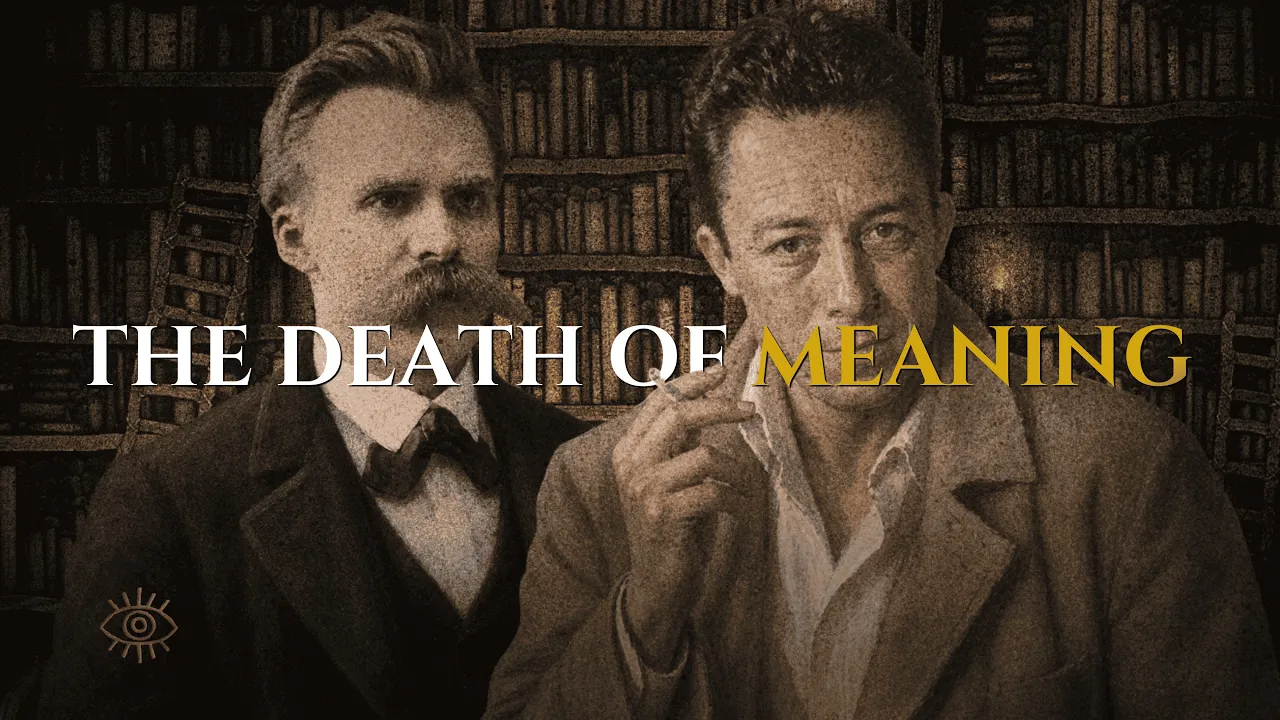

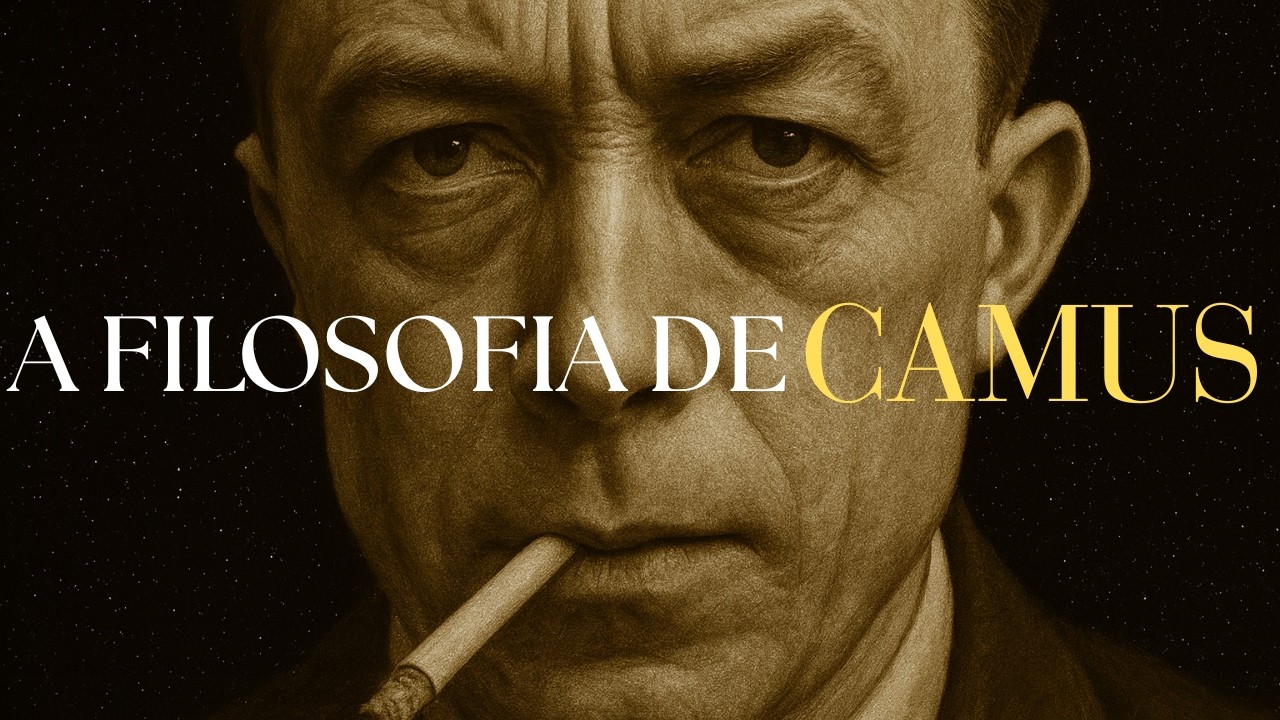













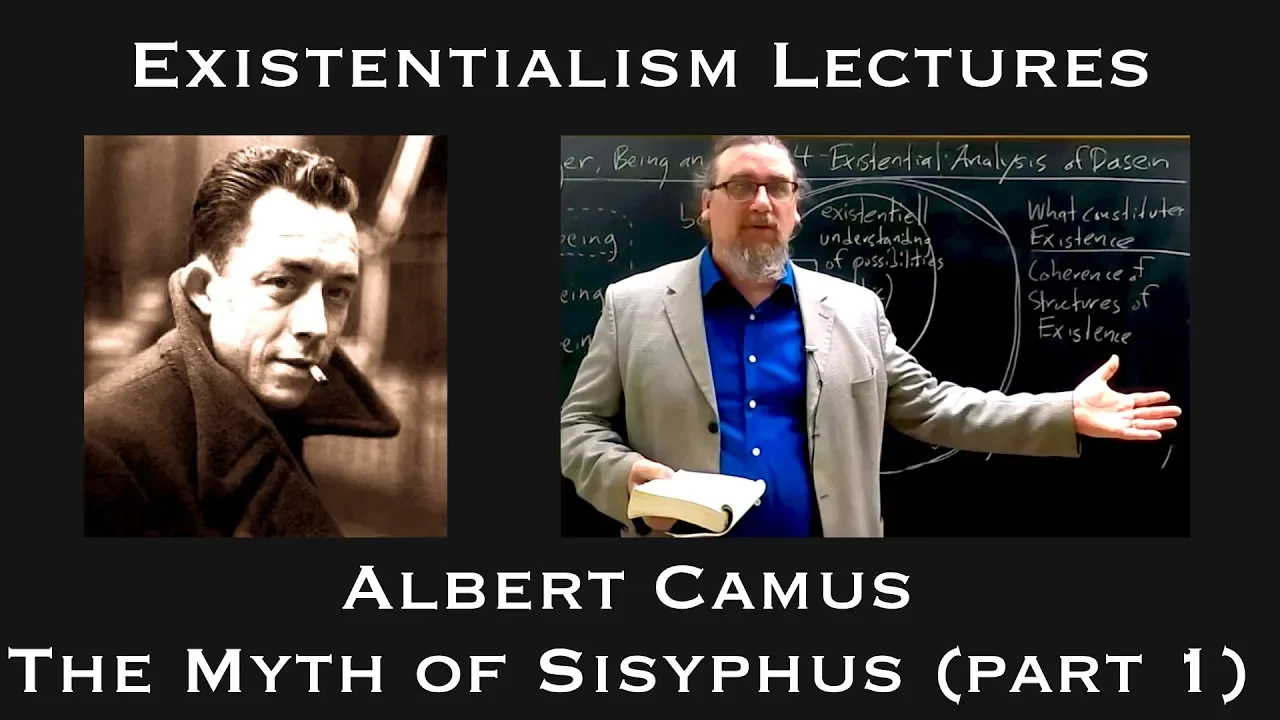
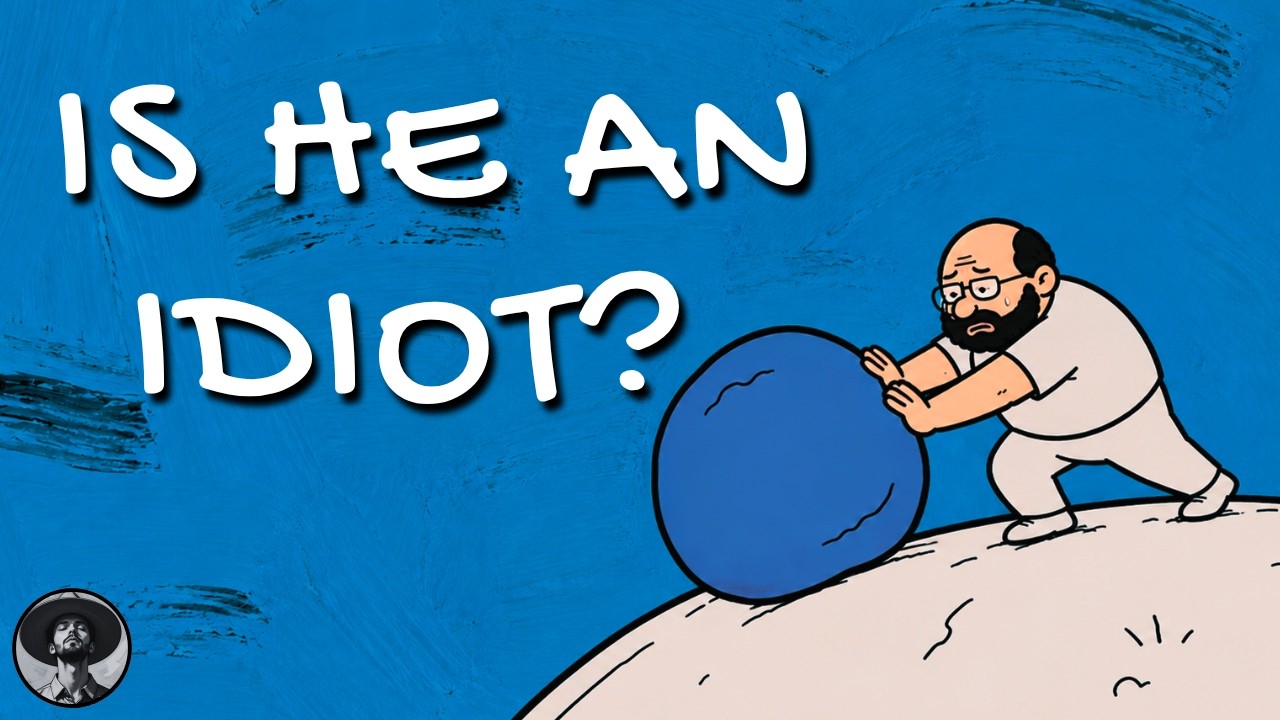
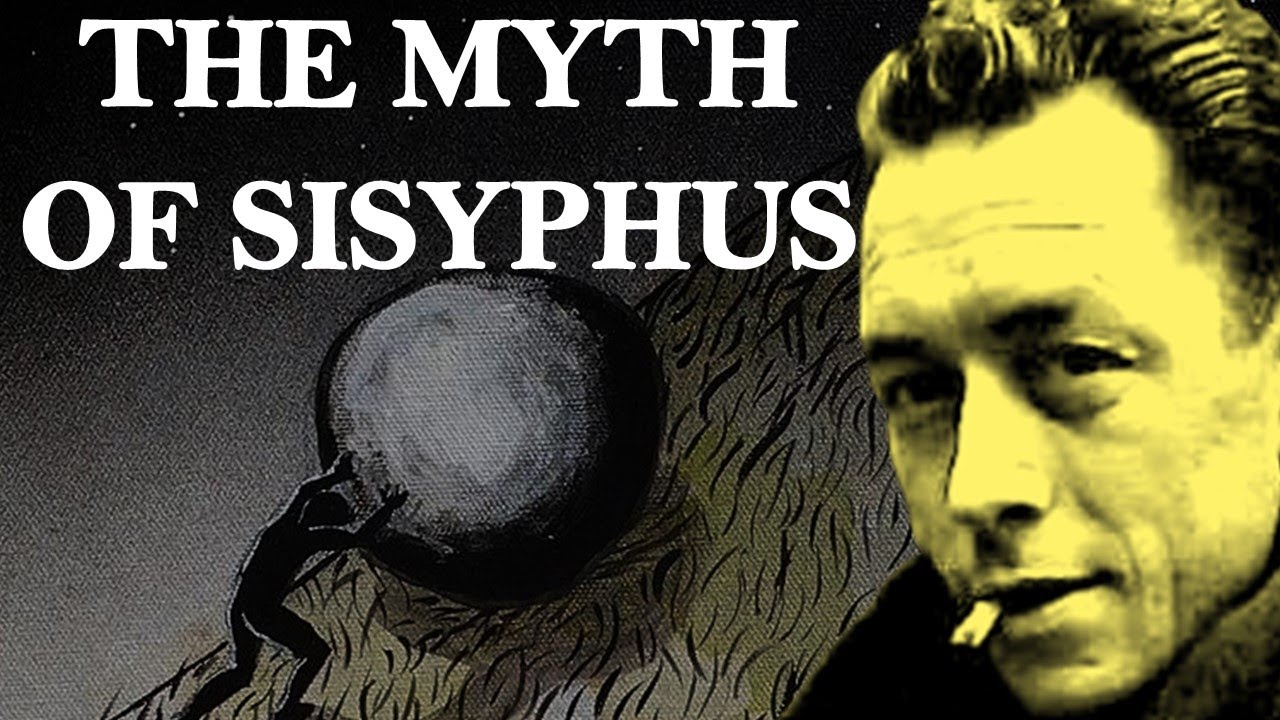
Albert Camus, an existentialist philosopher, argues that the central philosophical question is suicide, and that human existence is fundamentally absurd because life presents itself as having meaning while actually lacking inherent significance; however, humans can find meaning by embracing this absurdity and 'sticking it to the gods' through rebellion, as exemplified by Sisyphus who finds purpose in his endless task of rolling a boulder up a hill.
Camus on the Absurd: Sean Kelly on Existentialism & Suicide
Added:The fundamental principles of Existentialism, particularly the concept that 'existence precedes essence' as popularized by Jean-Paul Sartre.
Albert Camus's definition of 'The Absurd'—the conflict between the human desire for significance and the cold, silent universe.
An introductory understanding of 'The Myth of Sisyphus', Camus's key essay where he introduces the philosophical problem of suicide.
The distinction between philosophical nihilism (the belief that life is meaningless) and existentialism (the creation of subjective meaning).
Analysis of Camus's 'The Rebel' (L'Homme révolté) to understand how absurdism transitions into political rebellion and ethical solidarity.
A comparative study of Camus and Sartre's famous philosophical fallout over political engagement, violence, and ideological commitment.
Exploring Existential Psychotherapy, particularly how practitioners like Viktor Frankl and Irvin Yalom address existential dread and the search for meaning.
Applying the concept of the Absurd to contemporary debates on transhumanism, technological alienation, and modern secularism.
170.8K views4.5Klikes7:43Original Release: 2021-10-07
let's go to camus who is maybe less concerned with murder and more concerned with suicide as a way to explore human nature so he is uh probably my favorite existentialist probably one of the more accessible existentialists and like you said one of the people who didn't like to call himself an existentialist so what are your thoughts about camus what role does he play in the story of existentialism so i find camus totally fascinating i really do and for years i didn't teach caimu because the famous thing that you're referring to the myth of sisyphus which is a sort of essay it's published as a book super accessible really fascinating he's a great writer really engaging the opening line is something like there is but one truly significant philosophical question and that is the question of suicide yeah and i thought i can't teach my 18 year olds you know like yeah i i just thought that's terrible like how can i i mean it's not wrong like that's a but do i want to bring that into the classroom yeah and and so i read it i read the the essay i avoided it for a long time because just because of that line and i thought i'm not going to be able to make sense of this in a way that will be helpful for anyone but finally one year maybe seven or eight years ago i sat down to read it i thought i've i've gotta really confront it and i read it and it's incredibly engaging i mean it's really really beautiful and and kamu was against suicide which just turns out to be good you know i was happy about that but he he has a bit of a bleak understanding of what human existence amounts to and so uh in the end he thinks that human existence is absurd and it's being absurd as a kind of technical term for him and it means that the episodes in your life and your life as a whole presents itself to you as if it's got a meaning but really it doesn't so there's this tension between the way things seem to be on their surface and what really turns out to be true about them and and he gives these great examples like you probably remember these he says there you are you're walking uh along the street and you there's a plate glass window in a building and through the window uh you you see somebody talking on a telephone i mean i imagined it as a cell phone but camus for didn't uh but you see somebody talking on a cell phone and he's animated he's talking a lot as if things really meant something and yet camus says it's a dumb show and it's not dumb in the sense just in the sense that it's stupid it's dumb in the sense that it's silent it presents itself as if it's got some significance and yet its significance is withheld from you and he says that's what our lives are like everything in our lives presents themselves to us as if it's got a significance but it doesn't it's absurd uh and and then he says really what our lives are like are like they're like the lives of sisyphus just day after day you do the same thing you know you wake up at a certain time you get on the bus you go to work you take your lunch break you get off my i have a colleague who once said to me something like this it was about october or so in the fall semester i said how's how's it going dick he said well you know how it is i got on the conveyor belt at the beginning of the semester and i'm just going through and that's that's the way my life is and camus thinks that that experience which you can sometimes have reveals something true about what human lives are like our lives really just are like the life of sisyphus who rolls this boulder up the hill from morning till night and then at night he gets to the top and it rolls back down to the bottom over the course of the night he walks back down and then he starts it all over again and he says sisyphus is condemned to this life like we're condemned to our lives but we do have one bit of freedom and it's the only thing that we can hang on to it's the freedom to stick it to the gods who put us in this position by embracing this existence rather than giving up and committing suicide and i thought well it's kind of a happy ending but but but i also thought it it's a dim view of what our our existence amounts to so i i think there's something fascinating about that but what i came to believe and i tried to write about this once i know you read the thing about aliveness that i published once that's secretly a criticism of camus i don't think i mentioned camu in there but i think camus has got the phenomenon wrong or he's missed some important aspect of it because in camus view when you experience your day as sort of going on in this deadening way and you're just doing the things that you always do the way you always do them for kamu that reveals the truth about what our lives are but i think there's some aspect at least for me and maybe maybe he just didn't feel this or didn't have access to it maybe others don't but for me there's an extra part to it which is somehow that yes that's the way things are and it's inadequate and there's something that's missing from that aspect of our existence that could be there and it feels like our lives are not about just putting up with that and sticking it to the gods by embracing it but seeking that absence part of it the part that's recognizable in its absence in your experience of that and that's that's what i think i i think we do have the experience of the presence of that in moments when you feel truly alive and that's what you mean by the word aliveness which is a fascinating and a powerful word yeah that's what i mean by it i mean i think most people can recognize moments in their lives when they really felt alive and it could happen in a moment when you know i don't know maybe miles davis felt it in that moment when he was responding to herbie hancock's cord or maybe you feel it in that moment where you grab for the hand on the first date and the gesture is reciprocated or maybe you feel it in some moment when you are doing a kind of peak athletic thing or watching somebody else do a peak athletic thing but i think there are moments when we when it feels like it's not like the way camus is describing things and it's better because of that you
Up Next
4:57
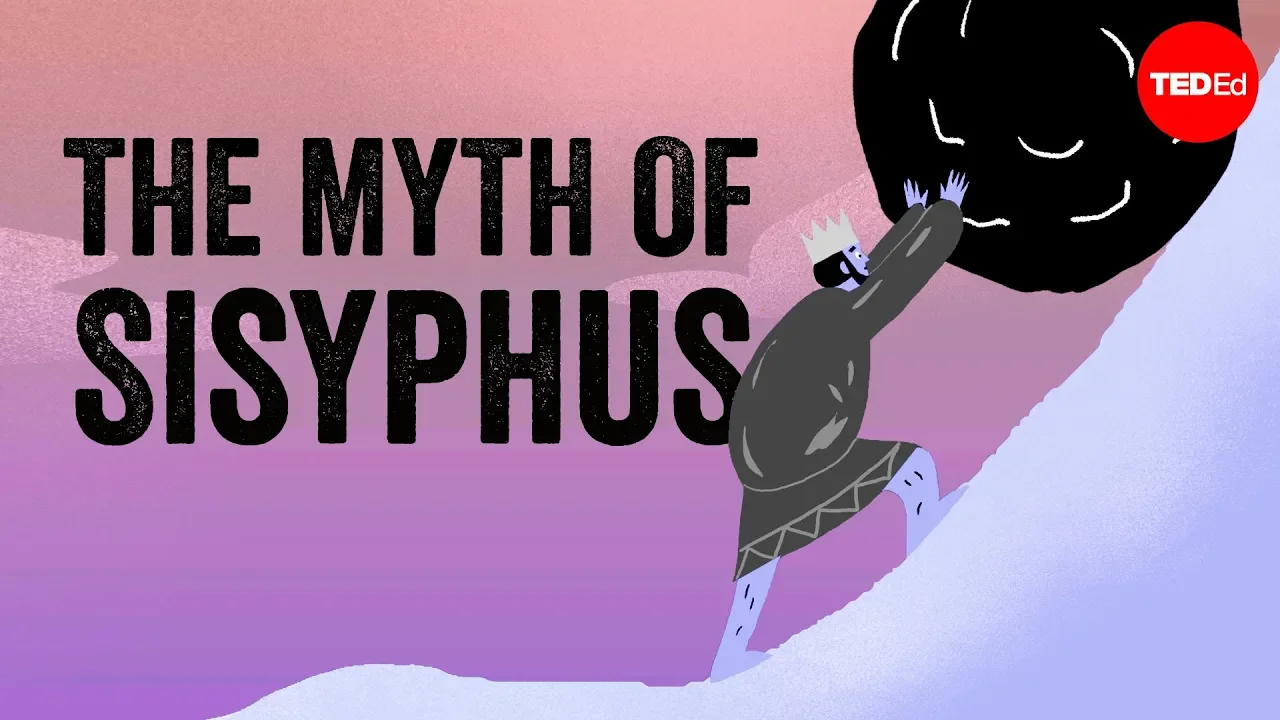
The Myth of Sisyphus: A Greek Legend of Eternal Punishment
@TEDEd
8.6M views•2018-11-13

164:01
John of Damascus on Holy Images: A Theological Defense
@BannedBooks
139 views•2026-04-25

68:32
Should We Destroy the Machines? Big Tech Surveillance Critique
@TheStoriesWeTell303
167.9K views•2025-11-30
10:35
Philosophy Explained: Origins, Metaphysics, Epistemology & Value Theory
@crashcourse
8.1M views•2016-02-08
Related Study Plans & Knowledge Roadmaps
Structured learning paths in Philosophy
philosophy
Frankfurt School: Critical Theory & Culture
01Foundations of the Frankfurt School and Critical Theory
02Horkheimer & Adorno: The Critique of Instrumental Reason
03The Culture Industry and Mass Deception
+ 2 more learning modules
12h5 modules
Explore Roadmap
philosophy
Philosophy of Language: From Frege to Austin
01The Linguistic Turn: An Introduction to Language in Philosophy
02Gottlob Frege: Sense and Reference
03Early Wittgenstein: The Picture Theory of Meaning
+ 3 more learning modules
15h6 modules
Explore Roadmap
philosophy
Feminist Epistemology: Standpoint & Injustice
01Introduction to Epistemology and Feminist Critiques
02Sandra Harding and Standpoint Theory
03Donna Haraway and Situated Knowledges
+ 2 more learning modules
12h5 modules
Explore Roadmap
philosophy
Environmental Philosophy: Ethics & Deep Ecology
01Foundations of Environmental Ethics & Anthropocentrism
02Biocentric Individualism and Animal Liberation
03Ecocentric Holism and Deep Ecology
+ 1 more learning modules
10h4 modules
Explore Roadmap